




피나스테라이드: 프로페시아,핀페시아,프로스카,핀카등 전세계 피나스테리드계열 제네릭의약품 정보.
두타스테라이드: 아보다트, 제네릭아보다트 정보/ 미녹시딜정 : 먹는 미녹시딜 / 스피로놀락톤:알닥톤,스피로닥톤
미녹시딜 5%액 : 로게인,리게인, 잔드록스,마이녹실,스칼프메드등 minoxidil계열의 정보
기타의약품:시메티딘,로아큐탄,스티바A(트레티노인),다이안느, 드로겐정, 판토가
최신 인기 게시물
전체[피나스테리드] [re] 시간이 없어서 그냥 원문만 옮겨 놓을께요
>전 프샤복용한지 이제 막 한달이 되었습니다
>처음엔 머리기름도 줄고 빠지는 양도 거의 없더니 3주쯤 되니까 갑자기 우수수수 떨어지는겁니다
>너무 당황되고 솔직히 무섭습니다
>탈모는 상당부분 진행된 상태로 지내다가 마지막 희망을 갖고 프샤를 복용하고 있습니다
>새딩이 보편적인 현상인지,또 그 지속상태는 어느정도인지 알고 싶군요
>이대로 가다가는 전부 빠져버리겠습니다....
>새딩이 일어나면 약의 효과가 없는건지,나한테 안맞는건지도 궁급합니다
>저는 크게 피곤한건 모르겠고 조금 피로함은 느끼고 있어요.
>문제는 새딩입니다
>꼭 알려주세요!
minoxidil.com에서 퍼 왔습니다.
참고로 하세요...(성장기 탈모.. anagen effluvium과는 관계없을 것 같아서 옮겨오지 않았습니다.)
SHEDDING AND HAIR LOSS
With its cycle of repetitive planned obsolescence and rebirth, hair is a unique organ system. It’s of little wonder that with its complex and continuous recycling, there can be multiple clinical disorders based on cycling abnormalities. Although much is known about the organization and composition of the hairs themselves and of the follicles, we still have an incomplete and rudimentary understanding of relevant pathways and mechanisms that regulate follicular function. In this article, we are addressing only entities that cause hair loss or shedding, rather than problems of hypertrichosis or overgrowth of hair.
The first hair follicles on the scalp form at approximately the 9th week of gestation. On the average, the human scalp will have 100,000 follicles and no further follicular neogenesis occurs after birth. You are born with as many hair follicles as you are ever going to have. The same follicles that produced lunago (unpigmented ultra-fine) hair in the fetus and immediate postnatal life, eventually produce terminal hair. It is important to note that during one’s lifetime, the same follicles can intermittently produce vellus or terminal hair.
A knowledge of the hair cycle is essential to understanding hair problems. Hair growth on the human scalp is an asynchronous regeneration of the hair follicle in repeated cycles, referred to as a mosaic pattern of follicular growth. The growth stage is the anagen phase. The duration and rate of growth of the anagen phase normally varies at different body sites, in different individuals, and at various ages. Scalp hairs have a relatively long anagen phase typically ranging from 2 to 5 years, but has been documented to be as long as 10 years. The short-lived catagen period, usually 2 to 4 weeks in duration, is the transitional portion of the cycle. At this time, each terminal hair bulb moves from its location in the dermis to a more superficial location by means of shrinkage and remolding of that portion below the bulge region where the arrector pili muscle inserts. This muscle is not present on true vellus hair and allows terminal hairs to ‘stand on end’. Once a hair has made the transition to the telogen phase, its existing hair shaft will not grow any longer. The hair shaft during the telogen phase is no longer anchored securely in the dermis as it was in the anagen phase and can be easily dislodged with the gentle traction of brushing or shampooing or combing. Usually the shedding is unnoticed. Since the hair can accumulate in the shower drain or on soapy hands, patients can erroneously associate washing the hair with causing hair loss. The telogen hair has a club shaped proximal end within the hair follicle and retains the club shape when it is shed. The new hair produced from the subsequent anagen phase does not "push out" the hair from the previous cycle and may on occasion be found adjacent to the temporarily retained club hair within the follicular canal
Many of the causes of alopecia listed above are rare and are not frequently encountered in any practice. A good dermatology textbook will describe the entities. However, it is important to understand that there are many causes for hair loss.
Although it may sound contradictory, shedding and hair loss is not synonymous. First, we must define our terms. Shedding refers to hair shafts that easily or spontaneously fall out of the scalp. There are multiple causes of shedding. Shedding normally occurs at the end of the telogen phase, but, in pathological cases, can also occur during anagen. As a rule, shedding usually refers to a temporary event and suggests that the hair shaft will grow back again as thick as before, providing there is not an intervening pathological process.
In distinction, hair loss can refer to either the temporary or permanent loss of hair or a loss not in the number of hair shafts, but in the volume and texture of the hair shaft. For example, permanent hair loss can be caused by a scarring alopecia, such as occurs in third degree burns or radiation to the scalp. Typical of a loss in the volume of hair, but not in the number of follicles, would be the miniaturization of the follicle due to male pattern baldness (MPB).
A complete medical history can almost always determine the cause of alopecia. If necessary, there are alternative ways for determining aberrations of scalp hair cycling. The first is the ‘hair pull’. This simple technique involves gentle traction from the base to the terminal ends of a group of 25 to 50 hairs. Normally, only a few hairs are dislodged on six to eight such hair pulls. Shedding of two to three hairs per pull is pathologic. If there is increased shedding, the proximal ends should be evaluated to determine if there is an intact hair shaft and bulb, which would indicate either an effluvium (Latin for "a flowing out") or hair breakage.
A biopsy of the scalp may or may not be helpful with the diagnosis of a particular hair disorder. The information it delivers about cycling aberrations is merely confirmatory to that obtained by other simpler, less expensive means, and the diagnosis of hair shaft abnormalities cannot be made by a scalp biopsy. The real value of a scalp biopsy is in the insight it can offer into mechanisms of alopecia.
Since this article is being written primarily for the information of patients affected by pattern baldness, we’ll limit the subject of shedding and hair loss due to physiologic processes, medications, telogen effluvium, anagen effluvium and male pattern baldness.
PHYSIOLOGIC SHEDDING
Since it would be normal to have 10 to 15% of all the hairs on the scalp in the telogen phase, we can expect that 50-100 of those hairs are at the end of the phase and will readily shed. The anagen phase is in proportion to the size of the follicle and can vary from months to years. Vellus hairs have an anagen period of a few months. However, regardless of the length of the growing period or of the size of the hair follicle, the length of the telogen phase remains fairly stable, i.e. approximately 100 days. As a consequence, the anagen/telogen ratio in an area affected by male pattern baldness is higher than in areas unaffected or less affected by male pattern baldness (MPB), so in any given time period, there will be more shedding of hair from the areas affected by MPB than there will be in the remainder of the scalp.
At the end of the telogen phase, the follicle will re-enlarge and re-organize and begin producing a new hair shaft. To date, we do not have any medications that can be used safely to shorten the telogen phase.
SHEDDING DUE TO CHEMICAL AGENTS
Minoxidil
For the same reasons that minoxidil promotes hair growth, it can also cause shedding. Despite many years of research and use, the exact physiologic mechanisms whereby minoxidil stimulates hair growth is not known. The stimulatory effect of minoxidil on the hair follicle can cause hair that is in the telogen phase to shed before the end of the normal 100-day telogen period.
The effect of minoxidil on the hair follicles is dose dependent. The initial shedding was rarely reported during use of topical 2% minoxidil. With 5% topical minoxidil, it was usually not noticeable, but was infrequently reported. With the use of currently available minoxidil concentrations of 12.5%, the initial shedding is commonly reported. The shedding can be noted within weeks of initial use of topical minoxidil.
Since shedding due to the use of topical minoxidil only effects hair that is in the telogen phase, the increased shedding should not last longer than 100 days and should only effect those areas of the scalp where the topical minoxidil is being applied.
Finasteride(이게 프로스카/프로페샤 인건 알고 계시죠?)
There have been multiple reports of excessive shedding several months after finasteride therapy. Typically, there is a good response to finasteride to prevent or reverse MPB. Then, around the 11th to 16th week, there can be sudden shedding, sometimes on a massive scale. The entire phenomenon fits the description of a telogen effluvium. It is a common observation that post-partum women often suffer the same temporary hair loss. In the case of finasteride use, the telogen effluvium appears to be a reaction to the sudden change in the systemic levels of the sex hormone, DHT. Often the cause of a telogen effluvium are obscure, but has been related to high fevers, stress, trauma, medications, etc.
The shedding is generally diffuse (global) and can affect areas of the scalp not usually affected by MPB. So, it would be common to note shedding from the sides and back of the head in addition to the crown, vertex and frontal areas. The shedding tends to be fairly symmetrical, but will be more noticeable in the areas affected by MPB, because there is a higher ratio of hairs in the telogen phase than in the other areas of the scalp.
The duration of a telogen effluvium is variable, but rarely lasts more than a few months and there is invariably complete restitution unless another pathologic process also occurs.
As a rule, treatment is not necessary because the hair will grow back. For most patients, there is no evidence of residual loss of hair within a year. However, there have been cases of patients taking finasteride and reporting repeated bouts of excessive shedding. In this situation, it would be advisable to discontinue use of finasteride in favor of alternative anti-androgens.
TELOGEN EFFLUVIUM(휴지기 탈모)
This is a common type of temporary hair loss and may occur at any age. The phenomenon represents a precipitous shift of a percentage of anagen hairs to telogen, typically 3 to 4 months after an inciting event. The reaction can be to a variety of physical or emotional stresses:
In a significant number of patients, no obvious cause is found for the telogen effluvium. Telogen effluvium is always potentially completely reversible and does not lead to total scalp loss. Rarely does more than 50% of the hair become involved in a telogen effluvium. For more details on telogen effluvium, please refer to the article found in the Journal Articles on this website.
ㅡㅡㅡㅡㅡㅡㅡㅡㅡㅡㅡㅡㅡㅡㅡㅡㅡㅡㅡㅡㅡㅡㅡㅡㅡㅡㅡㅡㅡㅡㅡㅡㅡㅡㅡㅡㅡㅡㅡ
Telogen Effluvium (Including Postnatal, Postfebrile, Postpartum,
and Heparinoid Alopecia)
Unit 2-35: TOXIC AND PHYSIOLOGIC ALOPECIA Vol. 1 Section 2: DISEASES OF HAIR
The separation of this form of diffuse hair loss as a distinct pathogenetic disorder has only been accomplished in this century. Appreciation of this condition has been dependent on the establishment of methods for qualitative and quantitative evaluation of statistically significant numbers of hairs from an individual scalp; manual epilation and low-power microscopic examination of approximately 100 hairs as introduced by Van Scott and co-workers1 has proved to be reasonably atraumatic and effective diagnostically and prognostically, particularly in telogen and anagen alopecias.
INCIDENCE
Telogen alopecia (along with male-pattern baldness) surely represents the most common type of alopecia. Postnatal and postpartum alopecias affect virtually all children and probably the majority of parturient women, although the latter may be so minimally affected as to escape clinical notice. Prevalence of postfebrile alopecia is not known, although "epidemics" have been noted, for example, during the 1918 flu epidemic.2 Telogen effluvium also follows discontinuation of oral contraceptives, which is analogous to the well-recognized postpartum shedding. Because this form of hair loss represents in effect an acceleration of a normal and disease states will tend to overlap considerably.
CLINICAL MANIFESTATIONS, CAUSE, AND PROGNOOSIS
The characteristic feature of telogen alopecia is a latent period of several weeks between the inciting event and clinical hair loss. The data of Schiff and Kern3 concerning onset of hair loss following delivery can be represented graphically to follow a reasonable facsimile of a bell-shaped curve, with about one half of 98 cases beginning at 11 to 13 weeks. This agrees well with the often-stipulated 3-month interval (the normal average duration of retention of telogen hair in the scalp), but variation from 4 to 16 weeks should be expected. Onset within a few days of pregnancy, however, suggests the possibility of a concomitant or antecedent process compounding the event.
Complaints of clinical alopecia will vary with the sensitivity of the affected woman to the process and her concern with cosmetic appearance. This may be particularly frustration to the examining physician, because true increase in rate of loss of telogen hairs may be exceedingly difficult to detect. It must be remembered that about 50 hairs are lost from the average scalp per day. If this rate is increased to 150 per day, for example, and the scalp contains 100,000 or more hairs, the amount of hair lost over an entire week will be only about 1%. If these hairs are lost from follicles distributed randomly over the scalp, clinical detection of alopecia may be impossible; yet the patient is losing hair at three times the normal rate and may be justifiably concerned. This is true of all type of telogen alopecia.
The loss of hair is sometimes partially patterned rather than randomly diffuse and tends to follow the frontal distribution typical of male baldness. This is particularly true of the normal postnatal shedding observed in virtually all infants.4 This little-studied and apparently universal phenomenon of infant development is better known to mothers than physicians. Justification for this medical lack of interest presumably is based on the temporary nature of the process and complete restitution of normal scalp hair by the end of the first year of life.
All these processes may be regarded as physiologic and consequent to premature induction of the normal hair cycle termination without apparent pathologic implication. In addition, exogenous administration or accidental ingestion of anticoagulants (heparin, heparinoids, coumarin), gold compounds, and propranolol, causes telogen effluvium. The effect is believed to be related to dose - not duration of therapy.5
Although usually secondary to therapeutic administration, accidental poisoning with warfarin can result in the same process. The clinical features are identical with the other cases of telogen alopecia, that is, a diffuse hair loss with clinical severity dependent on a rate of loss, percentage of hairs converted to telogen, and extent of passive removal by manipulations such as excessive brushing.
Telogen alopecia from medication causes diffuse hair loss or predominantly frontal shedding. The hair may not be shed until 3 months after starting the causative medication.
Some instances of alopecia cannot be related to specific physiologic or toxic events. Many observers have noted severe diffuse alopecia occurring in apparently temporal relation to severe antecedent emotional trauma.
The duration of telogen alopecia is somewhat variable, but complete restitution invariably occurs unless another pathologic process supervenes. In one series of subjects with postpartum alopecia, 56 or 98 patients returned to normal in 5 or 6 months. Apparently a few cases may persist for 1 or more years, but this is a distinct exception. It is difficult to assess reports of post-infectious alopecias persisting for years. In the usual case, assurance of complete return to normal with 1 year is entirely warranted.
The relationship of postpartum alopecia to recurrent pregnancies is of prognostic (and possibly pathogenetic) interest. Schiff and Kern stated that a new pregnancy established in the early postpartum period (prior to second menses) was not followed by alopecia.
ETIOLOGY AND PATHOGENESIS
Postpartum hair loss represents an apparent delay during the third trimester in the normal rate of anagen-telogen conversion. Those hairs that would have normally converted during this period apparently do so only after release from the hormonal alterations of pregnancy, resulting in a temporary increase in the number converted to telogen hairs during the postpartum period. This interpretation is based on the observation by Lynfield7 of an increased percentage of anagen hairs before delivery and a significant decrease (or increase in telogen) after delivery. The precise hormonal mechanism is unknown, although Lynfield cites the know influence of estrogen on prolonging the anagen stage.
The mechanism of postfebrile alopecia is unknown. Although clinical impressions would suggest that a major elevation of temperature is necessary there is no good quantitative evidence to support this supposition. Similarly, the induction of telogen alopecia by heparin and related compounds occurs by an unknown mechanism. The ability to produce telogen alopecia by purposeful prescription of known agents that in proper doses do not cause serious systemic toxicity provides unique opportunity for studies of pathogenesis. The interesting observation of an inconstant perivascular collagenous degeneration similar to that notes in alopecia areata8 and certain cicatricial alopecias9 requires additional investigation for appropriate interpretation.
DIAGNOSIS
The diagnosis of telogen alopecia, although reasonably evident from history in most cases, can be directly confirmed by identification of all shed hairs as morphologically normal telogen hairs by observation of a greatly increased number of telogen hairs (decreased anagen - telogen ratio) in the scalp, as reflected in a sample of epilated hairs. It must be emphasized, however, that even an anagen-telogen count must be interpreted with caution. A count late in the course of anagen alopecia when most growing hairs have already been lost would reveal a high proportion of telogen hairs by epilation: both experience and constant referral to the person are mandatory.
DIFFERENTIAL DIAGNOSIS
Diffuse nonpatterned alopecia will not normally be confused with any of the patchy or cicatricizing processes. In telogen effluvium the scalp skin is entirely normal, as are the hair shafts. Differentiation from (acute) anagen alopecia is generally not difficult. When all anagen hairs are severely damaged, 90% or more of the scalp hairs may be lost in a short time. Telogen alopecia by contrast rarely results in loss of more than 50% of scalp hair. Even this gross loss may be remarkably unspectacular clinically, particularly if the remaining hair is long and tends to mask the thinning. Observations of the hair roots will reveal characteristic differences in anagen or telogen alopecias. Hairs damaged in anagen will show specific morphologic dysplastic alterations. Hairs lost in telogen alopecia are morphologically normal resting hairs.
The situation may be more confusing when an agent responsible for anagen alopecia is delivered slowly rather than rapidly, as for example chronic ingestion of small amounts of a toxin. Similarly, smaller doses of a cancer chemotherapeutic agent may result in entirely reversible matrix inhibition or only a small percentage of visibly affected hairs. The magnitude of hair loss in such instances may be more similar to that in telogen alopecia than to gross loss of acute toxic anagen alopecia. Careful observation of spontaneously and manually epilated hairs should detect characteristic constrictions, breaks, or atrophic hairs in the latter instances.
Telogen alopecia resulting in male-pattern hair loss can be readily overlooked in the male; in the female it is less likely ignored. The etiology of male-pattern baldness in women is often obscure, but search for causes of underlying telogen alopecia is appropriate.
TREATMENT
There is no effective treatment for telogen alopecia. Careful explanation of cause and favorable prognosis, together with instructions to preserve as many telogen hairs in the scalp as possible by avoidance of manipulation until new growth has progressed, should be routine.
본 게시물의 내용은 이용자의 개인적인 경험 및 공개된 일반 정보를 바탕으로 작성된 것으로, 특정 의약품의 광고, 홍보 또는 사용을 권유하기 위한 목적이 아닙니다. 전문의약품의 사용 여부 및 치료에 관한 사항은 반드시 의료 전문가와 상담하시기 바랍니다.
모발이식 포토&후기
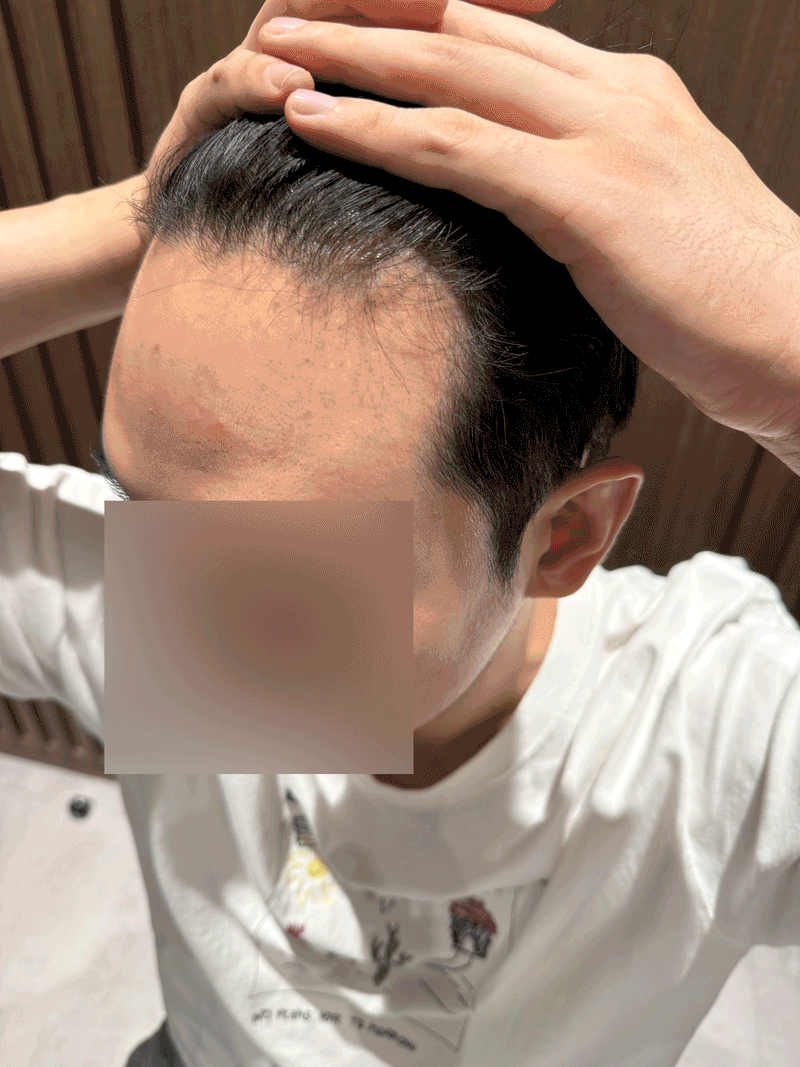

직업적인 이유도 있고 보여지는 일이 많아 모원에서 비절개로 수술을 선택했는데 7개월 차인 지금은 일하며 마주하는 사람들도 확실히 하고 나니 더 좋아보인다며 좋아진 부분을 이야기해주네요. 그럴 때마다 만족감이 큽니다. 돈쓴 값 한 것 같은 느낌? 사람들을 자주 만나고 사진을 찍거나 할 때도 더 자신감 있게 나선다는 이야기를 요즘 듣습니다. 긍정적인 변화 같네요. 거울을 볼 때도 이전에 눈에 밟혀 신경 쓰이던 부분을 덜 신경쓰니 그만큼 다른 외모에 신경을 쓰게 되고 그게 또 일에 긍정적으로 도움을 주네요. 라인, 밀도 볼 겸 사진 찍었었는데 어느 순간 현생 산다고 안 찍었더라고요.후기 남길 겸 차에서 찍어봤는데 수술 전과 비교하니 라인, 밀도가 좋아졌다는게 무슨 말인지 저도 알만큼 차이가 있네요. 뿌듯합니다. 아직도 생착? 자라는 것? 은 진행 중이라고 하고 더 좋아질거라고 하니 기대감이 커지네요. 스타일 좋아졌다고 좋은 일 있냐는 이야기를 듣는 일이 늘었습니다. 하나 팁을 드린다면 수술했다고 끝이 아니니 필요하다면 탈모약도 복용하고 관리도 병행하세요 . 별것 아닌 듯 보여도 컨디션에는 좋아지는 것 같습니다. 저는 앞으로 남은 기간 동안 얼마나 더 좋아질지 기대하고 있고 1년 차가 되면 다시 후기 남겨보겠습니다!! 감사합니다 좋은 하루 보내세요!
 63
63  0
0 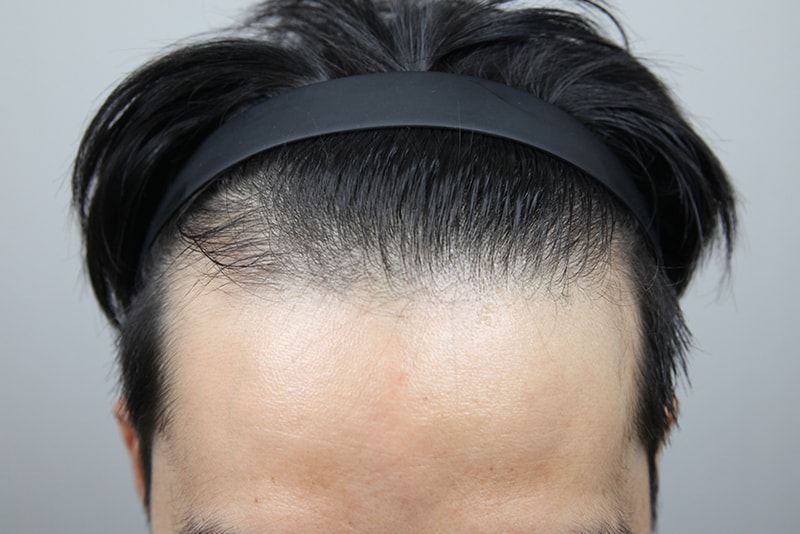

드디어 암흑기가 끝나고 4개월 차입니다. 1개월 차 때 원장님이 언젠가는 오는 암흑기니 머리 한번 다 빠지고 다시 잘 날 거라고 하셨는데와... 진짜 신기하게도 그 암흑기가 지나고 나니까, 3개월 차 접어들면서부터 심었던 자리에아주 미세하게 솜털 같은 녀석들이 스멀스멀 올라오기 시작하더라고요. 지금 4개월 차인 현재는? 새 머리들이 아주 성실하게 쭉쭉 올라오고 있습니다!거울 볼 때마다 비어 보이던 라인이 채워지는 게 눈으로 보이니까 신기하고 기쁩니다~ 항상 병원에 경과 보러 갈때마다 느끼는 거지만,원장님이 직접 제 두피 상태랑 모발 올라오는 속도 세심하게 체크해 주시고,아주 잘 자라고 있으니 걱정 안 하셔도 된다고 확신을 주시니까 마음도 편안하니 안심이 돼요그래서 병원 갈 때마다 대접받고 제대로 관리 받는 기분이라 대만족 중입니다.모나라, 1인 병원 원장님의 최고의 장점이 아닌가 싶네요 ㅋㅋㅋㅋㅋㅋ 4개월 암흑기 끝났다고 모낭에 좋은 건강 앰플로 관리도 직접 해주시고,안마의자에서 레이저 시원하게 받고 왔습니다~~ 이제 겨우 4개월 차라 아직 갈 길이 멀고 1년 뒤가 찐이겠지만,벌써부터 라인이 잡히는 게 보여서 앞으로가 더 기대됩니다. 다음 경과에는 더 풍성해진 찐 후기로 또 찾아오겠습니다.다들 암흑기 와도 절대 멘탈 털리지 마시고 새 머리 나려고 준비하는 거니 힘내세요!!득모!!!!!!!
80
0 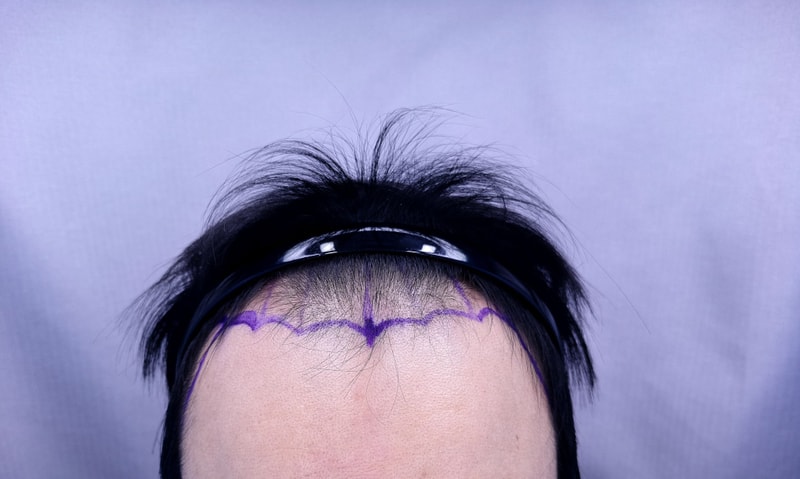

앞이마도 넓은 엠자형 심한 탈모여서 대구에서 비절개로만 병원 알아보다가 연세모벨르가 제일 경력도 오래된데다 후기들이 많이 좋아서결정하고 모발이식한지 벌써 4개월이나 지났네요^^4개월 경과만으로도 전 대만족입니다 4개월 사진 보시면 머리카락이 짧아서 그렇지 전 모습과 비교해보면 암흑기 지난지 얼마안된거 치고는 많이 올라온듯 합니다^^ 병원 원장님도 그렇게 얘기하시고 1년지났을때는 머리가 길어지면 더더 수북해질거라고 말씀하신 부분에서 정말 감격이 몰려왔습니다. 와~ 진짜 탈모때문에 고민해보신분들은 진짜 아실거에요. 모발이식수술하려고 하면서도 이게 잘 자라줄 것인가 실패함 어쩌지 진짜 여러생각이많이 되고 지금도 1년되서는 더 좋아질까 의문과 고민이 생기지만 여태까지 봐서는 이식한 부위에 진짜 평생을 머리카락 없이 살다가 채워지니솔직히 1년이 되어서도 지금 저 정도에서 머리길이만 더 길어도 전 진짜 만족할랍니다. 지금은 병원에서 처방해준 탈모약 피나계열약과 탈모영양제, 바르는거 듀크레이 사용 열심히 하고 있습니다. 더 좋아진다니 더더더 열심히 하게 되네요.나중에는 주사치료까지 같이 병행할 예정입니다~ 아무리봐도 진짜 모발이식 잘 받은듯 합니다. 연세모벨르 강추합니다^^
88
0 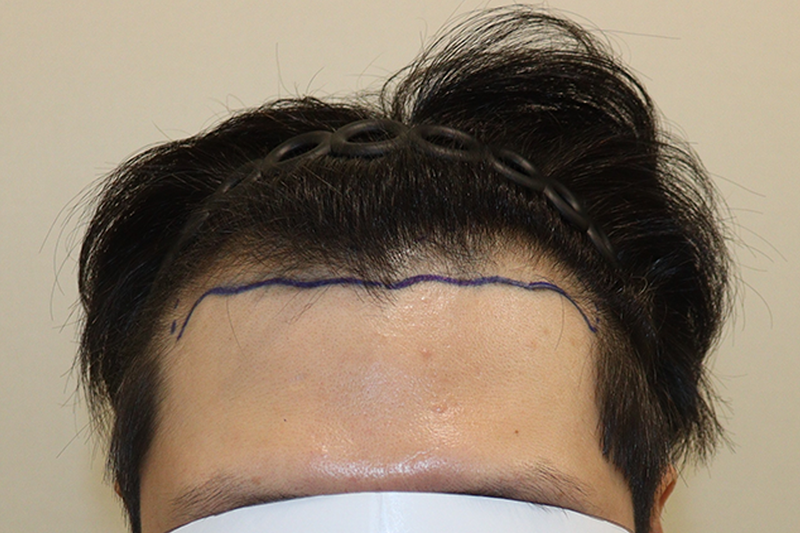

운영하는 사업체가 있어서 경과를 제대로 보러 오지 못하긴 했어도암흑기 지나고 나서부터는 알아서 잘 자라는 거 보고 문제 없겠구나 하면서병원에서 준 약이랑 샴푸 쓰면서 잘 관리하니 벌써 이만큼 자라있네요처음에 상담 받으러 다닐때는 다른 병원에서 18500~1600모 정도 견적 받았어서1200모 말씀하실때 살짝 걱정됐던 기억이 있었는데지금 보면 그때 고집 안 부리고 원장님 말씀 들은게 잘 한 선택인 거 같습니다.아직 덜 자라긴 했어도 이정도 경과면 이미 훌륭하게 잘 자라고 있다고 생각이 드네요주변사람들에게도 1200모 심은거다라고 말하니까2천모는 심은줄 알았다고 하는 거 보면확실히 원장님께서 주차 실력이 좋은게 맞는 거 같습니다이마도 답답하지 않고 시원시원하게 잡아주신 덕분에 눈에 거슬리는 거 없이 경과 매우 만족스럽습니다.
106
0 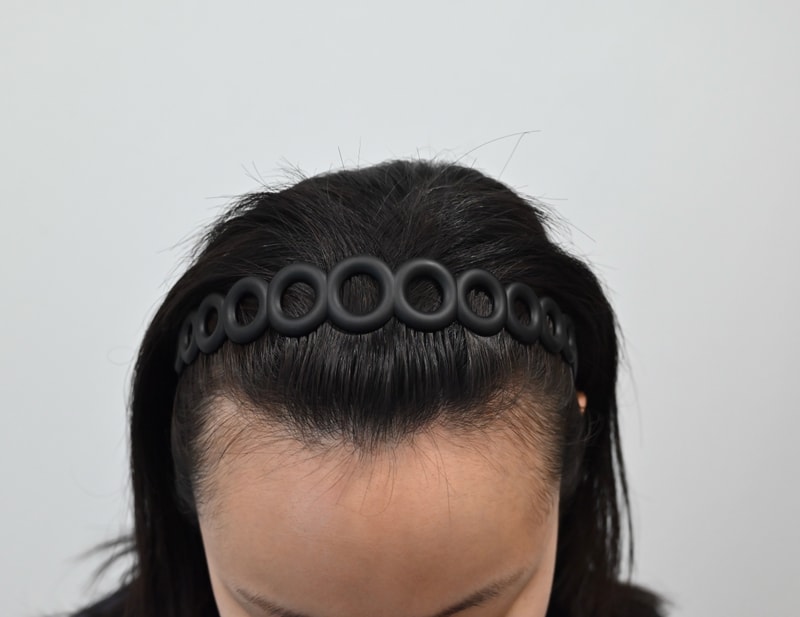

수술한지 13일차 되었습니다! 말안하면 수술한지는 아무도 모릅니다.처음 3일간은 생착스프레이를 열심히 뿌려줬구요. 머리도 매일매일 조심히 감았습니다. 얼음팩을 귀찮아서 잘 사용하지 않았더니 붓기는 저만 아는 정도로 일주일정도 갔습니다. 이마 멍도 7-10일 지나니 사라졌어요! 후두부는 어제까지 에스로반 연고 하루한번씩 꼭 발라줬구요. 10일까지는 샴푸할때 너무 아팠습니다. 현재 아직 가끔씩 따갑고 매우매우 간지럽습니다. 이식부위도 엄청간지러운데 지문샴푸가 이제 가능하니 지문샴푸하면 좀 나아질까싶어요. 각질이 많습니다. 가까이서 보면 각질이 티나긴해요.수술 후 이마라인이 너무 맘에 들어서 만족하고요! 약간 비어보이는 부분들이 있는데 원장님이 각질때문에 그런거지 괜찮을거라고 하셔서 안심됩니다~! 후관리 열심히하여 생착이 다 되도록 지켜봐야겠어요. 은근히 시간이 많이 소요되는 수술이네요. 오늘 원장님 뵙고 왔는데 궁금한 것 이것저것 여쭤봤고 항상 친절히 설명해주시고 수술도 잘해주셔서 감사합니다.
105
0 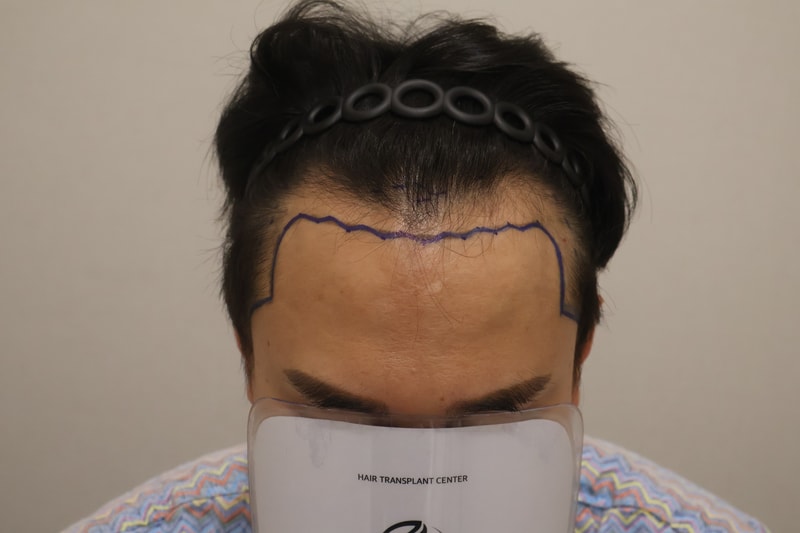

안녕하세요! 모발이식 수술을 받은 지 벌써 9개월이라는 시간이 흘러 이렇게 경과 후기를 남깁니다. 저도 수술 전에는 정보 찾으려고 밤새 커뮤니티 뒤지던 기억이 선한데, 어느덧 제가 이렇게 대성공 후기를 쓰는 날이 오네요.비포 사진과 9개월이 지난 지금 사진을 같이 올리니, 고민 중이신 분들께 도움이 되었으면 좋겠습니다.1. 깔끔하고 쾌적한 병원 인테리어와 첫인상처음 병원에 발을 들였을 때부터 심리적으로 참 편안했습니다. 병원 인테리어가 굉장히 세련되고 깔끔하게 잘 되어 있어서 마치 고급 스파나 라운지에 온 것 같은 기분이 들더라고요. 대기 공간도 프라이빗하고 쾌적해서 긴장감보다는 편안한 마음으로 순서를 기다릴 수 있었습니다.2. 과잉 진료 없는 솔직하고 디테일한 상담여러 병원 발품을 팔아봤지만, 이곳은 상담부터 확연히 달랐습니다. 무조건 많은 모수를 권하기보다는 제 현재 두피 상태와 모발 밀도, 그리고 앞으로의 탈모 진행 방향까지 고려해서 정말 필요한 만큼만 정직하게 진단해 주셨습니다. 실장님과 원장님 모두 제 눈높이에 맞춰서 수술 과정과 사후 관리에 대해 아주 쉽게 설명해 주셔서 깊은 신뢰가 생겼습니다.3. 감동적이었던 직원분들의 친절도상담부터 수술 당일, 그리고 이후 경과를 보러 갈 때까지 모든 스태프분들의 친절함에 매번 감동했습니다. 긴장하지 않도록 사소한 부분까지 따뜻하게 챙겨주시고, 수술 후 관리법도 귀에 쏙쏙 박히도록 친절하게 안내해 주셨습니다. 병원 갈 때마다 대접받는 느낌이 들어서 참 기분이 좋았습니다.4. 결과가 증명하는 원장님의 압도적인 실력수술 전 디자인 잡은 사진을 보시면 아시겠지만, 원장님께서 헤어라인을 완전 일자가 아니라 원래 제 머리처럼 자연스러운 미세한 굴곡(지그재그)을 주어 디자인해 주셨습니다. M자 파인 곳은 물론이고 측면 관자놀이 라인까지 얼굴형에 딱 맞춰서 잡아주셨는데, 9개월이 지난 지금 그 라인 그대로 머리카락이 올라왔습니다!이식모와 기존 모발의 경계선이 전혀 느껴지지 않을 정도로 밀도 보강을 촘촘하게 잘해 주셨고, 머리카락이 자라나온 방향이나 각도도 너무 자연스럽습니다. 요즘은 올백 스타일을 하거나 앞머리를 당당하게 넘기고 다니는데 주변에서 수술한 줄 전혀 모릅니다. 9개월 차 총평!!모발이식은 원장님의 실력과 감각이 전부라는 말을 몸소 체감하고 있습니다. 3개월 차 암흑기 때는 살짝 불안하기도 했지만, 병원을 믿고 버텼더니 9개월 만에 인생 최대의 콤플렉스를 극복하는데 큰 도움이 되었습니다.시설, 친절함, 상담, 그리고 가장 중요한 원장님의 실력까지 무엇 하나 빠지지 않는 곳이라 주변에 탈모로 고민하는 지인들에게도 동탄헤어로 의원 적극 추천합니다. 다들 득모하세요!
171
2 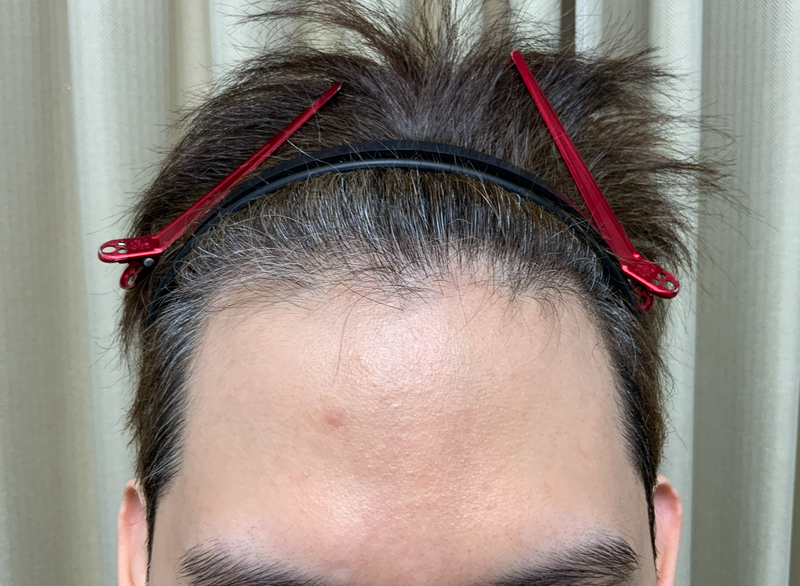

일정이 밀려 7주일 경과 조금 오바해서 10일 경과 보고 왔습니다. 경과 공유가 조금 늦었는데,,,아직 까지는 굉장히 만족하고 있습니다. 다음번에 3개월 경과 보러 갈때는 사후관리 주사치료 까지 시작하려고 예약 잡아 두고 왔습니다. 연세모벨르가 수술도 유명하지만 주사치료로 효과 보신 분들이 많아 유명하더라고요 주사 치료도 하게 되면 후기 공유 드리겠습니다.
156
2 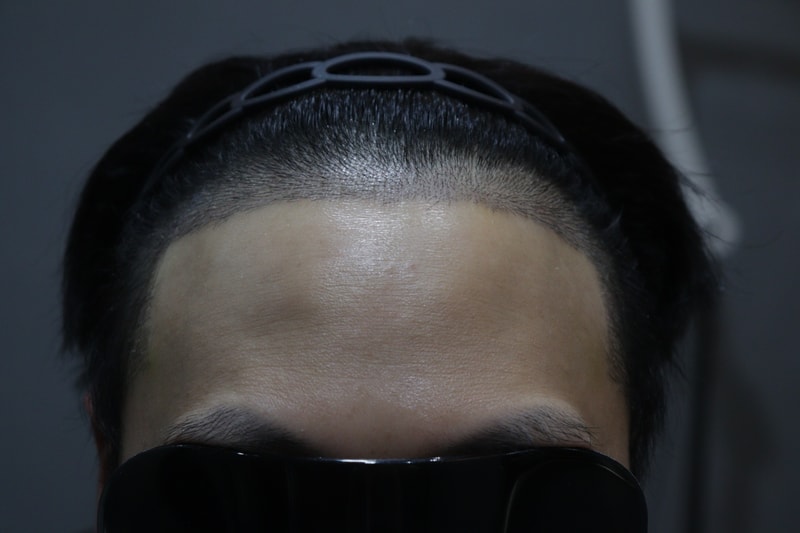

모발이식 10일차 후기입니다.토요일에 압구정모비앙의원 최현용 원장님께 절개방식으로 수술진행했습니다.10년 전에 다른 곳에서 절개 2400모 했었는데 만족도가 낮아서 재수술 고민 많이 했습니다. 최현용 원장님과 상담 후 확신이 생겨서 진행 했고 매우 만족합니다. 절개로하면 아프고 회복이 오래 걸린다는 걱정 했는데 수술 스킬이 좋으셔서 그런지 첫날 저녁부터 통증없이 너무 편하게 잠을 잤습니다.토요일 수술하고 월요일 출근 했는데 불편한 점 하나 없고 일상 생활 무리없이 했습니다. 주변에서 수술 했는지 알아보는 사람도 없어서 긴 휴가도 필요 없었습니다.밀도, 방향 모두 만족스럽고 암흑기 끝나고 다 자랐을때 모습이 기대됩니다.
128
1 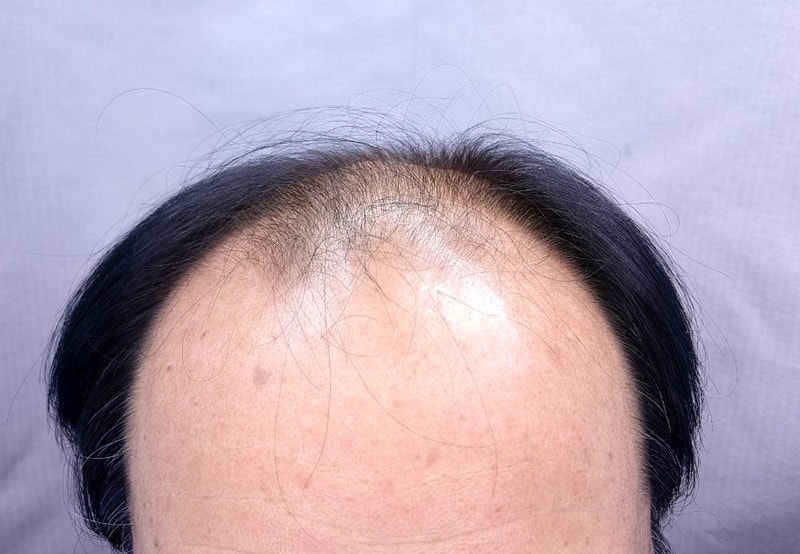

안녕하세요~ 인천 연세모벨르 모발이식 후기 올려봅니다!아버지가 예전부터 탈모 때문에 고민이 많으셨는데 처음 병원에 갔을 당시에는 두피 상태가 좋지 않아 수술보다는 두피문신을 하라고 하더라구요.. 문신하고도 비어보이는 부분이 어느정도 커버되니 만족하셨는데, 저는 사실 시간이 지날수록 조금 어색한 느낌도 들고 살짝 아쉬움이 남더라구요..ㅜㅜ 그러던 중에 지인이 모발이식 하고 만족했다는 얘기를 듣고, 약 처방도 받을 겸 소개받아 연세모벨르로 상담받으러 갔지요ㅋ큰 기대 없이 상담 받았는데 현재 상태를 확인해보니 수술이 가능하다는 이야기를 들었고, 자세한 설명을 듣고 고민 끝에 수술을 진행하게 됐습니다.수술 후에 병원에서 두피 관리랑 보톡스도 맞으시면서 관리했어요. 초반에는 걱정도 있었지만 시간이 지나면서 점점 변화가 보이기 시작했고, 지금은 9개월 차가 됐네요.결과는 저도 그렇지만 아버지 본인이 정말 만족스러워하십니다!!!예전에는 머리 때문에 신경 쓰는 모습이 많았는데 지금은 훨씬 자연스럽고 풍성해 보이고, 가족들도 만나면 머리 좋아졌다는 이야기를 많이 할 정도예요. 탈모로 이런저런거 해보고 아쉬움을 느끼고 계신다면 상담이라도 한 번 받아보시는 걸 추천드립니다!!
179
2 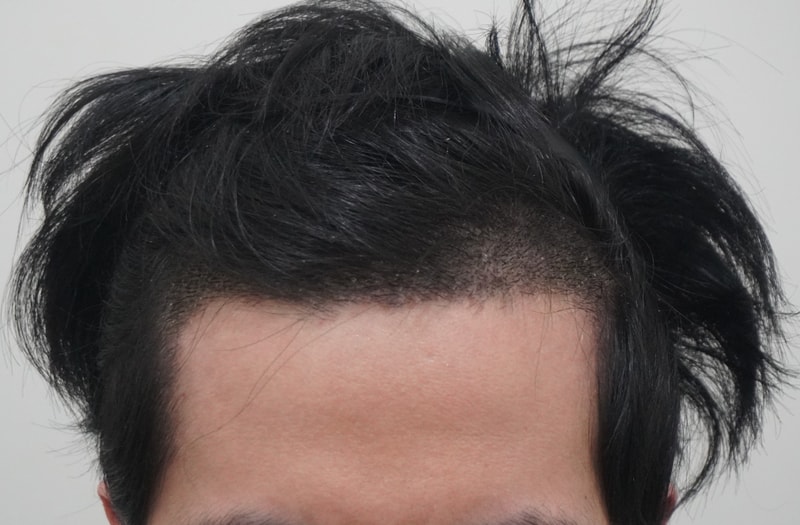

3년 정도 아보다트 먹으면서 유지하다가모발이식 고민하던 중에친구가 용닥터에서 모발이식을 받았는데라인이 괜찮길래 상담 받은건데박상현 원장님이 저랑 비슷한 사례 여러 개 보여주셔서참고 많이 되고 좋았어요상담도 좋았지만무엇보다 상담 때 그려주신 디자인이 마음에 들어서용닥터에서 받기로 결심했습니다2주 되고서 잔디 같이 막 심은 모발이 자라나기 시작하니까자신감도 막 올라오고 그러네요바람 불어도 두렵지도 않고 오히려 당당합니다ㅋㅋ모발이식이라는 수술이 있어서 참 다행이고 감사한 것 같아요생착도 잘 되고 있다고 하셨고금연 금주 주의 해주라 하셔서한동안 뇌에 힘 빡 주고 살아야 할 것 같습니다ㅋㅋ!득모를 위해서라면 참아야겠죠모발이식 예정이신 분, 하신 분, 고민하시는 분모두모두 득모 하세요
155
1 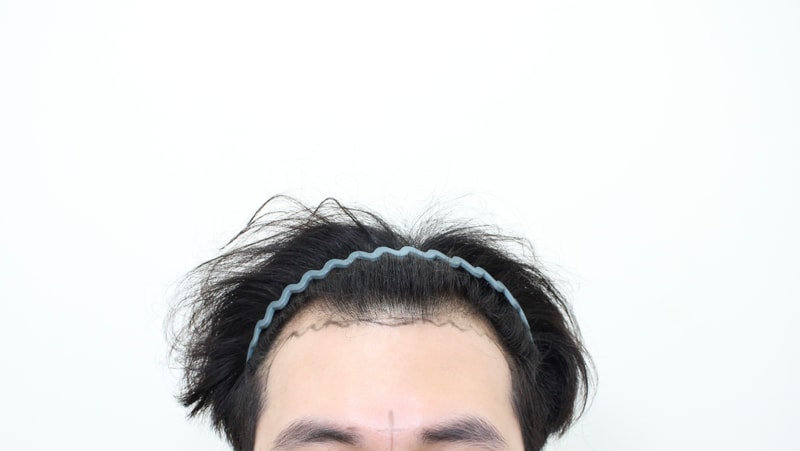

-수술종류 : 모발이식- 병원명 : 모프로의원- 탈모유형 : 남성형 M자 탈모- 수술 경과기간 : 1년- 모(낭)수 : 계획모수 3800모 / 실모수 3970모- 모발이식 비용 : 616만원- 채취방법 : 절개- 이식방법 및 의사/간호사 이식 여부 : 의사이식/ 식모기경과내용 및 사진 : 어느덧 모발이식 한지 1년이 지났군요처음에 반신반의하는 마음이였지만 그래도 밑져야 본전이다 해보자 하는 마음으로 병원들 발품을 팔기 시작하며 여러 병원에서 상담 끝에 모프로병원으로 정하여 이식을 받았습니다. 결과는 대만족 그 자체네요 주위에서도 너무나도 극찬하는 수술입니다. 물론 허술한 곳도 많으니 잘 알아보셔야겠죠. 일단 수술 전 후 사진 비교해보면 모프로의원 원장선생님 실력은 검증이 되고 추가적으로 수술 후 케어적인 부분에서도 상당한 만족감을 느꼈습니다 ㅎ여러분들도 고민하는 시간이 길어질수록 시기만 늦춰질 뿐이니 하루빨리 좋은선택 하길 기원합니다 ㅎㅎ
154
2 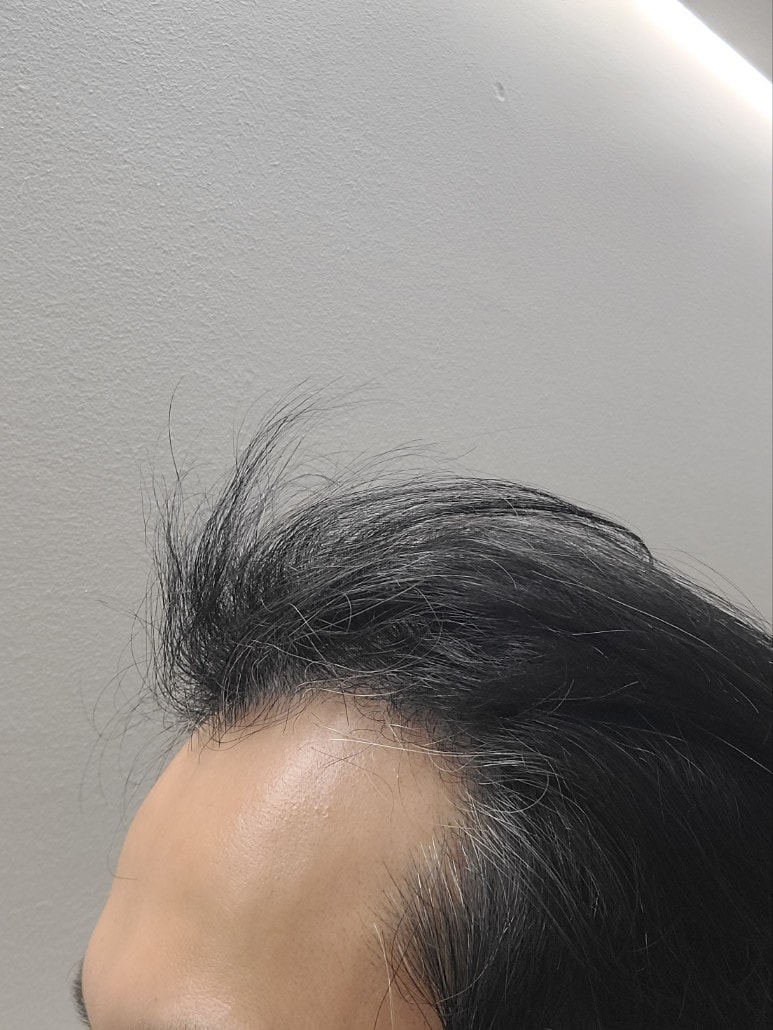

[이식 전/후 사진] 이식하기 전 사진 입니다.이식받은 후 최근 1년 됐을 때 사진입니다.[병원 가게 된 계기]원래 선천적으로 이마가 넓은 편인데 최근 들어 M자 라인이 더 깊어지는 느낌이 들어 미용 목적으로 헤어라인 상담 받으러 방문했습니다.상담 받아보니 단순 헤어라인 문제보다는 전체적인 탈모 진행 상태도 같이 봐야 한다고 하셔서 탈모 진단 및 치료 상담까지 함께 진행했습니다.작년에 직급이 올라간 뒤 스트레스를 많이 받다 보니 올해 초부터는 머리가 비어 보인다는 느낌이 확 들기 시작하면서 외적인 스트레스도 컸거든요. [상담 후기]블로그 후기 보고 회사 점심시간에 방문했고 예약제로 운영해서 대기 없이 바로 상담 받을 수 있어 좋았습니다.저는 줄삭발 3500모 진행했고 상담때 절개방법이랑 마취, 통증 같은 부분도 자세히 질문드렸는데 이유진 원장님께서 하나하나 꼼꼼하게 설명해주셔서 신뢰가 갔습니다.또한 원장님 뿐만 아니라 실장님도 전문적으로 응대해주셔서 상담 자체 만족도가 높았습니다. 수술 후 줄기세포 치료 1회도 무료로 진행해주셨는데 두피 관리 차원에서 만족스러웠습니다.추가 치료도 받아보고 싶었지만 직장 때문에 시간 맞추기가 쉽지 않아 추후 다시 고려해보려고 합니다. [수술 1년차 후기]현재는 1년차인데 M자 부분이 자연스럽게 많이 채워졌고 예전보다 훨씬 어려 보인다는 이야기를 자주 듣고 있습니다.머리를 올릴때도 예전처럼 헤어라인 신경 쓰는 일은 사라졌고 그로 인해 머리에 관한 스트레스도 많이 줄었습니다.과하게 티나는 느낌 없이 자연스럽게 자리 잡은 부분이 가장 만족스럽습니다. [복용 약 / 관리]프로페시아는 예전에도 2~3년 정도 복용했었고 현재는 다시 복용 중입니다.병원에서 추천 받아 바르는 미녹시딜도 같이 사용하고 있습니다.
157
1 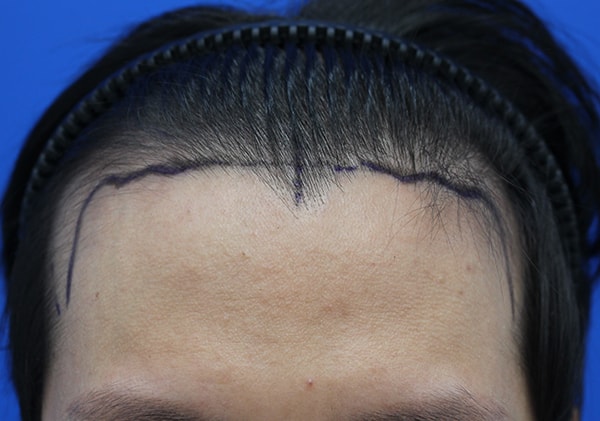

M자 탈모 때문에 이번에 큰맘 먹고한나이브에서 비절개 모발이식 2500모 받고 온 따끈따끈한 직후 후기 공유합니다!저는 처음부터 무조건 비절개만 생각하고 손품 발품 엄청 팔았는데,서울 강남 쪽은 진짜 비용이 입이 떡 벌어질 정도로 ㄷㄷ하더라고요.강남 쪽은 아무래도 비싼 자리세나 임대료 같은거품이 수술 금액에 그대로 녹아있는 느낌을 지울 수가 없었는데,알아보니 한나이브는 병원 자체 건물이라 그런 불필요한 거품을 빼고훨씬 합리적인 금액대로 책정되어 있다는 점에서 신뢰가 확 갔습니다.(실제 상담에서 들었던 내용)그렇다고 무작정 저렴한 신생 병원들의 미끼 광고는 검증이 안 돼서아예 상담조차 받지 않았고, 오랜 역사와 확실한 인지도를 가진 믿을 만한병원 중에서 비용과 실력을 모두 잡은 한나이브를 최종 선택하게 되었습니다.막상 가보니 시설도 정말 쾌적하고 웅장한 데다가 수술 후 케어 프로그램 같은사후관리 시스템이 서울 대형 병원들보다 오히려 훨씬 더 체계적이고꼼꼼해서 대만족이었습니다.저는 이마 높이 자체는 높은 편이 아니라 높이는 따로 내리지 않고양쪽 밀린 M자 부위만 집중적으로 채우는 방향으로 2500모 진행했는데,디자인도 아주 깔끔하고 빽빽하게 잘 심겨서 거울 볼 때마다 뿌듯합니다.지난주에 수술받고 다음 날 병원 내원해서 첫 샴푸 케어 받은 이후부터는 집에서 혼자 감고 있는데, 아직은 이식 부위에 생착이 중요해서 지문 샴푸를못 하고 거품으로만 조심조심 얹어가며 감다 보니 머리가 금방 떡지는 건 어쩔 수가 없네요. 다들 이 시기를 어떻게 버티셨는지 팁이 있다면 공유 부탁드리며,얼른 암흑기 지나고 2주 차가 되기만을 손꼽아 기다리고 있습니다.비절개 고민하시는 분들 굳이 비싼 서울 강남까지 갈 필요 없이합리적이고 실력 확실한 곳으로 잘 비교해 보시길 바래요.조만간 경과 좀 더 보고 다음 후기로 또 찾아오겠습니다!
166
3 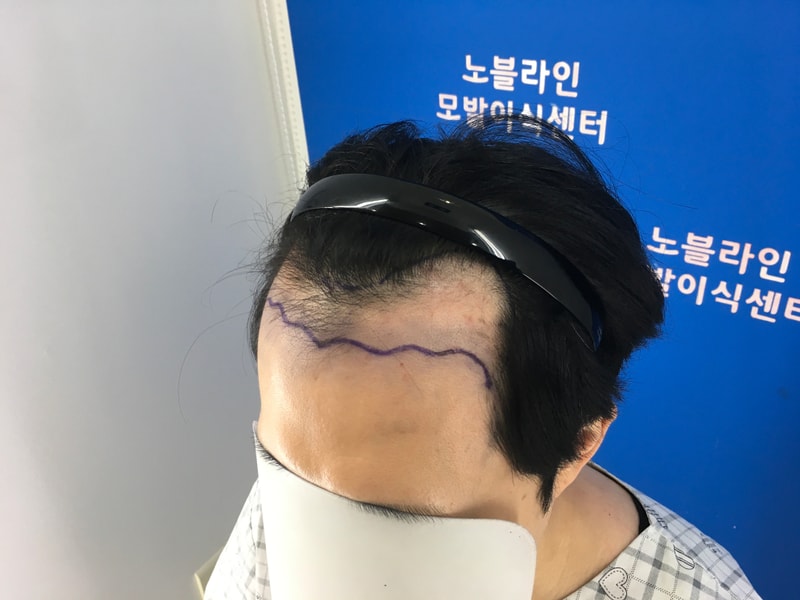

암흑기에 빠졌던 머리들이 조금씩 다시 자라나고 있습니다. 맨들맨들 할 정도로 머리가 따 빠져나갈땐 솔직히 겁도 났는데 다시 자라올라오는 걸 보니까 이제서야 조금 안심이 됩니다. 7177모를 심었습니다. M자 치고는 되게 많이 심었는데 그래도 정수리까지 타고 올라가기 전에 잘 심은 것 같습니다.지금은 아주 가느다란 모발만 자라고 있는 상태라서 뭐라 말씀드리기 어렵습니다.조금 더 자라보고 경과 또 올려보겠습니다.
261
3 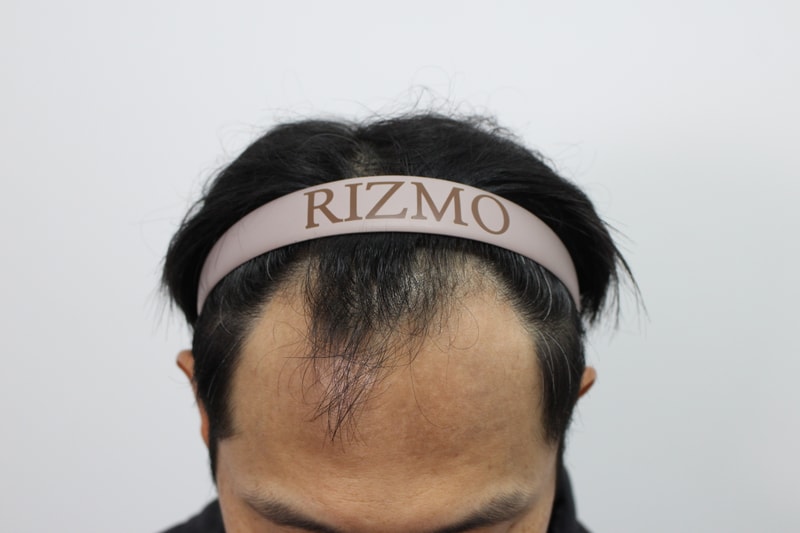

안녕하세요. 오랜 고민이었던 모발이식 수술을 마치고 후기를 적습니다. 부산 리즈모의원 김두솔 원장님께 수술을 받았는데, 상담때부터 꼼꼼하고 궁금한점을 잘 상담을 해주셔서 상담 때부터 믿음이 갔습니다. 저는 비절개, 투블럭 삭발,슬릿으로 수술을 선택하게 되었습니다.제 상태를 보시고 김두솔 원장님께서 3600모 이식을 추천해 주셨는데, 큰 수술임에도 불구하고 통증도 거의 없었고 디자인부터 밀도까지 정말 세심하게 신경 써주시는게 느껴졌습니다. 매일 회사 출근 할 때마다 머리 스타일링 때문에 스트레스 받고, 모자로 가리기 급급했던 날들을 생각하면 전혀 아깝지 않은 가치 있는 투자였다고 생각합니다.앞으로 암흑기를 거쳐, 좋은결과를 기대해봅니다.감사합니다.
217
1 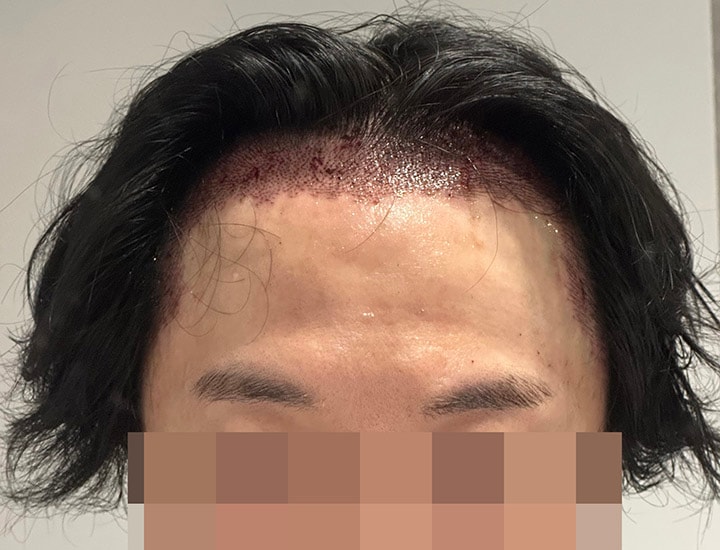

병원 -> 압구정 모우림의원모(낭)수 -> 2200모낭이식 방법 및 의사 / 간호사 이식 여부 ->식모기/이재민비용 ->900만원 대압구정역모발이식 전문 모우림의원에서 4400모 헤어라인 절개 이식 수술 받았습니다.6/3일 오후 3~4시 쯤 수술 받았고, 오늘로 6일차네요.위에부터 1일, 2일, 3일, 4일첫날은 수술 마치고 잘 귀가 했고 자기전까지는 이마와 절개부위가 조금 당기는 정도의 느낌만 있었는데, 자려고 누우니 절개부위가 아파서 제대로 잠들지 못했네요.자다깨다 반복하다가 다음날 샴푸 및 소독 받으러 방문했습니다.2일차, 샴푸 및 소독 받으며 거즈를 떼고 나니 한결 편해지더라구요.절개부위에서 출혈은 조금 있었지만, 통증은 첫날의 절반정도였습니다. 붓기는 이마 위쪽으로 조금 있었구요.자기전에 집에서 배운대로 샴푸를 한번 더 진행했고, 2일차에는 다소 불편하긴 했지만 잠도 푹 잤습니다.잠들기 전에 타이레놀 한알 정도 먹은것도 도움이 된 것 같아요.3일차에도 절개부위 출혈은 미세하게 있었고, 붓기는 이마 아래쪽으로 조금 내려왔네요.통증은 욱신거림 정도로 많이 좋아졌고, 이식부위의 붉은기도 많이 진정됐어요.거즈 뗀 뒤부터는 일상생활도 가능했구요.4일차 부터는 절개부위 출혈도 완전히 멈췄고, 통증도 거의 없어졌습니다.대신에 조금씩 가려움이 올라오는데, 수술한걸 까먹고 긁을뻔 한 적이 몇번 있네요. 톡톡 두드리는 정도로 가라앉히고 있어요.아내가 새로 심은 머리카락이 많이 자란것 같다고 하는데, 이대로 쭉 잘 자랐으면 좋겠지만 암흑기 대비는 해야겠죠?그래도 원장님께서 빽빽하게 많이 심어주셔서 원활하게 넘어갈 수 있을것 같아요!새로 심어진 헤어라인과 기존 헤어라인의 간격을 보니 제 이마가 저렇게 광활했나 싶기도 하네요ㅎㅎㅎㅎ5일차절개부위 통증이 아예 없어진줄 알았는데, 자려고 누우면 당기는 느낌이 여전히 있네요.중간에 한두번 깨긴 하지만 잠을 못잘 정도는 아닙니다.생착 스프레이 자주 뿌려주면서 일상생활 진행했고, 붓기도 거의 다 빠졌어요.오늘 샴푸하고 보니 이식 부위에 각질이 조금씩 올라오고 있네요. 회복 잘 되고 있는 것 같아서 다행입니다. 원장님, 간호사 선생님, 실장님, 샴푸 관리사님 모두 세심히 챙겨주셨고,덕분에 마음 편히 수술 잘 받았습니다.중간중간 경과도 공유드릴게요!
184
0 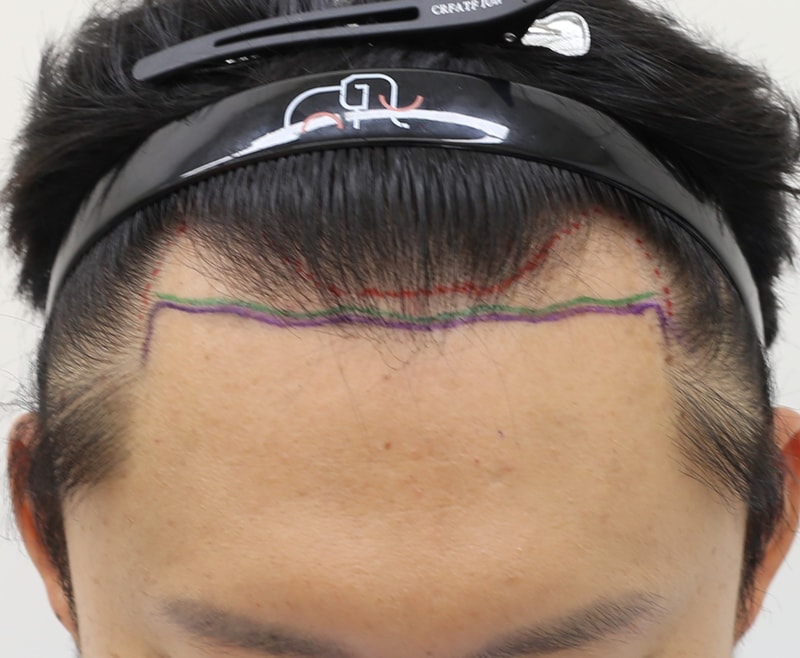

안녕하세요^^인천 맘모스헤어라인에서 수술 받게 되어 당일 후기 올립니다.그동안 일때문에 시간도 없었고, 최근에 아이가 태어나서 육아도 하고요..여러모로 고민이 많이 되서 수술을 받지 않다가제 지인이 남다우원장님께 수술 받은 걸 보고 빨리 해야겠다고 결심했습니다.아주 인천 모발이식 병원 중 최고라고 입이 닳도록 얘기하길래더 쉽게 결정하고 수술까지 하게 됐어요.아무래도 지인이 한 걸보니 믿음이 가서 상담 후 수술까지 결정하는데 아주 수월했습니다.수술예약을 하고, 수술 당일 병원에 갔을 때여전히 친절하고 프로페셔널하게 안내 및 진행도와주시는 실장님덕에긴장했던 마음이 조금 편안해졌습니다.그리고 남다우원장님은 역시나 너무 좋았어요..원장님이 프로페셔널함 속에 특유의 재치가 있으셔서 대화하다보면 너무 재밌습니다ㅎㅎ디자인할 때부터 제가 원하는것도 계속 체크해주시면서 무리하게 진행하지않아서 너무 좋았어요.디자인적으로 무리하게 진행하면 나중에 어색하거나 비어보이는 부분이 있을수있다고 설명해주셔서 믿고 따라갔습니다그리고 사파이어슬릿 진행하고 채취까지 하는데원장님과 수술팀분들 정말 프로페셔널하고 팀워크가 좋은 것 같았어요.빨리 빨리 진행되서 속시원했습니다!그리고 밥을 간단하게 먹을 수 있는 시간이 있는데깔끔하고 아늑한 환자대기실에서 여유롭게 혼자 힐링하면서 있을 수 있어서혼자서 밥먹고 폰하면서 편하게 쉬었습니다.밥 다먹고 이식을 하는데 생각했던 것보다 안아프게 빨리 끝났어요.정말 원장님이 신의 손인 것 같아요.수술하는 내내 노래도 제가 원하는 노래 다 틀을 수 있게 해주셔서계속 제가 듣고 싶은 노래 들으면서 마음 속으로 흥얼흥얼 거리며 받았네요ㅎㅎ수술 후에 사진찍은거 보고 벌써 너무 만족중입니다.라인도 딱 원하는대로 나오고 밀도도 좋아서 몇개월뒤가 더 기대가 되네요.처음부터 끝까지 잘 케어해주신 원장님과 직원분들 모두 감사드립니다!
199
0 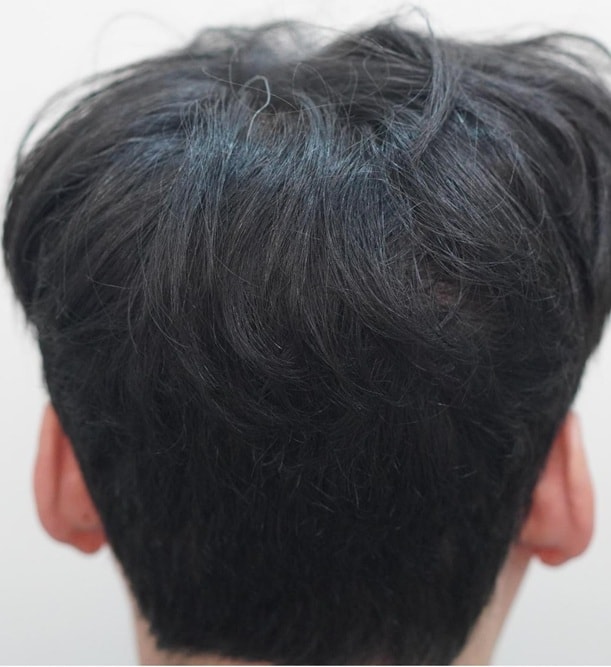

부산모발이식 10일차 후기 남깁니다해운대에 위치한 그로우의원에서 1000모 비절개(무삭발)로 수술 받았습니다 일전에 모발이식을 받았으나 부자연스러운 일자 앞머리라인을 수정하고자 수술 받았습니다(0.4~05mm 라인 내렸음)하루에 한명만 수술한다는것도 너무 마음에 들었으며 보통 뒷머리 채취할때 엎드려 있으면 피가 쏠려 많이 불편한데 그로우의원은 의자에 반듯이 앉아서 티비보면서 채취하는것도 피로도가 훨씬 덜하여 좋았습니다그리고 무삭발로 진행하여 출근할때도 뒷머리가 전혀 티가 나지 않습니다 ㅎㅎ(첫번째사진)아직 10일밖에 안되어 좀 더 지켜봐야겠지만 현재는 앞머리라인도 너무 마음에 들어 1년뒤가 궁금하네요!부산,경남에서 비절개 모발이식 고민중이시면 그로우의원도 꼭 한번 비교해보시길 바랍니다!
268
1 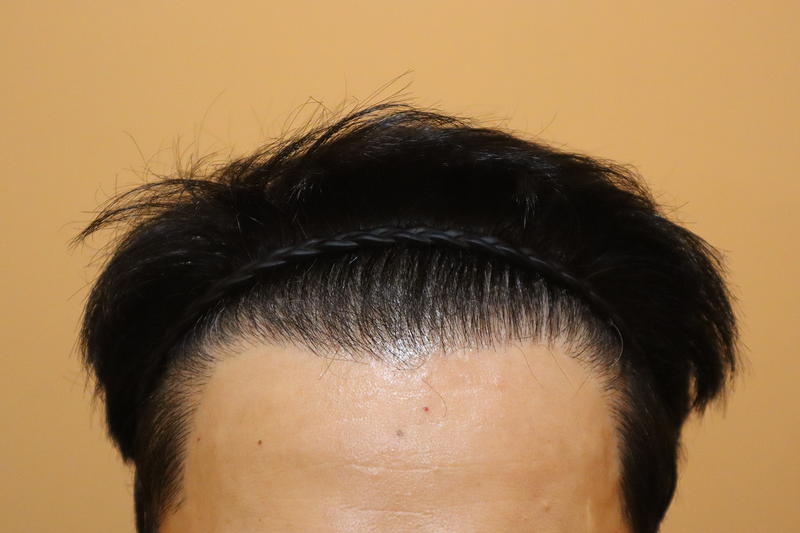

제 인생 두번째 모발이식 후 7개월차 후기남겨요.두번째로 수술받은 곳은 서면에 있는 부산 헤어로의원입니다.첫번째는 다른 곳에서 받았었는데 앞라인 밀도가 계속 줄어드는게 느껴져서 다른 곳에서 이식을 받는게 나을거 같아서 찾다가 헤어로의원을 찾았습니다.재수술은 사실 어렵다고들 해서 고민 많이 했는데 지금은 그런 걱정 덜었습니다.사실 관리를 제가 열심히 안한 부분도 있어서 빠진 것도 있다고 생각을 하긴 했는데 원장님께서 스스로도 관리를 계속 해줘야 하니 심었다고 끝내서는 안된다고 현실적인 조언을 많이 해주셔서 동기부여가 많이 되었습니다.그덕분인지 지금 경과로도 이어진거 같구요.이미 한번 했던거라 관리하는 법은 알고 있었지만 대충한거 같아 좀 부끄럽긴 하네요...이제부터는 관리 열심히 해서 지금 상태에서 안빠지게 해야겠습니다.
257
0 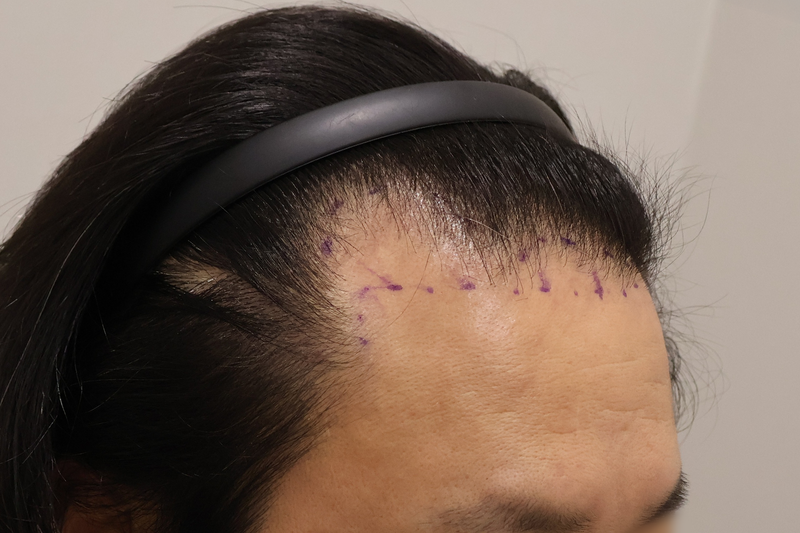

가볍게 상담만 받아보려다 고민 끝에 수술을 결정했는데 벌써 1년이 지났습니다초반에는 암흑기 때문에 걱정도 많았지만3개월 이후부터 모발이 조금씩 올라왔고 6개월쯤부터 M자 부분이 자연스럽게 채워지기 시작했습니다지금은 처음 잡았던 라인대로 잘 자리 잡아 이마도 덜 넓어 보이고 인상도 한결 부드러워졌습니다부분삭발이라 기존 머리로 가리기 편했고정기적으로 경과를 확인받아 안심할 수 있었습니다 나이 때문에 망설였던 시간이 무색할 만큼 결과가 만족스러워서괜한 걱정 말고 진작 할 걸 그랬다는 생각이 듭니다혹시 저처럼 나이 때문에 망설이고 계신 분들이 있다면 한 번이라도 좋으니 상담 받아보시고 자신감 있는 모습으로 앞으로의 시간을 보내셨으면 좋겠습니다
341
4 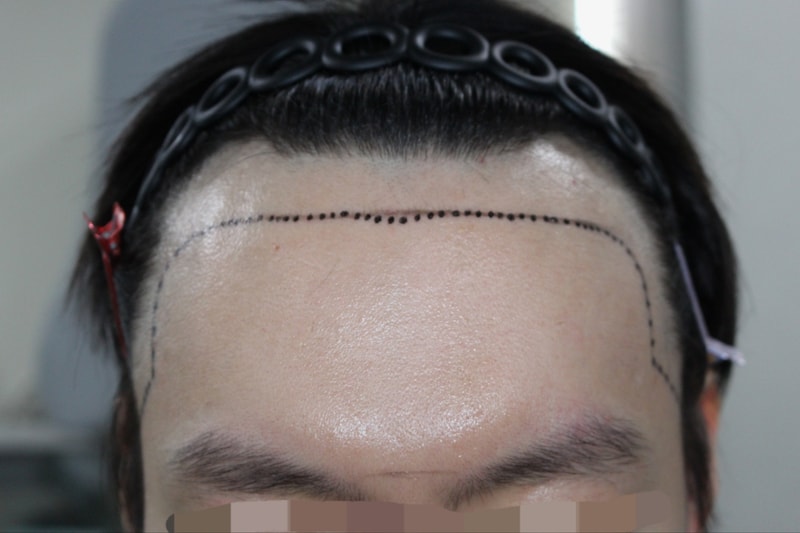

수술 전 수술 후 - 모수: 4,800모+@- 이식방식: 절개- 비용: 500만원 후반넓은 이마와 M자 탈모로 고민이 있어서 모발이식을 알아보다가 모다올 의원을 알게 됐습니다.처음으로 상담을 간 곳이었는데 상담받자마자 이 병원에서 수술해야겠다는 생각이 들었고 상담 일주일 뒤 수술하게 됐습니다.수술하는 동안에도 불편한 점이 없도록 잘 조치해 주셨고 수술 후 조치사항들도 꼼꼼하게 짚어주셨습니다.수술 다음날 병원에 들르지 못하는 상황이라 집에서 혼자 샴푸를 해야 하는 상황이었는데도 방법을 자세히 알려주셔서 딱히 어려운 점은 없었습니다.지금은 모발이식한 지 4일차이고 수술이 잘 된 것 같아서 마음에 듭니다.얼른 시간이 지나서 이식모들이 자랐으면 좋겠네요.
274
0 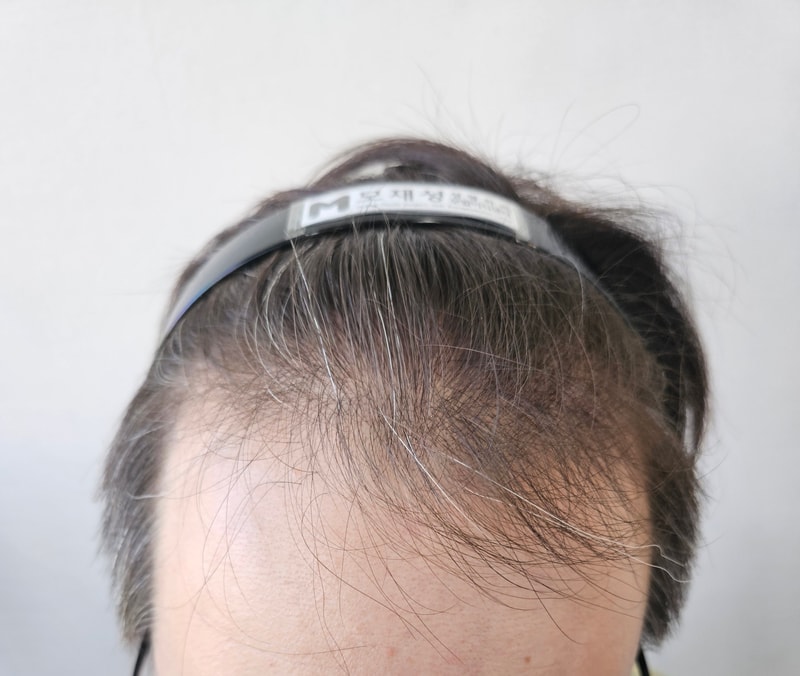

친가 쪽이 전부 유전 탈모라 체념하고 살다가, 친척 동생이 모발이식 한 걸 보고 '이건 무조건 해야겠다' 싶어 5월 중순에 수술했습니다.3월부터 정보및 병원 찾기 시작, 그렇게 견적상담으로 추린 5곳을 2주 동안 방문상담 돌았고, 최종적으로 모재성 에서 진행했습니다.솔직히 비용이나 모낭수, 수술 방식및 절차는 병원마다 비슷비슷했습니다. 다들 유명한 곳이라 노하우도 충분해 보였고요, 그런데도 제가 이곳을 선택한 결정적인 이유는 '기존 모발 안쪽 보강'에 대한 상담 내용 때문이었습니다.다른 병원들은 이마 라인을 내리고 M자를 채우는 데만 집중했습니다. 제가 '머리가 애매하게 있는 안쪽은 나중에 빠질 텐데 같이 채워야 하는 거 아니냐'고 물어도, 동반탈락 위험 때문에 건드리지 않는 게 좋다고 하거나 아예 언급조차 없었습니다.반면 모재성에서는 나중에 윗머리가 털려서 앞머리만 섬처럼 남는 걸 막으려면 안쪽을 반드시 같이 채워줘야 한다고 먼저 방향을 잡아주셨습니다. 앞서 들은 게 있어 동반탈락 우려를 말씀드리니, 원장님께서 그건 의사 테크닉으로 커버할 수 있는 부분이라고 자신 있게 말씀하셨습니다.실제로 대기실 비포애프터 영상을 보니, 다른 곳과 다르게 정수리나 기존 머리카락과 빈 곳이 섞여 있는 까다로운 부위를 수술한 케이스가 유독 많았습니다.상담한 곳 중 제일 저렴한 병원은 아니었지만, 평생 가는 건데 한 번 할 때 가장 최선인 곳에서 하자는 생각에 그날 바로 예약금 걸고 수술 날짜 잡았습니다. 이제 2~3주 차 넘어가는 중이라 아직은 아무것도 장담할수 없지만 좋은 결과 기다려 봐야겠습니다.
218
0 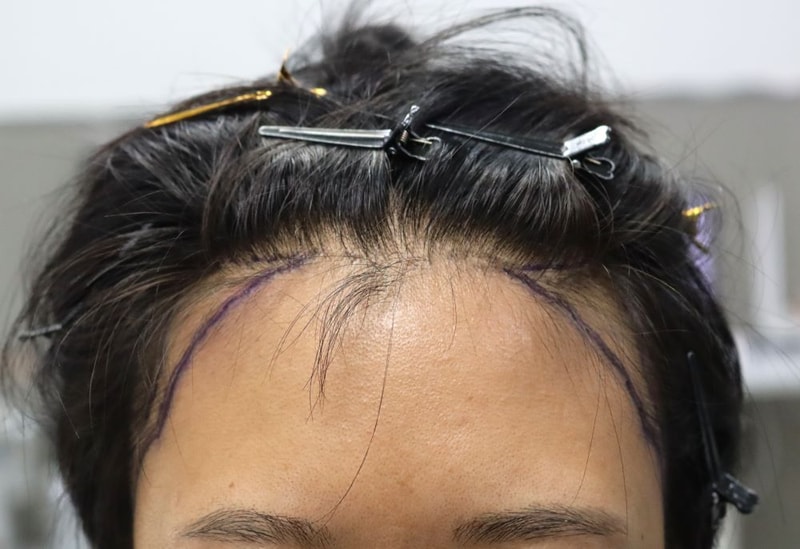

안녕하세요~ 압구정 비절개모발이식 전문병원 포헤어의원 수술 후 4개월 후기 입니다.드디어 암흑기 끝났어요! 모발이식 4개월차가 되었습니다4개월차 현재 머리 길이는 손가락 한마디 이상으로 자란 머리도 있고짧은 머리들은 1센치 정도 자라서 아직 짧은 머리들도 있는 것 같습니다! 암흑기를 겪으며 걱정했지만 3개월차부터 머리가 자라는게 눈에 보일 정도로 많이 자라나서 하루하루 머리 감상하는 재미로 지냈어요 지금도 마찬가지고요! 덕분에 평소 보지 않던 거울도 자주 보는 습관이 생겼습니다^^못생긴 M자이마 들춰봐야 뭐해..하고 머리 감고 훌훌 털고 바로 외출했었는데 지금은 모발이식으로 잘 빚어진 헤어라인 보느라 아침에 거울 보는 시간이 많이 늘었습니다.압구정 포헤어로 4개월차 후케어 관리도 다녀왔는데 선생님께 머리 자란거 자랑도 하고제가 좋아하는 스케일링 젤 바르고 스팀도 하고 시원하게 머리도 감겨주셔서 나른하게 행복한 시간 보내고 왔습니당ㅎ 후관리 정말 너무 좋아요!!! 처음 병원에서 안내받은대로라면 암흑기에 심은 머리 전체가 다 빠질수도 있다고 하셨었는데 왼쪽은 안내받은대로 머리가 싹 빠지고 새로 자라났고 희한하게 오른쪽 머리는 심은머리가 빠지지 않고 자라나서 현재는 왼쪽보다는 오른쪽이 더 풍성한 느낌입니다.그래서 왼쪽보다 오른쪽머리가 더 긴상태입니다.그러다보니 오른쪽머리를 보면서 왼쪽도 이렇게 되겠찌~ 하면서 미리보기 하고 있습니다ㅋㅋㅋ나중엔 똑같이 맞춰질거라 하셨어요!! 이제 3달 뒤에 경과 볼 예정인데 그 동안 얼마나 또 많이 자라있을지 벌써 기대됩니다.지금 상태도 아주아주 만족스러워요 ^^
233
1 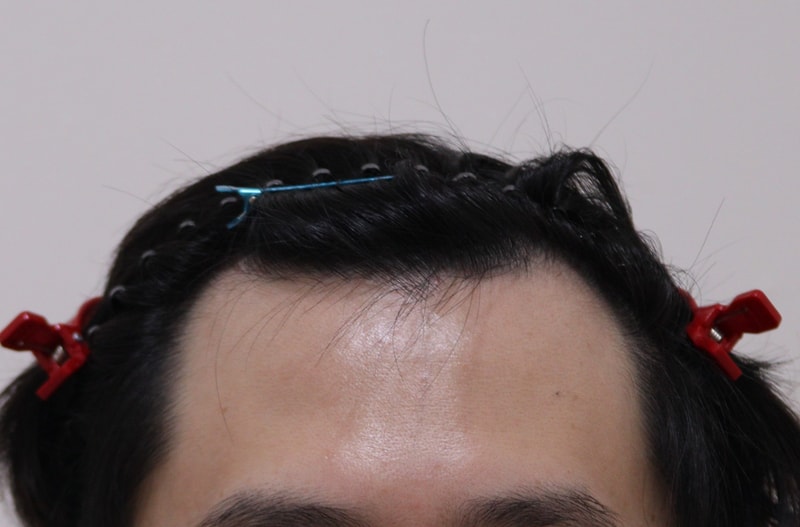

말이 필요없네요 모발이식.. 육개월되니까 진짜 채워진게 너무 신기합니다병원고를때부터 엄청 신중했었는데 이식하고 초반에는 진짜 스트레스 받을정도로 깔끔하게 관리하면서 지냈습니다오히려 그래서 그런지 초반에는 더디게 자라는 느낌이 있었는데 다들 겪는다는 암흑기 겪고나니까 사람이 피말릴정도로 심적으로 고생하더군요ㅠ~돈써서 머리 만들어놨는데 이러면 안되겠다 싶어서 마음을 조금씩 내려놓으면서 지냈더니 어느새 채워져있네요괜한 걱정이었던거 같습니다~~ 엠자라인만 쏙 채워진게 너무 신기하기도하고 ㅋㅋㅋ 다른 분들도 다들 좋은 결과 기다리면서 후기 살펴볼거니까저도 리얼한 후기 가져와봤습니다 ㅎ사진은 말로 설명안해도 아실거라 믿어서 따로 설명은 안적었네요~
223
0 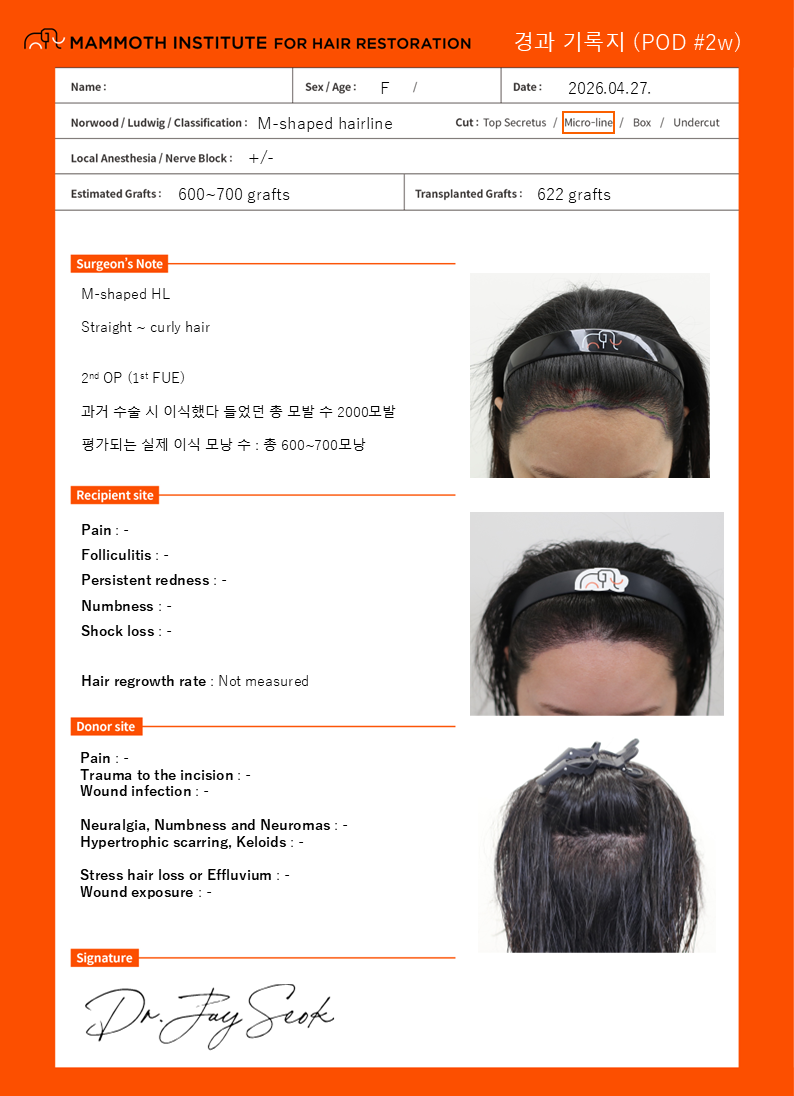

안녕하세요.모수 부풀리기 근절 캠페인 2주 차 경과 후기입니다.일단 수술 후 붓기나 멍이 없어서 일상 생활에 큰 지장이 없어 좋았습니다.중요한 일정이 있었는데 다행히 아무도 몰라보더라고요ㅎㅎ2주 동안 생착률에 영향을 미칠까봐 항상 조심하고 또 조심했어요.열심히 생착 스프레이를 뿌렸음에도 일주일이 지나자 각질이 올라오기 시작했고지문 샴푸를 못해서 간지럽고 찝찝했었던게 제일 힘들었던거 같아요ㅠ경과 보러 오면 시원하게 스케일링과 샴푸 해주신다고 해서 꾹 참고 가는 날만 손꼽아 기다렸어요.또 수술 후 경과에 대한 궁금증이 하나씩 생기기 시작해서 미리 질문을 생각하고 갔답니다. 방문 후 스케일링+샴푸를 받았는데 정말 시원했고 묵은 때가 다 씻겨나가는거 같았어요.다시 한 번 감사합니다:)샴푸 후엔 석지웅 원장님께서 오셔서 경과를 봐주셨는데수술도 잘 됐고 관리도 잘 됐다고 하셔서 한결 마음이 놓였답니다.제가 궁금했던 질문에 대해서도 하나하나 친절하게 답변 주셔서 믿고 기다리기로 했어요.마음 편히 먹으려고 해도 재수술이다 보니 걱정되는 부분이 생기더라고요ㅠ머리도, 마음도 시원하게 스케일링 받고 다음 3개월 차 경과 예약 후 귀가했습니다.현재는 암흑기가 시작 된 상태라 기다림에 연속이겠지만좋은 결과 있을거라 믿고 맘 편히 기다려 보려고요:)주변에 모발이식 고민중인 지인들에게도 맘모스의원 추천 중이에요.첫 수술 후 맘고생이 컸던 터라 이왕하는거 처음부터 제대로 된 수술 받았음 해서요..!다시 한 번, 뜻 깊은 캠페인에 참여하게 되어 감사하게 생각하고모수 부풀리기 근절을 위해 저도 열심히 홍보하겠습니다.이제 머리가 잘 자라길 기다리는 일만 남았네요.3개월 후 경과 가지고 돌아올게요:)읽어주셔서 감사합니다.
320
1 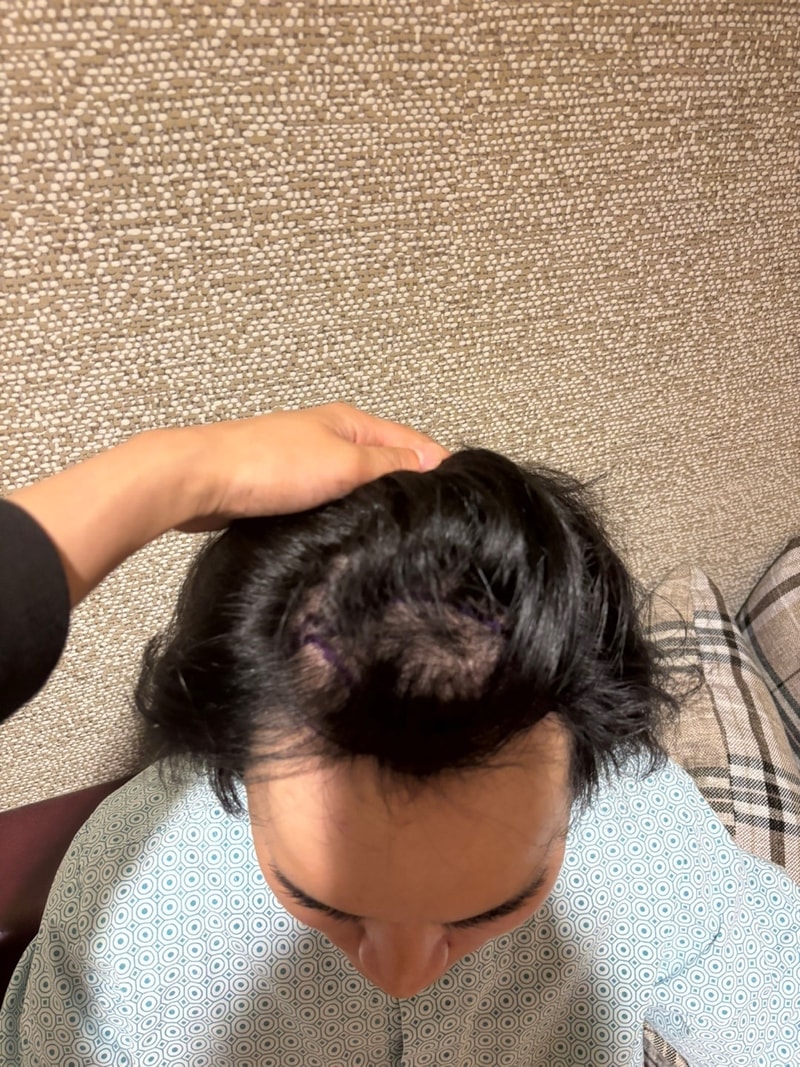

시술부위 : 전두부이식모낭수(이식모량) : 1000모낭경과기간 : 9개월후기: 이제 마지막 후기겠네요.. 1년전엔 언제 1년되나 걱정했는데 어느덧 사계가 지나 다시 돌아왔네요. 저희 일상은 많이 변했습니다. 7년을 일년에 10회 미만으로 모자를 벗고 지내던 제가 이젠 모자를 거의 쓰지 않고 살고 있습니다. 자존감이 가장 큰 변화이자 삶의 질이 변한 큰 중심같아요. 고민되시겠죠..? 수술의 걱정도 고통도 가격도.. 그치만 내가 머리로 정말 스트레스를 받는다면 꼭 돈을 빌려서라도 하시는걸 추천드릴게요. 자존감이 높아지니 일상생활부터 사람을 대하는 태도마저 달라져서 이제는 사람들이 저를 여유있는 사람으로 생각도 하더라구여. 저는 머리 사이사이에 심은거라서 사실 최종적으로는 완전히 빽빽한 느낌은 아닙니다(전두부) 그치만 이마저도 어디냐.. 라는 마음으로 하루하루 감사하며 살고있습니다. 최근에는 파마도 했어요. :) 아직 2,3가닥은 덜자란애들도 있는데 (아주짧아서 만지면 느껴짐) 뭔가 이런 머리카락도 있구나 싶어 넘깁니다. 빈곳이나 부족한 부분은 딱히 없었구 잘지냅니다. 고민되시는거 있으시면 댓글로 남겨주세여
429
2 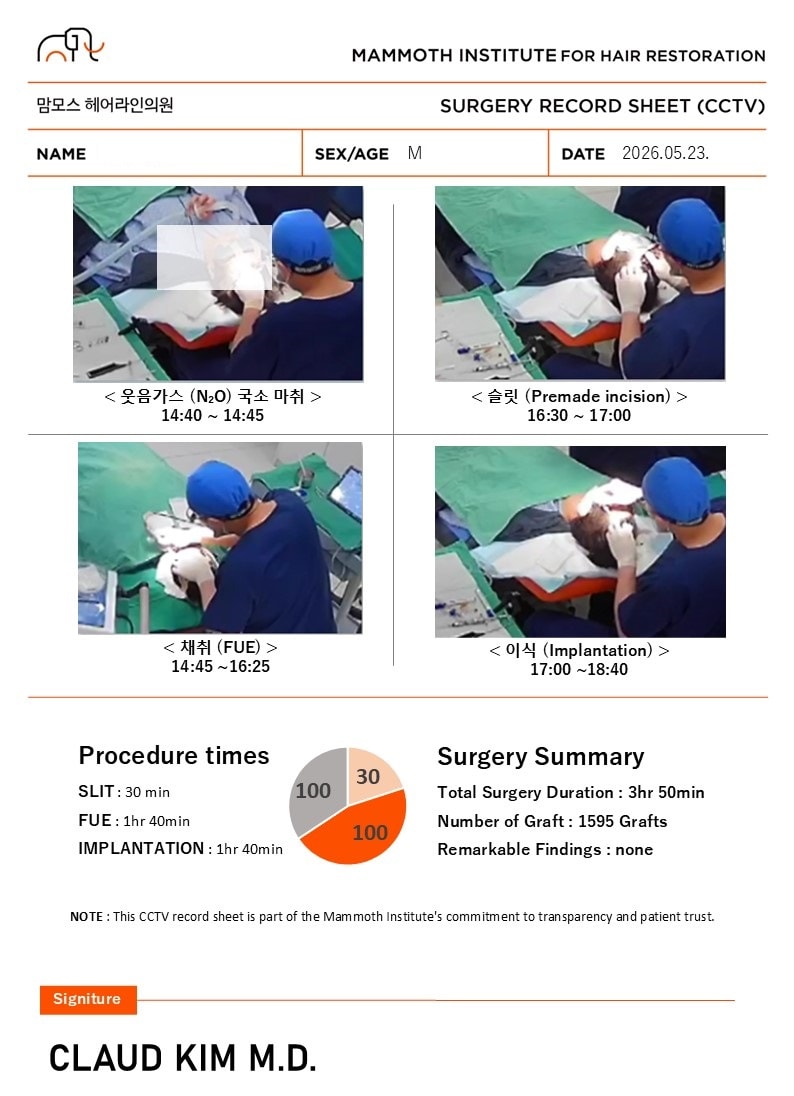

20대부터 M자부분이 좀 비어있어서 머리스타일을 많은것을 하지못하고 항상 비슷한 스타일만 하고 다녔었습니다. 그러다가 30대가 되느 샤워실 배수구에 머리카락이 점점 많아지고 어느순간 휑한 느낌과 바람이 불때마다 비어잇는부분이 많이보여 스트레스를 많이 받았습니다. 이마반을통해 후기가 좋은 분들 경험들을 읽다가 부산 맘모스를 알게되엇고, 한국 들어오자마자 찾아가서 상담을 받았습니다. 너무 친절하시게 많은 설명과 제가 인터넷보고 배운 잘못된 지식들도 잘 알려주시고, 모든것을 제 일정에 맙추어주셔서 편하게 예약을 하고 수술을 받게 되엇습니다. 수술일정도 제 개인사정에 의해 바꾸게 되엇을때도 친절하게 다시 잡아주셨습니다. 수술당일 많은 걱정과 떨림이 잇었는데, 아주 편안하게 만들어주시고 수술도 마취주사때만 조금 아팟고 그 외에는 편하게 마무리 되었습니다. 일단 이식한 디자인은 너무 맘에들고 후의 머리 관리까지해주셔서 현재까지는 대만족입니다. 이제 가장 중요한 머리관리만 남았네요!추후에 또 잘된 후기 남기겠습니다!
359
1 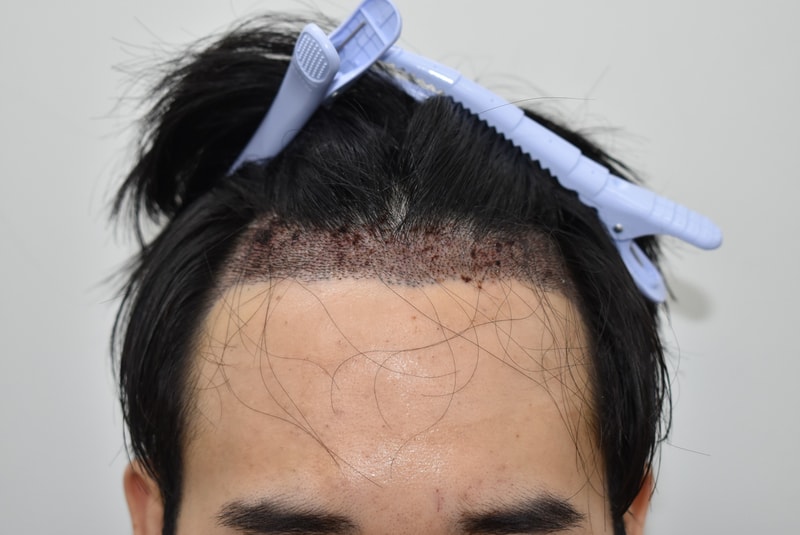

오랜 고민이었던 모발이식 수술을 마치고 후기를 적어봅니다. 모바른의원의 성기완 원장님께 수술을 받았는데, 상담때부터 꼼꼼하고 유쾌하게 상담을 해주셔서 상담 때부터 믿음이 갔습니다. 대학생이다 보니 아무래도 학기 중이나 방학 때 학업, 팀플, 대외활동 등을 계속해야 해서 뒤통수를 밀어야 하는 삭발 수술은 도저히 엄두가 안났습니다. 그래서 비용은 1140만 원으로 꽤 큰돈이 들었지만, 일상생활에 바로 복귀할 수 있고 티가 전혀 나지 않는 비절개 노컷 수술을 선택하게 되었습니다.제 상태를 보시고 성기완 원장님께서 4200모 이식을 추천해 주셨는데, 큰 수술임에도 불구하고 통증도 거의 없었고 디자인부터 밀도까지 정말 세심하게 신경 써주시는 게 느껴졌습니다. 매일 아침 등교할 때마다 머리 스타일링 때문에 스트레스 받고 모자로 가리기 급급했던 날들을 생각하면 전혀 아깝지 않은 가치 있는 투자였다고 생각합니다. 무엇보다 비절개 노컷 수술 덕분에 수술 바로 다음 날부터 주변 동기들이나 교수님 눈치 볼 필요 없이 자연스럽게 학교생활을 이어갈 수 있다는 점이 가장 마음에 듭니다.
607
3 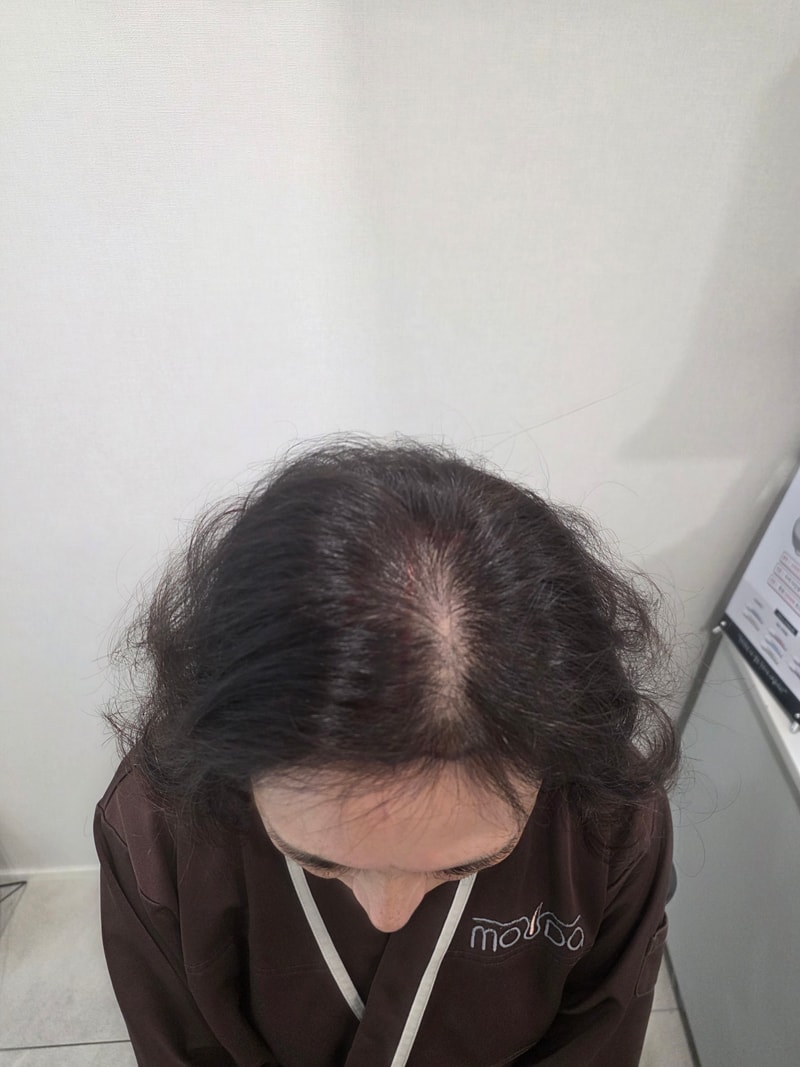

안녕하세요! 지난 5월 11일에 드디어 고민만 하던 모발이식 수술을 받고 왔습니다. 점점 넓어지는 M자 헤어라인과 휑해지는 가르마, 정수리 볼륨 때문에 거울 볼 때마다 스트레스가 심했는데, 큰맘 먹고 모우다의원에서 2,500모 시술을 진행하게 되었어요. 저와 같은 고민을 하시는 분들께 도움이 되고자 생생한 후기를 남겨봅니다.1. 상담 및 디자인 (디테일의 끝판왕) 원장님과 상담할 때 제 얼굴형과 평소 가르마 방향을 세심하게 분석해 주셨어요.헤어라인: 무조건 내리기만 하는 게 아니라, 제 이마 비율에 맞춰 가장 자연스러운 라인을 디자인해 주셨습니다.가르마 & 정수리: 밀도가 떨어진 부분을 정교하게 채워 넣는 방향으로 계획을 잡았습니다.특히 후두부 삭발 부위가 도드라져 보일까 봐 걱정이 많았는데, 자연스러우면서도 티가 덜 나는 비절개 하이브리드 컷 방식을 제안해 주셔서 안심하고 진행할 수 있었습니다. 과잉 진료 없이 딱 필요한 2,500모로 채워주신다고 해서 신뢰가 확 갔어요.2. 수술 당일 (원장님의 장시간 집도와 노고) 헤어라인부터 정수리까지 넓은 부위를 비절개 하이브리드 컷으로 섬세하게 채취하고 심어야 하다 보니 수술 시간이 꽤 길어졌습니다. 긴 시간 동안 지칠 법도 하신데, 원장님께서 처음부터 끝까지 집중력을 잃지 않고 한 모 한 모 정말 장인정신으로 꼼꼼하게 심어주셨어요.수술실에 들어가기 전에는 정말 긴장을 많이 했는데, 원장님과 직원분들이 배려해 주신 덕분에 큰 수술을 무사히 마칠 수 있었습니다. 마취할 때만 잠깐 따끔했을 뿐 수술 중 통증은 거의 없었고, 중간중간 불편한 곳은 없는지 계속 체크해 주셨어요. 긴 시간 동안 흐트러짐 없이 정성을 다해 집도해 주신 원장님께 진심으로 감사한 마음뿐입니다.3. 현재 상태 및 사후 관리 (수술 후 25일 차) 수술을 받은 지 이제 거의 한 달이 다 되어가네요. 모우다의원은 수술 후 사후 관리가 정말 체계적이라 감동했습니다.이식 부위: 헤어라인부터 가르마, 정수리까지 촘촘하게 심어진 모발들이 아주 잘 자리 잡았습니다. 원장님이 고생해 주신 만큼 밀도가 빽빽해서 볼 때마다 든든해요. 이제 슬슬 빠지는 시기(암흑기)가 올 때가 되었는데, 마음 편하게 먹고 기다리려고 합니다.케어: 특히 수술 후 초반에 집에서 혼자 머리 감기가 참 조심스럽고 걱정됐는데, 병원에서 3회나 꼼꼼하게 샴푸 서비스를 진행해 주셔서 정말 편하고 안심이 되었습니다. 여기에 생착률을 높이기 위한 레이저 관리까지 체계적으로 해주시니 각질이나 가려움증도 크게 없이 깔끔하게 잘 지나왔습니다.총평 모발이식은 생착률과 디자인, 그리고 의료진의 정성이 생명이라고 하던데, 모우다의원을 선택하길 정말 잘했다는 생각이 듭니다. 오랜 시간 동안 비절개 하이브리드 컷으로 완벽한 시술을 위해 고생해 주신 원장님과 3회 샴푸 서비스까지 세심하게 챙겨준 친절한 직원분들 덕분에 2,500모 대장정을 무사히 마쳤네요.앞으로 암흑기 슬기롭게 잘 버텨서 득모할 날만 기다려집니다! 탈모나 헤어라인 고민 있으신 분들께 적극 추천합니다
380
2 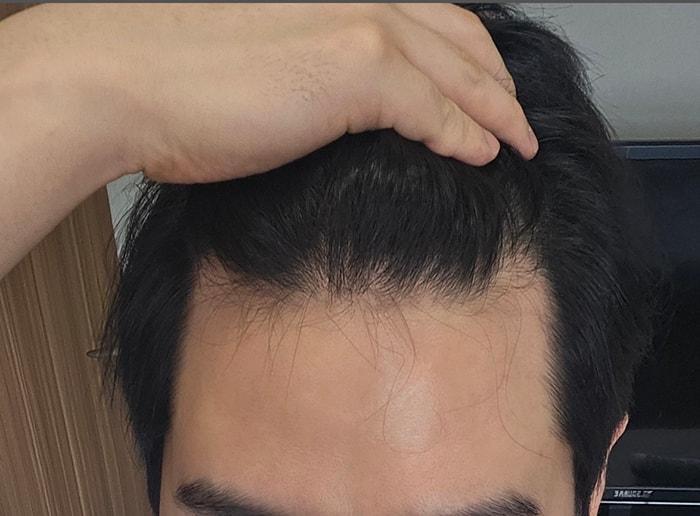

M자 탈모도 있고 헤어라인이 고르지 못해서 커버하고자 수술한건데 7개월 넘은 시점이지만 정말 만족합니다이식하고 꾸준히 기록용으로 사진 찍고 있는데 6개월 지나니까 많이 안 찍게 되는 것 같네요어제 조명 밝은곳에서 찍어봤는데 수술 잘된 것 같아서 뿌듯합니다 앞머리도 당당하게 까고 다니는데 대충 드라이 하고서 무광 왁스로 마무리 해도 이정도 볼륨이 나오고 풍성하네요 앞머리 힘이 다릅니다탈모약이랑 유산균 정해진 시간에 꾸준히 먹고 있구요! 한살이라도 젊을때 수술할걸 하는 후회는 있습니다 그래도 지금 너무 만족해서 모발이식 고민하는 분들께 강추하고 싶어요!M자는 수술이 답입니다 진짜
543
6 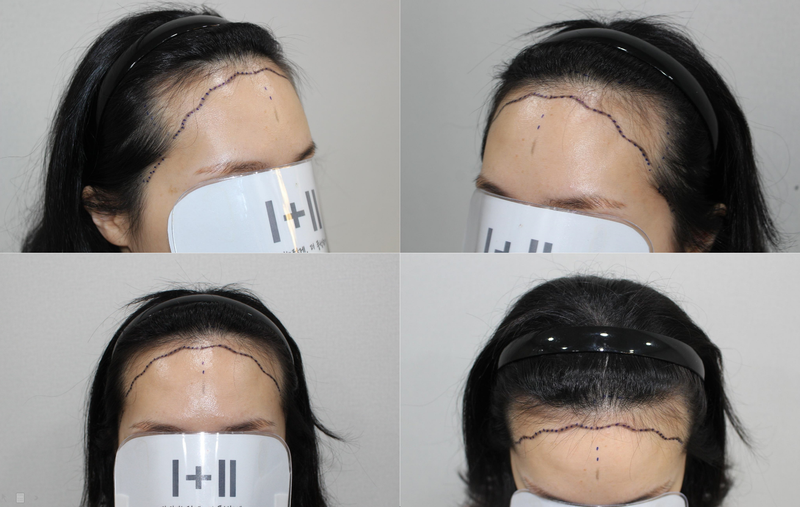

인생의 숙원사업이었던 모발이식수술 후기 남깁니다!!여러 병원 상담다니고 엄청 고민하고 모더함 원장님/상담실장님의 전문성과 친절함에 반했습니다수술 전에는 양측 M자에 뒤로 넘어가는 이마라 넓은 편에 속했습니다그래서 이마를 확 줄인다기보다는 높이를 살짝만 낮추는 정도, 딱 제가 생각하던 만큼 내리는 걸로 디자인해주셨어요우측이 좀 더 깊은 M자였고 가르마 부근이 약간 두피가 비쳐보이는 편이라 그 부분에 밀도 더 채워주셨어요<비절개 미세하이드컷, 신한종원장님, 800만원대, 의사 직접 채취/이식 진행>1. 당일 (수술 전 사진 첨부)술방에서 원장님과 디자인 다시 확인하고 마취해주셨고 계속 긴장하지 않아도 된다고 응원(?)해주셨어요 수술 중 모수가 조금 더 늘어서인지 예상 수술 시간보다는 1시간 전후로 더 걸린 거 같아요마취 끝나고 회복실로 오면 호박죽/호박즙도 주시구요후두부 거즈 붙이고 비니 씌워주셔서 그 위에 후드 집업 쓰고 귀가했습니다진통제 먹어서인지 통증은 굉장히 미약했고 불안해서 목베개하고 뒷통수 띄운 채로 잤어요!!2. 술 후 1일차 (샴푸 후 사진 첨부)생각보다 후두부에서 추가출혈은 없었고 이식부위도 출혈 두드러지지 않았어요생착 스프레이 계속 뿌려주다가 샴푸 서비스 받으러 다시 내원했어요혼자 샴푸하긴 좀 두려웠는데 어떻게 해야하는지도 하나하나 설명해주셔서 좋았어요다른 후기에선 샴푸할 때 찌릿?짜릿해서 엄청 아프다는 분도 있었는데 확실히 아프긴해요그래도 참을만한 정도였고 따끔따끔거렸어요 그래도 시원한 바람으로 말리니까 통증은 덜해졌어요후두부 통증은 약 먹을 때쯤되면 뭔가 퉁퉁거림면서 맥박이 느껴지는 느낌/핸드폰진동같은 느낌이 간헐적으로 찾아오는데약 먹으면 또 가라앉아서 크게 신경쓰일 정도는 아니었어요
365
3 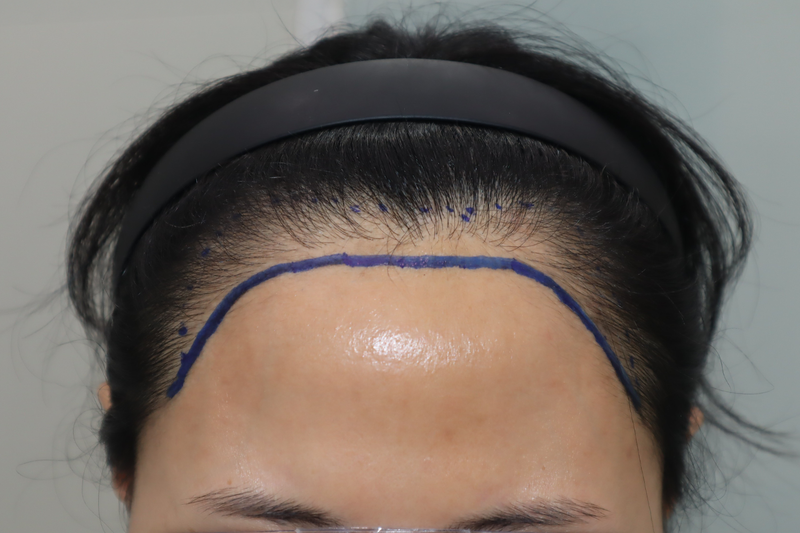

대다모에서 후기 진짜 많이 찾아보고 공부했는데 전주헤어로가 제일 마음에 들어서 광주에서부터 찾아왔어요! 2000모 심은 지 벌써 2주 차인데 직접 해보니까 밀도도 밀도지만 심는 방향이랑 각도가 진짜 찐으로 중요하네요.지금 심어진 거 자세히 보면 제 원래 머릿결 방향대로 촥 누워있어요. 각도를 되게 세밀하게 맞춰주셔서 이대로 자라도 뻗치지 않고 제 원래 잔머리처럼 자연스럽게 이어질 것 같아 안심이에요. 광주에서부터 먼 길 간 보람이 있네요.잘못 심어서 앞머리 붕 뜨고 고슴도치처럼 자라면 스트레스 장난 아니잖아요 ㅠㅠ 병원 알아보실 때 무조건 빽빽하게 심는 것만 보지 마시고 나에게 맞춰서 방향성 잘 잡아주는지 꼭 확인해 보고 결정하세요!관리잘해서 다음에 암흑기 지나고 난 후 깔끔해진 모습으로 다시 한번 후기 올릴께요~~
336
7 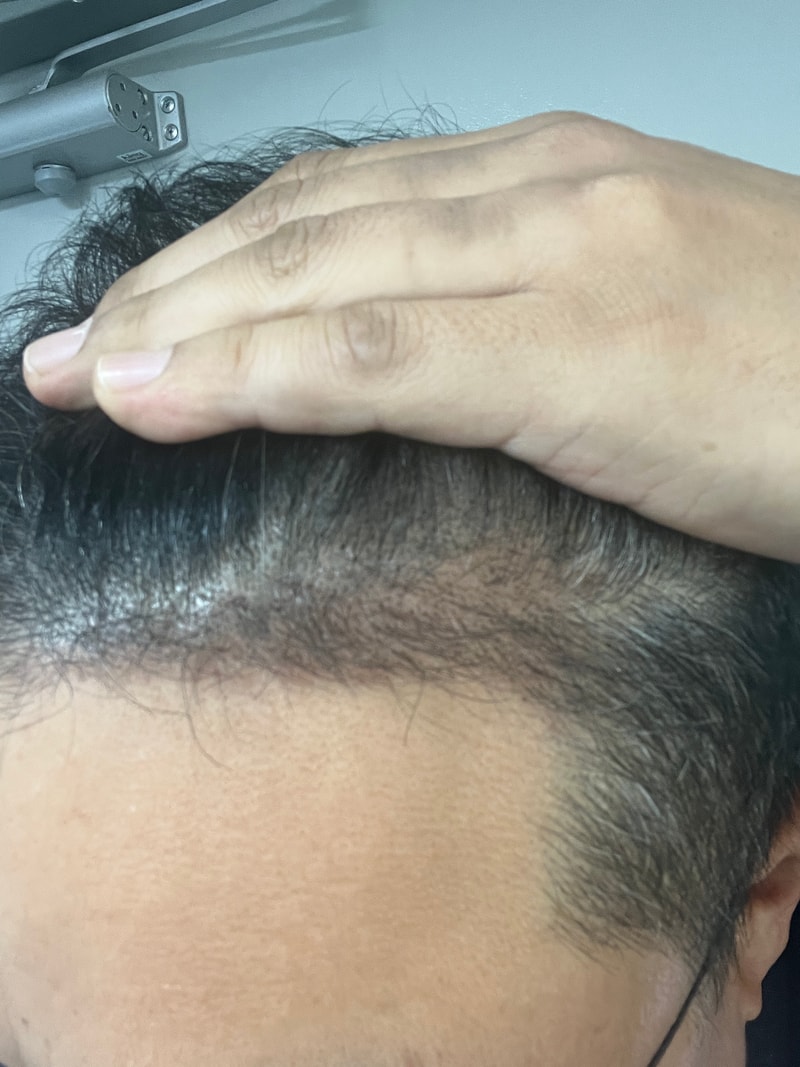

안녕하세요 엠자라인 채웠는데 이만큼 자랐네요4개월정도 된거같고 암흑기는 좀 지나갔네요ㅠ머리가 첨엔 잘자라다가 후두둑 빠지기 시작하더니아침에 일어나서 베개를 보면 한가득....그때는 진짜 돈날린줄알고 걱정이 많았습니다다들 겪는 시기라고하니까 안심하고 기다리니다행히도 좀 잘 채워진거같네요 ㅎㅎ 엠자 부위 밀도도 이정도면 괜찮은거같고앞으로 쭉 관리하면서 더 기다려보려고합니다
474
0 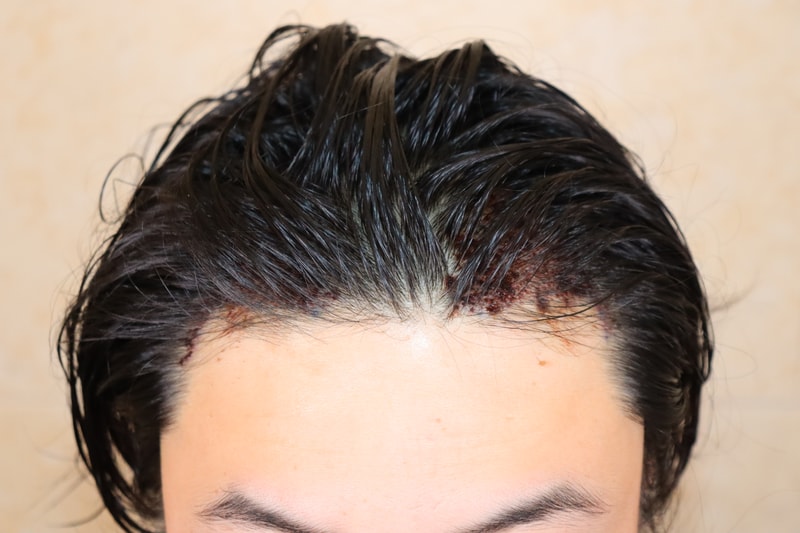

오랜기간 탈모로 고통받다가 카페를 돌아다니며 손품부터 팔았고, 발품팔면서 가장 상담과 시술과정이 만족스러웠던 움찬에서 진행했습니다.엠자형 탈모가 정수리까지 이어져 진행이 되고 있는 상태였고 처음에는 5000모 이상의 모발이식 진행예정이었지만상담 이후 시술전까지의 시간이 대략 6개월 정도 틈이 있었으며 처방해주신 탈모약을 꾸준하게 복용한 결과시술 전 마지막 상담에서 2500모까지 시술량을 줄이게되었습니다. 탈모약이 우선적으로 효과가 있다는 걸 느꼈고모발이 튼튼해지고 굵어졌다는 느낌을 받았는데 실제로 모발상태가 6개월전보다 훨씬 좋아져 시술 이후에도 빠른 회복과만족스러운 이식 결과를 얻을 수 있었습니다. 상담해주시는 실장님이 무엇보다 친절하셨고 전문적으로 설명을 꼼꼼히 해주시는원장님의 신뢰로 제 머리이식을 맡긴 것이 만족스럽습니다.시술 전 시술 후 4일경과
380
1 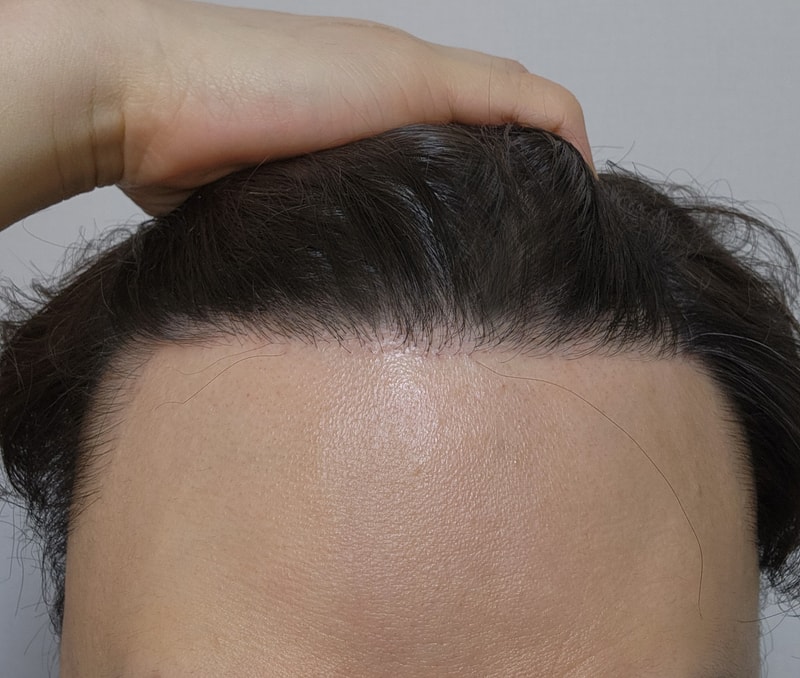

벌써 수술한 지 13개월이 됐네요. 제목처럼 집이든 모발이식이든 공통점이 하나 있는 것 같습니다. 오늘이 제일 싸다는 거요. 집은 시간이 지나면 가격이 오르고, 모발이식은 시간을 끌수록 지켜야 할 머리는 줄어들고 사용 가능한 모낭도 점점 소중해지니까요. 예전에는 언젠가 해야지 하면서 미루기만 했는데, 지금 돌이켜보면 비용보다 아까운 건 고민만 하며 흘려보낸 시간이었습니다. 원래 넓은 이마에 깊은 M자 라인 때문에 바람이 불거나 땀이 나면 자연스럽게 앞머리부터 확인했고, 사진 찍을 때도 이마가 도드라져 보일까 은근히 신경을 많이 썼습니다. 그렇게 차일피일 미루던 시기에 먼저 수술한 친구가 계속 스트레스받을 바엔 하루라도 빨리 하는 게 낫다고 하더라고요. 지금 생각해 보면 그 말이 맞았습니다. 그때를 계기로 병원을 알아보기 시작했고 결국 수술까지 받게 됐네요.지금 와서 생각해보면 그때 다나를 선택한 건 참 다행인 것 같아요. 강남 쪽에 병원이 워낙 많아서 몇 군데 발품을 팔아봤는데, 어떤 곳은 상담이 너무 기계적이고 빨리 끝내려는 느낌이 강했거든요. 반면에 다나는 유중호 원장님도 그렇고 상담 실장님도 제 질문에 귀찮은 기색 없이 차근차근 설명을 잘해주셨습니다. 무삭발 비절개 기술로 유명한 곳이라 비절개 수술 데이터가 많다는 점도 신뢰가 갔고요. 저는 예산이나 제 일정에 맞춰서 삭발비절개 1900모낭으로 진행했는데 아주 만족스럽습니다. 다나가 확실히 기술력이 있는 병원이라고 체감했던 건, 시간이 지나면서 자라나는 모발의 '방향'과 '각도'를 봤을 때였습니다 . 13개월이 지난 지금 머리가 완전히 자라고 나니 이식한 모발들이 원래 제 머리카락들과 아무런 이질감 없이 자라는 게 보입니다.비절개 채취를 할 때도 모낭 손상을 줄이는 그들만의 노하우가 확실히 있는지, 생착률 자체도 기대 이상이었지만 수술 후 뒷머리 채취 부위가 아무는 속도나 흉터의 흔적도 거의 눈에 띄지 않을 만큼 깔끔했습니다. 기술력이 부족한 곳은 간혹 머리카락이 인형 머리처럼 쭈뼛 서거나 엉뚱한 방향으로 자라서 고생한다는데, 제 헤어라인이 처음에 디자인했던 그대로 부드럽고 둥글게 뚝 떨어지는 걸 보면서 왜 다나가 이 분야에서 네임드로 꼽히는지 몸소 납득이 갔습니다. 수술 결과도 결과지만, 수술 후 관리 시스템에서도 대형 병원 특유의 공장형 느낌이 전혀 없어서 좋았습니다. . 데스크 직원분들도 방문할 때마다 제 이름과 이전 상담 내용들을 다 기억하고 일정하게 친절하게 응대해 주셔서, 병원에 가는 길 자체가 늘 대접받는 기분이 들었습니다. 13개월이라는 긴 시간 동안 불안해하지 않고 편안하게 페이스를 유지할 수 있었던 건 이런 세심한 케어 덕분인 것 같습니다. 헤어라인이나 M자 때문에 고민하는분들이 있다면 혼자 너무 앓지 마시고 상담부터 받아보시는 걸 추천해 드립니다. 제 담담한 후기가 조금이나마 결정에 도움이 되었으면 좋겠네요.
485
2 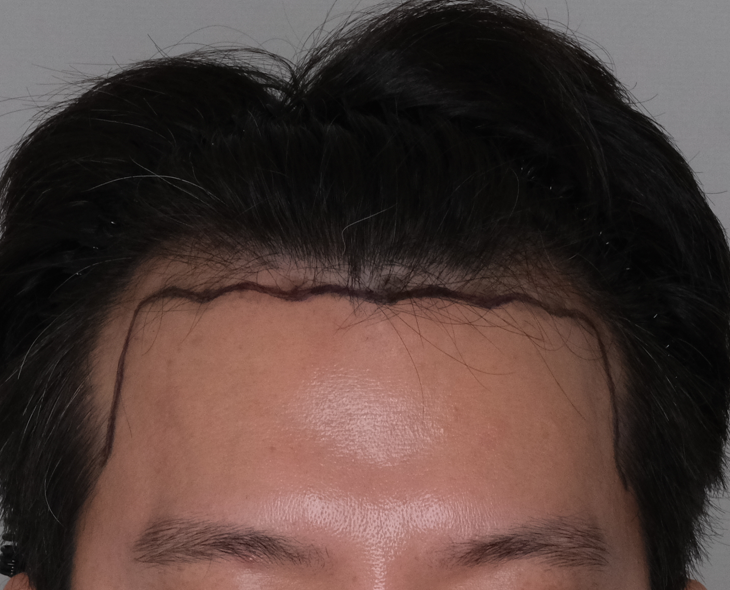

비절개 3000모로 이식 받고 6개월차입니다. 수술 전 디자인을 막 끝내고 찍은 사진을 보시면 아시겠지만 이마 라인도 지저분하고 불균형해서 꽤 보기 싫은 상태였습니다. 그래서 상담 때 원장님께 헤어라인 교정을 하면서 앞머리를 시원하게 까고 다니고 싶다고 말씀드렸고 제 얼굴 비율에 맞춰서 라인을 자연스럽게 만들어주셨어요 암흑기 때는 심어둔 머리가 꽤 빠져서 마음고생 좀 했는데 그 다음 달부터 신기하게 쑥쑥 자라더니 지금은 그래도 보기 좋을 정도가 됐습니다. 아직 6개월차라서 머리카락이 100% 다 자란것도 아니고 밀도가 더 올라와야 한다고는 하는데 솔직히 지금 상태만으로도 충분히 만족스럽네요ㅋㅋ 비절개로 진행해서 뒷머리 채취한 곳도 금방 회복했고 일상생활하는데 큰 불편함도 없었습니다. 무엇보다 헤어라인이 깔끔해지니까 인상 자체도 좋아진 느낌이고요. 나중에 1년 차 돼서 밀도 더 꽉 차면 다시 후기 남기러 오겠습니다!
431
3 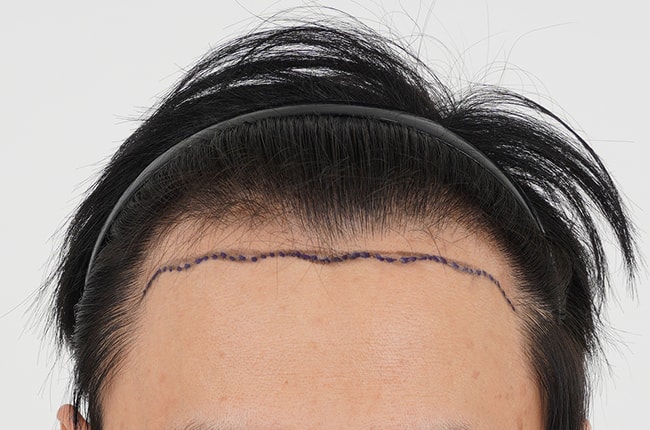

안녕하세요, 이식 후 마지막 후기를 써볼게요이식 받고 몇번 후기를 남기긴했는데 결과가 완전히 나오고 남기는 후기라 기분이 묘하네요저에게 모발이식을 추천해준 선배의 결과를 보기도 했고 대다모를 통해 다른 분들의 후기를 많이 봤지만제가 이렇게 좋은 결과를 얻고 보니 감회가 새롭습니다.M자로 살다가 남은 머리를 지키기 위해 약을 시작했고 회사 선배의 권유와 자랑으로 저도 병원을 소개받고 여름휴가를 땡겨써가며 작년에 수술을 받았었습니다강남에 모발이식 병원이 많지만 이미 다른곳보다 선배가 검증한 병원이 모모성형외과이기에다른곳은 안가고 바로 여기서 상담받고 수술까지 받았습니다.대다모에 정보도 많고 해서 뭐 다들 빠삭하시겠지만 제가 겪은 과정을 조금 소개해 보겠습니다.우선 M자였고 2500모 견적을 받아 수술을 받았는데 절개와 비절개 모두 가능한 상태라 고민 끝에 비용을 조금 아끼고자 절개를 선택했고 절개라 뒷머리 삭발이 없어 수술 후 뒷머리 티도 안나고해서 이런 부분에서는 오히려 좋기도 했네요2주지나 실밥 제거와 지문샴프를 시작했는데 2주동안 머리 감을 때 좀 불편하고 신경이 많이 쓰였었습니다.암흑기라는 시간이 참 모발이식을 하면 대부분 사람이 겪는 필수 과정이긴한데 막상 닥치니 뭔가 씁쓸하기도 하고 살짝 걱정도 되는 그런 시간이더라고요이식 하고 빼곡하게 심겨있던 머리가 어느 순간 모두 사라지고 다시 민둥산으 된 모습을 하염없이 지켜보며 기다린 시간이였습니다.3달 정도 암흑기가 유지되었습니다.그리고 반환점을 돌때쯤 본격적으로 비었던 부분에 다시 머리들이 자라기 시작했는데 이때부터는 거침없이 질주하듯 머리가 풍성하게 올라오는데 정말 감동입니다.의료기술의 놀라움을 몸소 체감했습니다.옛날 어릴 때 생각해보면 대머리로 살거나 어설픈 가발을 쓰는 분들의 기억이 있었는데 지금은 모발이식으로 없어졌던 머리도 되 돌리는 시대네요모발이식비용도 잘 받아서 수술했고 결과도 너무 만족스럽네요 여러모로 모모성형외과 감사합니다.모두 모두 모발이식으로 저와 같이 좋은 결과 얻으시기 바랄게요
530
4 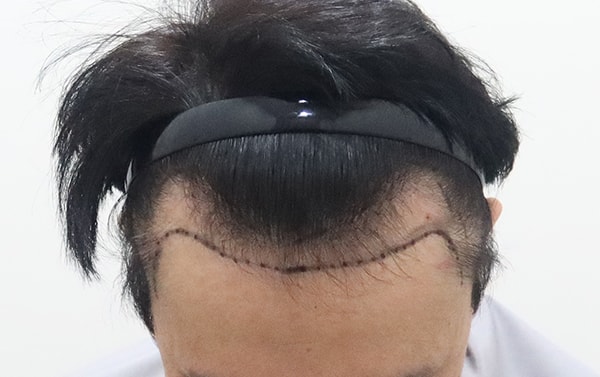

안녕하세요, 이식 기록 남깁니다.사실 저는 바로 제가 모발이식 할거라고는 생각을 안했는데요M자는 전부터 있었고 얼마전부터 와이프가 말하길 정수리 쪽도 좀 빠지고 있는거 같다고 하더라고요모발이식을 바로 할 생각은 없었지만 탈모, 모발이식 관련해 폰으로 봐서 그런가…알고리즘이 무섭게 저한테 모발이식 관련된 컨텐츠를 막 가져다 주더라고요강제로 보다보니 궁금하기도 하고 비용이 얼마나 드는지도 대략 알아보고 싶어 경험삼아 몇곳 상담을 받아 봤는데 어떤곳은 비용이 진짜 비싸기도 하고 당장 수술하라고 하는 곳도 있었고 병원마다 상담이 조금씩 차이가 있더라고요어떤곳은 수술하면 좋긴하지만 결정은 제가하는거라고 하셨고 수술전후 사진과 앞으로 예상되는 탈모 진행 등 전반적인 설명도 해주셔서 좋았는데 설명도 듣고 다른분들 수술 사진도 보고 하니 당장 수술 마음이 없었지만 뭔가 견물생심처럼 계속 머릿속에 모발이식에 대한 생각이 떠나질 않더라고요원래 살면서 이렇게 뭔가를 빠르게 결정하는 타입이 아닌데 계속 생각도 나고 와이프도 수술하라고 권하기도 해서 상담이 종합적으로 좋고 비용도 잘해주신 강동우 원장님께 수술받기로 결정하고 3500모 수술을 마쳤습니다. M자 3000모, 정수리에 500모 이식받았습니다.강동우 원장님 관련 콘텐츠를 처음 보고 뭔가 젠틀하고 호감가는 느낌이였는데 실제 상담 받았을때도 긍정적으로 생각했습니다. 무엇보다 위에서 말한 것 처럼 제 입장에서 설명해 주시고 앞으로 어떻게 될지 등 종합적인 상담을 해주시는 것에 감동 받았습니다.M자와 정수리까지 한번에 수술했고 약도 처방받아 먹기 시작했습니다.제 기준에서는 얼떨결에 수술까지 마쳤지만 수술받았으니 좋은 결과까지 기대 중입니다.다른 분들보시기는 어떤지 궁금합니다.
454
4 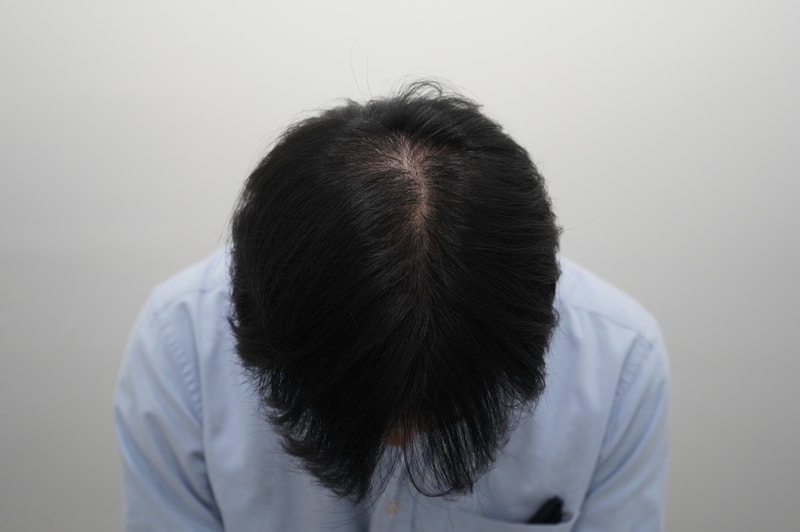

모아크에서 1100모낭 이식하고 4개월 지났습니다.사실 4개월이면 이제 효과가 나타나기 시작하는 시점이라고 알고 있는데, 저는 왜 이미 만족스러운거죠?크게 신경안쓰고 살려고 하는데도 자꾸자꾸 확인하게 되는데 진작 할걸... 이라는 마음에 오히려 아쉬움이 듭니다.수술 하고나서 먹고 있는 약도 다시 세팅해주시고 뿌리는 약도 주셨는데 아마 이모저모 다 효과가 있는 게 아닌가 싶어요.망설이시는 분들께는 '그냥 얼른 해' 라고 말씀드리고 싶네요.몇달 후에 가서 또 점검 받고 다시 올려볼게요!
647
4 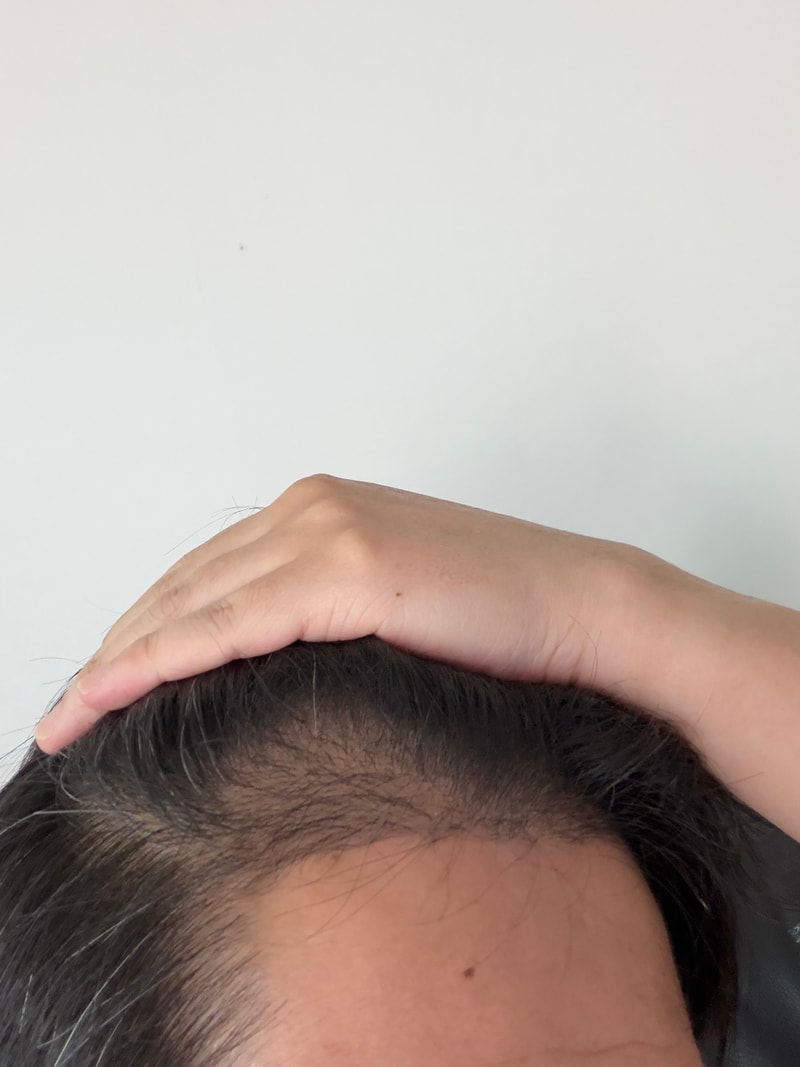

군대때부터 엠자가 심해져 병원방문하고상담해서 날잡고 수술한지 정확히 111째입니다.엠자가 깊게 파여 4200모 절개로 심었구요두달차부터 암흑기 시작되어서 그때 많이 빠진거 같아요현재 경과는 양호한거 같은데 시간이얼른 지났음 좋겠습니다.어때 보이나요?밀도가 잘 안나올까봐 걱정입니다..
667
3 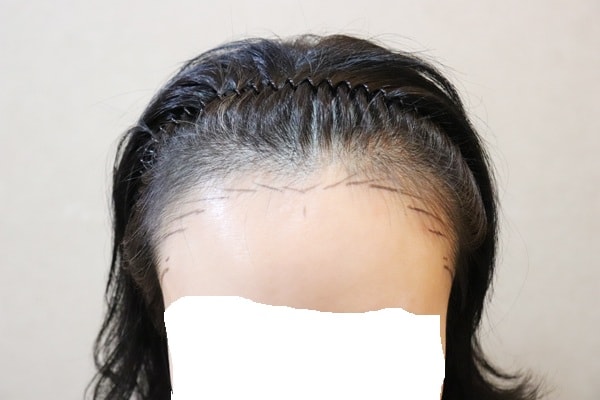

안녕하세요! 이식하고 정신이 없어서 이제야 소식을 전해요ㅠㅠㅠㅠ 수술 후기 올리면서 자세히 이야기하고 싶어서 간단하게 예약했습니다!!라고만 남겼었는데용~ㅎ 수술은 제이피에서 했어요 상담 갔을 때 제일 진심으로 봐주셔서 와닿았다고 해야하나…ㅎ 아! 이식은 혼합식으로 했는데~ 원래는 비절개로 하려고 했거든요 근데 비용도 비용인데.. 또 두피가 살짝 딱딱한 편이라 제 뒷통수 상태는 두가지 방법을 같이하는게 더 효과적이라고 해서… 원장님을 믿고 결정했어요 솔직히 절개 흉터가 좀 무섭긴 했는데 후기보여주신거 보니 흉터가 거의 안보이네요? 저도 좀 용기 내봤어요~ㅎㅎ 수술하고 초반에는 조금 힘들더니 그것도 일주일 지나니까 괜찮아요!! 한번씩 윽!!! 하는 것 빼곤ㅎㅎ 크게 불편한 것도 없고ㅎㅎ 원래도 움직이는걸 좋아하는 편이 아니라 앉아서 넷플만 봐서 그런 것 같기도 하고ㅎㅎ 암튼! 지금까지는 이상 무! 다음에도 또 후기 남길께용~ㅎ
609
3 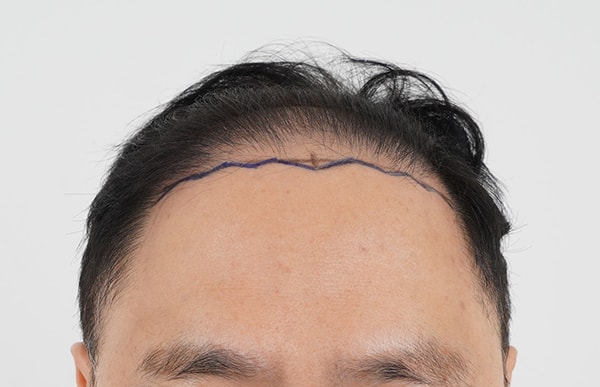

안녕하세요, 나이 50에 가까워 졌지만 용기내서 모발이식 받았습니다.탈모는 뭐 사진 보시는 것 처럼 오래 됐고 넓게 진행했는데 관리는 못했고 얼마전부터 아는 병원이 있어서 겨우 탈모약만 처방 받아서 먹고 있었던 중이였다가 두피 각질도 요즘 더 많아지고 머리도 많이 빠져전문적으로 진단받고 뭐라도 해보자 생각하고 전문적인 탈모병원 찾아 진단 받았고 모발이식까지 받았습니다.저는 병원은 가까이 있는게 좋다는 입장이라 판교탈모병원으로 찾아봤고 제일 가깝고 제가 시간 부담없이 방문할 수 있는 모모의원 수원점을 선택했습니다.모모가 서울 뿐아니라 대구, 부산에도 있는데 수원에도 있더라고요.원장님들 하나같이 경력 좋으시고 후기 좋으신데 수원점에 계신 문효섭원장님도 찾아보니 예전부터 후기 많고 평이 워낙 좋아서 의심할 여지 없이 믿고 최대한 빠른 날짜로 잡아서 수술 받았습니다.절개 4000모와 비절개 5000모를 추천 받았는데 비용 차원에서 절개 4000모로 선택을 했습니다.그리고 제가 워낙 두피 각질이 많아 케어 프로그램도 받기로 했습니다.수술은 잘 받았고 주기적으로 병원다니면서 관리받고 하면 두피도 좋아지고 머리도 잘 자랄 것 같습니다.미래를 장담할 수는 없지만 기대와 희망으로 기다려 보겠습니다.
529
1 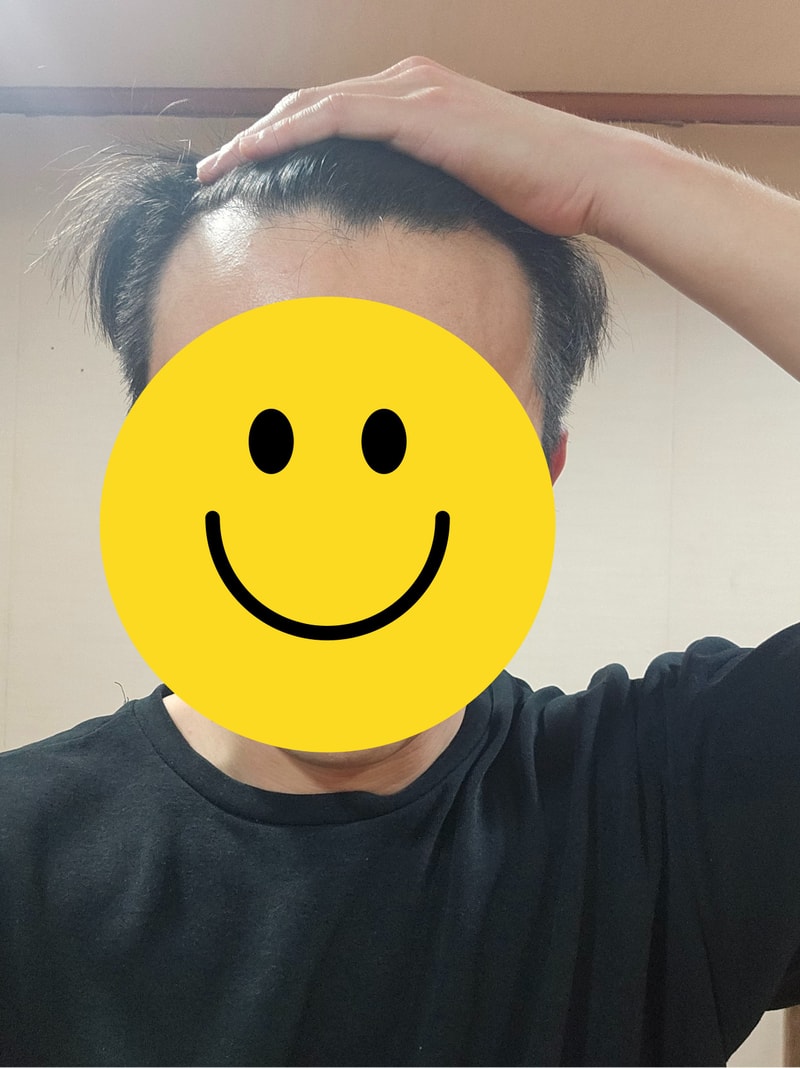

어느덧 모발이식 하고 1년이 되었습니다.개구리 올챙이적 생각을 못한다고.. 지금 너무 자연스러워져서 탈모가 있었는지 조차.. 긴가민가 하네요 ㅎㅎ이게 수술전이었어요 이렇게 보니 진짜 심했네요..정말 바람만 날려도 M자가 창피해 가리고 다니던 시절이었어요..그리고 수술하고 1일차 정말 밀도 있었죠 ㅎㅎ이게 다 내머리가 됬으면 좋겠다고 생각했고, 정말 기뻤던 기억이 납니다.그리고 6개월차 이때는 사실 약간 걱정됬었어요.어쨋든 머리가 더 빽빽해질거라는 걸 알았지만 이제 차오르던 시기였거든요.그리고 이게 마지막 1년차 저의 머리네요 ㅎㅎ 정말 잘자랐죠?이젠 정말 자신감있게 잘 다니고 있어요바람이 불든 말든 ㅎㅎ 가리지 않아요 이제20대 풍성했던 앞머리를 다시 찾아 너무 행복한 요즘입니다.이게 다 최동욱 원장님께서 너무 잘해주신 덕분입니다 감사합니다!
864
3 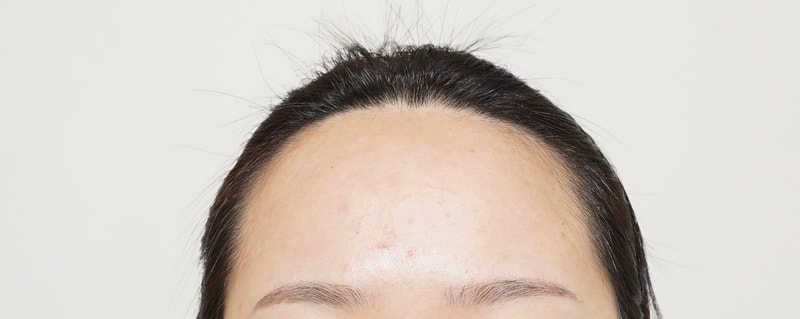

모발이 가늘고 숱도 적은 편이라 처음에는 모발이식 상담으로 방문했는데, 상담 후 제 상태에는 이마축소가 더 적합하다고 해서 진행하게 됐어요. 박수호 원장님께서 수술 방법이나 회복 과정, 사용되는 정품 엔도타인까지 정말 자세하게 설명해주셔서 신뢰가 갔습니다. 수술 전후로 프라이빗한 회복 공간이 따로 있어서 보호자와 함께 긴장도 많이 풀 수 있었고 전체적인 동선이나 케어도 편안했어요. 흉터는 아예 없는 건 아니지만 모발 바로 아래쪽 라인이라 생각보다 정말 티가 안 나고, 주변 사람들도 전혀 모르더라고요. 어릴 때부터 넓은 이마가 항상 스트레스였는데 이제는 머리 묶는 것도 자신감이 생겼고, 평생 고민이었던 부분이 해결된 느낌이라 너무 만족합니다 :)
780
8 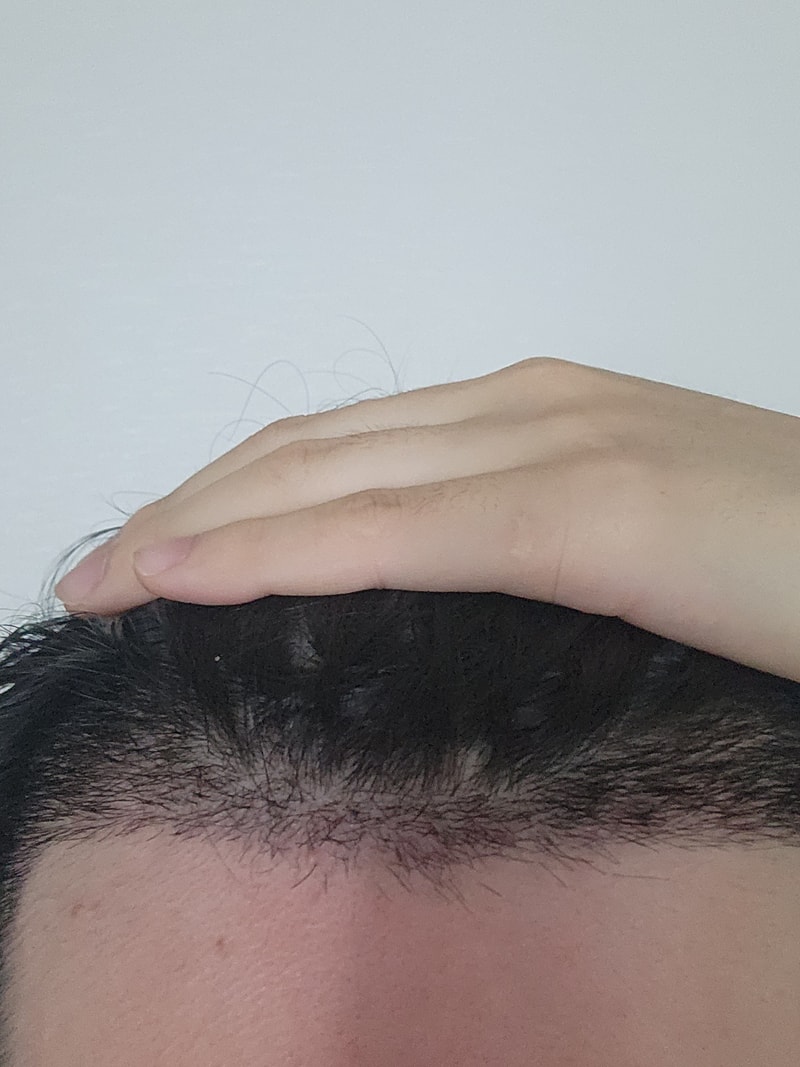

알파모의원 , 4/7일 , 오전10시 수술 , 현재 4/26일 19일차 후기입니다. 3주차 들어가는 중이라 곳곳에서탈락모 발생중이네요. 강남권 돌면서 15군데정도 상담을 받아봤고 , 금액적인 메리트도 있고 ,원장님의 화술은 영향을 하나도 못받았지만 오히려 그 덕에 개인블로그에 올리셨던 글들을 보고 확신이 섰던것 같았네요.첫 상담시 3600모 (라인내리는조건) 으로 진단 받았으나 개인적으로 라인은 절대 내리고싶지않아서결국엔 상담 실장님이랑 오랜시간 대화를 통해 라인 내리지않고 m자 채우고 나머지밀도보강느낌으로 진행으로상담 마무리 짓고 , 날짜잡고 시술받았습니다. ( 제머리는 m자 기준 2500모정도면 채워진다고 하셨습니다)수술전 대면상담 2번 진행했고 수술날 09:15분 이전 내원 , 준비 이후 최종디자인10:00 수면마취 이후 12:00 후두부채취종료 중간에 마취가 풀려서 후두부 펀치로 뽑으시는데엄청 아파서 중간에 마취주사 더 놔달라고 말씀드렸네요 .이마 쪽 몇대 맞더니 괜찮아서 그대로 누워있었습니다그 이후 화장실 한번 가고 천장을 보고 누운채로 식모기로 이식받았습니다. 중간에 깼는데화장실이 엄청 가고싶어지더라고요. 몇분 남았는지 여쭤보려는 순간다 심었습니다~ 라고 말씀주셔서 참았네요 ㅎ식모기방식으로 머리에 콕콕 심어주셨고 엄청 빠르더라고요채취2시간 , 이식 2시간 그래서 14시 이전에 끝났습니다끝나고 달달한 과자챙겨주셔서 먹고 배게포랑 유의사항 생착스프레이주셔서 귀가했습니다.마취 통증이라던지 모발에 통증은 하나도없었지만 1일차땐 잘 못잤습니다.1시간 간격으로 깼는데머리가 아파서라기보단 그냥 마취후유증 같아보였네요다음날 병원 재방문해서 샴푸하고 귀가했습니다. 그리고 집에서 샴푸를 하고 뭔가 노랗게 올라오고부풀더니 이상해서 병원카톡으로 사진을 보내보니 이식한 부위에 베농?배농?을 해야할 것 같다고 내원 가능하냐고하셔서 당일 야간진료시간에 방문해서 몇개 터트리고 추가로샴푸도 한번 더 받고 연고도 발라주셨습니다.그 이후로 주기적으로 사진 보내달라고 하셔서 보내드렸습니다. 레이저도 10회 무료로 넣어주셔서 방문시마다 가능하다고하시더군요 . 사후 관리에대해서 엄청 신경쓰는 의원이라는걸카톡으로 여러번소통하면서 알게되었습니다. 그리고 10일차때는 일이 있어서11일차때 경과확인 차 1회 더 방문했습니다.원장님 성격이 화술이엄청 뛰어나신? 느낌은 아니라고 매번 느꼈고 저도 딱히궁금한건 크게 없어서원장님이 말 끝에 뭐 궁금한거 있냐고 여쭤보시면 항상 그냥 괜찮다고 말씀드리고 뭔가 대화를 제대로 하진 않았던 것 같네요오히려 말만 번지르르한 분들보다 제 스타일이셔서 좋았습니다. 이제 1년뒤 결과만 제대로 나와준다면요~ , 그리고 현재 19일차 ,이식모들이조금씩 빠지고있습니다. 탈락했다가 이후에 한번 쑤욱 다시 자란다는데 얼른그 시기가 왔으면 좋겠습니다.m자가 엄청 깊었고 20대 어린 나이에 거진 2년동안 스프레이 바른 뒤 안씻고 다음날 아침에 샴푸하고 ,밤에 술 먹으면서 노는 것도 좋아해서 엄청 마시고 ,, 몸을 홀대했던지라 , 이게 m자가 깊어지는데 한 몫 한 것 같네요피나는 7개월정도먹다가 , 정 안될 것 같아서 병원에 갔던건데 조금 더 일찍 갈 걸~ 하는 생각빼곤 현재까진 만족스럽습니다.마지막으로는 중앙 좌 우 후두부 사진 4개 올리며 마무리하겠습니다.
1,350
5 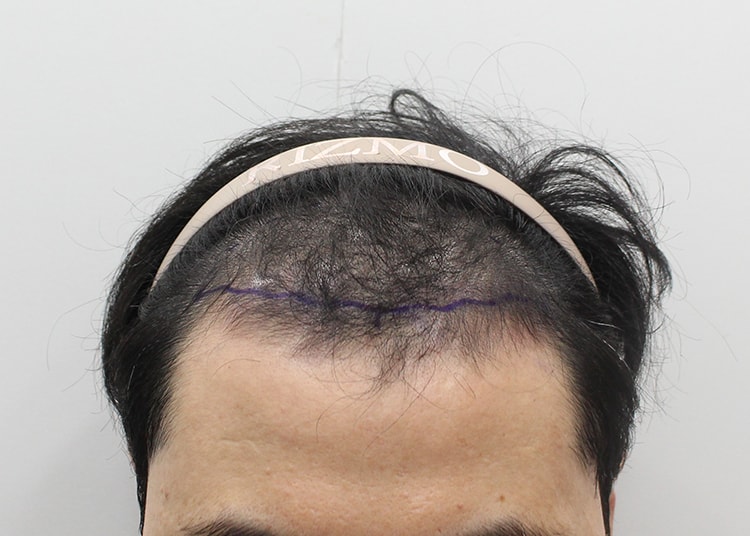

탈모는 대략 5년 전부터 서서히 진행됐고, 처음엔 대수롭지 않게 넘겼는데 어느 순간 거울을 볼 때마다 신경이 쓰이더라고요. 약도 먹어보고 관리도 해봤지만 눈에 띄는 변화는 없어서 결국 모발이식을 고민하게 됐습니다. 여러 탈모 커뮤니티를 찾아보면서 정보를 모으던 중 대전 모발이식 쪽으로 알아보다가 자연스럽게 대전 리즈모를 알게 됐습니다.제가 사는 논산에서 대전까지 병원을 알아보는 게 번거로울 수도 있었는데, 후기들을 살펴보니 대전 리즈모에 대한 신뢰가 점점 쌓이더라고요. 단순히 광고 느낌이 아니라 실제 경험담이 많았고, 결과도 자연스럽다는 이야기가 많아서 마음이 기울었습니다.결국 직접 상담을 받아보기로 했고, 논산에서 대전까지 이동하는 수고보다 결과가 더 중요하다고 판단했습니다.상담을 받아보니 왜 많은 분들이 대전 리즈모를 선택하는지 이해가 됐습니다.상담 과정이 굉장히 꼼꼼했고, 현재 상태에 맞는 디자인과 이식 방향을 세심하게 설명해주셔서 신뢰가 갔습니다.저는 총 4554모를 비절개 방식으로 진행하게 됐고, 과하게 권유하는 느낌 없이 필요한 부분만 정확하게 짚어주는 점이 인상적이었습니다.대전 모발이식 병원 중에서도 이런 디테일한 상담은 흔치 않다고 느꼈습니다.수술 당일에는 생각보다 긴장됐지만, 과정 자체는 비교적 편안하게 진행됐습니다.비절개 방식이라 회복에 대한 부담도 적었고, 중간중간 상태를 체크해주셔서 안심이 됐습니다. 무엇보다 의료진의 숙련도가 느껴졌고, 진행 속도나 집중도가 상당히 높다는 느낌을 받았습니다.대전 리즈모를 선택하길 잘했다는 생각이 이때 가장 크게 들었습니다.아직 시간이 많이 지나진 않았지만, 현재까지는 전반적으로 만족도가 높은 상태입니다. 앞으로 경과를 더 지켜봐야겠지만, 첫 단추를 잘 끼웠다는 느낌이 큽니다. 대전까지 이동하는 게 고민이었던 분들이라면, 저처럼 결과를 우선으로 생각해보셔도 좋을 것 같습니다. 대전 모발이식 고민 중이시라면 대전 리즈모는 충분히 고려해볼 만한 선택지라고 생각합니다.
1,634
6 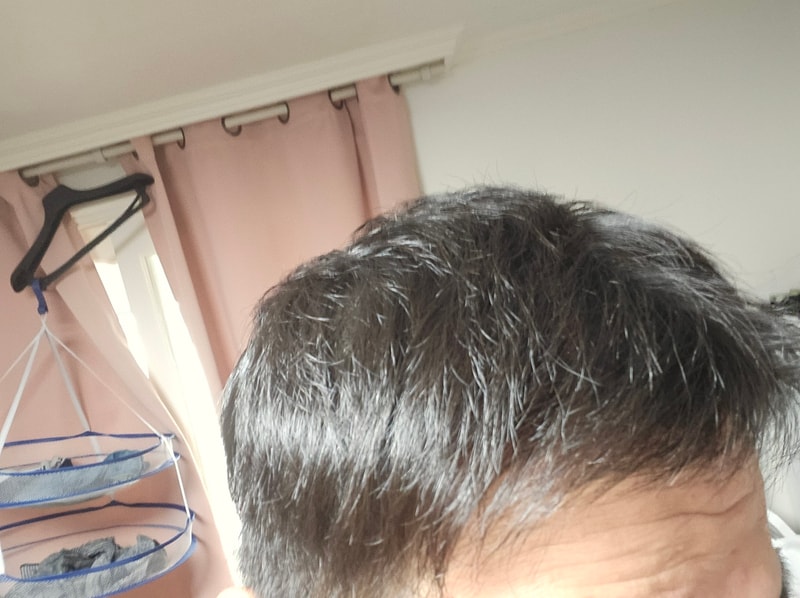

수술하고 어느덧 6개월차가 됐네요. 명절 연휴도 있었고 좀 바쁘게 지내다보니 5개월차에는 병원을 못갔고 얼마전 6개월 경과보러 다녀왔습니다. 처음 수술했을 때만 해도 언제 머리가 올라올까 기다리는 마음이 컸는데, 지금은 거울 볼 때마다 조금씩 달라지는 모습이 보여서 신기합니다.3~4개월차쯤부터 잔머리들이 올라오는 게 보이더니 5개월차가 되니까 올라오는 모발 수가 확 늘어난 느낌이었습니다. 예전에는 정수리나 앞쪽이 빛에 비치면 두피가 더 도드라져 보였는데, 요즘은 같은 조명에서도 예전보다 훨씬 덜 비어 보입니다. 지금은 거의 6개월차인데 확실히 다릅니다. 가장 큰 차이는 모발 굵기 입니다. 6개월 들어오면서 기존 모발처럼 굵어지는 애들이 눈에 많이 보입니다. 라인도 처음 디자인 그대로 자연스럽게 잡혀가고 있고 이제는 거울 볼때도 예전처럼 스트레스 받는 느낌은 거의 없습니다. 물론 아직 완성은 아닌 것 같습니다. 밀도는 앞으로 더 올라올 것 같고, 가운데 쪽은 조금 더 채워질 여지가 있어보입니다. 원장님께서 지금이 딱 중간 과정이라고 하셨는데, 앞으로 6개월정도 더 지나면 더 굵어지고 밀도도 올라온다고 해서 기대하고 있습니다. 지금까지 경과는 충분히 만족스러운 편이고, 앞으로 얼마나 더 좋아질지 기다려보려고 합니다.다음 후기 때는 조금 더 풍성해진 모습으로 남겨보겠습니다.
2,899
8 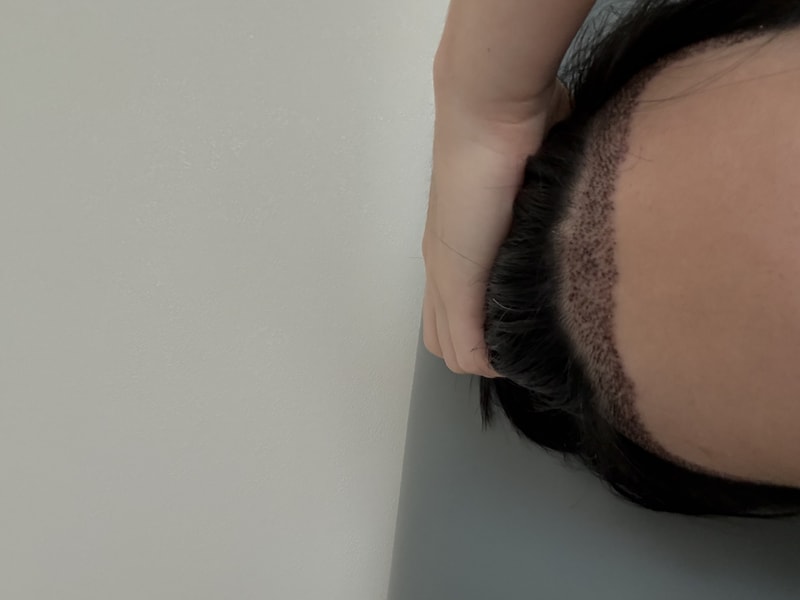

20대 초반에 M자 탈모 교정과 이마 높이를 낮추기 위해 모발 이식을 결심했고, 처음 병원에 방문했을 때 의사와 간호사 모두 신뢰감 있게 설명해 주어 바로 수술을 진행하게 되었습니다. 이후 2주 차에 딱지를 제거했으며, 다른 병원과는 달리 술과 담배를 시작해도 된다고 안내받았고, 1개월 차부터는 이식 모발이 빠지기 시작해 현재는 거의 모발이 없는 상태입니다다.
7,468
7 

우리동네 모발이식 병원지도



댓글