I have a few objections, so I raise them.
>This is an article from January 27 on the cover story (it's on the menu above).
>Listen to the opinion of the authoritative American Dr. Altchak on Sophalmetto.
=> Dr. Altchek isn't a hair loss expert, he's a hair transplant expert.
>> Dr. Altchek; > It's true that there are some products that are effective against hair loss. Of course, the most permanent treatment for alopecia is hair transplantation. Hair transplantation is safe, effective, and not only does it last a long time, but it is also the best in terms of cost-effectiveness. Hair transplantation has been more advanced over the years, and as a result, it is now possible to create a very natural appearance.
=> That's right. Hair transplantation is the most permanent treatment for baldness. But considering the birth rate and donor, it's not the best way, it's the last way.
How can I create a natural look when I have a limited number of hairs to transplant?
And it is common for hair around the transplant to become a strange hairstyle when hair loss occurs.
Hair loss is completely advanced and should be used as a last resort, and hair transplantation should not be performed if hair loss is in progress.
>> In the case of local application products, there are several products that increase blood flow in the scalp area when applied. These are mostly products based on the effects of minoxidil. Although there are many similar products, minoxidil is the only product for local application that is most effective.
=> There are also several products for local application. You can't just write it off like that in a piecemeal way.
1. There are Revivogen, Crinagen, Progesterone Cream, and Xandrox as DHT inhibitors. 2. There are minoxidil, Revivogen, Tricomin, Foxigen, Proxiphen, Nano Shampoo, Retin-A as growth promoters. 3. There are Tricomin, Polligen, Proxiphen as treatments that manipulate the immune response that occurs as a result of excessive DHT in hair follicles. 4. Nizoral, T-Gel, Betadine, Tricom as anti-inflammatory drugs. Anti-androgen drugs include Spilonolactone, Proxipjen, Nizoral, Revivogen, and Clinogen.
These treatments can have additional effects if they are treated in multiple ways to suit you.
>Pinasteride, which is taken in the form of taking pills, has been effective in numerous patients with alopecia.
>Finasteride is a drug that inhibits the action of dihydrotestosterone, a type of male hormone.
=> Pinasteride is a DHT inhibitor that does not inhibit the action of dihydrotestosterone (DHT), but rather inhibits its production.
It is known that the production rate of DHT is inhibited by about 70% if it is a method of reducing the production rate of DHT by inhibiting the 5-alfari dextase.
>>Sopalmito has been proven to have the effect of preventing male hormones from working in the prostate. In fact, sopalmito is recommended to be used to relieve prostate hypertrophy. Sopalmito is also used to promote hair growth, but it is not yet known whether it inhibits the action of male hormones in the scalp area. Therefore, it can be said that the effect of Sophalmito on male alopecia has not yet been concluded.
=> Sopalmito does not have hair growth promotion mechanisms, it is DHT blocker. It does not act on male hormones, but acts on androgen receptors to prevent binding to DHT and stop hair loss.
This has already been validated in the laboratory, but there have been no extensive clinical trials on whether it is actually acting on male hair loss and inhibiting it.
In foreign countries, it is sometimes used as an auxiliary means along with taking pinestrid.
I've never seen a case where only Top Palmetto worked.
>> In the case of natural (herbal) therapies, most of them do not have much effect on hair growth. Clinical trial results that have proven the efficacy of natural medicine have not yet been published.
=> Of course, that's right, but recognizing it only with scientific verification and clinical verification is unreasonable in the process.
There are many scientifically verified products, but the investment cost there is astronomical cost to clinically verify them.
Below is a copy of talmowar.com 's article on the price of the drug.
Is the price of the medicine reasonable?
Recently, one of the questions being asked by several decoupling partners is often asked about the price of a drug.
In particular, it is true that there is a lot of talk about the prices of prosca and prosia that hobbyists are interested in.
How does Prosca have five times the content of finesteride and the price is the same as that of Propecia?
I've seen a lot of people who are very curious about how these prices are formed and their cost.
How is the price of a drug determined?
Until a drug is applied to the human body, it is necessary to closely examine the benefits and risks of administering the drug.
For example, if a drug taken to treat a mild cough causes serious side effects, the drug can be considered worthless, but if cancer or other diseases cannot be treated with current medicine have some side effects, the drug will be worthwhile if it has a life-extension or treatment effect.
However, it is very difficult to proactively evaluate these medicines and verify their stability and efficacy.
This is because, as explained earlier, there are risks to humans and ethical issues of conducting clinical trials on humans.
Therefore, each country strictly approves and manages medicines in consideration of scientific evidence and ethical aspects as much as possible.
Developing a new drug is very complicated from the development process to approval, so each pharmaceutical company can only obtain approval as a drug if scientific evidence proves that their product is safe and effective and worth treating any disease.
The data that each pharmaceutical company must prepare to obtain approval for a drug is very broad, requiring various scientific data and clinical data for thousands of people, and these clinical trials are conducted in the context of securing human safety and benefits.
As such, it takes an average of 15 years to develop a drug through all of these processes, and the average cost of development is about 650 billion won.
Even though these enormous costs are invested, only about 30% of drugs actually recover development costs, and in conclusion, they are expensive compared to production costs to recover these investment costs.
And the return on these sales is a reinvestment in developing new drugs in the future.
In view of these, the biggest reason why the domestic pharmaceutical industry is not developing is the uncertainty of recovery and risks for such investments.
In light of this, all clinical trials and R&D of Proscar, a hair loss treatment, and Proscar, a prostate treatment, were conducted separately, so Proscar's research and investment in Proscar and Proscar's research and investment in Proscar were set separately, so these prices were determined.
In the end, the cost of production for the content of pinsteride can be seen as meaningless.
Finally, DangSight (talmowar.com ) and several hair loss partners expect pharmaceutical companies to come up with better treatments in the future with new investments and developments following the recovery of these investments.
>
>





 K4993236009
 로또맘911
 다두리
다두리
 K4983758792
 MO.1 plastic surgery
 Hannaeve plastic surgery
 Modi hariplant
 Momo Clinic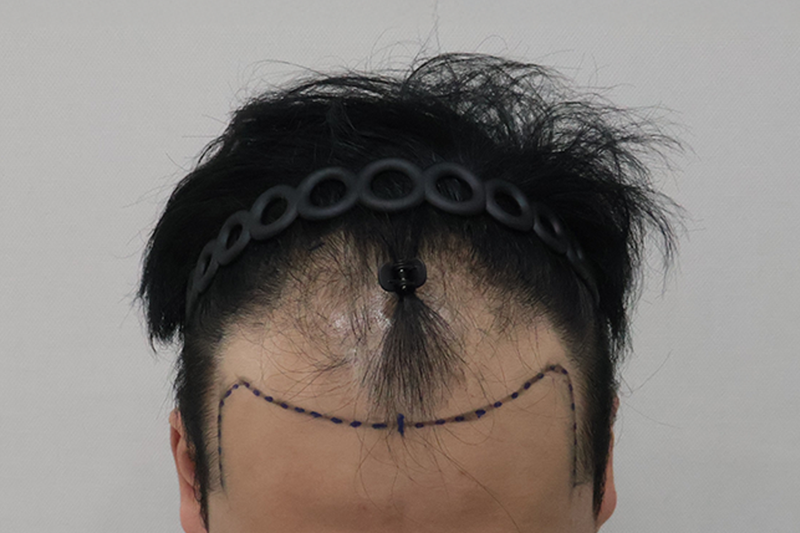
 HAIRO HAIR TRANSPLANT CENTER Dongtan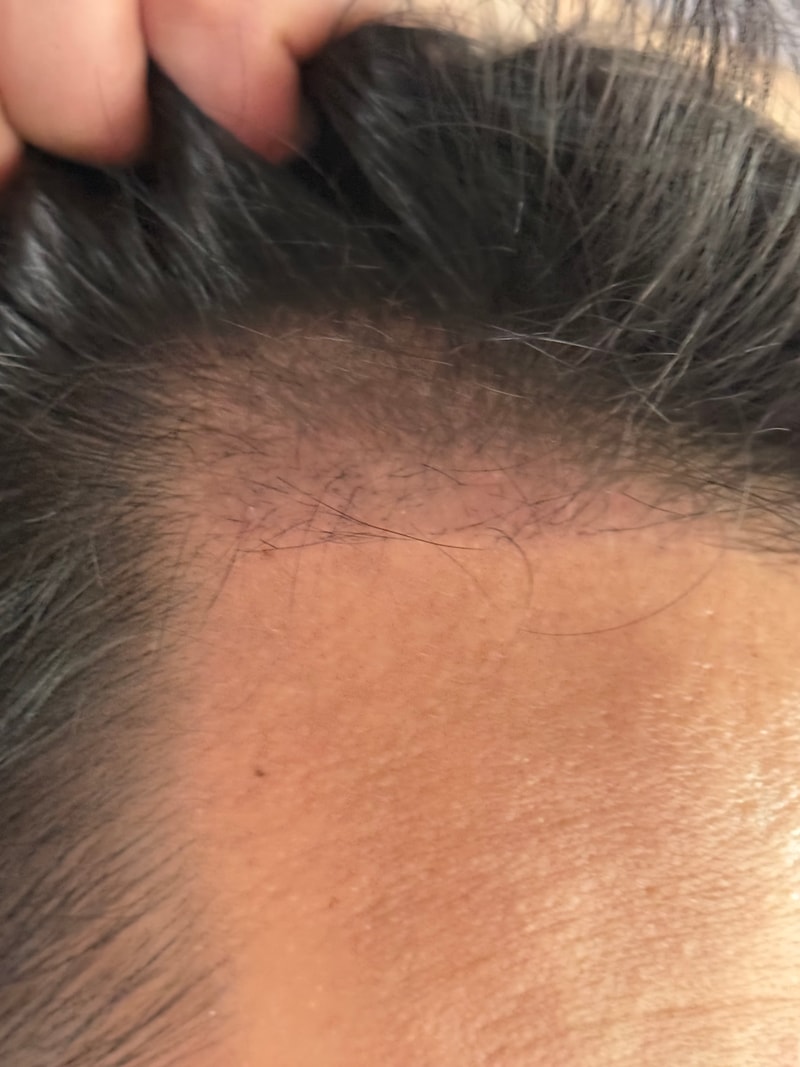
 MYMO HAIR TRANSPLANT CENTER Incheon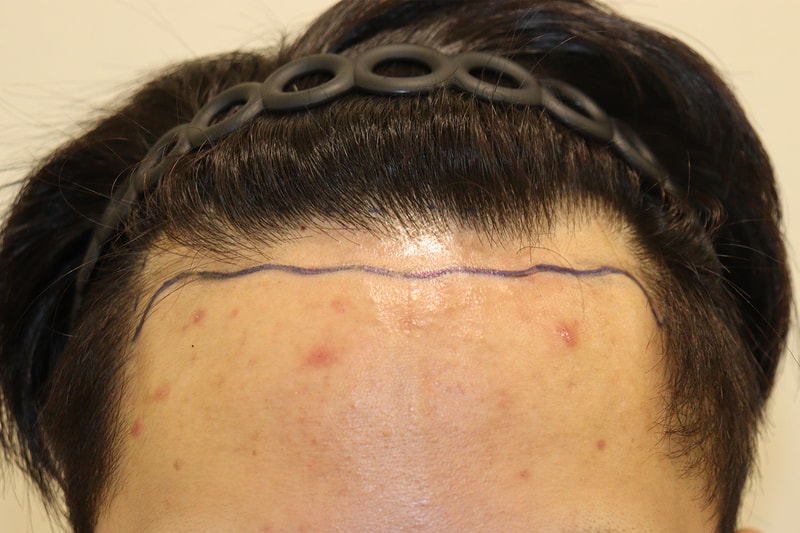
 HAIRO HAIR TRANSPLANT CENTER Daegu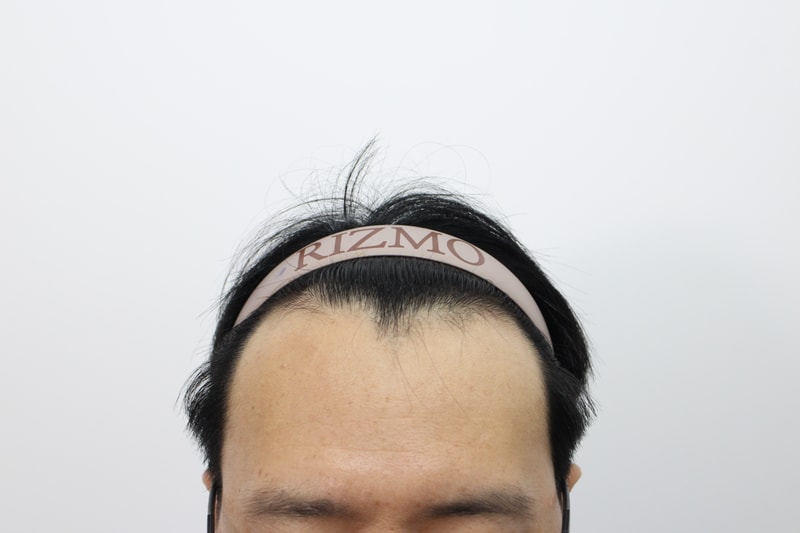
 Rizmo Clinic - Busan Branch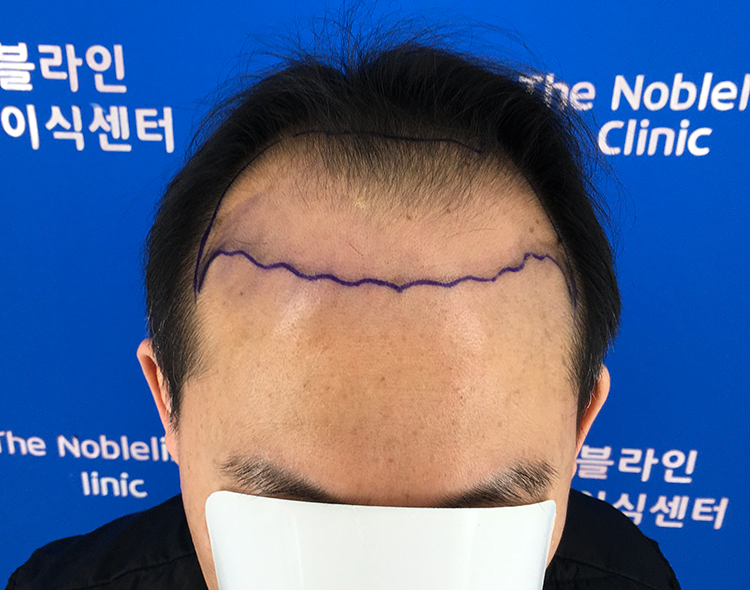
 The Nobleline Center for Alopecia Care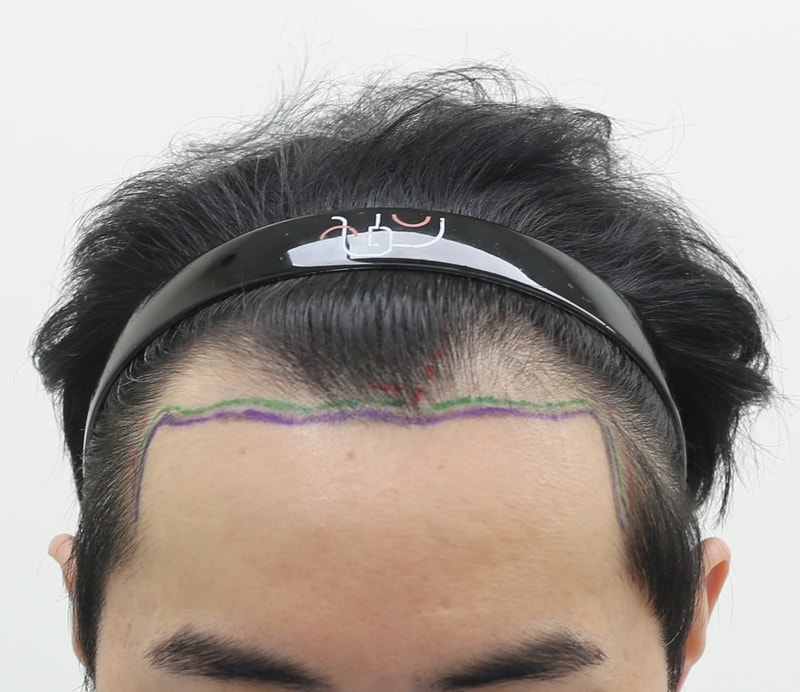
 Mammoth Hair Restoration Center, Apgujeong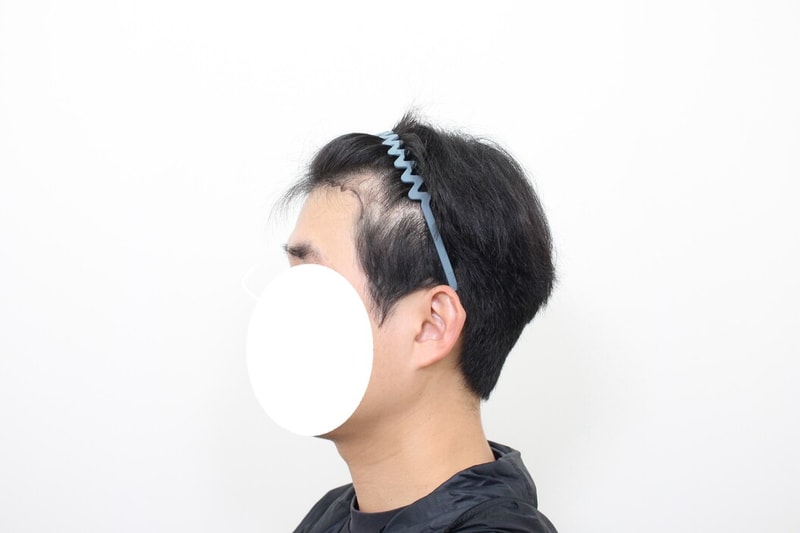
 Mopro Clinic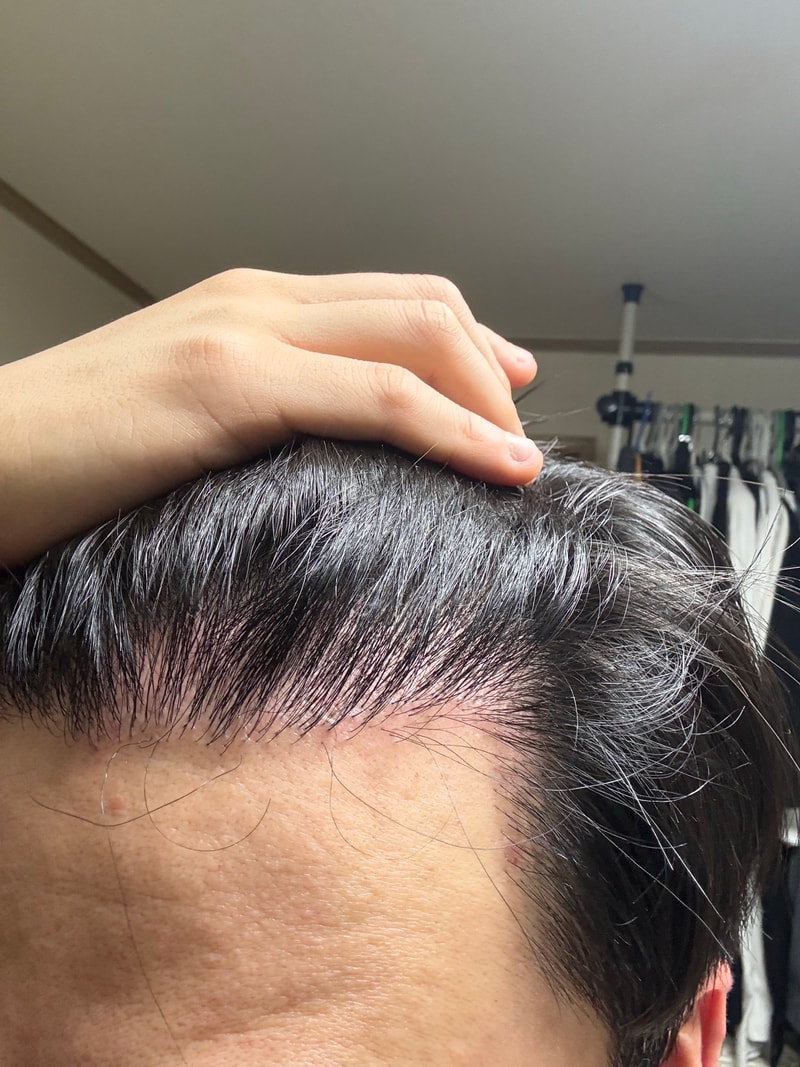
 NEWHAiR
 MOJELIM Hair Transplant
 Mo&Bless Hair Clinic
 Incheon Mammoth Hair Restoration Center
 Modaol Hair Transplant
 Mowoolim Clinic
 FORHAIR Hair Transplant Korea
 apgujeong mobien
 Modeunmo Clinic
 Mammoth Hair Restoration Center Busan
 MOBARUN HAIR SURGERY
 Mo Jaesung Plastic Surgery & Hair Transplant Center
 MONARA dermatology clinic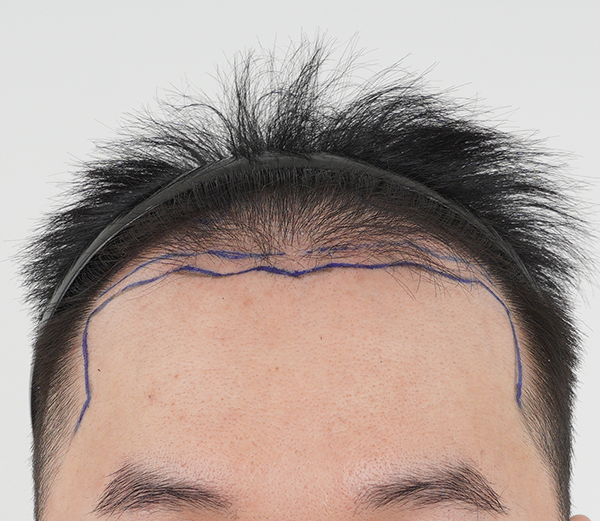
 MOMO HAIR TRANSPLANT
 Moderhamm Clinic — Hair Transplant Center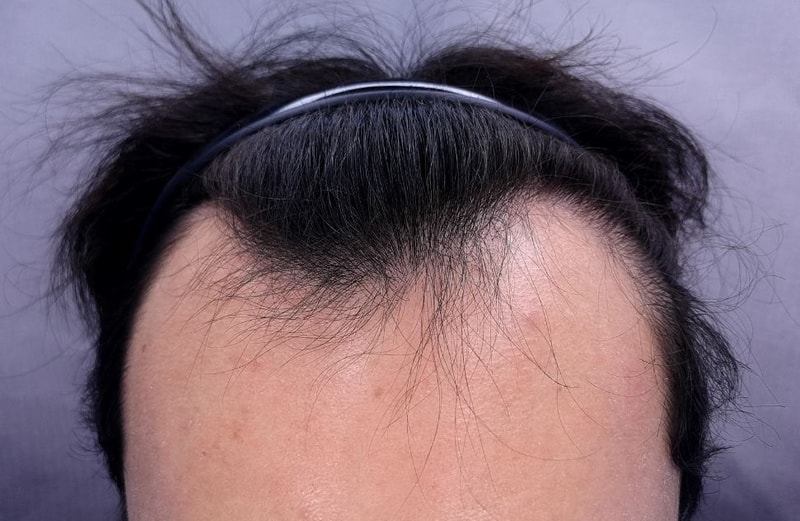
 Yonsei Mobelle Clinic - Incheon Branch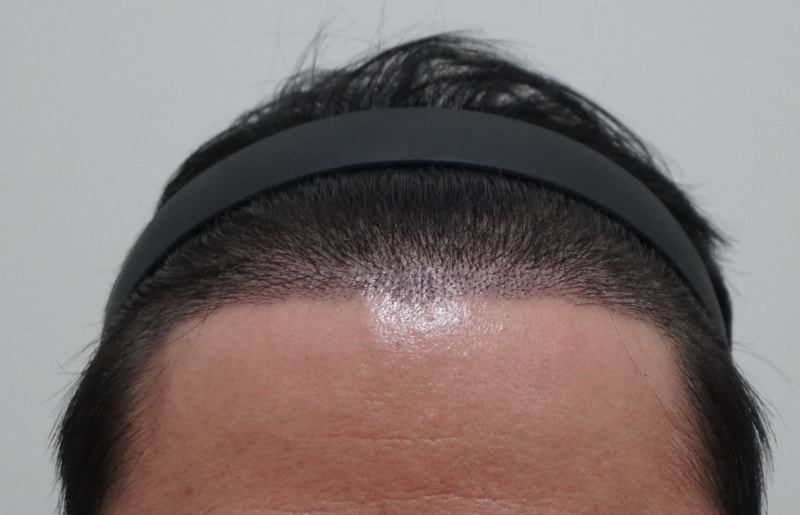
 Yong Doctor Hair Transplant Surgery
 HAIRO HAIR TRANSPLANT CENTER Busan
 Busan Grow House
 Momo Clinic
 MOMO's Suwon branch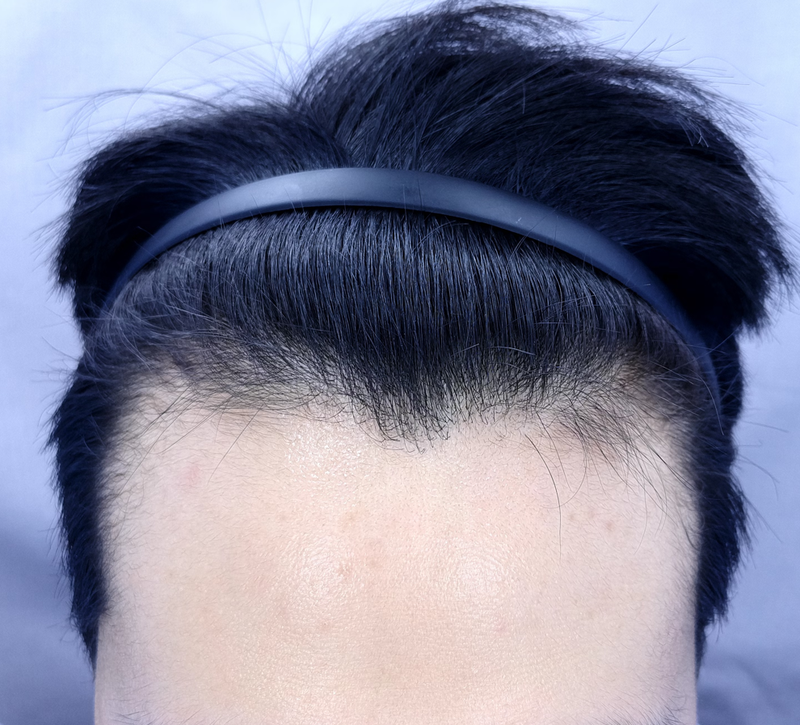
 The Jongno Headquarters of the Yonsei Mobel House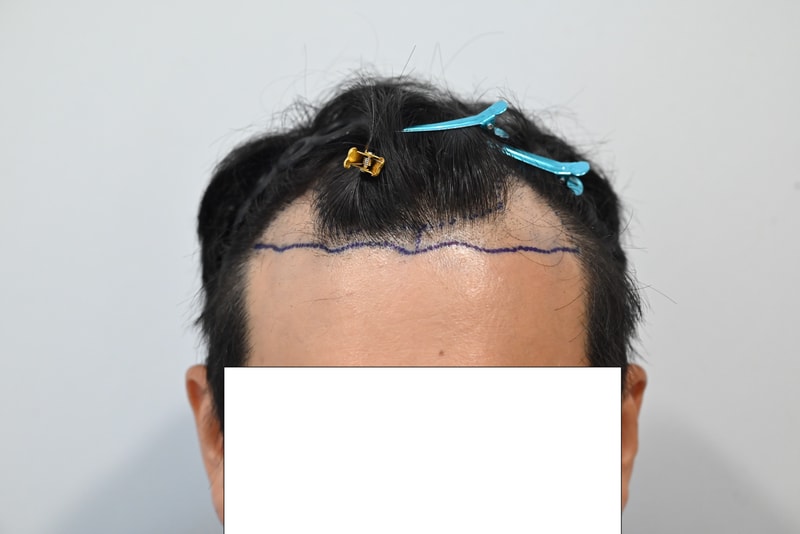
 MOEM Clinic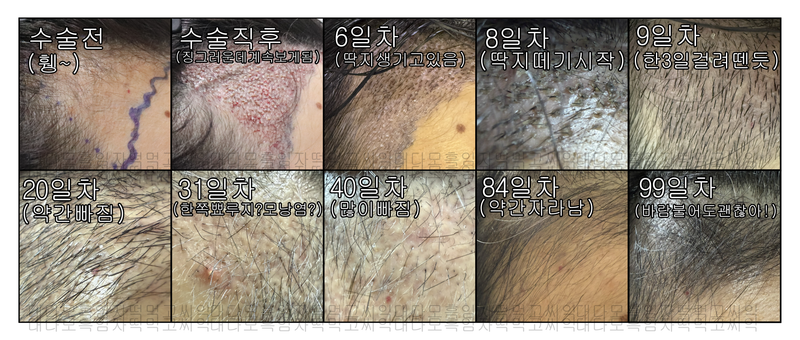
 Dana Plastic Surgery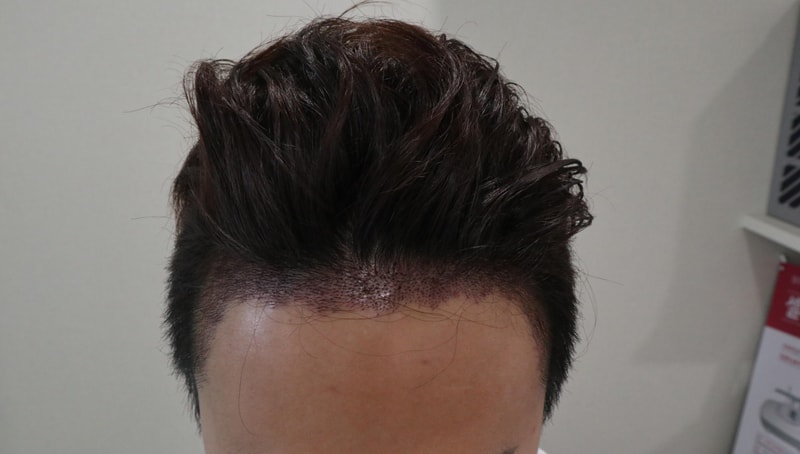
 MOUDA CLINIC
 WOOMCHAN Hair Transplant Clinic
 moart clinic
 an alpha-mocking circle
 HAIRO HAIR TRANSPLANT CENTER Jeonju
 Yonsei Mobelle Clinic - Daegu Branch
 JP Hair Transplant Clinic
 Banal Plastic Surgery Clinic
 GLOWELL
 Moment Clinic
 Motion Hair Clinic
 MOAMAN CLINIC



Comments