And don't take the word for it from someone who doesn't know much English, a pharmacist who doesn't have much medical knowledge, or a doctor...
If you look up the shed in the Yahoo English dictionary...
to shed one's hair.
That's what it means.
In other words, it is also used when hair loss temporarily falls off a lot of leaves.
탈모나 피부과적인 shed의 뜻.
SHEDDING
What is shedding and why does it happen?
This is one of the most commonly asked questions and without doubt the most perplexing for the hair loss sufferer. Why does using a product that is supposed to grow hair actually cause more hair loss? To understand this question you have to understand how hair grows.
Hair grows in a cycle that consists of three phases: Anagen, Catagen and Telogen
Anagen – This is the growth phase that lasts between two and eight years. During the anagen phase the growth cells in the papilla rapidly divide and produce the hair shaft which becomes keratinized as it pushes up and out of the follicle into the pore. At the same time, the follicle grows down into the deeper levels of the dermis (skin) to get nourishment.
Catagen - The Anagen phase is followed by a brief two to four week Catagen phase or transitional phase. This is part of a renewal process where the follicle is literally degraded and the hair stops growing but does not fall out. During the Catagen phase the hair follicle shrinks to about 1/6 of the normal length. The lower part is destroyed, the dermal papilla breaks away, the bulb detaches from the blood supply and the hair shaft eventually is pushed up as the follicle disintegrates.
Telogen - The follicle then goes into the Telogen or resting phase for two to four months, during this time the hair still does not grow but remains attached to the follicle while the dermal papilla is in a resting phase below. Approximately 10-15 percent of all hairs are in this phase at any one time.
After the Telogen phase the cycle is complete and the hair goes back into the Anagen phase. It is at this time when the new hair shaft is forming that the old hair is pushed out and lost. So when you start using a product like Rogaine or Propecia you stimulate the follicle to start producing hair. What often happens is that many follicles that are in the Telogen phase then go into the growth phase.
When the follicle starts growing a new hair it has to first get rid of the old hair, which is still attached to the follicle. When this happens to many follicles at the same time you see a lot of hair falling out which is what causes shedding. So instead of these hairs falling out gradually at different times, they all fall out together giving you the impression that you are losing more hair.
The reality is that this hair had stopped growing and was due to fall out anyway. So shedding is a positive sign and means that you are responding well to treatment. In fact its ironic that people who respond the best to treatments often lose the most hair in the beginning. This often leads to people going off their treatment program when they should stay on it.
Shedding should last no longer than 4-6 weeks and usually occurs about 6 weeks into treatment. If you are still shedding a lot of hair after 2 months you should consult with your physician, as it may not be a shed. Shedding can also reoccur periodically since hairs that were put into the growth cycle at the same time have a synchronized growth cycle so they tend to go into the resting phase at the same time. This tapers off after a while. However be aware that its normal to lose between 50-100 hairs every day due to this natural growth process.
Bottom line is that shedding is normal and usually is a sign of good things to come. However if you are experiencing any redness or intense itching or irritation consult with your physician.
번역.
What is shading and why does it happen?
Shading is undoubtedly one of the most embarrassing and frequently asked questions by hair loss people. Why does more hair loss occur when you use a product that grows your hair? To solve this question, you must first understand how hair grows.
The hair growth cycle consists of three cycles: growth phase, regression phase, and resting phase: this is a growth period that lasts for 2-8 years. During the growth phase, the growth cells rapidly divide and push the hair follicles out through the hair hole, producing a parental axis that becomes keratinized. At the same time, hair follicles grow to the deep part of the dermis to obtain nutrients.
Regenerator: the growth phase followed by the approximately 2-4 weeks of regression or transitory period. This is a part of the regeneration process, where hair follicles naturally decompose and hair growth does not stop or fall out. During the regression phase, the follicles contract to about one-sixth of their normal size. The low area is destroyed, the dermal procession disappears, the hair roots are separated from the blood supply, and the hair axis is virtually pushed up.
Rest Period: Hair follicles enter rest periods for about 2-4 months. During this time, hair still stops growing and adheres to hair follicles. Approximately 10-15% of hair is at this time.
After the rest period, the cycle is completed and the hair enters the growth phase again. It is a time when a new hair axis is formed and old hair is pushed out and pulled out. So when you start using products like Rogaine and Propecia, you stimulate your hair follicles to help your hair grow. Many hair follicles in resting stage go to the growing stage frequently.
When hair follicles grow new hair, first remove the old hair that is still attached to the hair follicles. When this happens in many hair follicles at the same time, you will see a large amount of hair fall out. This is the cause of shading. So instead of gradually losing your hair at different times, it all falls out at once, giving you the impression that you've lost a larger amount of hair.
It is true that these hairs stop growing and fall out. So shading means that you adapt very well to treatment and it's a positive sign. In fact, people who respond very well to the treatment experience an ironic phenomenon in which most of the hair is lost in the early stages. This often causes people to lose interest when they have to keep their treatment programs going.
Shading should not continue for more than 4-6 weeks and usually occurs in approximately 6 weeks within the treatment period. If a large amount of hair is lost after two months, professional consultation is required and it may not be shading. Shading can be experienced again in a timely manner when a large amount of hair goes from the growth cycle to the resting period at the same time. It's for a while and then it's written down. However, state that losing 50-100 hairs daily in a normal hair growth cycle is a normal phenomenon. Therefore, shading is a normal phenomenon and a good sign in the future.
However, if you experience erythema, severe itching, or inflammation on your scalp, please consult a specialist.
* Translator's note: The above is about general shading, and the phenomenon that occurs can vary a lot from person to person, so please consult a specialist for your exact symptoms.
The translation above was spread in the war against hair loss.
The word shading is said to have been used as shading in the 1970s after seeing hair loss during chemotherapy.
Recently, when treating male alopecia, it is also called shedding, a phenomenon in which a lot of hair loss is temporarily caused, such as chemotherapy.
>I heard here that there is no term for shading..
>I heard it's a sudden term..





 K4993236009
 로또맘911
 K4983758792
 NEWHAiR
 Mo&Bless Hair Clinic
 Incheon Mammoth Hair Restoration Center
 Modaol Hair Transplant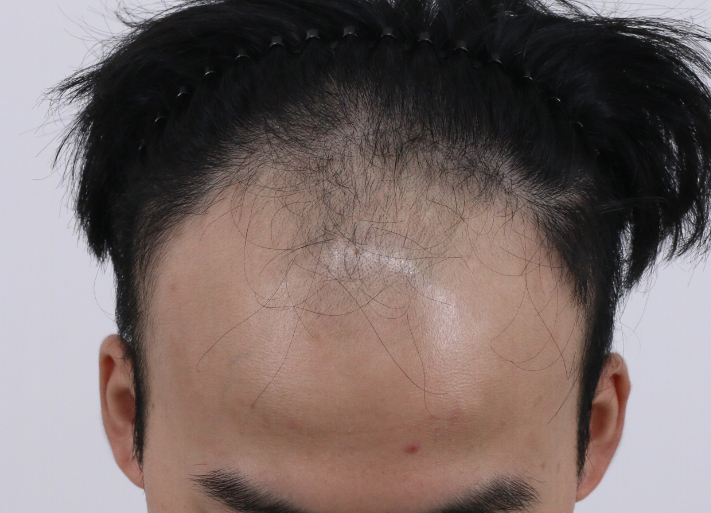
 Mowoolim Clinic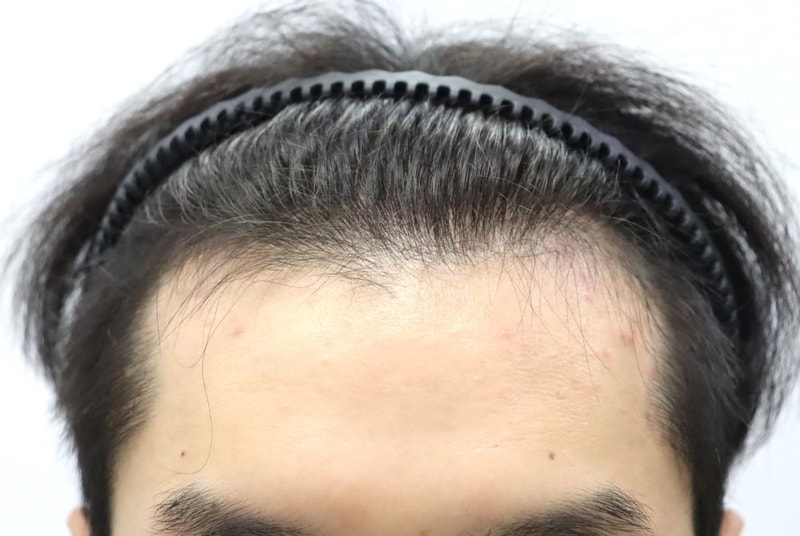
 FORHAIR Hair Transplant Korea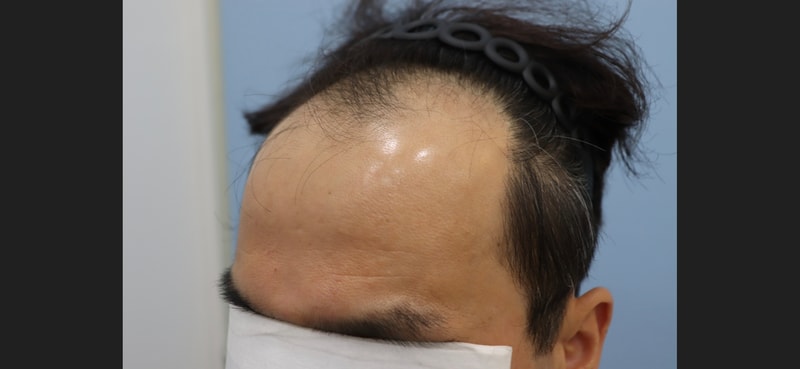
 apgujeong mobien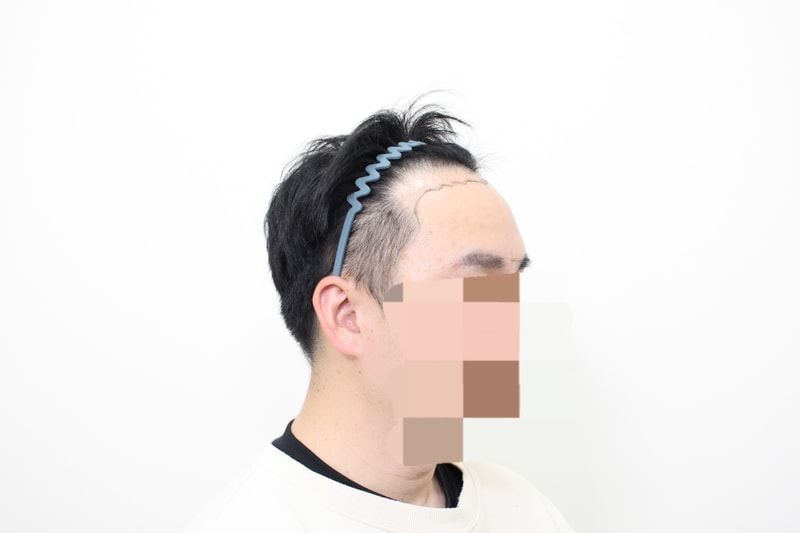
 Mopro Clinic
 Modeunmo Clinic
 Mammoth Hair Restoration Center Busan
 Mammoth Hair Restoration Center, Apgujeong
 MOBARUN HAIR SURGERY
 Mo Jaesung Plastic Surgery & Hair Transplant Center
 MONARA dermatology clinic
 MOMO HAIR TRANSPLANT
 HAIRO HAIR TRANSPLANT CENTER Daegu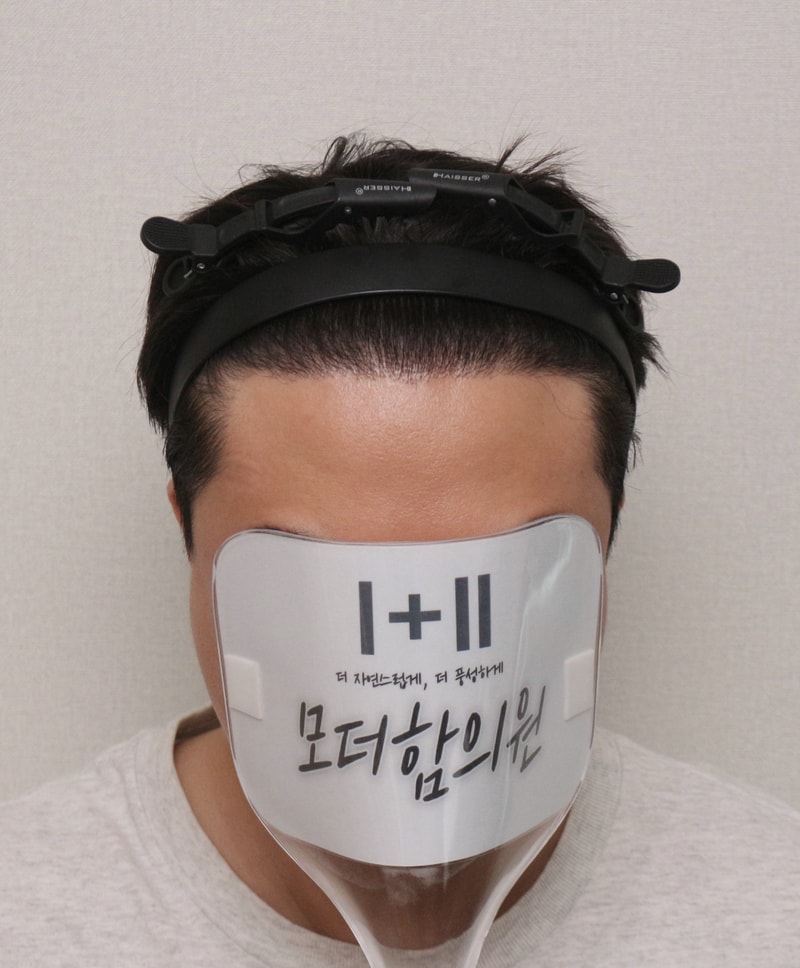
 Moderhamm Clinic — Hair Transplant Center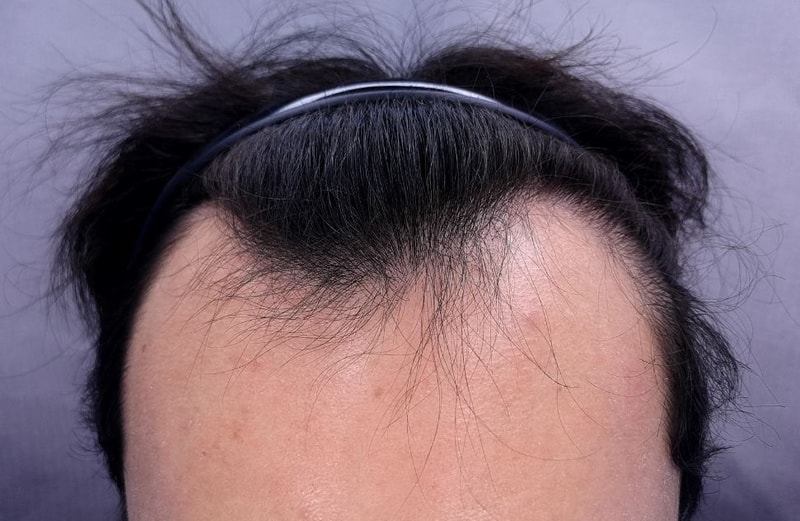
 Yonsei Mobelle Clinic - Incheon Branch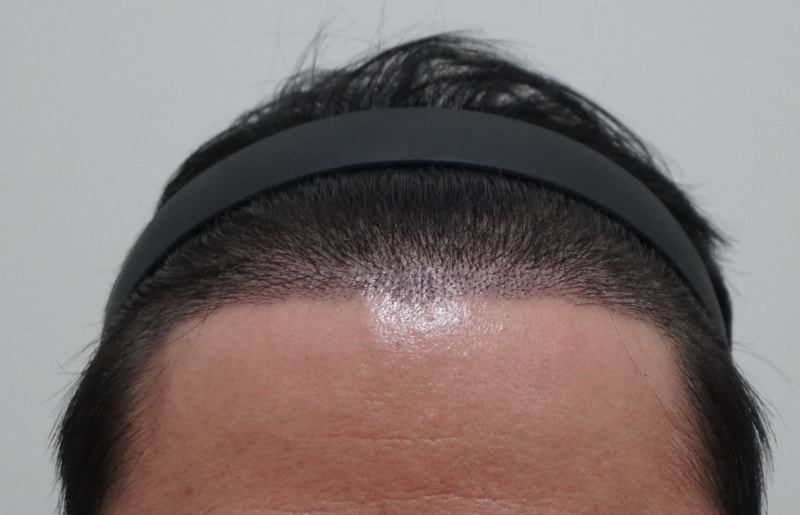
 Yong Doctor Hair Transplant Surgery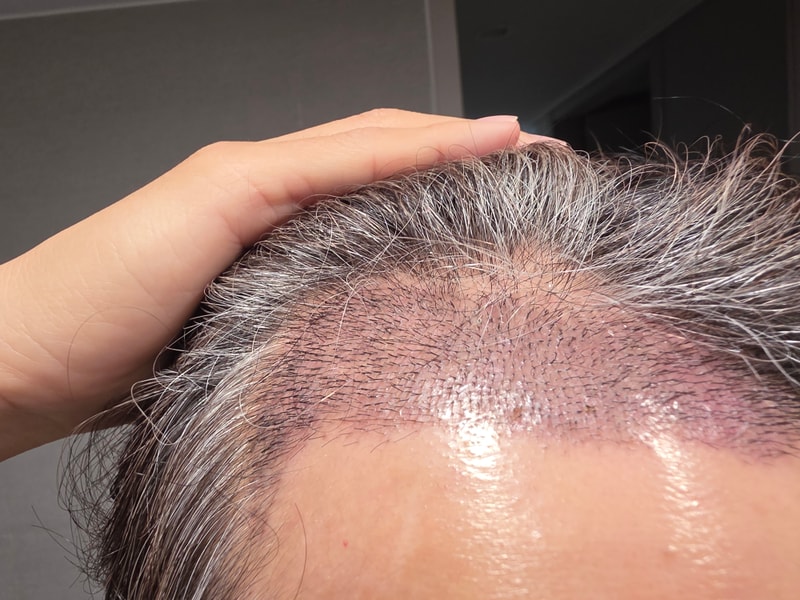
 The Nobleline Center for Alopecia Care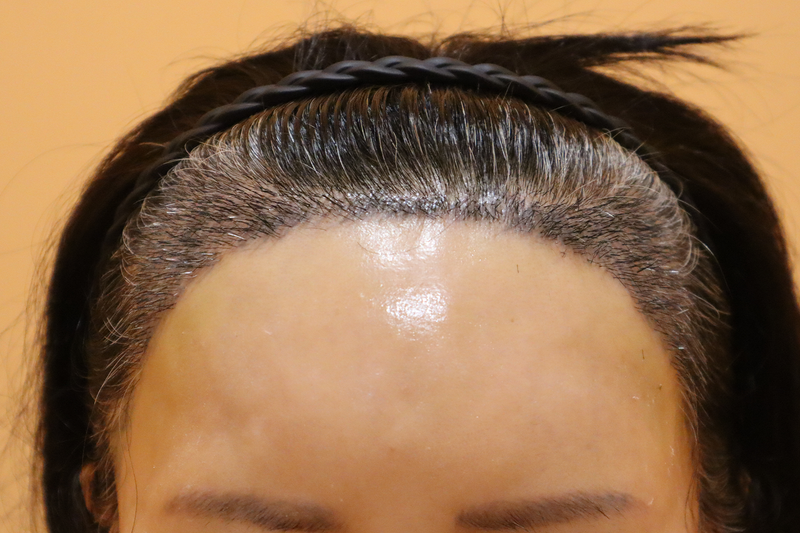
 HAIRO HAIR TRANSPLANT CENTER Busan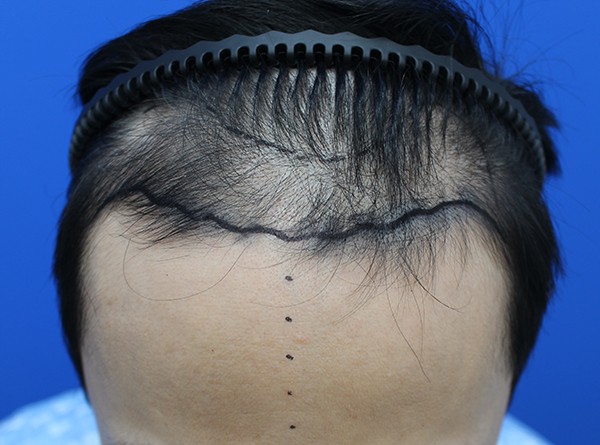
 Hannaeve plastic surgery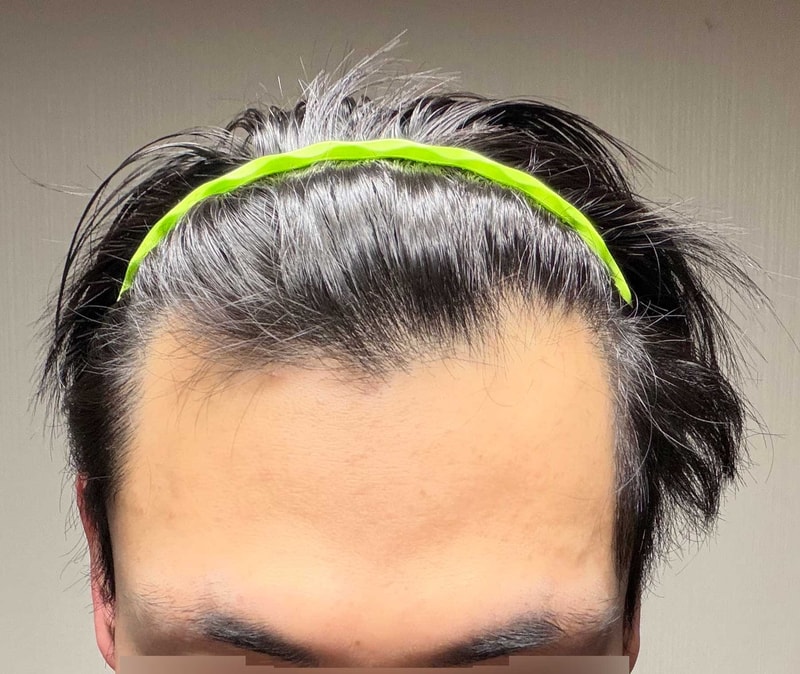
 MO.1 plastic surgery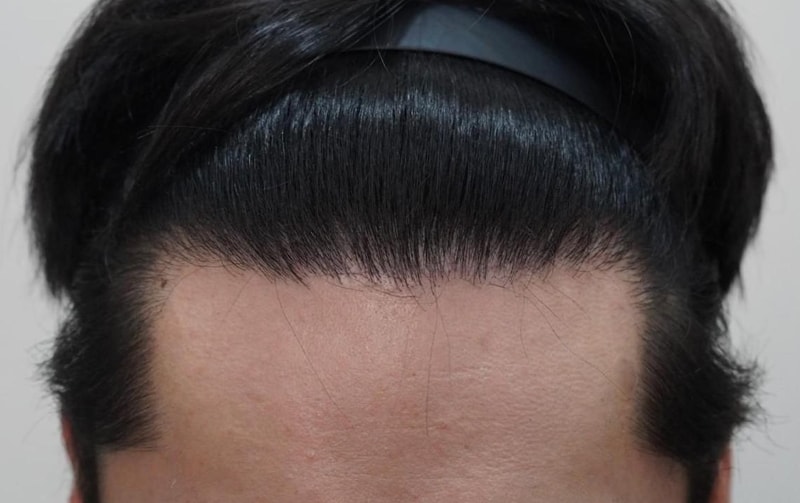
 Busan Grow House
 Momo Clinic
 MOMO's Suwon branch
 The Jongno Headquarters of the Yonsei Mobel House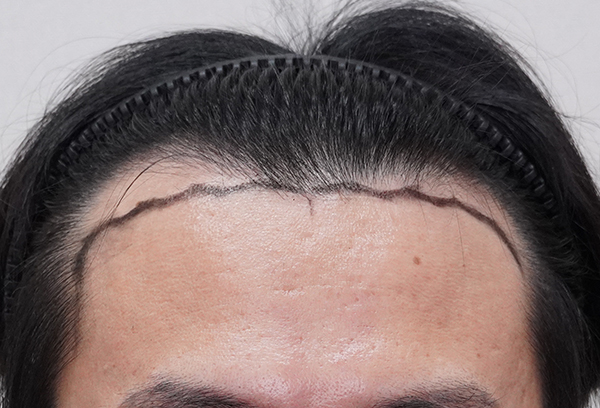
 Momo Clinic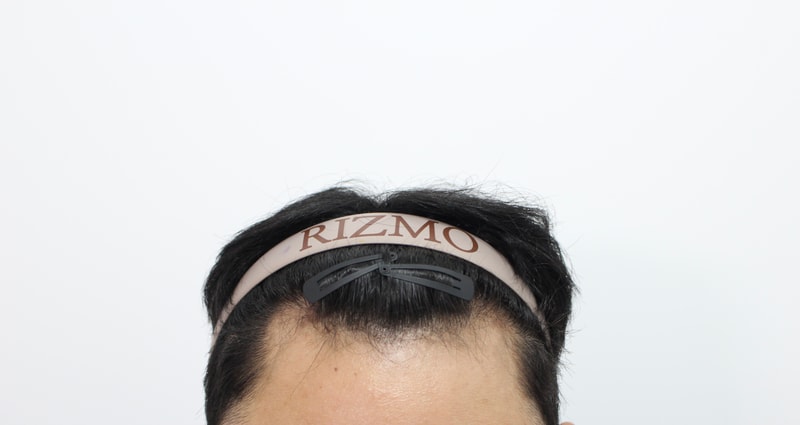
 Rizmo Clinic - Busan Branch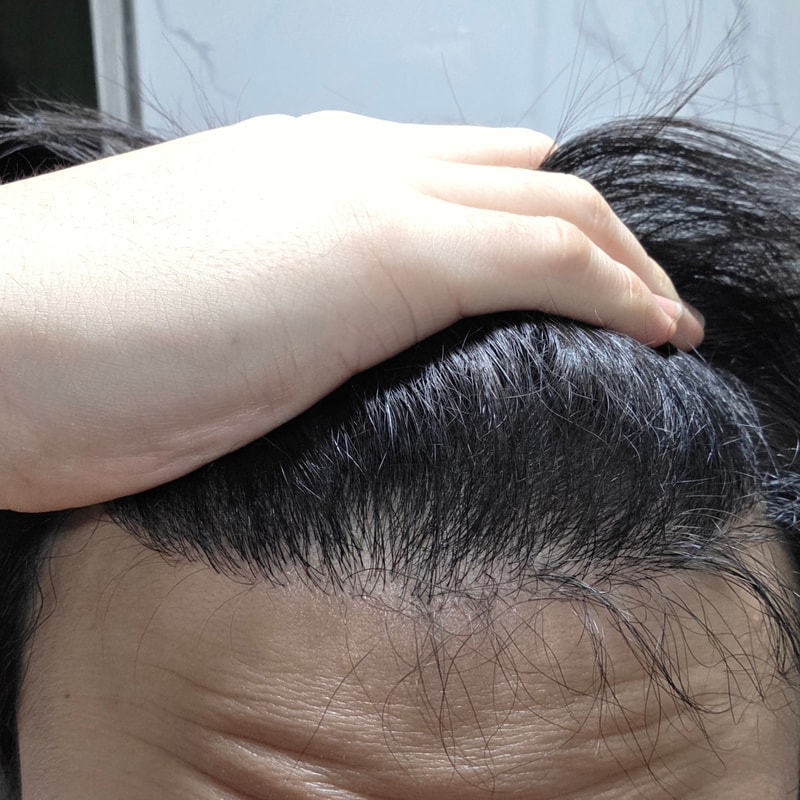
 MYMO HAIR TRANSPLANT CENTER Incheon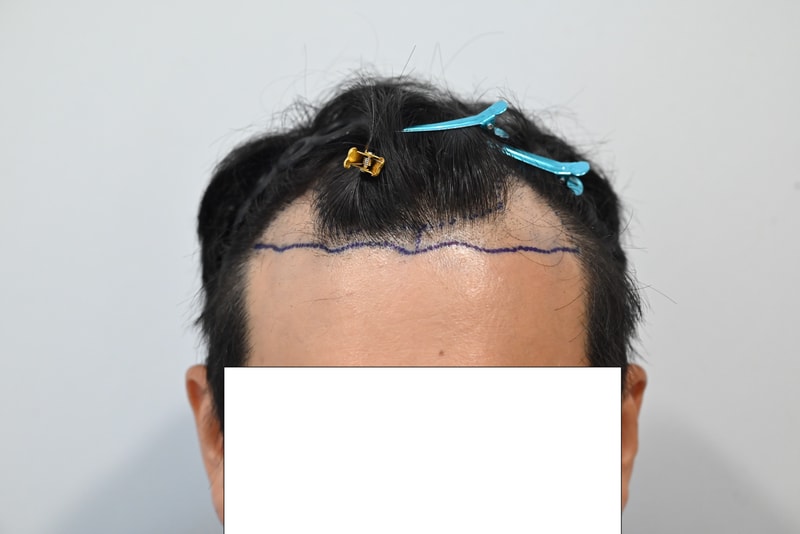
 MOEM Clinic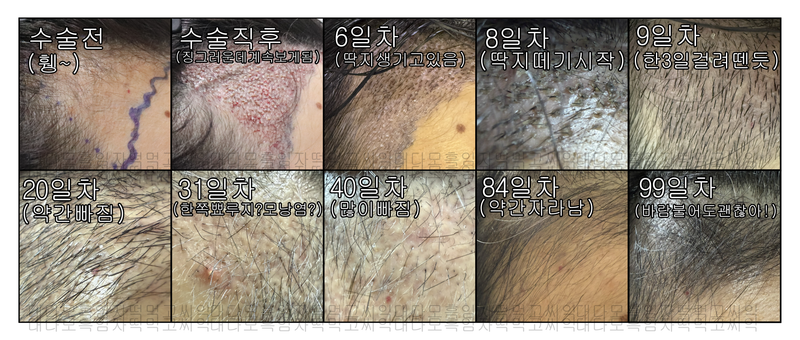
 Dana Plastic Surgery
 MOUDA CLINIC
 Modi hariplant
 WOOMCHAN Hair Transplant Clinic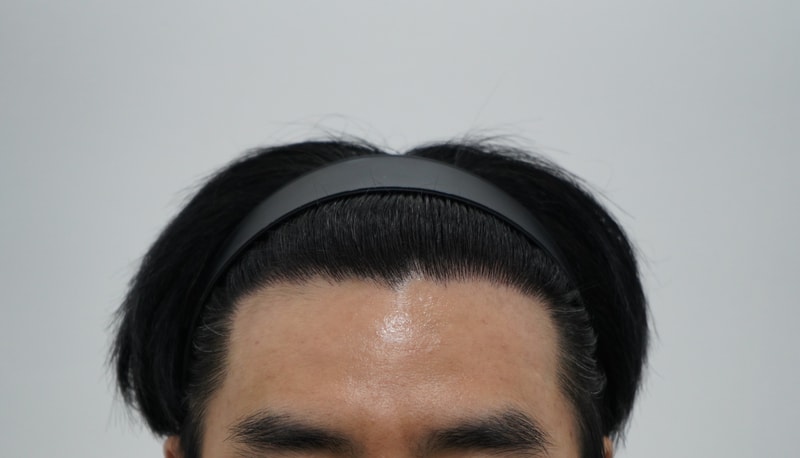
 moart clinic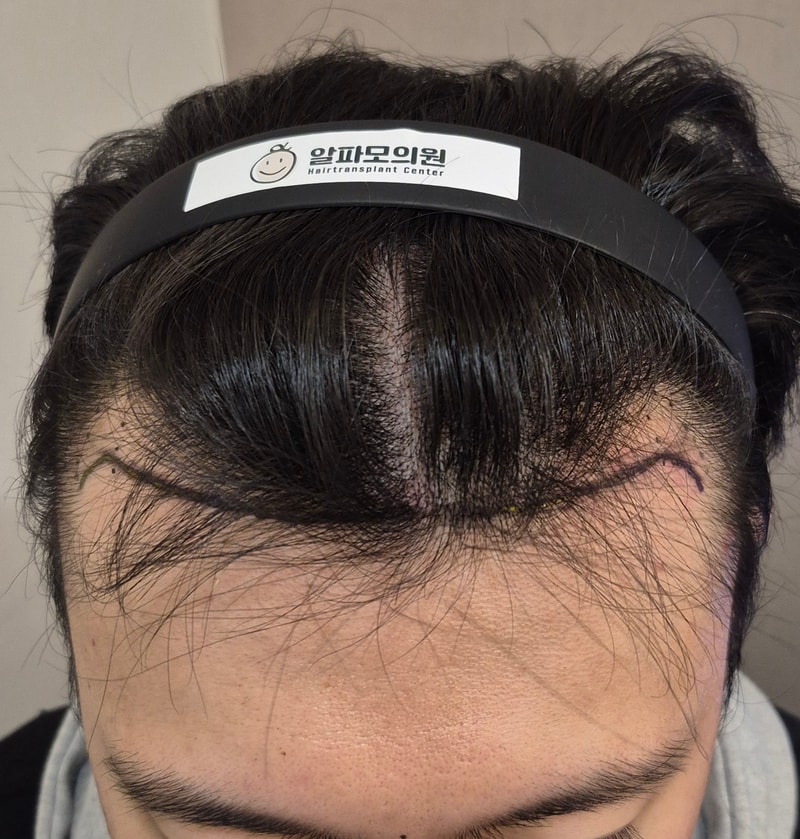
 an alpha-mocking circle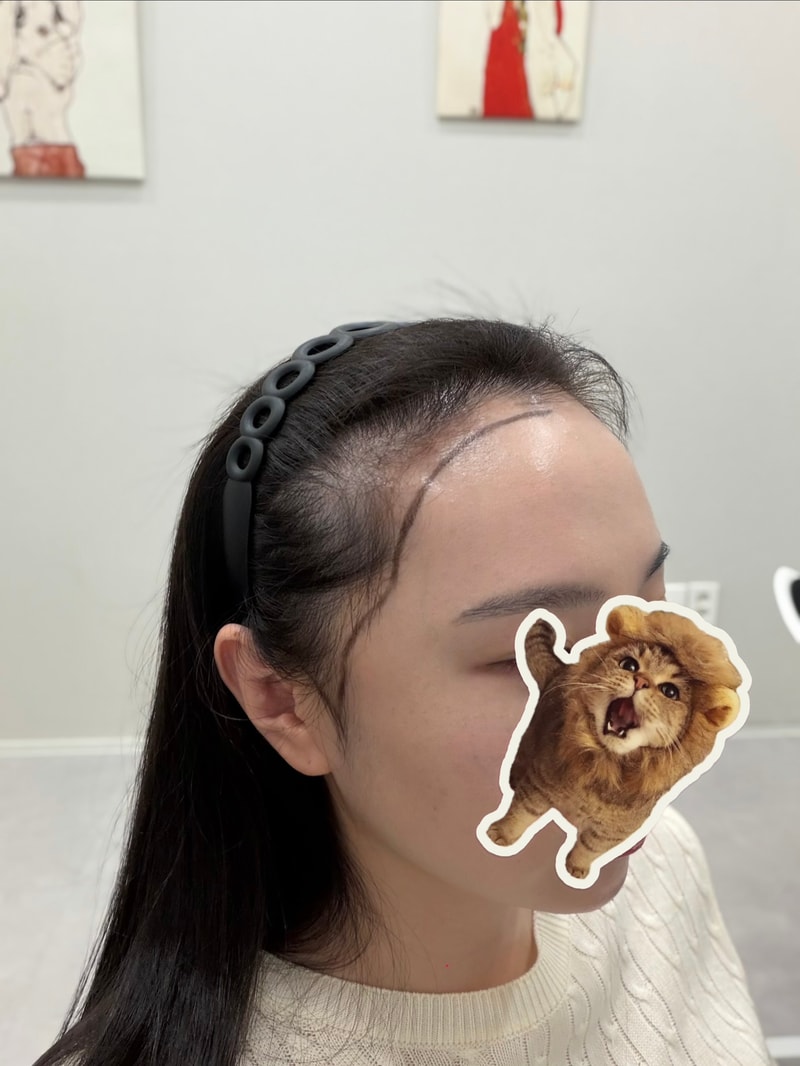
 HAIRO HAIR TRANSPLANT CENTER Dongtan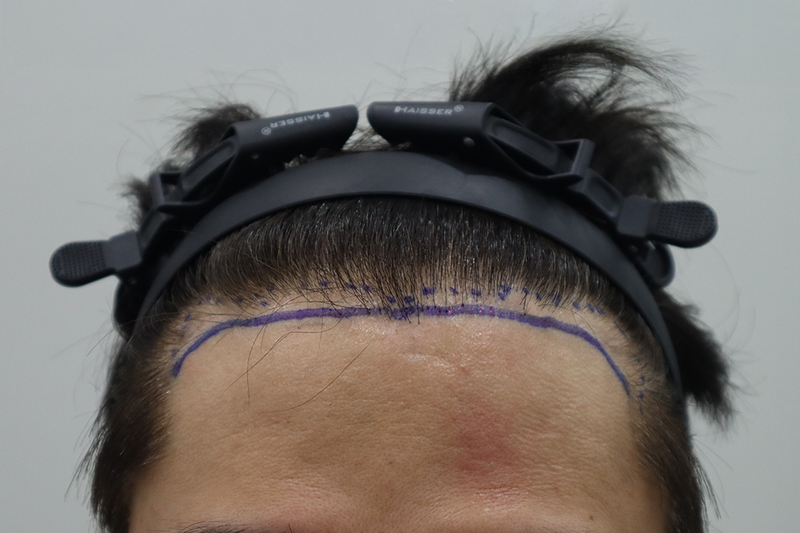
 HAIRO HAIR TRANSPLANT CENTER Jeonju
 Yonsei Mobelle Clinic - Daegu Branch
 JP Hair Transplant Clinic
 Banal Plastic Surgery Clinic
 GLOWELL
 MOJELIM Hair Transplant
 Moment Clinic
 Motion Hair Clinic
 MOAMAN CLINIC



Comments