All right... In the end, it means you have to use it to know... \n \n If it's me...
I'm going to buy a natural shampoo for a few thousand won more than buying shampoo for 30,000 won...
>I'll quote biologist Kim Woo-jae's article posted on Brights Korea. The cited document is
GFDL (Link)Follow the . Redistribution, modification, and commercial use are all permitted,
Modified and replicated documents must follow GFDL and state that fact.
> \n>It's a fiction to say that natural materials are good for the body, and that it's safe because it's vegetable. List the types of plant-based alkaloid poisons to the extremeOr, even if you don't mention "100% poison extracted from the natural cobra venom glands," a substance is safe because it is exposed to it "within acceptance," nothing more or less.
> \n>The natural material, or the natural material product, may be very good for you, or in general. But the reason is
"Because it's a natural ingredient."It's not. It's a typical error in the wrong causal relationship.
>\n>Natural, organic, and agricultural products that look 'somewhat good' can be 'actually good', but is it really good? If it's good, we have to rethink why it's good. It's natural, so there's not much good about it because it's organic-farm. Plants cannot distinguish between fertilizers and inorganic fertilizers.
> \n>One of the things that many people misunderstand is that 'natural substances' are not the opposite of 'chemical substances'. Will there be no chemical reactions in the natural world? There is a very clear and simple fact. All organic-materials are compounds.
>
>
>--------------------------- Hereinafter, the quotation ---------------------------
> \n>First, what's known as artificial chemicals (or hazardous chemicals) are actually very widely spread in the natural world (nature that environmental groups love so much: I think it would be very interesting to analyze whether nature has historically been so favorable to us). (e.g., pollen, plant toxin, toxins in fungi, shells of crustaceans, etc.) \n> \n> Most chemicals we encounter come from nature
natural chemicalsIt's a tablet of, and as we will discuss below, any chemical is dangerous if its amount increases.
> \n> \n> Second, the cause of allergies, asthma, and atopy is actually the clean environment. All three diseases are of advanced countries type. In addition, it has evolutionary origins. It's also the subject of Darwinian medicine. See LittleWormTory for what this means.
> \n> (Movement is omitted). It's about cancer.) \n>\n>Fourth, all matter is poison. There is no non-poisoning substance. The distinction between poison and treatment is determined by the difference in dosage. This is said to have been done by Paracelsus, the founder of pharmacology, and it is also very common sense. If the PD of the environment's counterattack suffered from skin disease, it may have been exposed to chemicals too much and too long when repairing houses. Under normal circumstances, those chemicals don't do much harm to our health (unless we repair the house).
> \n> \n> Fifth, if the PD of the environment's counterattack suffered from skin disease and children suffered from atopic dermatitis, we should analyze the family history of the disease and whether such symptoms are common. I don't think we should generalize the argument (with personal experience) through case analysis.
> \n> \n> (Movement omitted). \n> \n> \n>8th, in addition to food, various chemicals used as raw materials for clothes and bedding, wallpaper and household finishes, cosmetics and detergents, pesticides and plastic products, electronics and pharmaceuticals are of course dangerous to a small number of sensitive people. For oily skin with bourgeois skin, if there is a customized insecticide for dry skin, the victim will come out no matter what he or she makes. A few years ago, I think I heard the news that some people who were injured by Coca-Cola's bottle cap filed a lawsuit and won. The Coca-Cola bottle cap is not a matter of modern petroleum civilization just because a few people were injured, is it? It's essentially the same as the problem. The fear of modern petroleum civilization is transferred to the fear of chemicals, which generalizes the problem, and the situation is getting better.
>
>--------------------------- (End of the quotation) ---------------------------
> \n> \n> \n> This is not to say that the products recommended by the claimant of natural materials are bad. However, I think there is a big problem with the argument that 'chemical products are unconditionally bad' and 'it is good because it is a natural material'. As I said earlier, the products you recommended are definitely good products, but the good reason is that
"Because it's a natural ingredient."I mean, it's not.
> \n>Of course, it is very appreciated to recommend good products that you have personally experienced.





 국영수
국영수
 도와주새요
도와주새요
 탈모는극복하는것
 기다림m
기다림m
 K4969242801
 Mammoth Hair Restoration Center Busan
 Modeunmo Clinic
 Mo&Bless Hair Clinic
 Moderhamm Clinic — Hair Transplant Center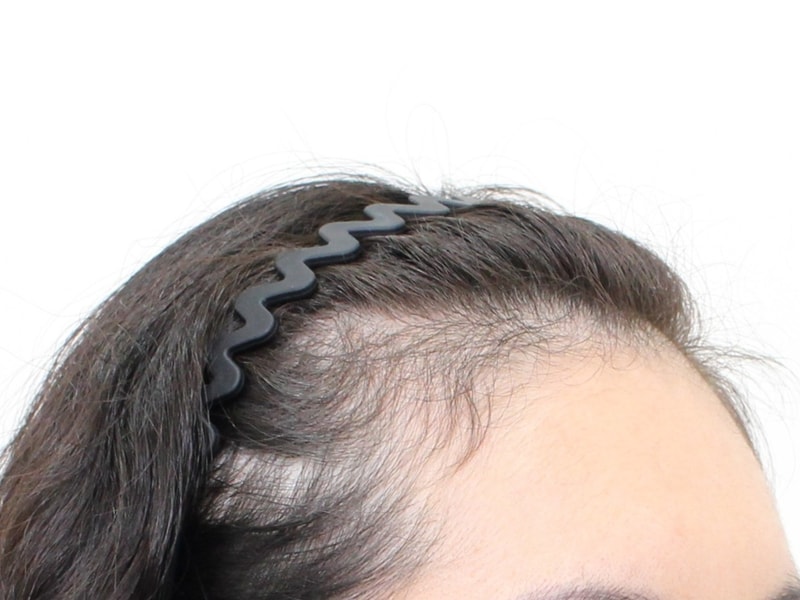
 Mopro Clinic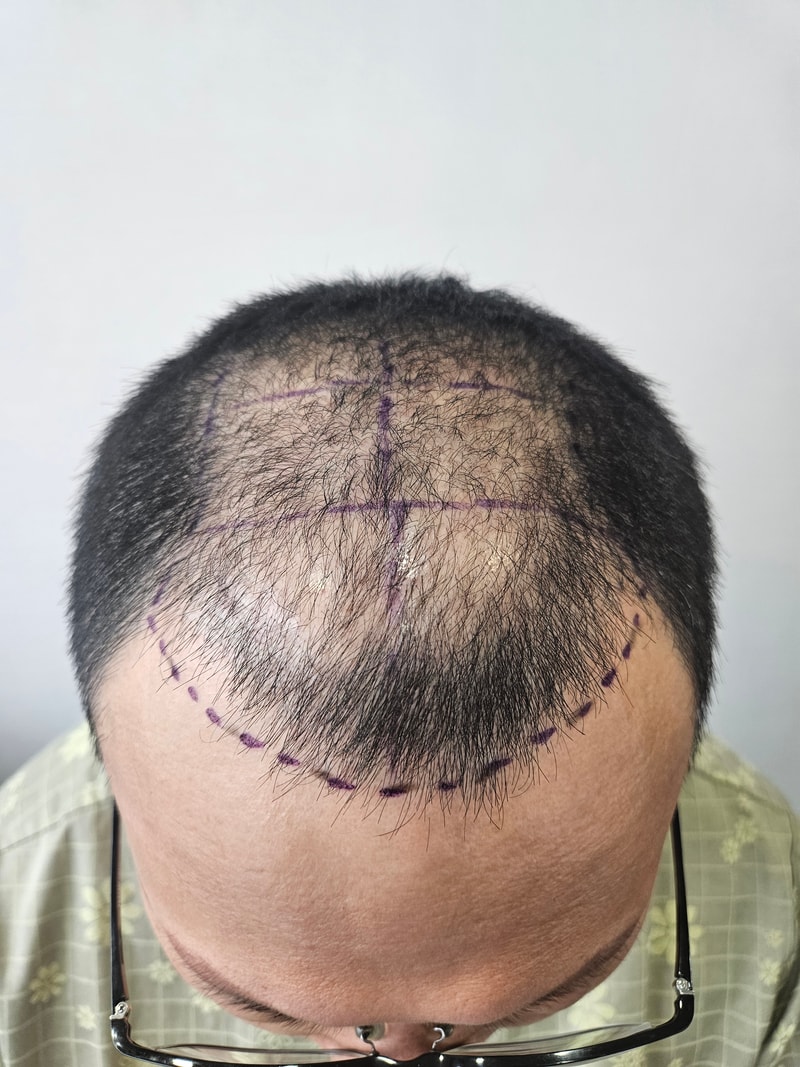
 Mo Jaesung Plastic Surgery & Hair Transplant Center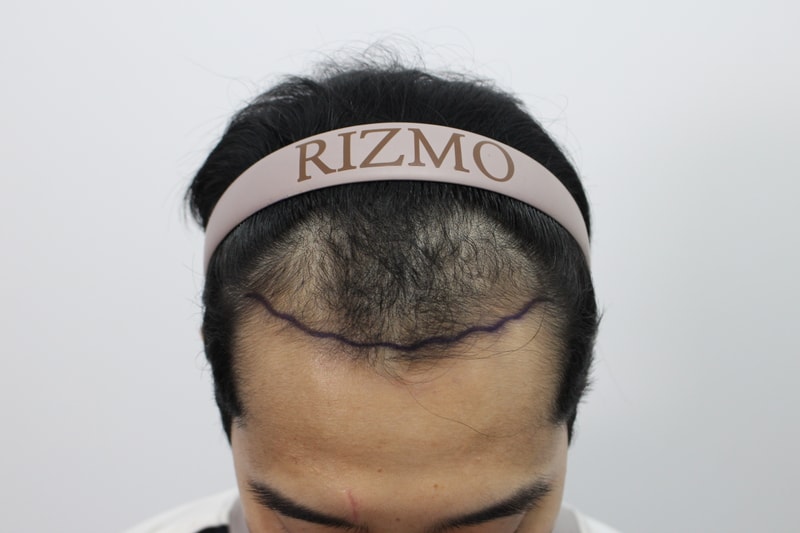
 Rizmo Clinic - Busan Branch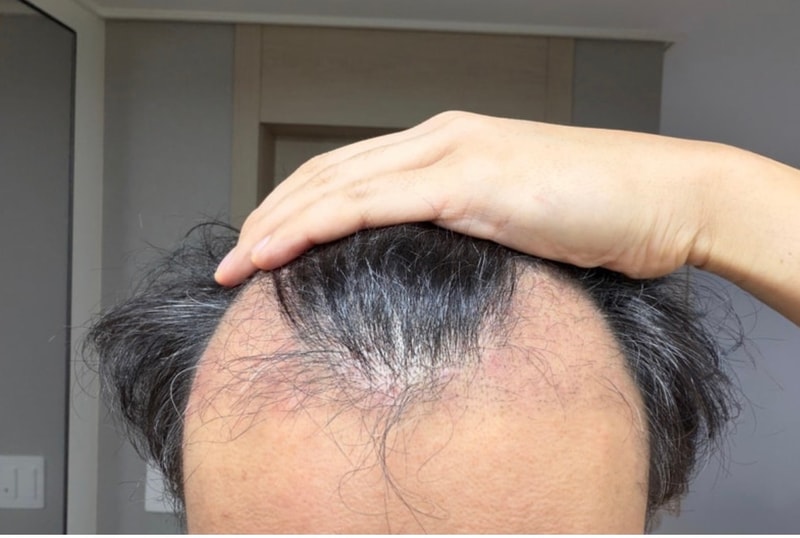
 Hannaeve plastic surgery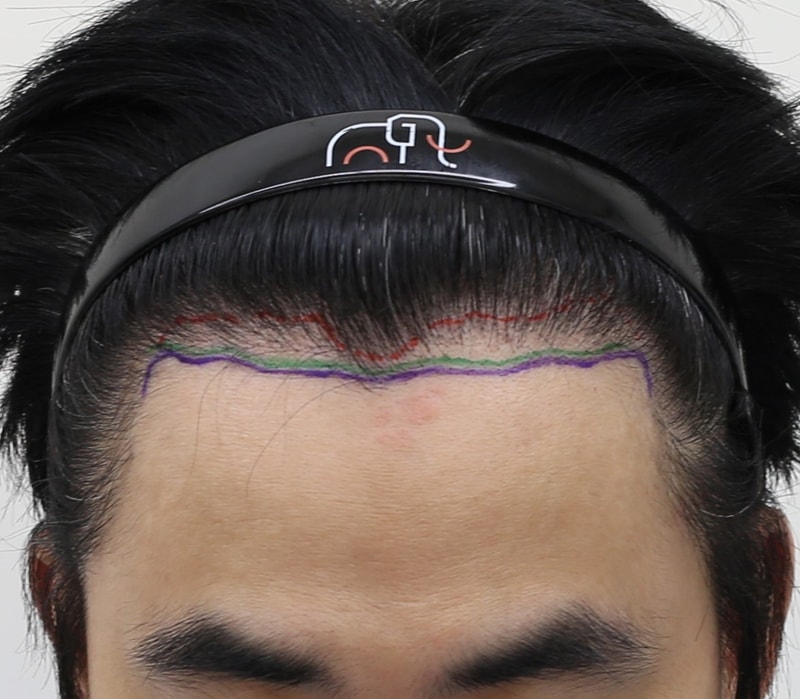
 Incheon Mammoth Hair Restoration Center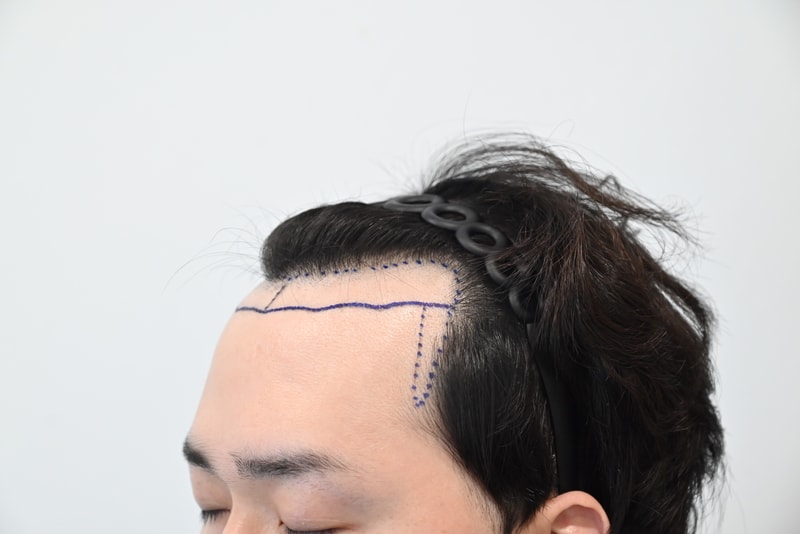
 MOEM Clinic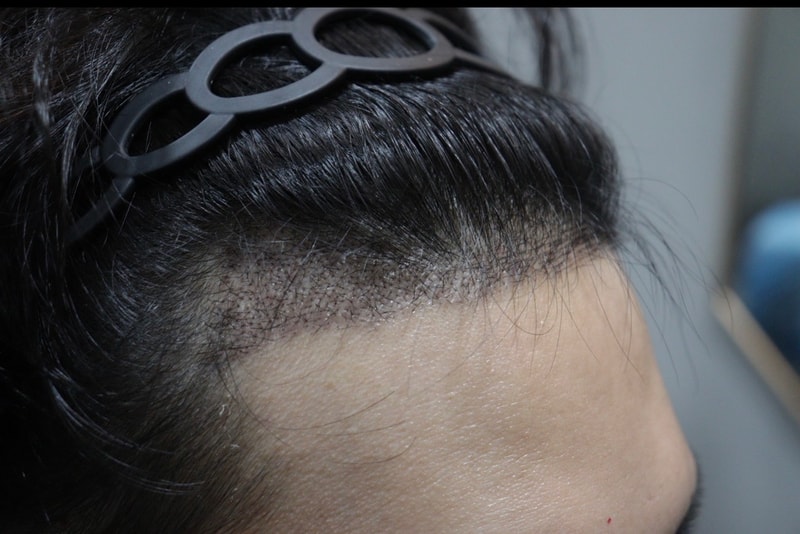
 apgujeong mobien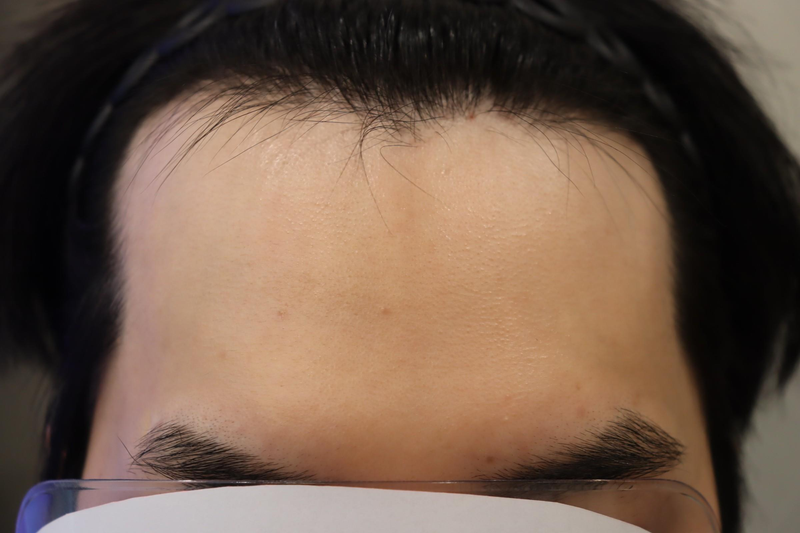
 HAIRO HAIR TRANSPLANT CENTER Daegu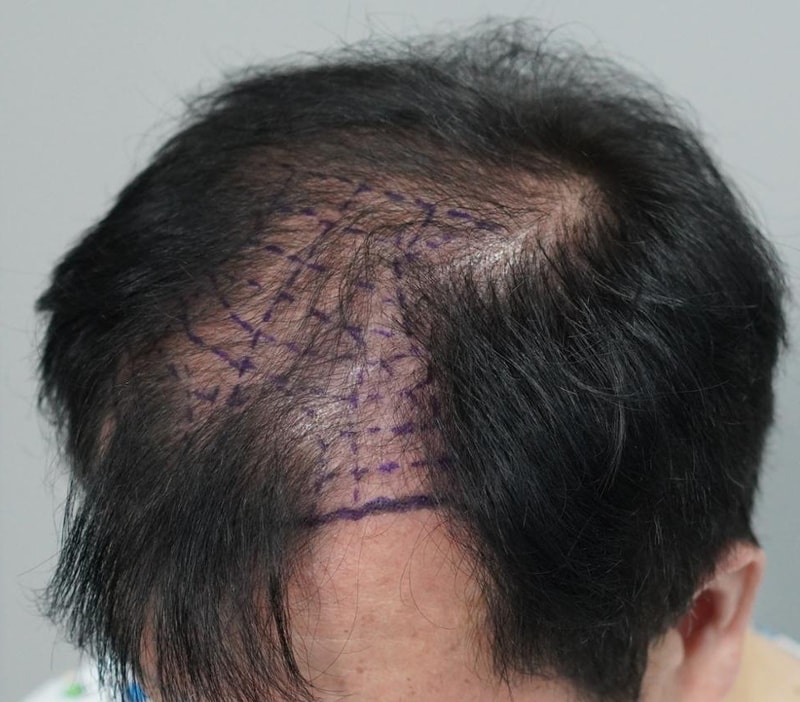
 Busan Grow House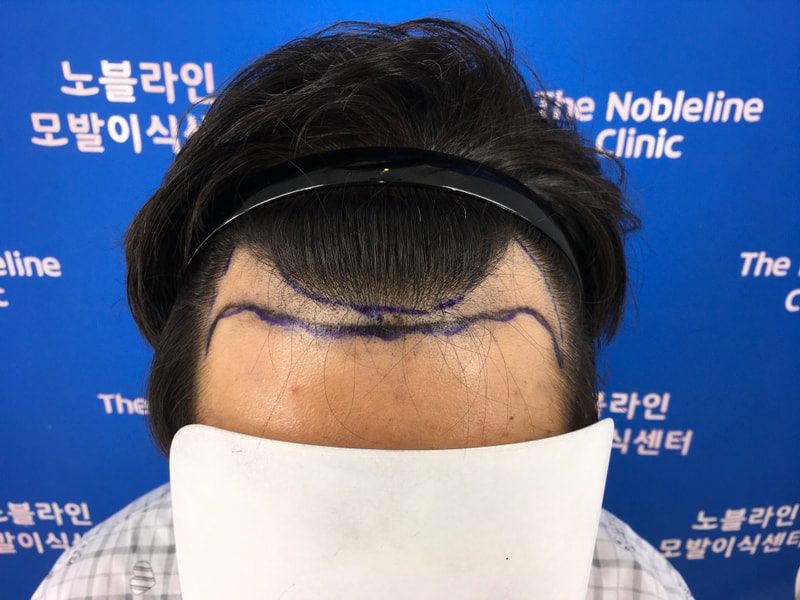
 The Nobleline Center for Alopecia Care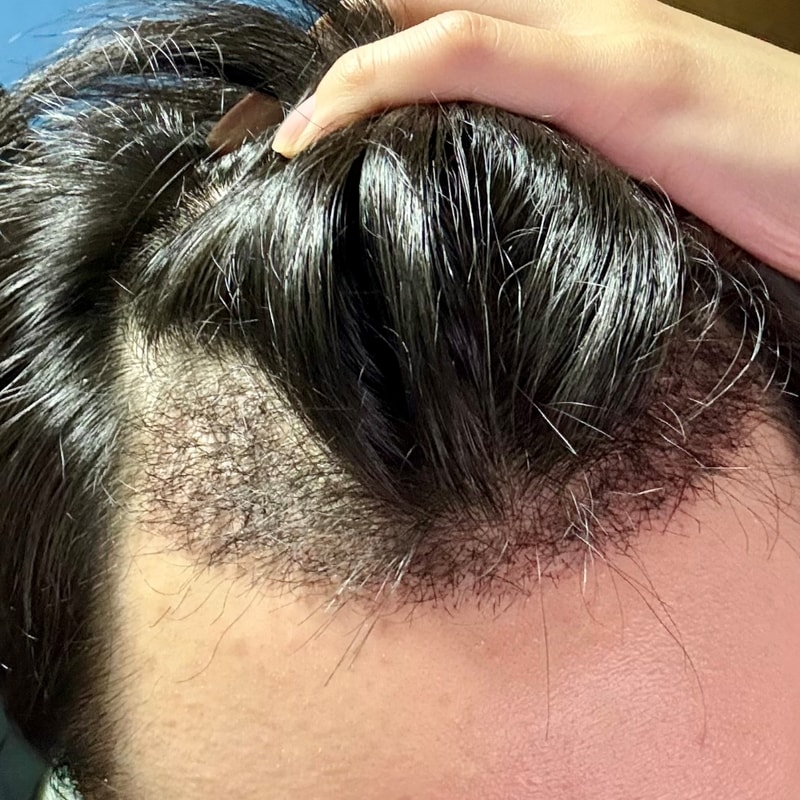
 MYMO HAIR TRANSPLANT CENTER Incheon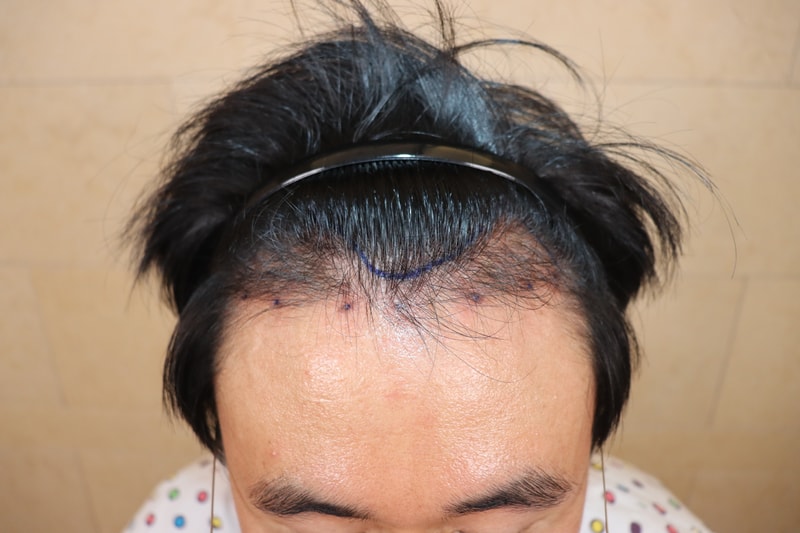
 WOOMCHAN Hair Transplant Clinic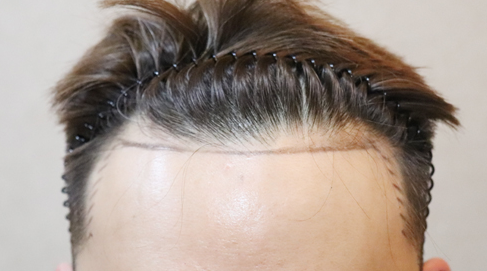
 JP Hair Transplant Clinic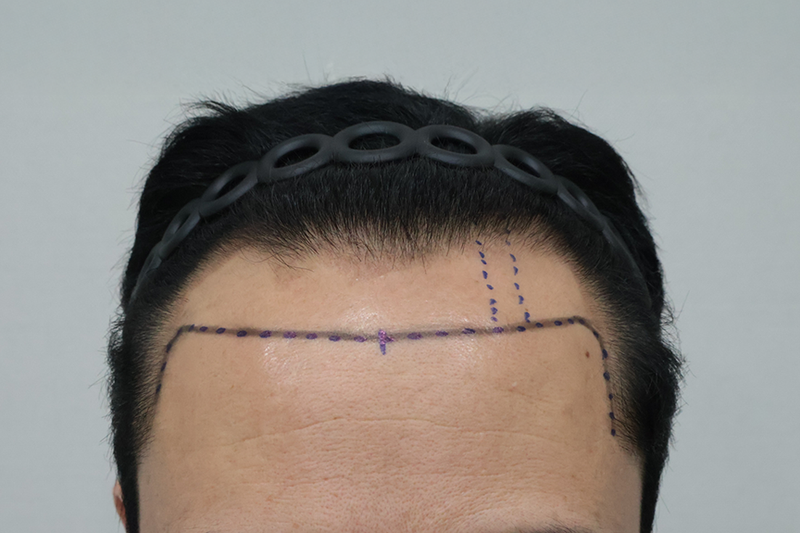
 HAIRO HAIR TRANSPLANT CENTER Dongtan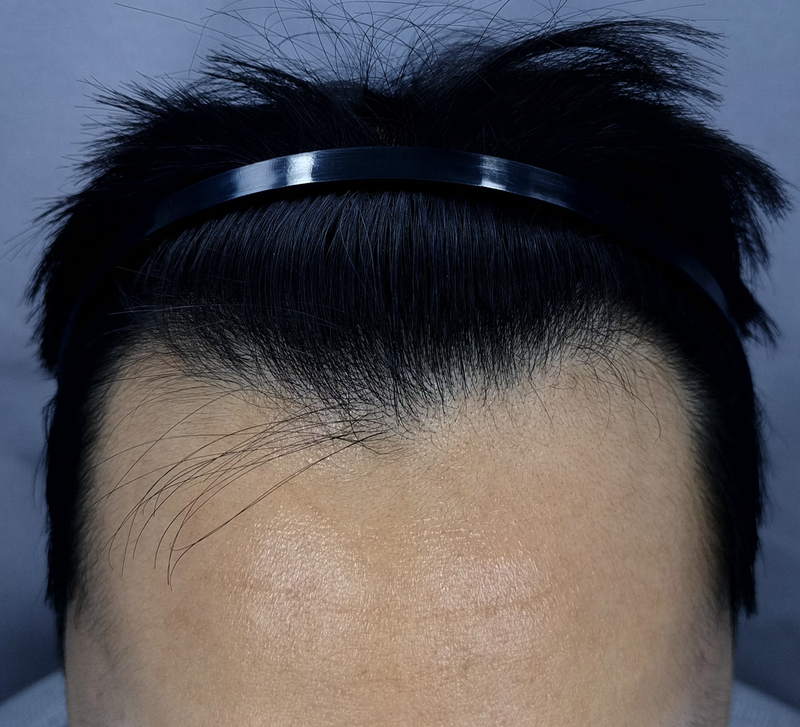
 The Jongno Headquarters of the Yonsei Mobel House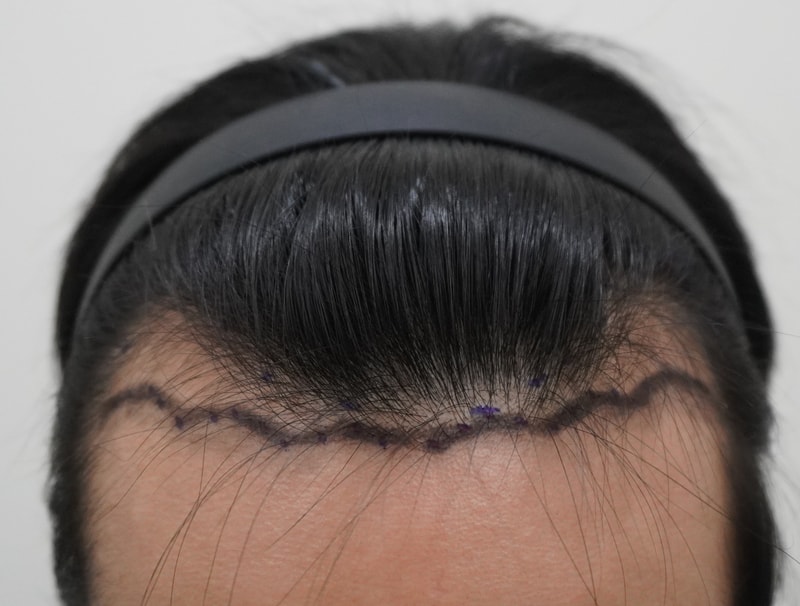
 Yong Doctor Hair Transplant Surgery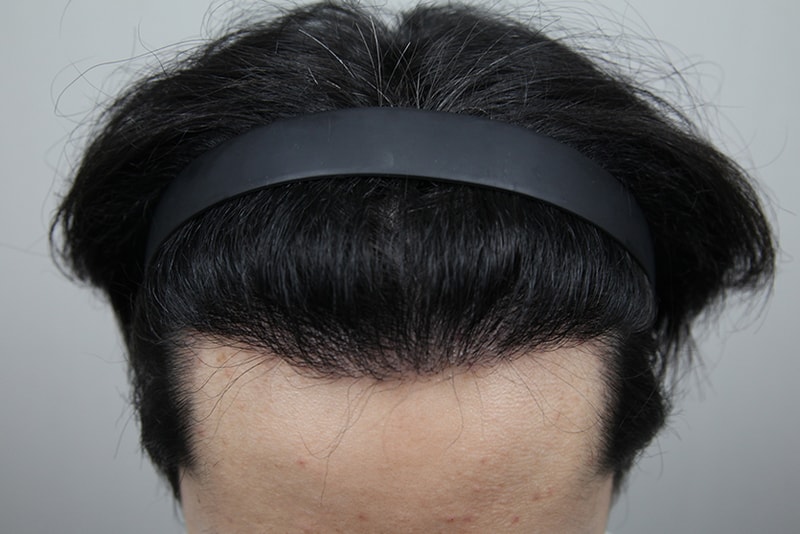
 MONARA dermatology clinic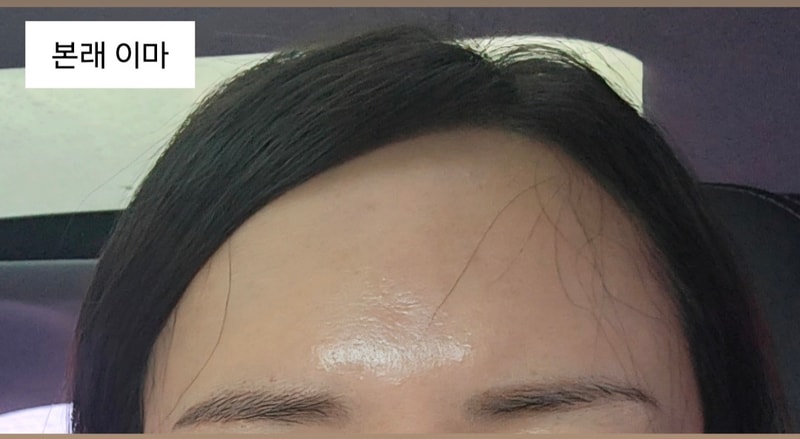
 Banal Plastic Surgery Clinic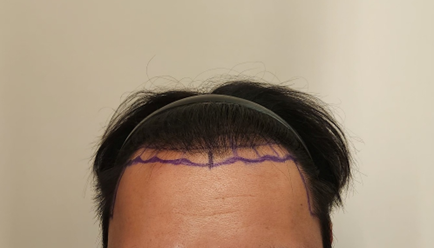
 Yonsei Mobelle Clinic - Daegu Branch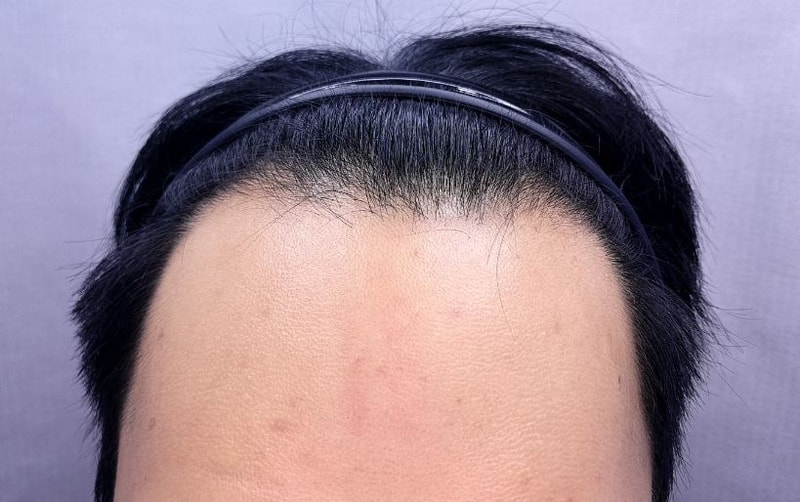
 Yonsei Mobelle Clinic - Incheon Branch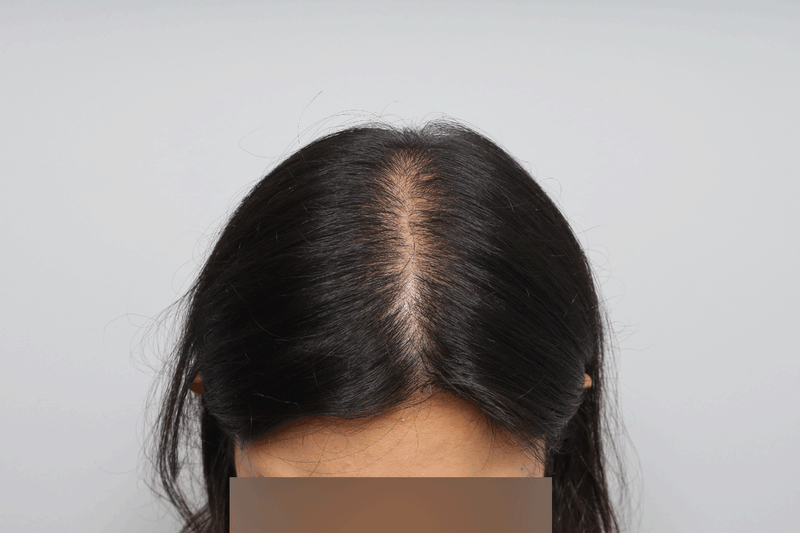
 MO.1 plastic surgery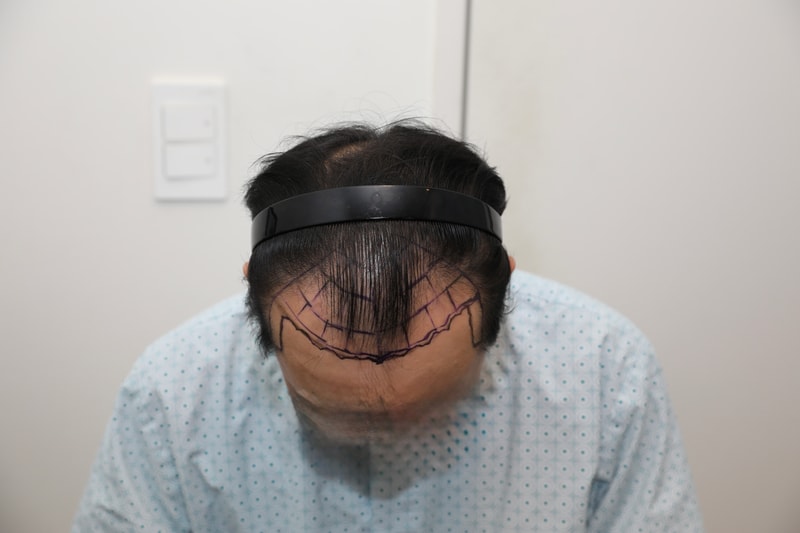
 NEWHAiR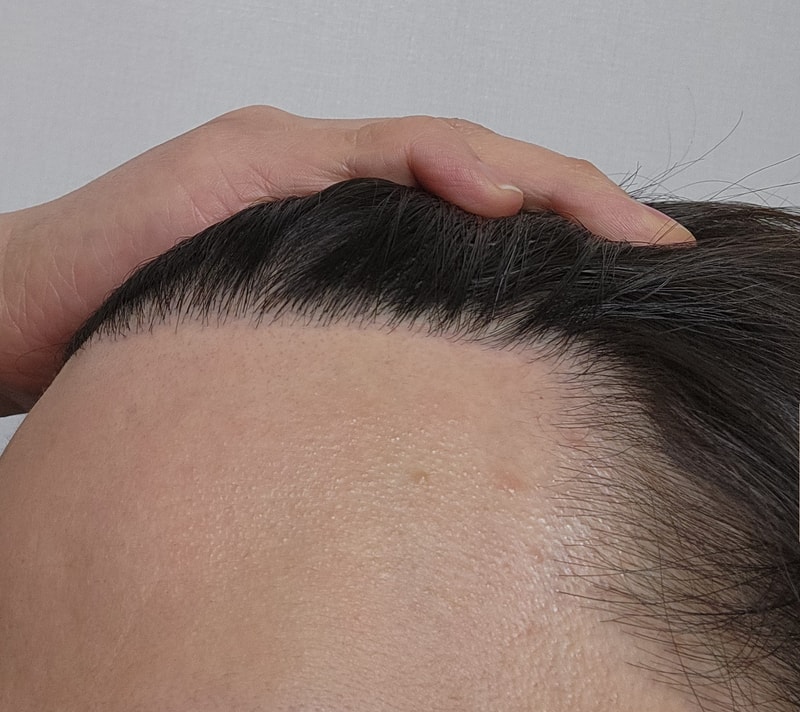
 Dana Plastic Surgery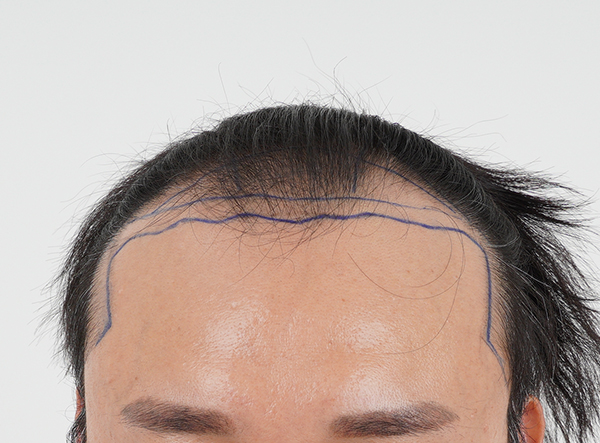
 MOMO HAIR TRANSPLANT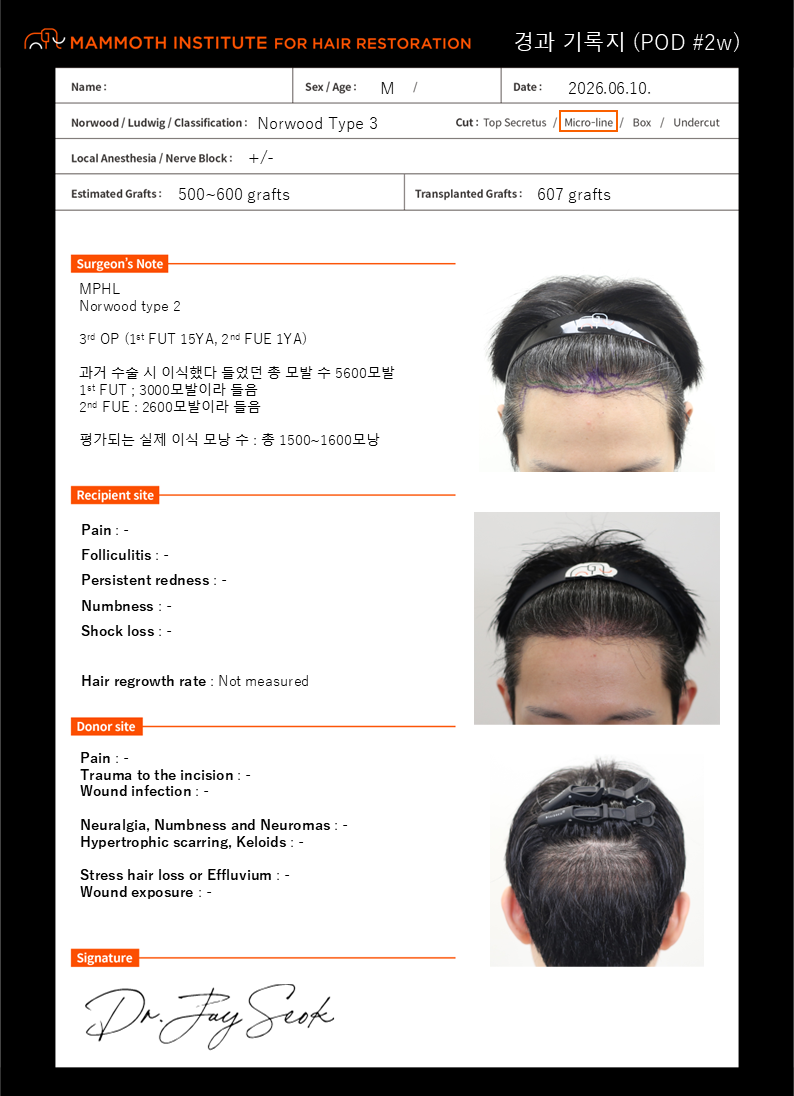
 Mammoth Hair Restoration Center, Apgujeong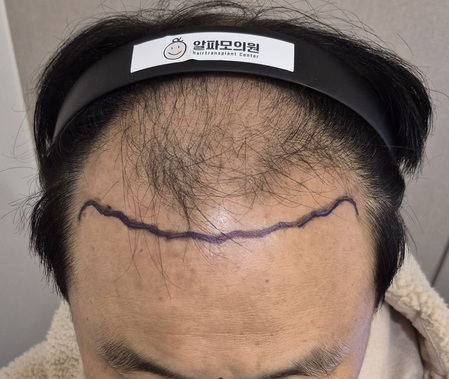
 an alpha-mocking circle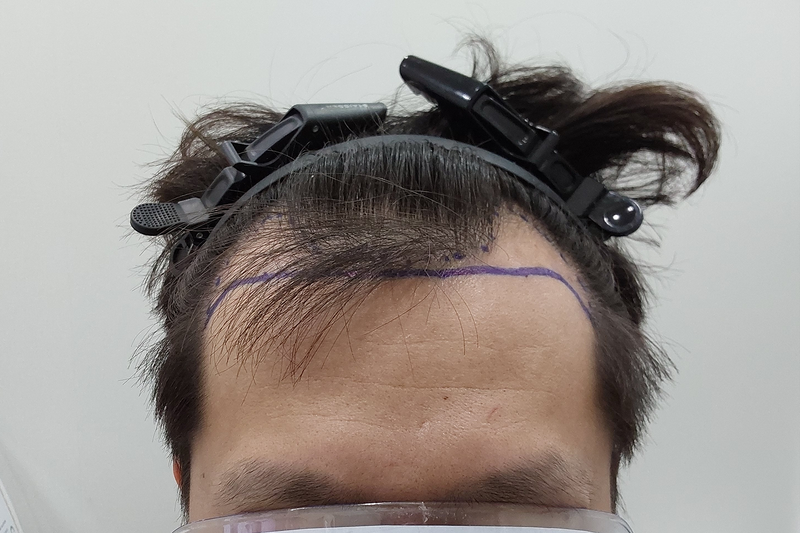
 HAIRO HAIR TRANSPLANT CENTER Jeonju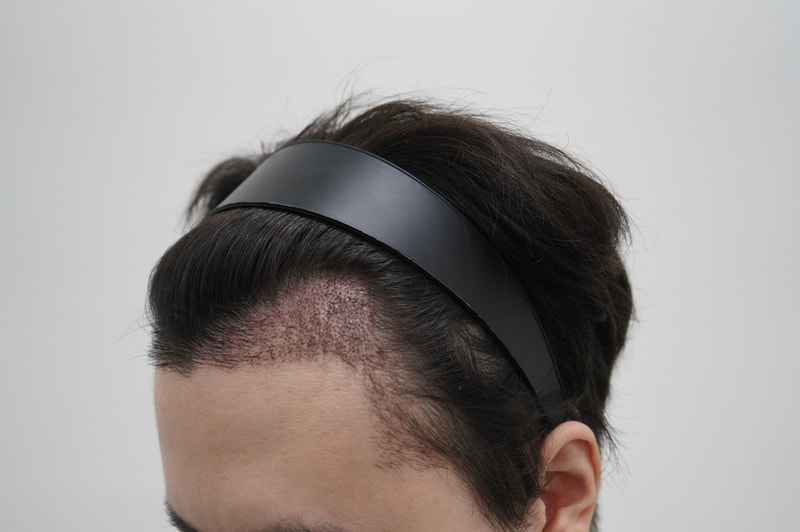
 moart clinic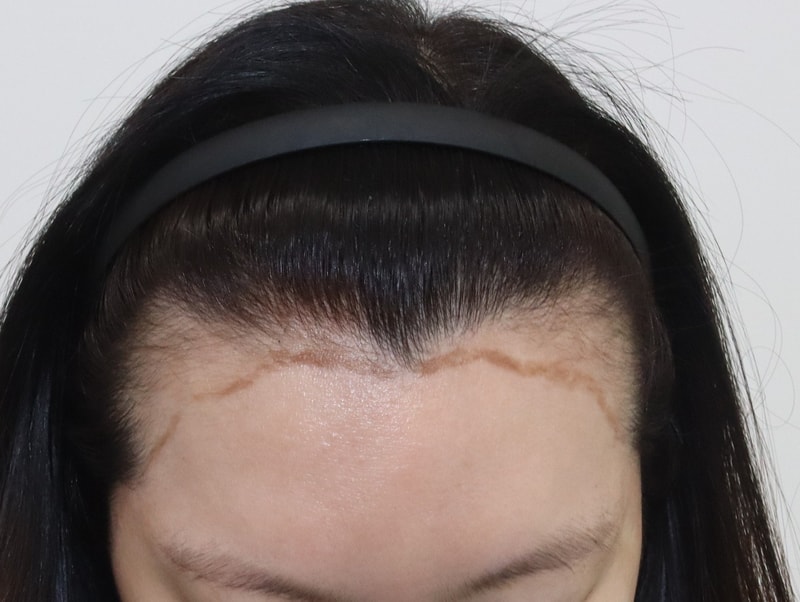
 Modi hariplant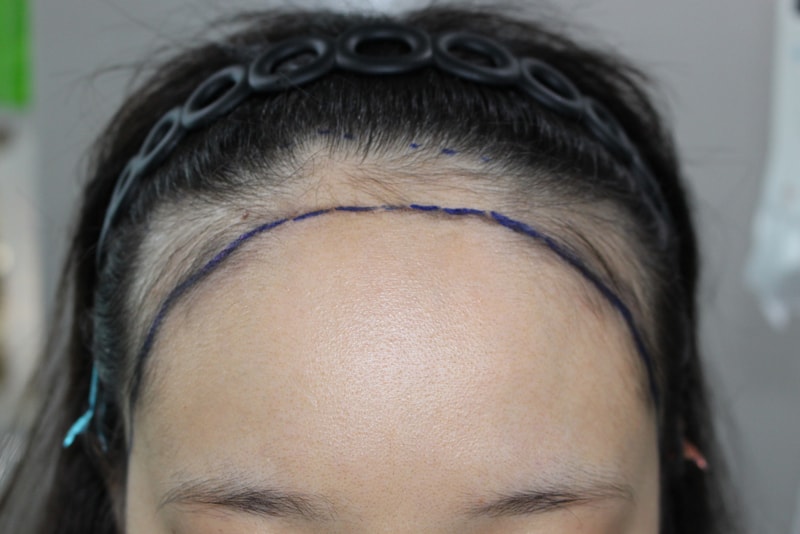
 Modaol Hair Transplant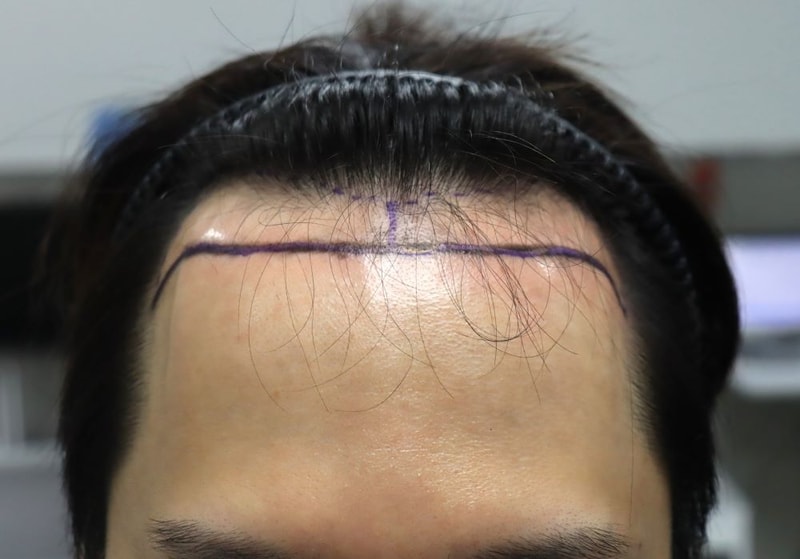
 FORHAIR Hair Transplant Korea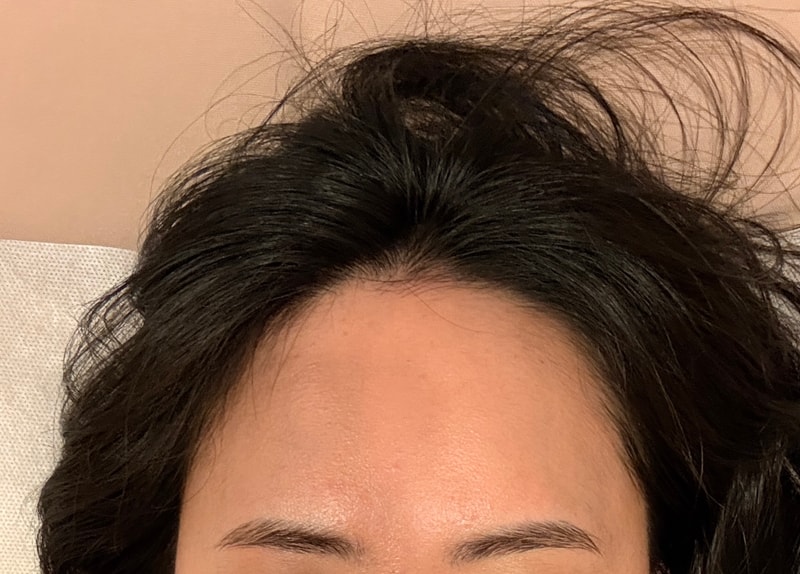
 Mowoolim Clinic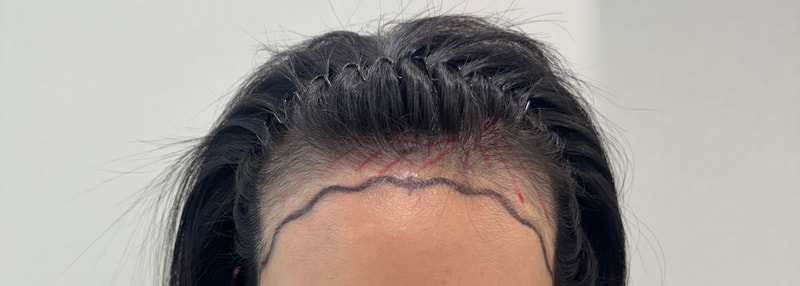
 MOUDA CLINIC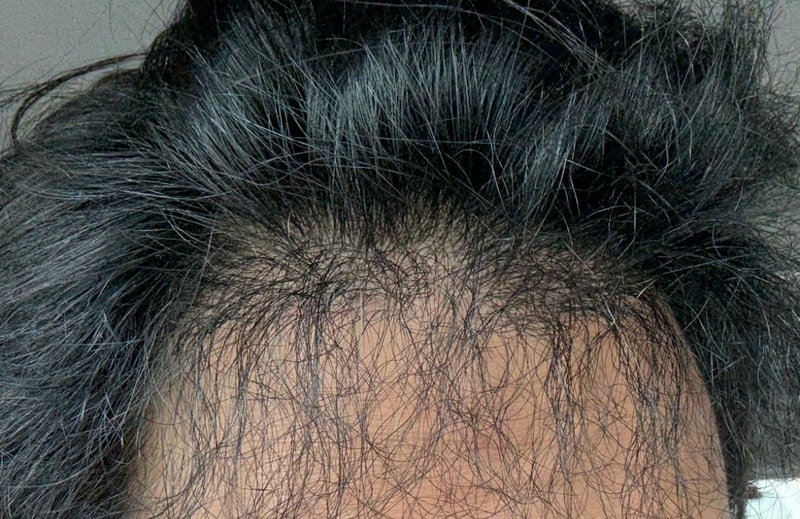
 MOBARUN HAIR SURGERY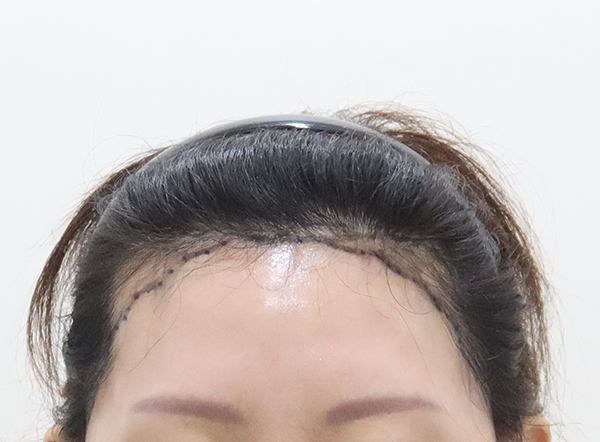
 Momo Clinic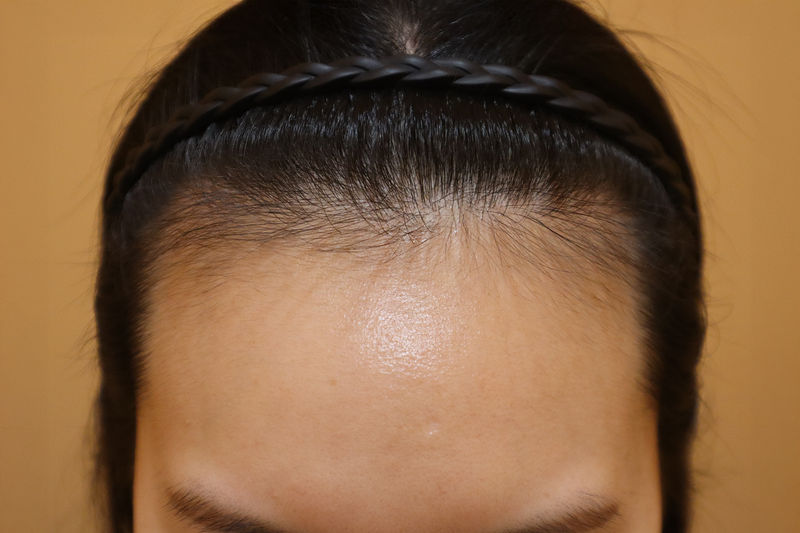
 HAIRO HAIR TRANSPLANT CENTER Busan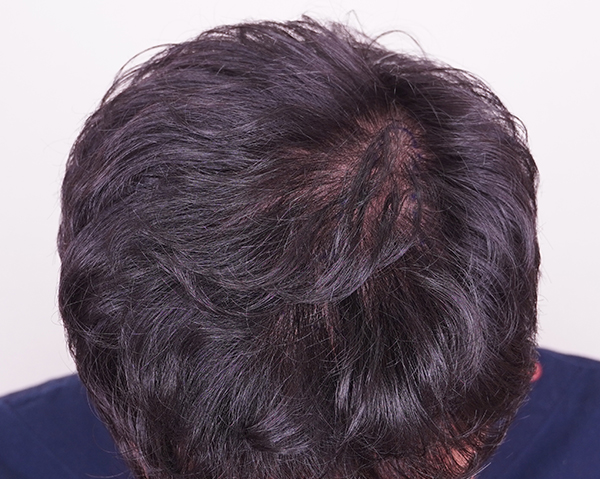
 Momo Clinic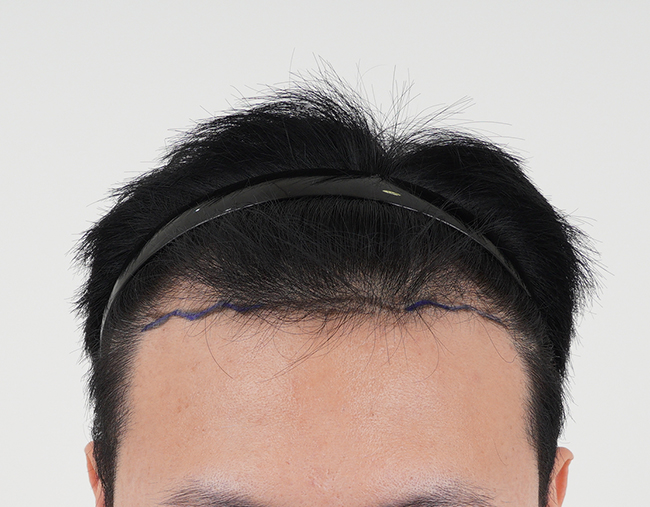
 MOMO's Suwon branch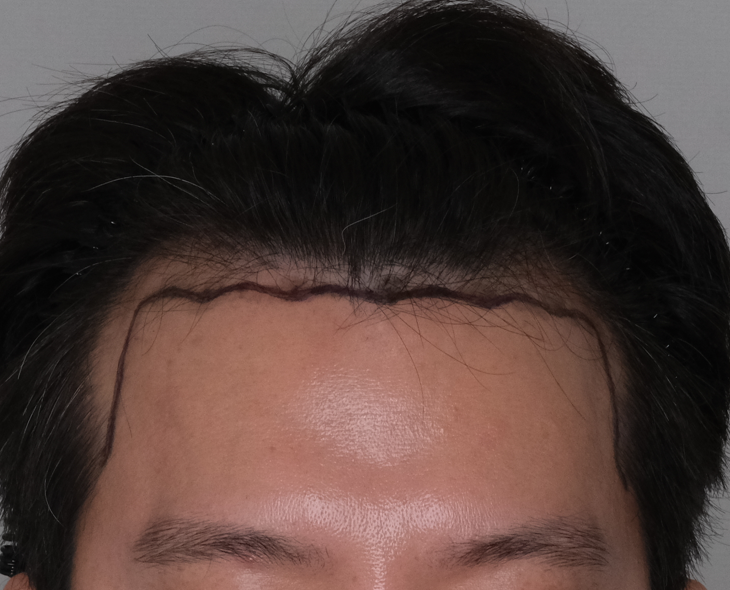
 GLOWELL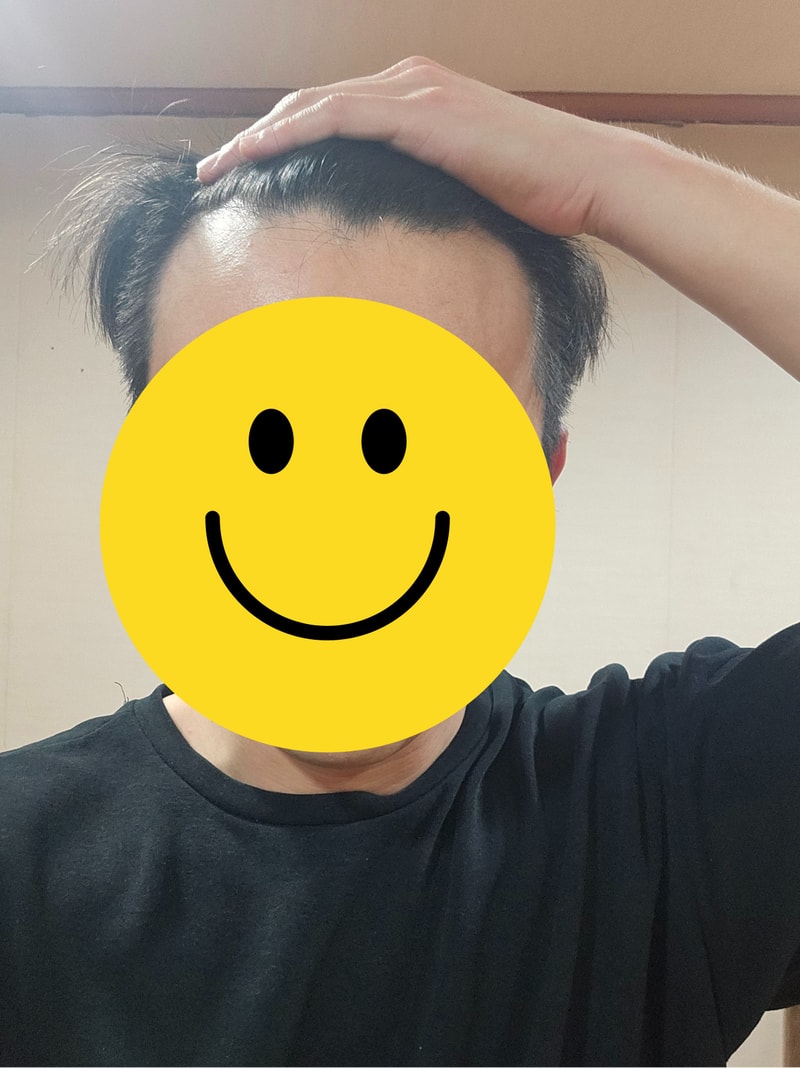
 MOJELIM Hair Transplant
 Moment Clinic
 Motion Hair Clinic
 MOAMAN CLINIC



Comments