The trap of hair loss treatment - If I get the cause of my hair loss wrong, I fail to treat hair loss. Looking around on hair loss-related websites, I thought that consumers were very confused about the basic problems of hair loss, and as a result, they would repeat trial and error in the product selection or hair loss treatment process.
To dispel this, the US Food and Drug Administration (FDA), which has the highest public confidence, has decided to introduce data disclosed for the purpose of consumer protection against hair loss.
The following is an article about the cause of hair loss disclosed by the FDA in Dr. Deva Pine's article.
U. S. Food and Drug Administration FDA Consumer December 1991 HAIR! by Devera Fine [Basic Hair loss] Hair is produced by hair follicles containing hair roots and sebaceous glands.
Hair is made by dead cells filled with a protein called keratin, which weave the fibrous tissue of hair like a rope.
Hair always looks like it's growing, but it actually has a growing period and a resting period.
The growth phase, called the growth phase, continues for two to six years. 90% of the total head is always in the growing season, and the rest (10%) are resting heads called telogen, which continue for 2-3 months.
When the resting period is over, the old hair falls off and new hair begins to grow.
As a result, losing 20 to 100 hairs a day appears to be a normal phenomenon, says Dr. Diana Bihova, M.D., a dermatologist in New York.
Although unusual, many factors, including genetics, diet, stress, and drug use, can change this normal hair loss.
[Hair loss: Destiny?] The most common cause of hair loss in both men and women has a genetic tendency.
This hair loss, called male hormone sexual alopecia, is known as male-pattern hair loss in men and female-pattern hair loss in women.
According to the American Hair Loss Council, genetic hair loss accounts for 95 percent of all hair loss causes.
Hair loss is caused by a combination of genetic elements and male hormones (a hormone produced by the adrenal glands above the kidneys of men and women, and produced by men in testicles).
If hormone levels are normal, hair follicles grow shorter than their given lifespan and turn into thinner hair because of genetic fate.
Men with higher levels of male hormones (Testosterone) than women eventually cause hair loss at the top of the head and leave their heads only on the outer edge of the horse's hooves.
Women do not retreat on their foreheads, and their thinning hair tends to occur all over their heads, which is not a common phenomenon until menopause. This is because until then, female hormones tend to offset the effects of male hormones (Testosterone).
[Dangers in everyday life] While male hormone sexual hair loss is permanent hair loss, the following other factors can cause temporary hair loss. For example, hair loss that causes women's hair to fall severely as levels of female hormones drop at the end of pregnancy, and hair loss that occurs 2-3 months after stopping contraceptives also experience similar results that cause them to fall severely.This is because contraceptives bring hormonal changes.
Physical or severe mental stress, such as surgery, can also cause temporary hair loss, whether positive or negative.
Additional List of Temporary Hair Losses: The act of twisting your hair too tightly and pressing it can cause hair loss.
A high fever of 103 degrees Fahrenheit or higher often causes hair loss after 6 weeks to 3 months.
Some drugs cause temporary hair loss. These drugs are Accutane made from vitamin A, cold drugs containing iodides, anti-causal drugs, some antibiotics, high blood pressure drugs, keratin drugs, arthritis drugs, some cholesterol-lowering drugs, aspirin long-term use, thyroid treatments, chemotherapy, etc.
[Data Explanation] We have introduced articles on the cause of hair loss that have been disclosed by the FDA so far.
In summary, permanent hair loss is caused by the combination of heredity and male hormones, and more than 95% of all hair loss falls under this category.
Temporary hair loss introduces birth hair loss, contraceptive pills, drug use, stress, and other factors.
The question is which product is made the most faithful to this hair loss basics? It's going to be.
I investigated the medication called "propecia" and the application product called "Livibogen."
Leviogen websites and hair transplant websites were delivering basic information on hair loss relatively fairly.
Because of this article, I hope that trial and error will not be repeated in the process of treating hair loss.
[원문]
THE BASICS
Hair is produced by hair follicles--indentations of the epidermis (outer skin layer) that contain the hair root, the muscle attached to it, and sebaceous, or oil, glands. Hair is made up of dead cells filled with proteins, most of which are known as keratins. The cells are woven together like a rope to form the hair fiber. The hair fiber, in turn, has three layers: the outer cuticle with its fish-scale-like structure; the cortex, which contains the bulk of the fiber; and the center, or medulla. Hair color is determined by melanocytes, cells that produce pigment. When these cells stop producing pigment, hair turns gray.
Although it seems as if the hair on your head is always growing, hair actually has active and rest phases. The growth phase, known as anagen, lasts for two to six years. At any given time, about 90 percent of scalp hair is in the growth stage. The remainder is in the rest phase, known as telogen; this lasts from two to three months.
Once the rest phase is over, the hair strand falls out and a new one begins to grow. As a result, it's considered normal to lose from 20 to 100 hairs a day, says Diana Bihova, M.D., a dermatologist in private practice in New York City. Only a change in your regular pattern of loss is considered abnormal--but many things, including genetic factors, diet, stress, and medications, can change that pattern.
BALDNESS: MANIFEST DESTINY?
The most common cause of hair loss in both men and women is rooted in a genetic predisposition. Called androgenic alopecia, it is known as male-pattern baldness in men and female-pattern hair loss in women (alopecia is the scientific term for baldness). According to the American Hair Loss Council, genetics accounts for 95 percent of all cases of hair loss in this country.
Baldness results from a combination of genetic factors and levels of testosterone (a hormone produced by the adrenal gland in both sexes and also by the testes in men). If hormone levels are right, then the hair follicles will express their genetic destiny by growing for shorter periods and producing finer hairs. In men, who have higher levels of testosterone than women, this eventually results in a bald scalp at the crown of the head and a horseshoe-shaped fringe of hair remaining on the sides. In women, the hair thins all over the scalp; the hairline does not recede. This type of hair loss doesn't usually show up in women until menopause; until then, estrogen tends to counteract the effects of testosterone.
EVERYDAY HAZARDS
While male- and female-pattern baldness results in permanent hair loss, other factors can cause temporary loss of hair. For instance, the drop in the level of estrogen at the end of pregnancy can cause a woman's hair to shed more readily. Two or three months after a woman stops taking birth control pills, she may experience the same effect, since birth control pills produce hormone changes that mimic pregnancy. A major physical stress, such as surgery, or a major emotional stress--positive or negative--can cause hair loss.
"I've seen women start losing their hair before getting married," says Bihova. Even jet lag can have a similar effect.
In most of these cases, the hormonal imbalance or stressful situation will correct itself, and the scalp will soon begin growing hair again. But, says Bihova, since most women are extremely upset by even a temporary hair loss, many dermatologists treat these conditions with either topical steroid preparations or localized injections of low doses of steroids. Bihova emphasizes that these are local, not systemic, injections of steroids, therefore, the shots do not have the same risk of dangerous side effects as systemic steroids. However, only a board-certified dermatologist should administer this treatment, she says.
The list of causes of temporary hair loss goes on: pressure on the scalp from wigs or hairdos that pull too tightly can cause it. A fever of 103 degrees Fahrenheit or more often causes hair loss six weeks to three months later. And some medications can cause a temporary loss. These include vitamin A derivatives such as Accutane, cough medicines with iodides, anti-ulcer drugs, some antibiotics, beta blockers, antidepressants and amphetamines, anti-arthritis drugs, blood thinners, some cholesterol-lowering agents, aspirin taken over long periods, some thyroid medications, and chemotherapy.
Devera Pine is a freelance writer in New York City who frequently writes about health and science.
DEPARTMENT OF HEALTH AND HUMAN SERVICES
Public Health Service, Food and Drug Administration
Office of Public Affairs, 5600 Fishers Lane, Rockville, MD 20857





 dsa111
 K4984376008
 cyunty99
 NEWHAiR
 FORHAIR Hair Transplant Korea
 MOEM Clinic
 Dana Plastic Surgery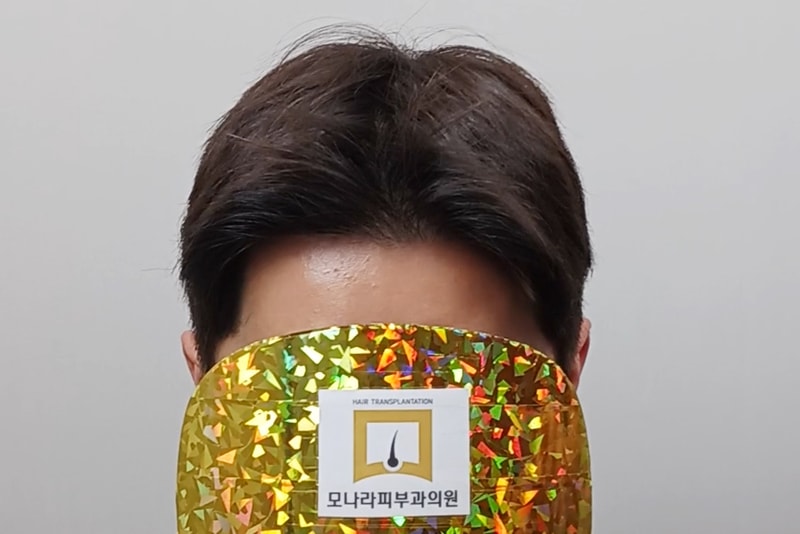
 MONARA dermatology clinic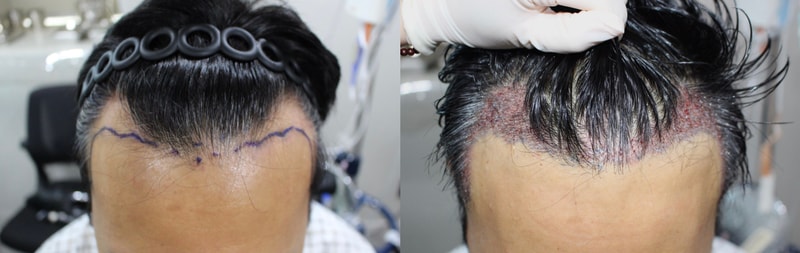
 Modaol Hair Transplant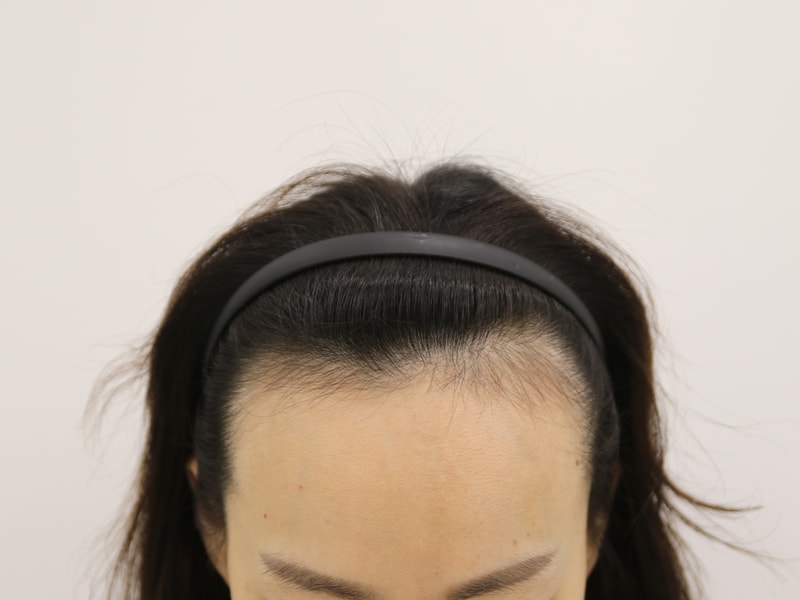
 Mammoth Hair Restoration Center Busan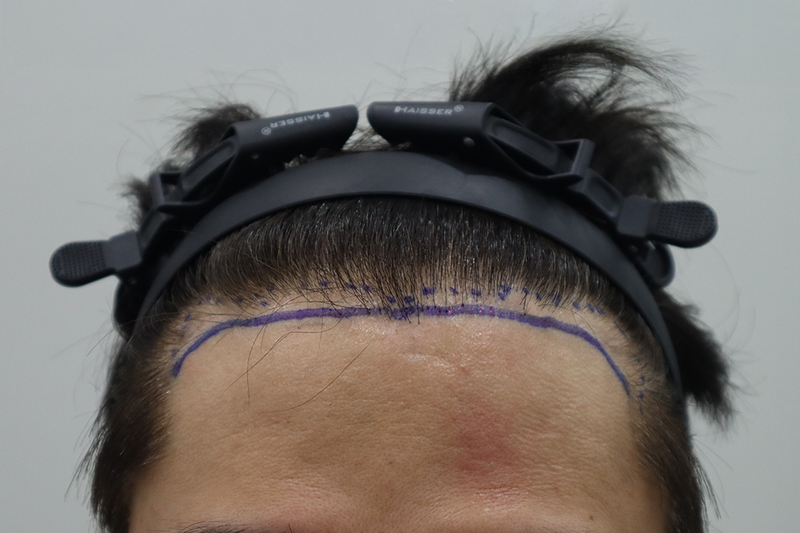
 HAIRO HAIR TRANSPLANT CENTER Jeonju
 apgujeong mobien
 an alpha-mocking circle
 HAIRO HAIR TRANSPLANT CENTER Busan
 MYMO HAIR TRANSPLANT CENTER Incheon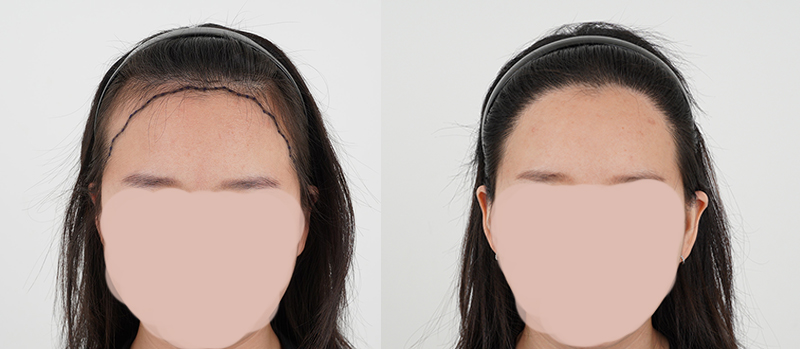
 MOMO's Suwon branch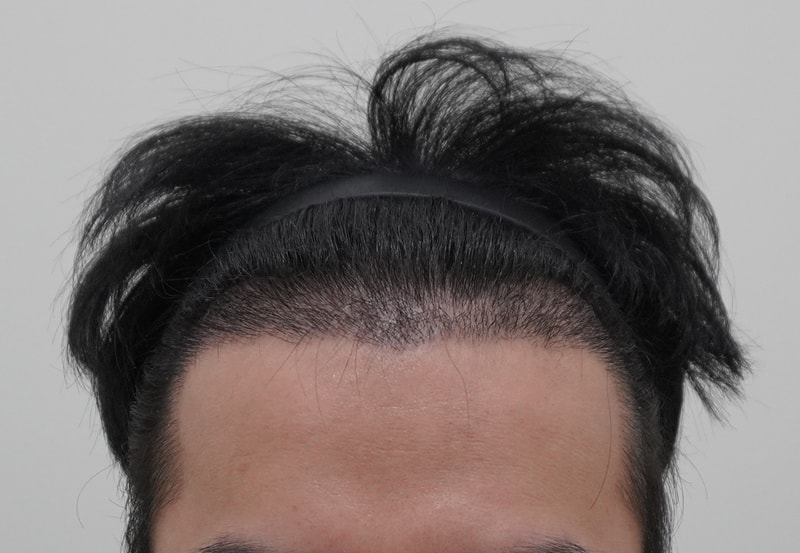
 Yong Doctor Hair Transplant Surgery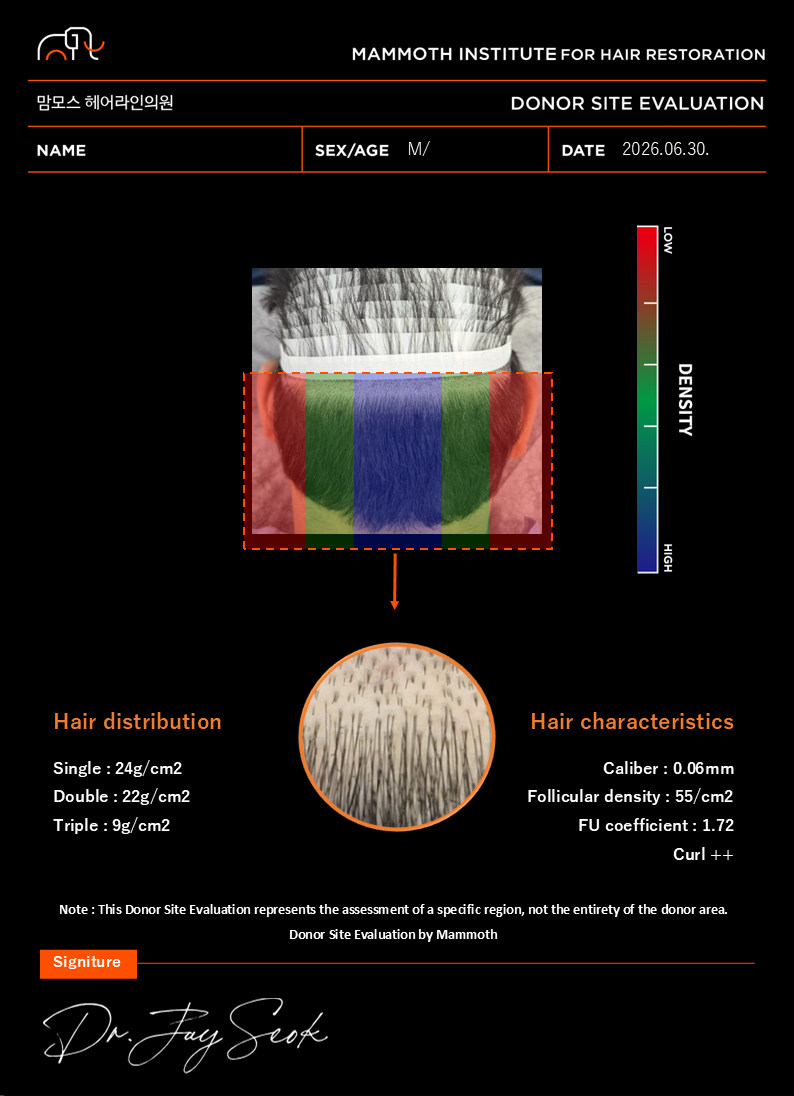
 Mammoth Hair Restoration Center, Apgujeong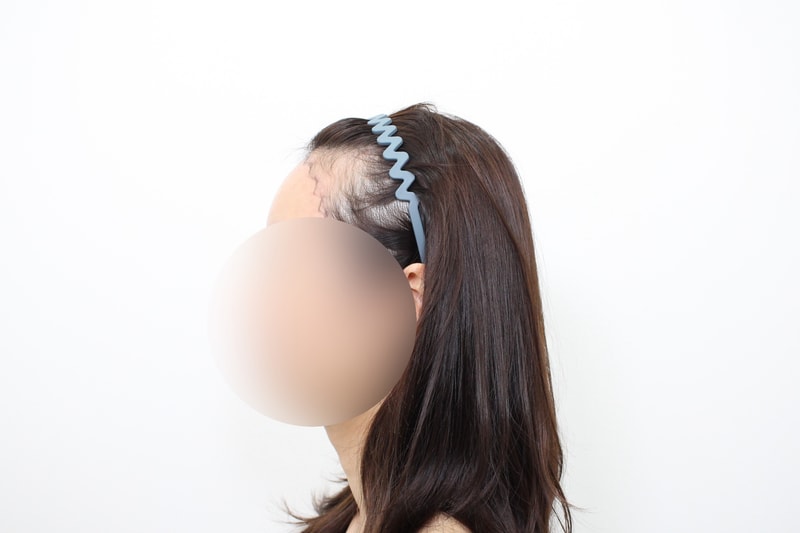
 Mopro Clinic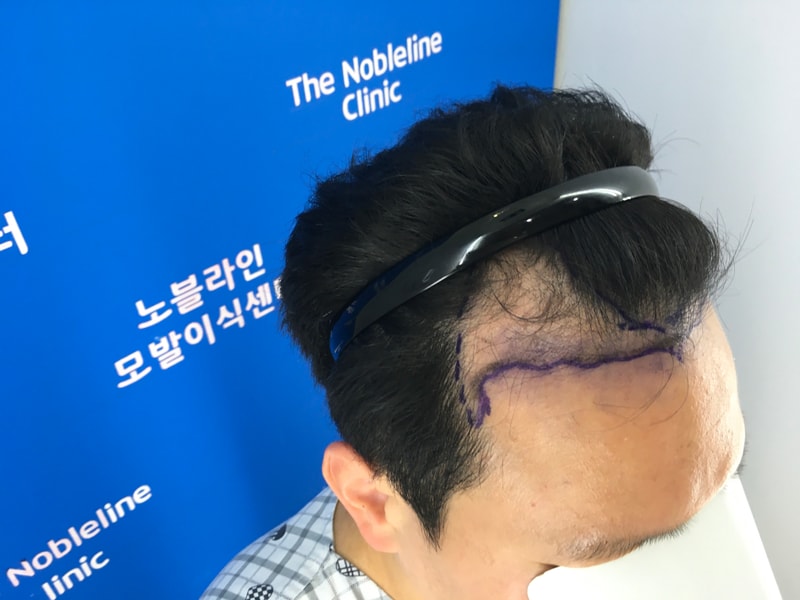
 The Nobleline Center for Alopecia Care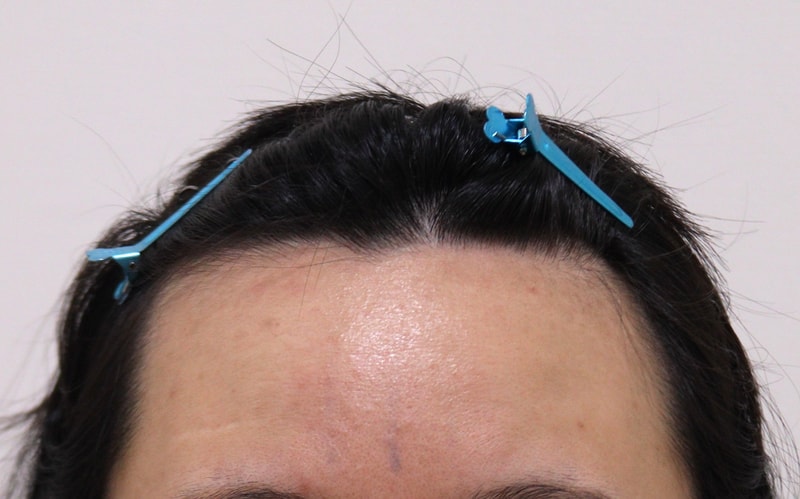
 Mo&Bless Hair Clinic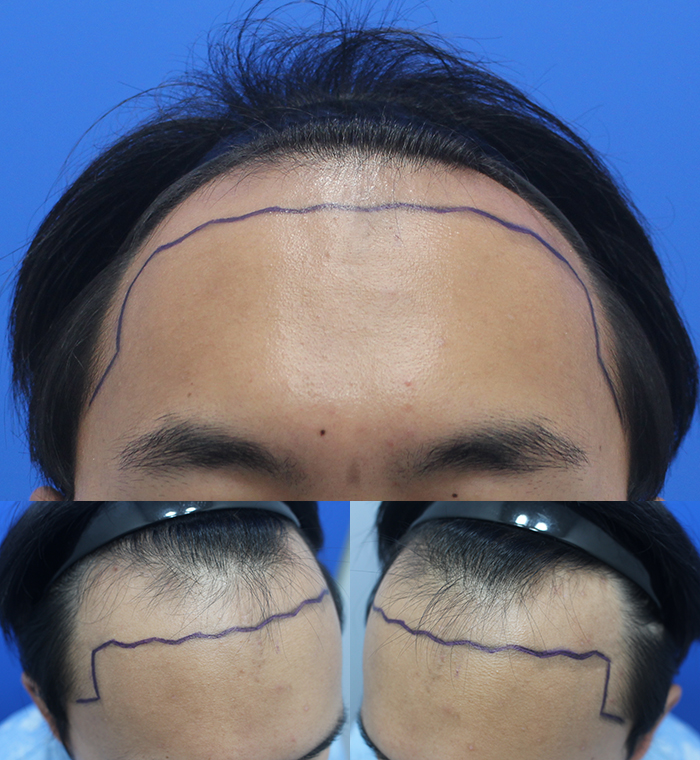
 Hannaeve plastic surgery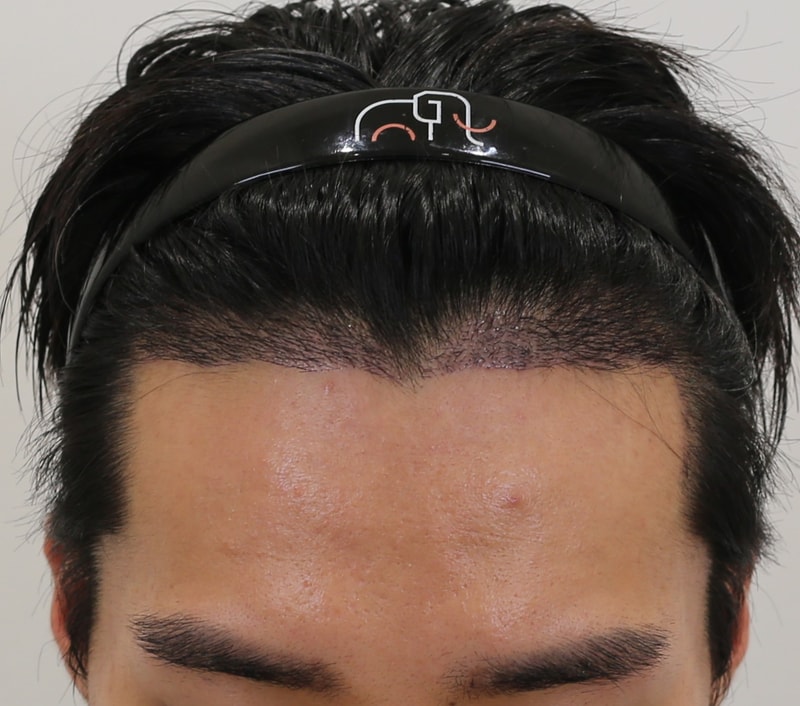
 Incheon Mammoth Hair Restoration Center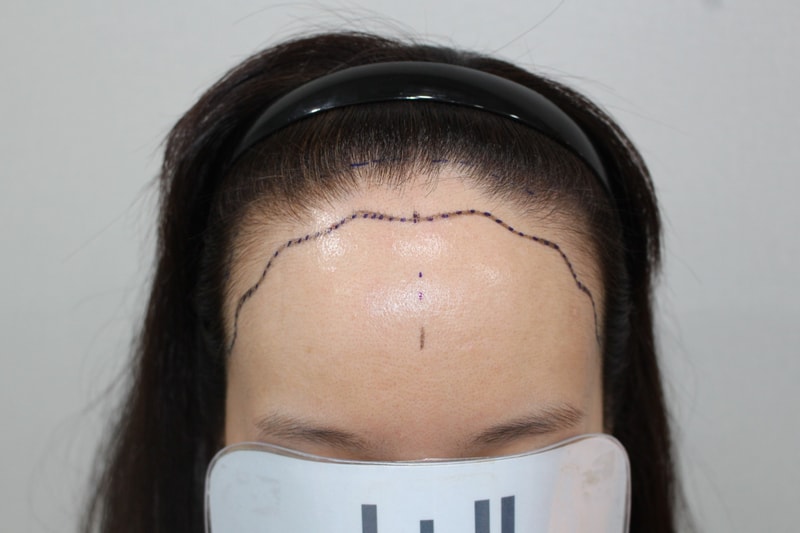
 Moderhamm Clinic — Hair Transplant Center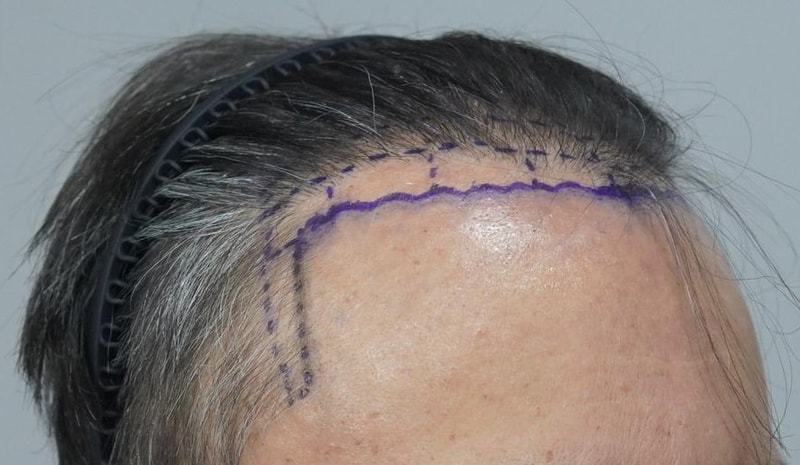
 Busan Grow House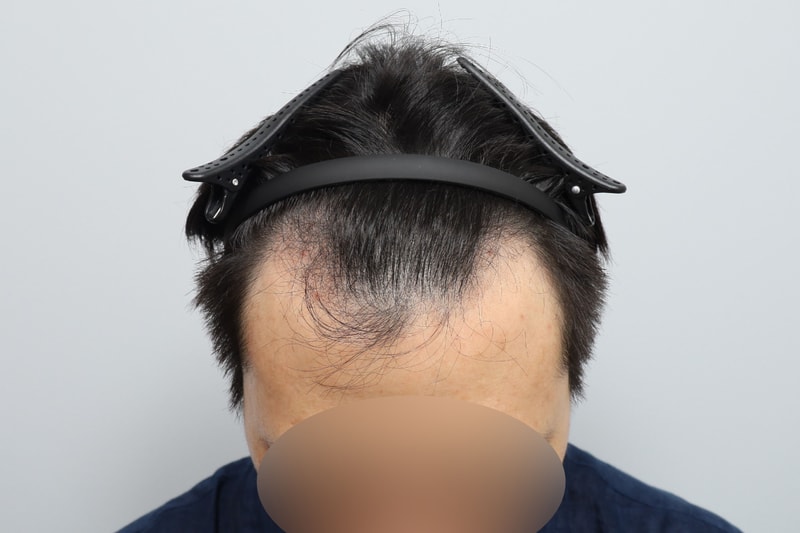
 MO.1 plastic surgery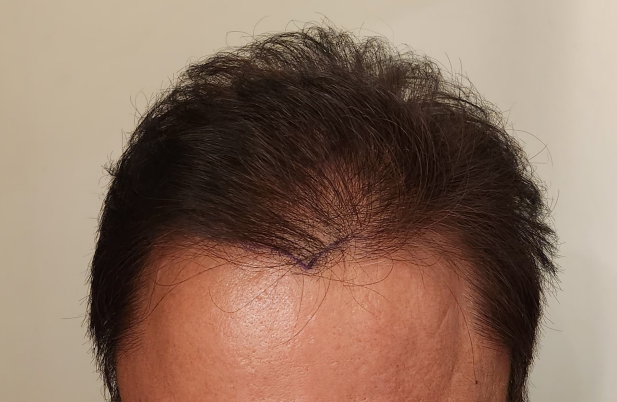
 Yonsei Mobelle Clinic - Daegu Branch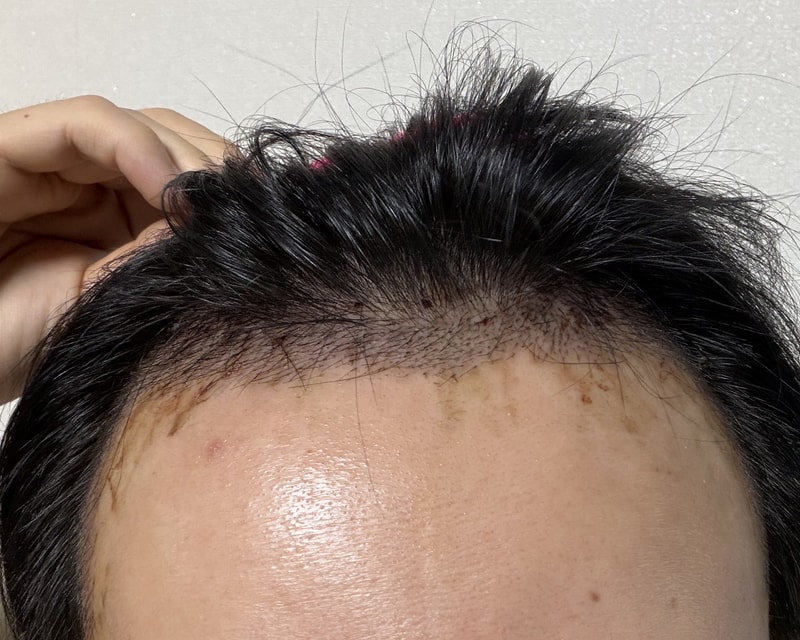
 Mowoolim Clinic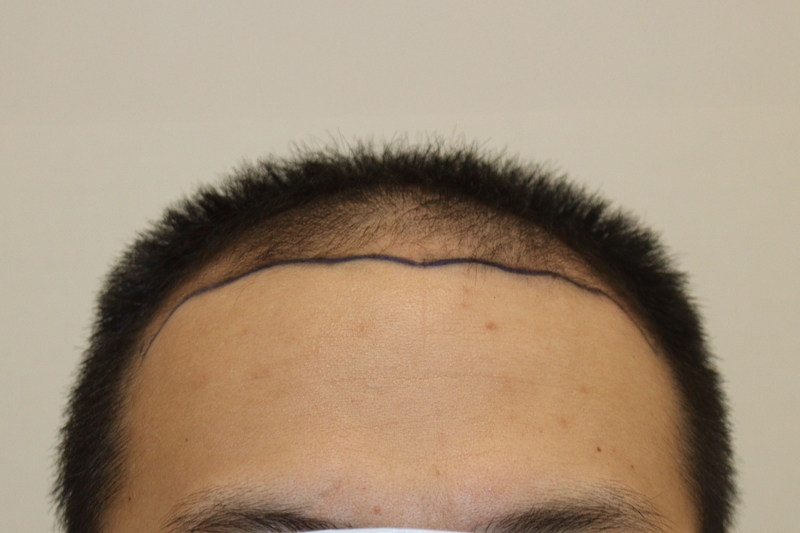
 HAIRO HAIR TRANSPLANT CENTER Daegu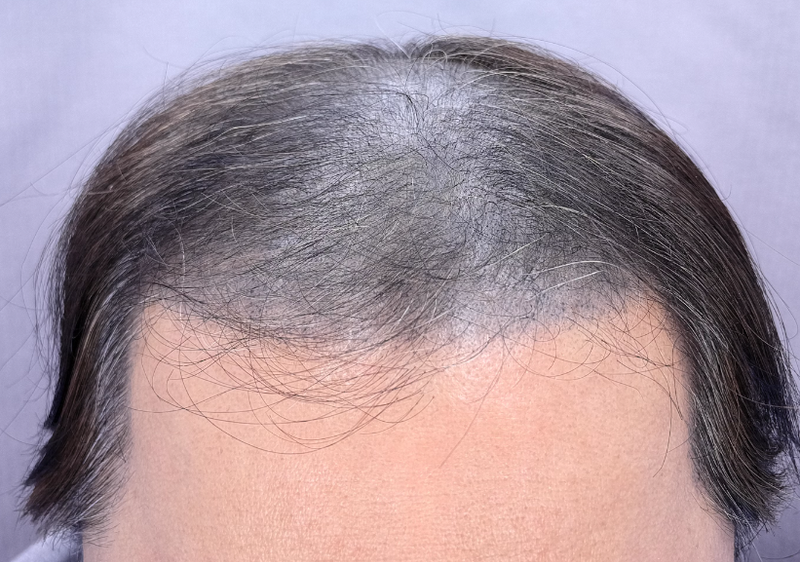
 Yonsei Mobelle Clinic - Incheon Branch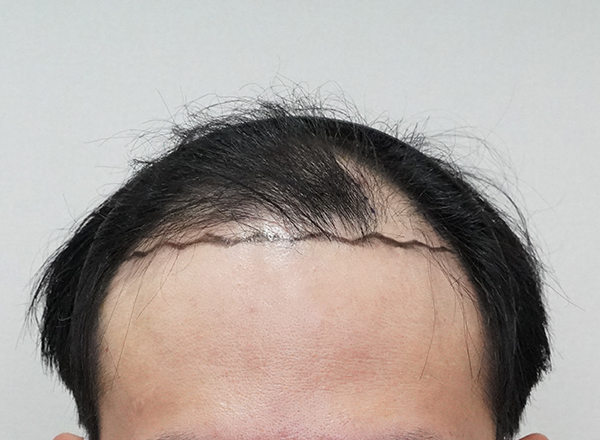
 Momo Clinic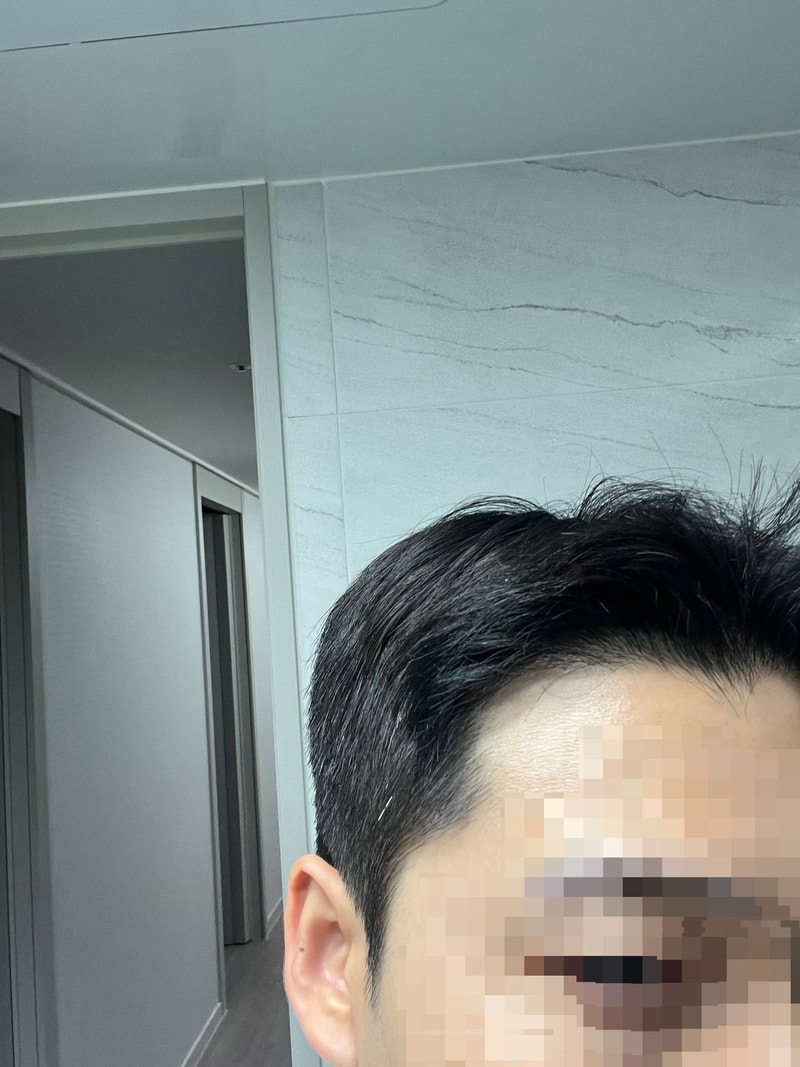
 Mo Jaesung Plastic Surgery & Hair Transplant Center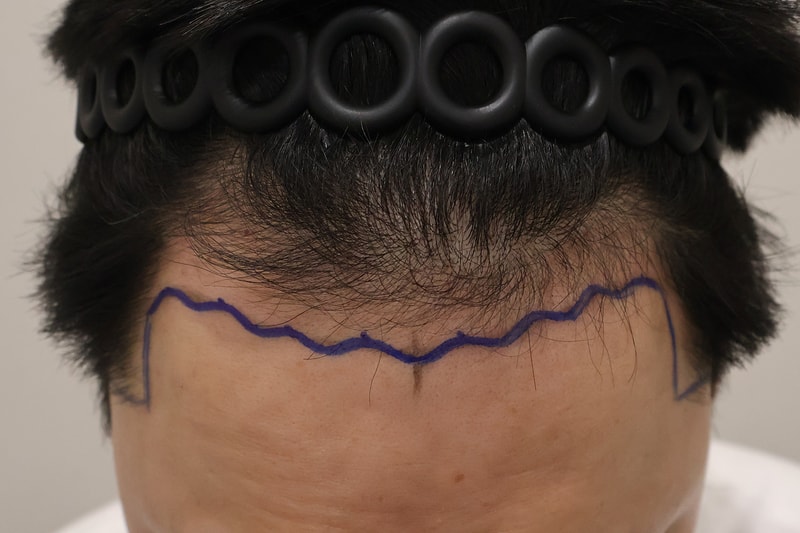
 HAIRO HAIR TRANSPLANT CENTER Dongtan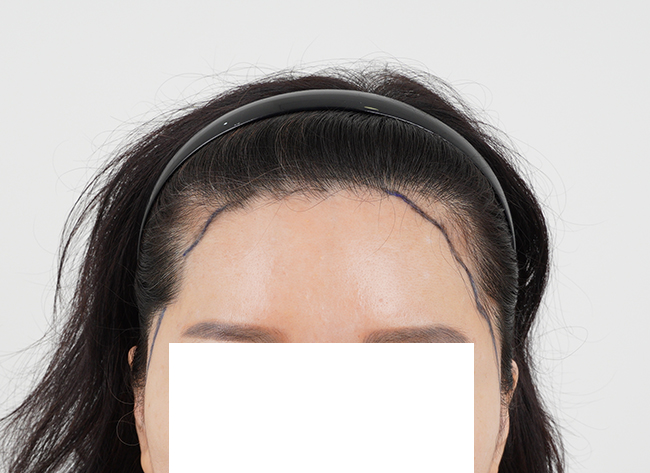
 MOMO HAIR TRANSPLANT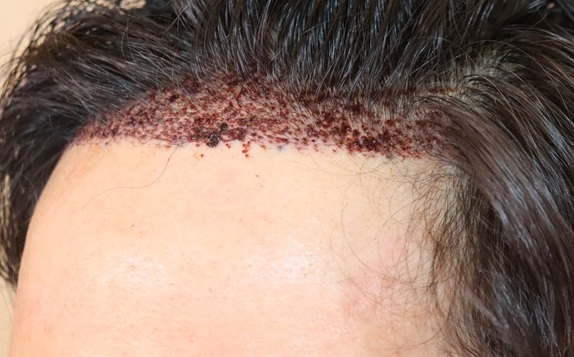
 WOOMCHAN Hair Transplant Clinic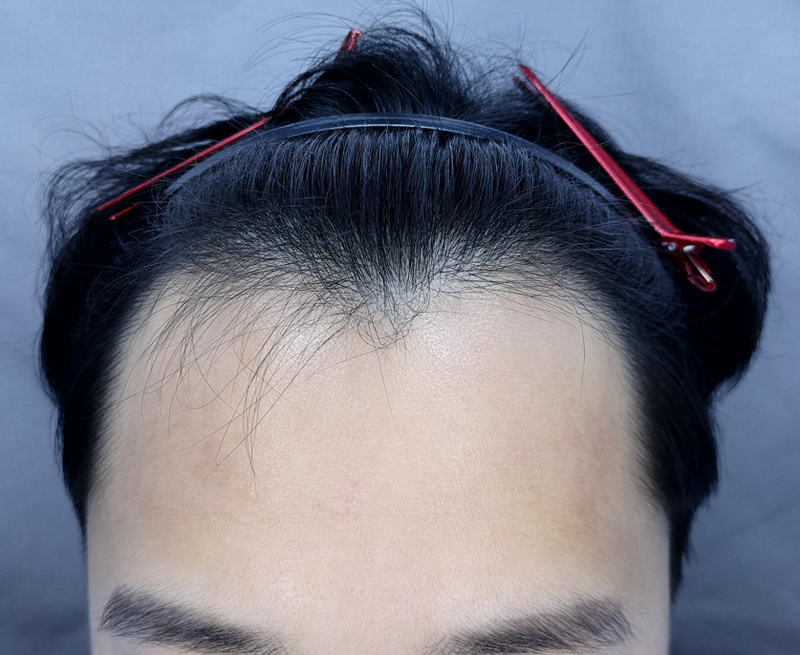
 The Jongno Headquarters of the Yonsei Mobel House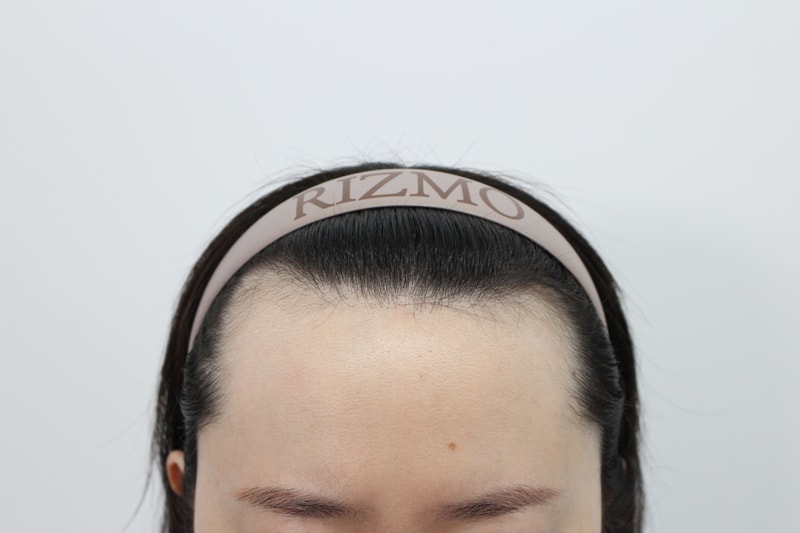
 Rizmo Clinic - Busan Branch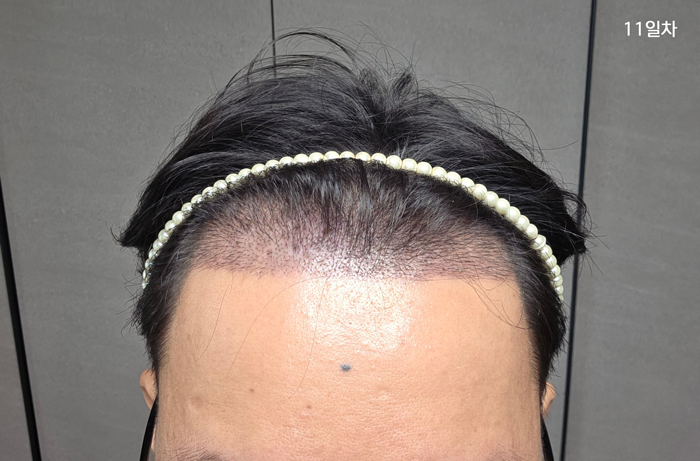
 Modi hariplant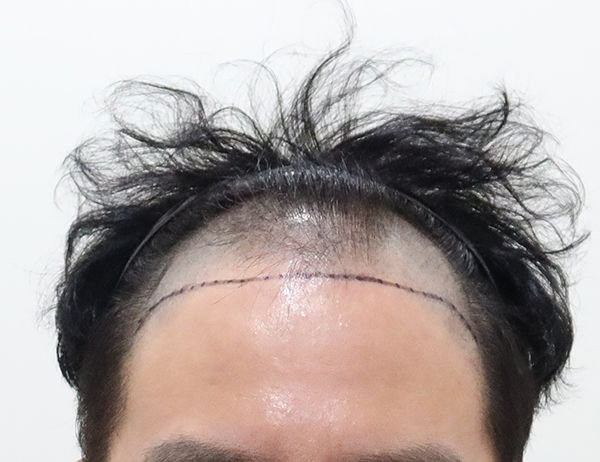
 Momo Clinic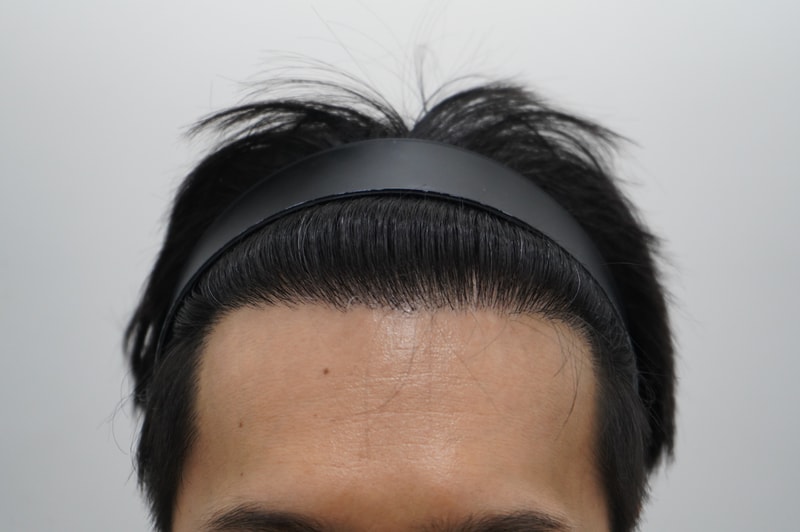
 moart clinic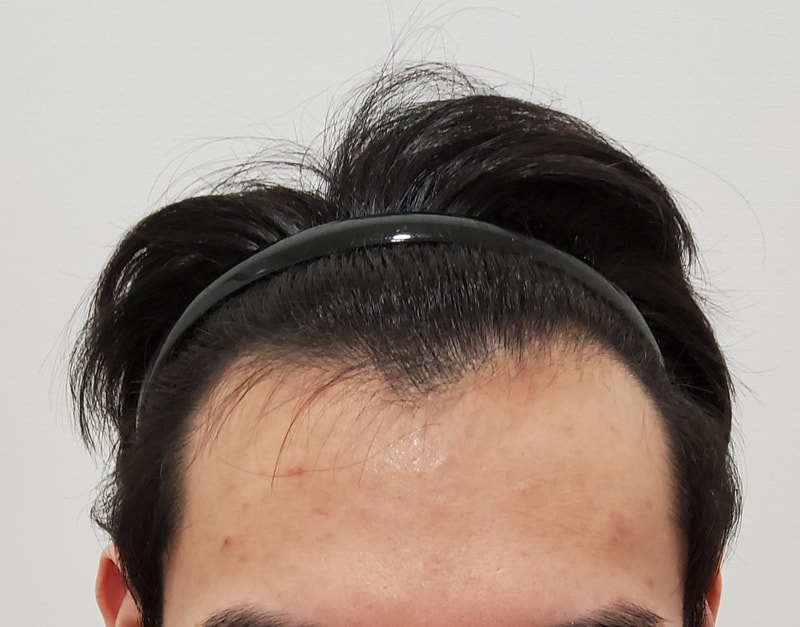
 Modeunmo Clinic
 JP Hair Transplant Clinic
 Banal Plastic Surgery Clinic
 MOUDA CLINIC
 MOBARUN HAIR SURGERY
 GLOWELL
 MOJELIM Hair Transplant
 Moment Clinic
 Motion Hair Clinic
 MOAMAN CLINIC



Comments