Hankook Ilbo article
[Getting out of the way] <Up>
There are approximately 100,000 hairs on the head. Hair grows 0.2 to 0.3 mm per day and can grow to an average of 25 to 100 cm. Even normal people lose 30 to 60 hairs a day. However, there is a high risk of baldness if more than 100 are lost continuously a day.
The difference in hair color by race and ethnicity is due to the melanin pigment in hair follicles. Depending on the shape and quantity of the particles, black, brown, and blonde hair are produced. The hair color of the hair and other parts of the body are almost identical. The number of hairs varies depending on the color. It is known that there are 140,000 blondes, 108,000 brown ones, and 90,000 red ones.
A strand of hair supports a weight of 160 grams. It takes 16 tons of strength to pull out all the hair. This is why acrobats can perform all kinds of tricks by hanging in the air with their hair.
The oldest known bald head in 最 was Mernetter, a pharaoh of ancient Egypt in the 12th century BC. A research team from the Royal Society conducted an autopsy on the mummy and found that he was bald.
Gray hair is a phenomenon of aging, and most Koreans have gray hair at the age of 37 to 40. The sudden increase in gray hair among young people is caused by stress. This is because when you are under mental stress, your blood circulation deteriorates, blocking nutrition supply to your hair roots.
<中> Cause and Type
The main cause is circular hair loss stress in people in their 20s and 30s
Hair is called the 'second face'. Everyone pays attention to their hairstyle every time they look in the mirror. This is because it is an important body part that has nothing to do with life, but also represents an individual's unique personality and sexual charm.
This is why baldness is so serious. Baldness is easily regarded as the exclusive property of middle-aged and elderly people, but nowadays, the number of young and female patients in their 20s and 30s is increasing.
The cause and type of baldness are investigated with the help of Director Kim Tae-yoon of the Gowoonsesang Clinic.
In the case of male alopecia, the most common type of cause, it is estimated that a combination of factors such as genetic causes and aging, stimulation of male hormones, stress and malnutrition are at work. In particular, hereditary baldness is closely related to male hormones.
Male hormone androgen (DHT) shrinks hair follicles and interferes with hair growth, leading to hair loss.
The hormone prevents hair from growing, but it is known to promote growth in areas such as cheeks, chin, chest, genital area, and limbs. This is why the head is clear, but there is a lot of hair on the chest, arms, and cheeks.
Arteriosclerosis drugs, hypertension drugs, anti-inflammatory drugs used for arthritis, and gastric acid secretion inhibitors can also cause hair loss.
Women may lose their hair after becoming pregnant or receiving hormone therapy during the menopause. Hormone hypersecretion in endocrine organs, taking drugs with male hormones, anemia, and thyroid dysfunction also contribute to female alopecia.
Male alopecia is common in men with oily foreheads and seborrheic dermatitis. One in five adult males is male alopecia.
Usually, it comes off from the side or front of the head or from the top of the head to the outside.
Sometimes both appear at the same time. This is because hair roots in this area are genetically programmed to be affected by male hormones. This is why the side and back hair are preserved no matter how severe the bald head is.
The exact cause of circular hair loss has not yet been identified, but it is presumed to be an autoimmune disease. It can appear in all races regardless of gender.
Most start with younger age groups. Hair loss begins in the form of small, round spots, and the number or size of spots gradually increases.
It is mainly limited to hair, but in severe cases, it also appears on beards and eyebrows. Since people in their 20s and 30s account for 60%, stress from college entrance exams and social life is analyzed as the main cause.
Female and pediatric alopecia female alopecia occur relatively later than men. It is reported that 7-10% of women also have a small amount of androgen.
At first, thin and weak hair comes out, then disappears little by little, and only fluffy hair continues to grow.
Mainly, the inner head disappears around the part of the hair, but it is not as severe as men. Childhood hair loss usually occurs under the age of five and gradually spreads starting with the size of a coin. In many cases, recurrence occurs, requiring continuous observation.
To escape baldness!
In order to succeed in modern society, appearance is as important as skill. This is because one's image is also a product. The stress and worries of bald patients are beyond imagination. They lose confidence due to appearance complexes and often experience conflicts in interpersonal relationships. Recently, the number of women and patients in their 20s and 30s is increasing due to various pollution and stress. The cause and type of alopecia, the latest treatments and prevention methods are introduced three times.
"My son, who is in the second grade of elementary school, tried not to hold his hand when he went outside. "I'm embarrassed because my friends make fun of me as 'Shine Son'." (Mr. Cho, 37 years old) "Since I knew that my couple's nickname is 'the difference of 20 years old,' the number of cigarettes has increased." (Restaurant owner Lee, 41 years old) "I was shocked to hear colleagues whispering that it might be 'because of the bald head' after failing the promotion screening for two consecutive years." I thought appearance was important because housewives were the main customers, but I didn't expect to be disadvantaged in terms of personnel management."(Mr. Kim, 31 years old, salesperson of an insurance company)
1 million middle-aged men bald
The frequency of occurrence varies depending on the species. About 62.5 percent of white men, 25 percent of black men, and 15 percent of Chinese men. In Korea, 1 million out of 7 million men aged 40 or older are bald, of which 400,000 to 500,000 are estimated to have very severe hair loss. Although it is not bald, it is expected to reach millions, including cases of heartache due to the onset of hair loss.
It is also a trend these days that the age group is gradually decreasing. According to a survey of bald patients in Korea by Hong Seong-cheol Plastic Surgery, which operates a clinic for alopecia, 5% of men in their 20s, 15% in their 30s, 25% in their 40s, and 35% in their 50s. Although the majority of middle-aged people are still above, the number of adolescents and patients in their 20s and 30s is increasing.
'Unbeneficial' in interviews and meetings
According to a recent survey of 836 unmarried women by MSD Korea, a U.S.-based pharmaceutical company, 63.9% said they would not want to meet again if a man they met on a blind date was bald. Even 18% said they would leave soon because they could not hide their discomfort. On the other hand, only 18.1% of women said baldness was not a problem. According to a recent survey of 545 women aged 18 to 45 by the University of Hong Kong's Social Sciences Research Center, 50% of the respondents said baldness has a decisive influence on spouse selection, followed by not very important (31%) and not caring (17%).
There are two proven treatments
As there are many bald people, treatment information is pouring in like a flood. There are more than dozens of 'miracle hair loss products' reported in the media so far. Various drugs, hair growth promoting foods, hair loss deterrent cleaning solutions, and kelp extract are inundated with techniques to attract bald patients. At first glance, it's tempting to hear, but most of them have not been scientifically proven to be effective.
As a result, many people cling to folk remedies, such as those who tie pine needles to tap the scalp, those who know black sesame seeds and walnuts, and those who wear 磁 rings, which are said to be effective in preventing hair loss. Experts were wary of indiscriminate drug use, saying that only two of the numerous hair loss agents were approved by the U.S. Food and Drug Administration (FDA): minoxidil, an application drug, and propecia, an edible drug.
Percentage of baldness by age (%)
20s
2.01
Thirties
6.84
in one's 40s
20.05
in one's 50s
43.48
people in their 60s or older
70.14
<Source: Plastic Surgery at Korea University Eye Cancer Hospital>





 K4993236009
 다두리
다두리
 로또맘911
 05년생운동선수
 아픈상처에소금
 dnheg
dnheg
 MOMO's Suwon branch
 Hannaeve plastic surgery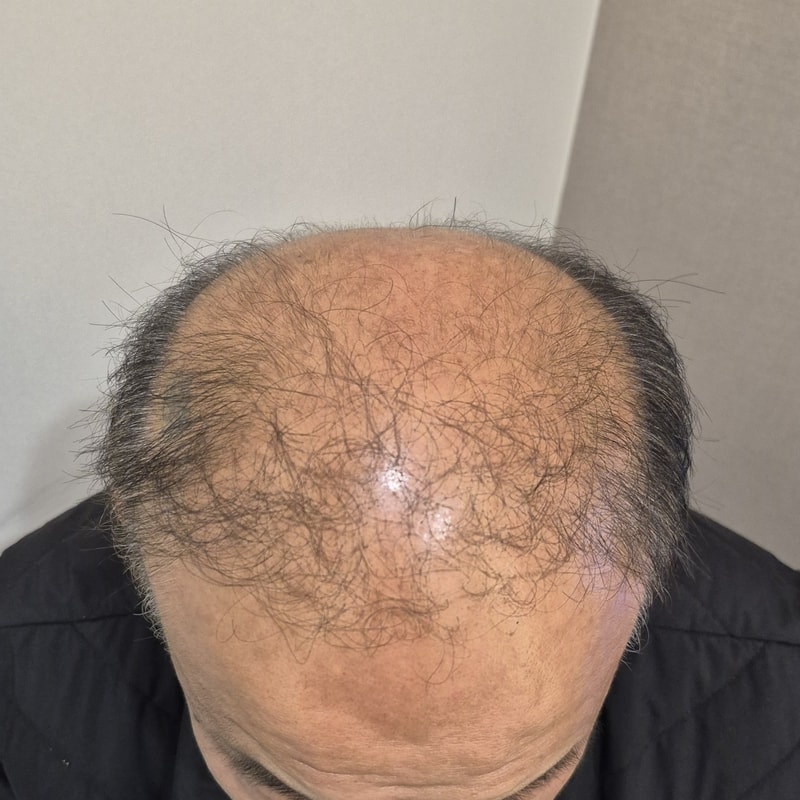
 an alpha-mocking circle
 Mopro Clinic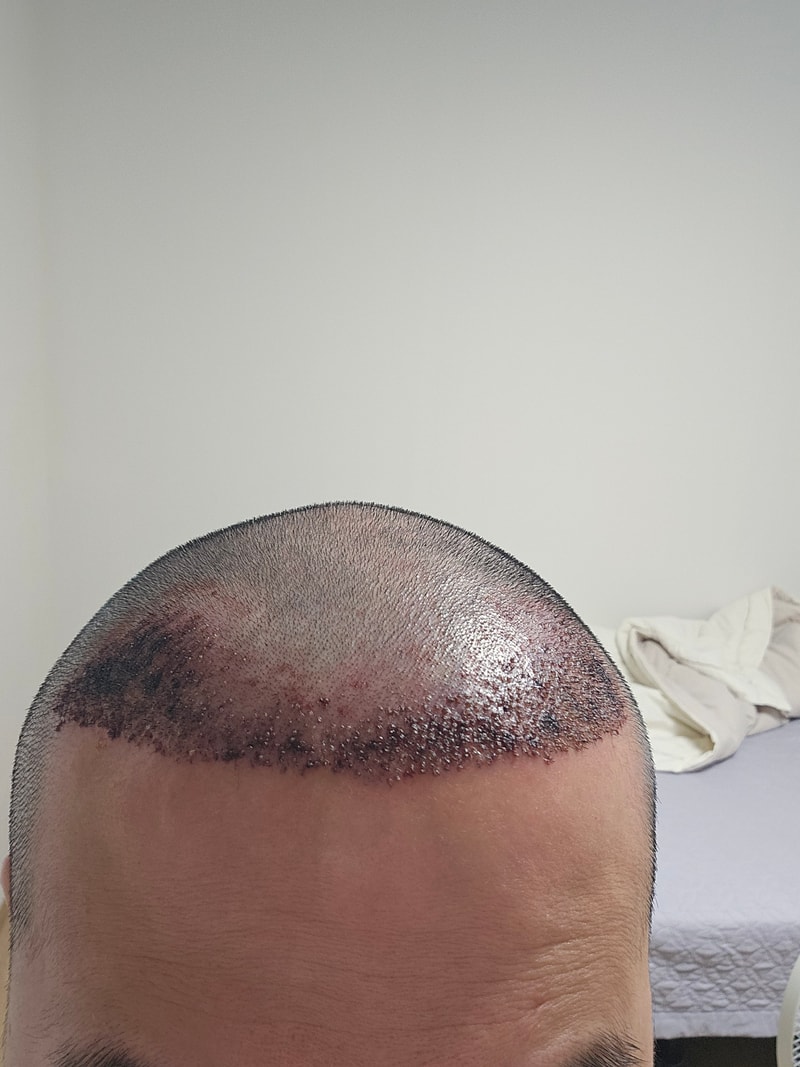
 MYMO HAIR TRANSPLANT CENTER Incheon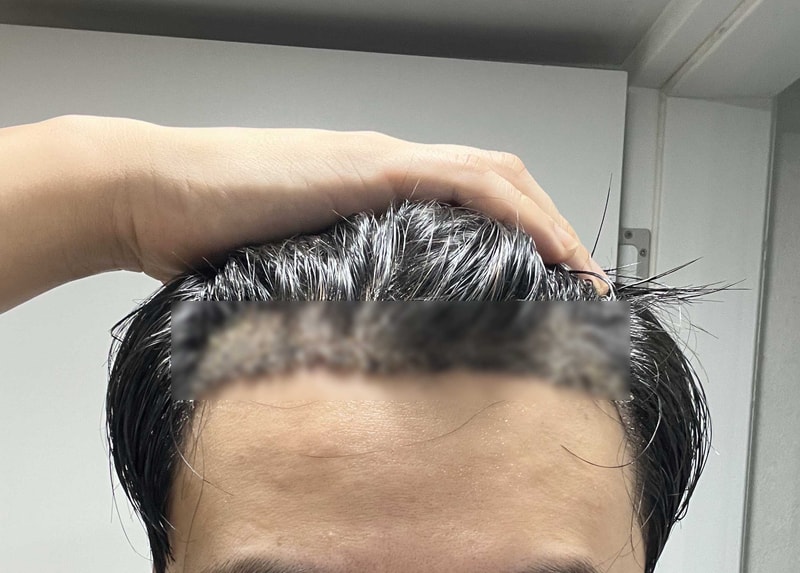
 Dana Plastic Surgery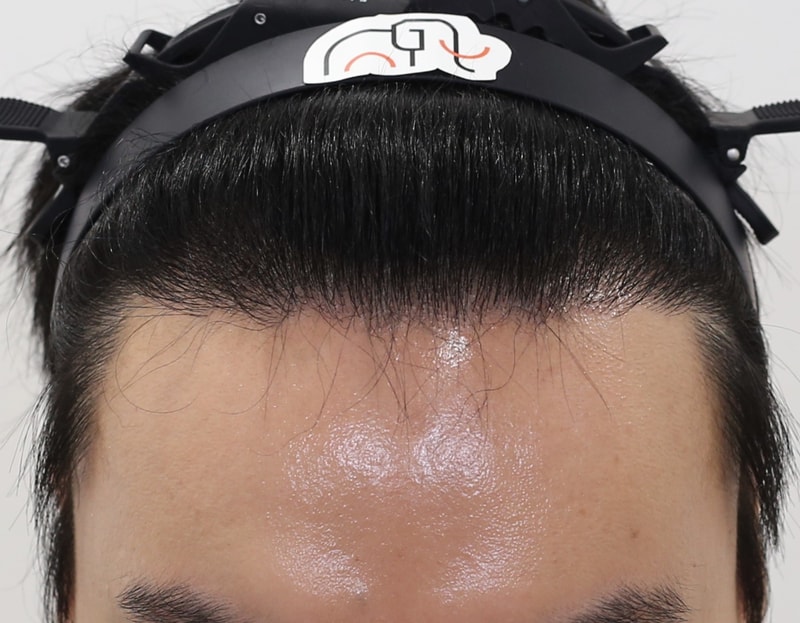
 Incheon Mammoth Hair Restoration Center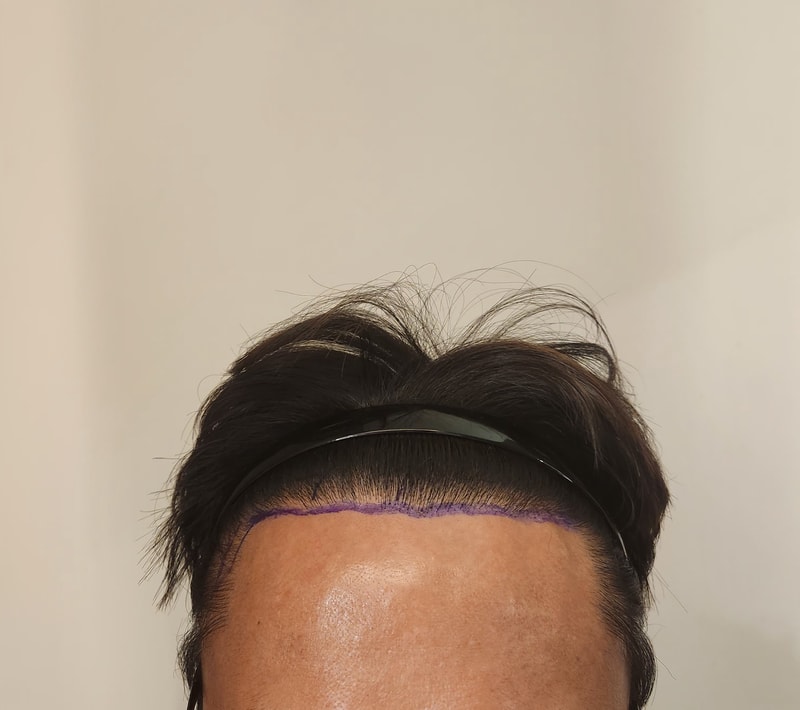
 Yonsei Mobelle Clinic - Daegu Branch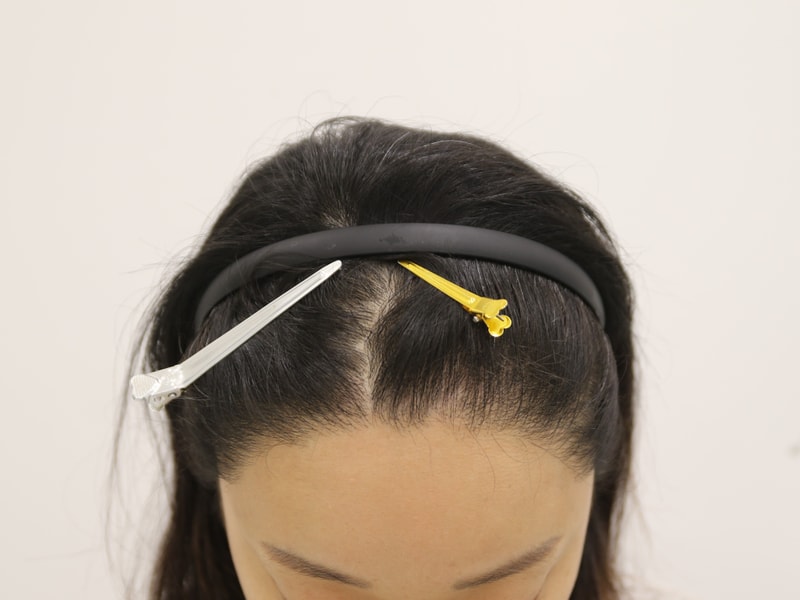
 Mammoth Hair Restoration Center Busan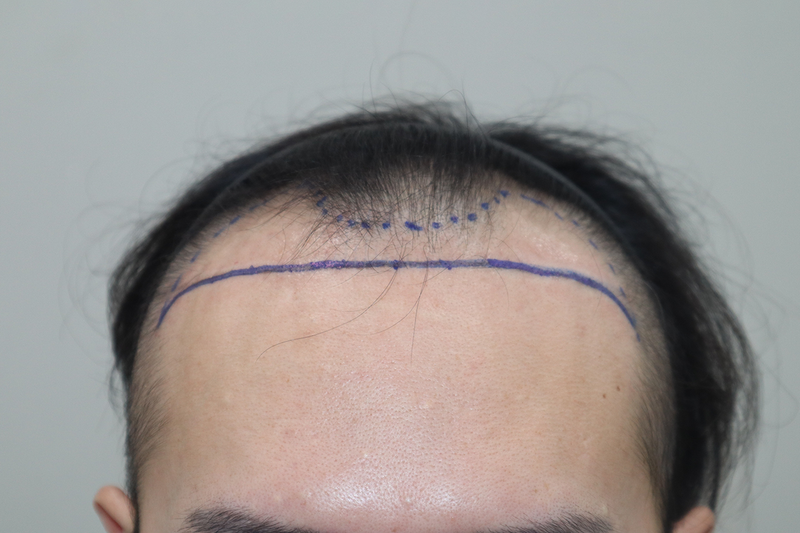
 HAIRO HAIR TRANSPLANT CENTER Jeonju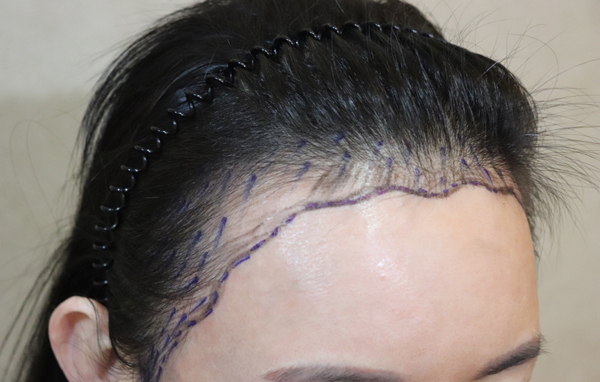
 JP Hair Transplant Clinic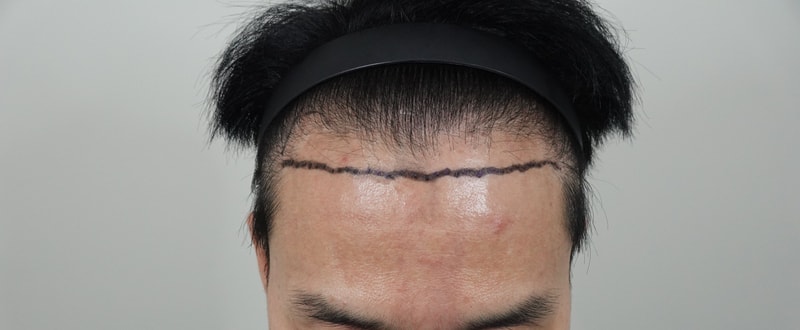
 Yong Doctor Hair Transplant Surgery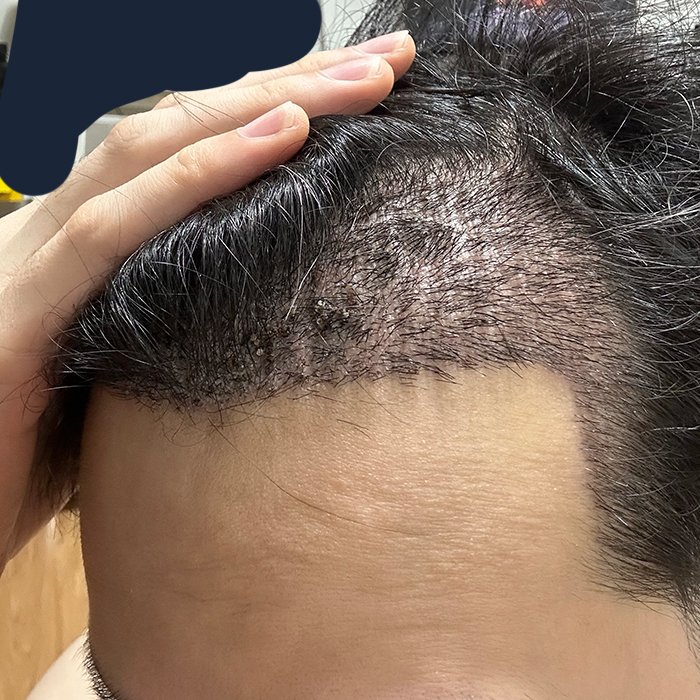
 MONARA dermatology clinic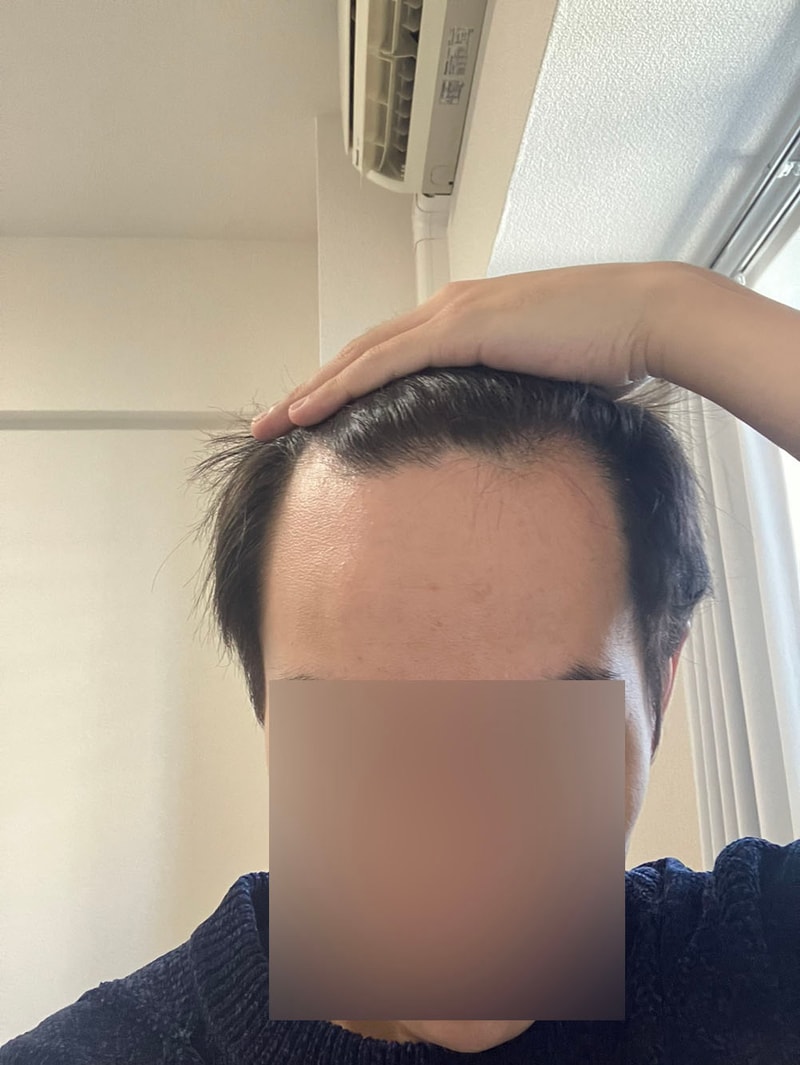
 MO.1 plastic surgery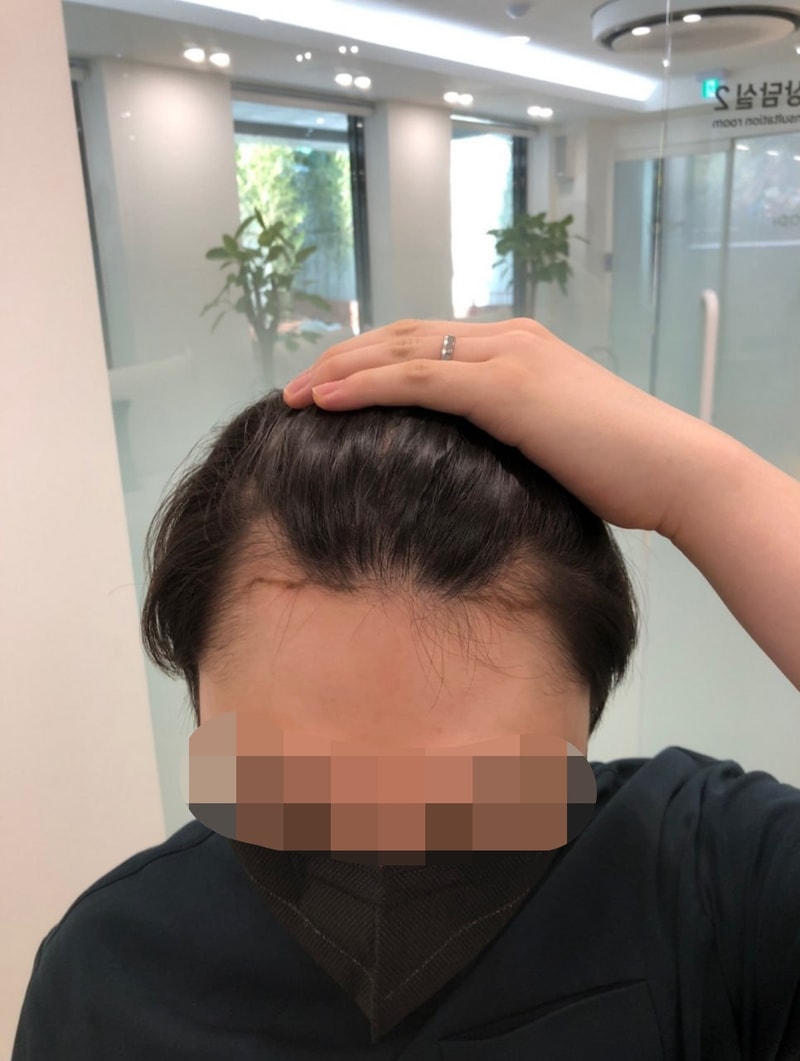
 Modi hariplant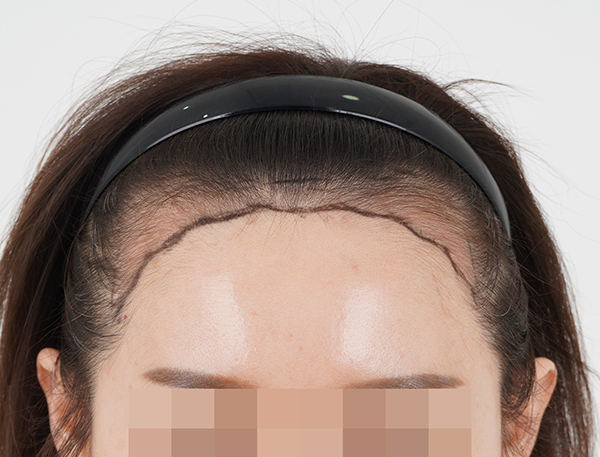
 Momo Clinic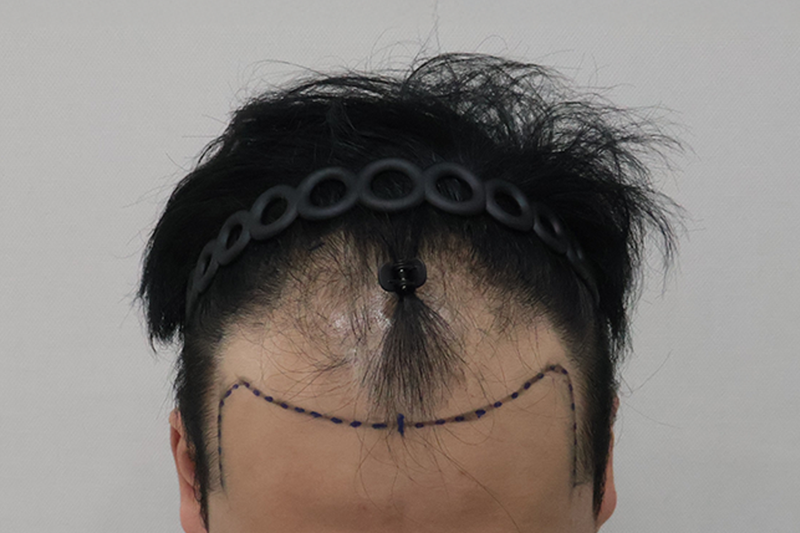
 HAIRO HAIR TRANSPLANT CENTER Dongtan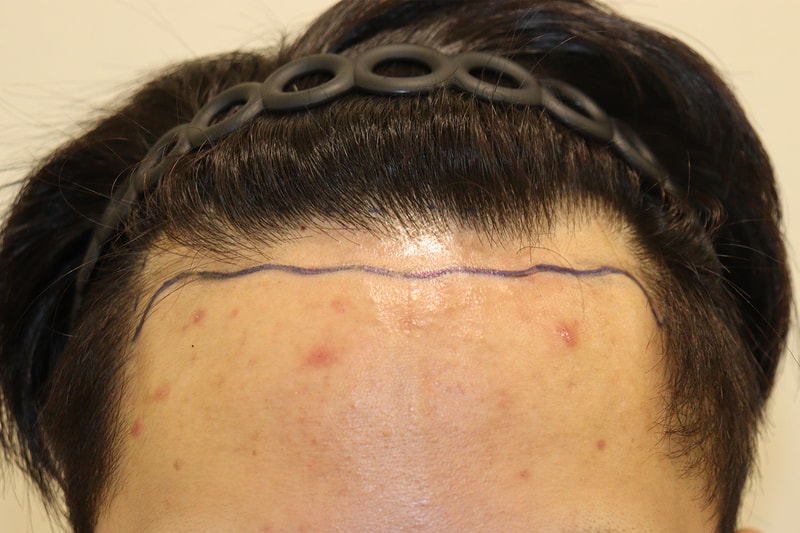
 HAIRO HAIR TRANSPLANT CENTER Daegu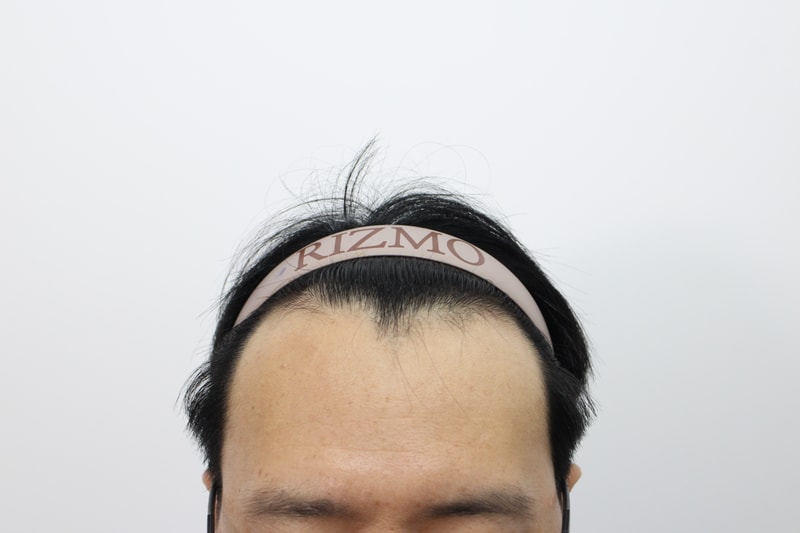
 Rizmo Clinic - Busan Branch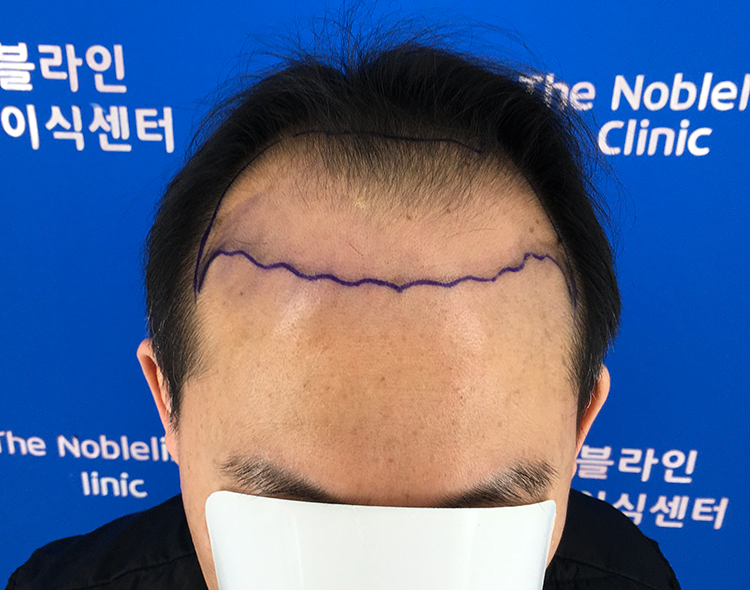
 The Nobleline Center for Alopecia Care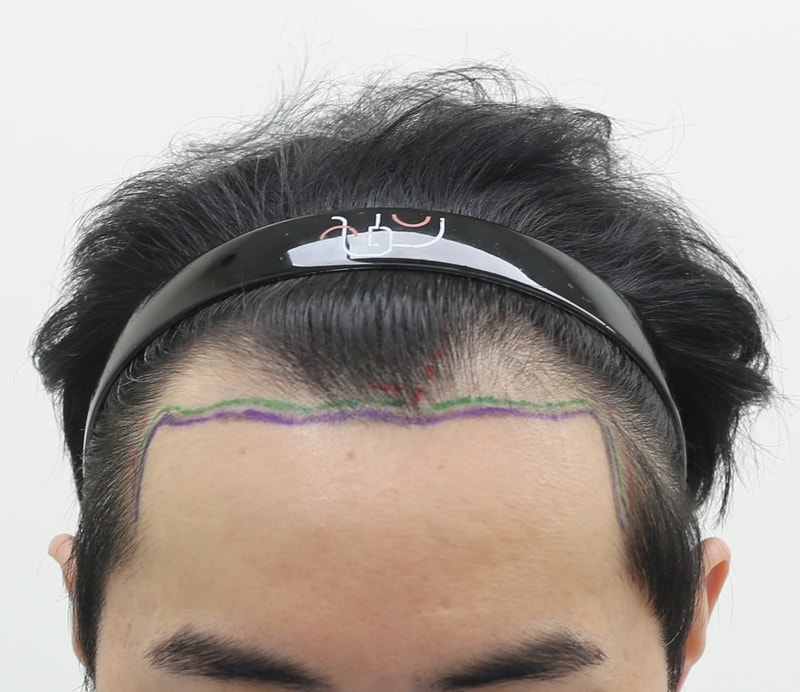
 Mammoth Hair Restoration Center, Apgujeong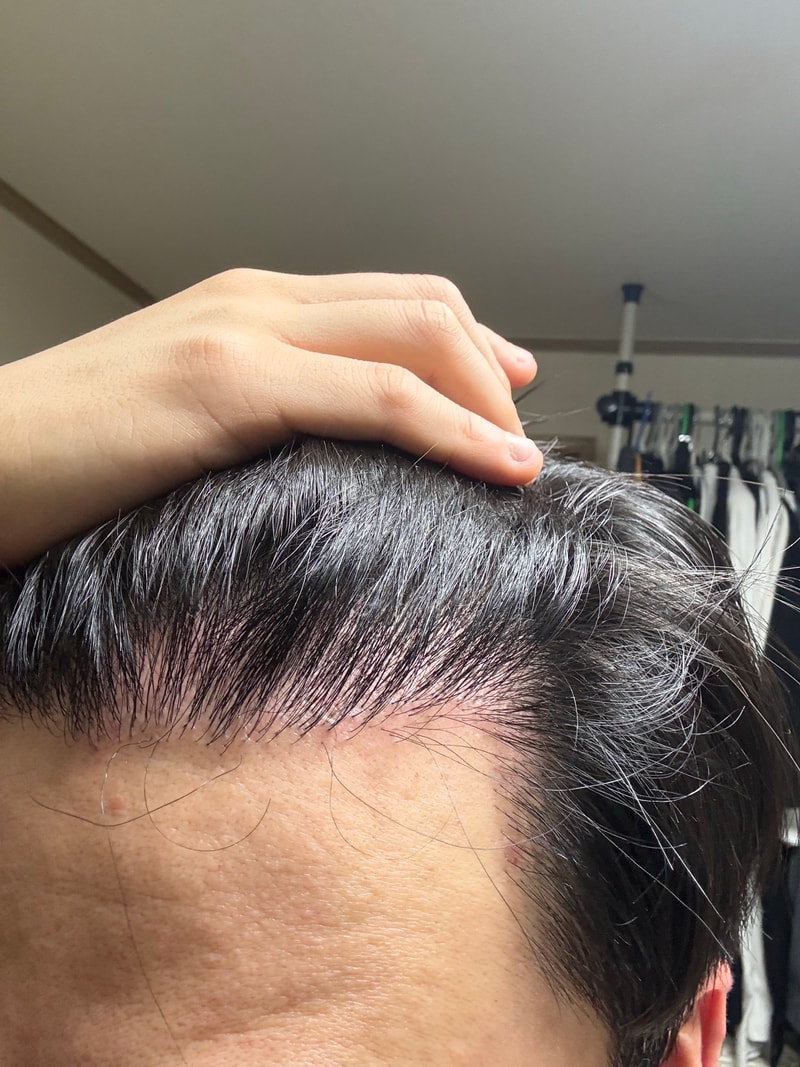
 NEWHAiR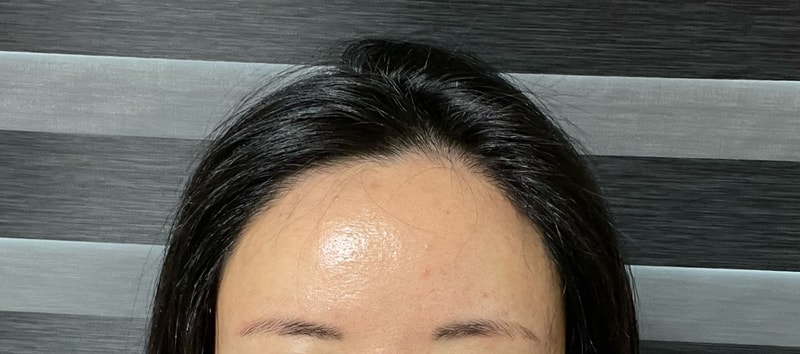
 MOJELIM Hair Transplant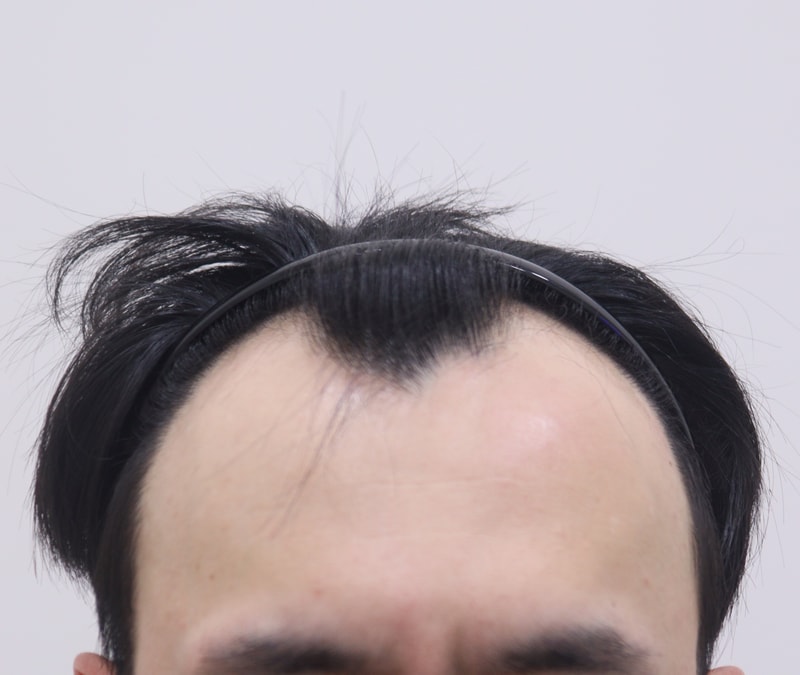
 Mo&Bless Hair Clinic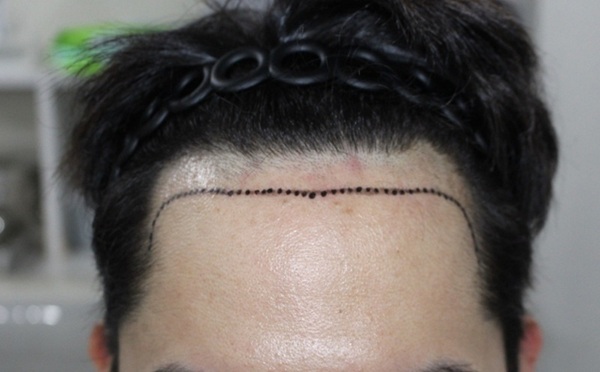
 Modaol Hair Transplant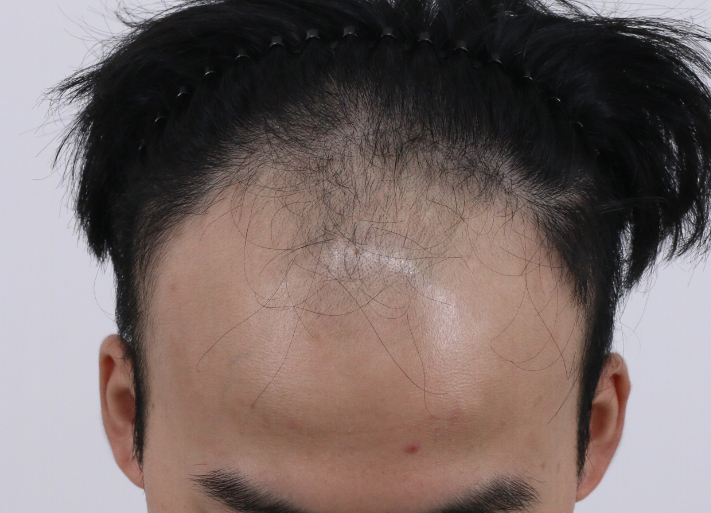
 Mowoolim Clinic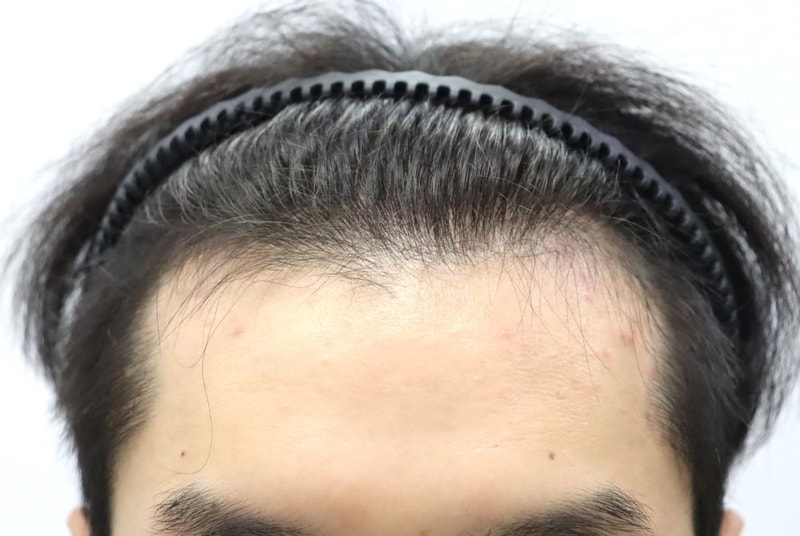
 FORHAIR Hair Transplant Korea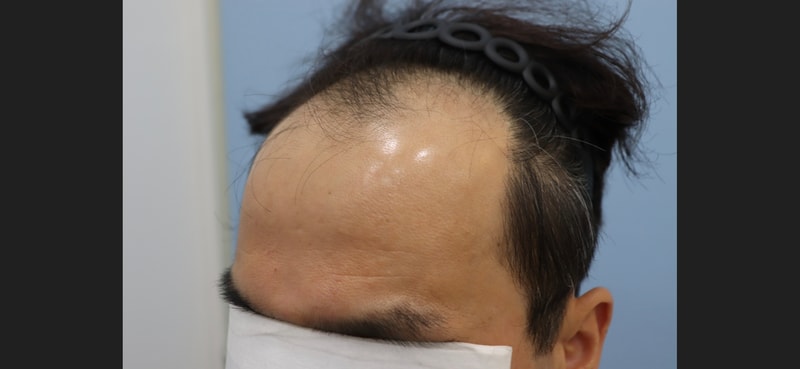
 apgujeong mobien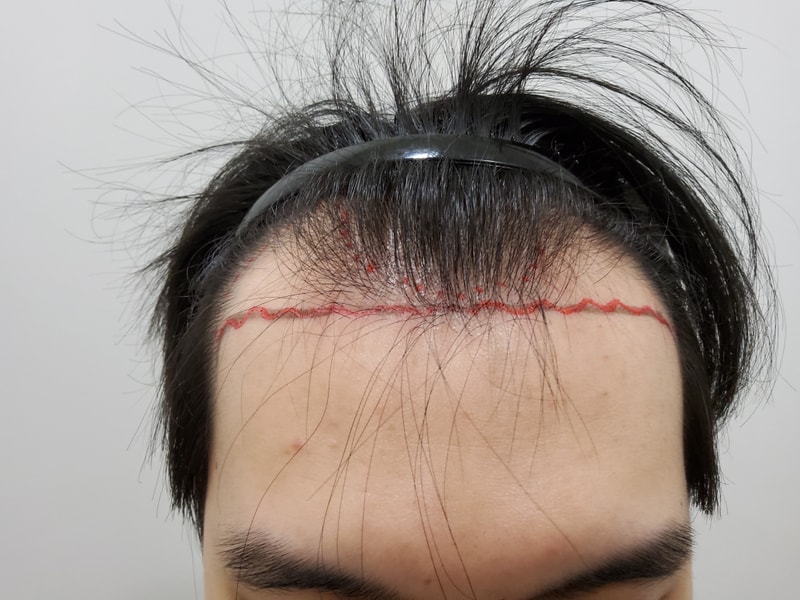
 Modeunmo Clinic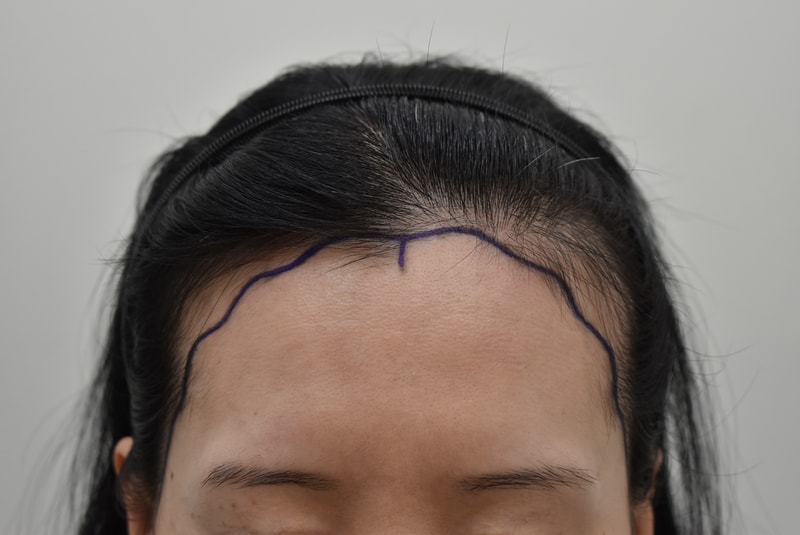
 MOBARUN HAIR SURGERY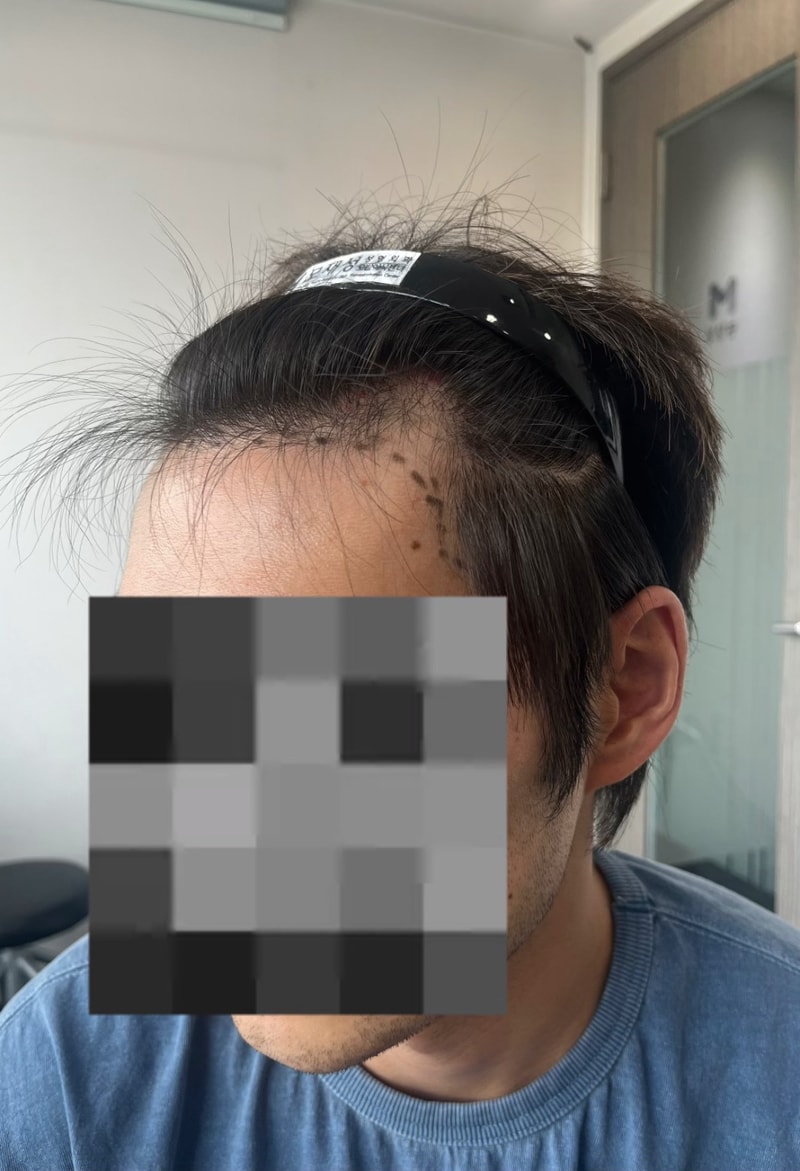
 Mo Jaesung Plastic Surgery & Hair Transplant Center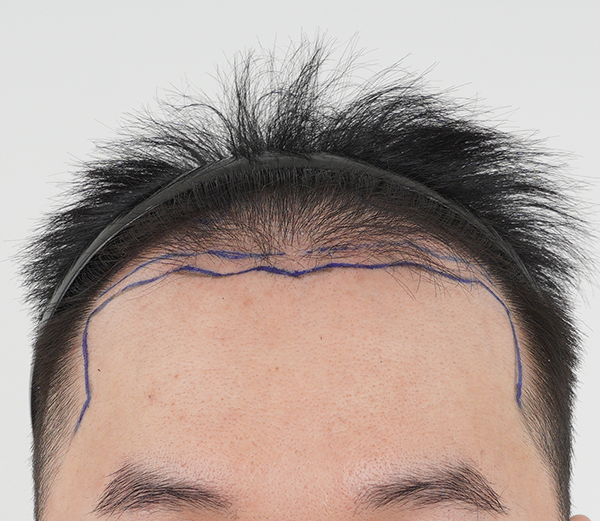
 MOMO HAIR TRANSPLANT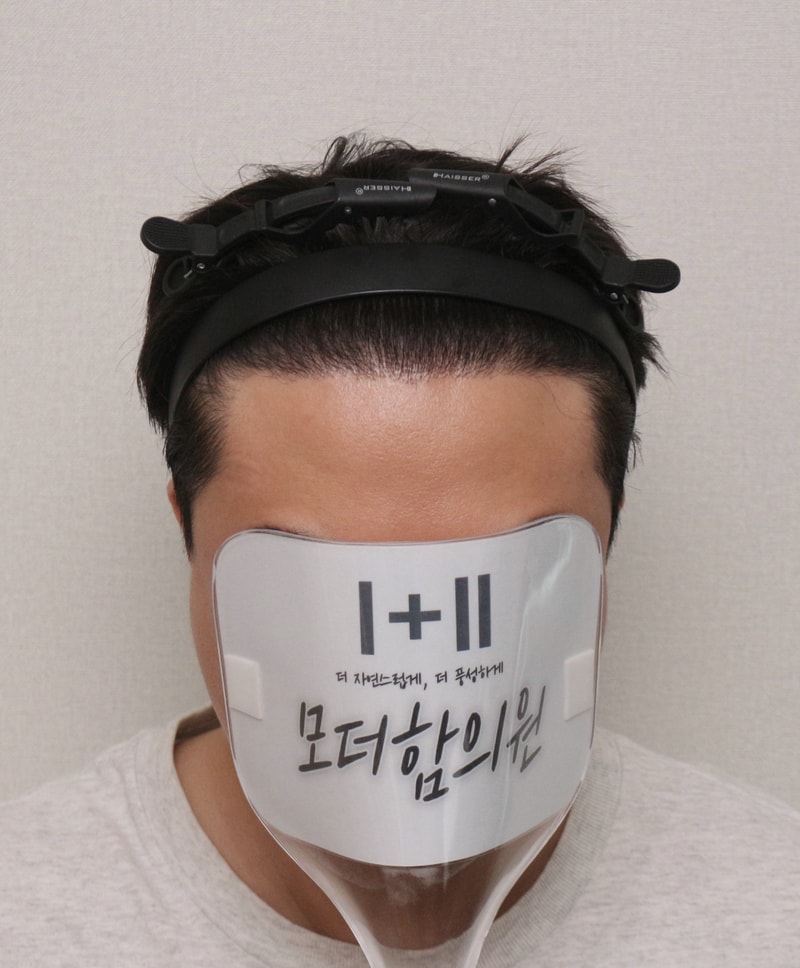
 Moderhamm Clinic — Hair Transplant Center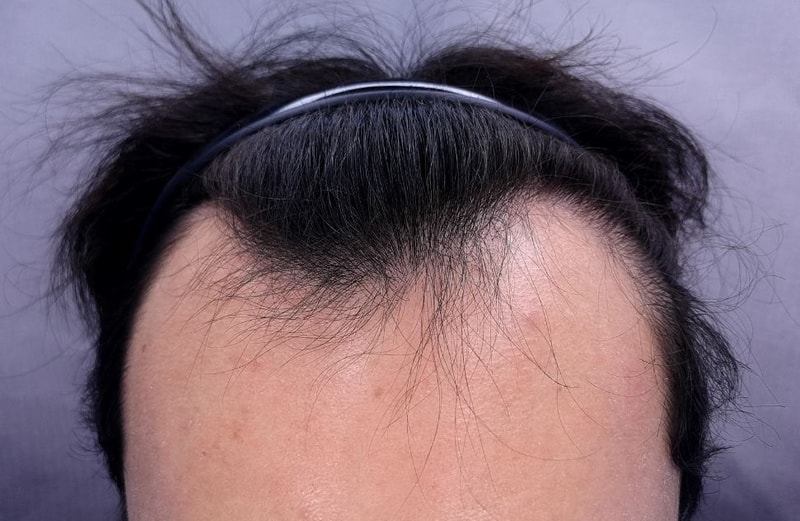
 Yonsei Mobelle Clinic - Incheon Branch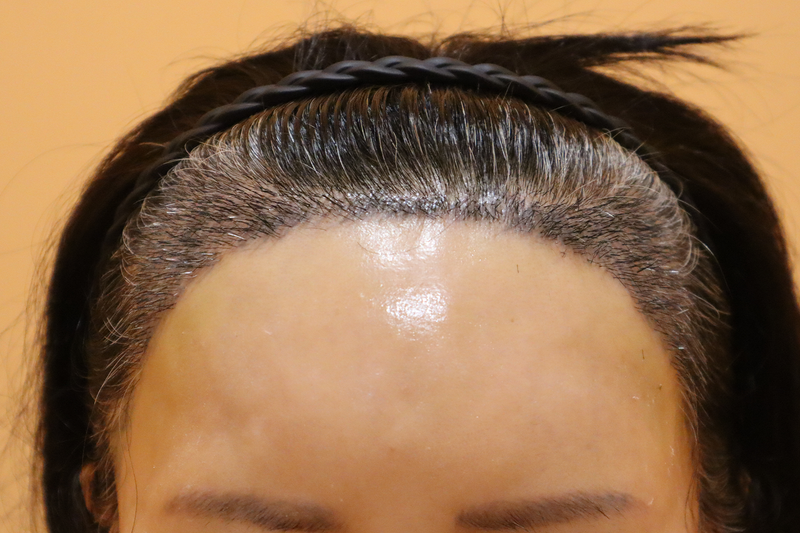
 HAIRO HAIR TRANSPLANT CENTER Busan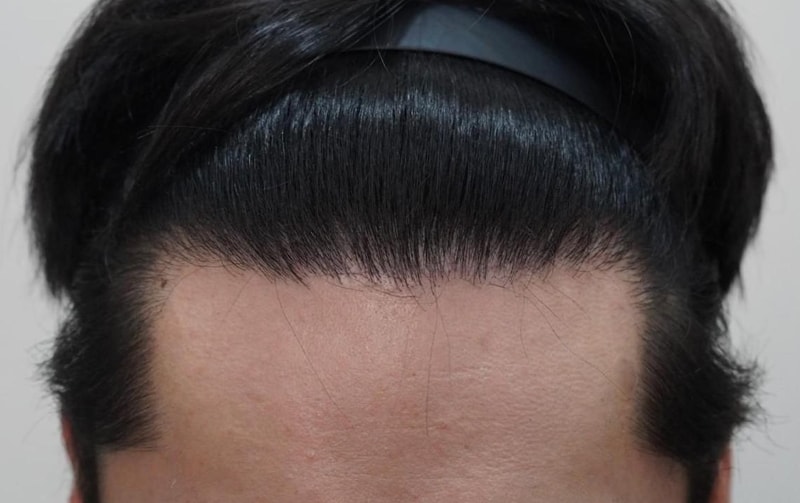
 Busan Grow House
 Momo Clinic
 The Jongno Headquarters of the Yonsei Mobel House
 MOEM Clinic
 MOUDA CLINIC
 WOOMCHAN Hair Transplant Clinic
 moart clinic
 Banal Plastic Surgery Clinic
 GLOWELL
 Moment Clinic
 Motion Hair Clinic
 MOAMAN CLINIC



Comments