I came across this article by chance, but I'm posting it because I think it'll be helpful.
Do your own diagnosis and see what your condition is (sadly) you need to know your enemy to win, right?
The writing is very long. Read patiently Causes of Neuropathic Alopecia: Central Neuropathy - Progressive Paralysis, Epilepsy, Peripheral Neuropathy - Tertiary Neuropathy, Neuropathic Shock Features and Symptoms: Incomplete Hair Loss with Unclear Boundaries. It is not limited to the frontal part, but appears overall. Causes of nasal alopecia : Abnormal gastrointestinal disorder of scalp keratosis due to lack of vitamins A and D Anemia, tuberculosis, nervous breakdown, autonomic nervous breakdown, triceps, scalp compression and dryness Characteristics and symptoms : Dry hair, lack of gloss, failure to grow to normal length and fall off in the middle. A lot of dandruff, along with itching. Remarks: No Inflammation of the scalp: Growth hair loss causes frontal hair loss when symptoms become serious. In this case, hair follicles in growing organs are acutely disabled, and more than 80-90% of hair is rapidly removed, and many are due to chemotherapy and X-ray irradiation used to treat malignant tumors.
In this case, if the administration of the causative agent is stopped, the hair follicles recover within a few weeks, so the prognosis is good, but there are many cases where the regenerated hair is thin and the growth is reduced.
Hair growth wall or traction alopecia is a type of neuropathy that occurs as a result of breaking or pulling hair, and the prognosis may be poor.First, psychiatric treatment is needed, and if it is permanent hair loss, autologous hair transplantation can be performed.
widespread alopecia hair loss to a wide extent. Sometimes the entire head is lost. There is a clear distinction between the malignant case of circular hair loss and the localized hair loss part of frontal hair loss and the part that is not.
Most of the hair loss symptoms, such as male hair loss and circular hair loss. Recurring hair loss, which was treated once, recurred after a certain period of time. Alopecia due to static electricity When hair is strongly rubbed with a nylon brush, dry hair is positively charged. Hair loss caused by inflammation of the mother's papilla.
Conjunctive alopecia (attractive alopecia) Strong braids or straight pulls on hair. When you curl your hair too hard to shape it. Light inflammation of the hair roots. Hair roots atrophy and fall out. Compressive alopecia When pressed in a fixed position for a long time. Local ischemia due to compression. ex) The back of the baby's growing baby's head, when a chronic patient under general anesthesia lies in bed with only one head for a long time. Hormonal imbalances during and after postpartum hair loss pregnancy. After giving birth, a large number of hair goes into a resting state at once, and the hair is lost within 2-3 months. Most of them recover naturally. If you keep losing your hair even after 6 months, it's because of stress from parenting.
Alopecia after fever It is caused by high fever such as malaria and typhoid. I lost a lot of hair 1 to 3 months after the outbreak. a natural recovery with the recovery of an illness.
Syphilitic alopecia is caused by syphilis and irregular hair loss occurs in the occipital region.
It is caused by leprosy alopecia leprosy and begins to lose hair from the eyebrows.
In severe cases, one-third of the outer side of the eyebrow is hair loss. If the eyebrows are poor, they may be mistaken for leprosy.
<<Restless hair loss>> Restless hair loss is a phenomenon in which normal hair on the scalp is severely hair loss early, and 100-400 hair loss occurs compared to 50-60 hair loss per person in normal people.
If there is more than this normal number of hair loss, the cause can often be found if well investigated.
The causes are as follows.
<Causes> (1) Drug-taking anticoagulants, antidepressants, hypertension treatments, stomach ulcers, anti-arthritis drugs, anticonvulsants, vitamin A induction systems (ice cream treatment), contraceptives, etc. are not the cause, and if hair loss problems occur while using these drugs, other drugs with the same effect should be used.
(2) Hair loss can occur if there is anemia due to lack of protein or iron due to excessive diet.
(3) In the case of stress, fever, severe infectious disease, chronic disease, and large surgery, hair loss can occur within about 3 months of the cause.
(4) Hair loss can also occur in cases of hyperthyroidism or hypothyroidism.
<<Male hair loss>> Common baldness is male-type baldness, caused by the combination of age, hormones, and genes.
Of course, male baldness is not the only form of baldness, but male baldness is the most common form of baldness.
Like the shaved head of an early Benedictine monk, the bald head is widely peeled from the front forehead to the top of the head, and the hair remains only on the sides and back.
This alopecia is inherited by children. Sometimes baldness appears to unexpected people by skipping a few generations. Male hair loss is mainly caused by triangular hair loss between the front and the side of the head, which is mostly peeled off in an English M-shape, and gradually progresses to the top of the head.
The scalp in the hair loss area looks oily, has a lot of boredom and dandruff, itching, fever, and redness.Seborrheic dermatitis further promotes hair loss. In addition to genetic predispositions, excessive stress in entrance exams, study abroad, military life, and work may be a major factor, and hair loss may occur due to frequent perm, dyeing, and excessive use of moose or spray.
In addition, the bald population is increasing due to various pollution and pollution in modern times.
According to recent statistics, 5% of men in their 20s in Korea, 15% in their 30s, 25% in their 40s, and about 50% in their 60s show hair loss as they get older.
It may be correct to view it as an aging phenomenon rather than a disease when you are over 60.
However, in the most active around 30s, Comprex may seriously impair interpersonal relationships and social activities, so it may be a serious disease.
Male alopecia begins and gradually expands in the front and center of the head of both sides of an elderly man in his late 20s or 30s.Men's alopecia can also occur in women.
Hormonal imbalance, genetic pruritus, scalp tension, blood circulation disorders, mental stress, nutritional imbalance, past smoking, excessive drinking, and irritating food consumption are the causes of hair loss caused by compression of blood vessels in the scalp. Male alopecia, also known as hair thickness and baldness, does not just mean that hair is very thin.
Male alopecia is a gradual loss of hair, and at first, the hair decreases a little and the forehead gradually widens, and one day you find that almost no hair is lost in the middle of your head.
The diagnosis of male alopecia is gradually made from the time when the hair begins to fall out.
Therefore, there is also a story that almost half of men over the age of 40 are male-type alopecia.
Male alopecia doesn't mean you lose your hair, to be precise.
Male alopecia patients also have the same number of hair follicles that create hair on their heads.
The hair that is made is not just thick hair, but fluffy.
In other words, baldness means that thick hair turns into invisible thin hair.
If you look closely at the hair that has undergone complete hair loss, you can see fluffy hairs.
Being thick or thin depends not only on the number of hairs, but also on the thickness of each hair.In other words, even if there is the same number of hair, those with thick hair look more thick, and those with thin hair look less thick.
However, it is difficult to increase the number of hair, but it is possible to make the thickness of the hair thicker.
Some shampoo, conditioner, or hair treatment products coat the surface of the hair to make it thicker.Although it is less thickened by these products, the overall effect is quite excellent.
However, this coating does not last long, so most of the coating falls off once you wash your hair, but you can keep using it.This method works immediately.
In many cases, male hair loss starts from both sides of the forehead and goes up in an M-shape, resulting in hair loss in the kiln area, leaving only the "bare hair" and the "peripheral hair."
At the same time, it is a common phenomenon that hair increases, decreases, and loses strength with hair loss.If the person reading this has a similar phenomenon and has a history of baldness in the family, it can be judged as male hair loss.
Male hair loss is affected by three factors: age, genetic factors, and dihydrotestosterone (DHT).The mechanisms by which these factors cause male hair loss are as follows.
Male hormones (testosterone) in the body are converted into DHT form by 5-reducing enzymes during metabolism, which acts on hair follicles with male hair loss genetic factors, resulting in the hair follicles gradually shrinking and eventually disappearing or remaining in the form of small fluffy hair.
Therefore, if 5-reducing enzyme is suppressed, DHT is not formed in the metabolism of male hormones, but male hormones are maintained normally, so there is a way to maintain male sex but prevent hair loss.This principle establishes a theoretical basis for preventing male hair loss.A drug called Propecia is made on the above theoretical basis and recently launched by Merck, an American pharmaceutical company.
Clinical studies have shown that this drug has an 86% effect on preventing hair loss and 66% of the group took it, and it began to be marketed in January this year in the United States, but it is not yet officially marketed in Korea.
However, a drug with the same ingredient, Proscar, is marketed as a treatment for prostate hyperplasia in Korea, so it can be used instead. However, the disadvantages of Proscar are that 1) you have to take it continuously, 2) it is relatively expensive, and 3) you have been reported to have sexual desire and foot failure even though it is insignificant as a side effect.
Despite these shortcomings, early baldness can be considered valuable as a treatment. Another anti-hair loss drug recognized by the U.S. FDA is Minoxidil, which is applied to some extent (20-30%) when the treatment target is young, oily, and the skin is missing, but otherwise it is not very effective.
<<Female hair loss>> Alopecia in women is much more common than the average person thinks, and about two-thirds of women experience it once in a lifetime.
Female hair loss is permanent in the case of female hair loss, but in some cases, it can be treated, so it can be helpful to seek counseling from a specialist.
It is inherited similarly to male alopecia, and progressive hair loss occurs with age, but unlike men, hair loss occurs throughout the head without a certain shape.
In general, it appears from the age of 25 to 30 years old, and you know it by feeling that the part of the hair becomes thinner as the hair gradually becomes thinner and shorter.
Fifty percent of hair loss in adult women is such hair loss or, unfortunately, there is no definitive treatment, and hair loss is permanent and genetic.In some cases, there are reports that Minoxidil is effective, and autologous hair transplantation may be considered if the missing form is concentrated in the front area or causes cosmetic problems.In the case of normal women, about 50 to 100 hair loss occurs a day, and when there are more than this number of hair loss, the cause is often known, and the causes are as follows.
<Type> (1) There are anticoagulants, antidepressants, hypertension treatments, stomach ulcers, anti-arthritis drugs, anticonvulsants, vitamin A induction systems (ice cream treatment), and contraceptives, but not all of these drugs are the cause, and if hair loss problems occur while using these drugs, other drugs with the same effect should be used.
(2) Hair loss can occur if there is anemia due to lack of protein or iron due to excessive diet.
(3) In the case of stress, fever, severe infectious disease, chronic disease, and large surgery, hair loss can occur within about 3 months of the cause.
(4) Hair loss can also occur in cases of hyperthyroidism or hypothyroidism.
In most of the above cases, hair growth recovers after about six months when the cause of the irritation disappears.Therefore, when continuous hair loss occurs, it is recommended to seek advice from a specialist.





 K4984376008
 cyunty99
 웁스라요
웁스라요
 K4983758792
 Mopro Clinic
 Yong Doctor Hair Transplant Surgery
 Moderhamm Clinic — Hair Transplant Center
 Modeunmo Clinic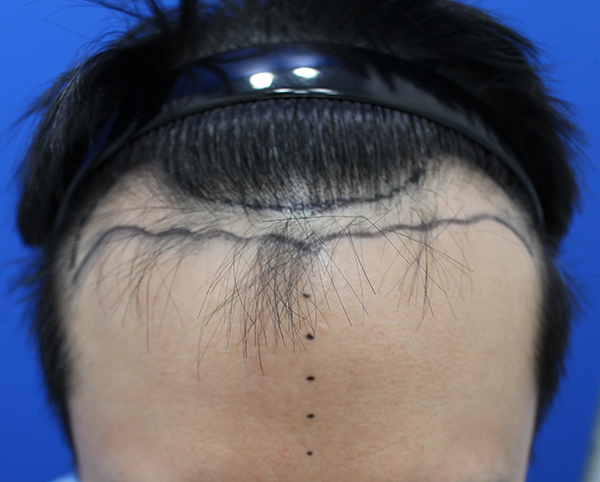
 Hannaeve plastic surgery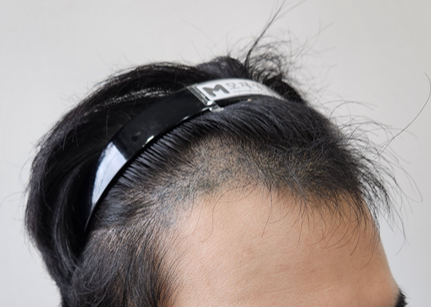
 Mo Jaesung Plastic Surgery & Hair Transplant Center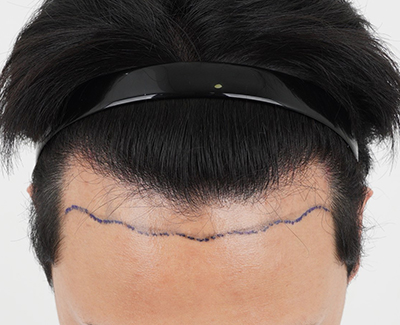
 MOMO HAIR TRANSPLANT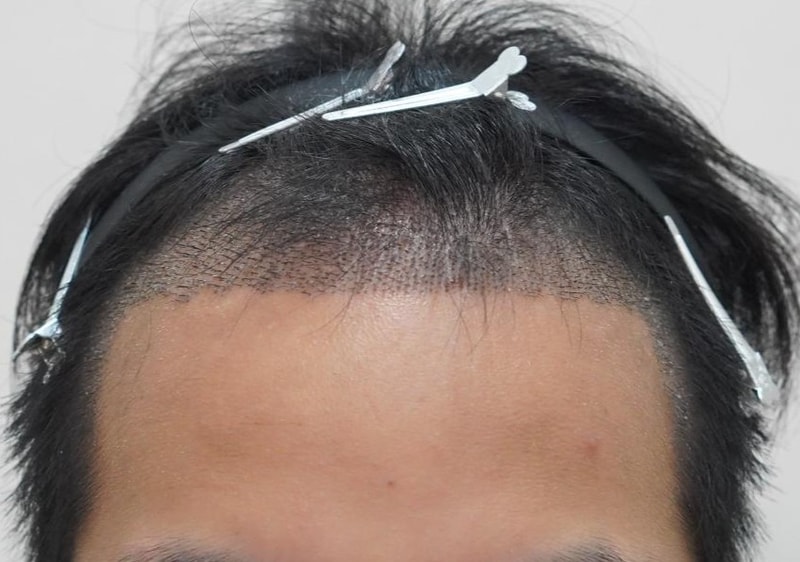
 Busan Grow House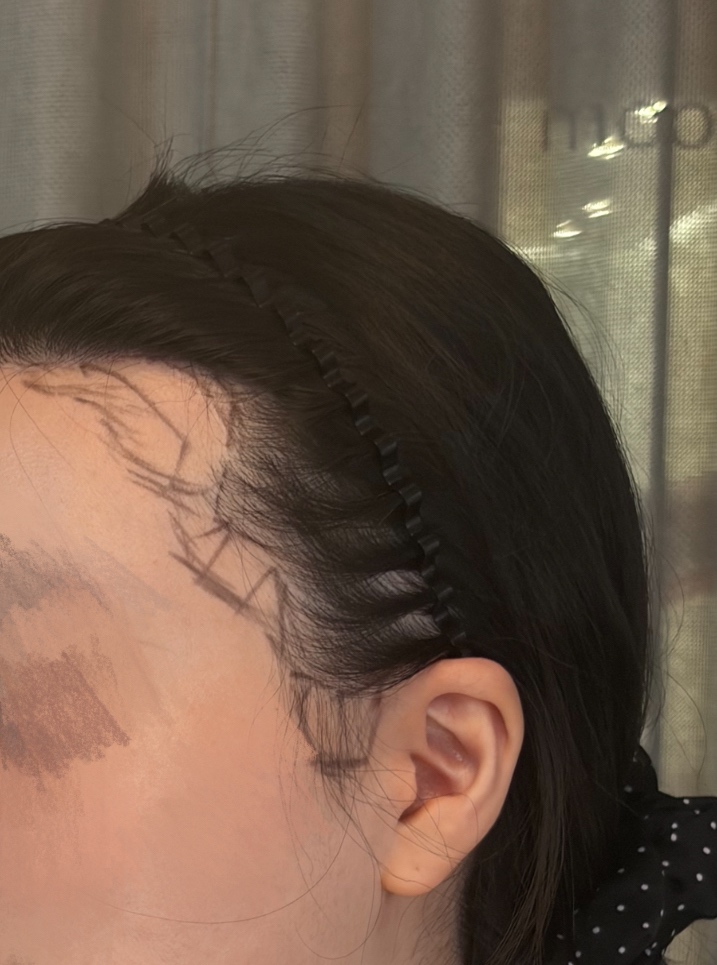
 Mowoolim Clinic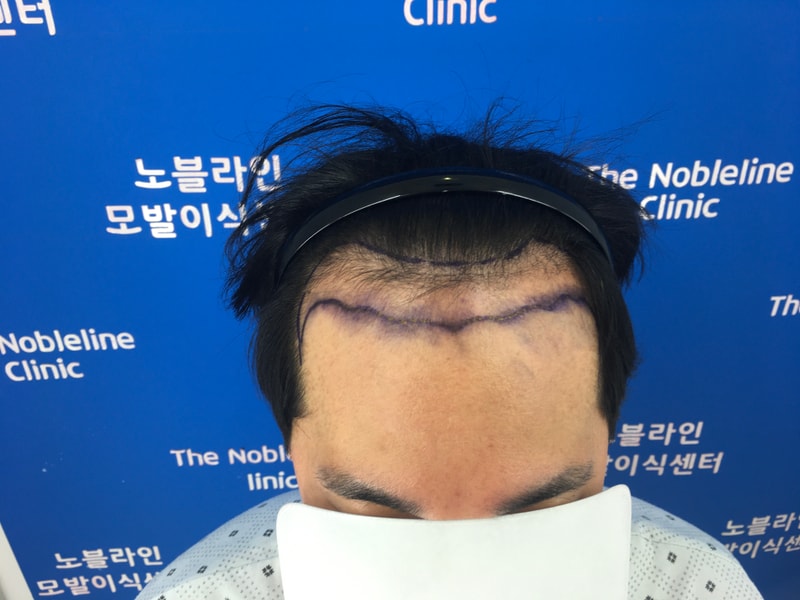
 The Nobleline Center for Alopecia Care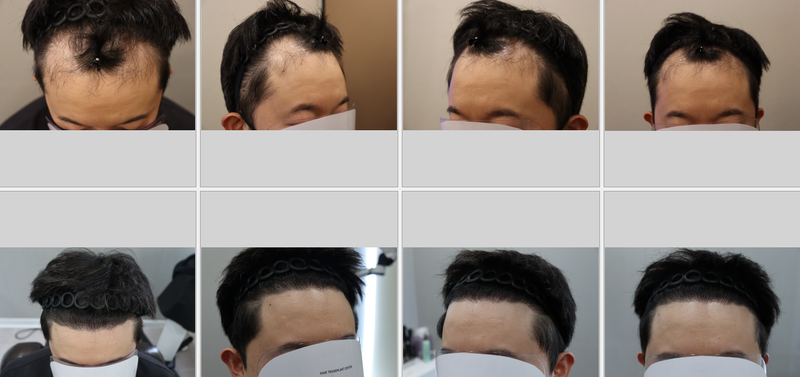
 HAIRO HAIR TRANSPLANT CENTER Daegu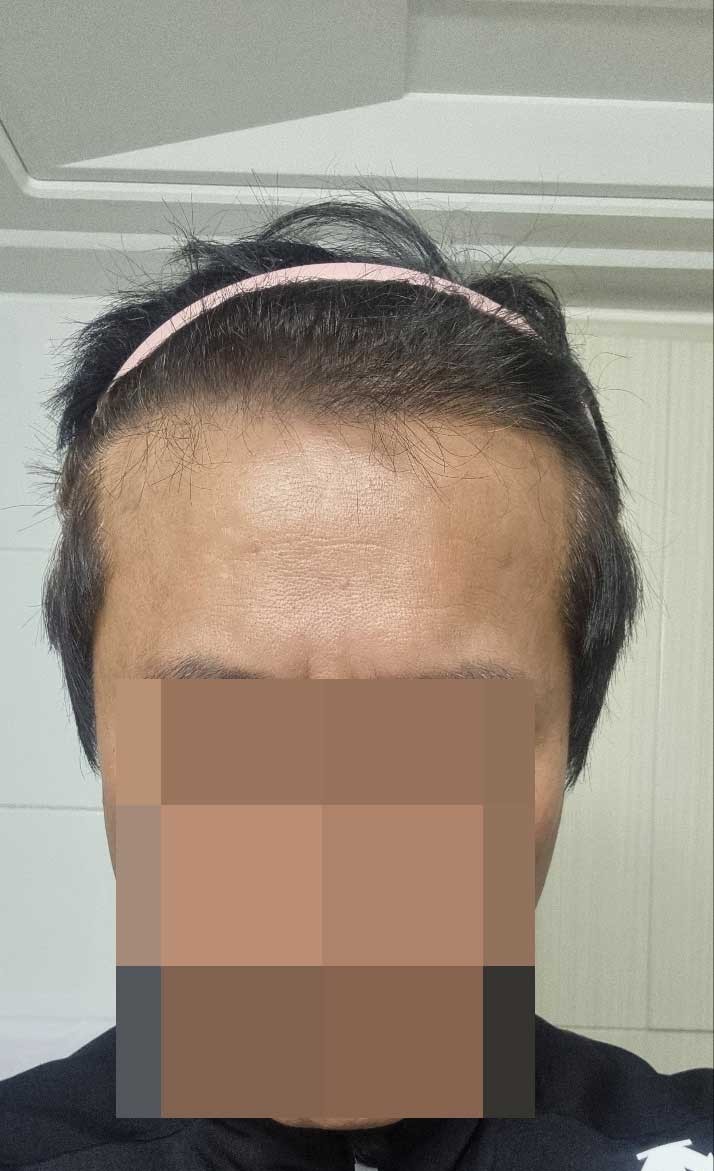
 Dana Plastic Surgery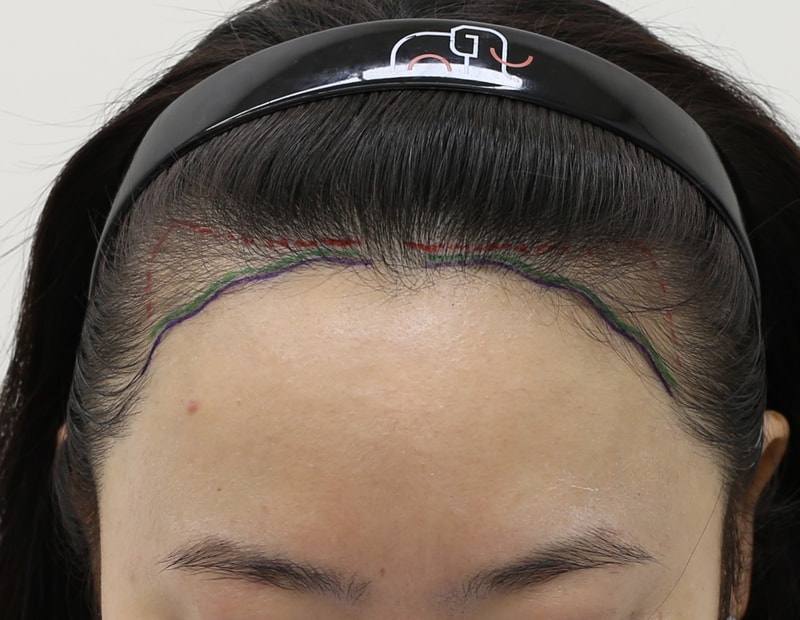
 Incheon Mammoth Hair Restoration Center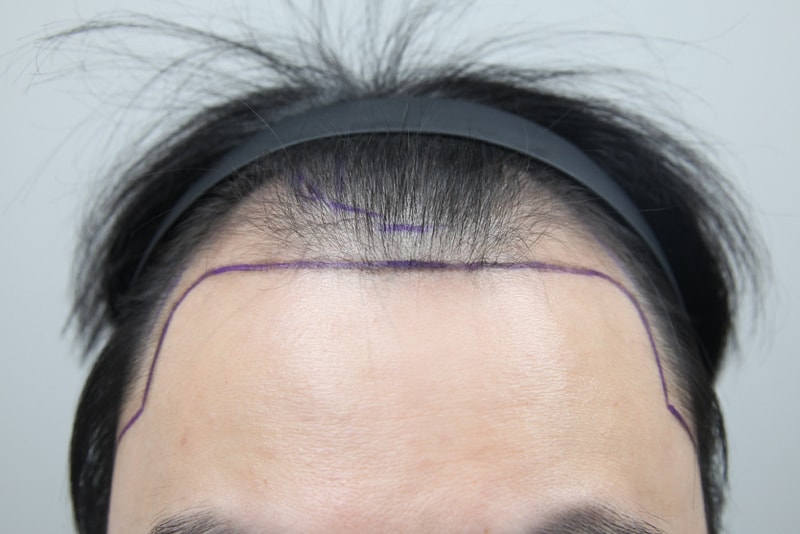
 MONARA dermatology clinic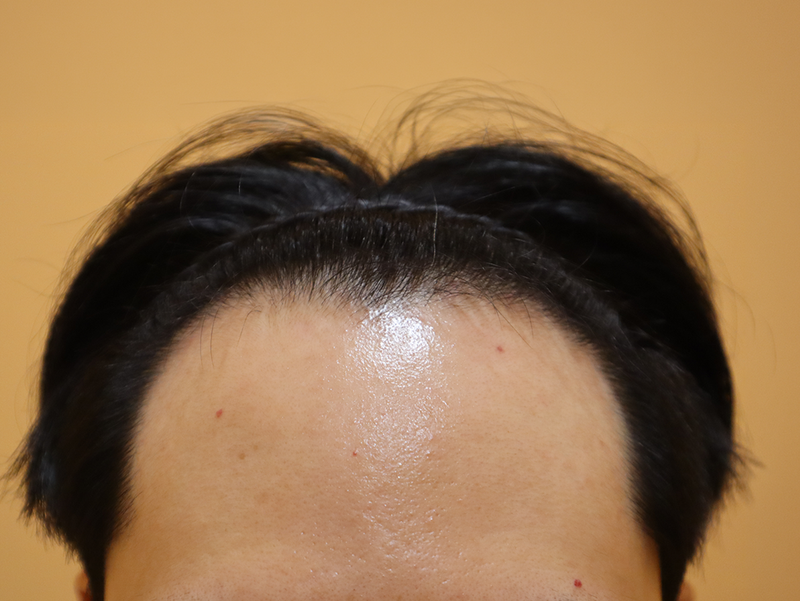
 HAIRO HAIR TRANSPLANT CENTER Busan
 Modi hariplant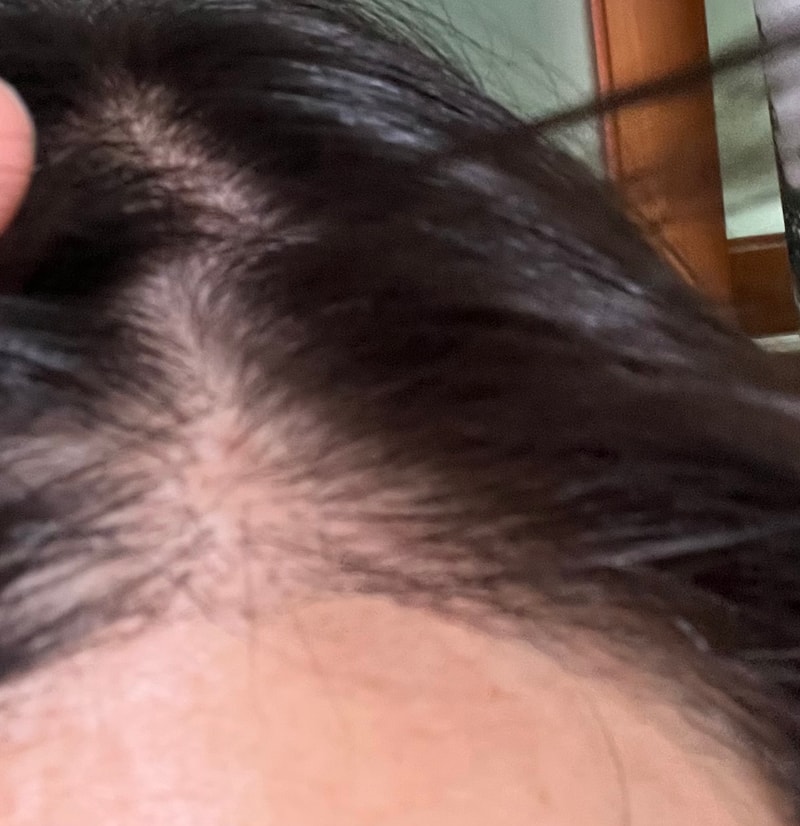
 WOOMCHAN Hair Transplant Clinic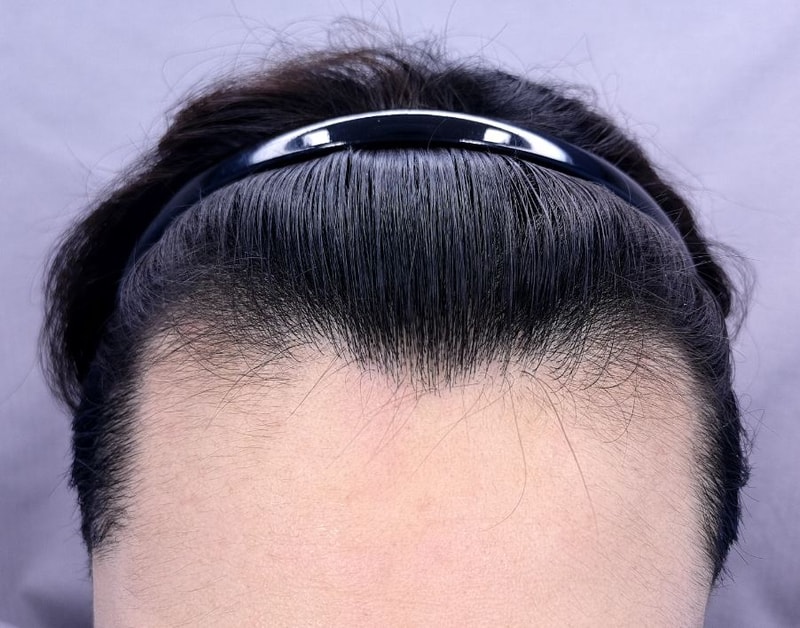
 Yonsei Mobelle Clinic - Incheon Branch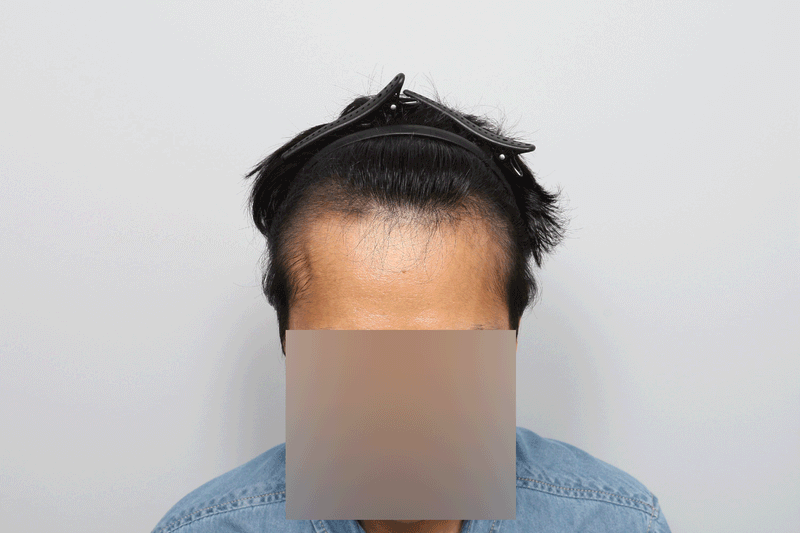
 MO.1 plastic surgery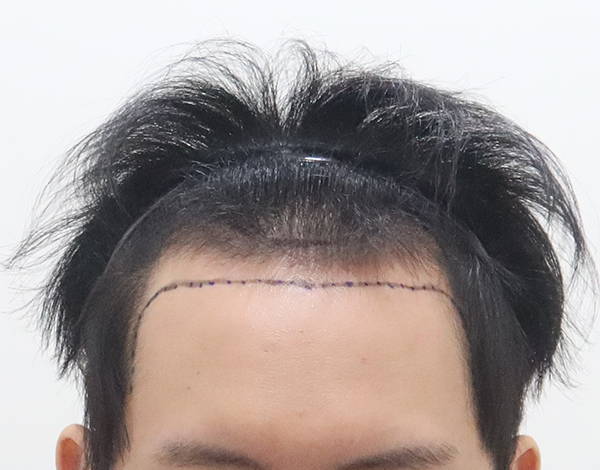
 Momo Clinic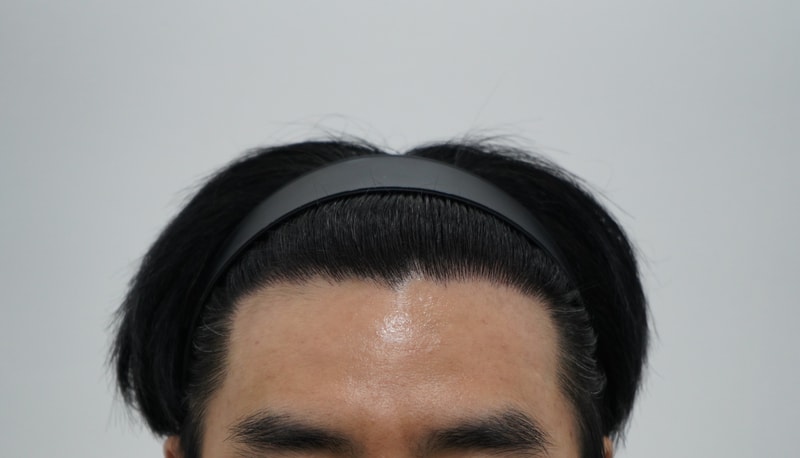
 moart clinic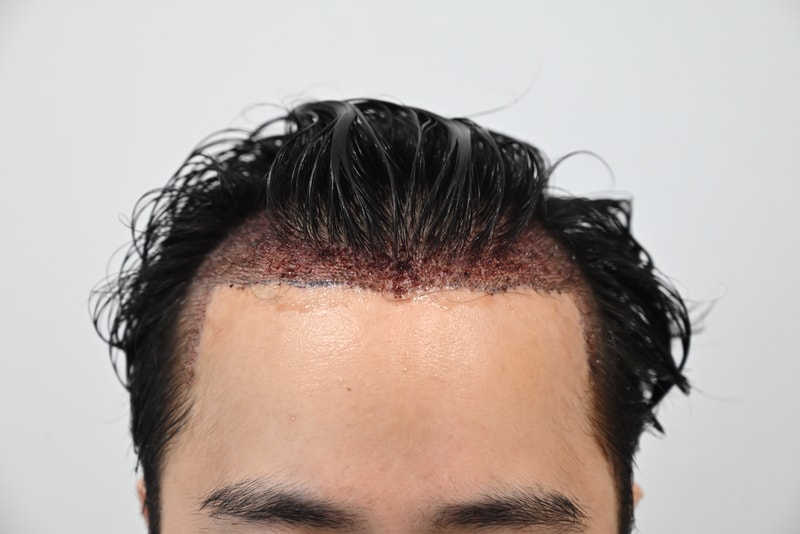
 MOEM Clinic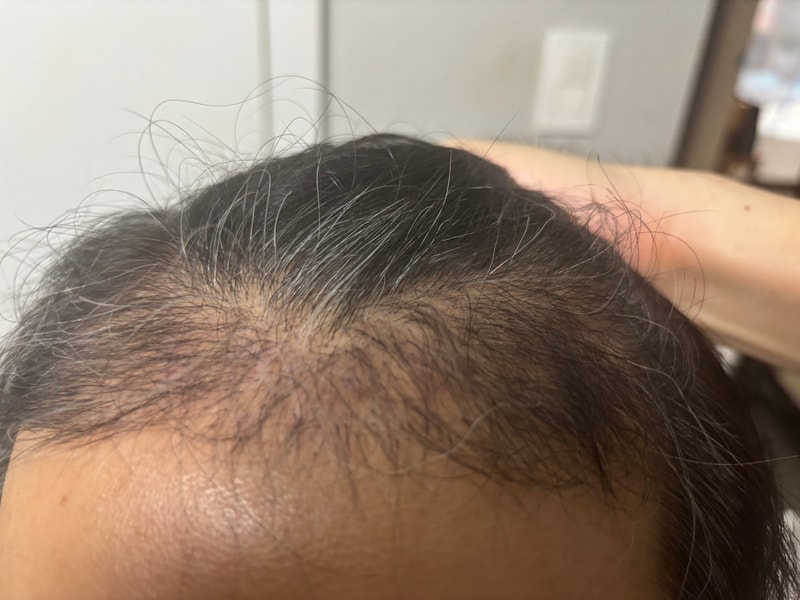
 NEWHAiR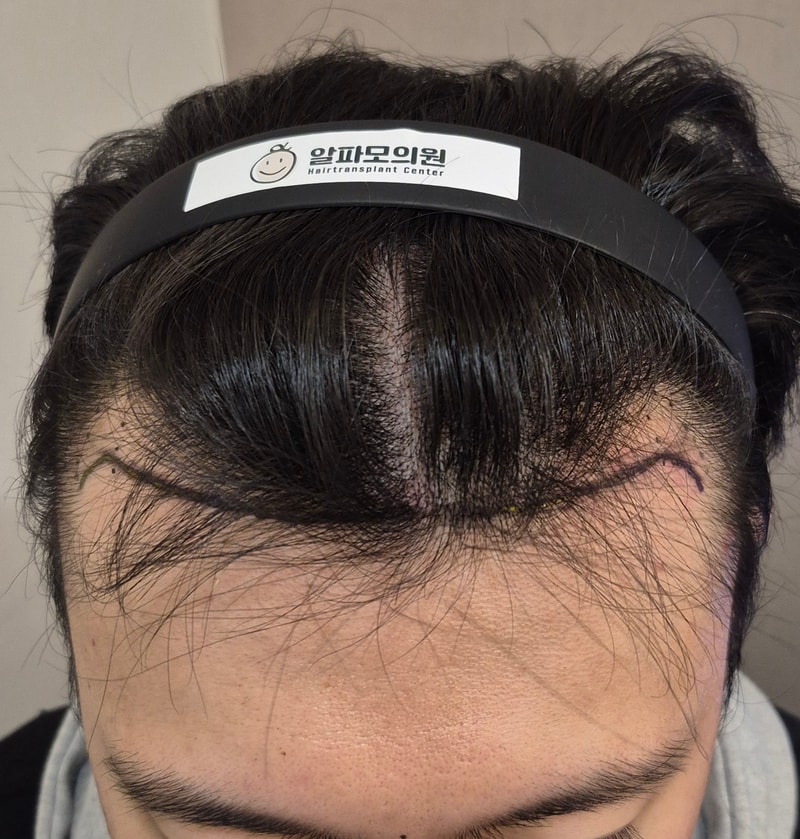
 an alpha-mocking circle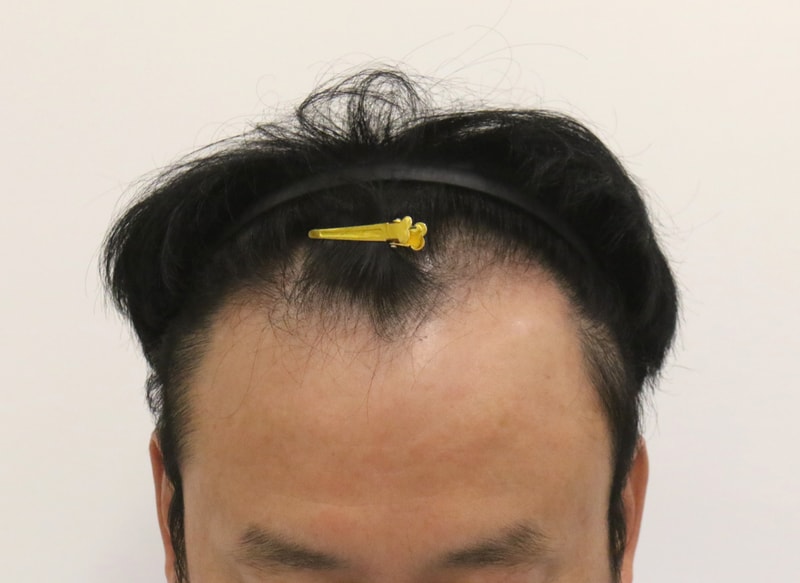
 Mammoth Hair Restoration Center Busan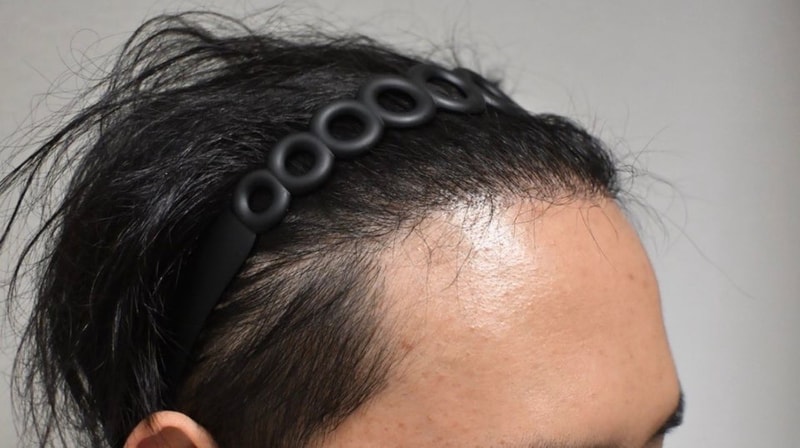
 Modaol Hair Transplant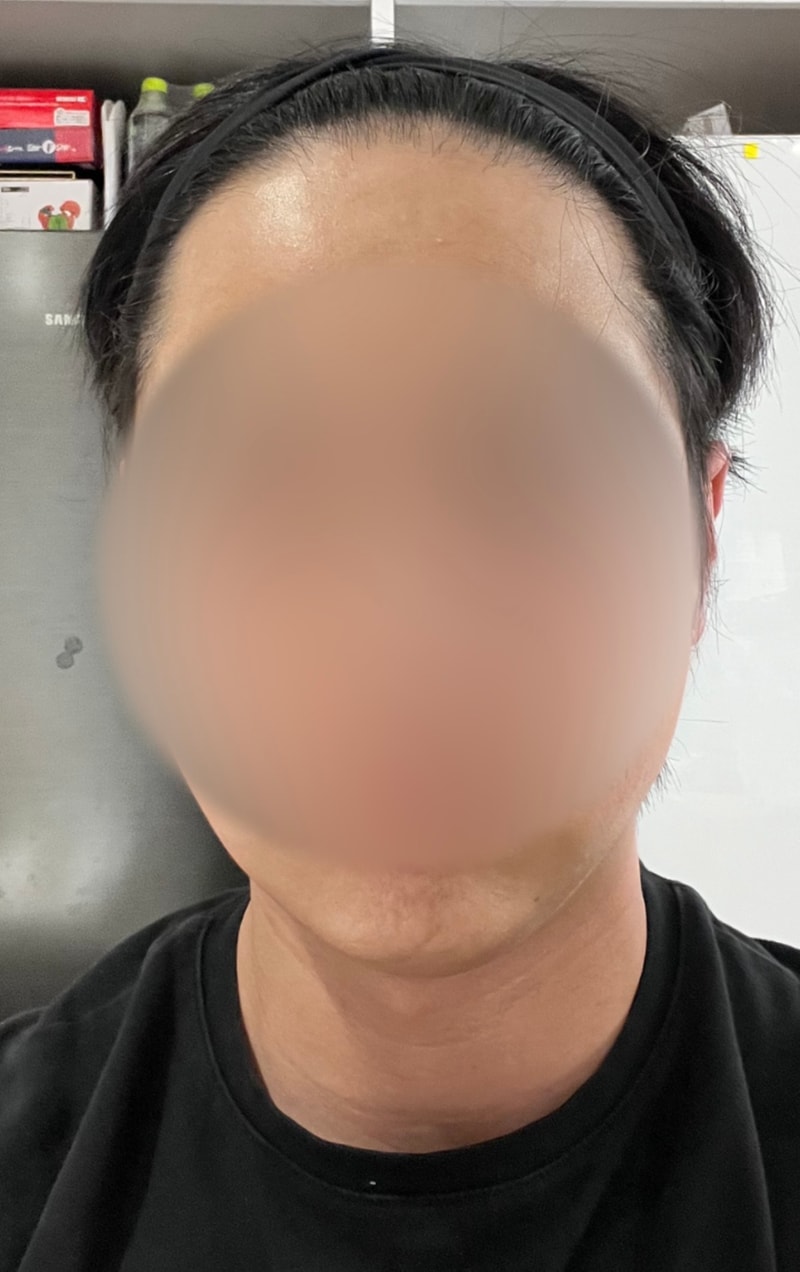
 MYMO HAIR TRANSPLANT CENTER Incheon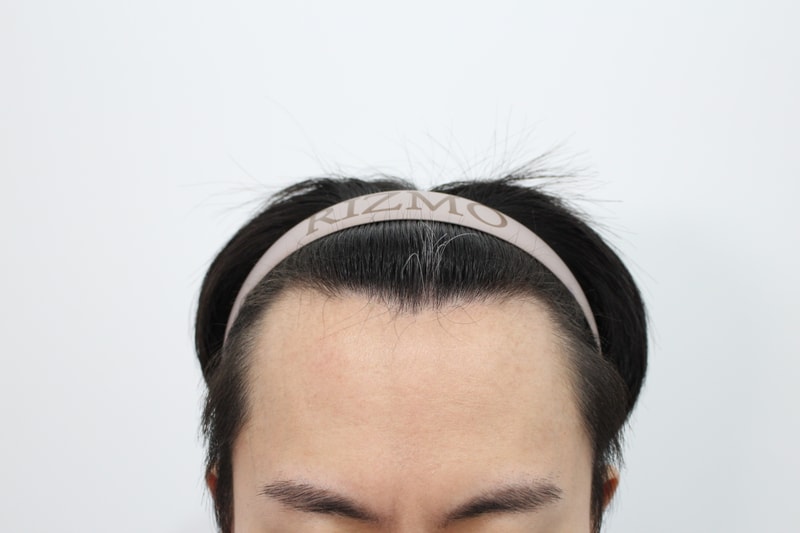
 Rizmo Clinic - Busan Branch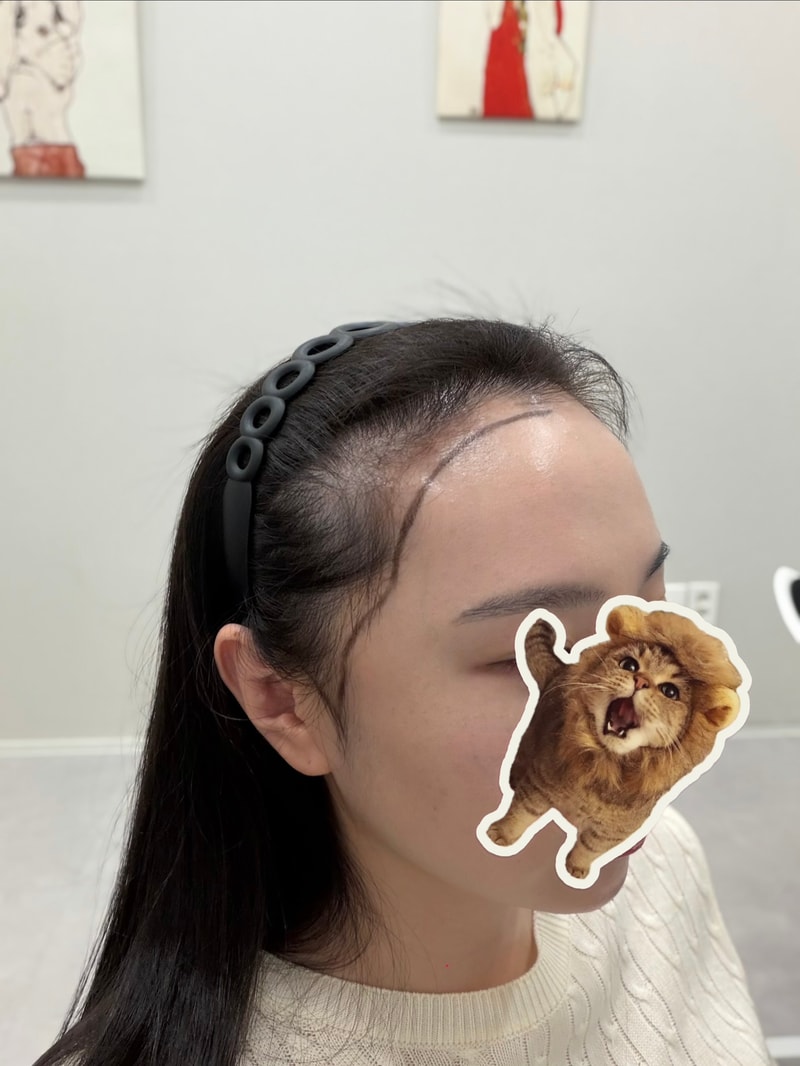
 HAIRO HAIR TRANSPLANT CENTER Dongtan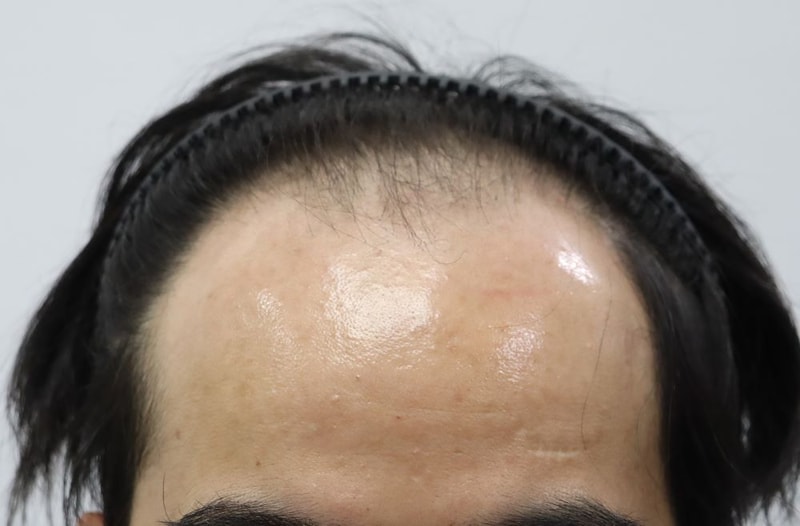
 FORHAIR Hair Transplant Korea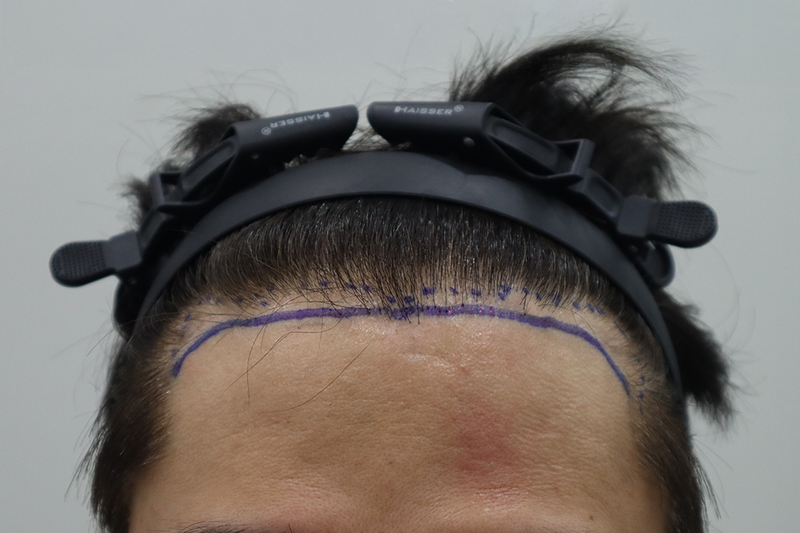
 HAIRO HAIR TRANSPLANT CENTER Jeonju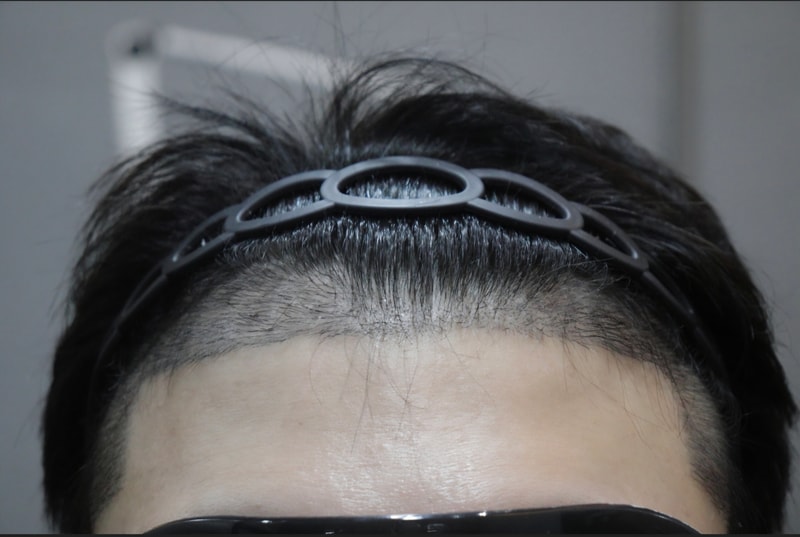
 apgujeong mobien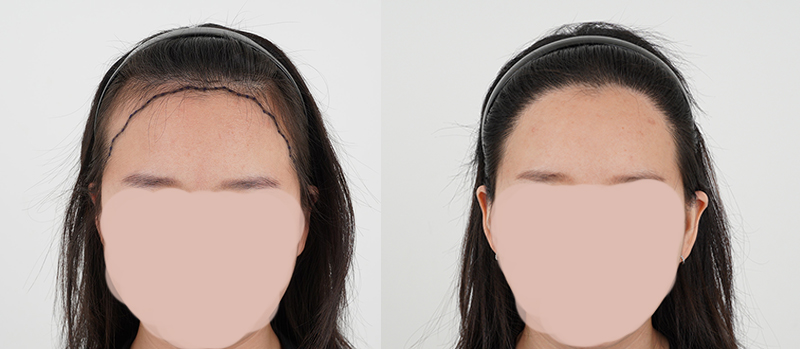
 MOMO's Suwon branch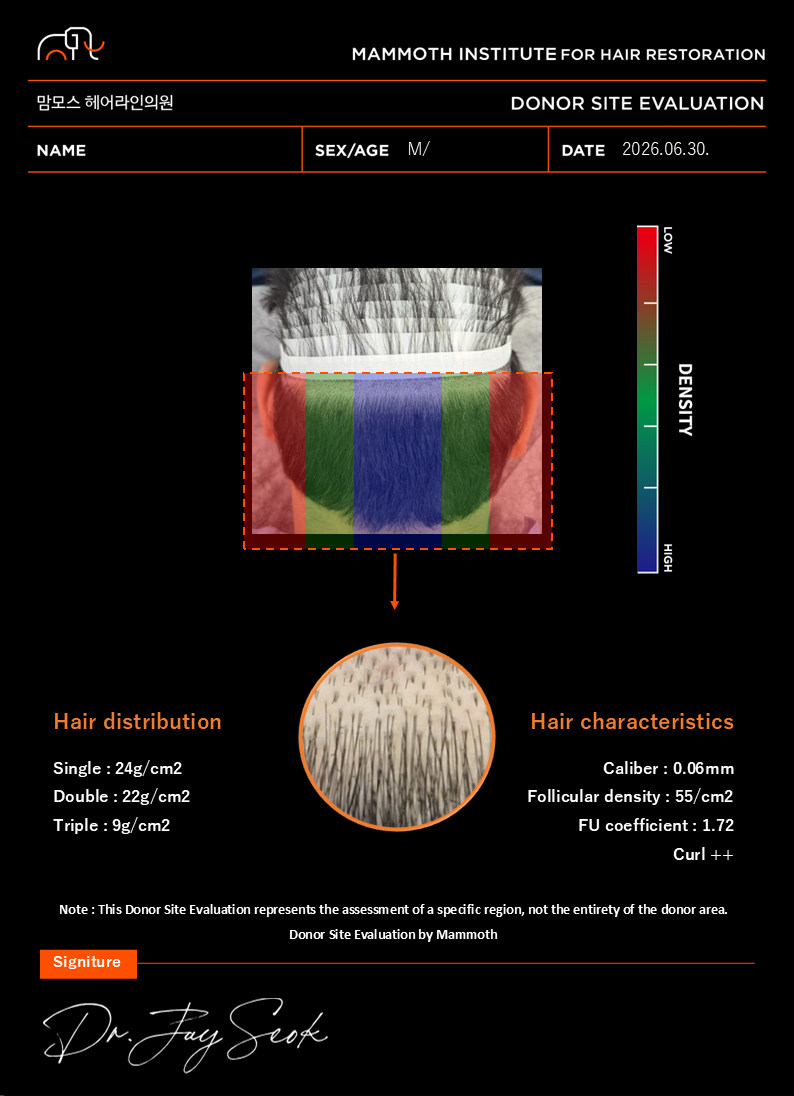
 Mammoth Hair Restoration Center, Apgujeong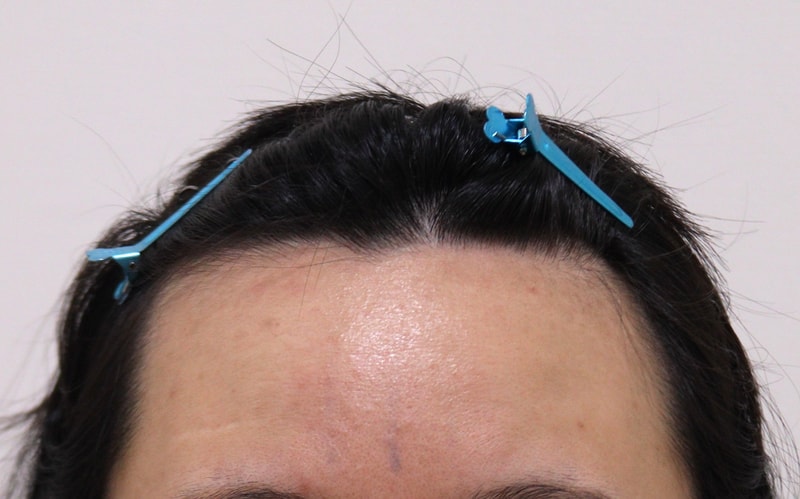
 Mo&Bless Hair Clinic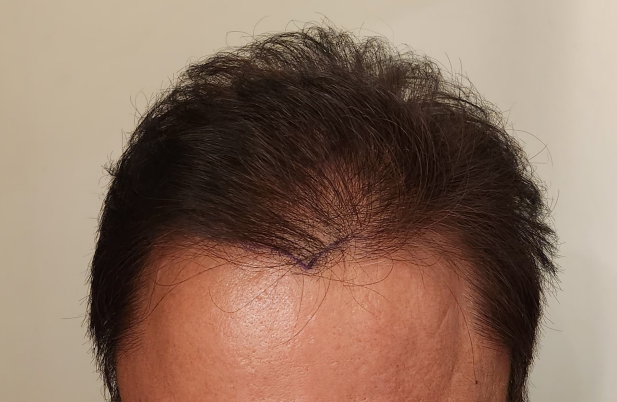
 Yonsei Mobelle Clinic - Daegu Branch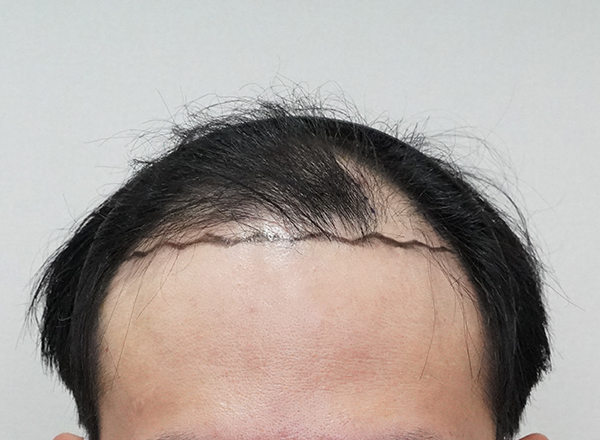
 Momo Clinic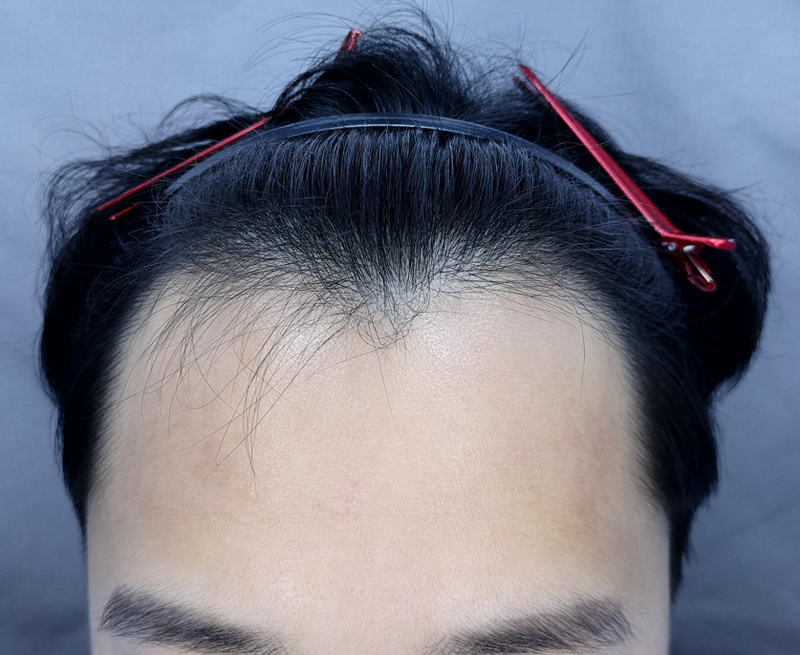
 The Jongno Headquarters of the Yonsei Mobel House
 JP Hair Transplant Clinic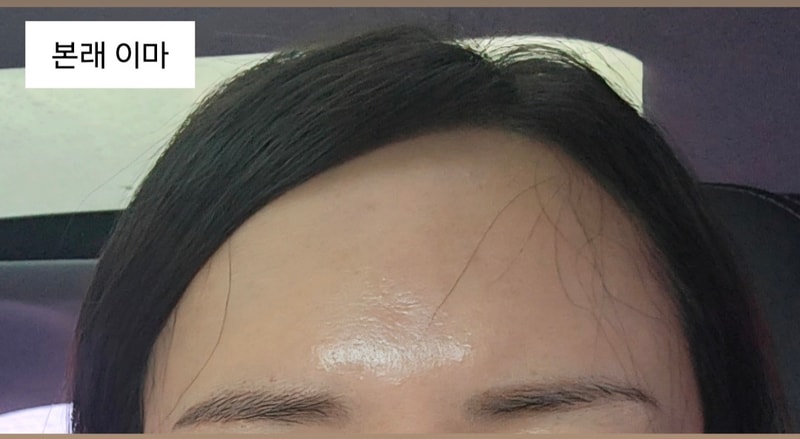
 Banal Plastic Surgery Clinic
 MOUDA CLINIC
 MOBARUN HAIR SURGERY
 GLOWELL
 MOJELIM Hair Transplant
 Moment Clinic
 Motion Hair Clinic
 MOAMAN CLINIC



Comments