It seems that it is usually divided into transferring hair loss to genetics or passing hair loss to a pathological phenomenon. The former could be a medicine usually represented by Yang medicine and Finastpad (pka, ppe) and Dutta, which would be marketed in the future, and the latter could be representative of natural medicine.
The biggest difference between oriental medicine and Western medicine is that oriental medicine grasps the human body in macro and Western medicine grasps the human body in micro. In other words, Western medicine explains the human body at the cell level (or less), and oriental medicine describes humans on a macroscopic basis, such as sun, noise, or sheep..I don't know what to do, but you deal with the disease by dividing it into constitution. Likewise, the human phenomenon of hair loss is explained by hormones, enzymes, and genes in Western medicine, while oriental medicine seems to be approaching it from the perspective of weak kidneys and a lot of heat in the body. However, I think there may be confusion among novice hair loss workers when asked which one is correct. First of all, although it is much less these days, interest in oriental medicine has increased a lot, so we don't unconditionally dismiss oriental medicine as unscientific medicine, but it seems to be true that there are some doubts. First of all, the biggest blind spot of oriental medicine or natural therapy is that it overlooked the almost obvious genetic fact of hair loss. In other words, some said, "No matter how natural the therapy is, hair loss is hereditary, but hair loss is hard to avoid because it is genetically determined. Natural therapy cancer alone may make your body healthy, but it's hard to get rid of hair.So, you might say, "Eat your pen or hair transplant surgery is the best." And here on the mass therapy site, a few years ago, people were very skeptical of natural therapy. Most of the advice you're giving doesn't work even if it's natural.Many people said, "Please don't do it."
Also, even if you ask Western doctors about natural therapy, most of them seem to be negative answers rather than positive answers. And especially, questions that often come up are the effects of self-defense and the effects of acupressure. Most of the answers seem to be that there is no benefit to hair loss. Of course, I'm not an expert on him, so I don't dare not, but what I'm curious about is natural therapy, so I wonder if there's been a reasonable experiment with the effects of Jawney, acupressure, etc. on hair loss, or if there's a sufficiently convincing basis. In particular, regarding acupressure (or the relationship between blood circulation and hair loss), a Japanese scholar conducted an experiment and concluded that it had no relevance (investigating hair loss after wearing a rubber light that tightens your head for a few days). I wonder exactly what the experiment went through. I wonder if it was an experiment that could conclude that blood circulation has nothing to do with all hair loss phenomena.(Of course, it's likely to be an accurate experiment as much as the scholar did, but...I suspect that there were not many subjects as far as I can remember from my clumsy reading of the article. And what kind of control procedures did they perform..)Other effects such as self-defense and natural therapy probably don't seem to have specific experiments. But what's interesting is that a lot of Westerners also refer to stress when they talk about hair loss, but it's an acquired factor that's never genetic. Also, whether there was an experiment or the specific evidence seems to be ambiguous. Obviously, I may also be wrong because I don't provide accurate data, but Western answers to some factors also seem to be different. In my mother's case, a dentist told me that I have to pull out all my teeth and then I went to another hospital and said, "No, it's going to be born when it's treated." It's really confusing who's right.
After all, whose judgment is the final one? You make the final judgment yourself, and if you look at oriental medicine, you can experience a miracle-like healing case in our experience or in many people's experience that cannot be explained by Western alcohol. I don't think oriental medicine, which has been formed for thousands of years, can be a sham.Of course, it's a little suspicious.However, the biggest strength of oriental medicine in Western medicine is the classification of humans as constitution. Most Western alcohols are treated consistently without neglecting their constitution. But humans can't all be the same.
I think it's a little rambling..In the end, it seems difficult to say who is right or wrong in Western medicine and oriental medicine. In the end, it may be individual freedom to divide it thoroughly by choosing one of the Western oriental teeth, but dividing it in that way will result in complete abandonment of the other precious tooth.
In other words, if you conclude that hair loss is hereditary, it's really depressing. Genetics is a hard-to-avoid definition..And if you come to this conclusion, you're going to stick to it thoroughly, and you come to the conclusion that hair loss is a disease, that it comes from the imbalance of the human body, it might be hopeful. If you find the cause and fix it, hair loss can be treated cleanly.If so, I think we can completely turn to natural therapy (or other oriental medicine).
But..Common sense.. (Did I drag on too much common sense for a long time?^^;)Hair loss seems to contain both genetic and acquired pathological factors. Genetics seem obvious, and the position of seeing hair loss as a disease can be seen as a kind of disease caused by our body's imbalance and our wrong habits.In other words, this is the position of oriental medicine.
It seems to me that the causes may differ depending on the type of hair loss, but basically starting with genetic factors, the imbalance of the body accelerates or has a bad effect on hair loss. In other words, I don't think it would be desirable to stick to either inheritance or disease. The reason I'm saying this common sense is because when I read the posts on the bulletin board, I think there are people who insist on only one therapy.
Of course, there are a lot of people who don't.So, especially for novice hair loss people, I wanted to be a reference, so I'm telling you..
And I've posted it once before, but it may be too natural that there are no specific experiments such as acupressure effect, massage effect, or natural therapy. First of all, you need money to do experiments, and you need to have something to pay for, but isn't it because these natural remedies are far from that? Chiropractic or natural remedies are recognized to work, and there's nothing good about pharmaceutical companies in particular. I've heard that the hair loss market is enormous, but if you announce the official experimental results that black beans are good for hair loss treatment for no reason, it can be a huge loss. As a result, the effectiveness of natural therapy seems to be weak and tends to rely on only a few individual cases.
It's been too long..The duality of hair loss, such as the tension between genetics and disease ^^So there seems to be a conflict between vague suspicions and misunderstandings and the subsequent choice of Western and oriental medicine.
Anyway, I'm sorry for using it too long, and if there's anything wrong, please point it out.
Oh, I don't always trust natural therapy, but I highly recommend it to beginner hair loss people. The reason is that the effectiveness is difficult to say on a solid basis, but above all, it is a very efficient treatment in terms of price and cost.
If you decide to treat hair loss, you have to consider the effectiveness and always the cost at the same time. Natural therapy, especially taking black beans and sesame seeds, seems to be the most basic element of hair loss treatment in terms of reliability and cost.




 남자는머리빨77
 dsa111
 기다림m
기다림m
 Mopro Clinic
 MO.1 plastic surgery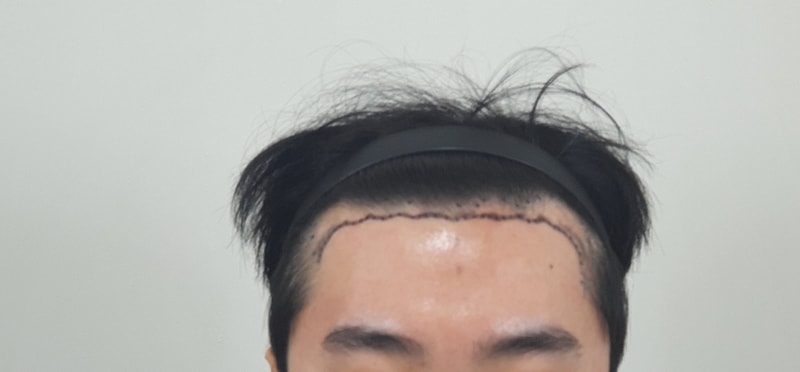
 Yong Doctor Hair Transplant Surgery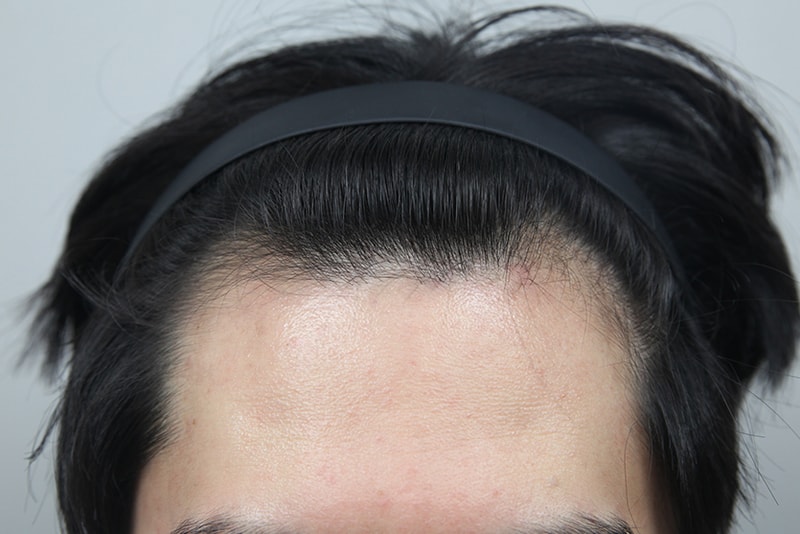
 MONARA dermatology clinic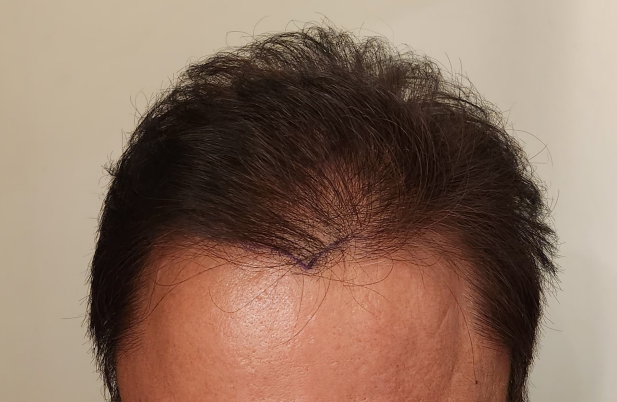
 Yonsei Mobelle Clinic - Daegu Branch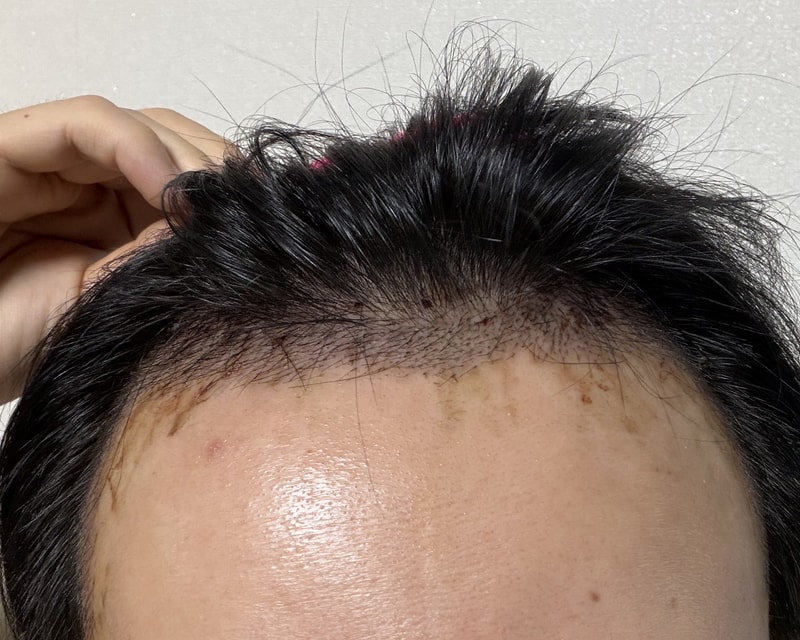
 Mowoolim Clinic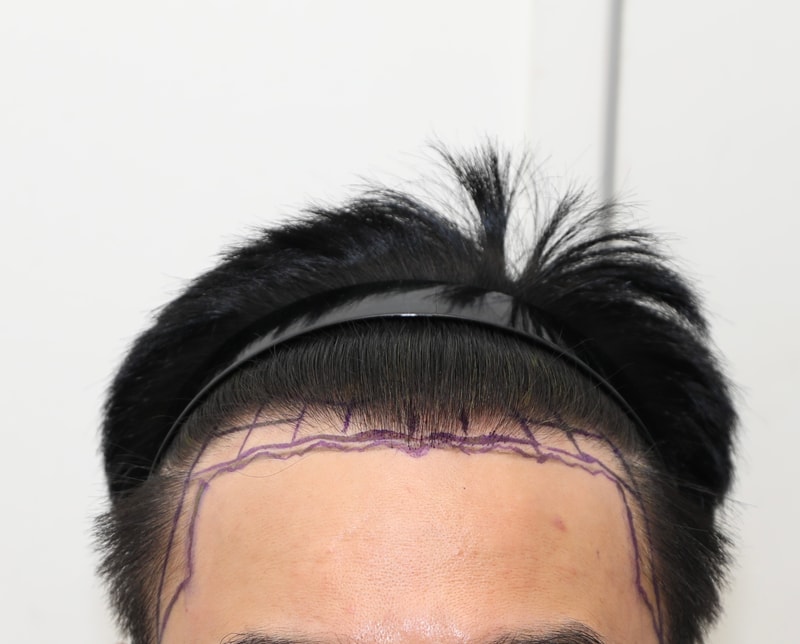
 NEWHAiR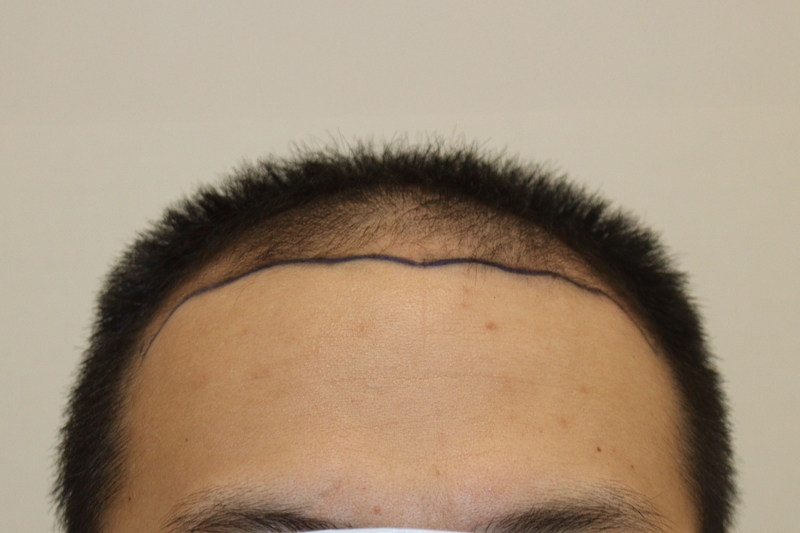
 HAIRO HAIR TRANSPLANT CENTER Daegu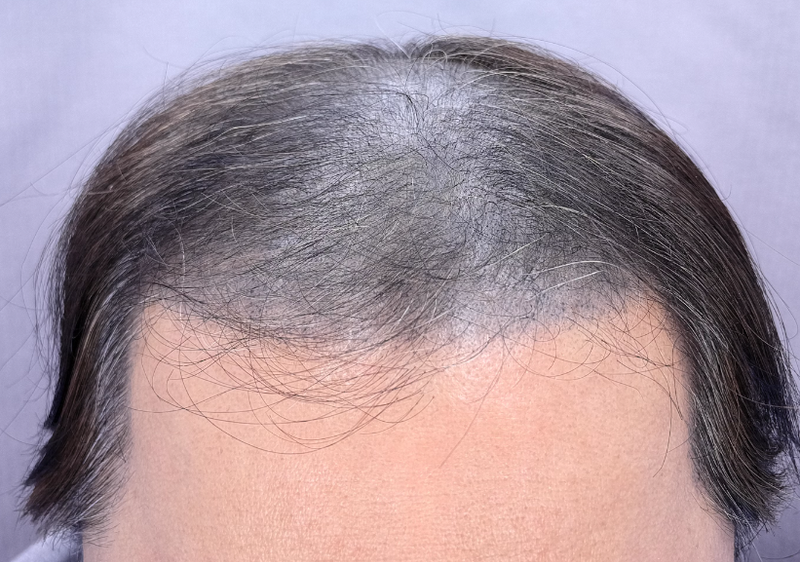
 Yonsei Mobelle Clinic - Incheon Branch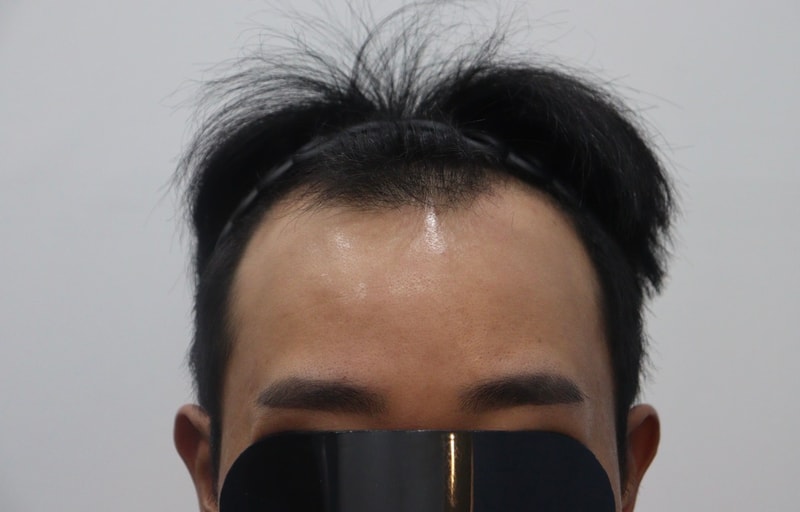
 apgujeong mobien
 Incheon Mammoth Hair Restoration Center
 Hannaeve plastic surgery
 Momo Clinic
 an alpha-mocking circle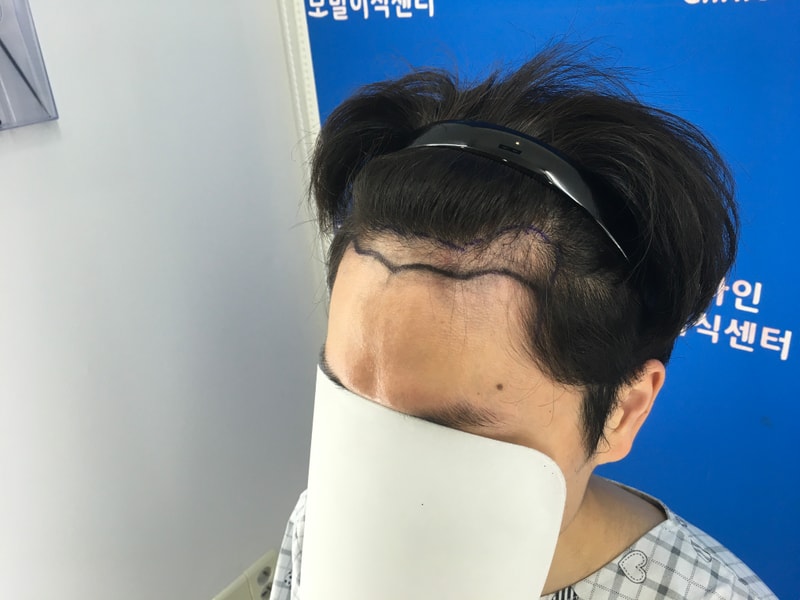
 The Nobleline Center for Alopecia Care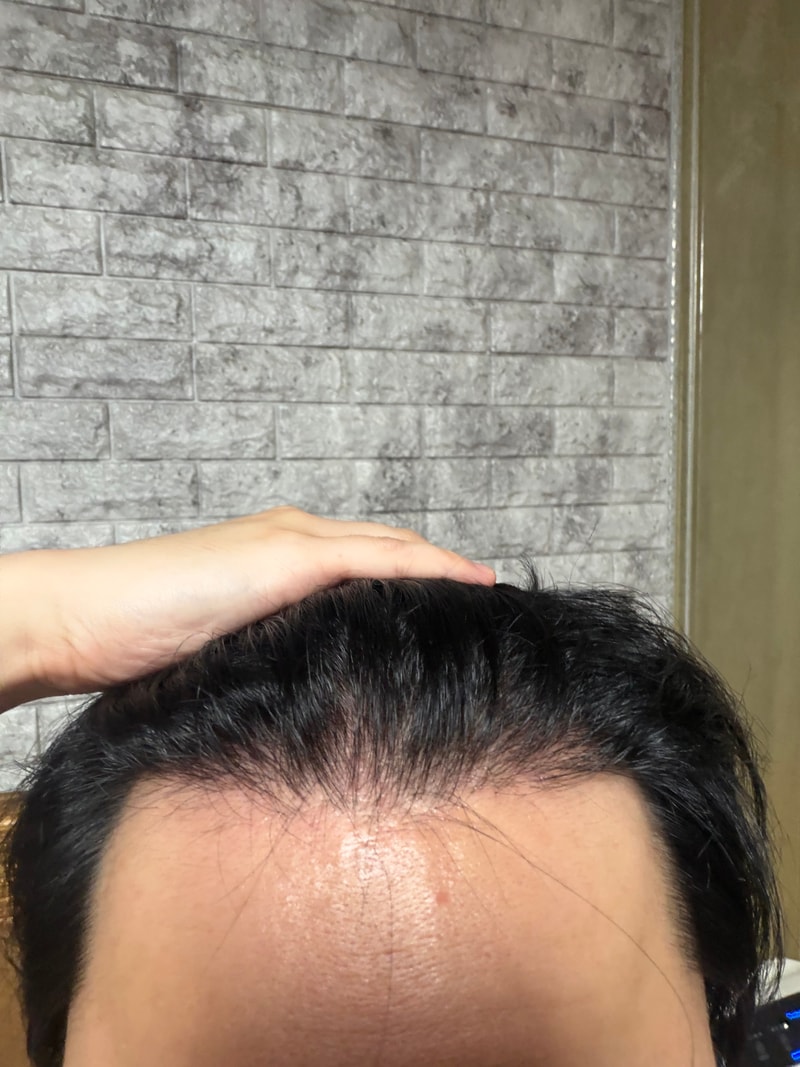
 MYMO HAIR TRANSPLANT CENTER Incheon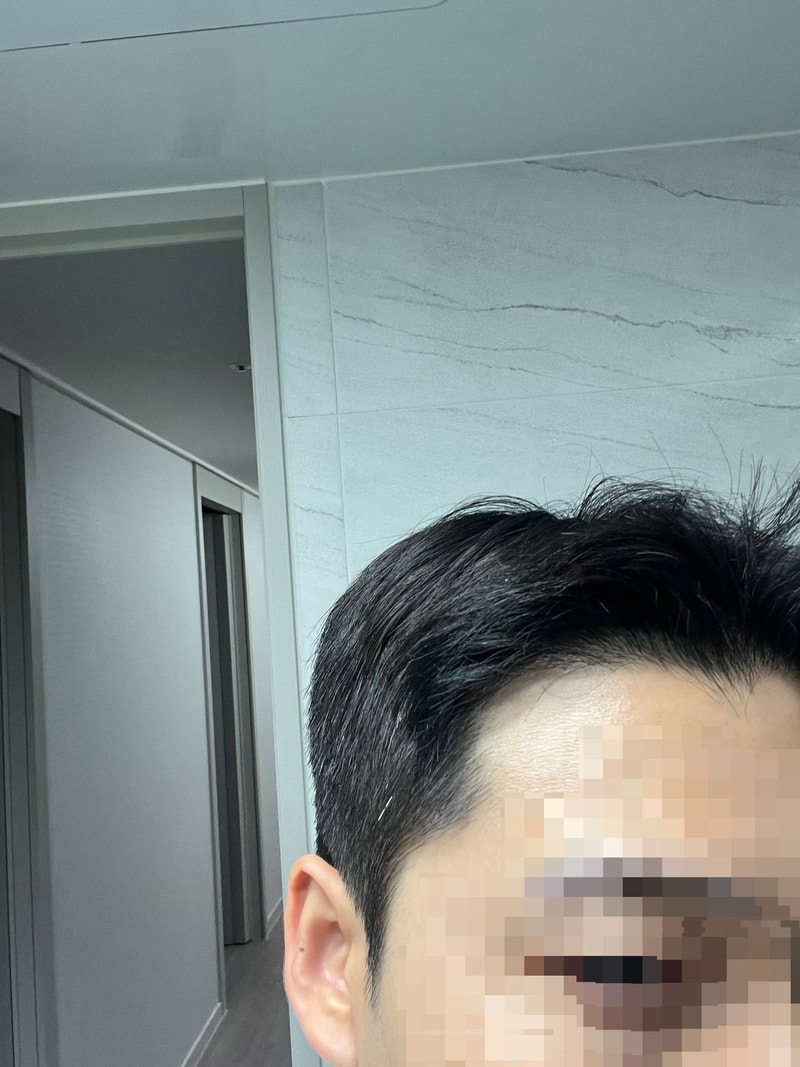
 Mo Jaesung Plastic Surgery & Hair Transplant Center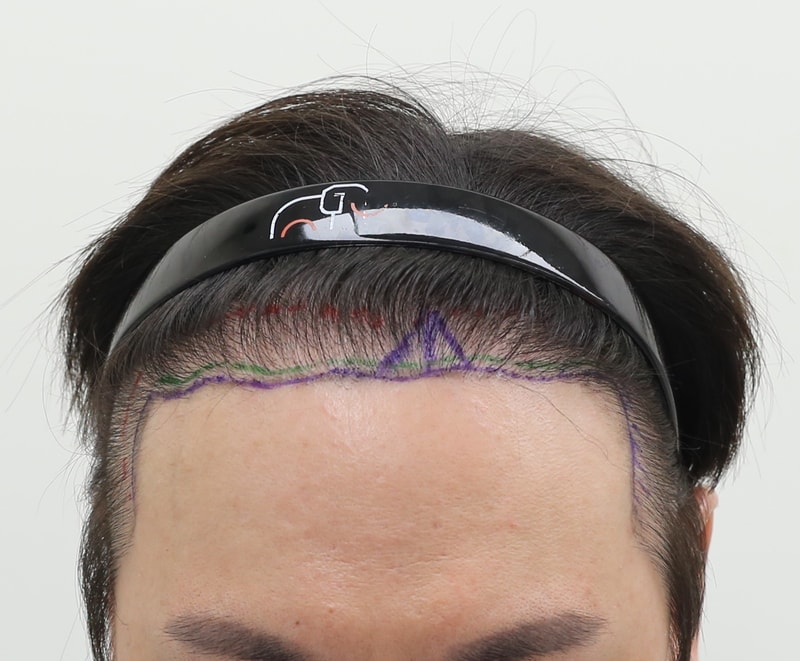
 Mammoth Hair Restoration Center, Apgujeong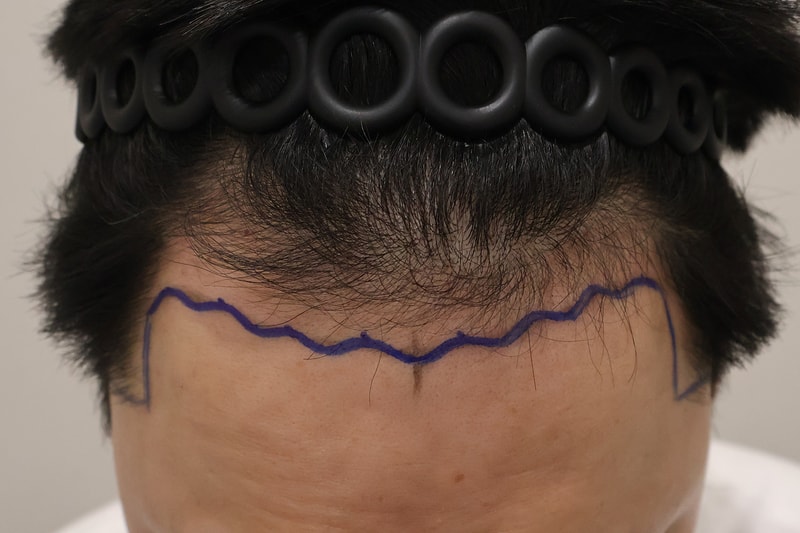
 HAIRO HAIR TRANSPLANT CENTER Dongtan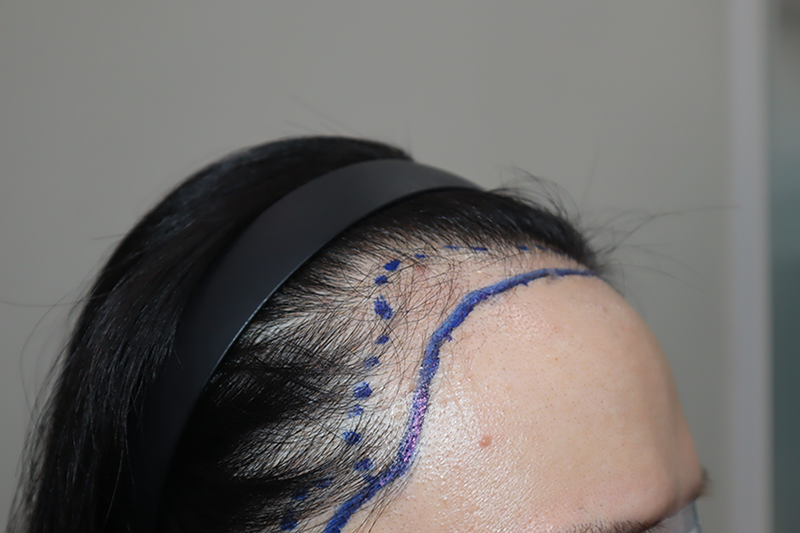
 HAIRO HAIR TRANSPLANT CENTER Jeonju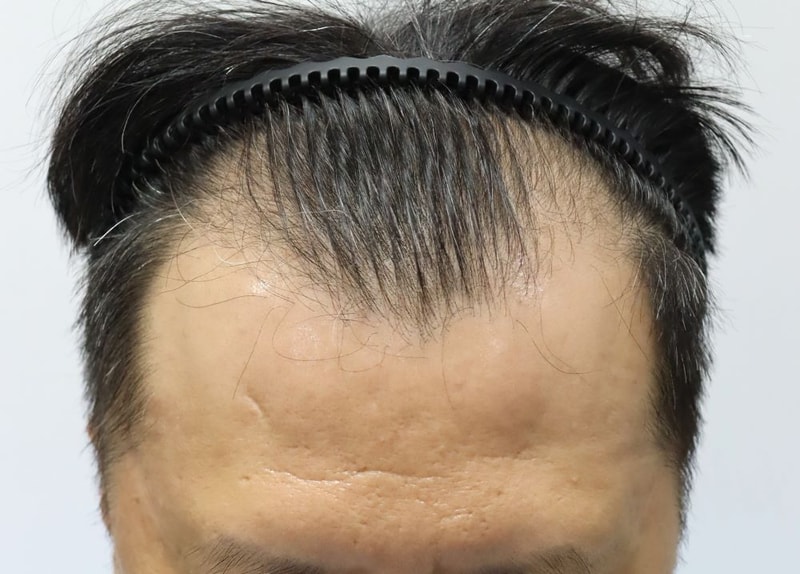
 FORHAIR Hair Transplant Korea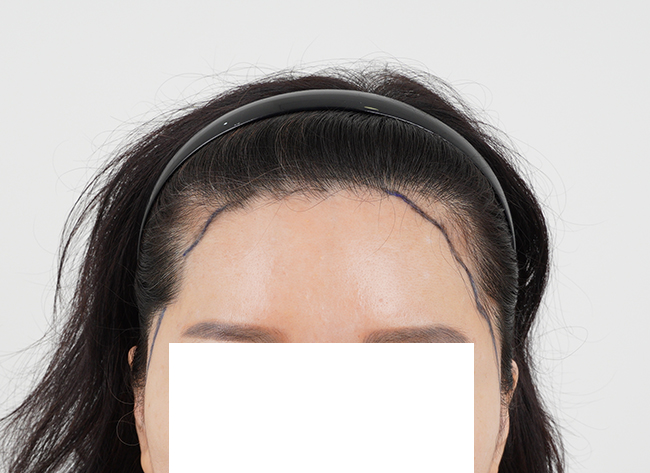
 MOMO HAIR TRANSPLANT
 MOEM Clinic
 WOOMCHAN Hair Transplant Clinic
 HAIRO HAIR TRANSPLANT CENTER Busan
 Mammoth Hair Restoration Center Busan
 The Jongno Headquarters of the Yonsei Mobel House
 Modaol Hair Transplant
 Mo&Bless Hair Clinic
 Moderhamm Clinic — Hair Transplant Center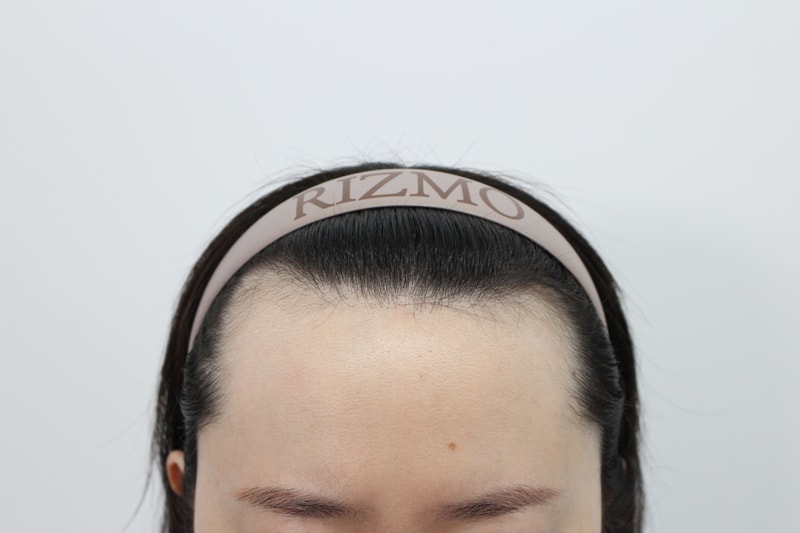
 Rizmo Clinic - Busan Branch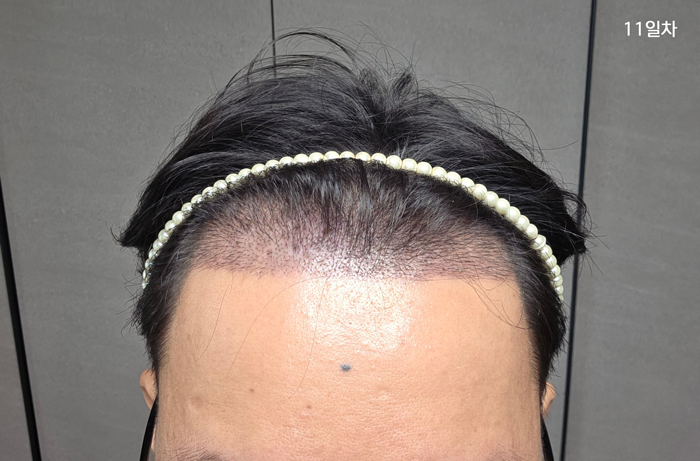
 Modi hariplant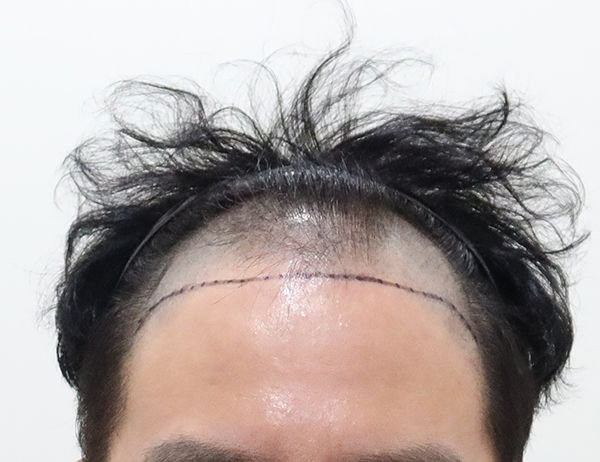
 Momo Clinic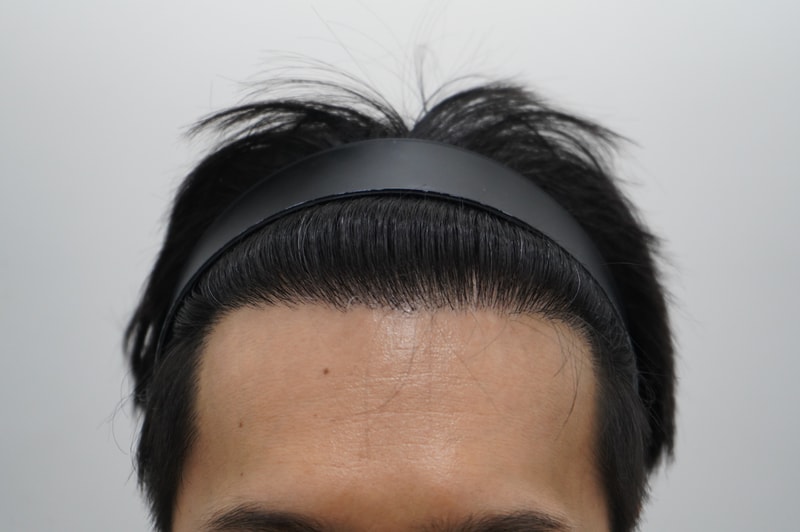
 moart clinic
 Modeunmo Clinic
 Busan Grow House
 JP Hair Transplant Clinic
 Banal Plastic Surgery Clinic
 Dana Plastic Surgery
 MOUDA CLINIC
 MOBARUN HAIR SURGERY
 MOMO's Suwon branch
 GLOWELL
 MOJELIM Hair Transplant
 Moment Clinic
 Motion Hair Clinic
 MOAMAN CLINIC



Comments