There is an analysis of the type, but there is no solution.
I'm a typical dry-hearted person..
The symptoms are pretty much the same
Symptoms started for three to four months.
The Great Escape Wrote:
> I'm posting something good in the book.
>
> Three basic types of hair and scalp conditions
>
>
> 1) Standard type
> He is the most intelligent person with beautiful, glossy hair and healthy scalp.
> For standard hair and scalp, first of all, the three processes of hair growth, regression (degenerative), and hair loss (rest period) are repeated normally, so that they do not become bald.
> If you lose 60 to 120 hairs a day, you have to grow your hair again to maintain the same hair shape, and this cycle is maintained for a standard person.
>The hair color is black and fresh, and the sebaceous gland works well, so it always maintains a silky hair that is shiny and shiny.
> Blood works well on the scalp and hair roots are supplied with various nutrients and minerals, so hair roots and hair roots are also healthy. When the hair that has been pushed out of the mother tongue goes through the regression path and goes to the hair loss period, the hair falls out, and at this time, the mother cells grow in the mother tongue and the new hair grows again. This phenomenon repeats itself as normal. There is no dandruff and it doesn't itch.
> Those who belong to the standard type are about 80% or more when they are children, but are reduced to less than 50% after their 20s. It is natural to move away from the standard sentence as the age increases, but in modern times, the standard sentence of young people and adolescents is gradually decreasing as the age group continues to decrease. However, it is important to know that even people with standard hair and scalp can suddenly become oily or dry one day.
>
>
>2) Jisung-hyung (Jiroo-sung)
> About 25% of the nation. Children, teenagers, and adults. It is distributed among both men and women, including the elderly.
> My head is always itchy and I often scratch it with my hands.
> In summer, when the weather is cloudy and sweaty, it's itchy, stuffy, and easy to get tired. The sebaceous glands attached to each hair are too large or there is too much oil production, causing a problem.
> If the oily scalp continues, the hair follicles are also full of oil, hindering the growth of momocytes, so new hair cannot be produced instead of missing hair, and eventually it becomes bald.
> The scalp is covered with oil and gradually weakens, causing inflammation. It does not have a normal color and turns red, or partially congestion and inflammation occurs. It does not have a glossy shape, and the hair is sticky, and it feels like the hair is lumped together and glazed.
> The state of dust, sweat, and oil persists, and even after hours of washing, my head smells unpleasant. It also has a lot of big, damp dandruff. Hair loss proceeds from the normal part of the scalp (corrections). However, it is characterized by not falling into groups, but falling out evenly. In other words, it is a dispersed hair loss type.
> As the thickness of your hair gradually decreases, your scalp begins to show clearly. The scalp on the top of the head does not adhere to the skull quickly, but if left unattended for years, the scalp also sticks and blood does not work. The main reasons are imbalances in diet, environmental pollution, and the use of misselected straighteners and shampoos.
> Most of them look filthy without keeping their hair and scalp clean. If you scratch it, it easily develops into scalp inflammation. Itches and causes sleep deprivation, and often scratches your head even when you sleep.
>
>
>3) Dry type
> The roots are dry, lack moisture, and lack oil, so the hair becomes fluffy. Hair loss easily progresses due to thinning and weak feet. Due to less oil production in the sebaceous glands and a lack of nutrition in the scalp, the scalp of the right part of the head becomes thinner and easily adheres to the skull.
> If the condition of dry scalp and hair continues for several years, rubbing the scalp with the tip of your finger causes pain and does not shake the scalp.
> As the hair falls into groups and the forehead begins to widen, the top of the head (top of the head) becomes thinner and the hair roots wither because blood does not work. When the skull and skull are attached together, all the hair is lost, resulting in double- and triple-decker baldness. Most of these bald heads are male. The top of my head is shiny. And the smooth shape is when the scalp adheres to the skull and the flow of blood is stopped. When you rub it with your hands, it's very hard. In this way, the blood flow stops, the hair roots are completely lost, and the nerves are paralyzed, so you don't feel pain.
> Women's dry hair and scalp are characterized by less hair, as if vegetables were thinned out in a vegetable garden. In other words, dispersal hair loss occurs. There are a lot of small white powder-shaped dandruffs and often flow over the shoulders, making them look very filthy. As expected, it's itchy, and if you scratch it badly, it's easy to become scalp inflammation.
>
> The scalp color is generally red. Inflammation occurs in places on the scalp, causing the scab to become black. The hair color is yellow or yellow and looks tired and weak. In addition, hair quickly turns white, making it easy to become gray at a young age.
>
> It appears frequently in people suffering from environmental pollution, psychological anxiety, or weakness for a long time, and wrong-selected shampoo and straighteners are also the main causes. It is also common in pregnant and pregnant housewives, and this phenomenon is also caused by drug addiction, insomnia, unbalanced eating, and excessive intake of processed foods. In particular, it occurs frequently in people with excessive dieting or weak constitution of digestive organs, kidneys, and liver.
>
> It is also a common phenomenon in adolescents who are suffering from studies and those who are under a lot of stress. Meanwhile, alcoholism, heavy smoking, and drug users usually develop dry scalp and hair.
>
> About 30% of the population experiences this phenomenon. In the agricultural era, when environmental pollution, drug addiction, food pollution, and stress were not severe, it was a phenomenon that appeared a lot in old age, and modern people experienced a lot even at a young age while suffering in the four major pollution above.
>
> Now, we need to change our perception to keep our scalp and hair healthy from an early age. In other words, let's realize and pay attention to the scalp and hair as valuable parts of the body. Let's not forget that after a lot of hair loss, you've already crossed a bridge that you can't come back to.
>
>
>





 K4993236009
 로또맘911
 다두리
다두리
 K4983758792
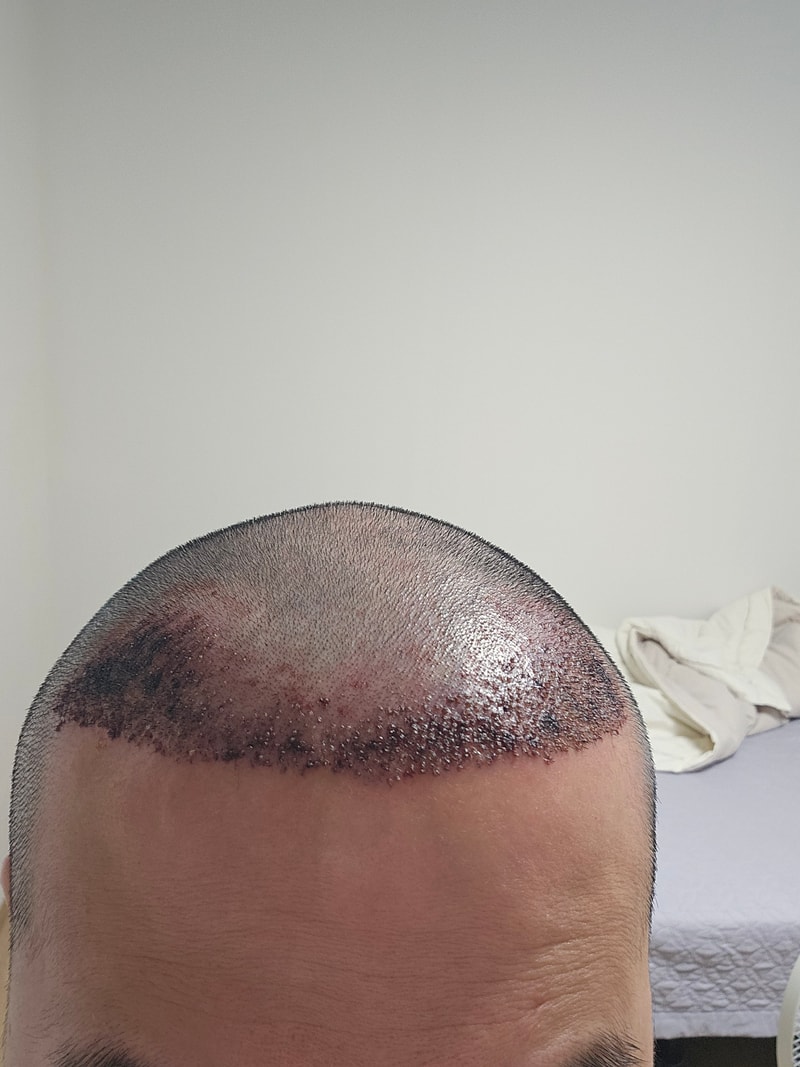
 MYMO HAIR TRANSPLANT CENTER Incheon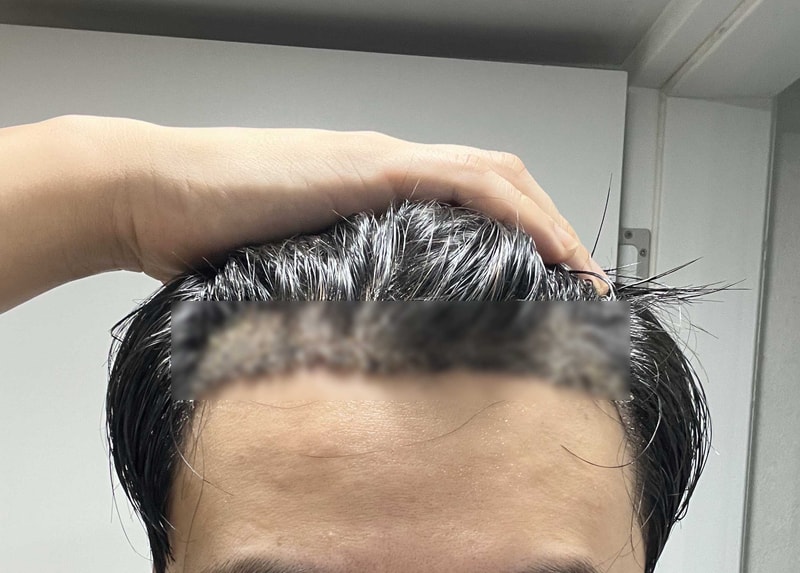
 Dana Plastic Surgery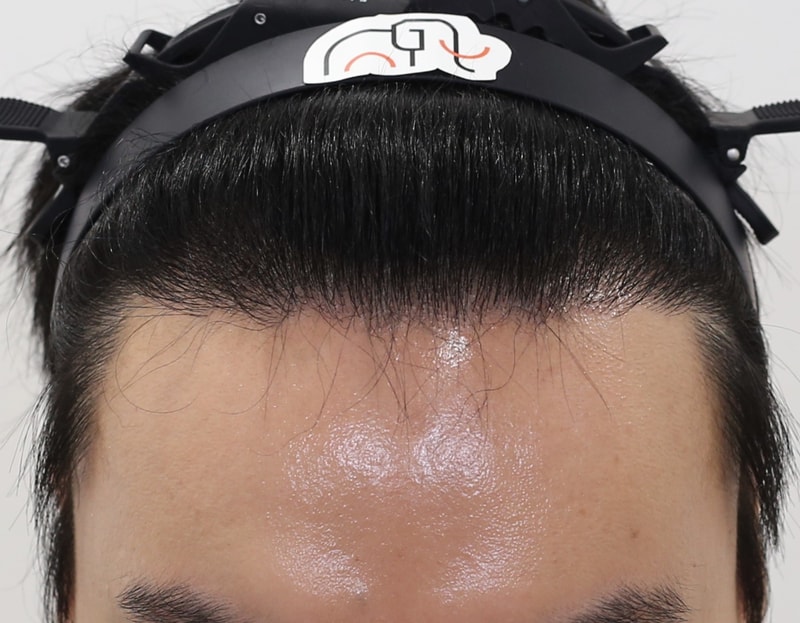
 Incheon Mammoth Hair Restoration Center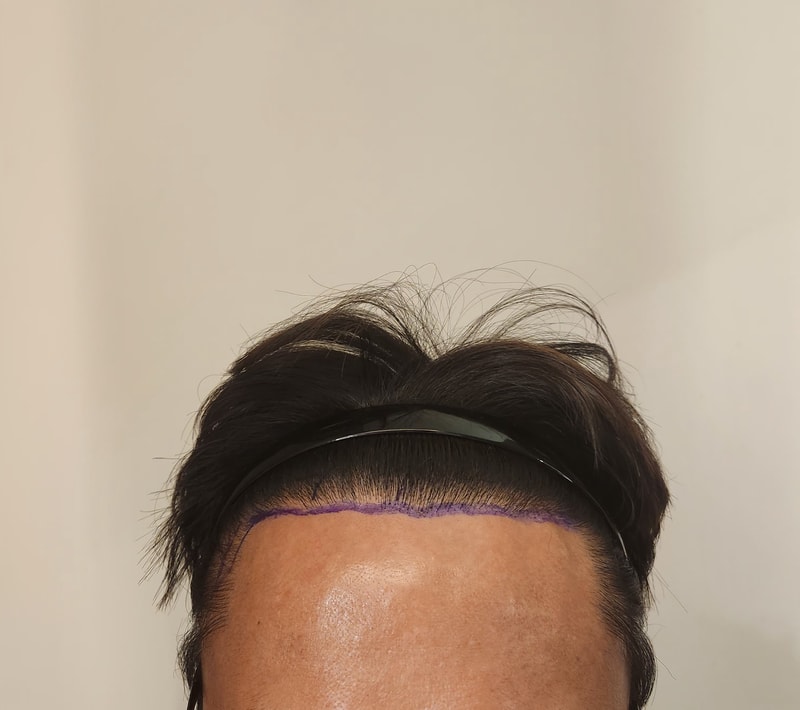
 Yonsei Mobelle Clinic - Daegu Branch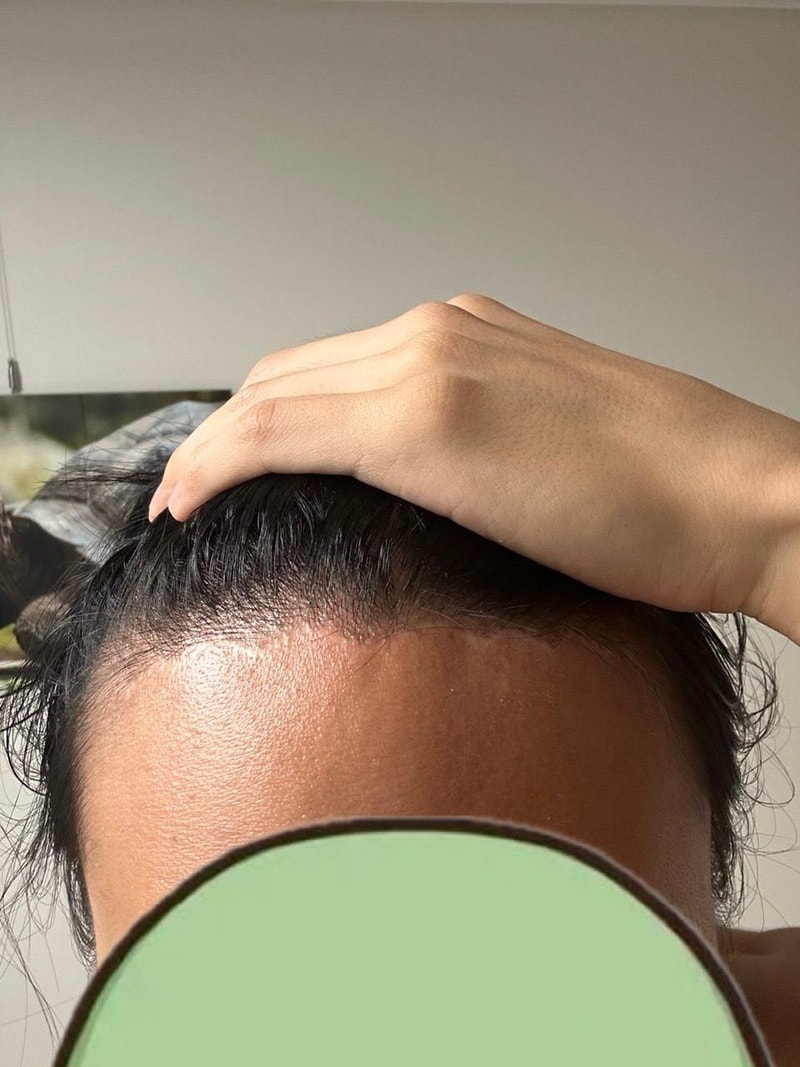
 Hannaeve plastic surgery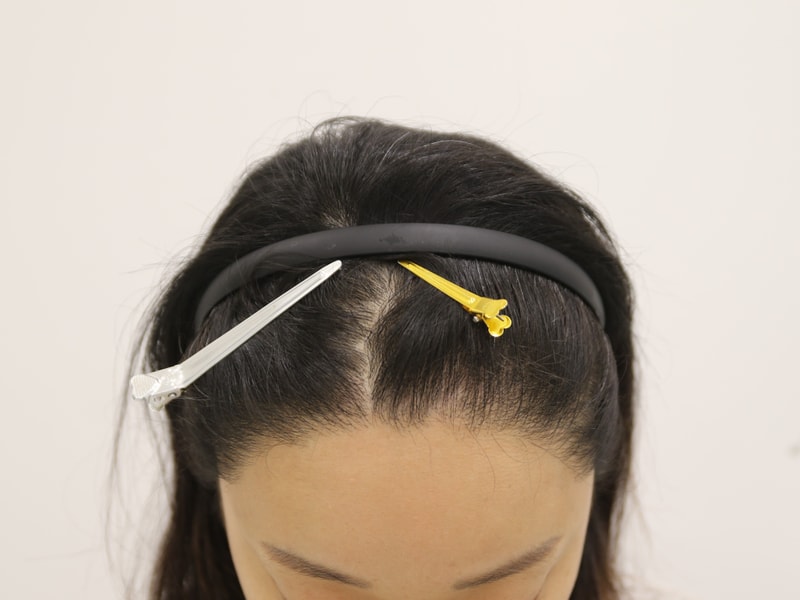
 Mammoth Hair Restoration Center Busan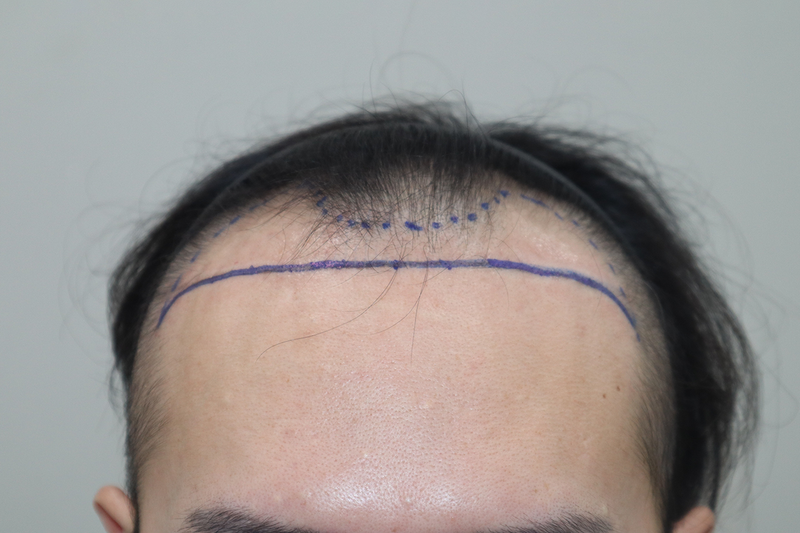
 HAIRO HAIR TRANSPLANT CENTER Jeonju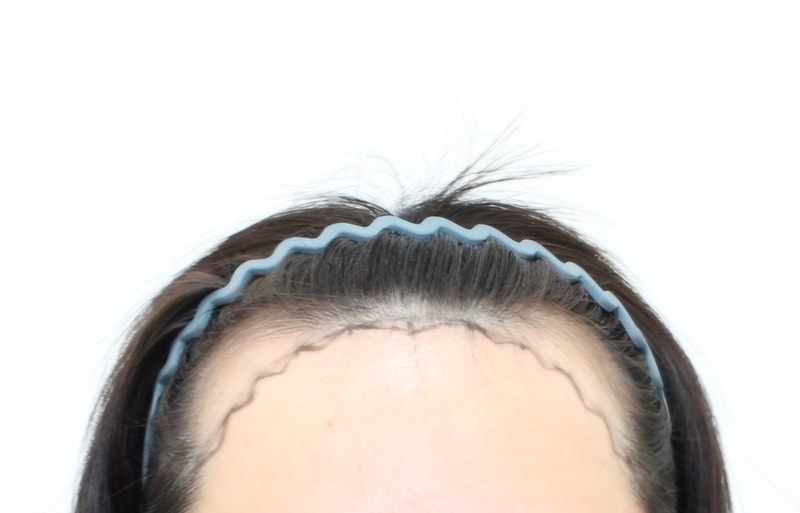
 Mopro Clinic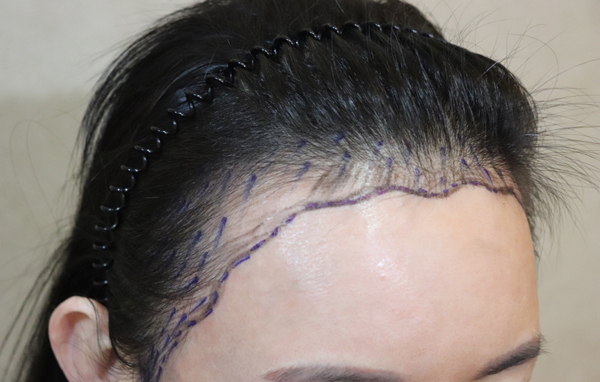
 JP Hair Transplant Clinic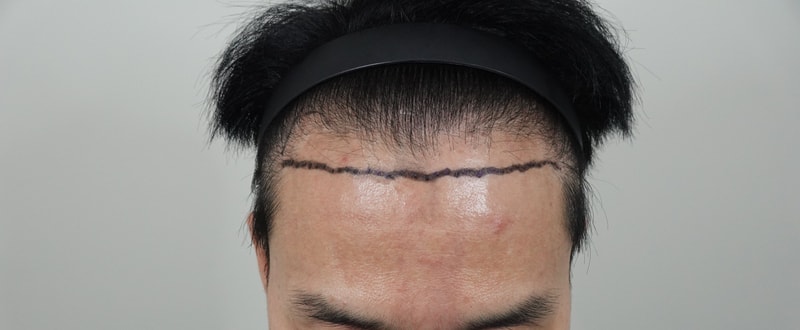
 Yong Doctor Hair Transplant Surgery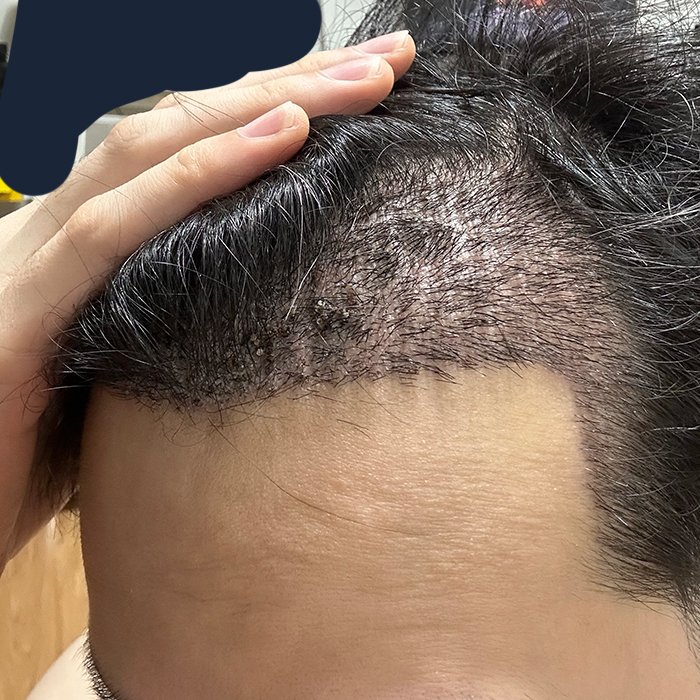
 MONARA dermatology clinic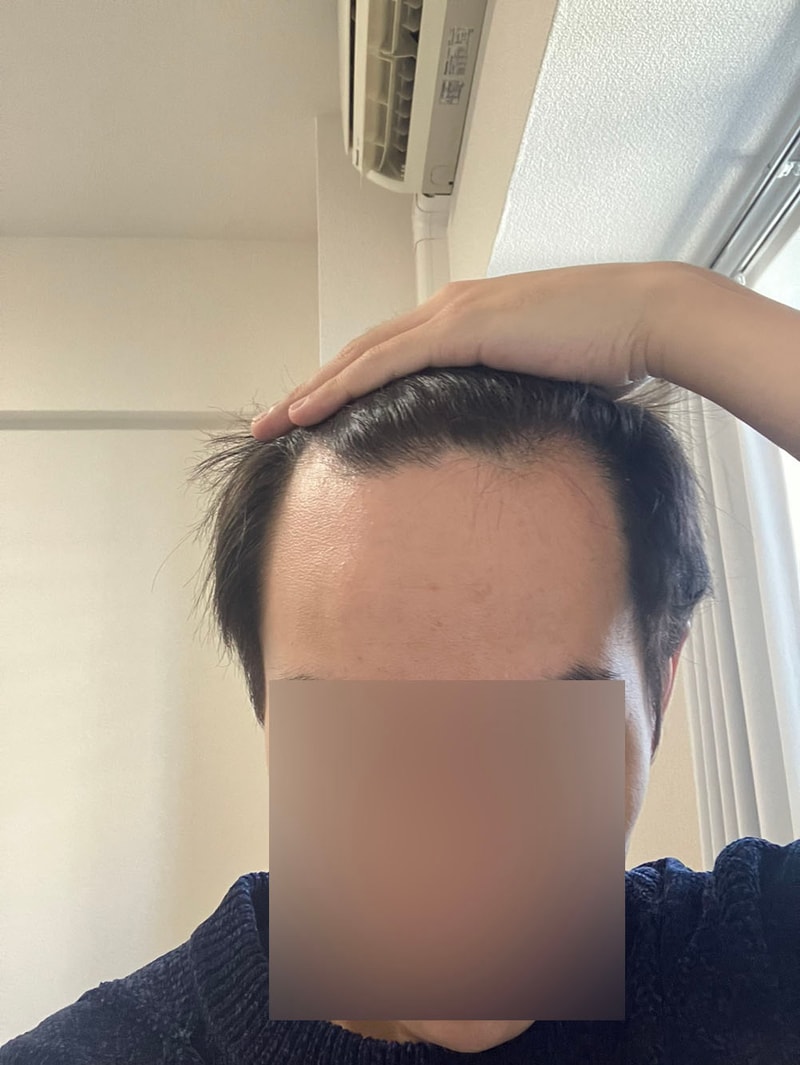
 MO.1 plastic surgery
 Modi hariplant
 Momo Clinic
 HAIRO HAIR TRANSPLANT CENTER Dongtan
 HAIRO HAIR TRANSPLANT CENTER Daegu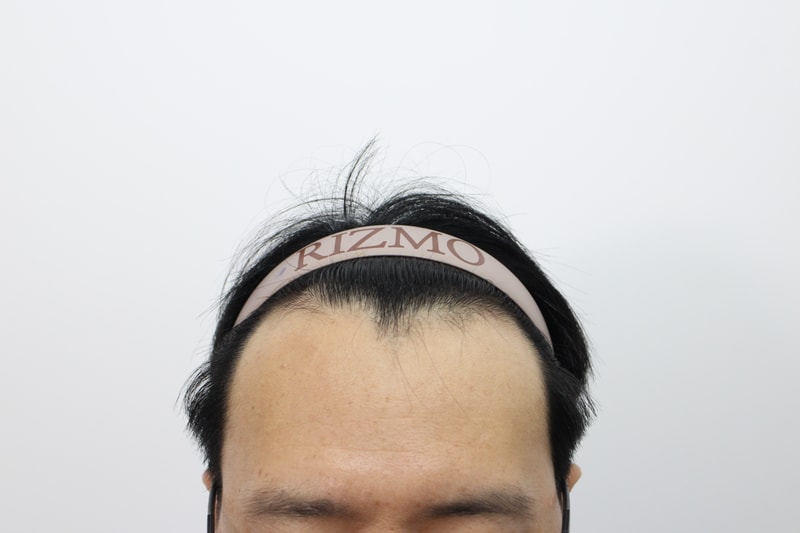
 Rizmo Clinic - Busan Branch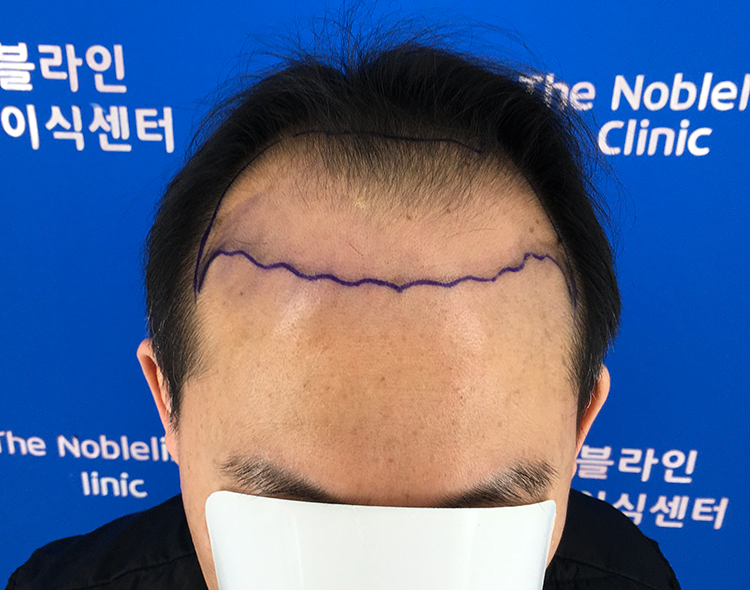
 The Nobleline Center for Alopecia Care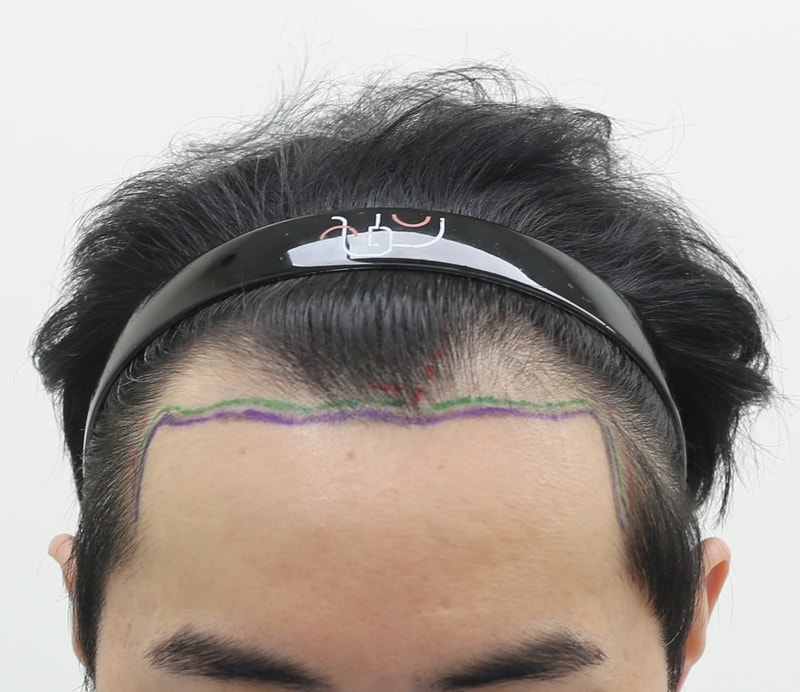
 Mammoth Hair Restoration Center, Apgujeong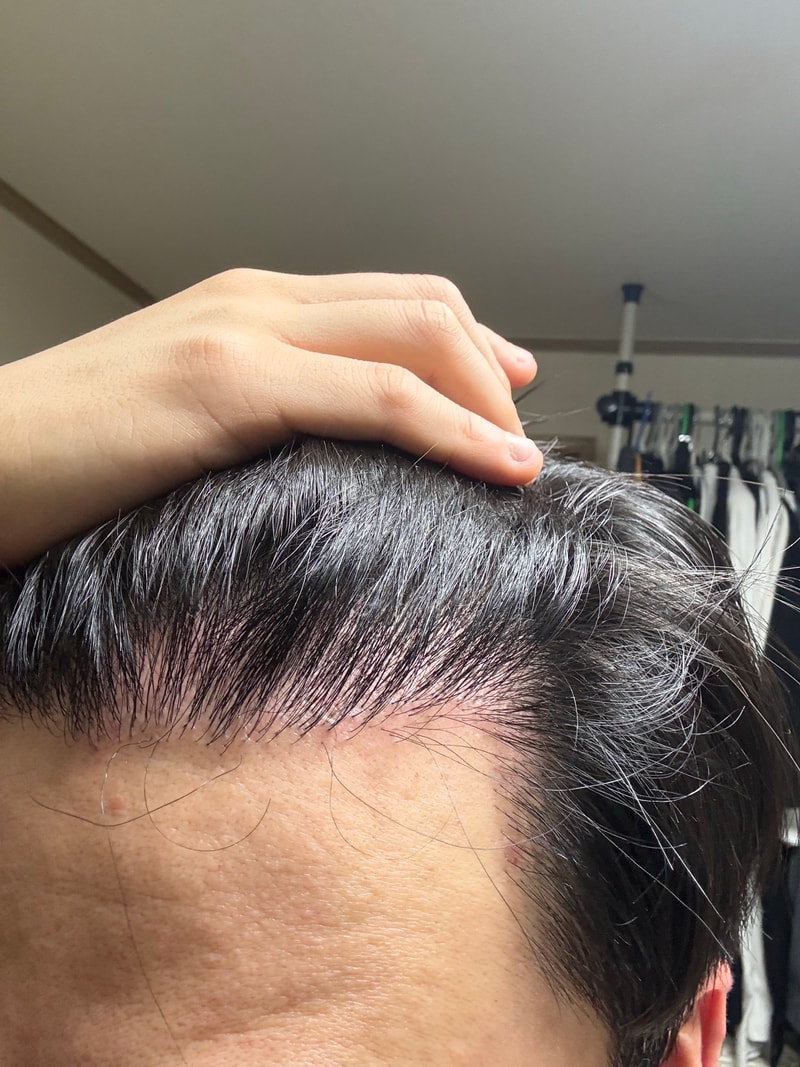
 NEWHAiR
 MOJELIM Hair Transplant
 Mo&Bless Hair Clinic
 Modaol Hair Transplant
 Mowoolim Clinic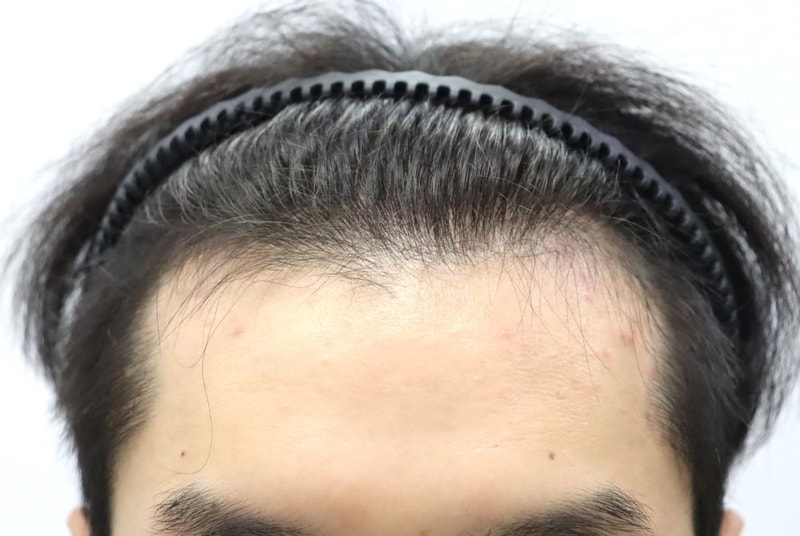
 FORHAIR Hair Transplant Korea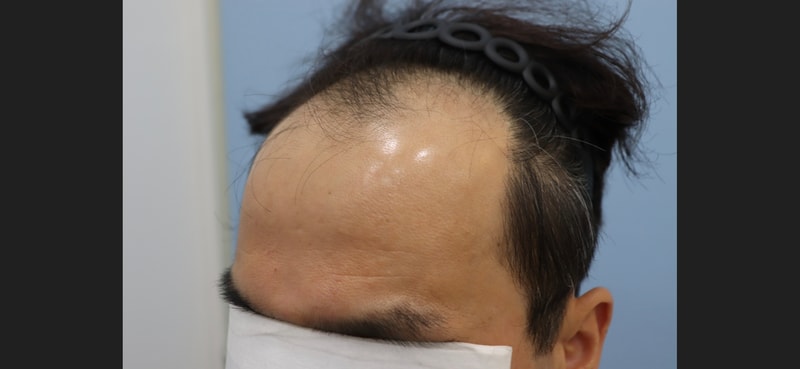
 apgujeong mobien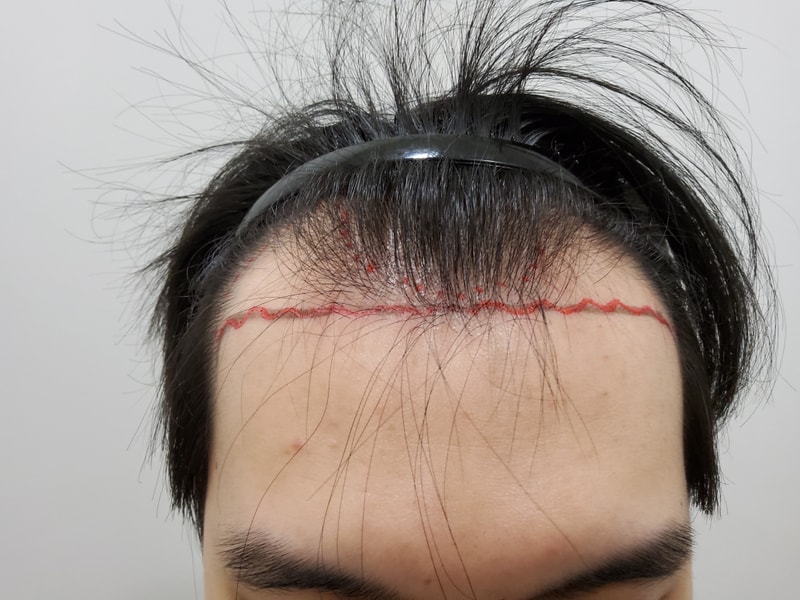
 Modeunmo Clinic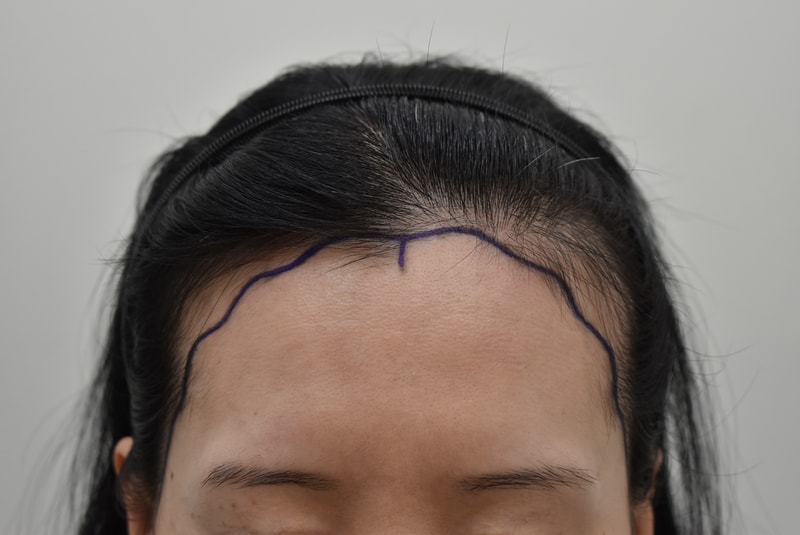
 MOBARUN HAIR SURGERY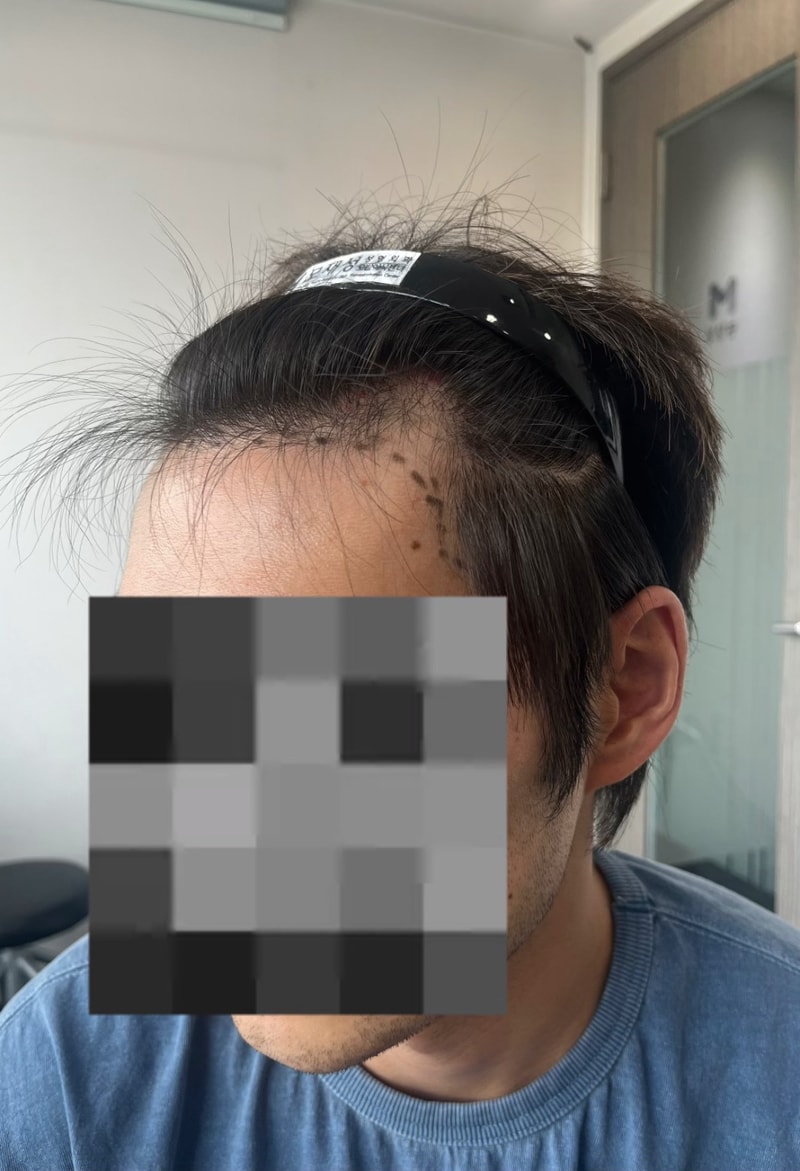
 Mo Jaesung Plastic Surgery & Hair Transplant Center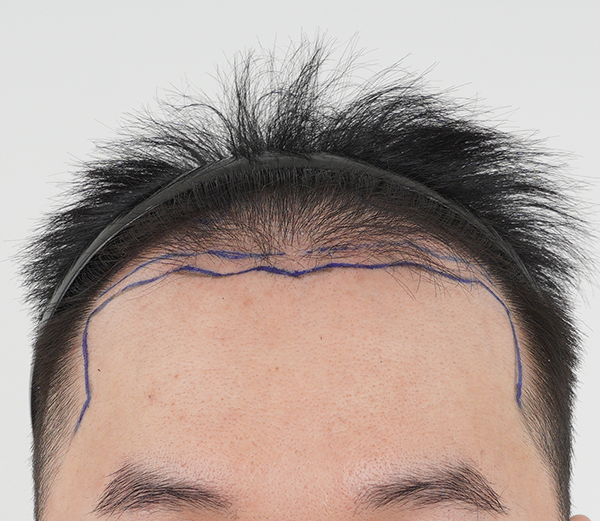
 MOMO HAIR TRANSPLANT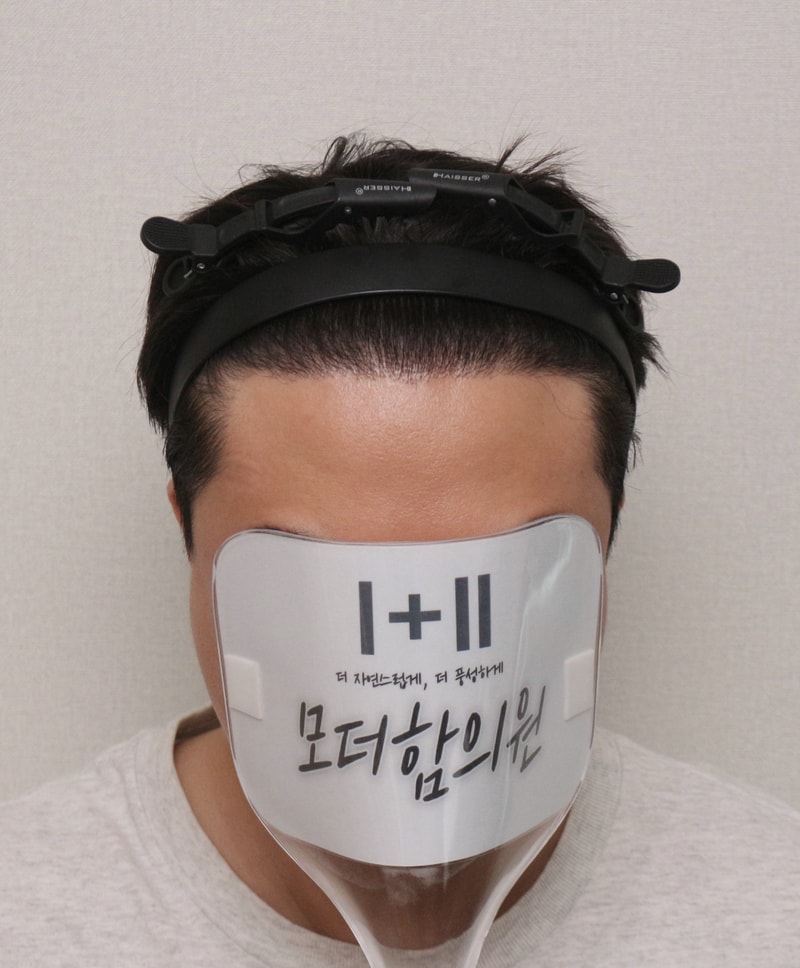
 Moderhamm Clinic — Hair Transplant Center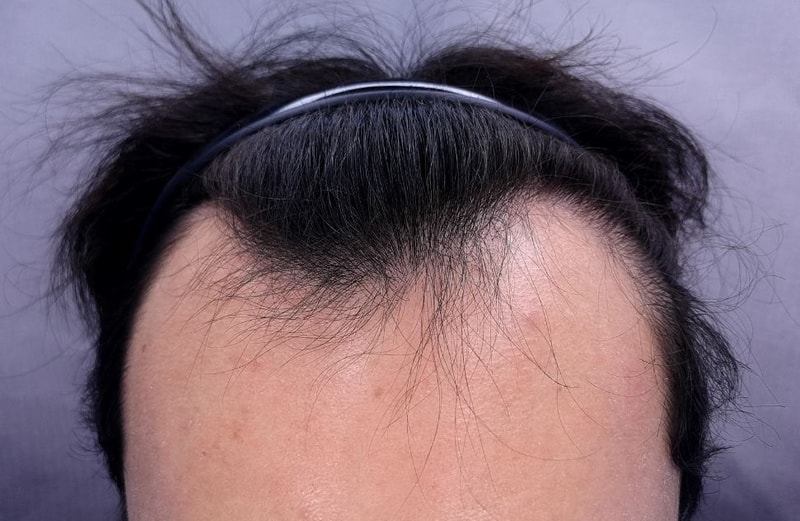
 Yonsei Mobelle Clinic - Incheon Branch
 HAIRO HAIR TRANSPLANT CENTER Busan
 Busan Grow House
 Momo Clinic
 MOMO's Suwon branch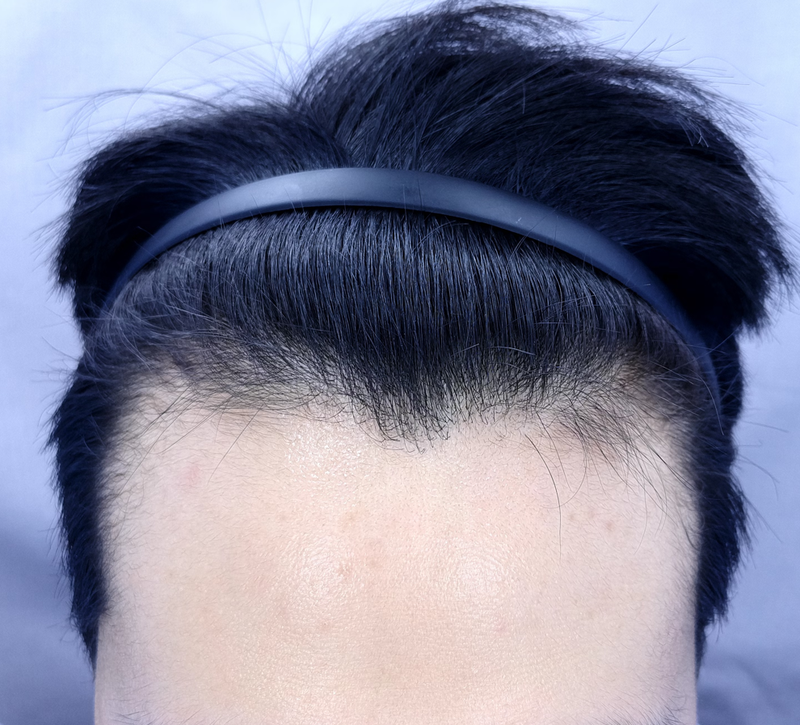
 The Jongno Headquarters of the Yonsei Mobel House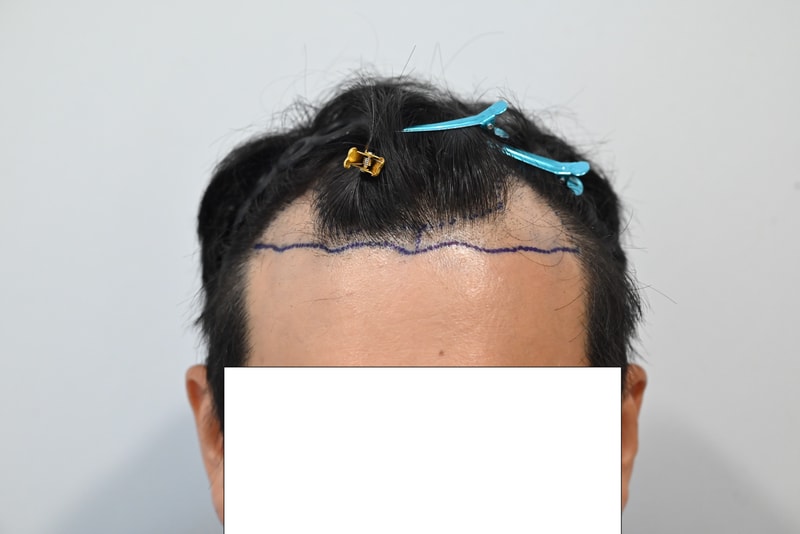
 MOEM Clinic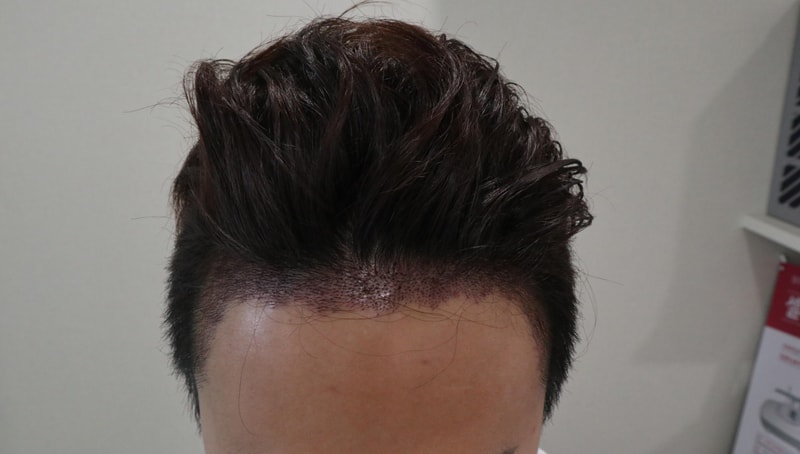
 MOUDA CLINIC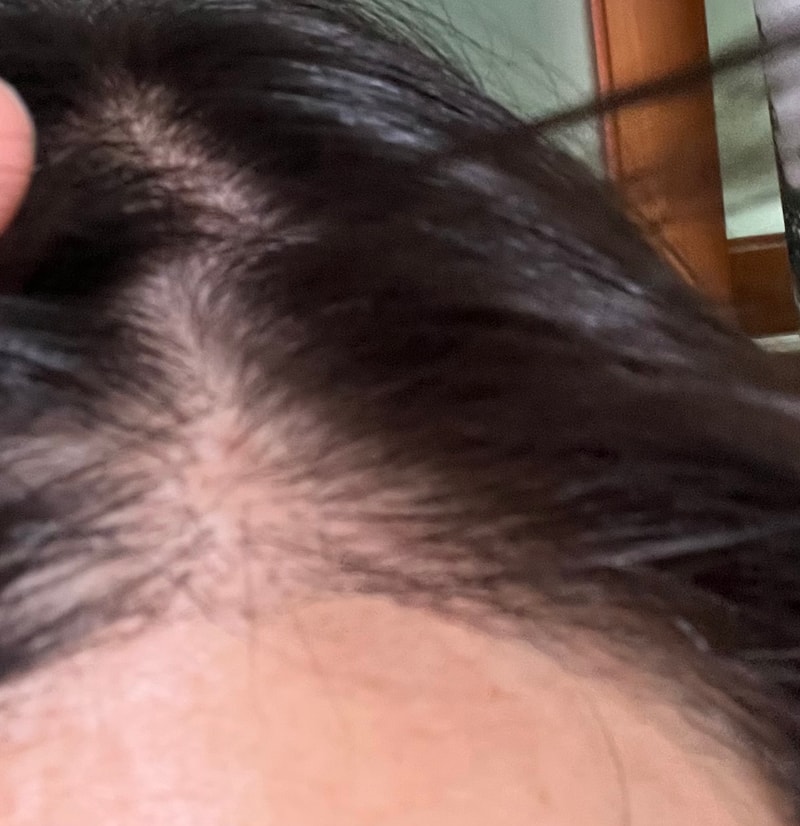
 WOOMCHAN Hair Transplant Clinic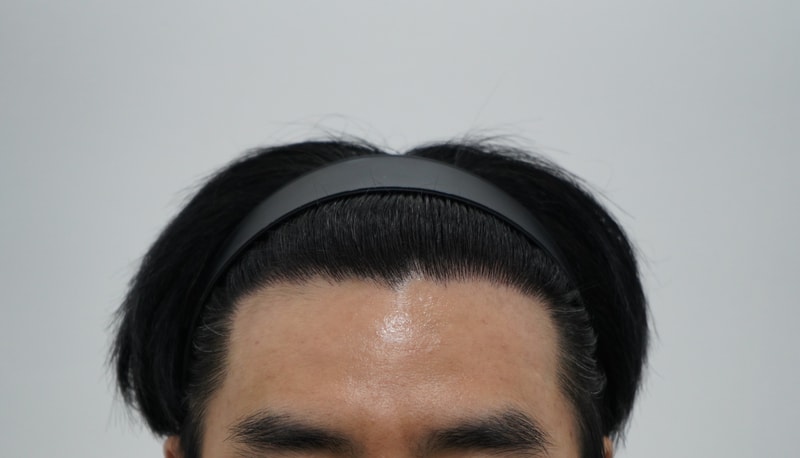
 moart clinic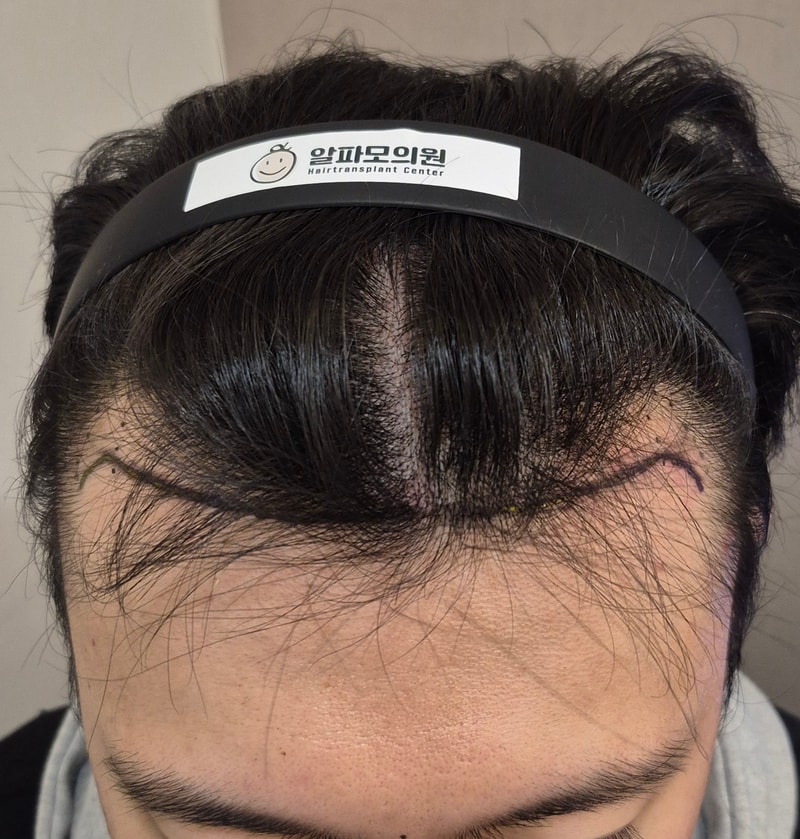
 an alpha-mocking circle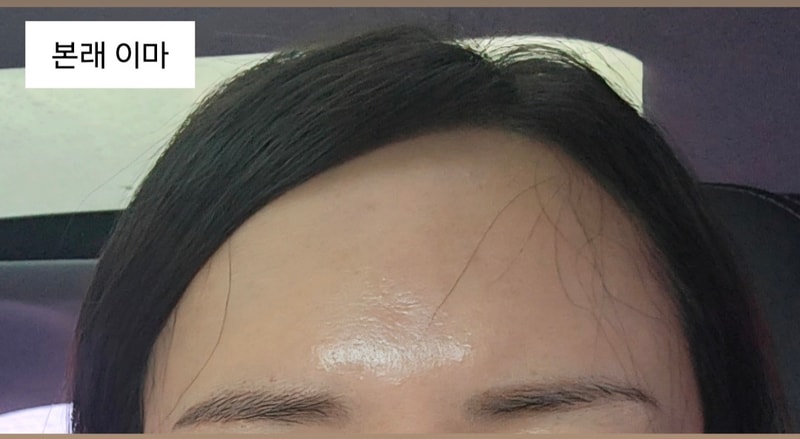
 Banal Plastic Surgery Clinic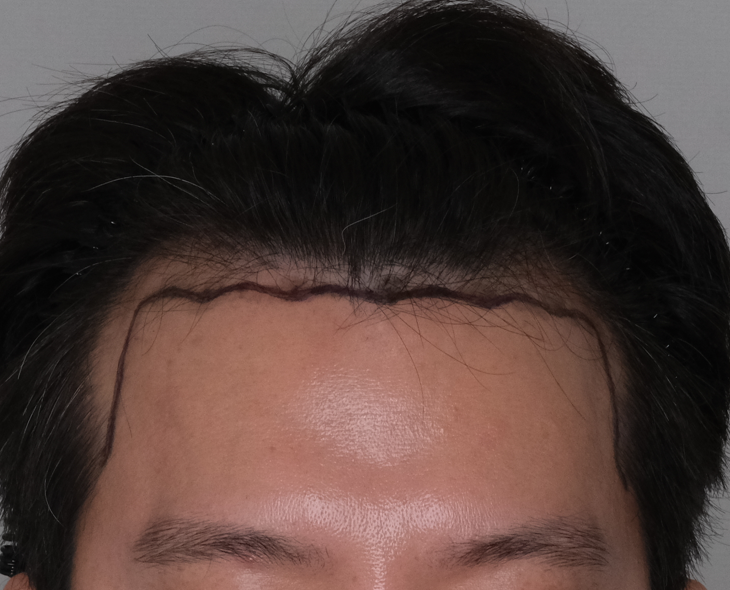
 GLOWELL
 Moment Clinic
 Motion Hair Clinic
 MOAMAN CLINIC



Comments