>Hair, a natural treatment site specializing in hair loss, would like to introduce various hair loss prevention agents and conditioners at home and help treat hair loss further by introducing various hair loss prevention agents and conditioners as part of natural therapy.
>> >> >1. Cypress leaf extract>> Previously published in the Chinese Journal of New Medicine, Cypress leaf extract is a great medicine for preventing hair loss and promoting hair growth, and it is a method recommended by oriental doctors.
>How to make >(1) Cut 25~30g of cypress leaves (you can mix eggplant and fruit) into small pieces.
>(2) Soak the chopped cypress leaves in 100ml of 60% ethyl alcohol or 100cc of soju.
>(3) Soak the cypress leaves for 7 days, filter them, and use the extract. After 7 days, it ages and turns green.
>(4) Wet this liquid on a cotton pad and apply it two to three times a day on the area where the hair is missing without being too strong.
>(5) The method of applying rice is effective if you apply it before going to bed and wash your hair the next day. If hair starts to come out, you should just apply it without rubbing it.
>(6) If you see the effect, it is more effective to gradually increase the alcohol concentration. It is to make hair grow through strong stimulation to the local area.
>In addition, cypress leaves have the effect of preventing hair loss, and there are many people who have also been effective.
>(7) The cypress smells a lot, so if you mix the angelica in a 50% ratio with the cypress, you can soften the smell a little.
>> >> 2. How to use tangerine peel and aloe >> This method was recently reported in Tokyo TV in Japan and caused many fires.
>Tangerine and aloe are both put in alcohol to make hair tonic.
>Tangerine has a component called limonene in the shell (the ingredient that spews out when pressing the shell), and aloe has a component called aloin in the gel (transparent part) in the shell (five alpha)..be said to suppress. I don't know about tangerines, but some people said that the reaction was good when they ground aloe and applied it to their scalp, but the method is quite cumbersome and time-consuming, so once you make a hair tonic, you can use it for about 3 months, so you can use it without any burden.
>How to make >> [Tangerine peel wool] >(1) Prepare 20 pieces of well-washed tangerine peel.(The tap part has poisonous components and must be removed) >(2) Put 1 bottle of Jeongjong (one bottle is 1.8L in Japan) together in a large bottle.
>(3) Place it out of direct sunlight for about a week.
>(4) Remove the skin and apply it to the scalp twice a day.
>[Aloe wool] >>(1) Prepare 6-7 pieces of well-washed aloe (stem). >(2) Cut to 2-3cm and dry in the shade for a few days (so that moisture escapes).
>(3) Place dried aloe (80g) with 1.8L of soju for about 2 weeks.
>(4) Use aloe twice a day after removing it. >However, aloe may have a rejection reaction depending on the person's nature, so stop using it if the skin turns red. >Usually, the period of use is about 3 months, and when the color and scent change, make a new one and use it again. >There are many types of aloe, including aloe vera, and Kidachi aloe is used here, but >(a little thinner and shorter than aloe vera) There is no significant difference in ingredients. >And in my opinion, I don't know what the difference between soju and Jongjong is, but since they are both alcoholic.
>> >>3. Vinegar and salt therapy >>Vinegar and salt are effective for oily scalp, and play a role in removing bad bacteria from the scalp through disinfection and sterilization and lowering the heat of the scalp.
> >[Vinegar] >>Vinegar has a strong sterilizing effect, so it is effective to use it if hair loss is severe due to scalp eczema. It is also quite effective for the scalp to get scabs with eczema as hair falls out..
>How to make >(1) After shampooing, add about 2 tsp of vinegar (apple vinegar or fruit vinegar) to 1 liter of water and rinse instead of rinsing. Usually, the concentration of vinegar lins is just enough to not taste sour because you put vinegar in rinsing water..
>(2) It is good to mix vinegar in water, wash your hair with it, and keep stimulating your scalp, and you can see an amazing effect.
>The tap water contains chlorine, which is very irritating to the hair. Vinegar neutralizes this chlorine component. If a woman with long hair or perm does not cleanly remove her hair when it is washed and combed well, or if she uses soap to wash her hair, and because the soap is weakly alkaline, washing her hair with soap and rinsing it with vinegar can neutralize the acid vinegar and keep her hair healthy.
>Effects >Vinegar has a directional and sterilizing effect, and it plays an excellent role in boosting the flow of blood vessels in the skin, and is especially good for oily hair rather than dry hair.
>Vinegar contains elements that act like vitamin E, which inhibits skin aging and inhibits peroxidized lipids, the main culprit of skin aging, and helps cells actively metabolize.
>In addition, it decomposes lactic acid in the skin and muscles to facilitate the flow of blood, and when you take vinegar, your metabolism becomes vigorous and you become pretty because there is no waste left on your skin.
>> >[Salt] >> Salt is helpful for skin beauty to the extent that there has been a story since ancient times that not only food additives but also salt was used to make up women in ancient Rome, and Cleopatra and Poppies, who were the beauty of the world, used salt to maintain their beauty. In addition, salt acts as a detoxifier and stimulates the scalp to remove fat accumulated in pores, improving metabolism, preventing hair loss caused by clogging pores. Washing your hair with salt can be effective against dandruff itching headaches, and it releases unnecessary moisture left in the body to facilitate blood circulation and has an anti-inflammatory and sterilizing effect.
>How to use >(1) The most important thing in salt shampoo is the choice of salt, and it is best to use natural salt made directly from seawater.
>Actually, bamboo salt is good for salt. Bamboo salt, unlike ordinary king salt, is crumbled by fire, so impurities of salt have been removed. However, if you feel that bamboo salt is expensive or difficult to obtain, you can use regular king salt.
>(2) Sprinkle a spoon of salt on the scalp (where salt refers to finely crushed salt by frying sea salt in a frying pan), massage, and rinse thoroughly with water to remove sebum stuck in the scalp.
>(3) For a more detailed method, soak your hair in warm water, sprinkle 1st spoon of salt evenly on your head, and press it lightly with your fingertips to touch the scalp deeply. Another way is to massage while rinsing after dissolving salt in water in advance.
>(4) After that, buy it for about 2 minutes. After that, leave for about a minute.
>(5) Then, massage the scalp to the extent that salt dissolves, and then massage it again for about a minute with the palm of your hand as if pressing the scalp as a whole. After that, wash it with hot water.
>(6) Lastly, wash your hair with warm water and sweat and fat, then rinse it with cold water, wipe off the water, and dry it.
>>If you continue this method for about 3 months, you can see a significant effect.
>When you wash your hair using the last cold water, your pores shrink and your fat coagulates to hold your hair or hair roots firmly, and you don't have to rinse it in particular, and it's better to just dry it without using a hair dryer.
>Effect >Salt stimulates the scalp to tighten pores to prevent hair loss, and if you stimulate the scalp with salt, you can prevent hair loss caused by loose pores. It also removes fat accumulated in pores, which is good for hair loss caused by clogged pores.
>Salt is good not only for dandruff but also for hair loss. This is because salt's antibacterial function is excellent for scalp massage and prevents dandruff as well as itching and dry hair, as well as hair loss.
>> Side effects of vinegar salt >> Applying vinegar or salt water is effective in preventing hair loss, but each person has different scalp conditions, and if the concentration is too thick from the beginning, side effects such as scalp treble may cause the scalp to worsen.
>And if the salt is not completely rinsed, the remaining salt on the scalp causes more itching in the head.
>Also, if you apply thick salt to your scalp and don't wipe it, the salt tightens your pores, so please be careful when using it because only a lump of salt remains and can block your pores.
> > > > > 4. Ginger therapy > > Ginger therapy can cause scalp problems because it is irritating if used directly. This method effectively keeps the scalp clean for hair loss caused by worsening seborrheic dermatitis.
>(1) Clean the soil with water and cut ginger into thin slices. The reason why it is sliced thin is that the raw river water comes out well.
>(2) Then dry the sliced ginger in the sun >(3) Put about 30g of dried ginger, 400cc of water, and 200cc of soju, and boil it over a medium heat. At this time, boil it on low heat until the water volume is reduced by about half.
>(4) Then, to add coolness, if there is no disinfectant alcohol or alcohol, mix a little soju. >(5) As a way to use it, apply it as if pressing it on the scalp with a cotton pad and massage the scalp by pressing it for 5-10 minutes without rubbing it with the tip of your fingerprint. At this time, please be careful because rubbing the scalp or pressing it with a lot of force may cause hair loss.
>> >>5. Onion juice scalp massage >> In Switzerland, hair has been taken care of with onion juice since ancient times, and it is recommended by Dr. Fogel, a world-renowned natural medicine expert, to maintain beautiful and high-quality hair, which can be recommended for dry scalp rather than oily skin.
>In fact, as a result of massaging onion juice twice a week to a person who is worried about losing his or her hair, it is said that his or her hair grows like a lie.
>Commercial method >(1) Wash an onion and grind it.
>(2) Apply the juice evenly to the scalp after applying it to a cotton pad.
>(3) After about 20 minutes, shampoo thoroughly in lukewarm water of about 35 degrees Celsius.
>> >>6. Rinsing the leaves >> If you use the last rinsing after washing your hair, it prevents the scalp from drying out and calms the oiliness, which is effective in preventing dandruff and hair loss.
>(1) Add the leaves and add enough water to the bucket and boil it.
>(2) After shampooing by warming the water, rinse it last.
> > > 7. Green tea rinse >> Nokchirins is a green tea beauty method that popular celebrity Shim Eun-ha likes, and it is more effective for oily scalp than dry skin.
>Green tea is also good for hair beauty, and if you have a lot of dandruff or are worried about lack of gloss in your hair, it is good to supply green tea nutrients to your scalp.
>Green tea has the effect of inhibiting the production of DHT, which helps prevent hair loss.
>For reference, green tea leaves do not need to be discarded after drinking green tea, pour 1 cup of water into 1 tablespoon of green tea waste, boil it until the amount is halved, and massage hair and scalp evenly with juice on cotton wool or cotton pads.
>If you do it consistently every day, the dandruff disappears.
>How to make green tea and how to use green tea >(1) After you finish drinking green tea, don't throw away green tea bags or green tea leaves, but collect them in the freezer of the refrigerator.
>(2) Add the collected green tea bags or green tea leaves and boil them on a low heat in a pot. The amount of water and tea bags is appropriate for 5 cups of water and about 15 tea bags.
>(3) Boil about 5 cups of water and make tea bags by boiling about 2 and a half cups of water.
>(4) After boiling, take out the tea bag and green tea leaves and cool the green tea.
>(5) Clean the used rinse bottle with water and soak it in water boiled green tea. >(6) Shampoo your hair, then loosen this green tea rinse in warm water and wash your hair.
>(7)Lastly, rinse the last hair with a little cold water.
>If you make and use this green tea rinse, it suppresses the occurrence of dandruff on the scalp.
>Green tea has tannic acid that tightens pores and flavonoids with strong cleaning power, which works to reduce dandruff and removes the sterilization of cardekin or toxicity of shampoo and rinse, thereby protecting scalp health.
> > > 8. Lemon juice rinse >> Lemon juice rinse gives damaged hair a shine and makes it shiny, and is recommended for those who cannot tell whether the scalp is dry or oily.
>(1) Juice 1/2 lemons and mix them in 1ℓ of water to make lemon juice rinse.
>(2) Wash your hair with shampoo and massage with lemon juice rinse.
>(3) Massage evenly and rinse with lukewarm water.
>Or >>(1) Add half a lemon juice to 2/3 of the hot water in the washbasin.
>(2) Apply to the hair and rinse thoroughly.
>> The reason for making lemon juice lighter is that if used as it is, the acidity is too high and the stimulation is strong, which may cause adverse effects. Lemon does not contain oil, so it is best suited for people with oily hair on a regular basis.
>> >> In addition to the above eight, there are countless natural remedies, but only materials that are readily available around us were selected, and methods were introduced to minimize side effects and maximize effects.In addition, the scalp varies widely from person to person, so if scalp trouble occurs while using it, the concentration should be diluted and used, and if the problem continues, you should stop using it.
>Go back to nature >> For your information, I will send you a [food that the defectors should avoid] in the next green hair newsletter.
>> >> >>> A site specializing in natural therapy related to hair loss (
www.greenhair.net ) operator's escape >>





 K4958360347
 K29643000722308141718
 K4983758792
 HAIRO HAIR TRANSPLANT CENTER Daegu
 HAIRO HAIR TRANSPLANT CENTER Jeonju
 HAIRO HAIR TRANSPLANT CENTER Dongtan
 MONARA dermatology clinic
 MOEM Clinic
 Mopro Clinic
 Hannaeve plastic surgery
 apgujeong mobien
 Rizmo Clinic - Busan Branch
 Mo&Bless Hair Clinic
 WOOMCHAN Hair Transplant Clinic
 The Nobleline Center for Alopecia Care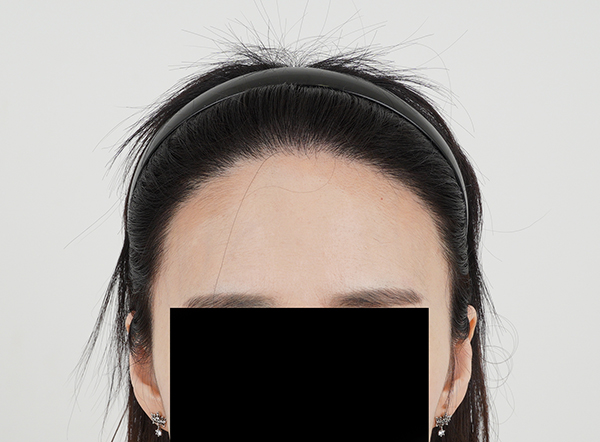
 MOMO's Suwon branch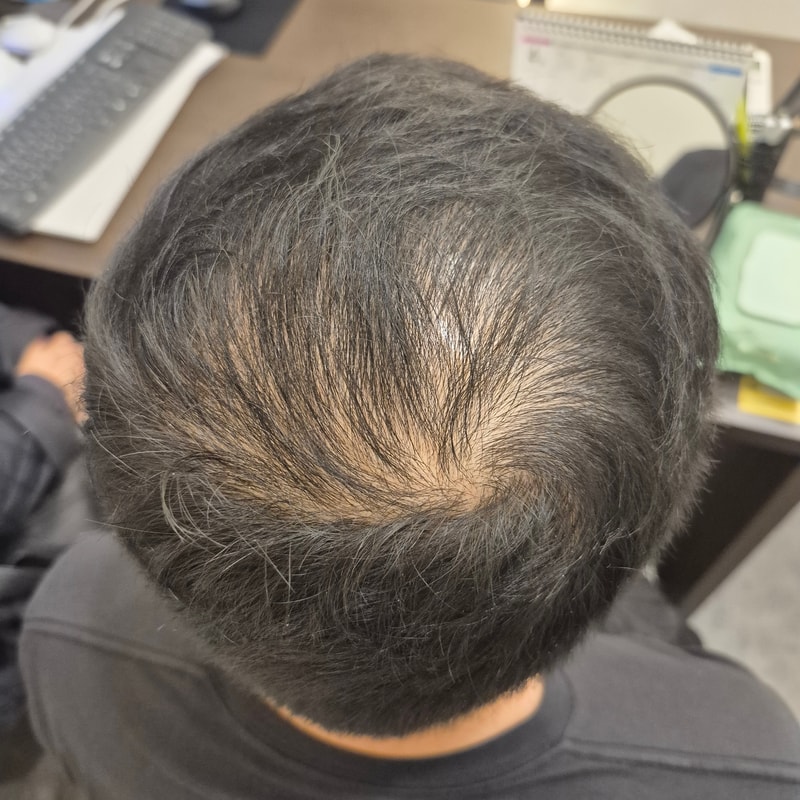
 an alpha-mocking circle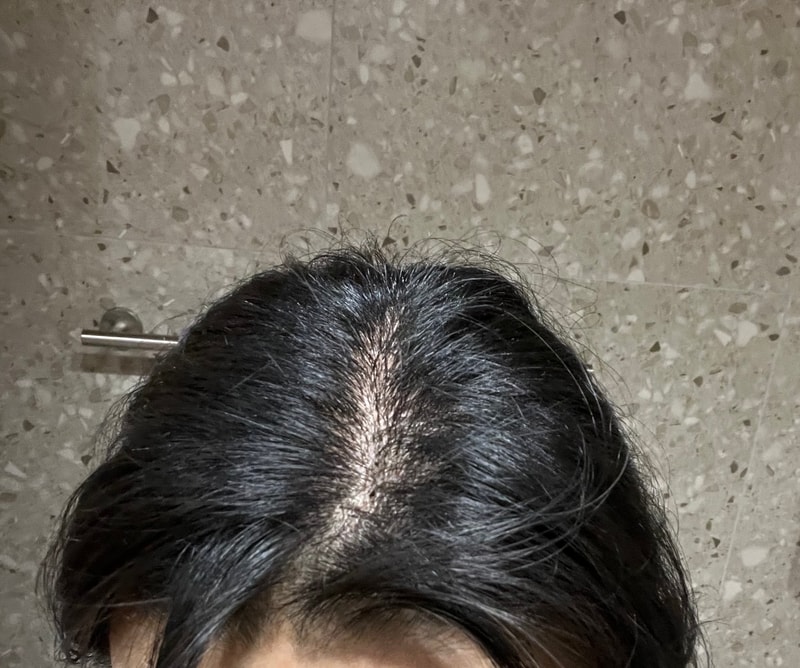
 NEWHAiR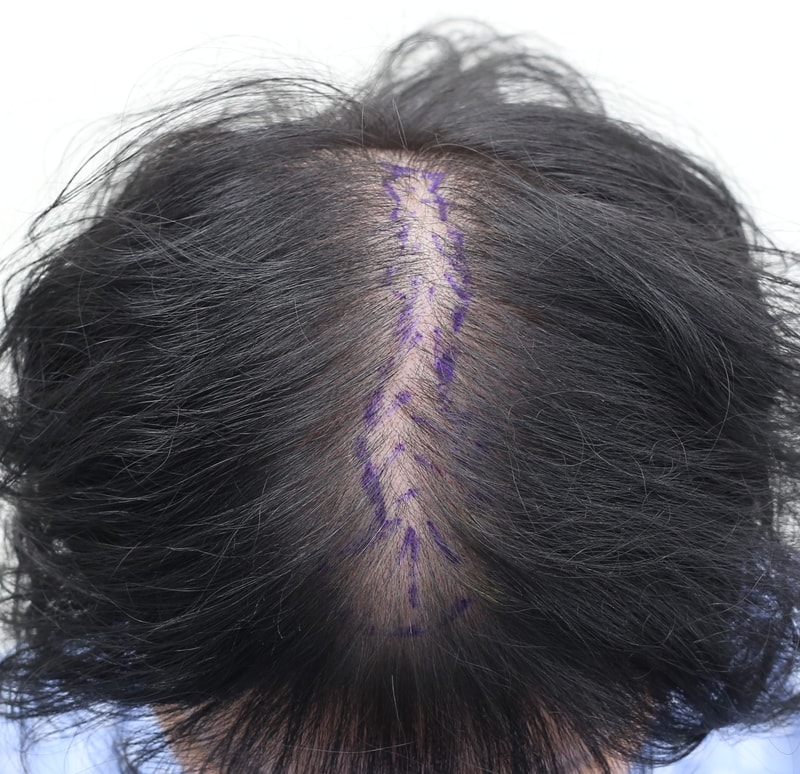
 Mammoth Hair Restoration Center, Apgujeong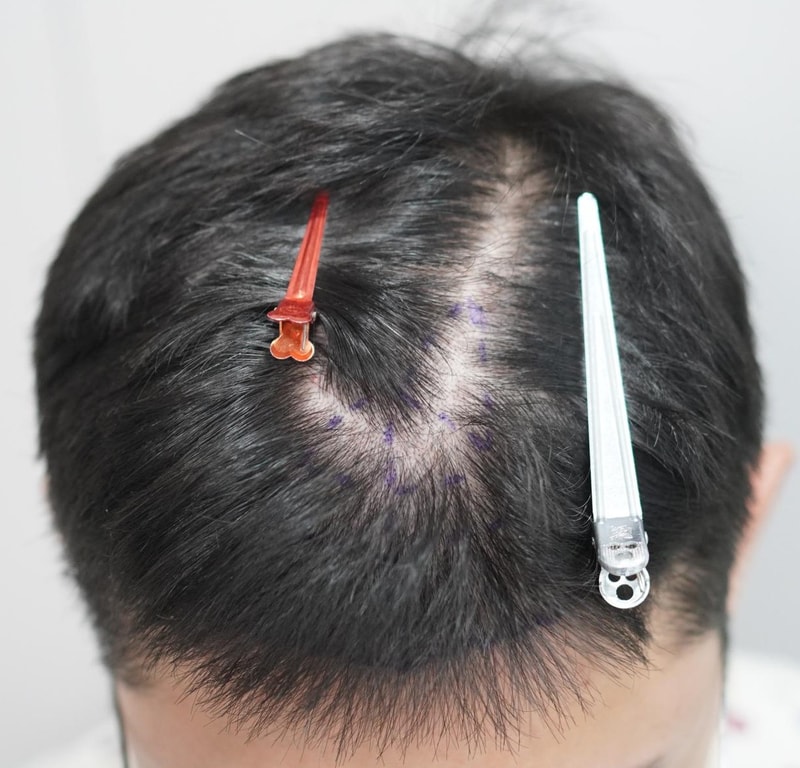
 Busan Grow House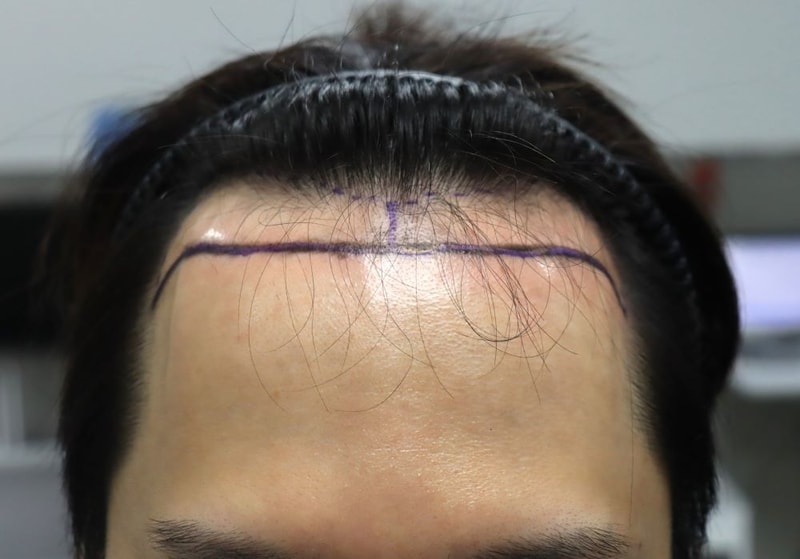
 FORHAIR Hair Transplant Korea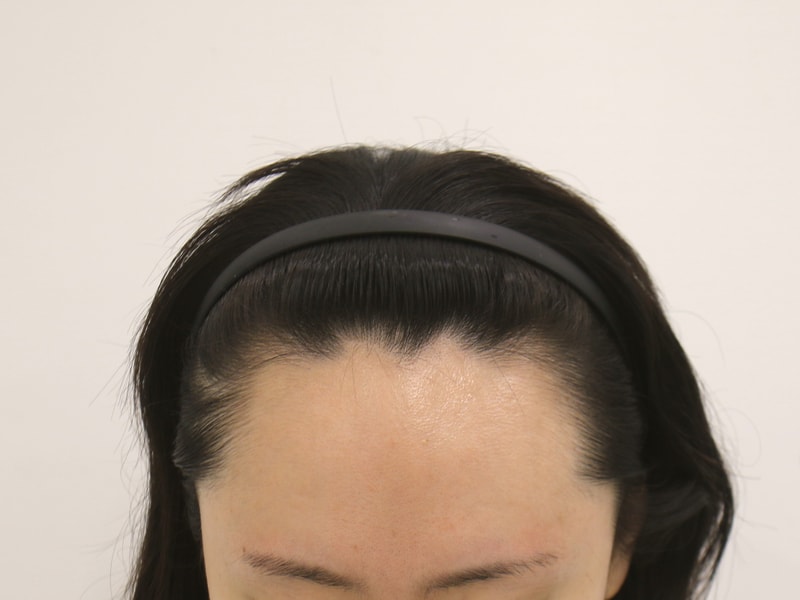
 Mammoth Hair Restoration Center Busan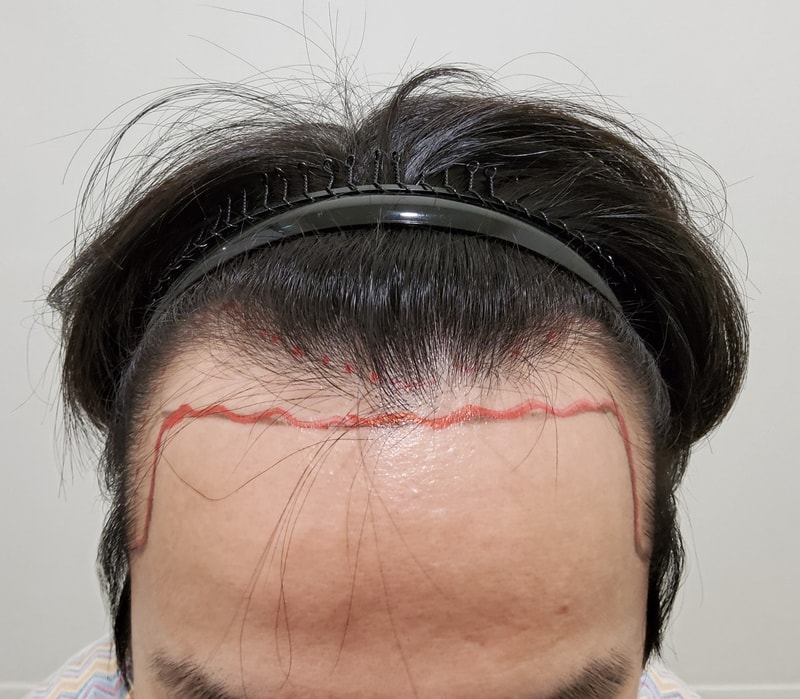
 Modeunmo Clinic
 Mo Jaesung Plastic Surgery & Hair Transplant Center
 Incheon Mammoth Hair Restoration Center
 MYMO HAIR TRANSPLANT CENTER Incheon
 Dana Plastic Surgery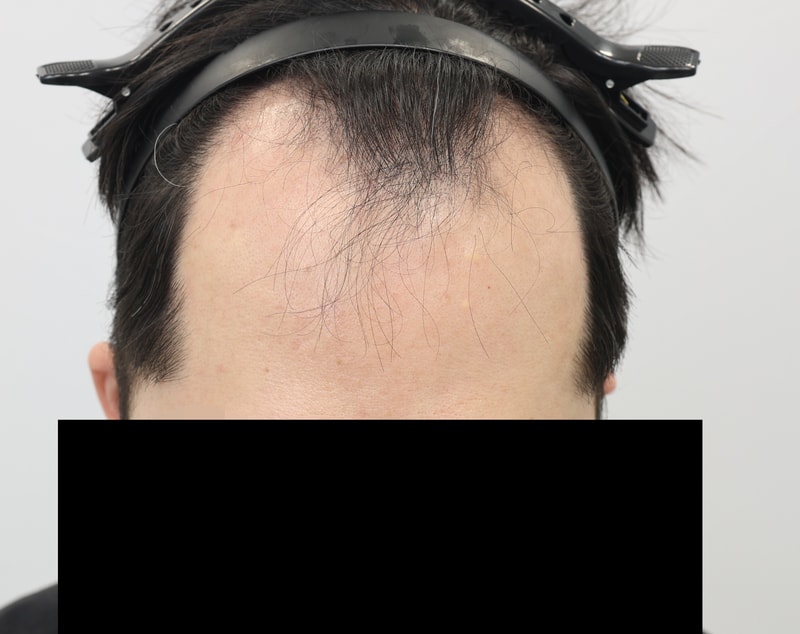
 Modi hariplant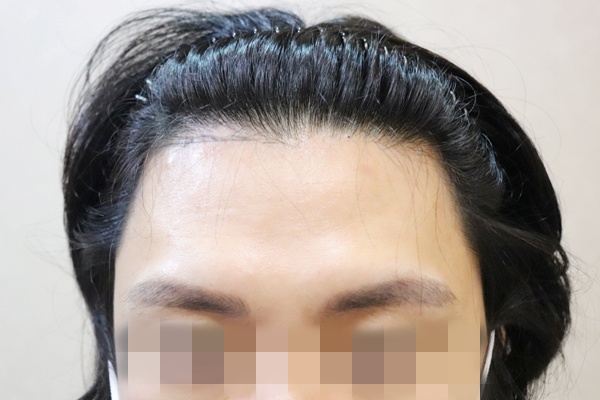
 JP Hair Transplant Clinic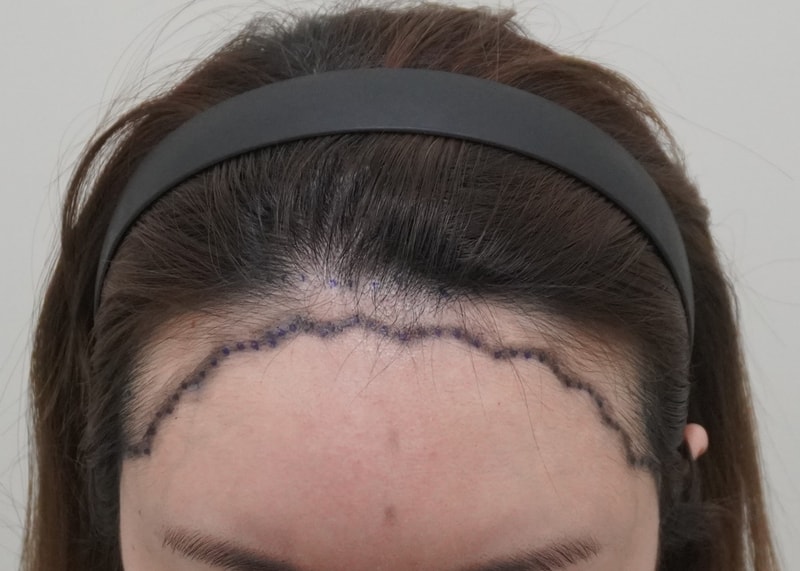
 Yong Doctor Hair Transplant Surgery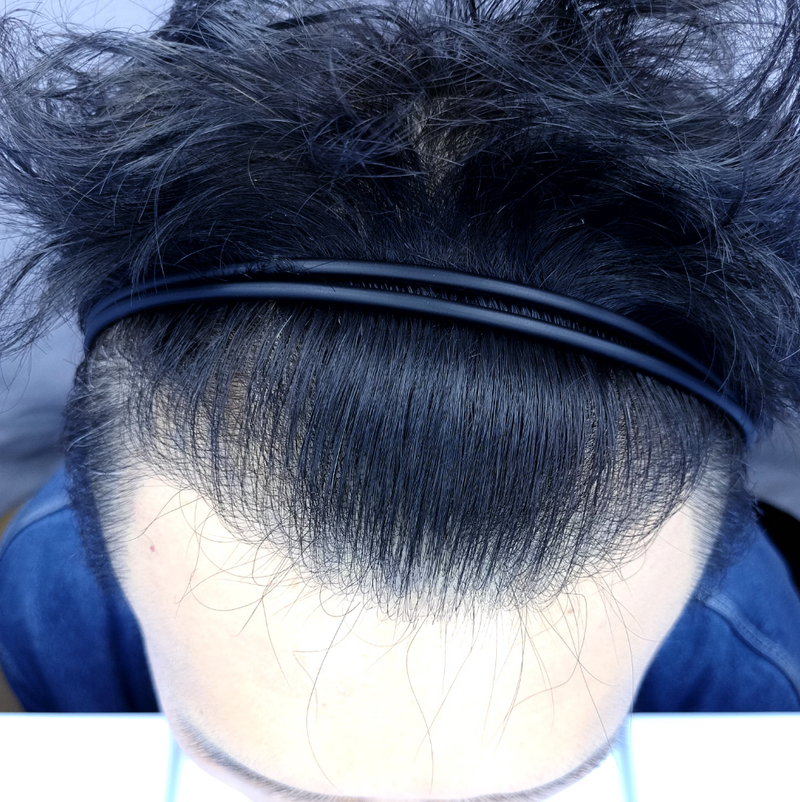
 The Jongno Headquarters of the Yonsei Mobel House
 Moderhamm Clinic — Hair Transplant Center
 Yonsei Mobelle Clinic - Daegu Branch
 MOUDA CLINIC
 MOMO HAIR TRANSPLANT
 MO.1 plastic surgery
 Yonsei Mobelle Clinic - Incheon Branch
 Momo Clinic
 Modaol Hair Transplant
  Mowoolim Clinic
 MOJELIM Hair Transplant
 Momo Clinic
 MOBARUN HAIR SURGERY
 HAIRO HAIR TRANSPLANT CENTER Busan
 moart clinic
 Banal Plastic Surgery Clinic
 GLOWELL
 Moment Clinic
 Motion Hair Clinic
 MOAMAN CLINIC



Comments