For help with what consumers are thinking during product research, reading the bulletin board here doesn't work I sometimes see comments saying, "Eat your P.C.A."
This is a dangerous idea.
It's like asking for the strongest antibiotics, hormones, and so on.
Medicines work well, but of course, side effects are severe, so you have to get a doctor's prescription to take them.
The post below is what I've put together on the bulletin board here before.
There's a lot more I want to add, but...
First of all, I'll just upload what I organized.
Again, I'm not a businessman.
I'm a researcher who studies products.
Please don't misunderstand that I will never advertise a specific product or mention the product name.
I just want a little help.
1. There is no product that has a hair/wool effect.
That's definitely not the case.
When a person has a stomachache, there can be many reasons.
It could be cecum, it could be food poisoning, it could be overeating...
Treatment depends on the cause.
Digestives taken when you have a stomachache by overeating are of course useless for people with appendicitis, right?
Same thing.
The symptoms of hair loss are the same, but there are many causes.
If you look at not only the cause but also the mechanism by which it works, it's tangled like a so-called spider web, and hair loss occurs if one of the steps goes wrong.
There are many mechanisms that have not been revealed yet.
I don't think you should say that it doesn't work for your hungry self.
If the reason is that it is difficult to treat it because it is not possible to clarify the cause of hair loss for each individual or because there is no panacea.
2. When male hormones work, they lose their hair unconditionally.
No.
When male hormones work on your forehead, you lose your hair.
However, when this hormone works on your chin, it makes your beard grow well.
Why is it the same material..It is not yet known why one falls out and one grows well.
3. It didn't work because I had a clinical trial...It is said to be effective in advertising. First of all, when conducting clinical trials, make sure to combine two groups.
One group should experiment with a sample that actually works and is thought to work, and the other group should be a product that doesn't work (called a technical control).
Because I don't know if you know it's a "fake drug effect."
This is because I think the medicine given by the hospital is unconditionally effective, so it may have the effect of getting better with just plain water.
That's why you have to think that it's not effective if there's no difference from the control group.
In fact, if we do a test with 200 people, 100 of them are actually treated with a drug, and if it's 50% effective, only 50 out of 200 people are effective.
That's why it's possible to say that it's 50% of the time when it doesn't work.
4. Only medicines work, but not cosmetics. Not really.
There are many reasons why they don't make it into medicine and sell it.
First, if the effect is strong, the side effects are strong. The typical treatment for baldness is the loss of libido..There are a number of side effects. That's why you have to follow the doctor's prescription.
Therefore, even if the effect is a little small, it is often not used as a medicine on purpose to prevent side effects.
Second, if you do it with medicines, the market size will be smaller. Simply put, companies can't make money.
If you make it into medicine and sell it, it's often less than one-tenth to one-hundredth of what you can earn if you sell it as cosmetics.
Third, as I said in the first, there may be compensation problems when side effects occur.
Even if only one out of 10,000 people has side effects, it may take more damage compensation than the money earned from selling to 10,000 people.
Fourth, the screening period is too long and expensive.
It takes at least two to three years to be judged in Korea and costs a lot.
It takes several to dozens of times more cost and time to be recognized internationally.
This is because even if it is recognized, there is not much left, as for the above reasons, so it can fail.
For the above reasons, it is often not approved as a drug.
5. Shampoo is stronger than soap. (Soap is a natural ingredient, shampoo is a chemical ingredient.) Absolutely not. Strictly speaking, both are chemical ingredients.
Starting with the water we drink, what's not chemical?
I think you think it's a natural ingredient that the starting material starts from natural...
Soap is made from palm oil and cow oil (we've had a lot of palm oil and palm core oil nowadays). Shampoo is made from palm oil.
Then you can think of the raw materials as almost the same.
Rather, soap is strong alkali to neutralize with caustic soda (NaOH, sheep lye).
You may think shampoo is milder.
6. The vegetable shampoo is mild.
There's no need to say it's a vegetable shampoo.
The raw material for shampoo starts from palm oil fatty acids.
Some small and medium-sized companies still make it with synthetic detergents, but I know that all of them are made from palm oil fatty acids in Korea.
Something else known as vegetable shampoo..It's almost the same.
It's a combination of different combinations.
Also, there is no 100% plant-based shampoo.
(It's a scam to say that.) 7. I saw a shampoo that advertises that acid/neutral shampoos are mild and only acidic.
I analyzed that more than 90% of shampoos in our country are slightly acidic, about 6.0 to 6.5. (You can believe it.) You can also say that it's neutral.
I don't think there's a need to consider acidity/neutrality separately.
8. As a result of analyzing the difference in cleaning power/mild, the difference between cleaning power and mild is large for each shampoo.
Even if you ask me by e-mail, I will never tell you which shampoo is mild and has good cleaning power.
9. I've done a lot of shampoo analysis for some of the products that come up here...Almost all of them have no effect at all.
It's not as mild as regular shampoo and it's less cleansing...There are even cases where they sell products that they don't want to use even if they just give it to them.
It's also very expensive.
I won't name it, but some people sent it to our lab saying it worked, so we analyzed/tested it and found that none of the products had any effect at all.
(You sent it not only to us, but also to other research institutes. That's the same result... Since they don't deal with me at all...You set up a small company and sold it there.) 10. Foreign shampoo is better than Korean shampoo. I'm sorry, but...Except for a few, it is much lower in mildness and cleaning power than Korean shampoo.
Personally, I would like to recommend Korean products.
The same goes for shampoo recommended by dermatologists.
Most of the time, the quality was very poor.
11. I wash my hair every 2-3 days because it falls out when I wash my hair.
You're mistaken. Everyone loses about 50 to 100 hairs a day.
The hair that was almost missing is falling out when you wash your hair, not because you wash your hair more.
Rather, if you don't detect it often, the sebum can oxidize and become food for scalp microorganisms, causing the scalp to itch and irritate the scalp further.
Hair cleanliness is very important.
12. Rinse your hair quickly and roughly. The same goes for this. I often rinse my hair roughly because I'm afraid it's going to fall out..
I think it's more important to rinse thoroughly than which shampoo to choose.
13. If you have an oily scalp/dandruff severe, it is recommended to use an anti-dandruff shampoo if you have dandruff.
If you have oily scalp, use a product with good cleaning power.
It's also okay to wash it twice a day. As long as you don't rub it too much.
(Use the method of rinsing with running water.) 14. Recycled soap is mild To conclude, it is false to say that recycled soap is mild.
When looking at the quality level, it is less than laundry soap.
I told you that when you make soap, you use caustic soda (sodium hydroxide, sheep lye, NaOH are all the same words) to neutralize it.
In professional terms, soap neutralizes fatty acids with sodium hydroxide.
At this time, you need to calculate the acid value and react accurately.
At this time, if the neutralization amount is not correct, the unreacted sodium hydroxide remains.
If this remains, it reacts with oil to make some soap, so it cleans well, but it can be fatal to the scalp. Especially for those who are losing their hair. Of course, it's environmentally beneficial. I agree with the fact that you use the cooking oil you throw away with soap...Use it as laundry soap.
Glycerin is made and where it's good..I saw this really tempting propaganda.
I can present data that I can refute one by one.
Also, to add one more thing, there is a reason why small businesses can do so well.
When it's time for the Fair Trade Commission to review it, most of the SMEs are gone...
Even if you receive millions of won in fines for hype, you don't worry even if you get caught because there's more than that left.
On the contrary, it is almost impossible to advertise because 10 million won is not the problem at large companies, but billions of dollars a year in brand image management will go up in smoke.
15. Why Shampoo Is Expensive? To be honest, the actual shampoo that's on sale costs less than W1,000.
In addition to this, packaging costs, distribution costs, advertising costs, and profits will be added, so it will be about 5,000 won at the most if the price is passed on to the intermediate seller.
Of course, in the case of imported goods, the profit of the importer, customs duties, and the cost of bringing it to Korea may be 10,000 won. Anyway, the price is about that.(That's a lot.) There's a place that sells this for 100,000 won more.
It's a business that leaves 100,000 won if you sell one. That's too much.
16. The product recommended by the pharmacist is reliable. I often have the opportunity to talk to a dermatologist or pharmacist.
It's a little disappointing, but most doctors and pharmacists don't know anything about the product.
On the contrary, there are cases where it is worse than the knowledge of ordinary people.
Of course, you know the side effects, the treatment, but... I don't know anything about the product. So why do they recommend the product?
If you look carefully at the reason, first of all, the margin is good.
Pharmacists and doctors will get paid more than the average person, right? In order to receive that salary, I tend to recommend products with good margins (I'm sorry). I'm sure there are people who haven't, but...) Because I've heard around the second one about what kind of product I used to get better.
Third, I'm still an expert, but I don't think I can say I don't know.
Shouldn't you pretend to know to give your patients faith?
I'll recommend the product for a lot of other reasons, but to be honest, it's true that doctors and pharmacists don't know much about the product than you.
I'm going to give you some examples...If you see a pharmacist/doctor, ask some of the following questions.
* There are three main processes for making soap, do you know that?
* Name 4 ingredients used in soap * What surfactants are used to make shampoo?
* Anions, non-ions, and amphoteric surfactants are used in shampoo production, but what are their roles? * What is the role of chelating agents in making products? * What are the differences between fatty acids and fats? * What mechanisms are used to clean scalp sebum?
* Just give me an example of five raw materials that work to get rid of dandruff bacteria.
* How to make shampoo or soap less irritating to the skin? .... I can give you any questions...I probably won't be able to answer one thing correctly.
So how much do you know about the product? This is good Do you recommend that it's bad??
I don't think I would absolutely believe it's a recommendation from a doctor's pharmacist.
17. Did you use FDA-approved raw materials?
It is authorized by the Food and Drug Administration (FDA). Sometimes I heard this expression when promoting the product and saw it advertised.
It looks good, doesn't it? I think people who don't know will be worried?
You should know this. In Korea, there is a standard called "cosmetic raw material standard" (expressed as "long-range equipment"), so only the raw materials listed here are used after safety or all tests. Raw materials that don't fit here cannot be used in cosmetics or household goods.
(Of course, it's based on large corporations..Some small businesses are excluded. I told you the reason above.) When I made Korean Jangwongi, I referred to Japanese Jangwongi and FDA.
Both places only allowed it to be safe.
For example, if one allows use of up to 1% due to stability, and one allows use up to 2%, Korea only allows safer 1%.
Simply put, only FDA-approved raw materials can be used, and management standards are stricter.
So, in a way, the obvious story is that other products do not, but only their own products do.
18. It needs to be foamy to wash well?
People often say that you wash well only when you have a good bubble, right?
This is a bit difficult. In fact, foam and cleaning power have nothing to do with it.
Bubbles are, by way of a professional explanation, an activity between a gas (air) and a liquid (bead water).
The removal of dirt is the reaction between solids and liquids or between liquids and liquids. Actually, it doesn't matter at all.
It's just that if it bubbles well, soapy water will make your hair and skin go crazy evenly..
Again, it has nothing to do with foam and cleaning power.
19. The transparent soap is gentle?
Transparent soap is a transparent agent (a transparent material) that uses sugar, glycerin, and triethanol amine (TEA) to prevent the molecules of soap, which are polar substances, from forming crystals so that they look transparent.
Is it really mild that soap has sugar or glycerin in it?
It's about the same as regular soap.
When I analyzed the transparent soap I made from my parent company's product, honey, it contained a little more than 10% sugar and less than 0.1% honey.
In fact, the soap weighs about 100g, so the actual concentration of honey is only about 0.1g. But it's exaggerated because it's made of honey...




 K4993236009
 로또맘911
 다두리
다두리
 K4983758792
 HAIRO HAIR TRANSPLANT CENTER Daegu
 The Nobleline Center for Alopecia Care
 Mammoth Hair Restoration Center, Apgujeong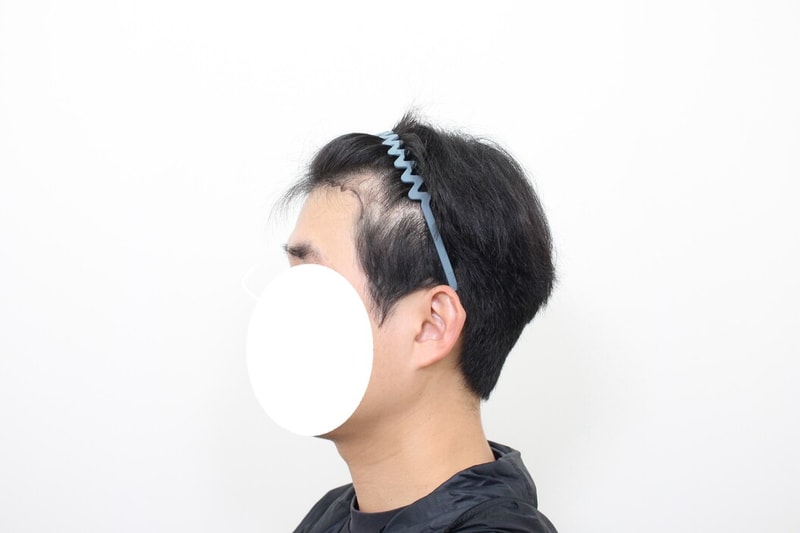
 Mopro Clinic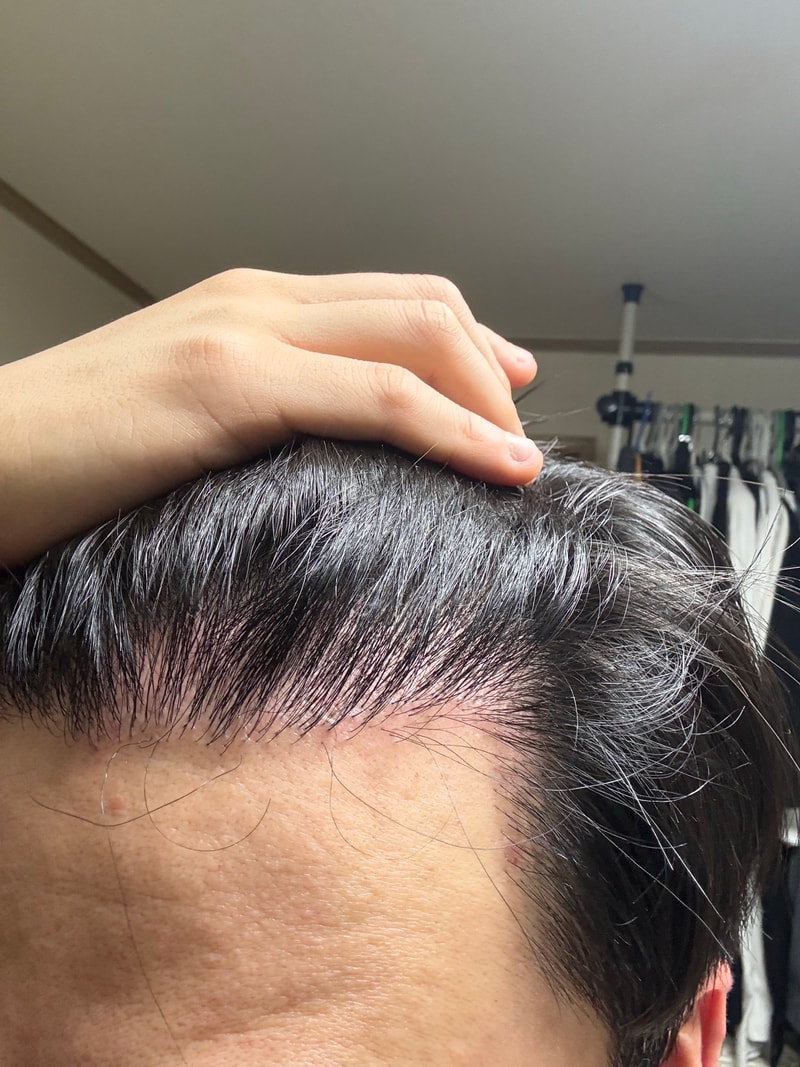
 NEWHAiR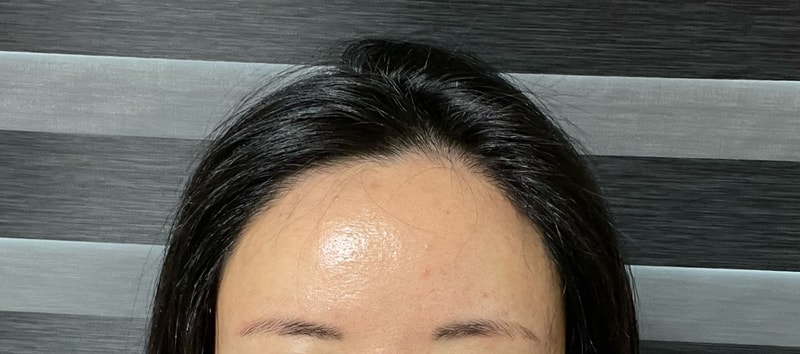
 MOJELIM Hair Transplant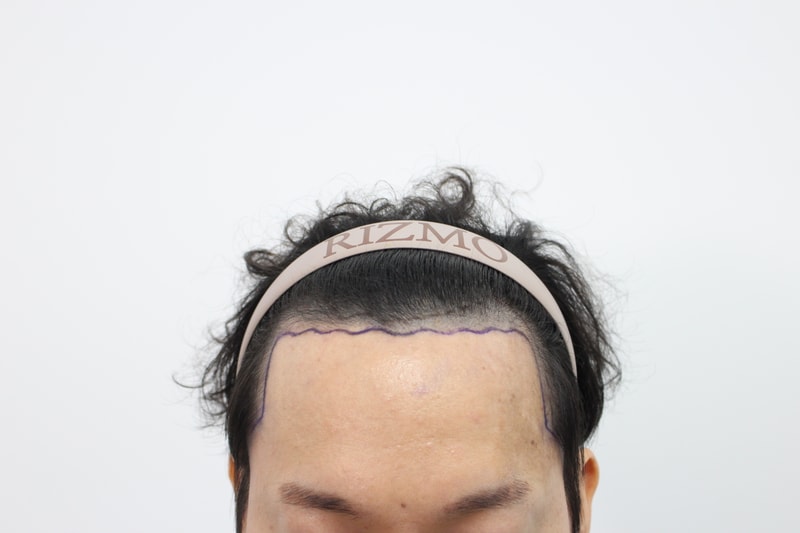
 Rizmo Clinic - Busan Branch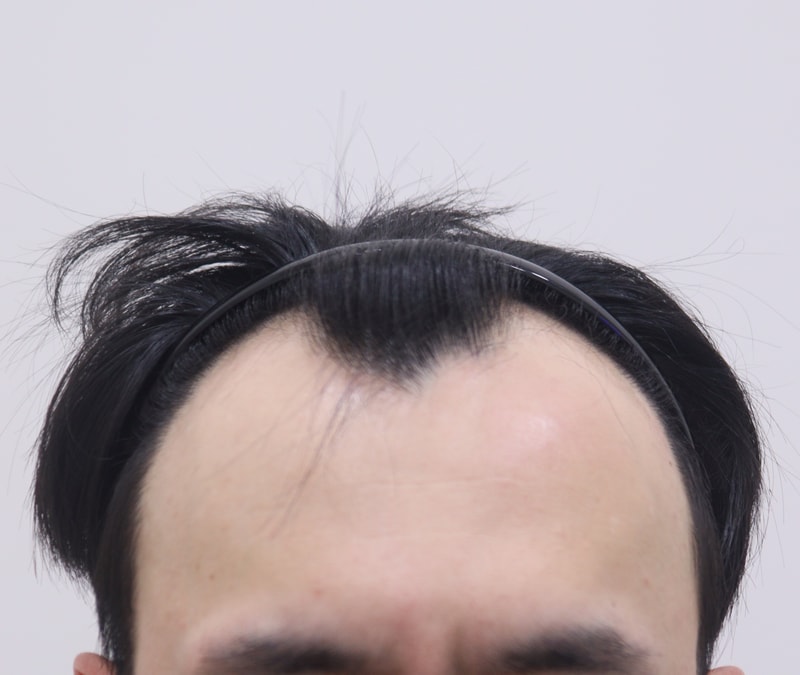
 Mo&Bless Hair Clinic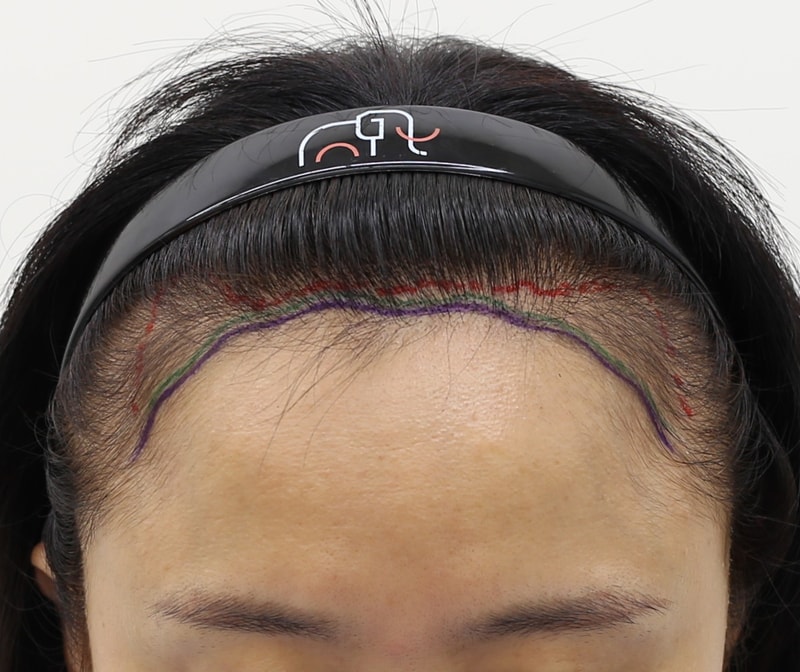
 Incheon Mammoth Hair Restoration Center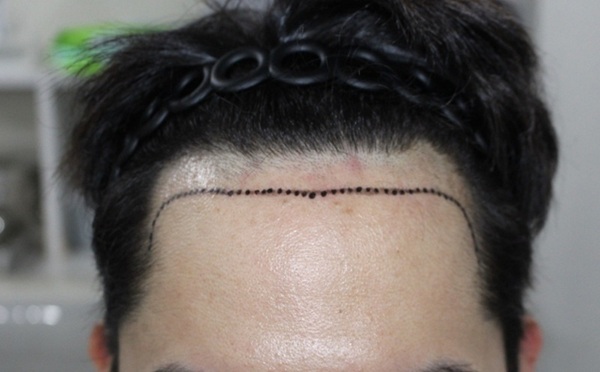
 Modaol Hair Transplant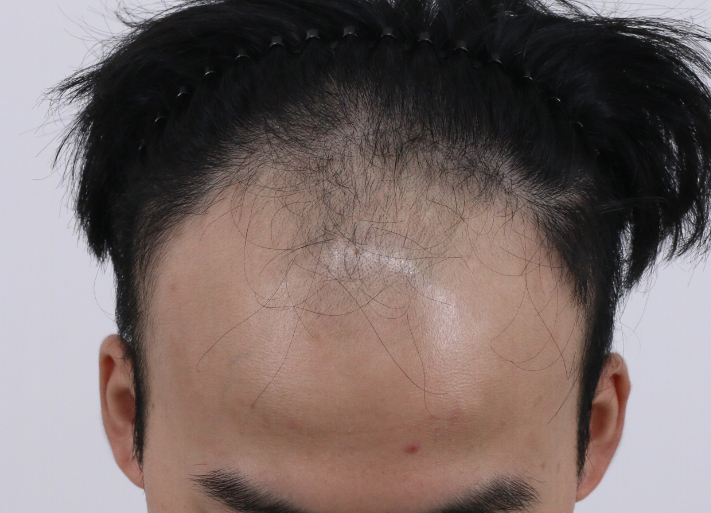
 Mowoolim Clinic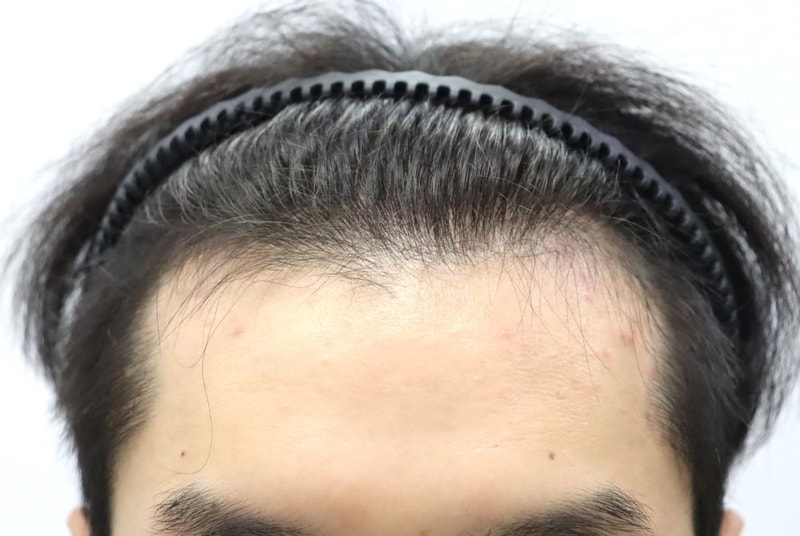
 FORHAIR Hair Transplant Korea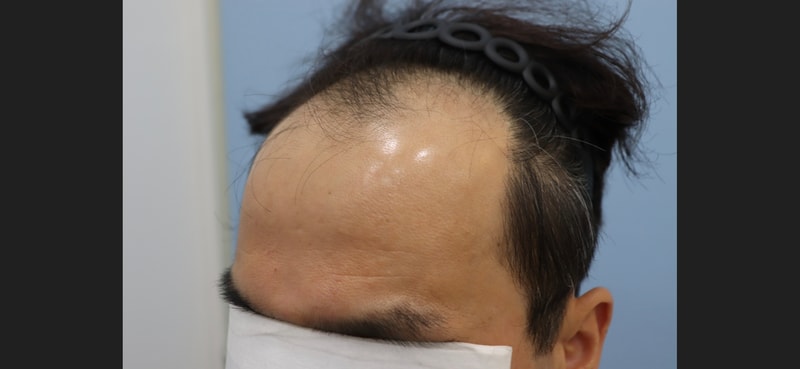
 apgujeong mobien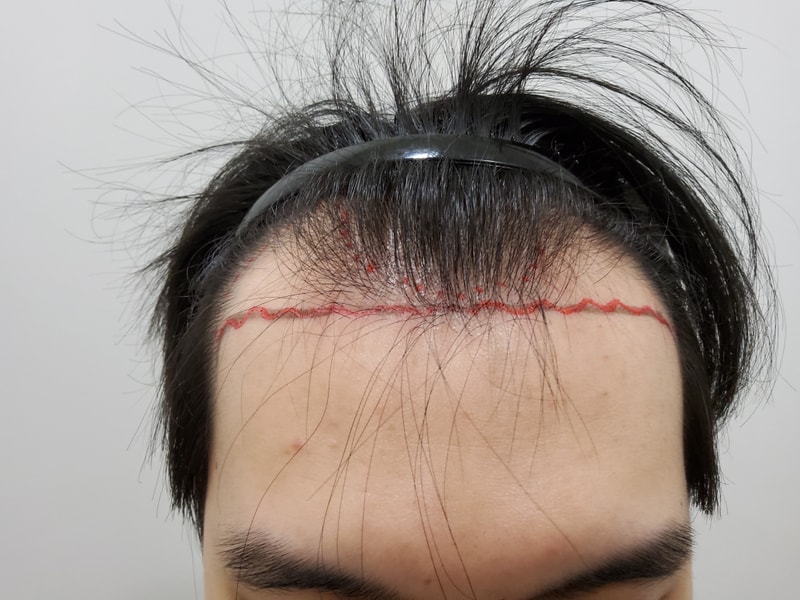
 Modeunmo Clinic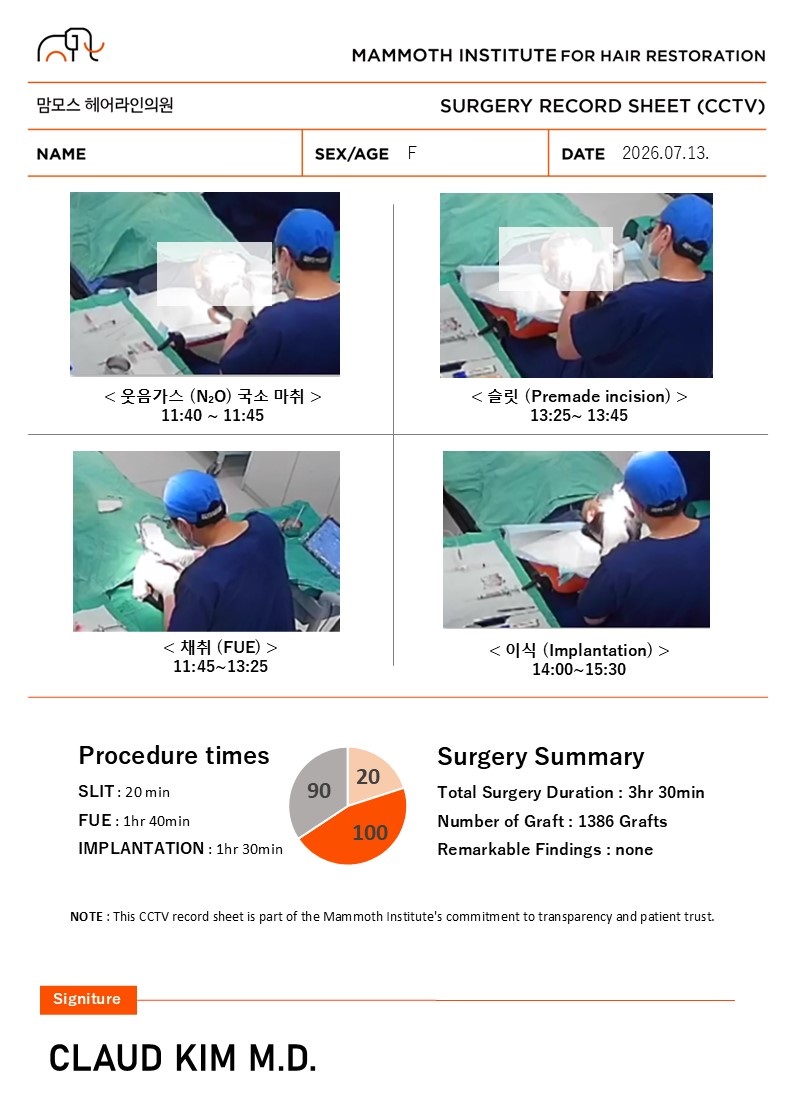
 Mammoth Hair Restoration Center Busan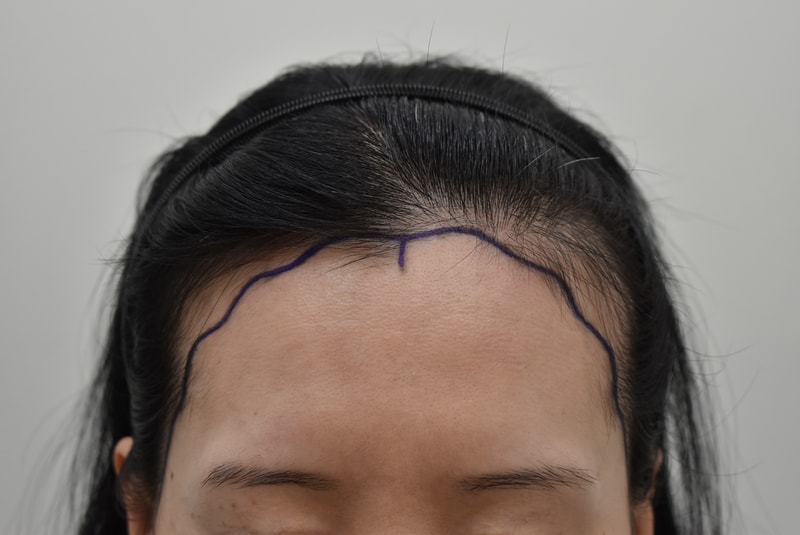
 MOBARUN HAIR SURGERY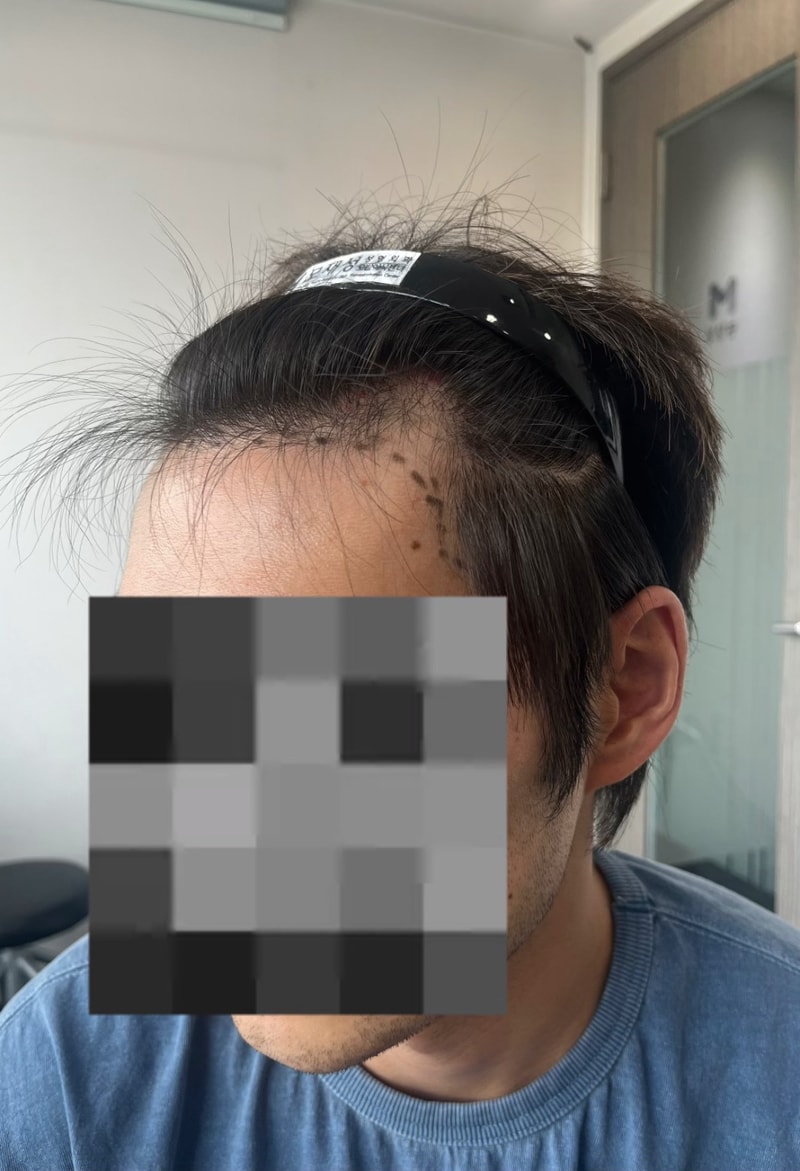
 Mo Jaesung Plastic Surgery & Hair Transplant Center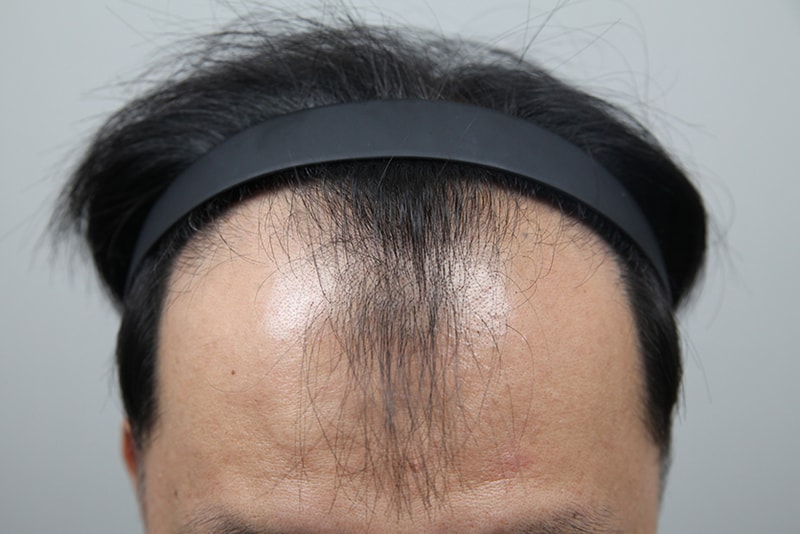
 MONARA dermatology clinic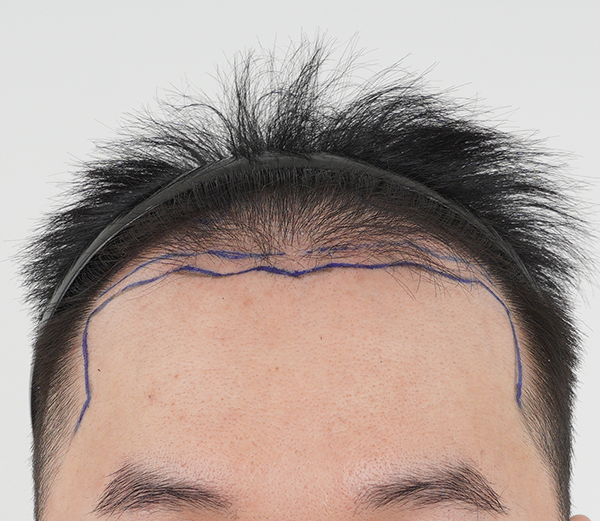
 MOMO HAIR TRANSPLANT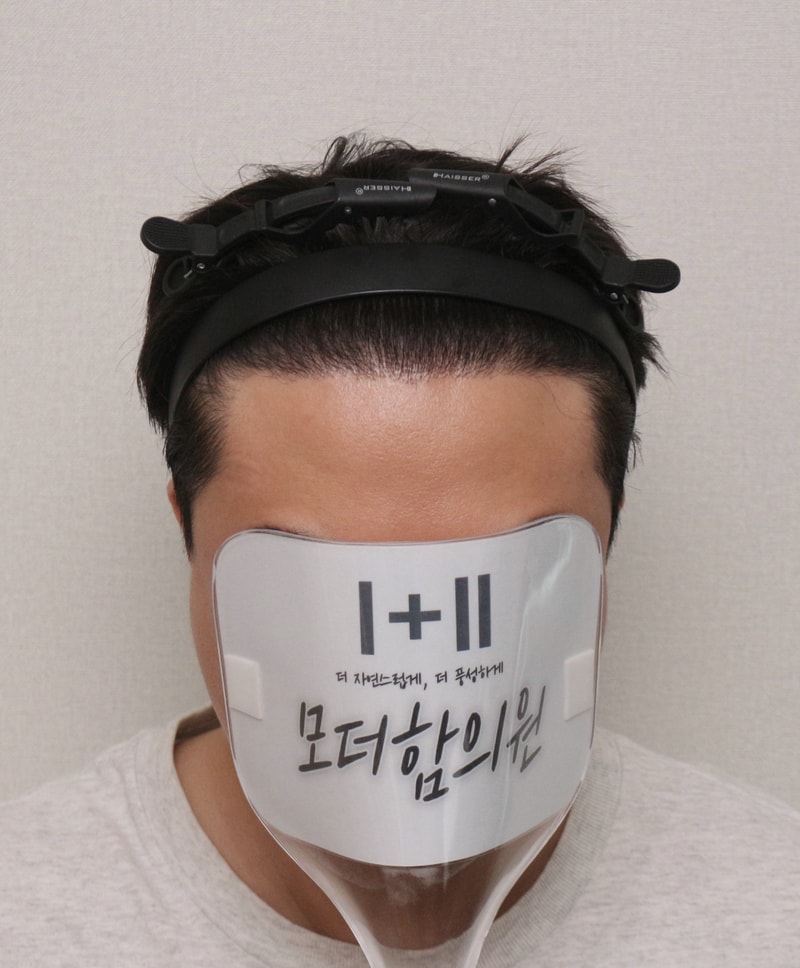
 Moderhamm Clinic — Hair Transplant Center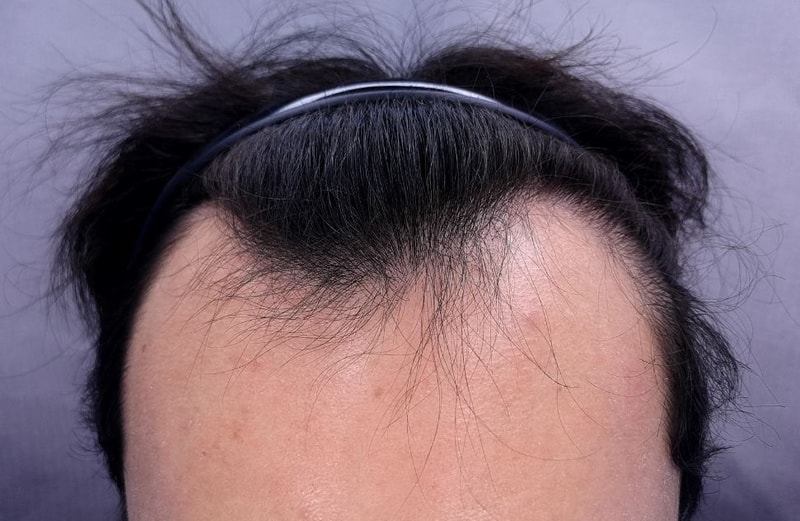
 Yonsei Mobelle Clinic - Incheon Branch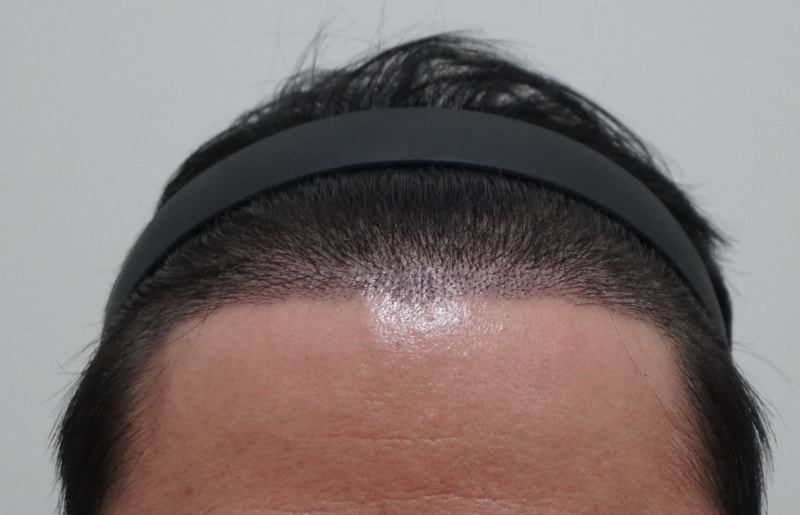
 Yong Doctor Hair Transplant Surgery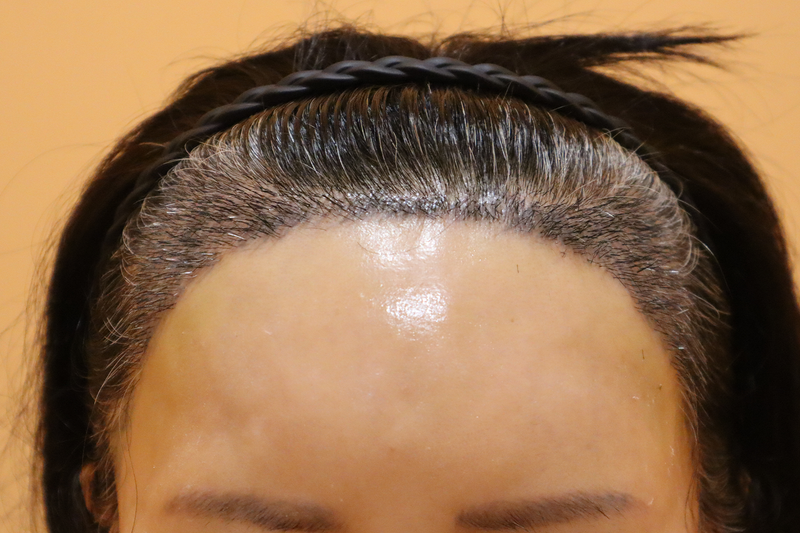
 HAIRO HAIR TRANSPLANT CENTER Busan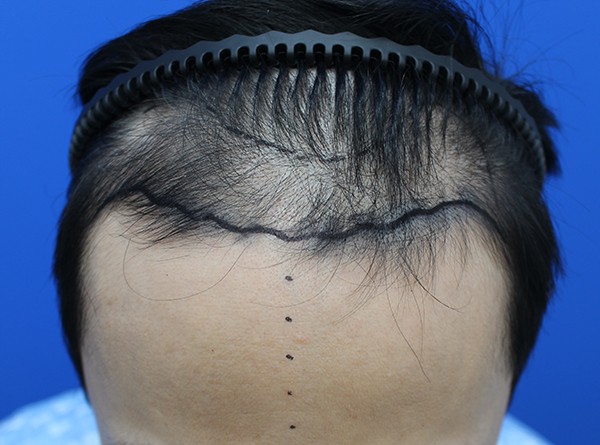
 Hannaeve plastic surgery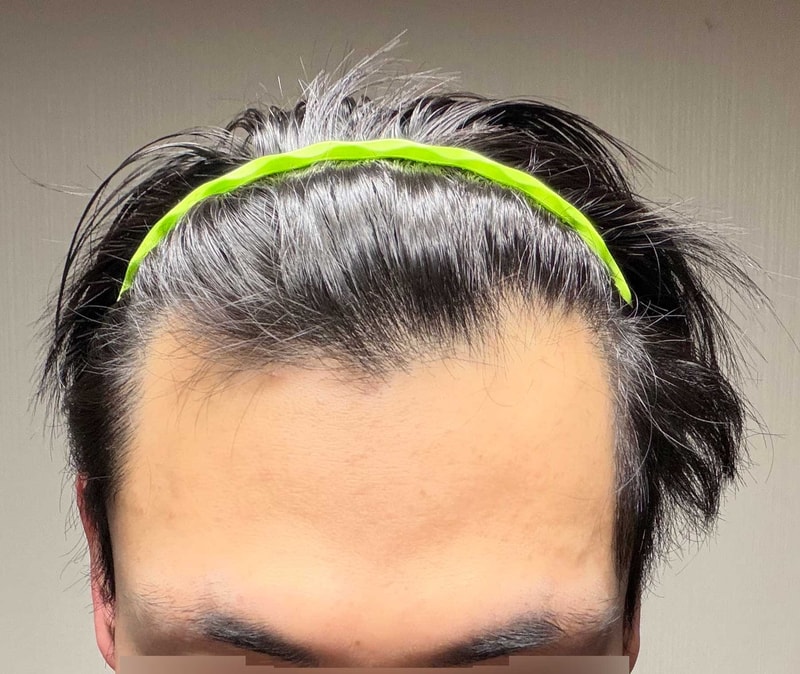
 MO.1 plastic surgery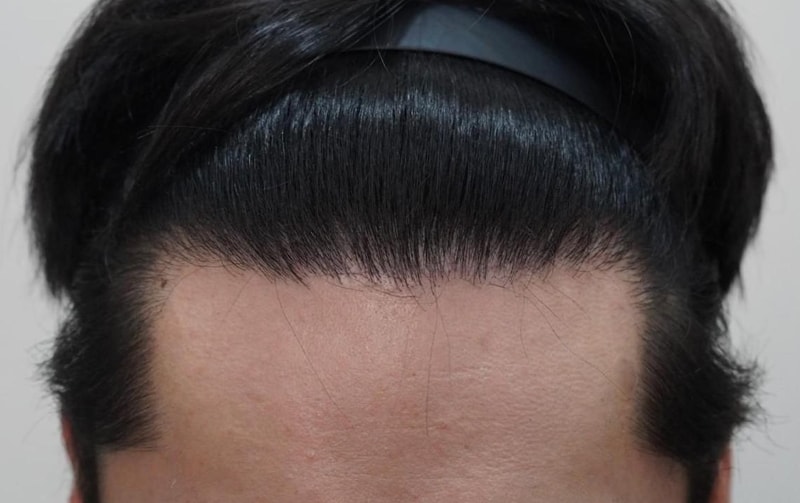
 Busan Grow House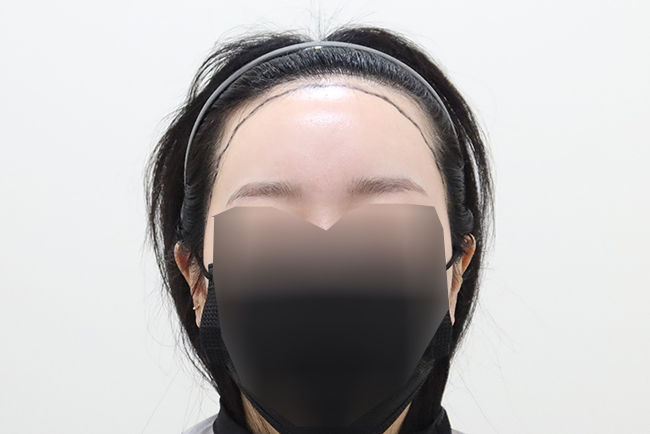
 Momo Clinic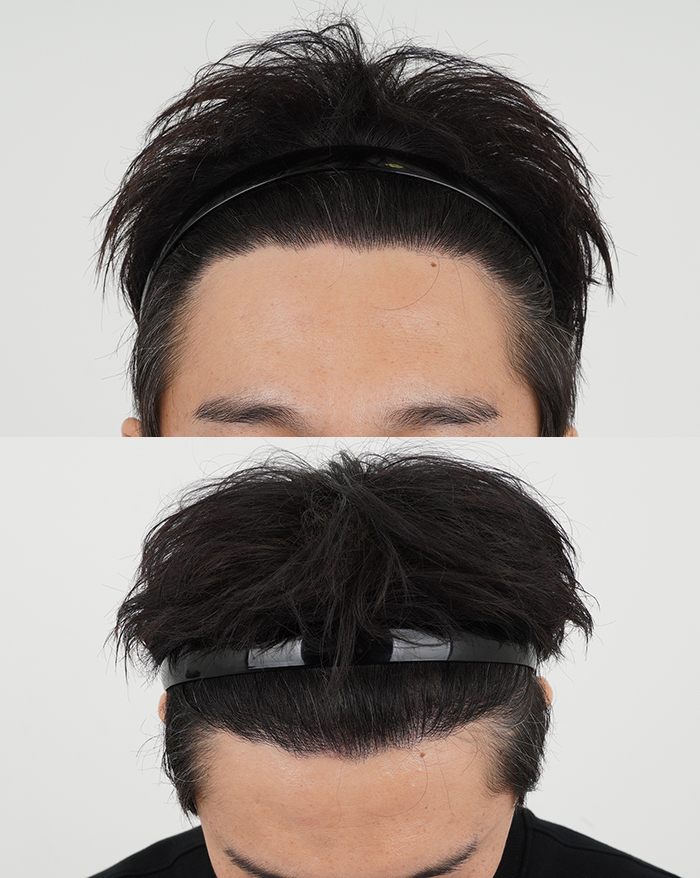
 MOMO's Suwon branch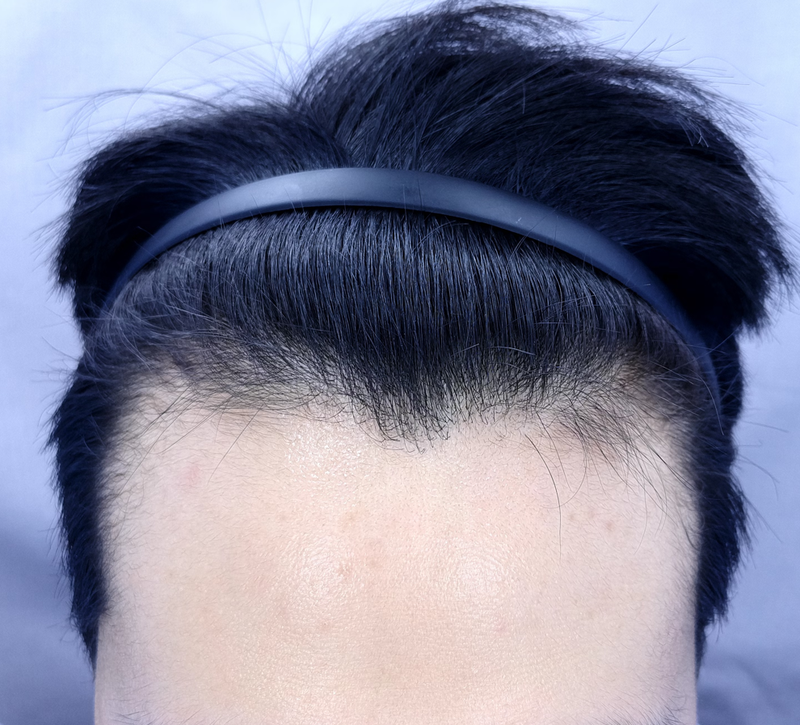
 The Jongno Headquarters of the Yonsei Mobel House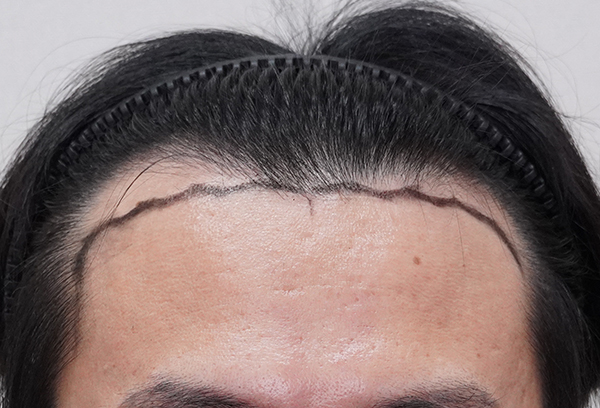
 Momo Clinic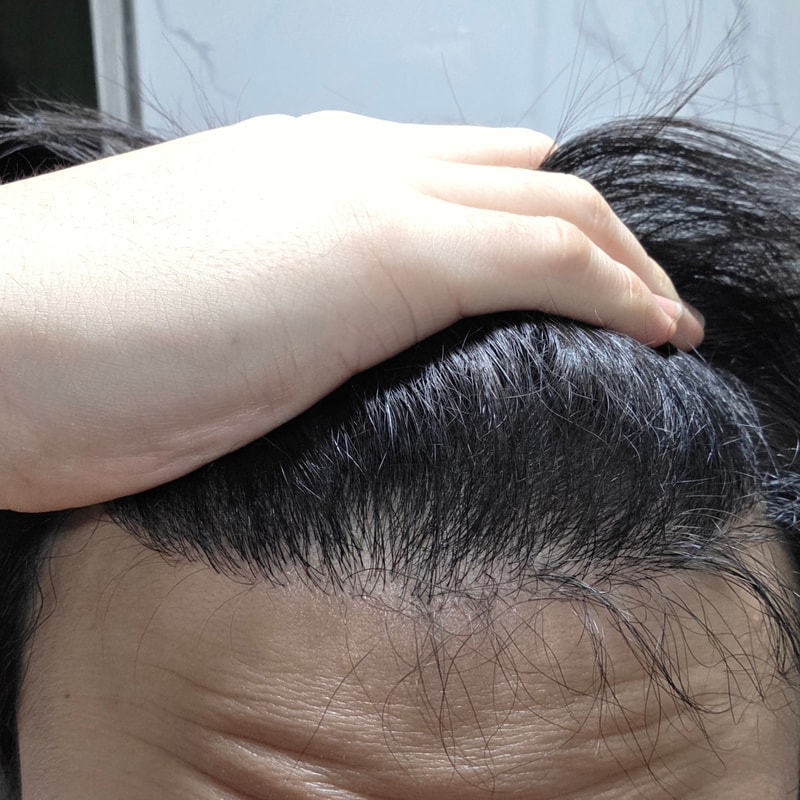
 MYMO HAIR TRANSPLANT CENTER Incheon
 MOEM Clinic
 Dana Plastic Surgery
 MOUDA CLINIC
 Modi hariplant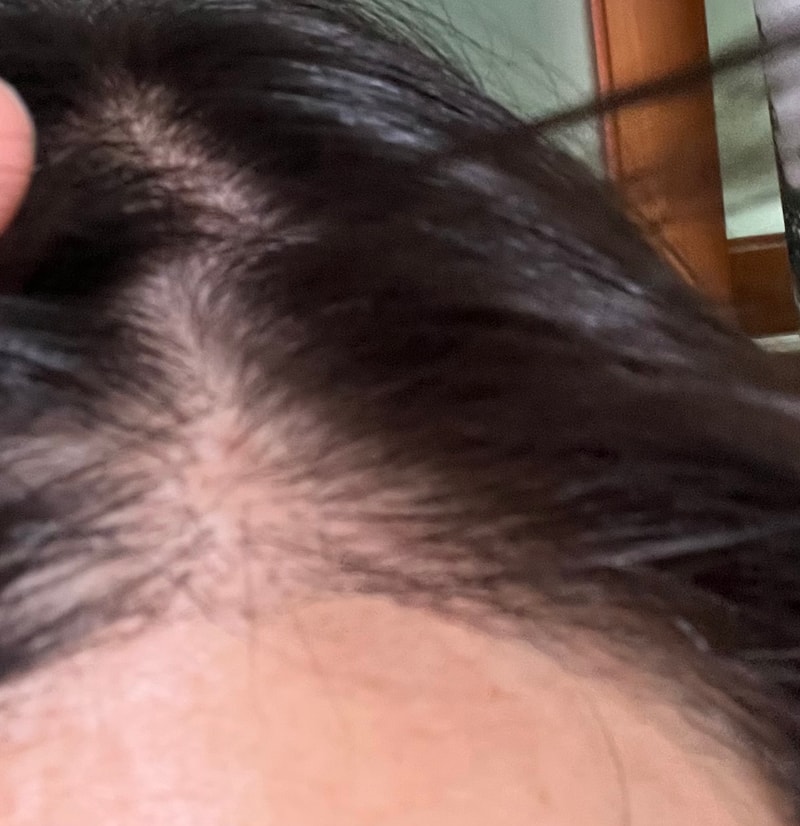
 WOOMCHAN Hair Transplant Clinic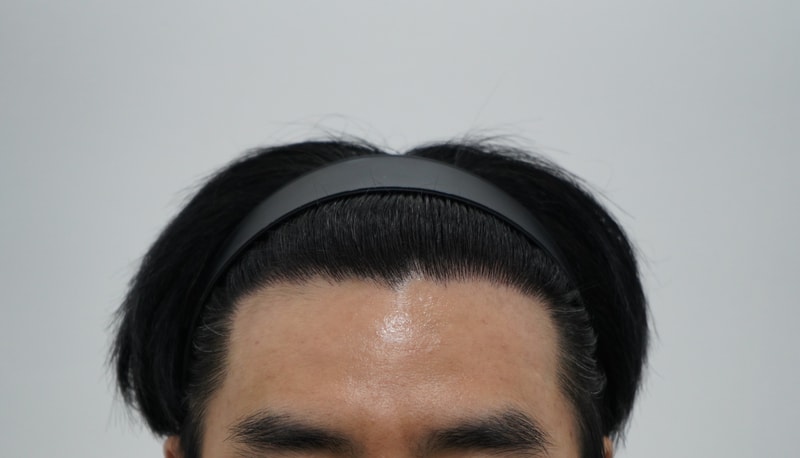
 moart clinic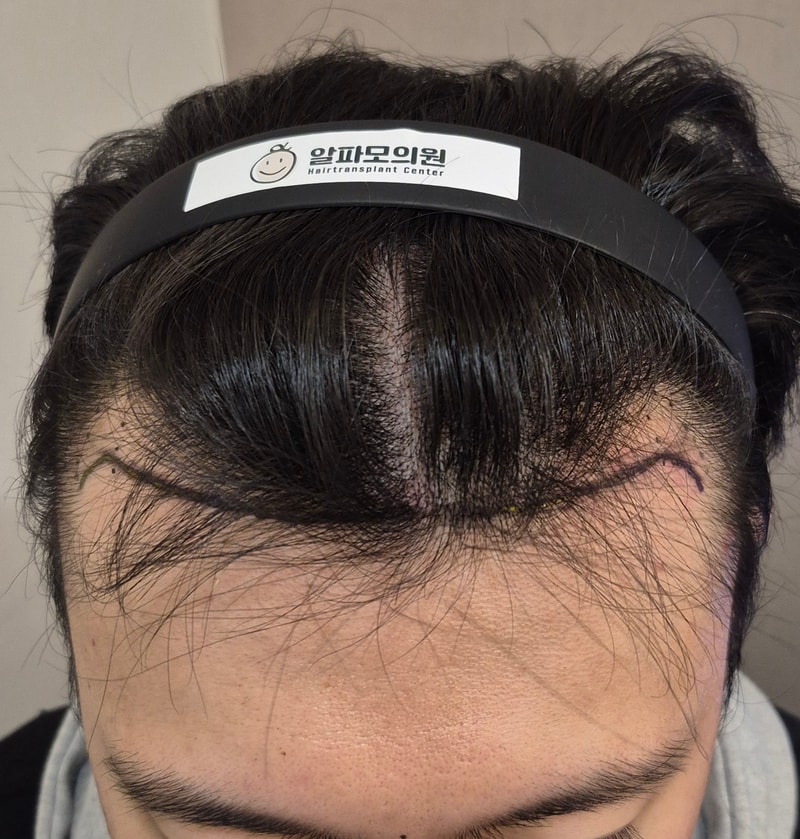
 an alpha-mocking circle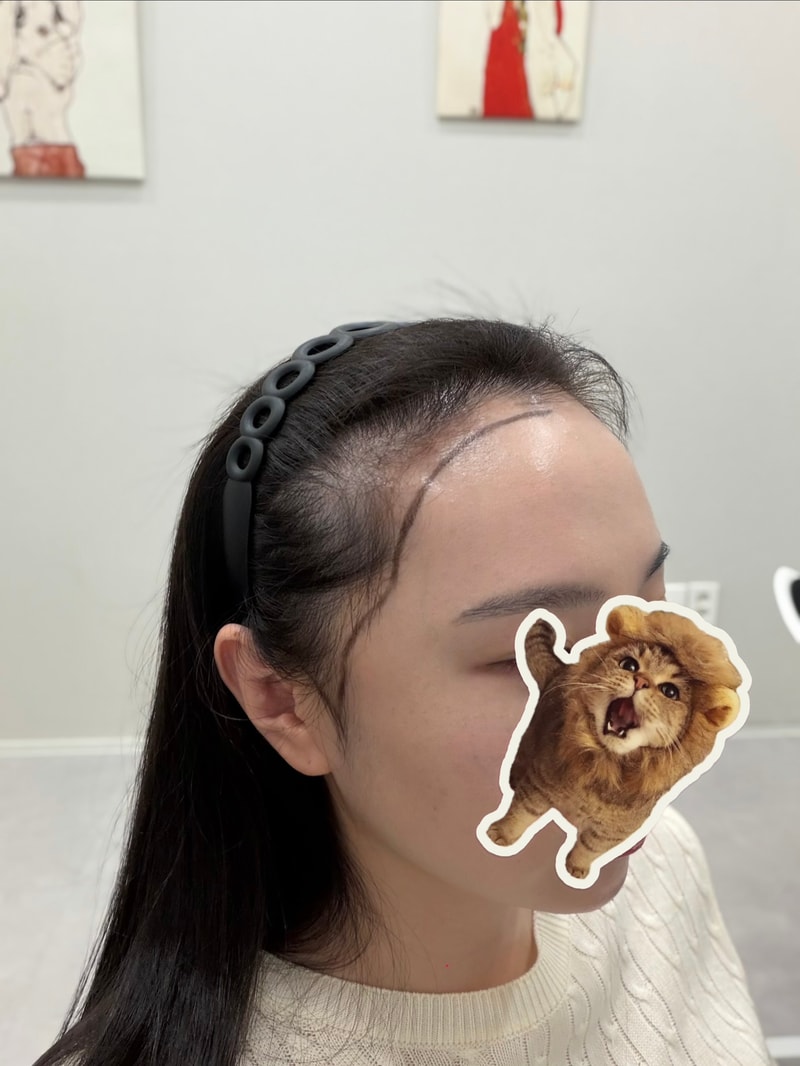
 HAIRO HAIR TRANSPLANT CENTER Dongtan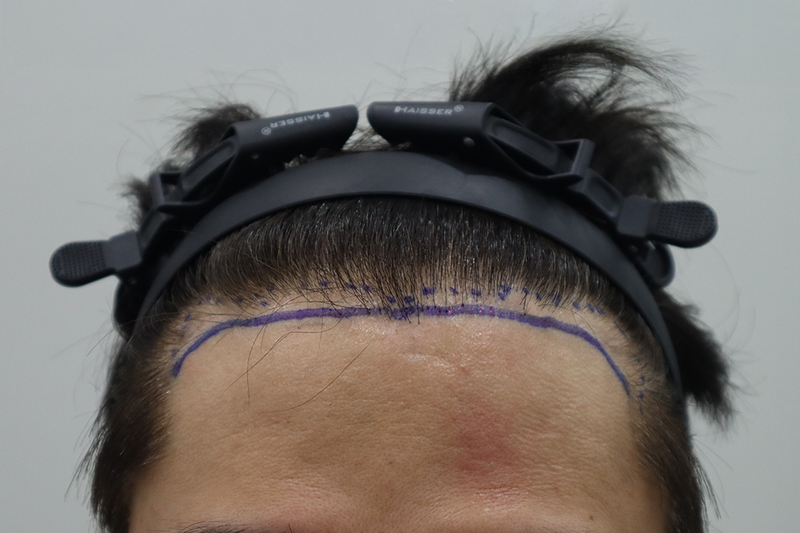
 HAIRO HAIR TRANSPLANT CENTER Jeonju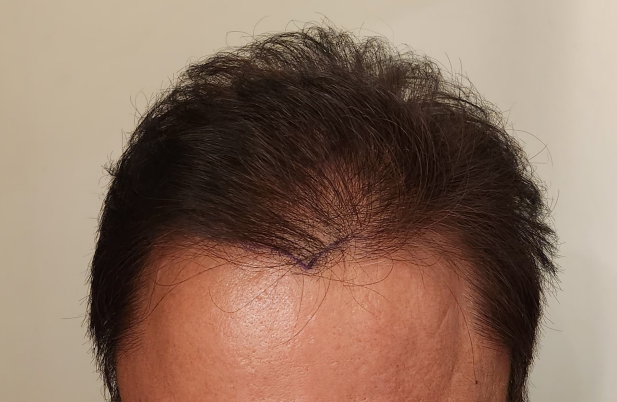
 Yonsei Mobelle Clinic - Daegu Branch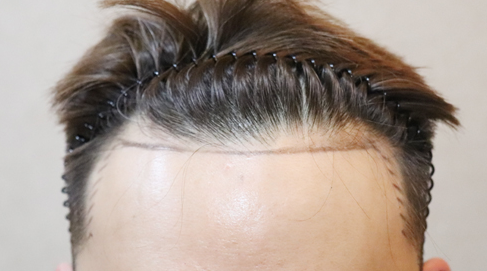
 JP Hair Transplant Clinic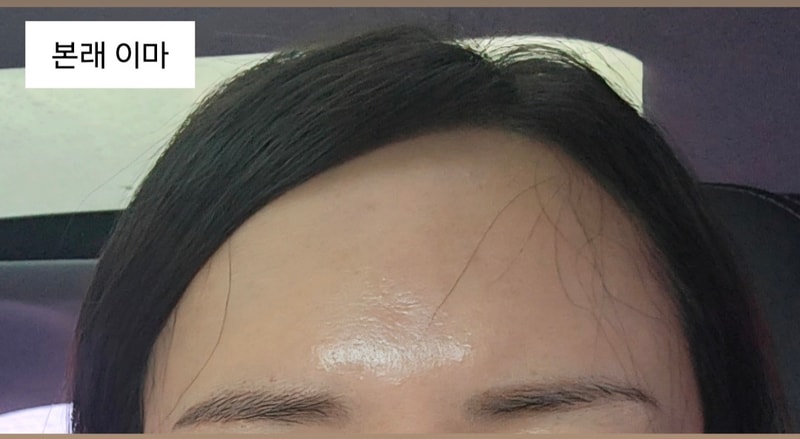
 Banal Plastic Surgery Clinic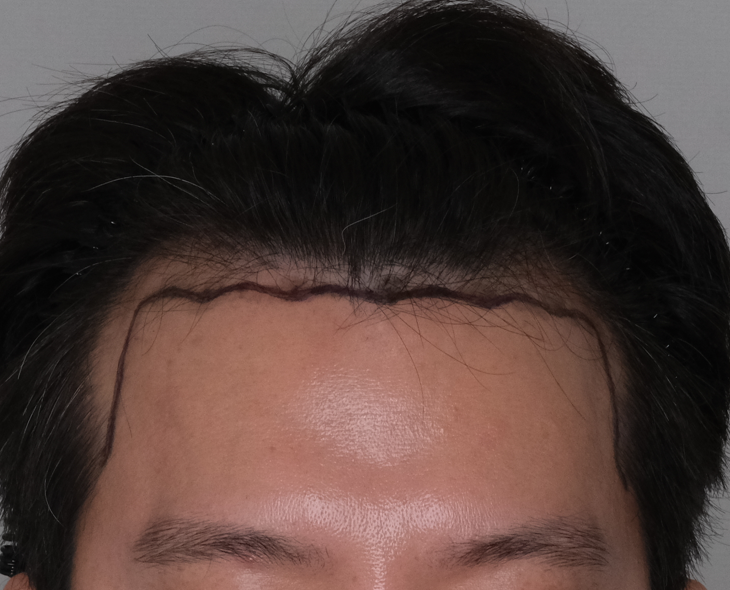
 GLOWELL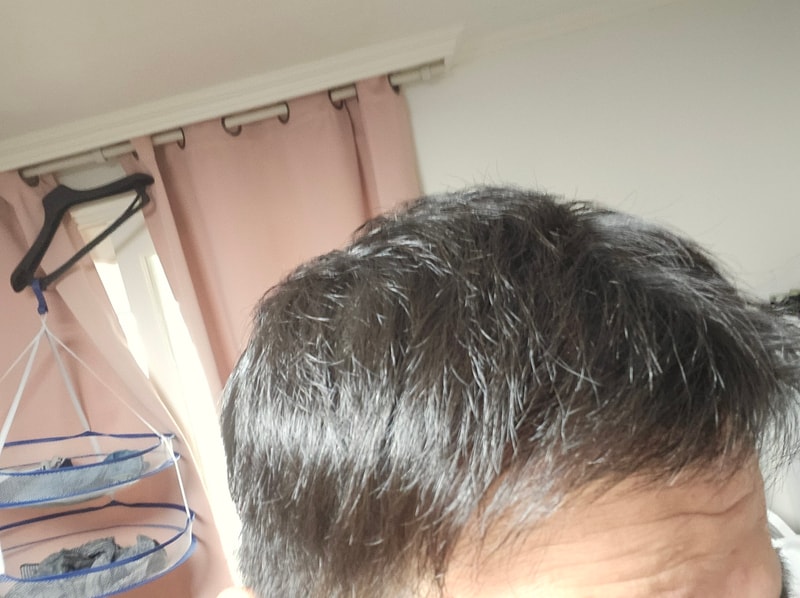
 Moment Clinic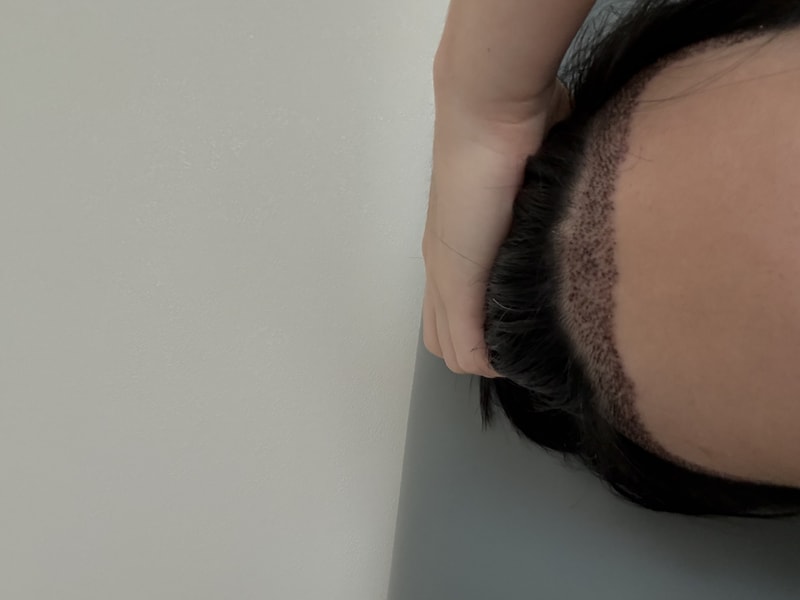
 Motion Hair Clinic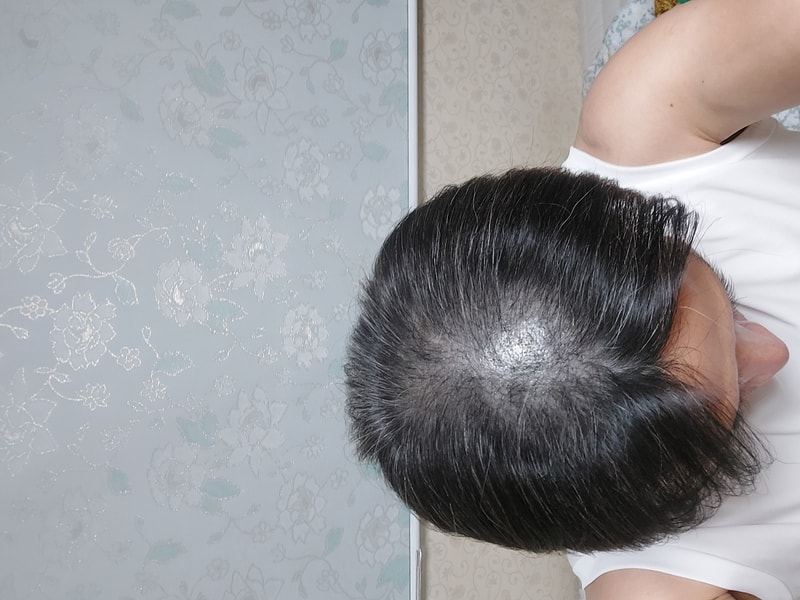
 MOAMAN CLINIC



Comments