Just as you say
Obviously, high-quality soap is better than low-quality shampoo, and high-quality shampoo is better than low-quality soap
This is the answer and the rest is the judgment of the hair loss people, but I still think
I don't think it's wrapped in soap,,LOL. LOL
>It's Myung-min.
>
>Looking at the comments below, there are many different opinions on whether you like soap or shampoo. There's nothing really good about it. ^^
>
>. How do you know if the problem is low-class or high-end?However, the average consumer has no idea how to figure it out. I think the members here must have felt and experienced the simple fact that it's good to be expensive or what kind of effect it has on a company.
>We need to know how to explain why it's good and why it's bad, not just what they said was good. I'm sure this article will be buried in the brain and time of many media, but I write a few words in the hope that even one person will be able to read it and be helpful.
>
>You can think of the principle of soap or shampoo as a surfactant. Substances that act on the interface between solids and liquids, liquid and liquid, and liquid and gas to change the state of the interface are called 'surfactants' or 'surfactants'. The most representative examples of surface activities are soap, shampoo, and synthetic paper. The molecular structure of soap consists of parts that are friendly to oil and parts that are ionized to be friendly to water. These are called pro-organic and hydrophilic groups. So the organic group can enter the oil layer and the hydrophilic group can enter the water layer and change the properties of the surface. When you soak the grease-stained fibers in the soap solution, the soap molecules disperse in all directions and line up on the fiber-water, dirt-water interface, and penetrate through that interface (penetrating action). It then surrounds the dirt or oil and pulls it into the water, dispersing and emulsifying it smaller (the emulsification dispersion). desiccated
>The surface is covered with soap molecules, so the oil stains cannot stick again, so the oil stains are cleaned.
>
>What we commonly call sebum is the sebum membrane, which is caused by the combination of sebum from the sebaceous glands and moisture secreted from the sweat glands. Fiji is an animal fat, or animal oil. So, it is soap or shampoo that wipes out sebum in the way described above.
>
>You had to go through a chemical reaction in the process of making soap or shampoo. Strong alkali components must be fused with oil to create soap or shampoo. So you go through a similar process, like shampoo and soap.
>
>The problem is the additive. Chemicals (surfactants) are added to make it more washable. If you look at the back of the shampoo, there is a "display component," and the ingredients here are surfactants, preservatives, and antioxidants. I write down some ingredients that are good for my body and then I write a lot of chemicals in the back. It's all a trick. The ingredients are marked on the back, so there is nothing legally caught. If any side effects occur, all are attributed to consumers. Most chemicals are found to be cancer-causing ingredients.
>
>The writing got longer. I found out because I made soap and shampoo myself. And it's true that you can't use soap or shampoo more.
>Companies sometimes use low-grade oil or industrial oil to lower production costs. And there are a lot of chemical additives in it, and the glycerin that is produced during the saponification process (which also moisturizes the skin) It is a very high-quality material.) is taken out as a cosmetic material. Instead, there are oxidants, preservatives, surfactants, bleach, and whitening agents ^^
>
>The 'castile soap' mentioned briefly below is a soap made by completely reacting strong alkaline ingredients to pure 100% oil. It's the same with shampoo. It is the purest form without any additives.
>The shampoo I make is a little bit of my knowledge in this castile soap. It seems that the finished product will be made soon.
>
>Women should also listen carefully. The corruption of numerous cosmetics that women unconsciously use now is similar to the process of soap and shampoo above. That's why I also make and use cosmetics ^^. I sometimes eat cosmetics when I'm hungry -_- That's the shampoo I want to make.
>
>This article is not all. There are many things I missed, and there are things I didn't write on purpose. There's one place where I lied. Have questions. And read it again. The world will look different.
>
>You're always welcome to the question.
>
>- Myeong-min.
>
>





 K4958360347
 K4993236009
 K29643000722308141718
 아픈상처에소금
 dnheg
dnheg
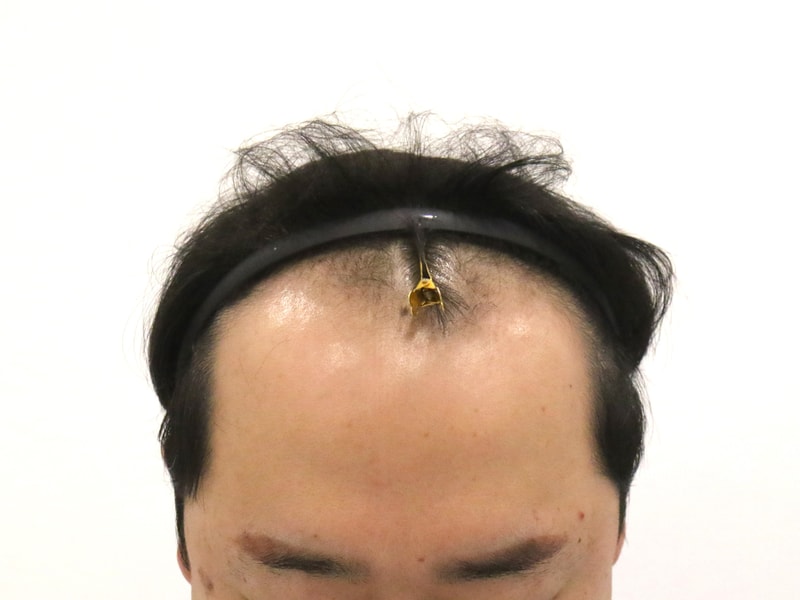
 Mammoth Hair Restoration Center Busan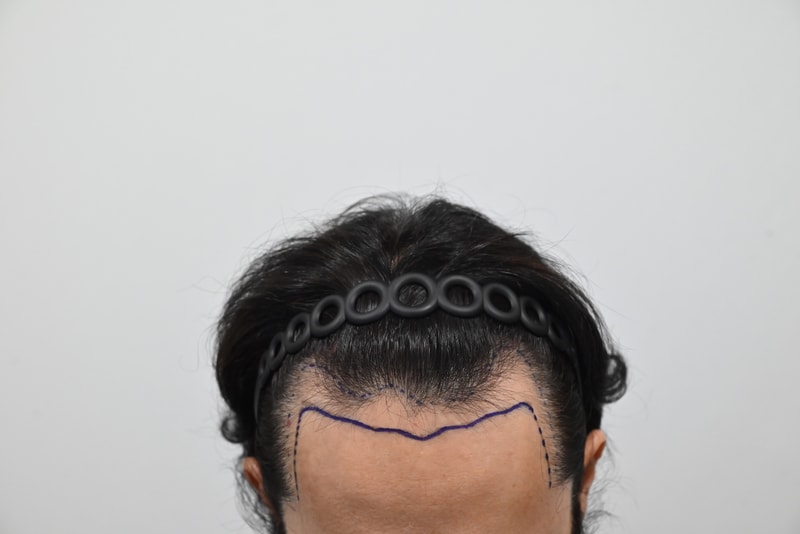
 MOEM Clinic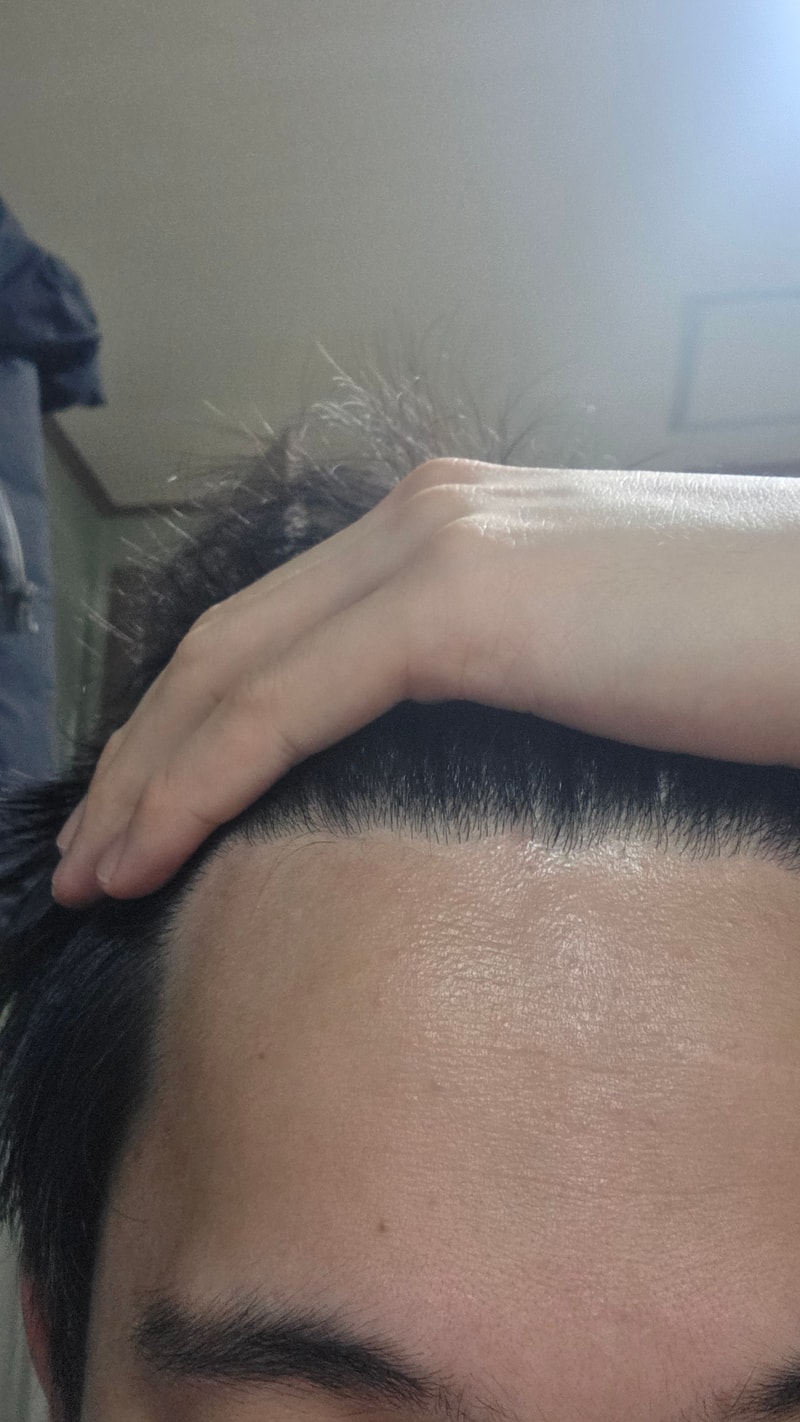
 HAIRO HAIR TRANSPLANT CENTER Dongtan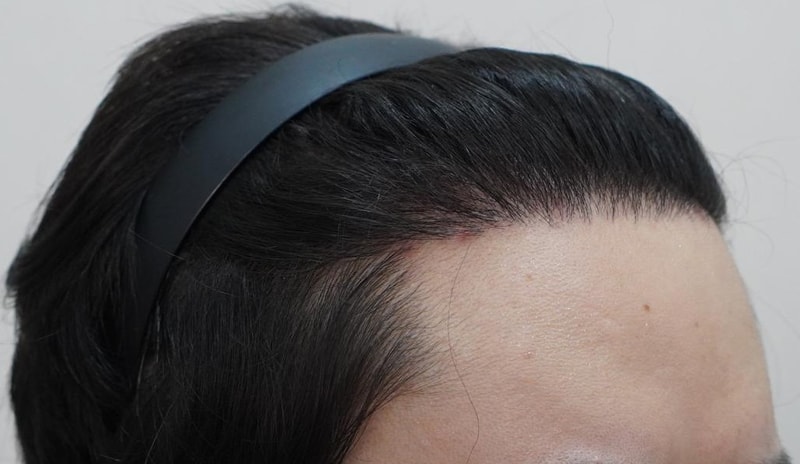
 Busan Grow House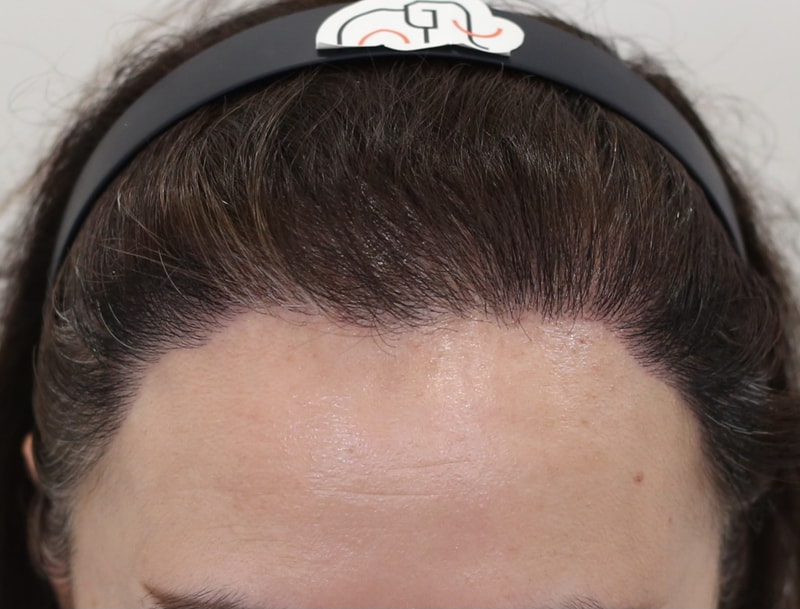
 Mammoth Hair Restoration Center, Apgujeong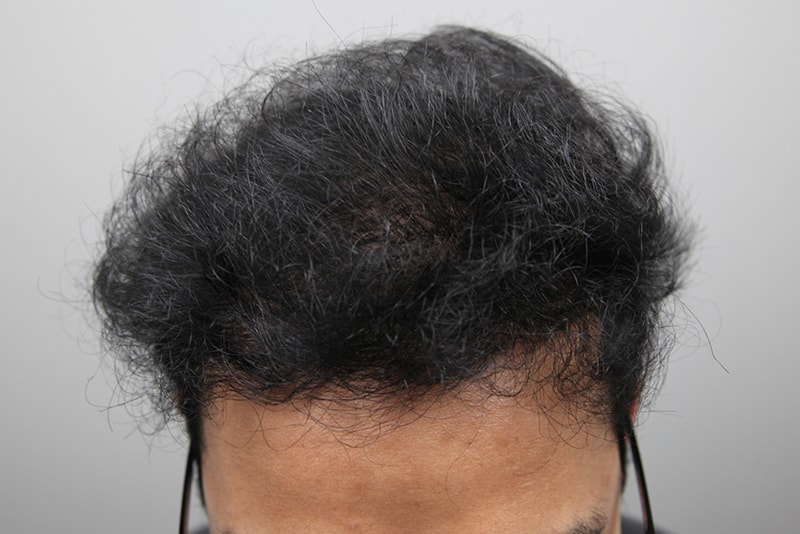
 MONARA dermatology clinic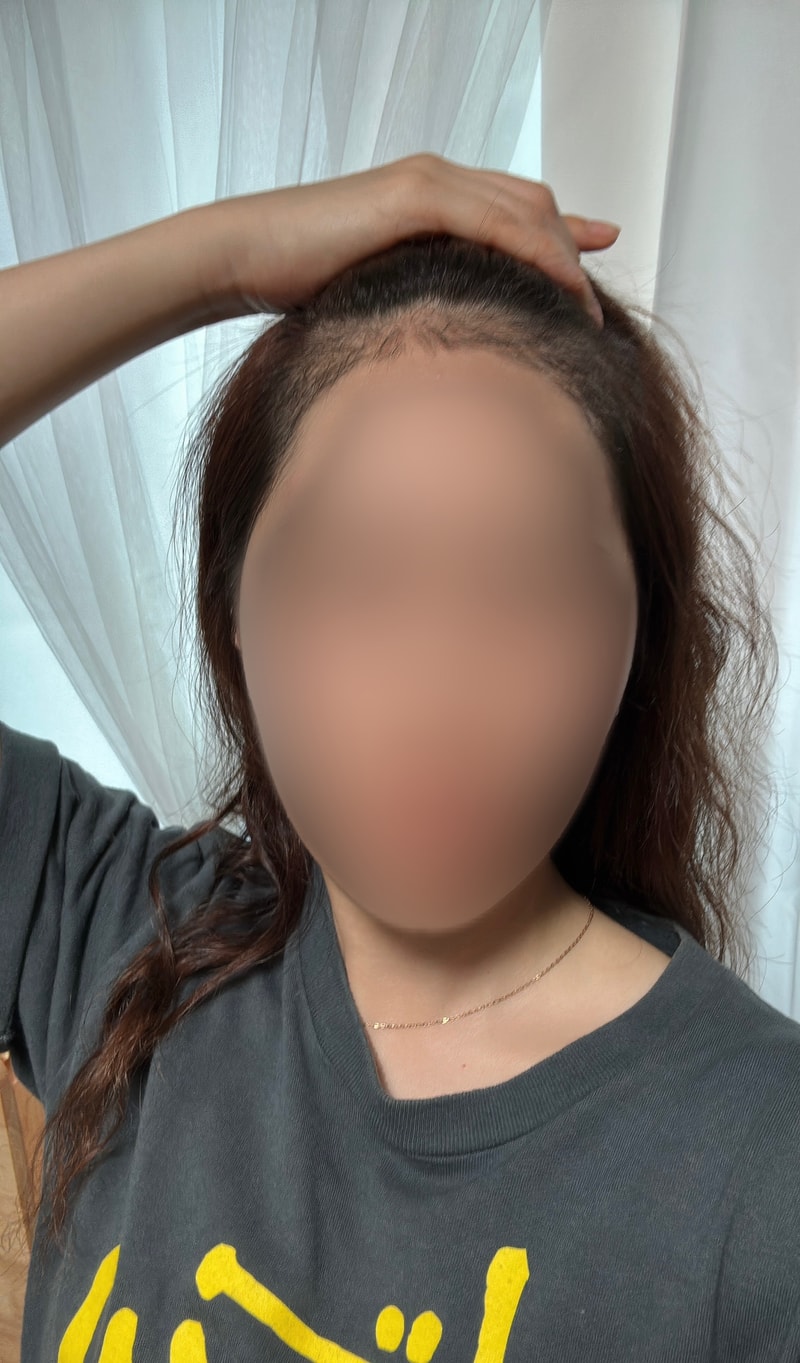
 MOJELIM Hair Transplant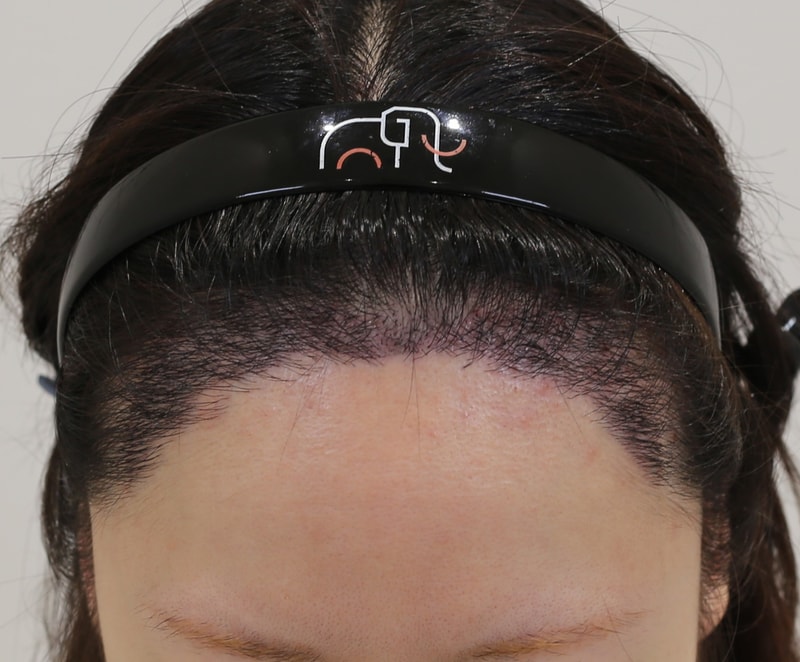
 Incheon Mammoth Hair Restoration Center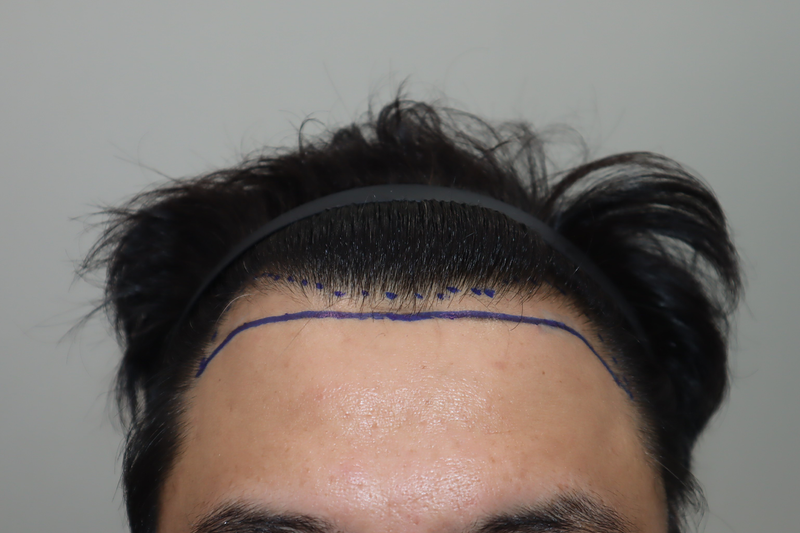
 HAIRO HAIR TRANSPLANT CENTER Jeonju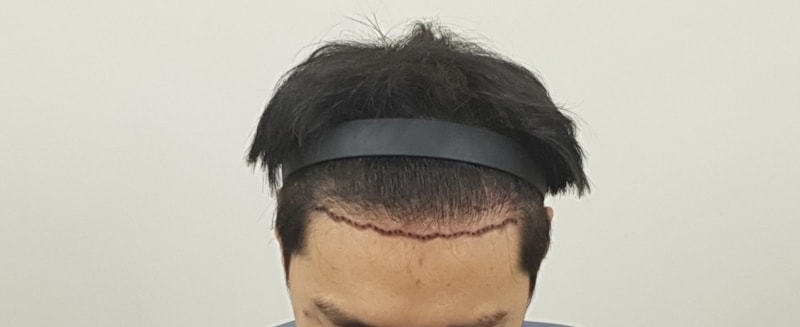
 Yong Doctor Hair Transplant Surgery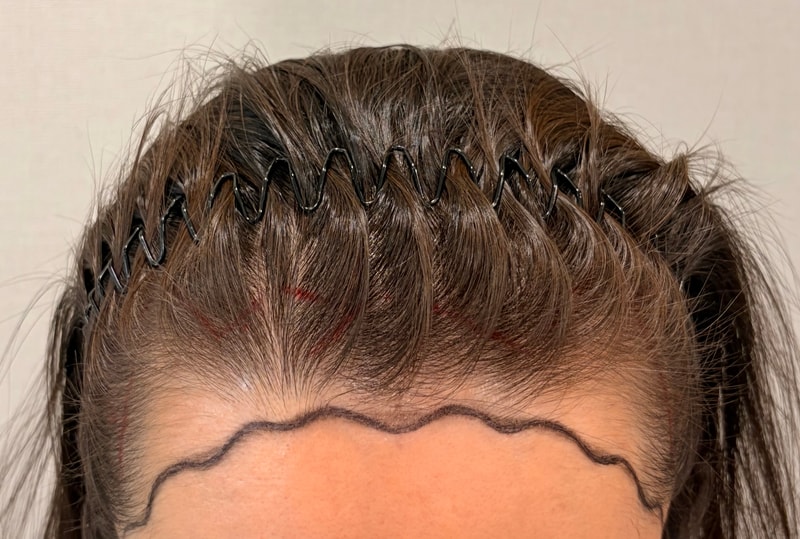
 MOUDA CLINIC
 Yonsei Mobelle Clinic - Daegu Branch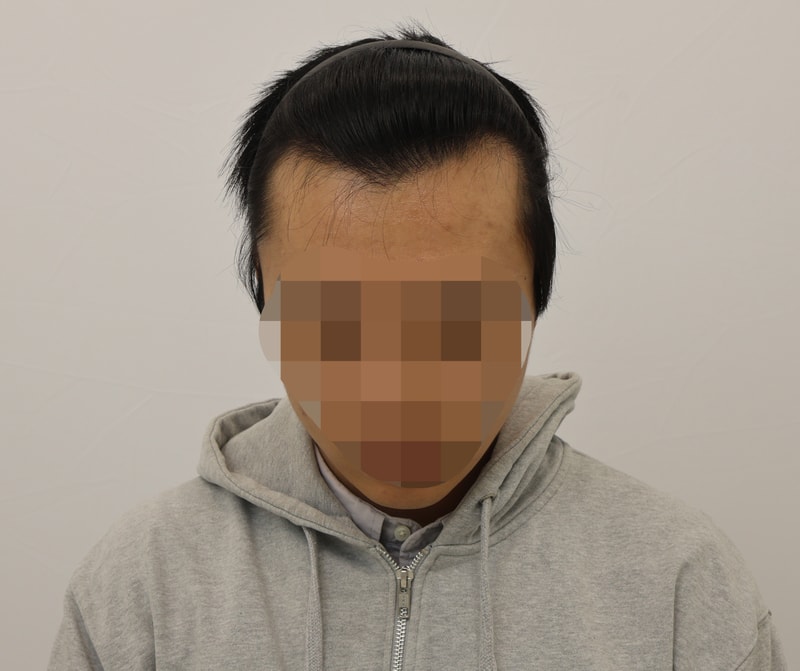
 Modi hariplant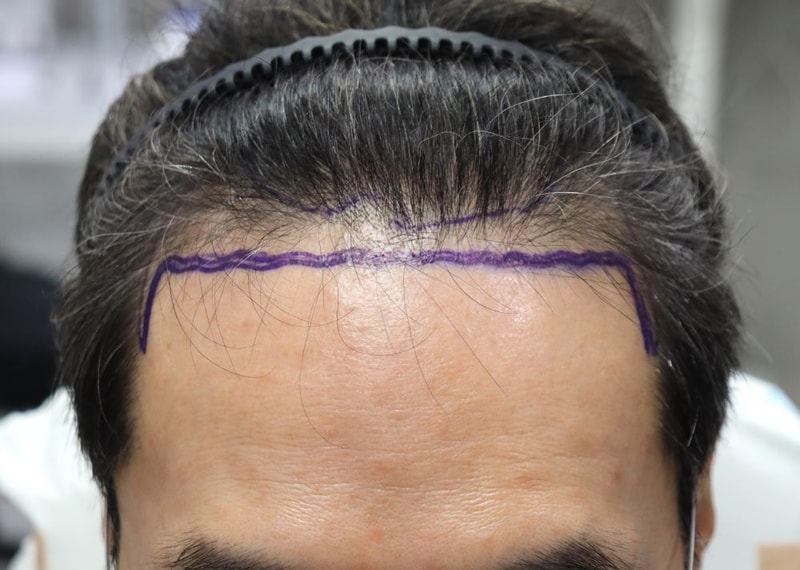
 FORHAIR Hair Transplant Korea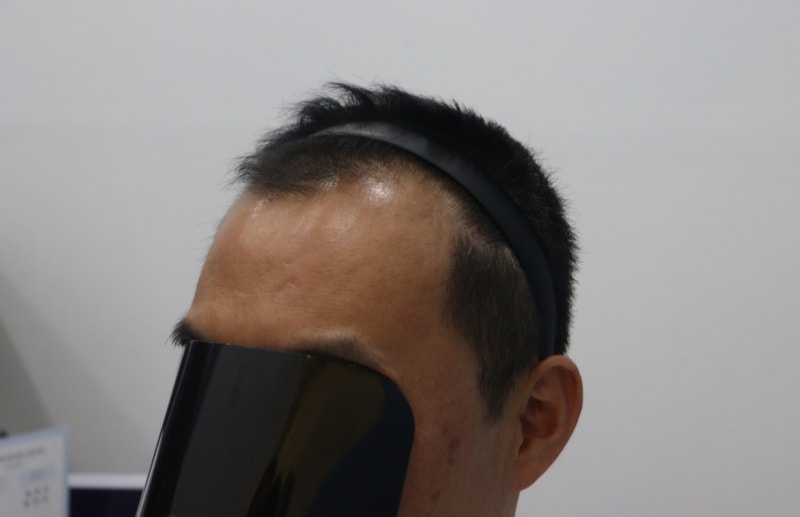
 apgujeong mobien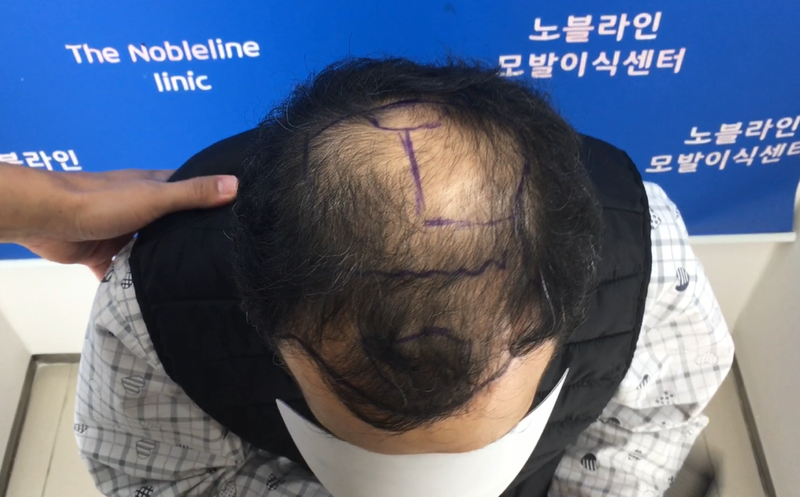
 The Nobleline Center for Alopecia Care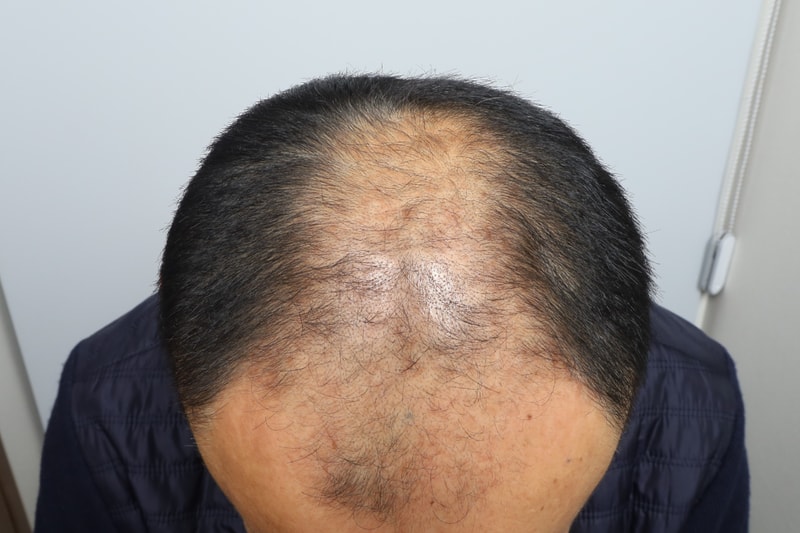
 MO.1 plastic surgery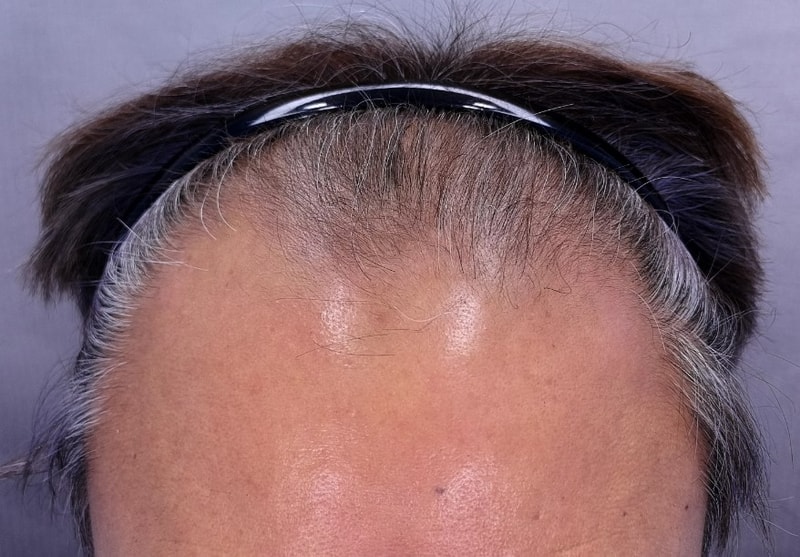
 Yonsei Mobelle Clinic - Incheon Branch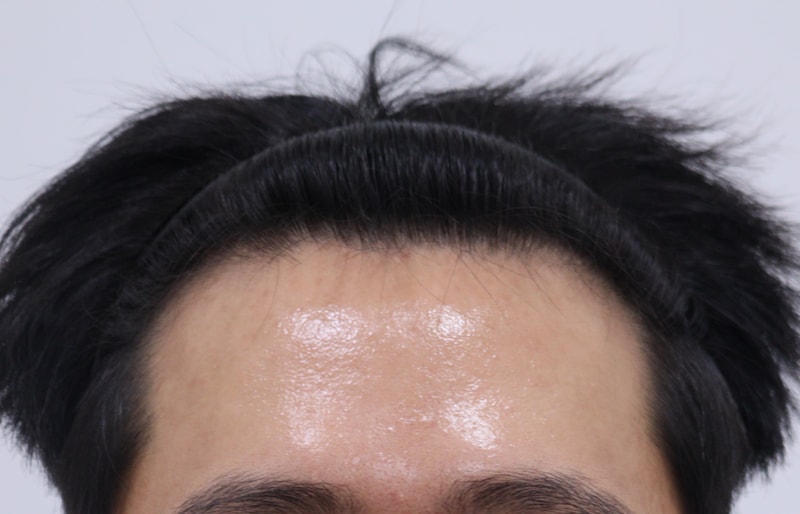
 Mo&Bless Hair Clinic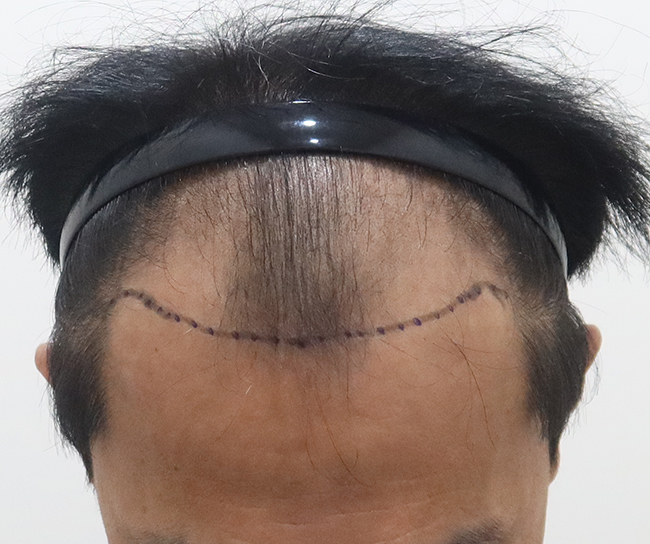
 Momo Clinic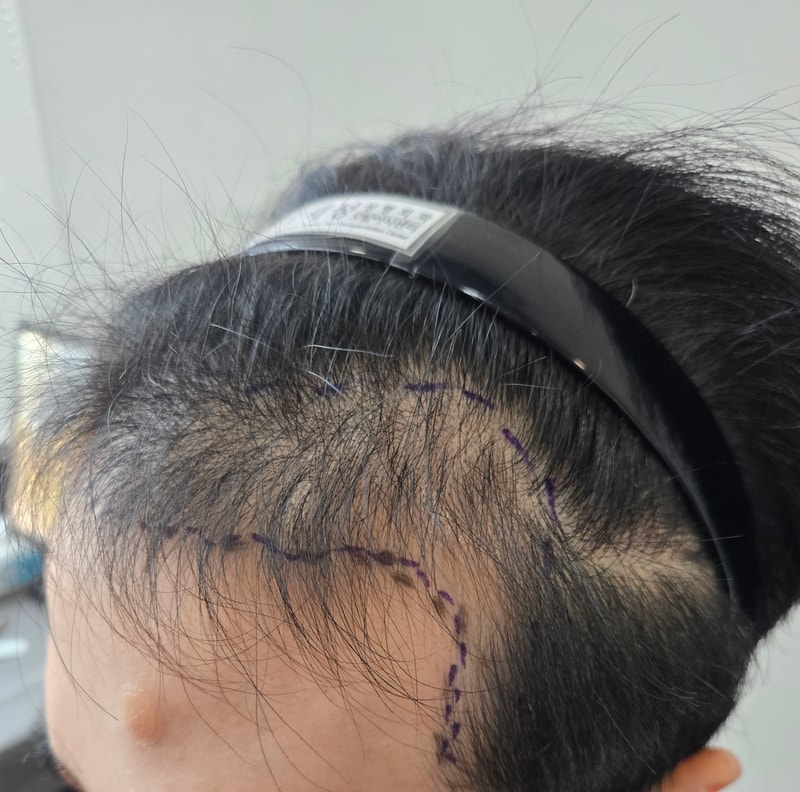
 Mo Jaesung Plastic Surgery & Hair Transplant Center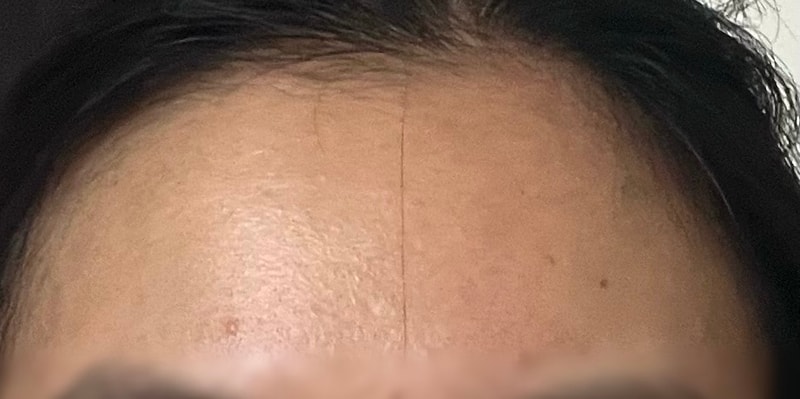
 Mowoolim Clinic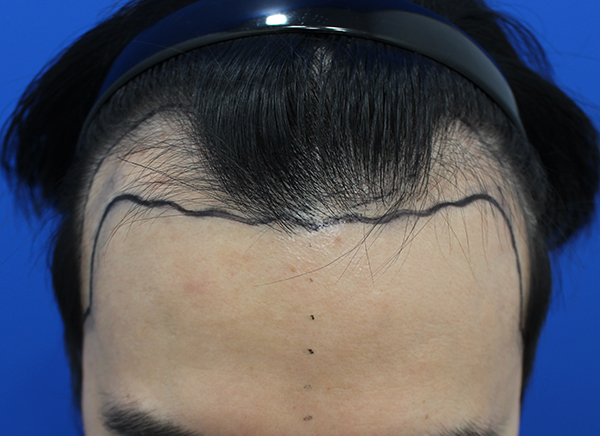
 Hannaeve plastic surgery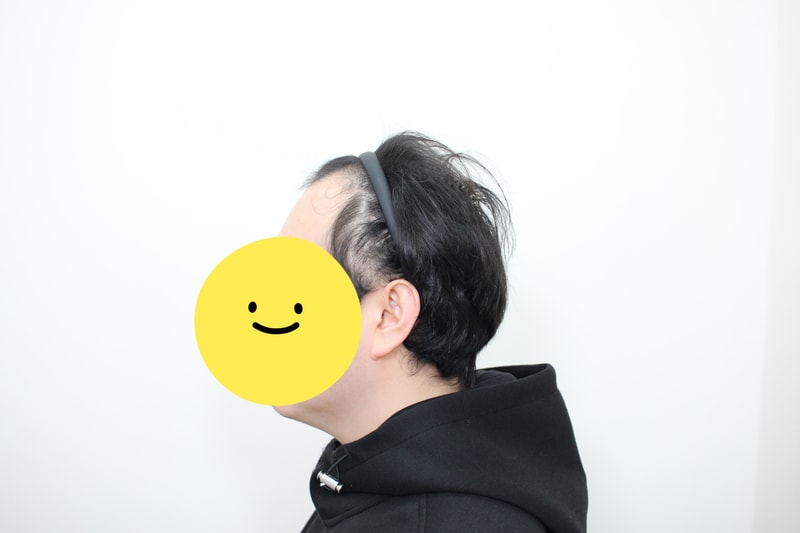
 Mopro Clinic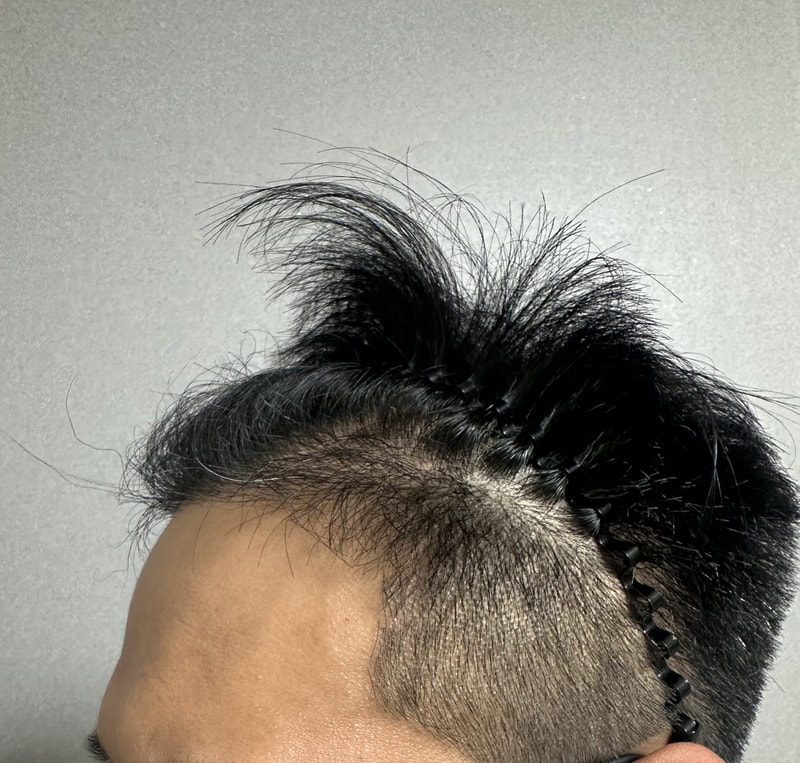
 Dana Plastic Surgery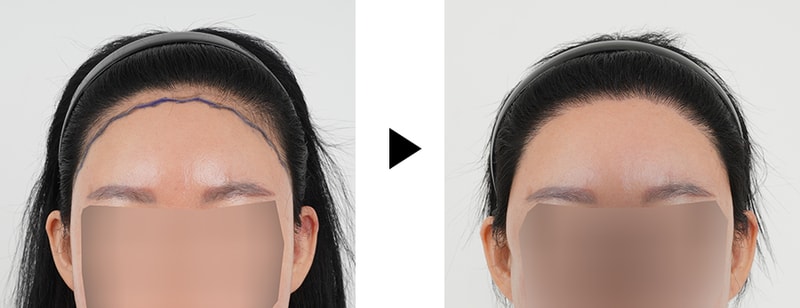
 MOMO HAIR TRANSPLANT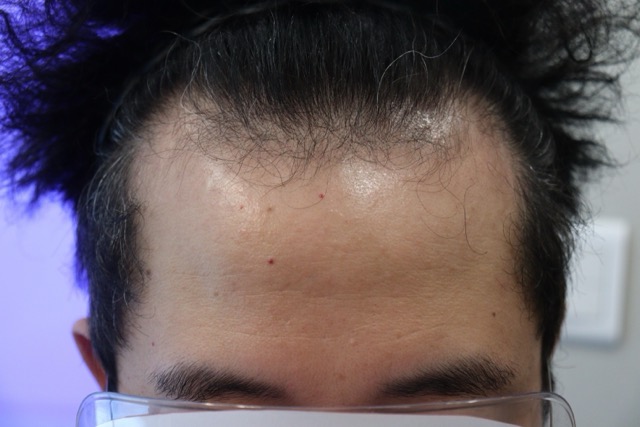
 HAIRO HAIR TRANSPLANT CENTER Daegu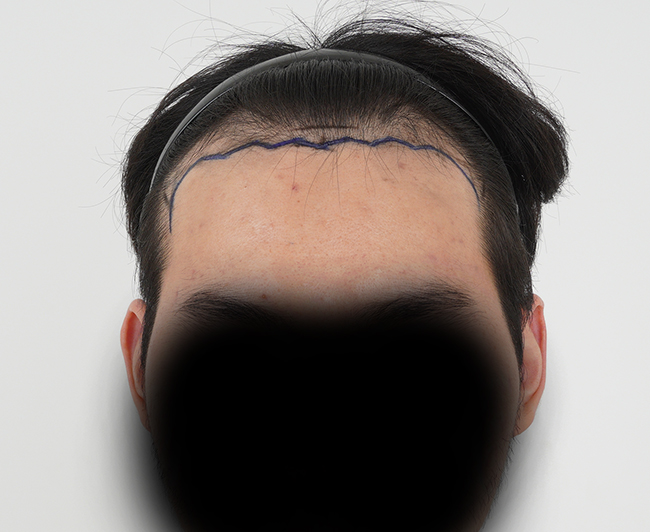
 MOMO's Suwon branch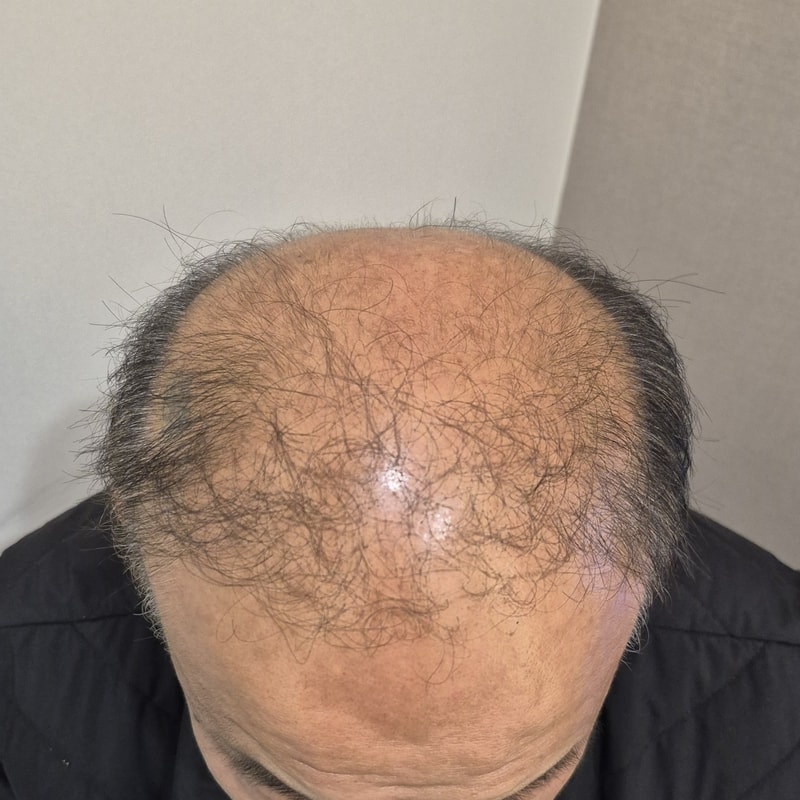
 an alpha-mocking circle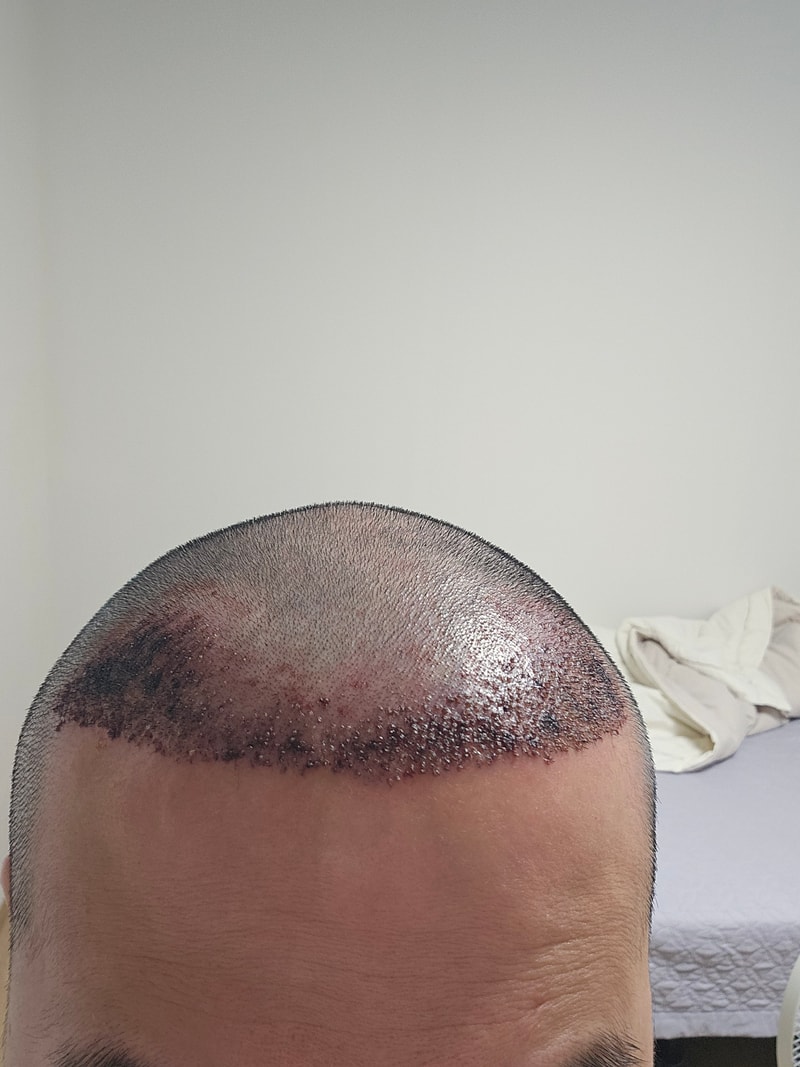
 MYMO HAIR TRANSPLANT CENTER Incheon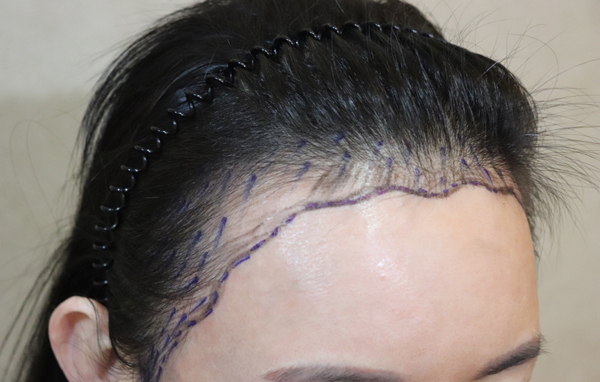
 JP Hair Transplant Clinic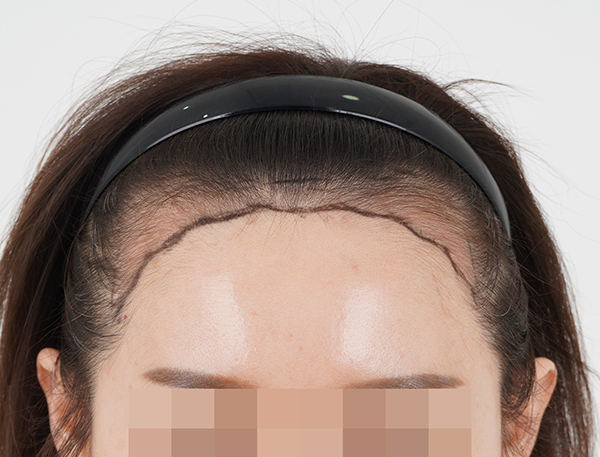
 Momo Clinic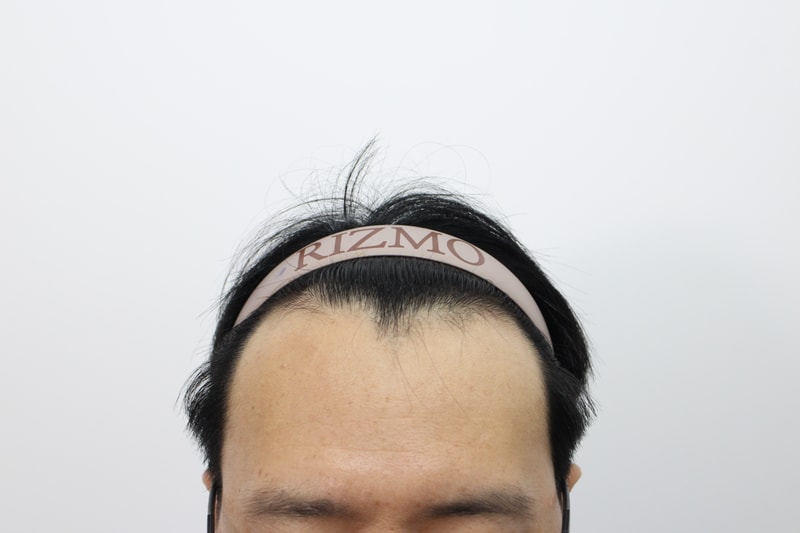
 Rizmo Clinic - Busan Branch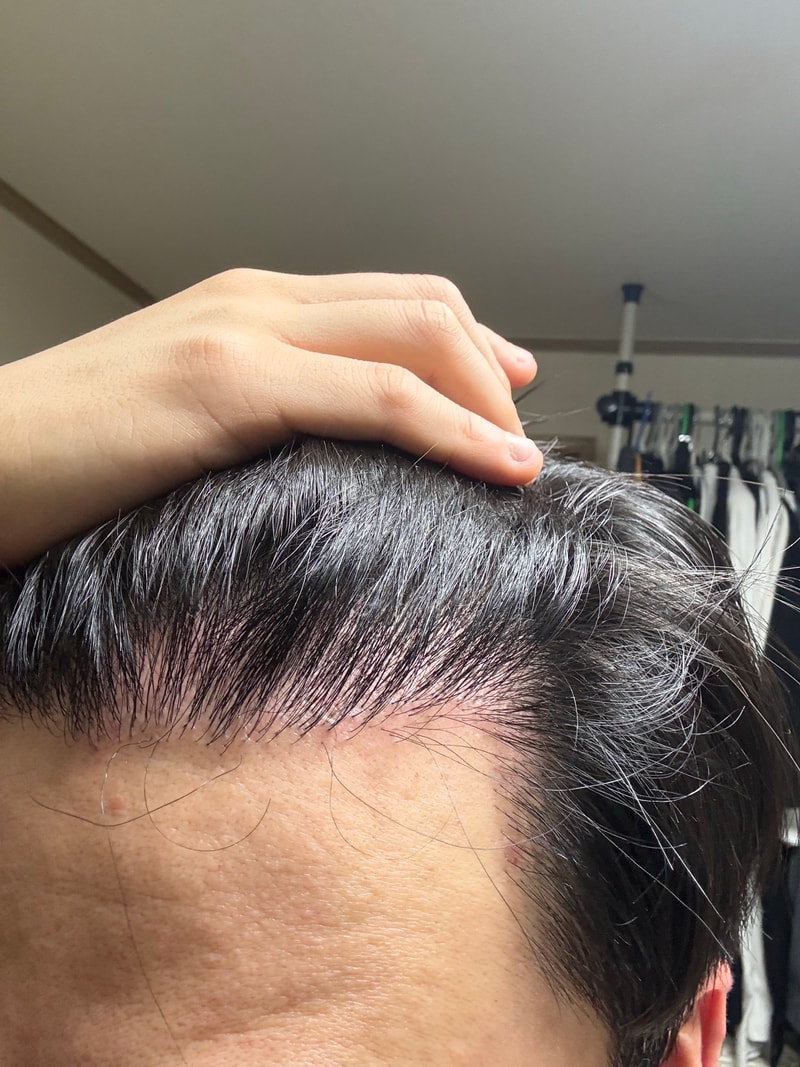
 NEWHAiR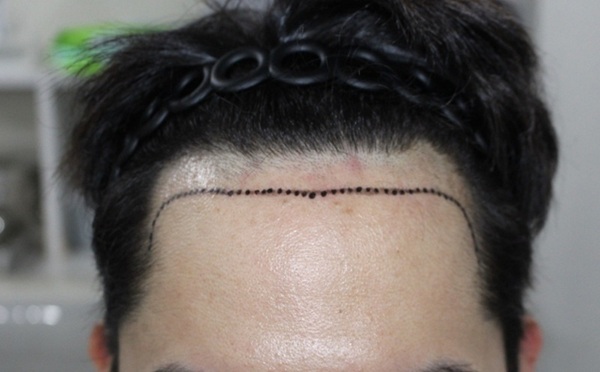
 Modaol Hair Transplant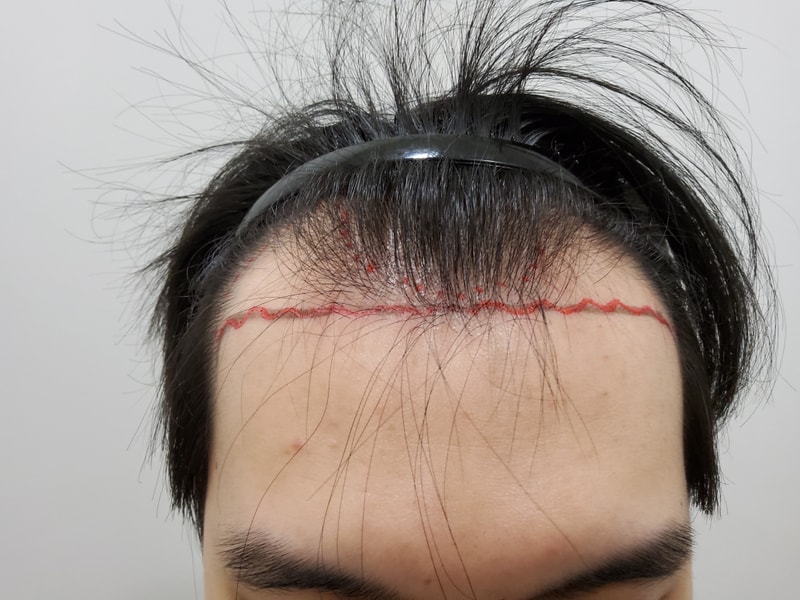
 Modeunmo Clinic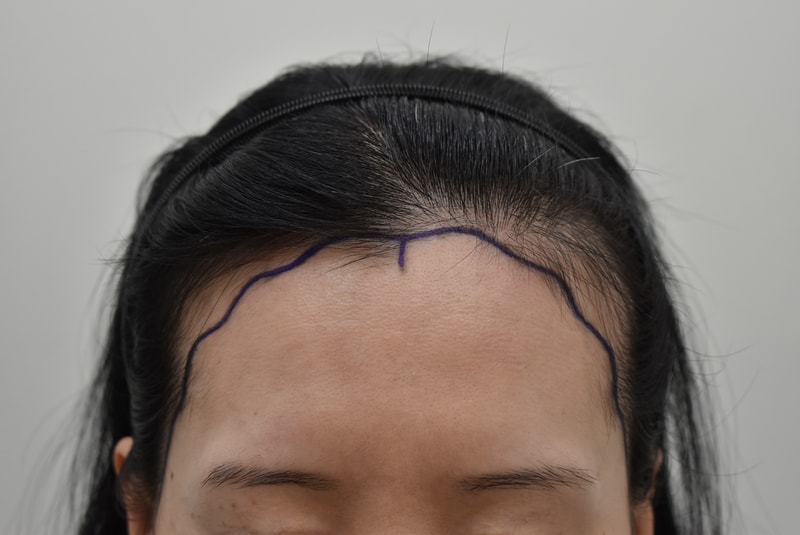
 MOBARUN HAIR SURGERY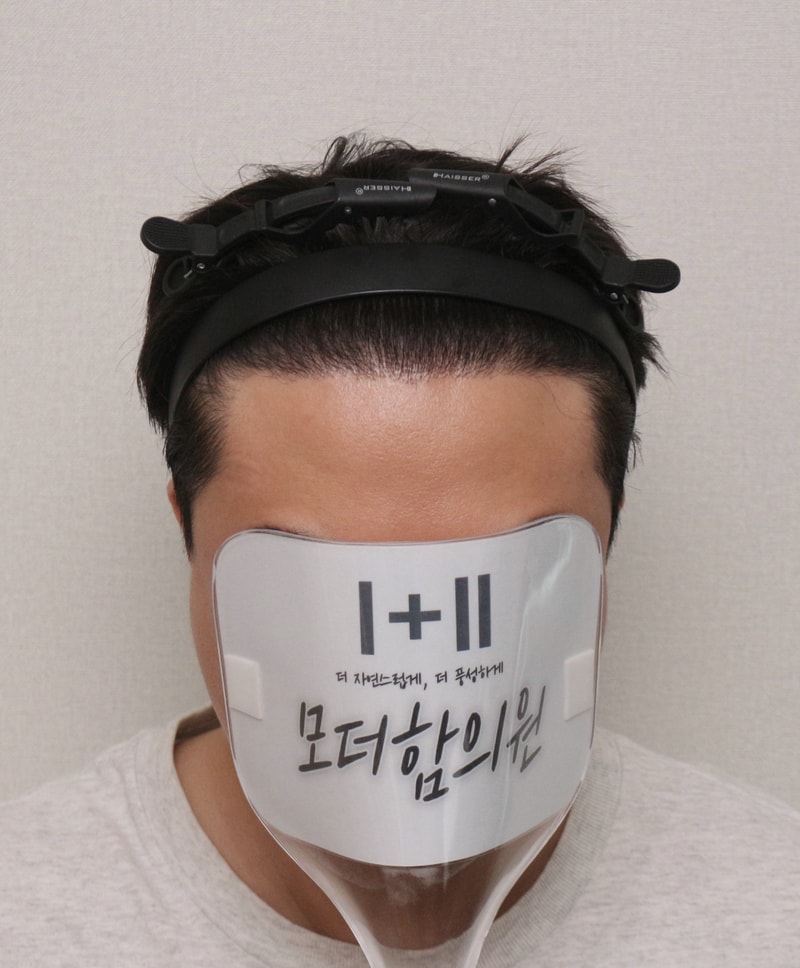
 Moderhamm Clinic — Hair Transplant Center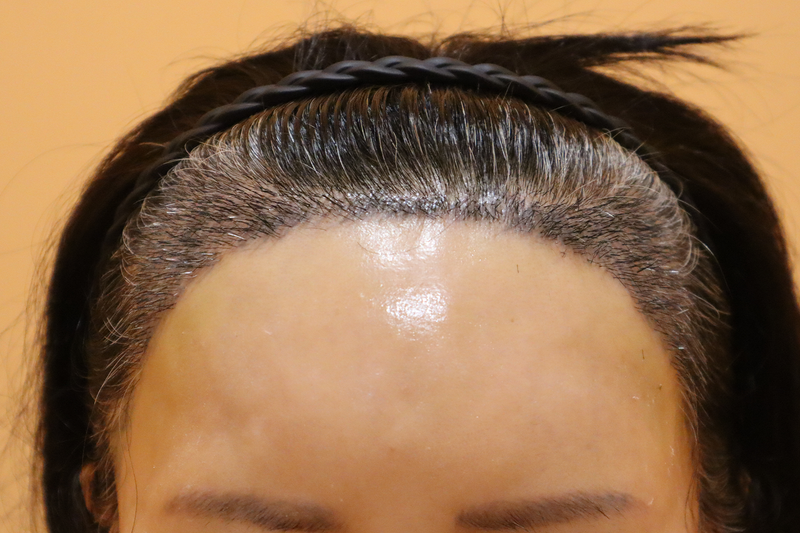
 HAIRO HAIR TRANSPLANT CENTER Busan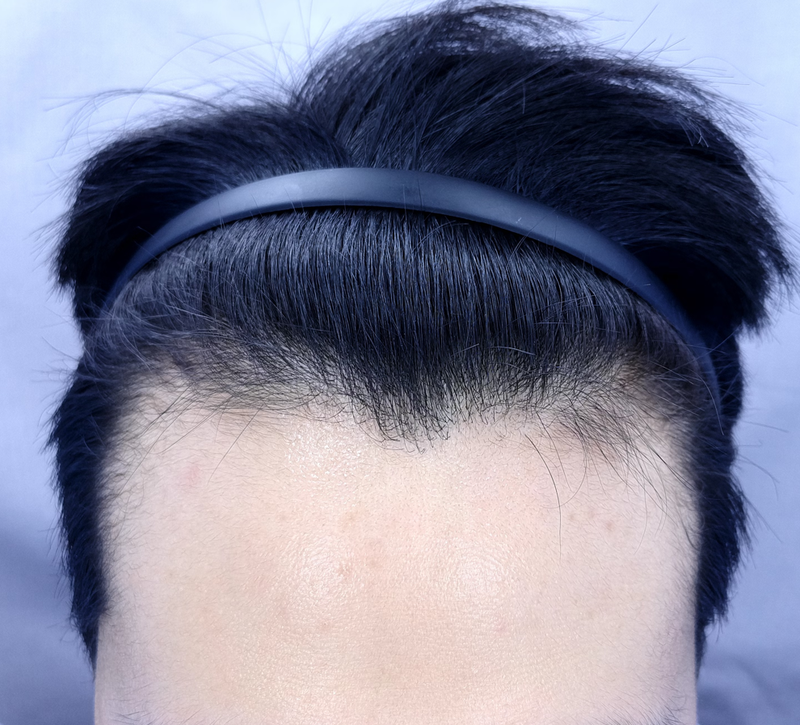
 The Jongno Headquarters of the Yonsei Mobel House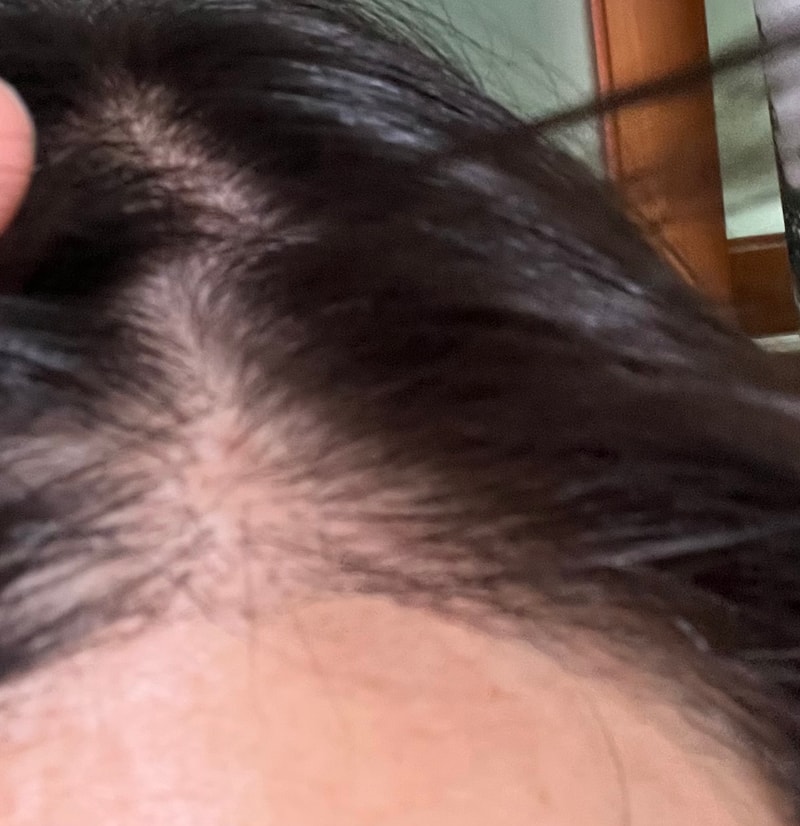
 WOOMCHAN Hair Transplant Clinic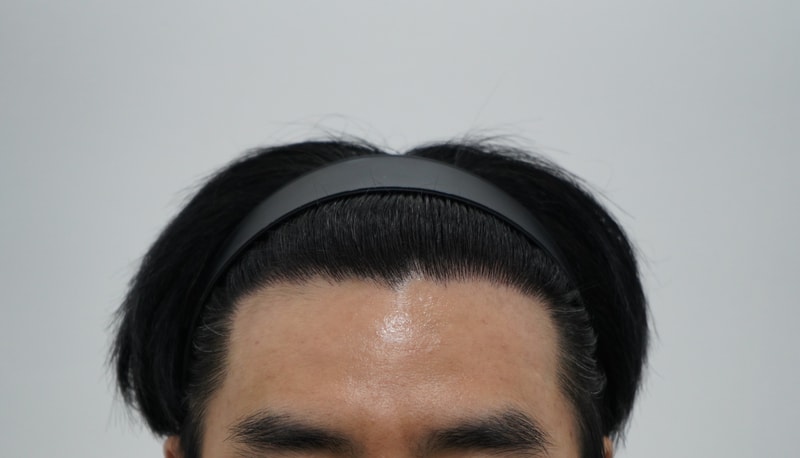
 moart clinic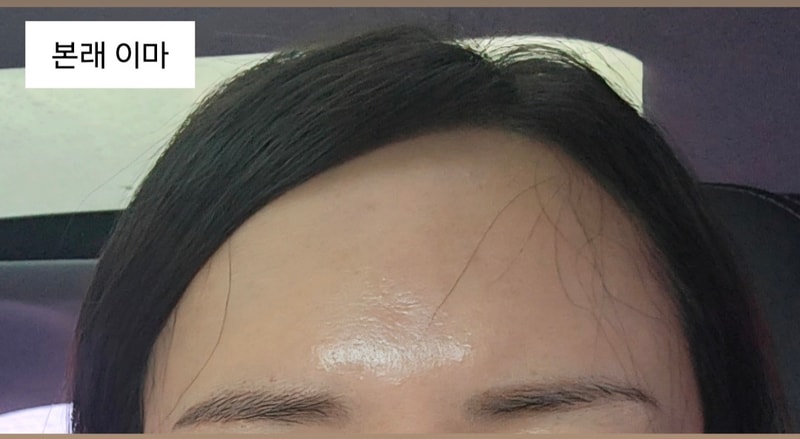
 Banal Plastic Surgery Clinic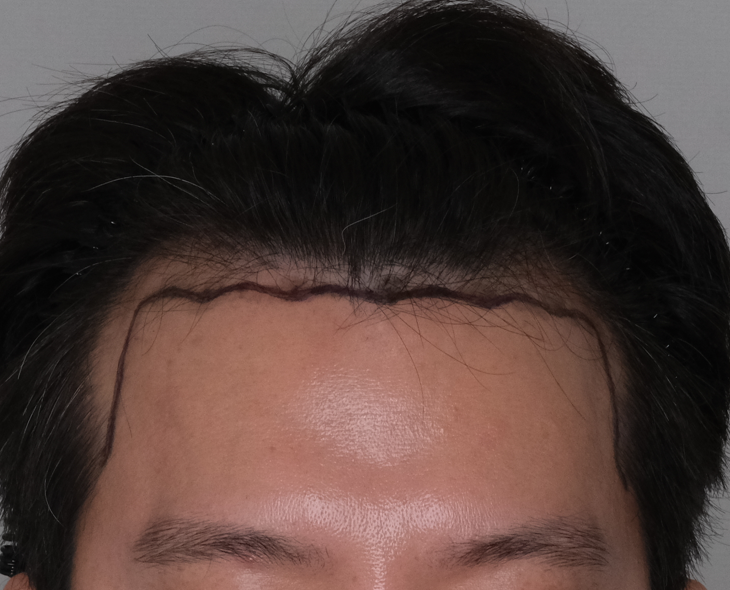
 GLOWELL
 Moment Clinic
 Motion Hair Clinic
 MOAMAN CLINIC



Comments