New Baldness Drug Sales Are Slow
By PHIL GALEWITZ
AP Business Writer
NEW YORK (AP) ?They've finally come up with a pill that prevents baldness. So
why isn't it flying off the shelves?
For one thing, men are reluctant to take a prescription drug when they're healthy.
For another, this one carries a slight risk of causing impotence.
``It's hard to convince people to try it in the first place,'' said John Ertel, who uses
the hair loss pill Propecia and runs an Internet site on hair loss from his Austin,
Texas home.
Pharmaceutical giant Merck & Co. last year spent a hefty $91 million promoting
Propecia directly to U.S. consumers, according to Competitive Media Reporting,
a media research firm.
For the effort, Merck posted just $68 million in U.S. sales last year and an
additional $15 million overseas. Even though drug companies often spend more to
promote new drugs than they initially receive in sales, Propecia's financial
performance is only about two-thirds of what Wall Street was expecting.
``It's been an outright disappointment,'' said Neil Sweig, a drug analyst with
Southeast Research Partners.
Merck officials say they are still bullish on Propecia, which was first introduced in
January 1998 to treat mild to moderate hair loss.
``We are very pleased with the results,'' said Merck spokeswoman Mary
Elizabeth Basaman. She said the advertising spending estimates were inflated,
but refused to disclose how much Merck spent on direct-to-consumer Propecia
ads.
Propecia works by suppressing a hormone that shrinks hair follicles. It's a lower
dosage of Merck's drug Proscar, which millions of men have taken to treat
enlarged prostates.
The main side effect seen with Propecia is decreased libido and impotence, in
just 2 percent of men. The problems disappear when men quit taking the drug.
``None of this helps the product sell to men who are in their 20s and 30s and are
sexual athletes,'' Sweig said.
Propecia can also cause a certain birth defect in pregnant women, and doctors
warn women should not even touch the pills.
Doctors say men who take the one a day pill are generally satisfied, but the
small chance of impotence is a barrier.
``The only hesitation is there has been a lot of notoriety on the side effects
associated with the pill,'' said Dr. Ken Washenik, a dermatologist at New York
University Medical Center who conducts research on Propecia.
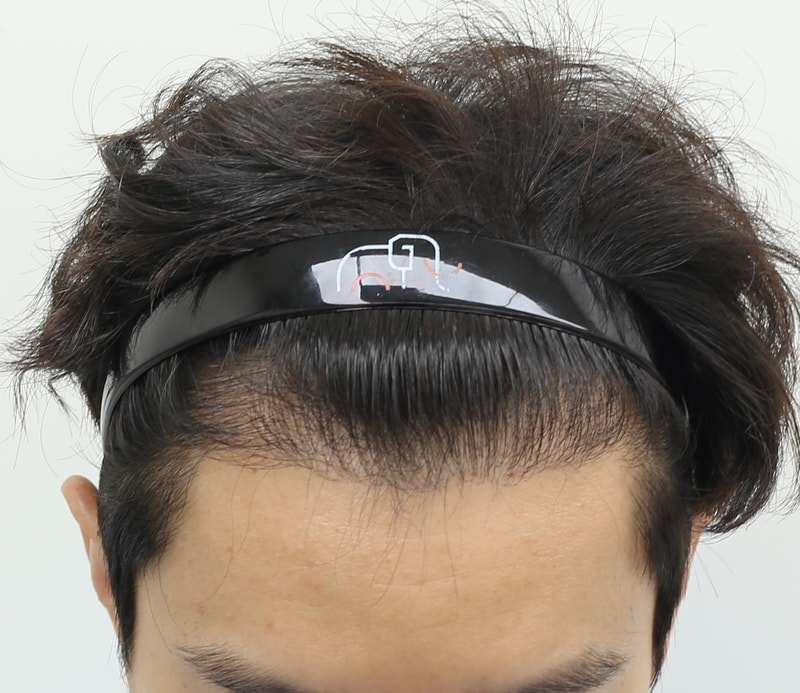
Another weakness is that Propecia does little for men with receding hairline. It
only tends to grow hair on top and back of the head, doctors say.
Before Propecia, the nation's 40 million balding men had only one option:
slathering nonprescription Rogaine on their scalps twice a day. The convenience
of Propecia comes at a price. Propecia cost $50 a month, twice as much as
Rogaine.
About half of the men who use Propecia grow varying amounts of hair, though
men often have to use it for six months to a year before they see more hair.
Studies show that after two years of use, 66 percent of Propecia patients had
regrown hair.
Propecia is more effective at slowing hair loss. In studies, only 17 percent of
balding men who took Propecia for two years were still losing their hair vs. 72
percent of men who took a placebo.
``This is definitely the best medical treatment for hair loss,'' said Dr. Paul
McAndrews, a Pasadena, Calif. dermatologist specializing in hair loss. He's had
just one of 350 Propecia patients experienced decreased libido. And that patient
stayed on the drug because he liked the results.
Though Propecia was never expected to become a billion-dollar a year
blockbuster, analysts said Merck saw the pill as a chance to sell a drug that
millions of men would take for rest of their lives?or as long as they wanted to
keep their hair.
But selling a hair-loss drug has proved a tougher challenge than selling a heart
drug.
``Treatment for hair loss requires a lot more groundwork because men are just not
used to taking drugs for that condition,'' said Alex Zisson, analyst with Hambrecht
& Quist. In addition, Propecia isn't covered by insurance.
Ertel, 27, who runs Regrowth.com web site has been taking Propecia since it first
came out. He uses Rogaine as well. So far, Ertel likes what he sees when he
looks in the mirror: A fuller head of hair. ``I look better with hair than without.''
The contents of this post are based on the user's personal experience and public general information, and are not intended to advertise, promote, or encourage the use of certain medicines.
Please consult a medical professional for the use of prescription drugs and treatment.





 K4958360347
 K29643000722308141718
 padakpadak
 Mammoth Hair Restoration Center, Apgujeong
 HAIRO HAIR TRANSPLANT CENTER Daegu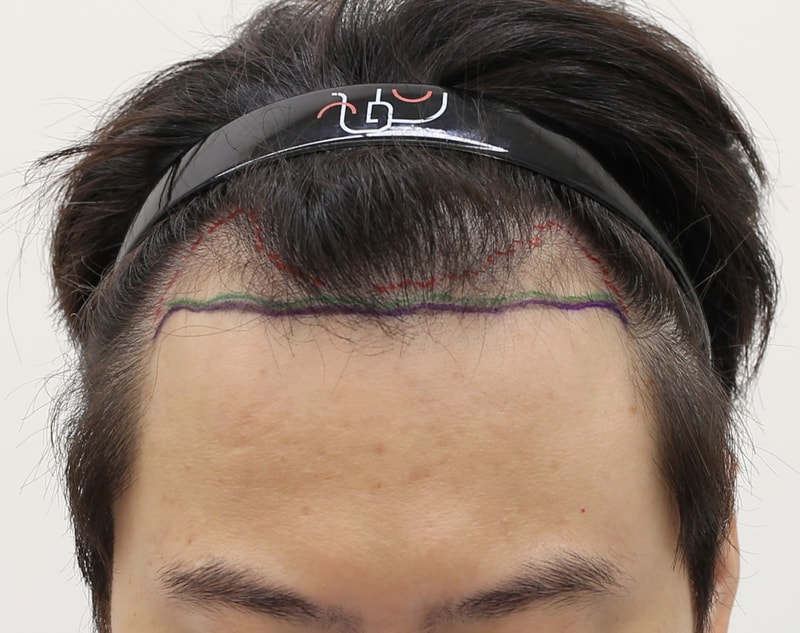
 Incheon Mammoth Hair Restoration Center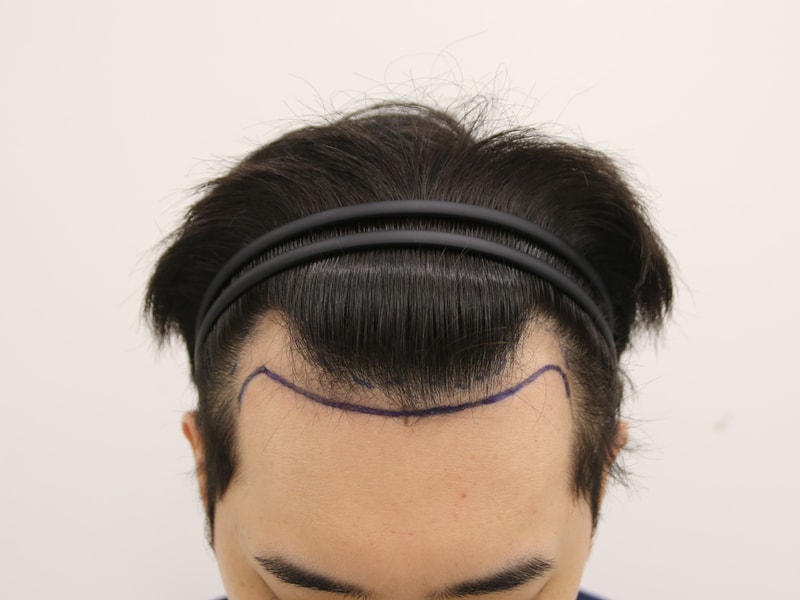
 Mammoth Hair Restoration Center Busan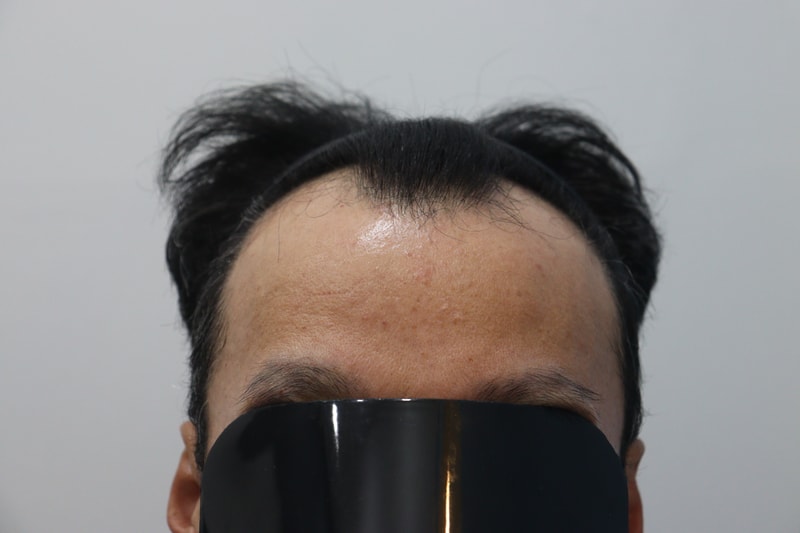
 apgujeong mobien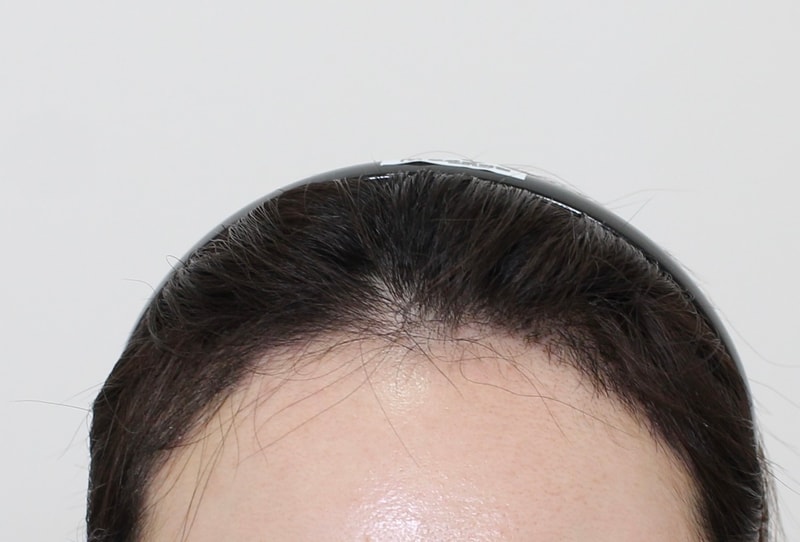
 Mopro Clinic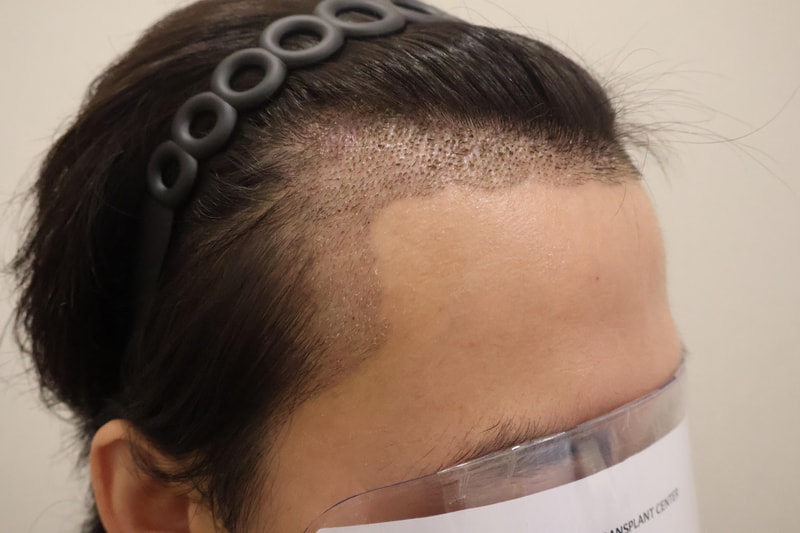
 HAIRO HAIR TRANSPLANT CENTER Dongtan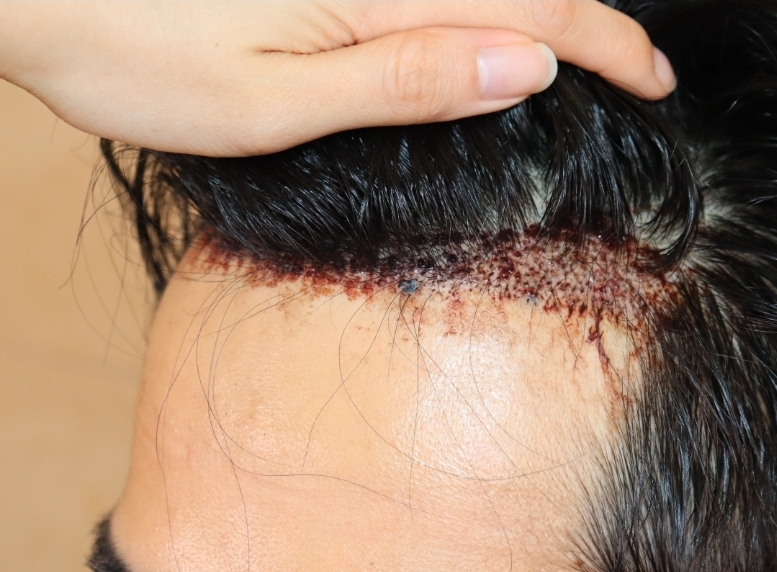
 WOOMCHAN Hair Transplant Clinic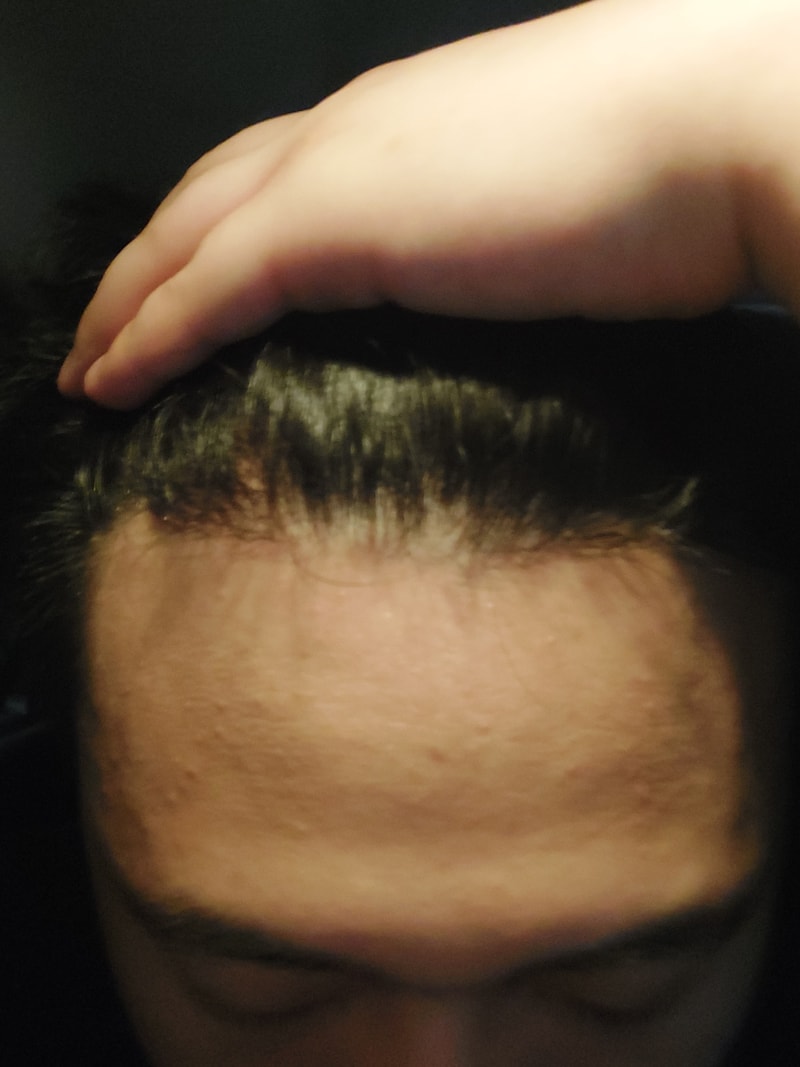
 MYMO HAIR TRANSPLANT CENTER Incheon
 NEWHAiR
 an alpha-mocking circle
 Rizmo Clinic - Busan Branch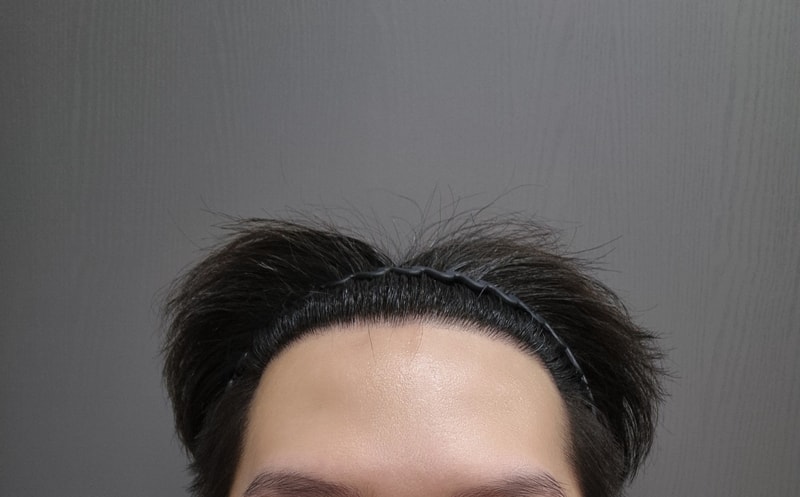
 Dana Plastic Surgery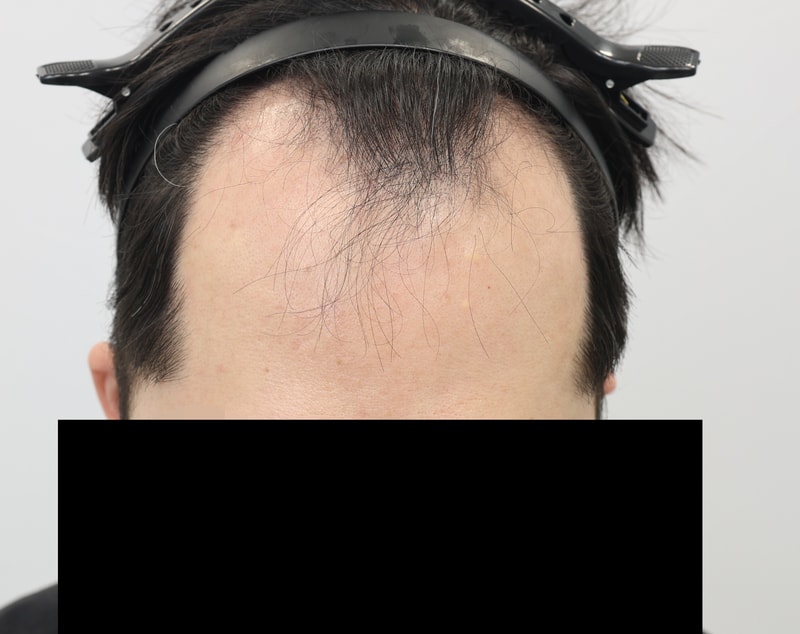
 Modi hariplant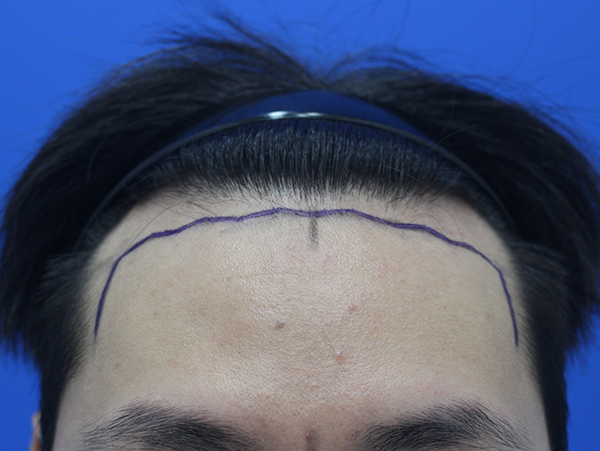
 Hannaeve plastic surgery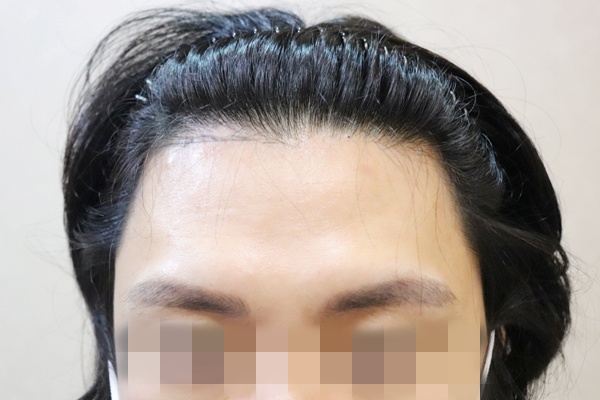
 JP Hair Transplant Clinic
 Mowoolim Clinic
 Yong Doctor Hair Transplant Surgery
 Mo Jaesung Plastic Surgery & Hair Transplant Center
 The Jongno Headquarters of the Yonsei Mobel House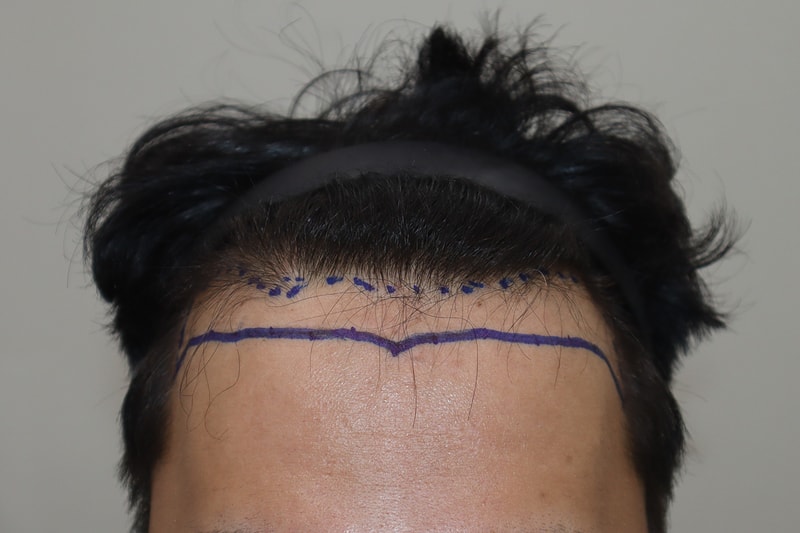
 HAIRO HAIR TRANSPLANT CENTER Jeonju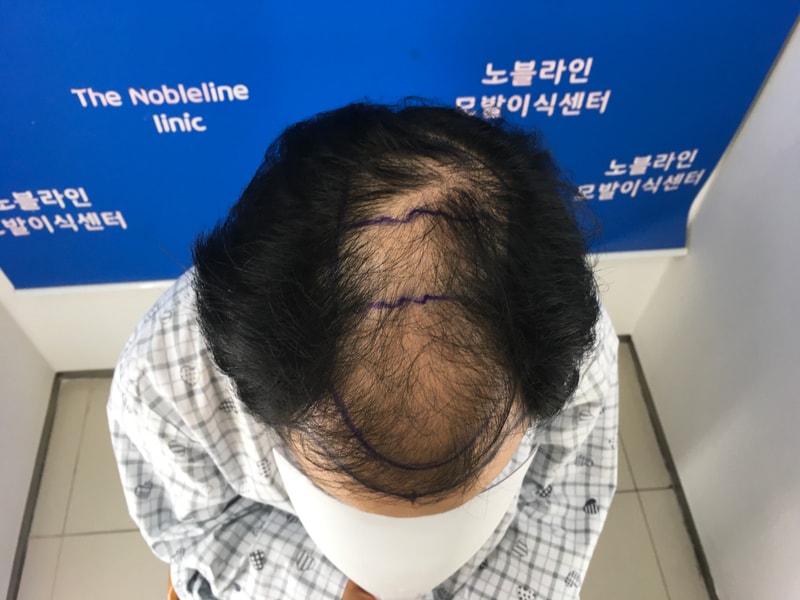
 The Nobleline Center for Alopecia Care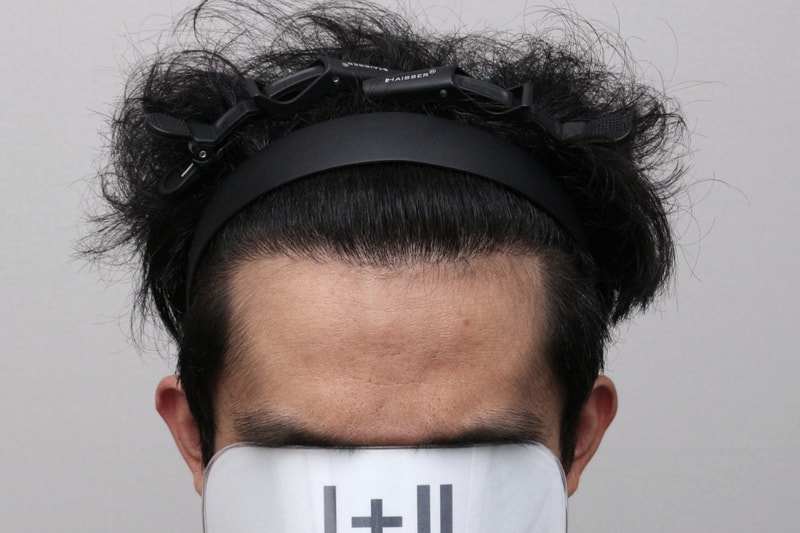
 Moderhamm Clinic — Hair Transplant Center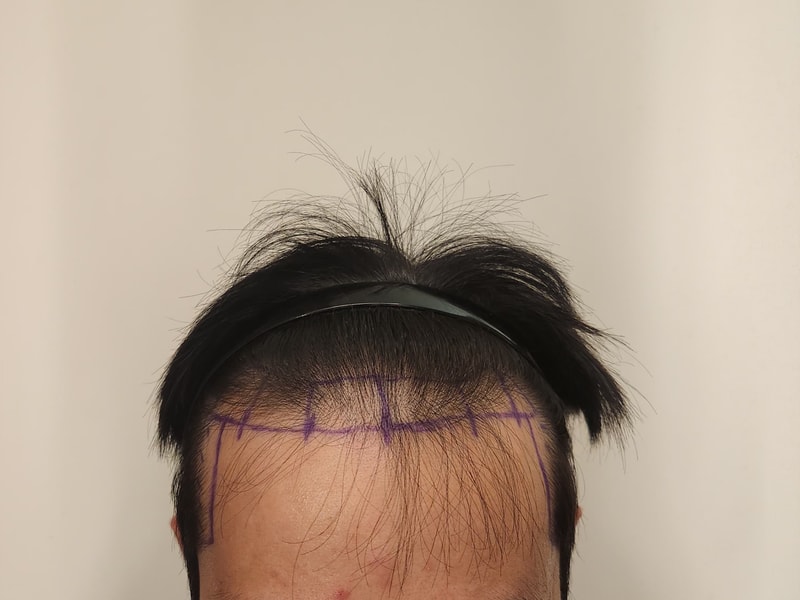
 Yonsei Mobelle Clinic - Daegu Branch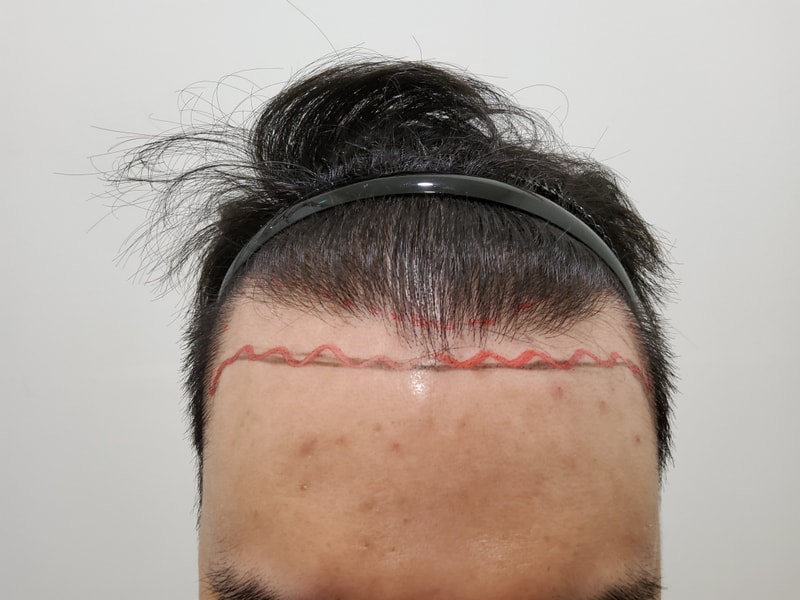
 Modeunmo Clinic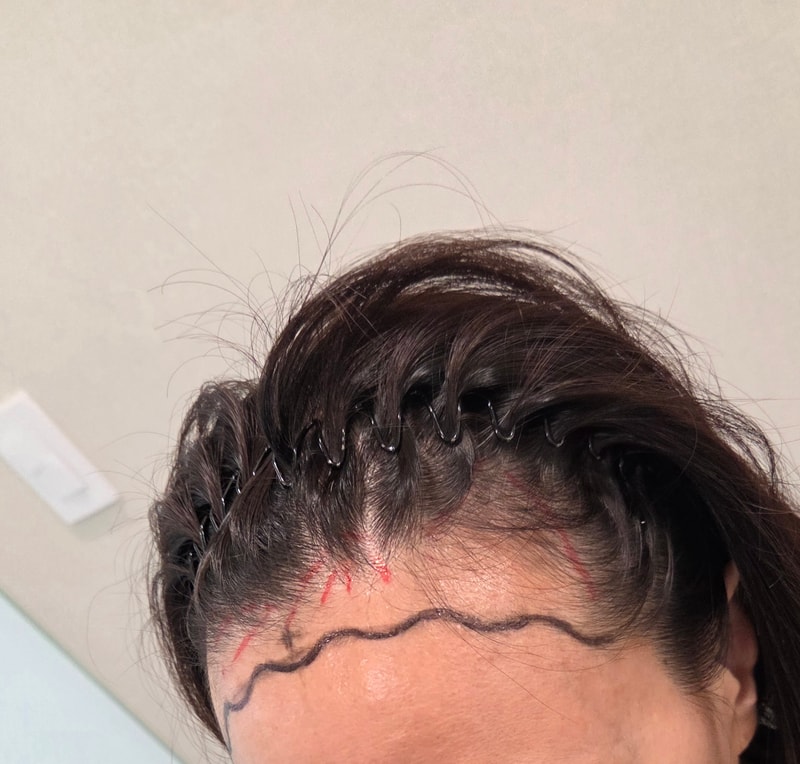
 MOUDA CLINIC
 MOMO HAIR TRANSPLANT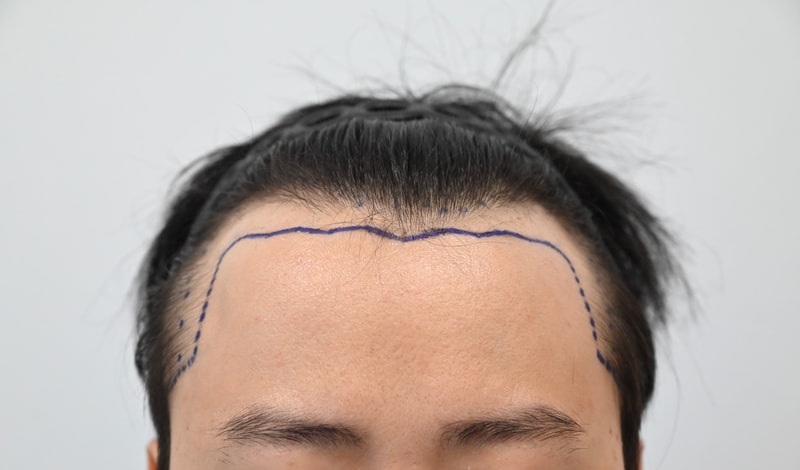
 MOEM Clinic
 MO.1 plastic surgery
 MONARA dermatology clinic
 FORHAIR Hair Transplant Korea
 Yonsei Mobelle Clinic - Incheon Branch
 Mo&Bless Hair Clinic
 Momo Clinic
 Modaol Hair Transplant
 Busan Grow House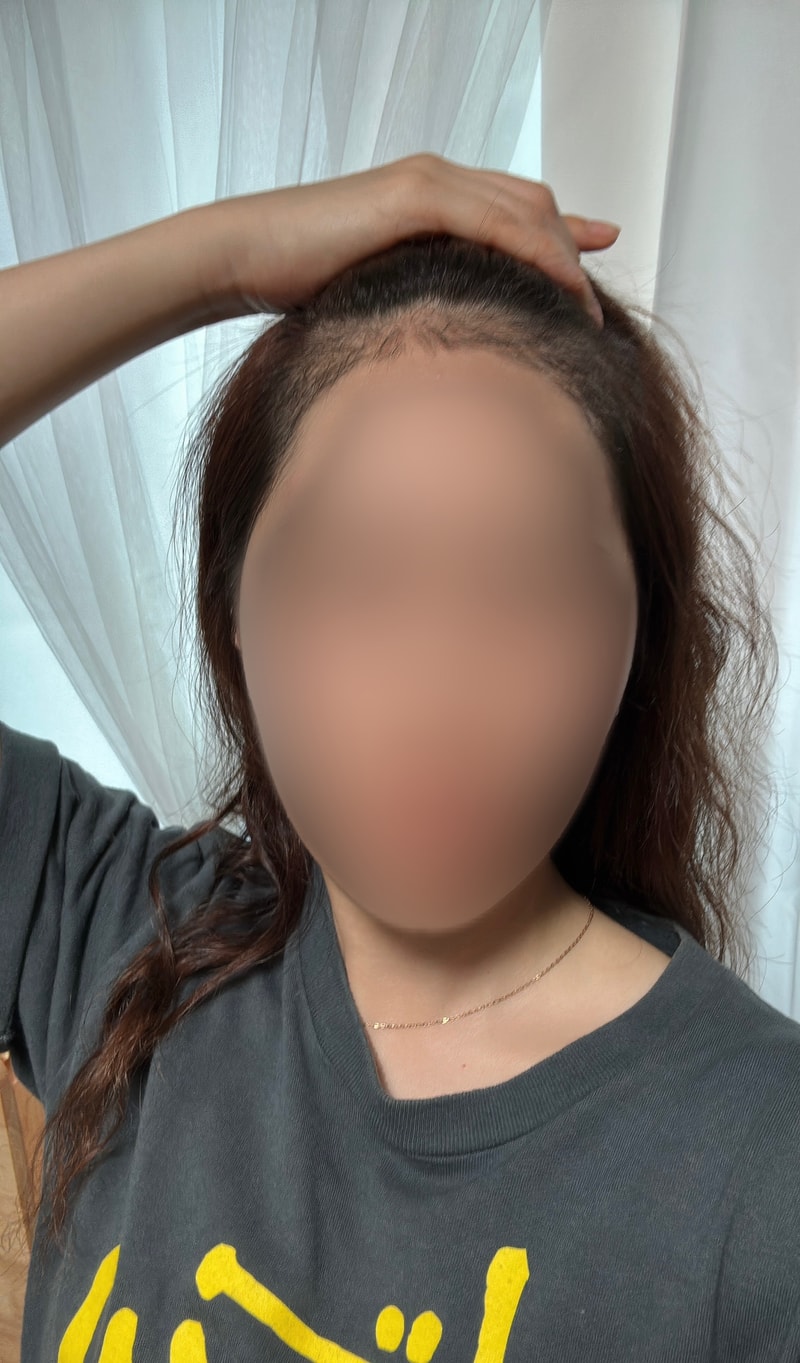
 MOJELIM Hair Transplant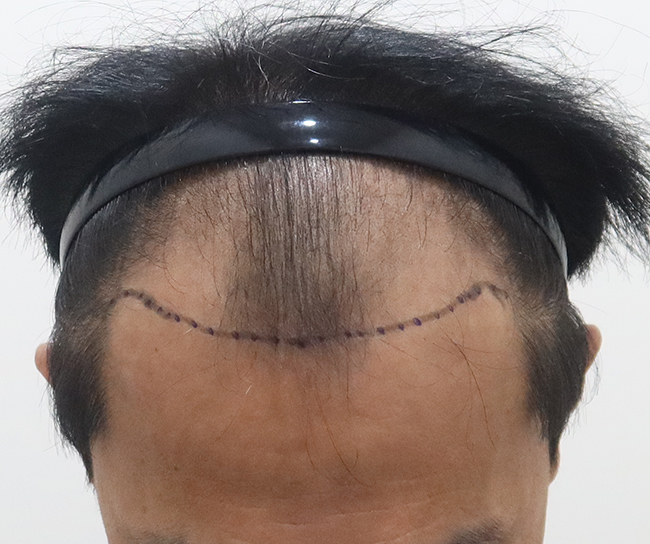
 Momo Clinic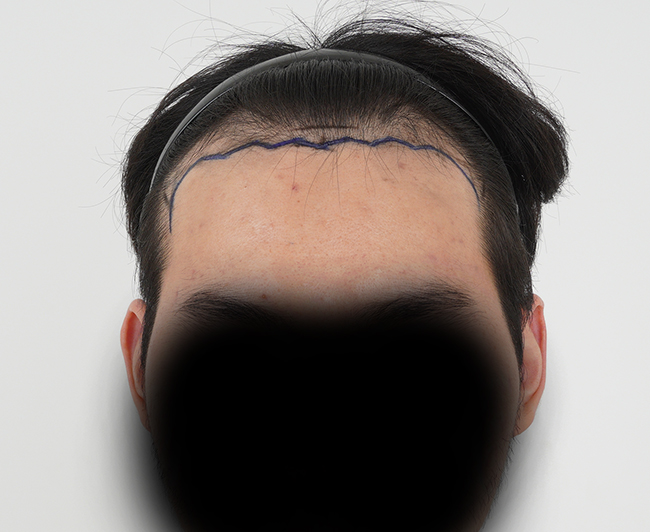
 MOMO's Suwon branch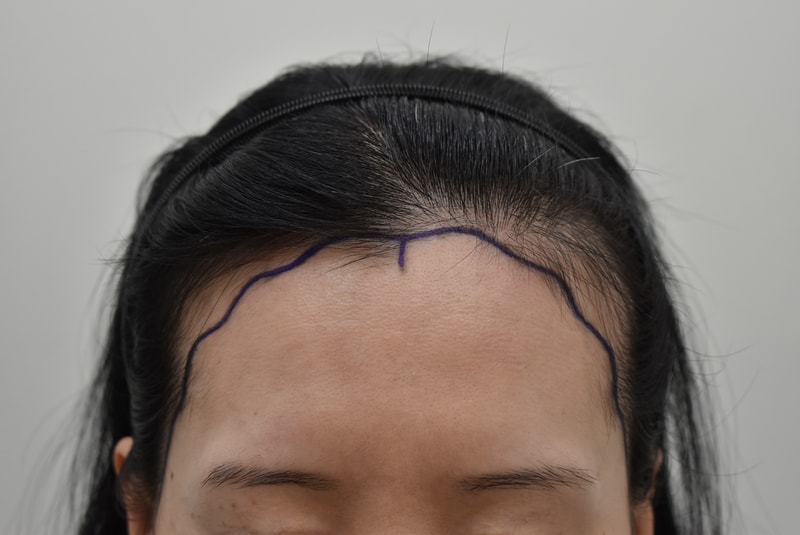
 MOBARUN HAIR SURGERY
 HAIRO HAIR TRANSPLANT CENTER Busan
 moart clinic
 Banal Plastic Surgery Clinic
 GLOWELL
 Moment Clinic
 Motion Hair Clinic
 MOAMAN CLINIC



Comments