Hippocrates, who is praised as the "father of medicine," devoted his life to treating other people's diseases, but he had a "disease" that he could not speak about in his lifetime.
His problem is alopecia. According to the records, Hippocrates tried to revive his hair by making medicinal ingredients that mixed various ingredients such as opium, horseradish, and pigeon excrement.
The 'war' against male alopecia, called baldness, is as old as human history. It is easy to think of it as a concern only for modern people, but alopecia has plagued humanity since ancient times. Records from ancient Egyptian tombs suggest that when Pharaoh Chata suffered from alopecia around 4000 BC, his mother made a special treatment.
It is also said that the Roman hero Caesar also used burned mice, bear oil, and deer bone marrow as treatments for hair loss. It was Cleopatra, his lover, who made him a cure.
Humanity, despite its long efforts, has failed to produce substantial results in the war against baldness. At one point, German soldiers used horse saliva to treat baldness, and American farmers believed that by letting cows lick their heads, baldness could be cured. All kinds of myths and folk remedies were rampant, but the number of humans suffering from hair growth did not decrease.
Although it is distributed in Korea little by little through secret channels, victory in the war against baldness has been gradually heard in the 20th century. With the development of medicine, the cause of baldness has been largely identified, and new drugs based on this are being introduced or developed one after another. In addition, recent rapid research on genes has led to the prospect that the complete conquest of baldness will soon be possible.
Currently, Propecia is the drug that attracts the most attention in the treatment of male alopecia. Developed by multinational pharmaceutical company Merk Sharp & Dohme (MSD) and marketed since December 1997, it is the world's first bald drug taken by 500,000 people in the United States alone and 1 million people in 37 countries worldwide. Currently, the only drugs approved by the U.S. Food and Drug Administration (FDA) as treatments specializing in baldness are Propecia and Minoxidil (sold in the United States as a product called Rogaine).
The drug is also attracting explosive attention to patients with alopecia in Korea ahead of its official launch in the Korean market in May. In Asia, it is already marketed in Taiwan, Hong Kong, and Singapore, but in Korea, imports were delayed due to strict legal regulations that "imported drugs must also undergo separate clinical trials in Korea," but import permits were only recently granted due to the revision of the law earlier this year. These days, there is a lot of information on the efficacy and mechanism ( mechanism of action) of this drug on the Internet baldness club site, and there is even an appreciation from someone who has already taken it.
An official from MSD Korea said, "Profecia is a specialized drug that can be purchased only with a prescription from doctors, but I understand that it is distributed little by little in Korea through secret channels as interest has increased recently."
According to MSD's explanation, Propecia has already been recognized for its efficacy in scientific clinical trials. In three placebo (僞藥) controlled trials of 1879 men with mild or moderate alopecia (a trial in which patients compare results by administering them with an unknown fake drug), 83% of those who took Propecia for 24 months maintained the number of hair on the top of their heads, and 66% of those had noticeable hair regrowth. On the other hand, only 28% of the placebo recipients maintained the number of hair, and only 7% of the recipients had their hair grown back.
In addition, precision photographic analysis showed that Propecia increased the number of hair in the growing season (see chart). In other words, it improves the overall hair quality such as hair thickness, length, growth rate, and growth period by affecting the hair growth cycle.
Propecia is effective in treating baldness because it inhibits the production of dihydrotestosterone (DHT), the root cause of baldness. DHT is a substance in which testosterone, a type of male hormone, has been changed by the action of 5α reductase, and is known to gradually atrophy hair follicles with hair loss genetic factors. Propecia inhibits this 5α reductase, preventing the production of DHT.
"Side effects such as sexual desire decline in one out of every 100 people." Domestic experts emphasize that Professionia is the most effective bald treatment that has been released, but it also has limitations. Dr. Han Seung-kyung (Woo Tae-ha and Han Seung-kyung, head of the dermatology clinic), said, "If you take propecia for 3 to 6 months, it will be effective, but if you stop taking it, it will be restored to its original state after several months. Therefore, temporary use cannot be effective. About 1 in 100 people complain of side effects such as impotence and sexual function decline."
In addition, Professor Shim Woo-young of the Department of Dermatology at Kyung Hee Medical Center said, "Profecia is effective only on the top of the head and not on complete bald people." Regarding this, MSD Korea also explained, "As a result of clinical trials, Profesia listens only in steps 2 to 5 of the entire seven-stage baldness process." Propecia only needs to take one milligram every day, and MSD plans to market a month for about 50,000 won.
Propeci is currently the only bald drug that has undergone scientific clinical trials, but some are under development. It is a bald drug being developed by Graxo Welcome, a global pharmaceutical company, and is currently experimenting with phase 2. Graxo Welcome Korea said, "We entered the third phase this year, and it will be commercialized in the next two to three years."
This drug is a substance called 'GL198745', and the mechanism of preventing the production of 5α reductase is the same as that of Propecia. However, Graxo Welcome explained that it acts as a double block of 5α reductase. There are two types of 5α reductase: type 1 and type 2, and Propecia only inhibits the production of type 2 enzymes, but this substance can be more effective by inhibiting type 1 enzymes.
Experts explain that the mechanism of minoxidil, which is currently widely used as a bald drug, has not yet been accurately identified. This substance was originally developed as a blood pressure treatment, but was used as an anti-hair loss agent. It is known to show the effect of preventing hair loss and hair growth by facilitating blood vessel expansion and blood circulation.
Minoxidil preparations are sold under various product names such as Hyundai Pharmaceutical's Mynoxil, JW Pharmaceutical's Boldumin, and Hanmi Pharmaceutical's Moxidil, and so far, it has been the only hair growth drug approved in Korea. This minoxidil preparation forms a market of 2 billion won per year in Korea.
However, until now, it has been known as a "boss treatment" in Korea, rather than these specialized drugs, such as non-medical drugs and food products. Hair loss products, which are currently around 6 billion won per year, have been popular in the drug market, including Grovis (Kyungin Pharmaceutical), which has the largest market share in Korea, Dr. Mo of Pacific Pharmaceutical, hair power of Cheil Jedang, Mo Saengcheon of Joseon Pharmaceutical, and Spella 707 of Korean-German cosmetics.
In addition, hair growth foods include Morinaga (manufacturer H&C), which uses black beans, kelp, and yeast as raw materials. In the case of Morinaga, it has emerged as an essential purchase among Japanese tourists who visit Korea a lot.
Experts advise that so far, no hair loss prevention or hair loss products are 100% effective, and that it is better to continue to use products that suit you. In particular, it is emphasized that specialized drugs such as Propecia that will be released in the future must be prescribed by a doctor.
Specialized drugs are essential for doctors' prescriptions. Genetic transplantation is expected to pave the way for a cure for baldness in the future. In this regard, the results of an animal test conducted by a team from Cornell University's Weil Medical School in October last year received considerable media attention. At the time, the research team announced that a virus carrying a gene called Sonic, which is involved in hair development, was injected into the hairless area of young mice, and a few days later, it was confirmed that black hair sprouted from the pores. At the time, the research team explained, "There have been many studies on genetic mutations that prevent hair loss, but this is the first time we have succeeded in researching dormant pores into active pores."
The New York Times, which reported the results of the study, also predicted, "We cannot be sure of the results because we have not yet gone through clinical trials on humans, but if a specific gene is transplanted into a person's bald spot, there is a high possibility that hair will grow back."
In addition, in November of last year, there was news that a rudimentary scalp cell transplant was successful. Dr. Colin Zahoda of Durham University in England succeeded in growing hair by transplanting scalp cells under his hair follicle into his wife's arm, according to a report by Nature, a scientific journal at the time. At the time, Dr. Zahoda removed scalp cells the size of a pin head and grew five strands of hair, and the new hair from his wife's arm was exactly the same as her husband's hair. At that time, the experiment drew attention in that it supported the theory that hair cells, unlike other cells, did not have rejection by transplantation.
Regarding the possibility of complete conquest of baldness, Professor Shim Woo-young explained, "The main cause of baldness is known to be genetic factors, but all genes related to hair loss have not yet been identified. The sonic gene transplanted by the Cornell University research team is also only related to the early stages of hair formation." It takes more time to solve the "mystery" of hair loss and hair growth.
(Journalist Jeong Jang-yeol jrchung@chosun.com ) ◈ Baldness and heredity The link between baldness and heredity is not yet clear. Because the frequency of male alopecia is so high, there are still many questions to be solved about the exact link between family history and baldness-causing genes. However, it is almost conventional that male hair loss is largely influenced by genetic factors.
In this regard, the paper published by Professor Shim Woo-young of Kyung Hee Medical Center at the American Dermatology Society in early March is interesting. Professor Shim's team surveyed the prevalence of male alopecia patients from December 1997 to July 1999 among 11,132 people (5531 men and 1,602 women) who visited the Dongseo Health Examination Center at Kyung Hee Medical Center, and the overall prevalence rate was 14.1% for men and 5.6% for women, nearly three times higher than that of women.
Traditionally, baldness has been known as a dominant inheritance for men and a recessive inheritance for women, but recently, the more multifactorial inheritance, that is, baldness genes, the more likely they are to become bald. The family history of alopecia was 48.5% for men and 45.2% for women. According to this result alone, men and women in their families are almost half as likely to become bald. There is also a statistic that 80% of men whose fathers are bald become bald.
Men and women also have different hair loss processes. In the case of men, hair loss often starts in the front of the head and progresses to the center, but women usually show hair loss at the top of the head.
According to experts, the number of male alopecia patients in Korea is rapidly increasing among young people and women. Kim Sook-ja, president of Svenson Korea, a scalp hair care company, said, "When it opened in 1998, only 8% of all customers had female alopecia, but now it has risen to the 30% level, so even considering the increased interest in hair loss, the number of patients is increasing," adding, "The number of patients with alopecia in their 20s and 30s is more than 60%, which is about 10% higher than that of Svenson in other countries."
Although there are no statistics on the incidence of baldness by country, it is widely believed that the incidence of baldness between races is higher in white people than in yellow and black people. There are also reports that American Indians are the strongest race for hair loss.
In this regard, an official from MSD Korea pointed out, "In the United States, statistics show that almost half of adult men in their 40s are bald." Asians are also much more interested in bald treatment than whites. In the United States, only 2% to 3% of bald people are known to care about treatment.
◈ Hair transplant effect is certain, but procedure cost burden 'If you are not satisfied even if you eat and apply it, plant it.' Hair transplantation is the most reliable way for people suffering from male alopecia. It is also true that the cost of the procedure, which costs 4 million won to 5 million won at a time, is burdensome for the general public, although the number of patients in the procedure is behind for two years.
The most common hair transplant is autologous hair transplantation. Usually, about 1,000 hairs are removed along with the scalp and planted one by one in the peeled area. The removed area does not leave a trace because it is stretched and sutured by the scalp. It takes 3 to 4 hours to plant 1000 to 1500 hairs. It is usually performed two to three times to increase the density. In the past, the punching method of drilling a hole in the ticket was used to cause severe bleeding and scarring, but these days, precise procedures have been developed, resulting in less bleeding and scarring.
"In transplant surgery, more than 85-90% of transplanted hair grows properly, but about 5-10% of patients fall below 50%," said Koo Sang-hwan, a professor of plastic surgery at Korea University Medical School.
Artificial hair transplantation is also possible for people with advanced baldness. Prices range from 3,000 won to 4,000 won each, and they vary in color and thickness, so you can choose something similar to your hair. There is also a 增毛 method that ties artificial hair to the roots of existing hair, and the price is around 200,000 won per 800 units.
In addition, there are methods such as scalp epithelium, scalp reduction, and scalp reconstruction that transfer the entire scalp. It is a procedure that involves pulling on the hair to cover the bald spot or cutting the upper side of the ear and attaching it to the forehead, and usually requires four to five days of hospitalization because anesthesia is required.
◈How do I prevent hair loss?
Avoid processed foods when getting enough sleep The number of people's hair is about 100,000. Usually, it goes through the stages of growth, regression, and rest, and 85-90% of all hair is in the growth phase, 1-3% is in the regression phase, and 6-10% is in the rest phase.
The reason why people have less hair as they get older is because blood circulation deteriorates and the hair growth cycle shortens. It is normal to lose 40 to 80 hairs every day, but if this number exceeds 100, there is a high risk of baldness.Therefore, experts emphasize that normal hair care is important. Since hair is not self-resilient, it is important to protect and groom normal hair so that it does not damage it and that damaged hair does not proceed further.
It is pointed out that it is important to get enough sleep and eat a proper diet to prevent hair loss. It is advised to eat foods that are good for hair, such as seafood, vegetables, and fruits, and avoid processed foods, coffee, tobacco, and fatty foods. It is also important to actively relieve stress because hair loss is also close to stress. It is said that choosing shampoo suitable for hair characteristics, washing your hair every day, and brushing frequently also helps prevent hair loss.
There are many professional hair care companies in Korea, including Svenson Korea, and one way is to get help from them. (Digital Shipbuilding Firm)
The contents of this post are based on the user's personal experience and public general information, and are not intended to advertise, promote, or encourage the use of certain medicines.
Please consult a medical professional for the use of prescription drugs and treatment.





 K4993236009
 로또맘911
 K4983758792
 NEWHAiR
 MOJELIM Hair Transplant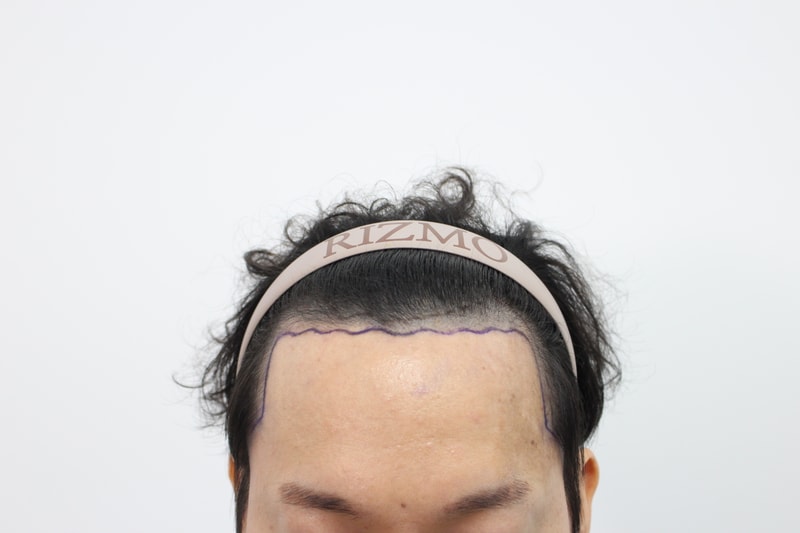
 Rizmo Clinic - Busan Branch
 Mo&Bless Hair Clinic
 Incheon Mammoth Hair Restoration Center
 Modaol Hair Transplant
 Mowoolim Clinic
 FORHAIR Hair Transplant Korea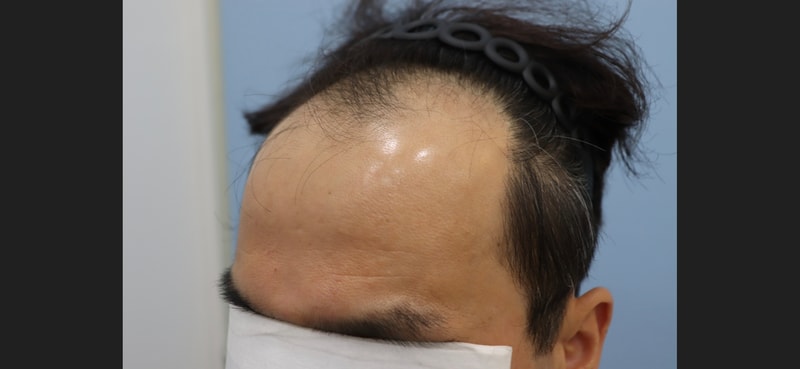
 apgujeong mobien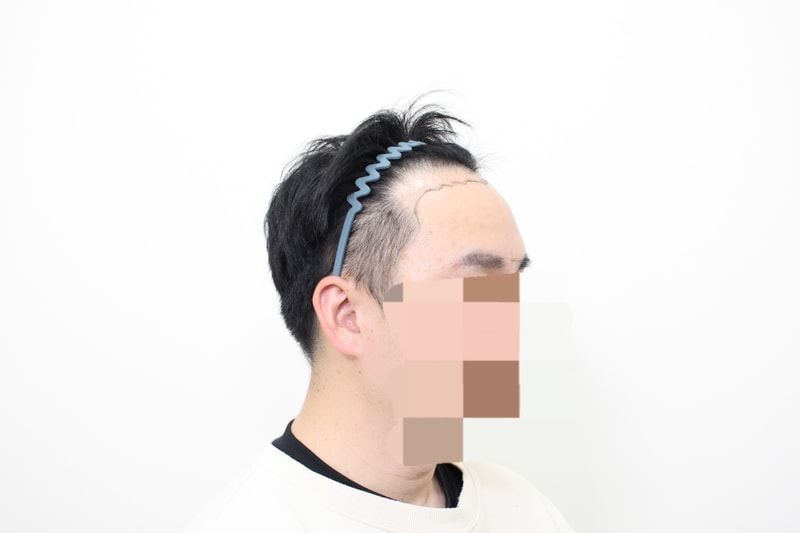
 Mopro Clinic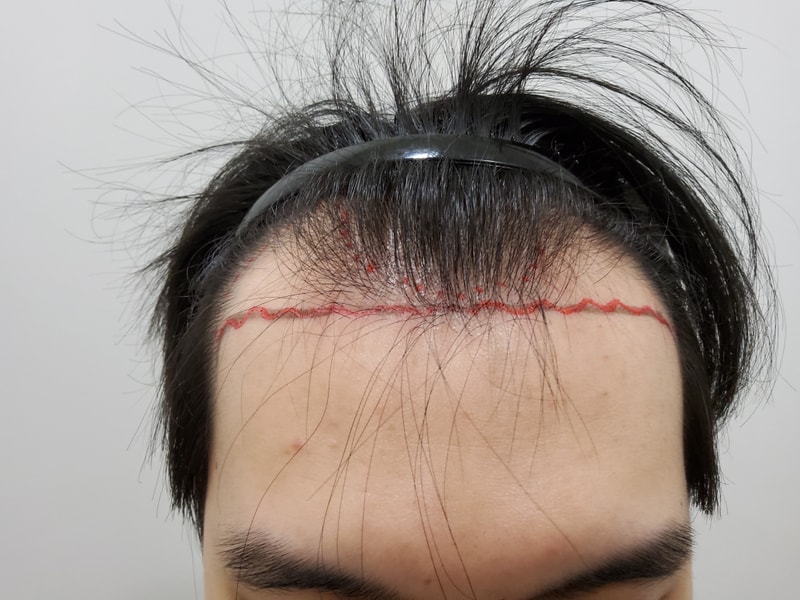
 Modeunmo Clinic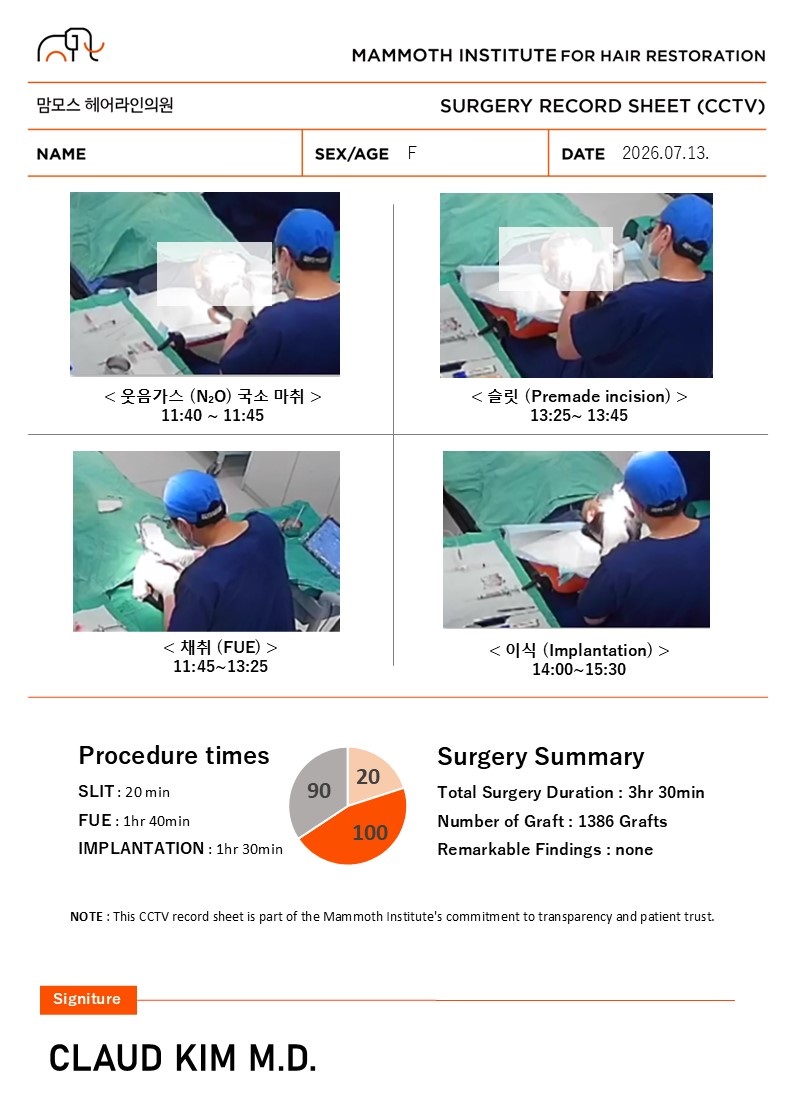
 Mammoth Hair Restoration Center Busan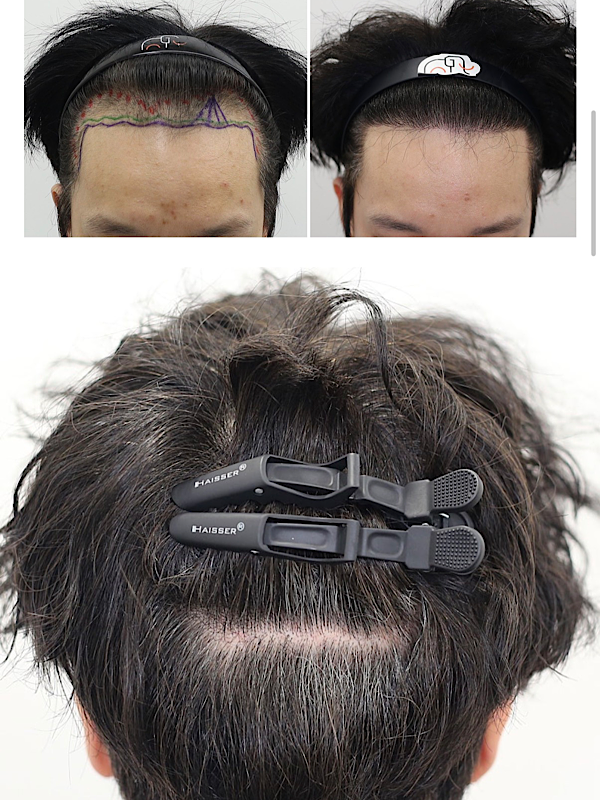
 Mammoth Hair Restoration Center, Apgujeong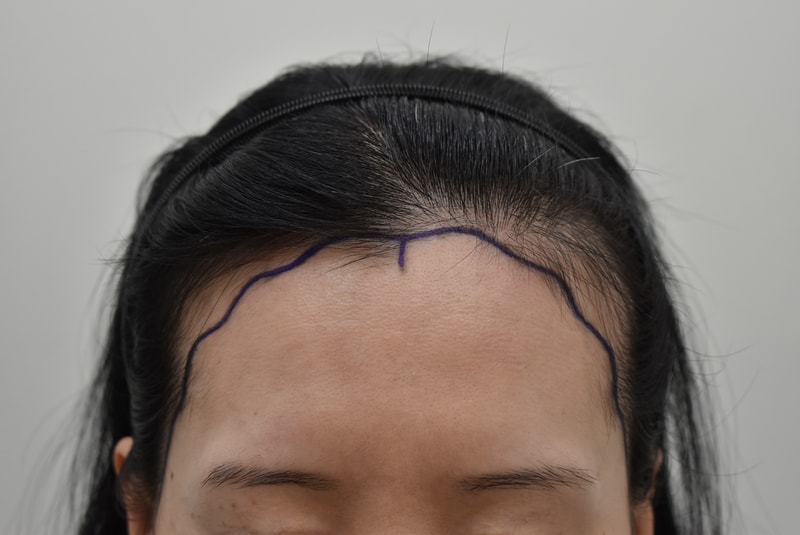
 MOBARUN HAIR SURGERY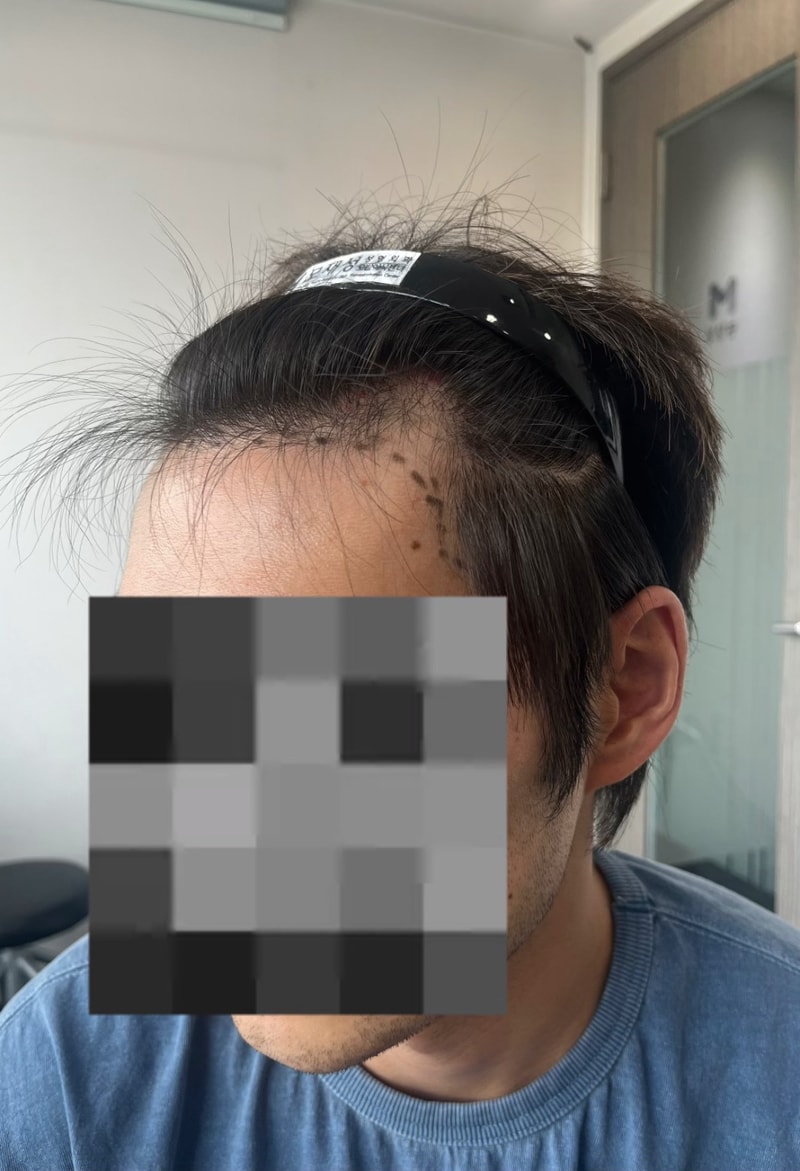
 Mo Jaesung Plastic Surgery & Hair Transplant Center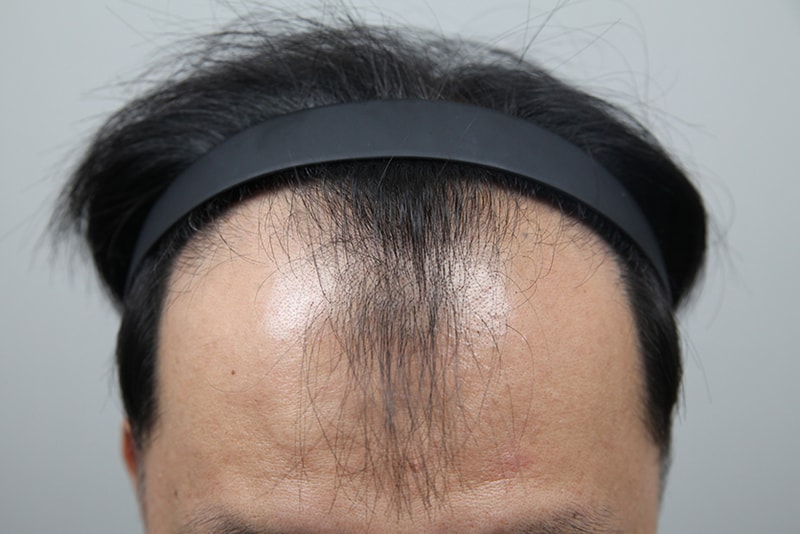
 MONARA dermatology clinic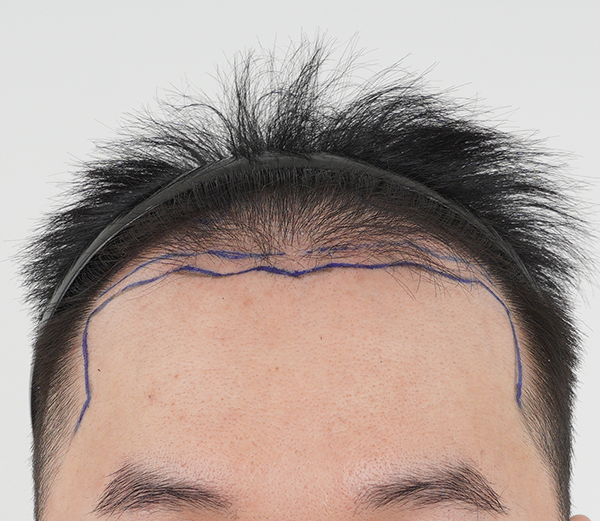
 MOMO HAIR TRANSPLANT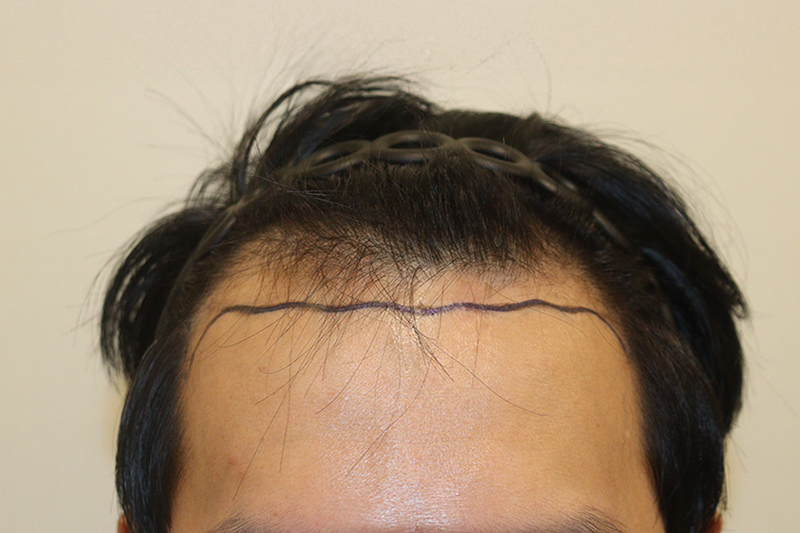
 HAIRO HAIR TRANSPLANT CENTER Daegu
 Moderhamm Clinic — Hair Transplant Center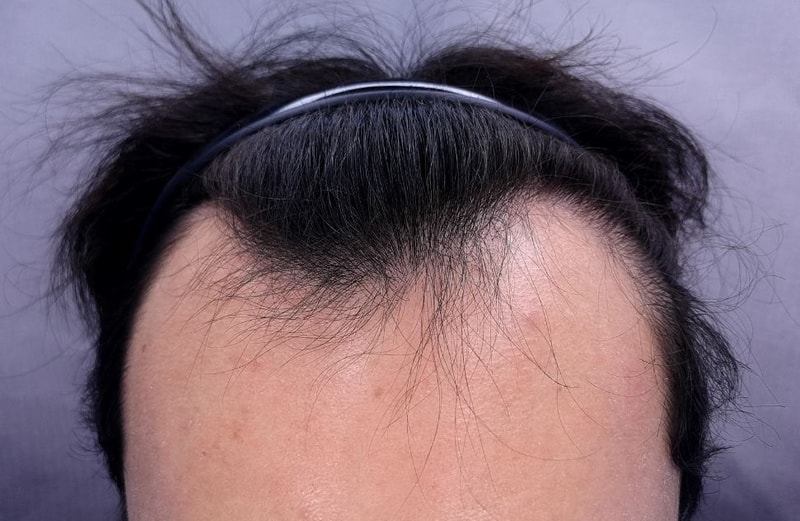
 Yonsei Mobelle Clinic - Incheon Branch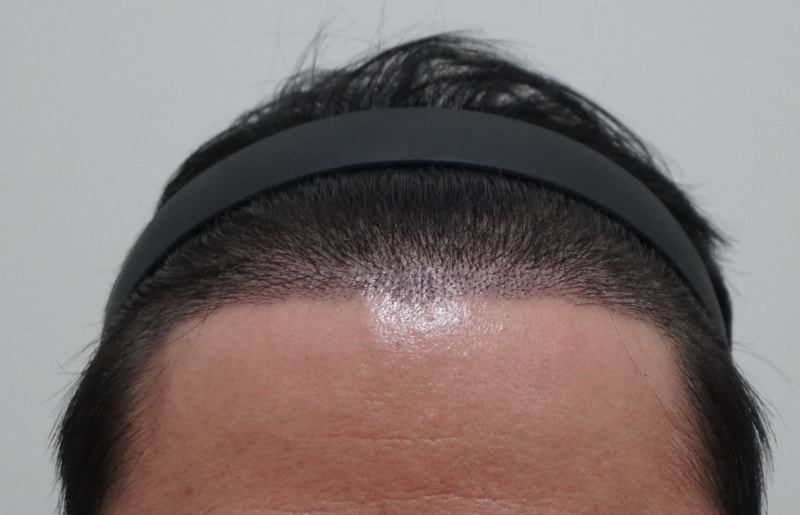
 Yong Doctor Hair Transplant Surgery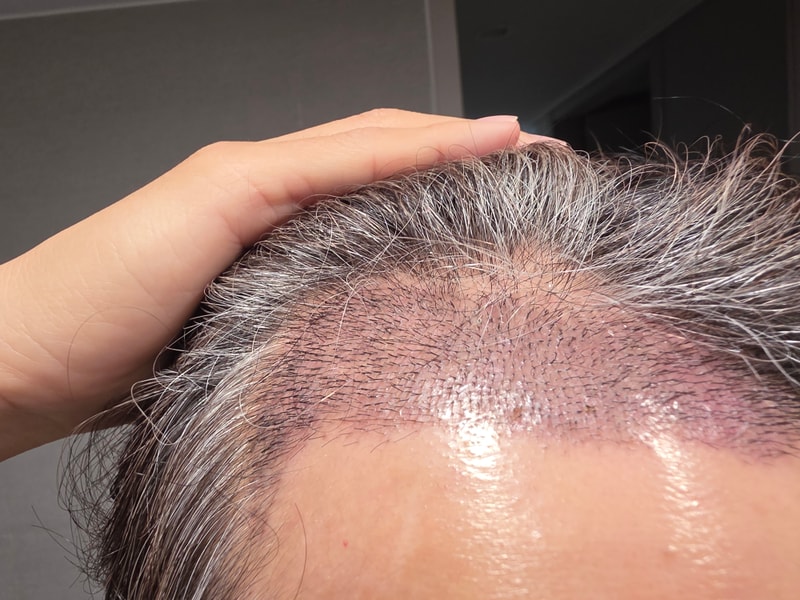
 The Nobleline Center for Alopecia Care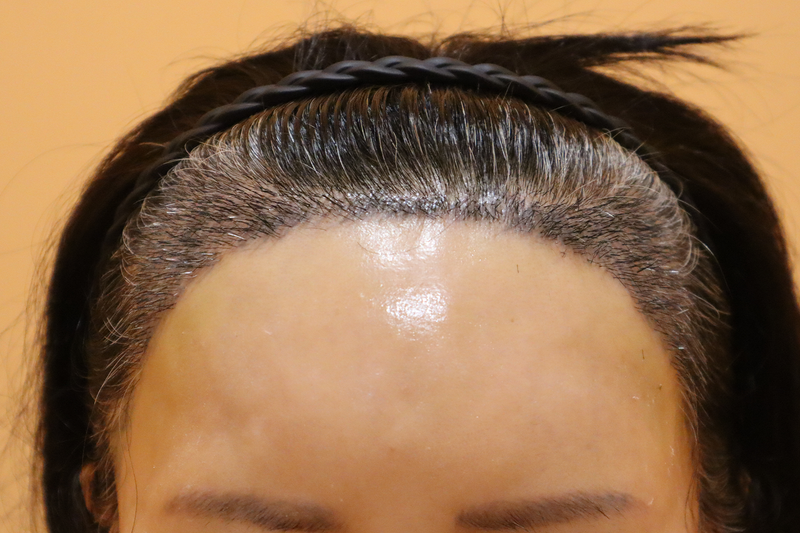
 HAIRO HAIR TRANSPLANT CENTER Busan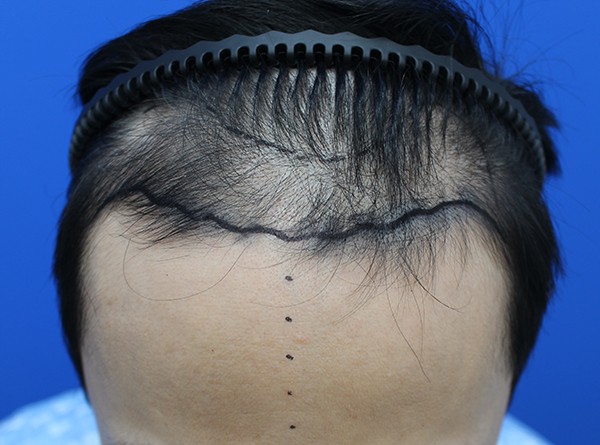
 Hannaeve plastic surgery
 MO.1 plastic surgery
 Busan Grow House
 Momo Clinic
 MOMO's Suwon branch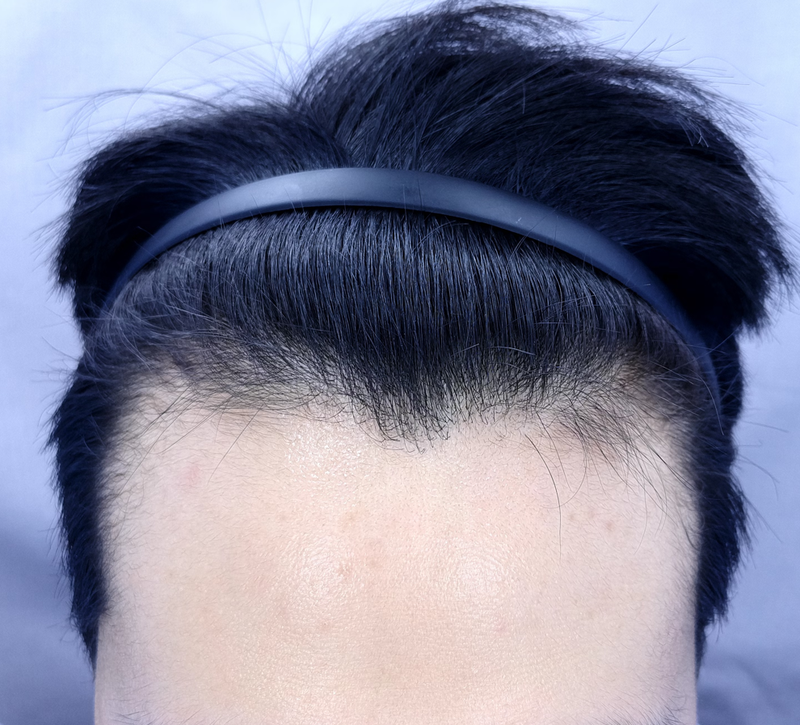
 The Jongno Headquarters of the Yonsei Mobel House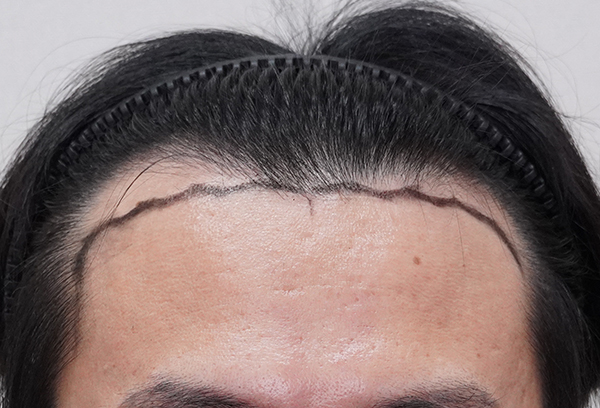
 Momo Clinic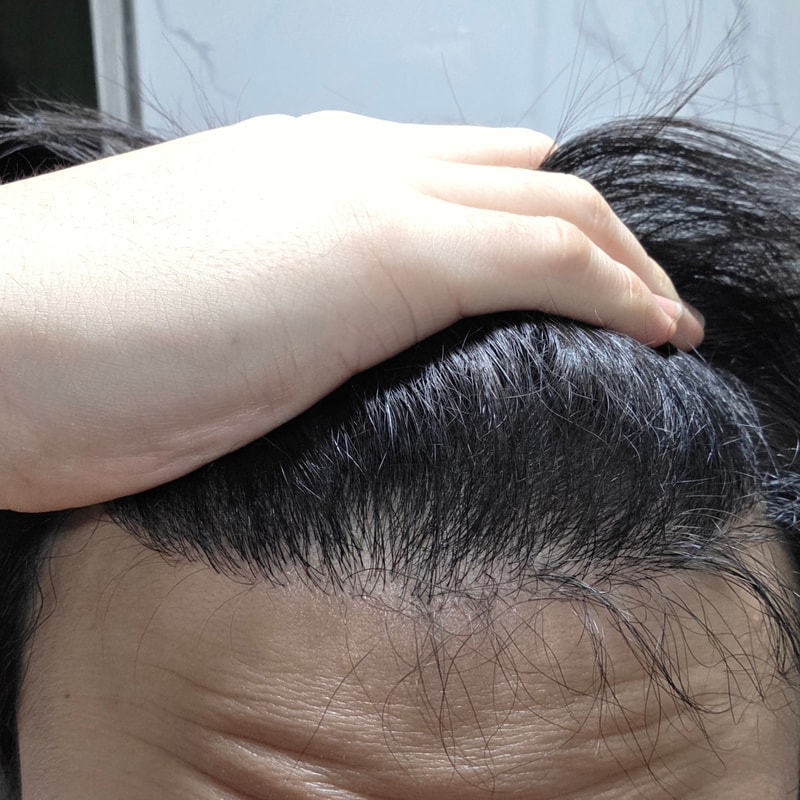
 MYMO HAIR TRANSPLANT CENTER Incheon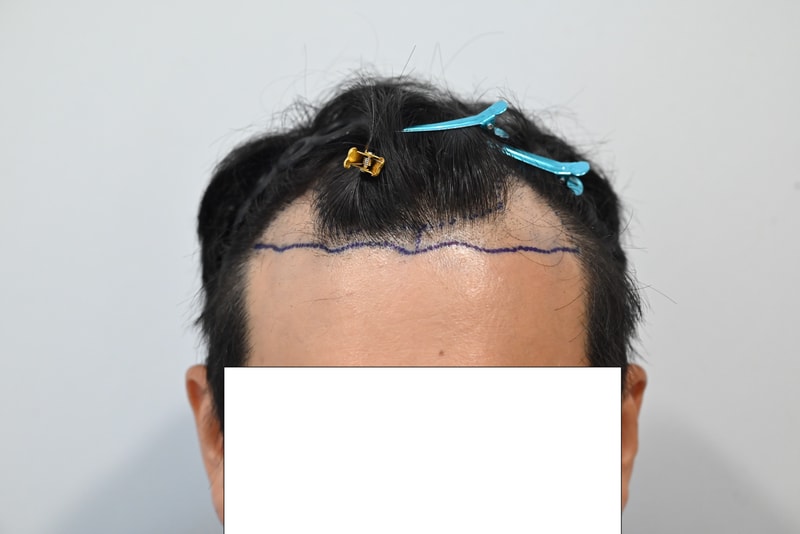
 MOEM Clinic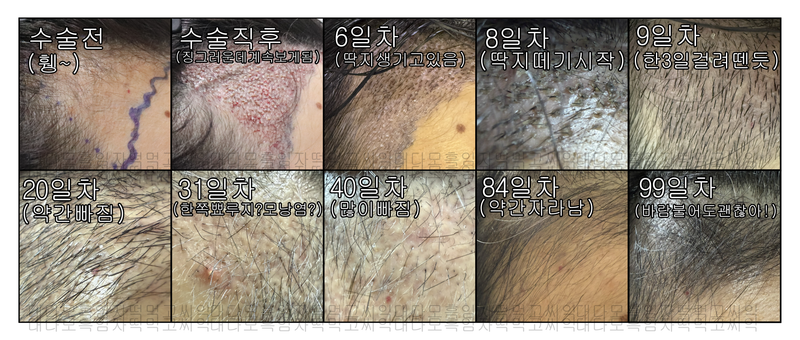
 Dana Plastic Surgery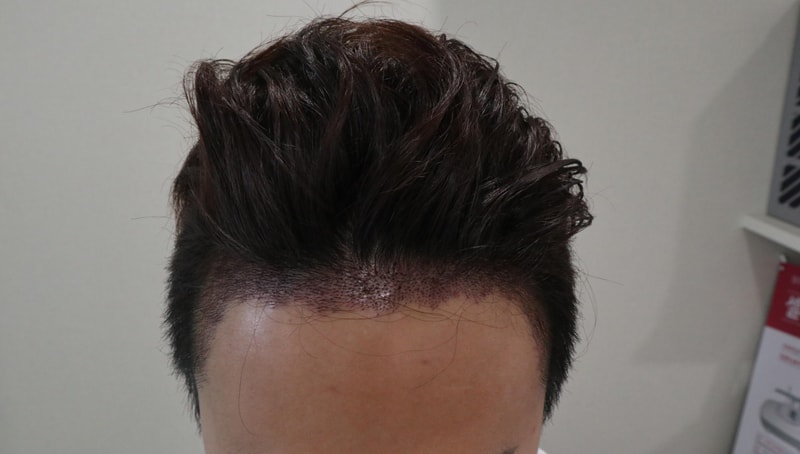
 MOUDA CLINIC
 Modi hariplant
 WOOMCHAN Hair Transplant Clinic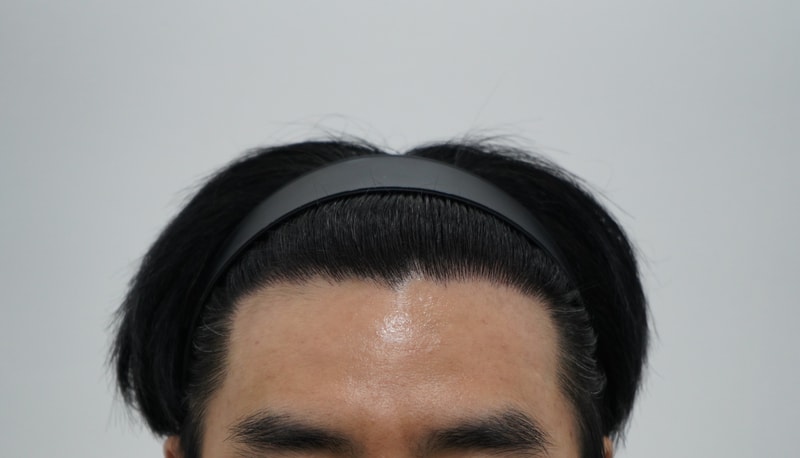
 moart clinic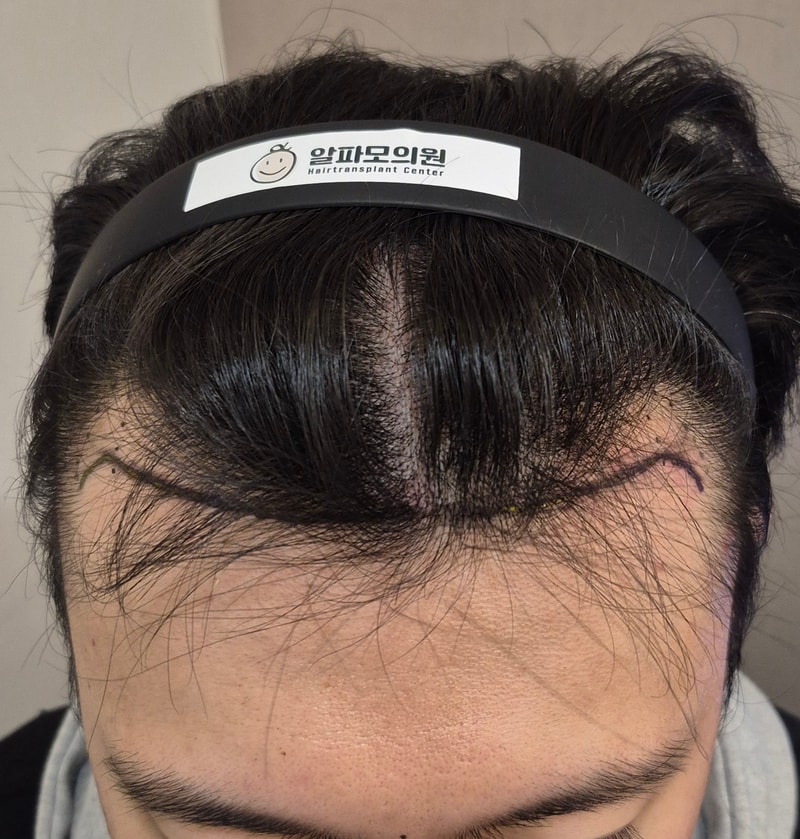
 an alpha-mocking circle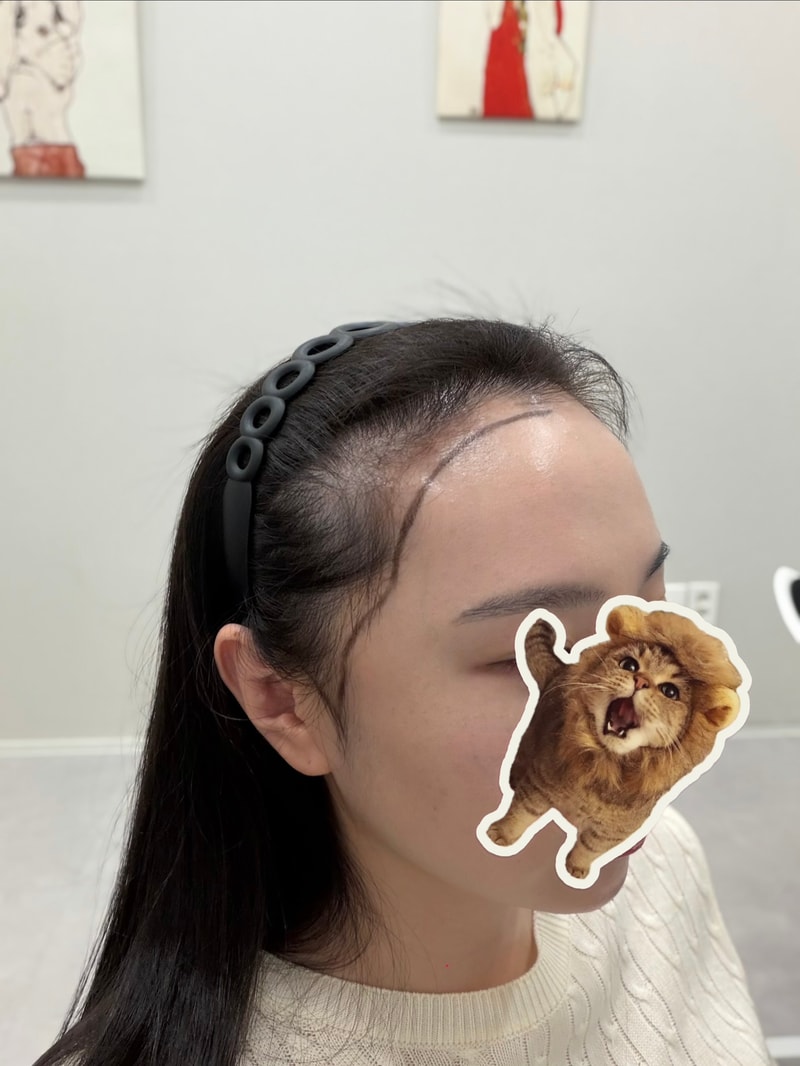
 HAIRO HAIR TRANSPLANT CENTER Dongtan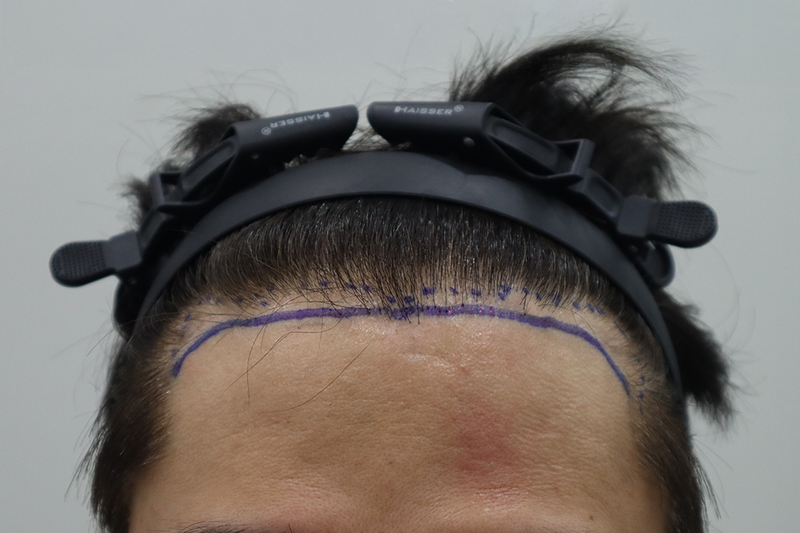
 HAIRO HAIR TRANSPLANT CENTER Jeonju
 Yonsei Mobelle Clinic - Daegu Branch
 JP Hair Transplant Clinic
 Banal Plastic Surgery Clinic
 GLOWELL
 Moment Clinic
 Motion Hair Clinic
 MOAMAN CLINIC



Comments