




Pinasteride: Information on Finasteride-based generic drugs worldwide, including Propecia, Pinfecia, Prosca, and Pinca.
Dutasteride: adot, generic adot information/ minoxidyl tablet: minoxidyl to eat / spironolactone: aldactone, spirodactone
5% Minoxidil : Information on the minoxidil family such as Rogain, Regain, Zandrox, Minoxil, Scalpmed, etc
Other medicines: cimetidine, roacutane, steva A (tretinoin), diane, drogen tablet, pantoga
the latest popular post
All[Finasteride] Hair common sense - That's a good idea.
This is a hair common sense internet blog pugle.
Something that hair loss people should know, \n There's also common sense that I've never known before.
Personally, I've always been curious about how I've been half curly since my adolescence.. I found out why ;
--------------------------------------------------------------------
Common sense \n \n \n1. Function of hair \n2. Type of hair \n3. Hair shape \n4. Hair shape \n5. Life of 60 months \n5. Structure of hair \n6. Period of hair \n1) Oriental medicine view \n7. Hair growth rate \n9. Korean hair density - Lower than white people or black people \n10. Hair loss and hormones \n1) Types of hormones that cause hair loss \n(1) Male hormones \n① Androgen Receiver Proteins \n② 5α-Reductase \n(2) Aromatase \n(2) Cotisol \n(3) Estrogen (female hormone) \n(4) Progesterone \n(6) Hormones related to hair loss - Description \n3) Hair loss in the chest (beard, arms, legs) \n11. Relationship between hair abnormalities and diseases \n1). Hair loss gene from whom?
15. Relationship between baldness and cancer \n16. Secrets of curly hair \n1) Flat shape of hair cross-section causes...70% of Koreans are concerned, \n2) Can they change their curls to straight hair.
17. My hair turned red.
1) Color of Hair \n2) Melanin Pigment \n18. Characteristics and Management of Hair by Age \n \n \n 1. Function of Hair \n \n \n \n Hair provides sexual charm, although not life-related, hair protects the scalp from sunlight, and eyebrows or eyelashes cover the eyes from sunlight or sweat drops.
2. Types of Hair \n \n \n There are four types of hair covering the skin of our human body.
1) At birth, a fetus occurs in the mother's belly, and is eliminated at birth and replaced by a soft hair with thin, light-colored hair that appears for the first time in that life for about 20 weeks.
2) Fluffy hair \n \n \n refers to the delicate hair covering most of the body, and depending on the part of the human body, it has a rich pigment and is replaced by thick and strong seed hair.
3) Intermediate hair (intermediate) \n \n \n refers to hair with an ambiguous distinction between hair and seed hair. The distinction is based on its diameter rather than its length, most of which are 20 to 40 microns in diameter, and most of the seed hairs are 60 to 120 microns. \n \n \n4) seed hairs (St. Mary's, apocalypse hair, terminal hair) \n \n \n Adult hair, eyebrows, eyelashes, beard, armpit, and shin hair are all seed hairs. The degree to which soft hair is replaced by seed hair is influenced by genetic predisposition and endocrine organs. For example, hair on the scalp changes to seed hair in men, women, Koreans, and Westerners, and chest hair changes to seed hair only in some Koreans or more Western male adults, and in most women, it remains as a soft hair.
Armpits and vulva also show seedlings in adult men and women of all races, and male baldness, on the contrary, changes from seedlings to fluffy, and the degree also varies considerably depending on the endocrine function and genetic predisposition of each individual.
3. Hair 髮型 \n \n \n \n \n \n P. Broca (1824-1880) classified 5 hair types and R. Martin (1864-1925) classified 11 hair types, but if summarized, it can be broadly classified into 3 types: straight hair (直毛), wave hair (波狀毛), and axial hair (縮毛).
1) Straight hair \n straight 狀 or very weakly wavy hair. It includes the yellow people of Asia, Eskimo, American Indians, and Polynesians.
2) It is a hair that forms a tetrapod \n wave (波狀), and there are various degrees of wave. In some cases, those with strong degrees are wound in a thick coil shape. It can be found in white, Australian, Indigenous, Indonesian, and Ethiopian people.
3) Congrats \n Very small shriveled hair, which has a shriveled one and a brother called spiral hair (螺旋毛). The latter is a spiral hair that shrinks into a spiral shape and gathers little by little, about the size of a large bean, and the hair is very strong. It is characterized by African black, Koisan, Melanesian, Papua, and Andamanians.
4) Comparing the three shapes \n When the cross-section of the hair is observed under a microscope, the straight hair is closest to the round side, the tetrapod is a weak ellipse, and the flatness (扁 度) becomes stronger as the degree of cringe increases. In addition, the direction of the hair is almost perpendicular to the skull, and the direction of the hair is oblique as it shrinks. In other words, it can be seen that the cringe of the hair is also related to the shape of the hair or the direction in which the hair is formed.
4. Hair - 60-month lifetime \n \n \n The individual difference is large, with about 60,000 to 70,000 strands saying there are few hairs, and 130 to 140,000 strands saying there are many. The frequency is about 500 strands per cm2. It grows about 1.3 to 2cm a month, and women's hair grows faster and more than men. In particular, hair grows up to 5-6cm in armpits and genital areas and 1cm in eyebrows, nose hair, and inner hair, while growing up to 1.5-2m. It grows about 0.3 to 0.4 mm per day and about 1 cm per month.
Once hair is produced, it goes through three stages: growth-degeneration-restriction-restriction. About 90% are long-term hair, and about 5 years correspond to this period. In addition, the rest period lasts for three months and the regression period lasts for three weeks. During this phase, new hair is born and old hair is lost and ends its life.
Since an average of 30 to 100 strands of hair are lost a day and new ones are created, there is no need to worry about losing 50 to 60 strands of hair. As I mentioned earlier, this is why you don't have to worry too much when you wake up in the morning and see the hair on your pillow. However, if you go too far, it is more likely to be alopecia if you lose more hair than if you don't have enough. In this case, more than 100 strands of hair are lost a day.
After a certain period of growth, hair falls out at the end of its life. And after a few months, it starts to grow back in the hair hole. Human hair has a constant and regular growth cycle. For example, the hair growth cycle is lost after the JARADA CLINIC stops for three months for three to six years. Nevertheless, hair does not fall out all at once because each hair has a different life cycle.
5. Hair structure \n \n \n \n \n \n follicles are shaped like stems growing from the bulbs of plants. This bulbous part is called the mother tongue (毛球). At the bottom center of this hair, there is a 毛乳, where capillaries form a web like a spider's web. The area surrounding the mother 質 is called mosquitoes (毛 base 質).
Mosquitoes are composed of mosquitoes and melanocytes, and cell division is very active and corresponds to the production plant of fur. It differentiates from the hair matrix cells and becomes angulated as it transitions to the skin surface, and the innermost part of this angulated structure is hair (mosquito, 毛幹).
The hair is composed of three types: 毛髓質, 毛皮質, and 毛 皮 from the center to the outside.
In addition, this hair is surrounded by super-skin (側毛根墅: inner hair + outer hair 側毛根墅).
Melanin cells exist between the hair matrix cells in the hair, and melanin produced by these cells is later probed by the cells that will form the hair, determining the color of the hair according to the amount of melanin.
Near the surface of the skin, a sebaceous gland (皮脂腺), a set of hair follicles, runs like a grapevine, and the discharge pipe through which the secretions of these sebaceous glands come out is connected to the pores.
Sebum keeps our skin and hair from drying out while keeping it shiny and soft. Under the sebaceous gland, there is a fleece muscle (毛筋), which is a muscle that makes hair stand.
When the skin is exposed in cold weather, the skin becomes chicken flesh, and the hair stands upright even when experiencing very terrible things, which is a phenomenon that occurs when the fleece muscles contract.
6. The cycle of hair \n \n \n \n \n \n \n \n \n Human hair does not continue to grow the same hair in its lifetime as the amount of merino species, but naturally falls out after a certain period of time (hair has about 70 to 80 natural hair loss per day), and after a while, new hair grows.
This is called the lifespan of the fur or the mother cycle (毛周期), and consists of the growth period, the regression period, and the rest period. The period depends on the part or age of the body, but the longer the growth period, the longer the hair grows. 85% of the hair is in the growing season, and it is common to continue for 5-7 years, but some of them reach 25 years, so there are people over 2m.
The hair of the degenerator is 2%, and after 2 to 3 weeks, it enters the resting period and is eliminated. Since each hair tissue has an independent mother cycle (mosaic pattern), there is no molting phenomenon like animals that have a Japanese 周期, such as mice and rabbits.
(1) It is the period when growth organs \n hair continues to grow, and cell division is active in the basal part of the hair follicle, that is, in the hair cell.
(2) Regression phase \n It is a time when the growth activity of hair follicles stops and shrinks rapidly, and the shape of the hair at this time is similar to a club.
(3) Rest period \n Hair follicles at this time stop activities completely and wait for hair loss to come soon. It is pushed out and pulled out by the growing organ hair that appears newly at the base of the resting hair, or is pulled out by mechanical actions such as brushing or washing hair. The shape of the hair that falls out is in the form of a club.
When hair is extracted from the normal scalp, about 85-90% of hair is long-term, 10-15% is resting, and the number of regressive hair is small, making it difficult to find it. There are about 140,000 blonde hair, about 100,000 brown hair, and about 90,000 red hair, and fewer than 100 are lost in a day from normal people and new growth.
2) Oriental Medicine Opinion \n If the renal (腎) function is weakened and blood is insufficient, hair cannot be produced. As a result, hair loss symptoms appear. In particular, wrong hair loss in daily life can also cause hair loss.
What should be done to prevent and treat such hair loss. To get an answer to this, you first need to know the hair cycle.
So-called hair loss is actually a problem for everyone. Healthy people also lose 60 to 70 strands of their hair a day. It usually falls out when combing or washing hair. This is because hair has a lifespan. Therefore, after the hair is lost, new hair will soon sprout from the pores (毛孔). This is the hair cycle (週期).
This is the same reason that plants sprout in spring, thrive in summer, wither in autumn and rest in winter, and sprout again in spring of the following year.
In general, the lifespan of a strand of hair is 2 to 5 years for men and 3 to 5 years for women. The amount of hair is about 10 strands. However, since each hair's cycle is all out of alignment, it does not fall out all at once. The result is that the hair stays in place forever. However, if new hair does not sprout after the hair has been lost, the amount of hair will gradually decrease. At this time, it soon develops into a situation where there is less hair.
In addition, more than 70 strands of hair are lost a day, and even if the number of new hair does not reach the number of missing, the number of hair continues to decrease.
(Source: Transferred from Jaeseop Kim's oriental medicine clinic home) \n \n 7. Growth rate of hair \n \n \n The rate at which hair grows depends on gender, season, health, and age. Women's hair grows faster than men, and summer grows faster than winter. There are also differences in age, so hair grows the fastest in adolescence.
The reason why hair in each part of our body always maintains a certain length according to its position is that each part has a certain hair cycle, and hair in other parts has a shorter hair cycle of 28 years of growth, 2-4 weeks of regression, and 2-4 months of rest.
When looking at the growing organs in other areas, armpit hair, conspiracy, chest hair, and eyelashes are 1-6 months, legs 5-7 months, arms 1.5-3 months, fingers 1-3 months, and rest periods are usually 1-4 months. Hair in each area also showed slight differences in growth rate, growing on average 0.37-0.44 mm of hair, 0.27-0.38 mm of beard, 0.3 mm of armpit hair, 0.2 mm of conspiracy, and 0.18 mm of eyebrows.
There is also a seasonal difference, so hair growth becomes at its peak between spring and early summer, and as fall, a large amount of hair enters a resting state, increasing hair dropout. As you get older, your hair grows slightly differently, but it grows faster until you are in your teens and then slower after your 20s.
The average rate of hair growth is about 0.4mm per day, approximately 1.3cm per month. Therefore, if you grow your hair without cutting it for a year, it will grow about 15.6 cm (1.3 cm × 12 months) on average.
But hair doesn't grow indefinitely. After it grows to a certain extent, it falls out after a preparation period. Each hair varies from person to person, but it grows for about three to ten years.
It is calculated that people with three years of hair growth, that is, those who grow hair for only three years, only grow 46.8 cm (15.6 cm × 3 years) no matter how long they grow their hair. No matter how much anyone tries to grow their hair, there is a limit to it not growing anymore.
Then let's analyze the myth that hair grows quickly when you think of wild thoughts. The assumption that wild thinking affects hair growth points to the role of hormones. For example, when you become pregnant or take contraceptives, hair follicles grow faster due to hormonal changes.
The same phenomenon occurs when there is a conspiracy during puberty, when hormones are secreted vigorously, and in the case of men, more hair is produced on the body. The claim that wild thoughts lead to hormone secretion and grow the head quickly is speculation in this context, but no specific experimental results have been made yet.
1) Hair grows fast at 10 a.m. to 11 a.m. \n \n In the case of hair, it hardly grows at night and then begins to grow in the morning and grows at the fastest rate at 10 a.m. to 11 a.m.
2) Hair grows about 2cm a month.
You can see that hair above your head grows at a rate of 2cm every month. Another interesting fact is that men spend less time before hair is exposed outside the skin's surface than women. However, once it comes out of the skin, the woman surpasses the speed of the man and becomes much faster. In addition, the rate of growth under the skin was found to be constant regardless of age.
3) It takes four to five months for hair regeneration.
Hair growth is not fast. The 週期 of hair includes the growth 期, the transition 期, and the rest period (休止期), followed by the regeneration process.
The pause can be months, but it takes 4 to 5 months to play again. Generally, it takes about 120 to 130 days. If the hair is to be regenerated, the pores (毛孔) turn black at 3 to 4 months and can only get better at 4 to 5 months, so this should be measured.
8. The components of hair \n \n Hair is a hard keratin protein component. Keratin is easily denatured by changes in heat or acidity (酸度). Therefore, you should refrain from washing your hair with hot water or going to saunas often. Hot air harms the health of hair roots. You should also avoid acid rain or snow. The same goes for direct sunlight in summer and autumn. When the hair is exposed to ultraviolet rays, the melanin pigment bleaches and turns dark red. Dyeing at this time damages hair roots and promotes hair loss. It is important to keep in mind that the lack of shine and stiffness of hair after vacation is due to salt, sweat and strong UV rays.
Bleaching using hydrogen peroxide, which is popular among some young people, does not have a significant effect on hair loss itself, but indiscriminate use should be prohibited because it damages hair. Dyeing agents and some anti-hair loss drugs can cause allergic dermatitis such as pruritus and rash, so they often suffer unexpectedly. You must consult a specialist before choosing to prevent side effects.
9. Korean Hair Density - Lower than Whites and Blacks \n \n \n Koreans' hair density is significantly lower than that of Whites and Blacks, a study published in the Journal of the American Academy of Dermatology. The Korean Catholic Medical University's Dermatology Department and Baylor Hair Research and Treatment Center compared hair density in Korea to other races. The results showed that the total number of hair, hair growth/shape (St. Mary's), and growth hair were significantly lower in Koreans when compared with clinical data in black and white people.
Hair follicle density was also lower than that of black or white people. On the other hand, in the case of Korean women, the number of seedlings was significantly higher than that of Korean men. The researchers concluded that Koreans have lower hair density than whites and blacks.
10. Hair loss and hormones \n \n1) Types of hormones that cause hair loss \n \n \n Most of the male and female hair loss are known to be male-type alopecia. Male alopecia is known to be caused by a hormone called dihydrotestosterone (DHT), a by-product of male hormones, and DHT is produced in large amounts in the head by an enzyme called 5-alpha-reductase. When DHT acts in hair follicles with genetic predisposition, the hair follicles gradually shrink and the hair becomes shorter, eventually contracting and degenerating.
(1) Male hormones \n \n \n Male hormones (androgen) are synthesized and secreted by the adrenal cortex and gonads, and testosterone and dihydrotestosterone (HT) are typical, and DHT is the main hormone that causes male alopecia.
Enzymes such as 5α-Reductase and aromatase are involved in the formation of sex hormones. The formation process of sex hormones has a selective function of testosterone and DHT during puberty.
Testosterone is involved in increased muscle volume, growth of penile and scrotum, voice changes, maleization conspiracy and armpit hair, sperm formation, and Dihydrotestosterone (DHT) is involved in prostate growth, acne, Virgin Mary growth (myelitis, limbs, trunk, outer ear, nose hair), and anterior posterior retraction.
Testosterone is essential for normal male functions, such as maleization and spermatogenesis, but DHT is not essential.
① Androgen Receptor Proteins \n In order for androgen (male hormone) to play a role, an androgen-receiving protein that accepts androgen is required, and the male hormone's action takes place by binding them. According to a study measuring androgen-receiving proteins, men and women with androgenic alopecia (bald) have more than 30% higher measurements in hair follicles in the frontal (front) with hair loss than in hair follicles in the occipital region without hair loss.
② 5α-Reductase \n5α-reductase has two isozymes (type 1 and type 2) and both are hormones that change testosterone to DHT.
Type 1 is mainly distributed in keratinocytes of sebaceous glands, epidermis and hair follicles, breastpox cells, and sweat glands, and type 2 is mainly distributed in the skin of the root sheaths, epidermis, vasectomy, seminal vesicles, prostate, and fetal genital organs of scalp hair follicles.
Both type 1 and type 2 are expressed in the outer root sheath of male and female androgenic alopecia patients, and in people with a birth defect of type 2 of 5α-reductase, and the androgenic alopecia does not occur or the front forehead is slightly backward.
③ Aromatase \naromatase is a hormone that converts to estradiol and estrone, female hormones, in the process of sexual hormone formation, and has the function of suppressing hair loss caused by male hormones. According to a study measuring the amount of aromatase, women are about six times higher than men in hair follicles of androgenic alopecia patients, which makes testosterone better transition to estradiol and estrone, and less transition from testosterone to DHT, so women's hair loss is milder than men and maintains front forehead lines. Excessive hair loss in men may be related to a lack of aromatase, which leads to increased production of DHT.
(2) cortisol \n \n hindered the onset from resting to growing organs. Both hair and body hair have growth inhibitory effects. When subjected to gonadectomy or adrenalectomy, the growth organs are accelerated for hair growth, but the growth inhibition effect is still effective for hair of the body. \n \n (3) estrogen (female hormone) \n \n \n The breast grows and strengthens ovarian function. It inhibits the function of androgen, a male hormone, and stimulates conspiracy, feminization, and hair growth.
(4) Progesterone (antibody hormone in women) \n \n The direct effect on hair growth is mild. It has almost a growth inhibitory effect on hair, but a growth promoting effect on hair of the body. \n \n (5) Thyroid hormone \n \n \n \n It promotes follicular activity, inducing the transition from resting to growing organs. Increasing the length of hair. It has a growth-promoting effect on both hair and body hair. Undergoing thyroidectomy, the rate of hair growth is slightly slowed, the diameter of the hair is slightly reduced, and growth inhibition is effective in both hair and body hair. In patients with hypothyroidism, armpit hair and conspiracy tend to be less. \n \n (6) decreased hair growth in pituitary hormone \n \n \n decreased pituitary function.
2) Hormones Related to Hair Loss - Comment \n \n The hormone that directly causes hair loss is known as dihydrotestosterone (DHT).. DHT is a metabolite produced by the action of an enzyme called 5-alpha reductase on testosterone, which combines with specific parts of hair follicle cells to cause a series of changes related to hair loss. In addition, DHT shortens the growing organs and lengthens the rest period during the hair growth cycle, so the size of the hair gradually decreases as the growth cycle continues. \n \n Testosterone affects the growth of armpit hair and conspiracy, while DHT affects beard and baldness. However, it does not affect hair growth, but only hair loss. The 5-alpha reductase enzyme is highly active in the area where hair loss occurs, and propecia, which is used as a treatment for alopecia these days, is the one that inhibits this enzyme.
Women have only half the 5-alpha reductase enzyme compared to men, while they have many enzymes called aromatase, which is especially distributed near the hairline of the front.. Aromatase inhibits the production of DHT, indicating that in women, the type of hair loss is different from that of men..
3) Hair on the chest (beard, arms, legs) \n \n Hair loss and hair growth on other areas (chest, beard, arms, legs) usually occur at the same time. Male hormones (androgen) are synthesized and secreted by the adrenal cortex and gonads, and testosterone and dihydrotestosterone (DHT) are the main hormones that cause male alopecia.
Enzymes such as 5α-Reductase and aromatase are involved in the formation of sex hormones. The formation process of sex hormones has a selective function of testosterone and DHT during puberty.
Testosterone is involved in increased muscle volume, growth of penile and scrotum, voice changes, maleization conspiracy and armpit hair, sperm formation, and Dihydrotestosterone (DHT) is involved in prostate growth, acne, Virgin Mary growth (chest, beard, limbs, torso, outer ear, nose hair), and posterior retraction of the frontal glands.
In conclusion, to put it simply, if you suddenly grow a lot of hair on your chest, you lose a lot of hair at the same time.
11. Relationship between hair abnormalities and diseases \n \n Check your hair once a month to determine your health. People's hair allows them to know their living conditions, the presence or absence of anguish, their health conditions, and even their jobs. This is because hair reveals everything exactly about a person.
In particular, hair is closely related to daily food life and autonomic nerve activities that support our lives. For example, circular hair loss caused by mental trauma or round head caused by overwork are visible examples. \n \n \n On the contrary, if you are mentally stable and nutrition is in balance with a regular and rhythmic life, you have beautiful hair.
Hair is metabolized just like cells. And that metabolism is proportional to the metabolism of cells in the body that are linked to hair. Therefore, hair reacts sensitively to changes in the body.
For example, the hair that caused a strand of abnormality can be seen as more than 10 million cells in the body. Therefore, it is valuable information for maintaining health to clearly find out whether there is an abnormality in the hair and the area that caused the abnormality.
1) When performing a hair test, check the changes in hair properties. For example, it distinguishes whether it has become flexible or hard.
(2) See if there is a change in the color of your hair.
(3) Check the occurrence of abnormal hair loss, atrophic hair, and round head.
(4) Check the area where there is an abnormality in the hair.
(5) How is your scalp?
(6) How is your normal condition?
2) Disease-specific hair abnormalities \n \n(1) When there is a disease of the stomach (胃) and intestines (腸): the top of the head falls out, and the scalp becomes oily and sticky.
(2) When you have heart disease: a reddish change appears in the 3cm area around the head kiln.
(3) When you have lung and respiratory diseases: the hair above your head is thinned and shrunk.
(4) When you have gallbladder disease: the right anterior side of the overhead kiln should be examined.
(5) When you have a physiological problem: the hair on the upper edge of the neck forms a wave shape.
(6) When I'm suffering from 風濕症: My hair is thinning and sticking to my scalp.
(7) When suffering from joint neuralgia: hair loss appears above the ear area or the amount of hair decreases.
(8) When you have optic nerve disease: hair loss appears on either side of the forehead or in the temple area.
(9) When there are symptoms of rotten teeth or periodontal fistula: hair around the ear shrinks.
(10) When suffering from rhinitis or sinusitis: An abnormality occurs in the hair in the front middle of the forehead.
(11) When you have hemorrhoids constipation: The hair from the front to the back of your head becomes busy.
(12) In case of loss of autonomic nerve coordination: Straight hair is curled in waves or becomes atrophic hair.
(Source: Gibb Jae-seop, transferred from the home of Korean medicine clinic) \n \n12. Baldness and heredity \n \n The son of a family whose father is bald is mostly bald. Basically, baldness is an inheritance. Then, if the father is bald, will all of his children be bald?
Everyone has genes in pairs. For example, when A has a bald gene, if the father is AB and the mother is a CD, the child may have AC, AD, BC, and BD. They have bald genes, but they don't have bald genes. Therefore, some of the same brothers may or may not have baldness. In the case of a daughter, even if she has the bald gene, the probability of becoming bald is very low. It is because of the influence of male hormones.
Having a bald gene doesn't mean everyone is bald. It is male hormones that are involved in bald gene expression. Because of the influence of male hormones, men are more bald than women. Also, you don't get bald before puberty.
It has a bald gene, but it is often not expressed. Even in the Goryeo and Joseon periods, the relative frequency of people with bald genes would have been the same as now. But there were not as many bald as there are these days. Baldness was not present at the time of a vegetarian diet, but baldness is increasing these days as meat consumption has increased.
The higher frequency of baldness and more severe progression in older people than younger people can be seen as the effect of aging. Epidemiological studies have shown that there are many arteriosclerosis and prostate hypertrophy among bald people. Arteriosclerosis is associated with aging and high fat diets are caused by cholesterol in particular.
Unfortunately, however, the bald gene has not yet been identified, so it is impossible to know whether the bald gene is retained or not.
13. Hair loss and age \n \n How old and when hair loss starts depends on the individual's genetic combination and the blood concentration of male hormones.
Hair loss does not all fall out at once, and it does not continue at a constant rate, but the speed of hair loss goes through a fast, late period, and a period of stabilization. However, as you get older, the total number of hair must decrease.
Even in people without the gene for hair loss, when they get older, some hair follicles are reduced. As a result, thick and thin hair are mixed, and overall thin hair appears to be thin.
14. Hair loss gene From whom? \n \n Hair loss genes can be inherited from either parent. A gene is a single chemical structure located in one part of the chromosome and consists of small pieces of DNA. Chromosomes always exist in pairs, and humans have 23 pairs of chromosomes, which are inherited one by one from their parents.
The genetic form of androgenic alopecia is not simple, so more than one gene is currently known to be involved in causing alopecia. When multiple genes are involved, it is called polygenic inheritance. Human chromosomes consist of a pair of sex chromosomes (XX or XY) and 22 pairs of autosomes, and the genes that cause hair loss are known to have autosomal inheritance.
The genetic factors of hair loss can be inherited from either the parent's or mother's family, and the genes on the mother's side have a slightly more important meaning. Because the genes that cause hair loss are dominant genetics, they occur even if only one of a pair of genes has it.
However, having a hair loss gene does not mean that everyone is bald. When you have a gene, what actually happens is called 'expression', and expressiveness, in which hair loss actually occurs, is deeply related to hormones, age, and stress. Currently, the gene that causes hair loss has not been clearly identified medically.
15. The Relationship Between Baldness and Cancer \n \n What does baldness and cancer have to do? However, it is not for all cancers. However, it is known to be associated with gastric cancer.
A general hospital had a 10-year history of investigation. In other words, we compared the amount of male and female hormones to 100 gastric cancer patients and normal people. As a result, bald and healthy people had higher amounts of male hormones. However, in the case of gastric cancer patients and those with a lot of hair, the amount of female hormones was higher. Those who were neither bald nor had stomach cancer accounted for the middle.
From the results of this experiment, it can be seen that the incidence of gastric cancer is also high for people with relatively high secretion of female hormones from the balance of sex hormones. In other words, people with high levels of female hormones do not necessarily have stomach cancer. The bottom line is that bald people are less prone to stomach cancer.
16. Secret of curly hair \n \n 1) The flat shape of the hair cross section is the cause...It is common for 70% of Koreans to have more curly hair because the hair shape of this \n \n is naturally determined by genetics, and curly hair is dominant over straight hair. However, in addition to changes in the body, such as sex hormones, there are acquired changes caused by curly hair or lack of hair growth from puberty.
Then why is your hair curly and straight.
The secret lies in the difference in the cross-sectional shape of curly hair and straight hair. If you cut a strand of curly hair and look at its cross section under a microscope, it is close to a flat shape, while the cross section of straight hair is round.
It is easy to understand why the shape of the cross section is a problem if you think about the paper. If you hold the bottom of the flat paper with your fingertips and stand it upright on your desk, you can observe that the paper bends immediately. In the case of flat-sided curly hair, it is the same as when flat paper is not upright. On the other hand, rolling paper into a cylindrical shape makes it easy to stand upright. A hair with a round cross-section can stand straight for the same reason.
Based on this principle, cylindrical shapes are often used to make objects that should not be bent, which is why the chimney or pillar of a building is cylindrical.
2) Can I change my curly hair to straight hair.
Unfortunately, there is no way to fundamentally treat curly hair by making the shape of the hair round.
However, with the recent development of perm technology, technology that can increase curly hair such as iron or straight perm has been developed, making it possible to tidy up and easily organize swollen hair.
However, you should be careful because straightening your hair using physical and chemical methods can cause damage to your hair, and your hair has no ability to self-recovery, so once damaged, the degree of damage increases.
17. My hair turned red.
1) Hair Color \n \n Hair color comes in a variety of colors, including black, brown, red, blonde, and white, but these colors are determined by the degree of melanin pigment synthesis, such as skin color. Melanin pigments play an important role in coloring hair and protecting the scalp from excessive ultraviolet rays.
2) Melanin pigment \n \n The pigment in black and dark brown hair is tyrosine melanin pigment, and the pigment in yellow and red hair is phenomelanin pigment. These two types of melanin pigments (granules) are color determined by their size, amount, and synthesis. If the melanin granules are large and there are many, they become black because they absorb light, and if there is little melanin granules, the light is reflected and turned white.
The order with the highest amount of melanin is black>brown>red>blonde>gray hair. The size of the granules is also black on the larger side, and if it is less, it becomes red and brown. These melanin granules are melanoside pigment-forming cells that exist near the mother cells of the father and are oxidized and polymerized according to tyrosine oxidase in tyrosine, a type of amino acid, to form melanin granules.
18. The characteristics and management of hair according to age \n \n1) The health of teenage \n \n \n is the best time of life. The sebaceous glands are so strong that it is easy to smell hair. Neutral or oily hair Regular conditioning with daily shampoo and mild conditioning is essential \n \n2) 20s \n \n \n It is a time when hair health deteriorates due to excessive perm and dyeing. various periods of psychological stress. Brushing for 5 minutes before going to sleep to remove contaminants from the scalp. \n \n3) It is the time when the scalp dries up in earnest as the sebum in the 30s \n \n decreases. It is recommended to use shampoo and rinse that have moisturizing effects. Frequent brushing is essential. Use hair treatment products, clean once a month \n \n4) 40s \n \n \n \n It is a time when the hair and moisture are significantly reduced. Gray hair grows longer and hair grows slower. Hair that feels dry or chemically treated, such as dyeing and bleaching, must be conditioned. Brushing for about 3 minutes is required every night. \n \n \n2008/10/16 20:28 2008/10/16 20:28 \nPosted by Sopphaus, Director of Research.
The contents of this post are based on the user's personal experience and public general information, and are not intended to advertise, promote, or encourage the use of certain medicines. Please consult a medical professional for the use of prescription drugs and treatment.
Hair Transplant Photos & Reviews
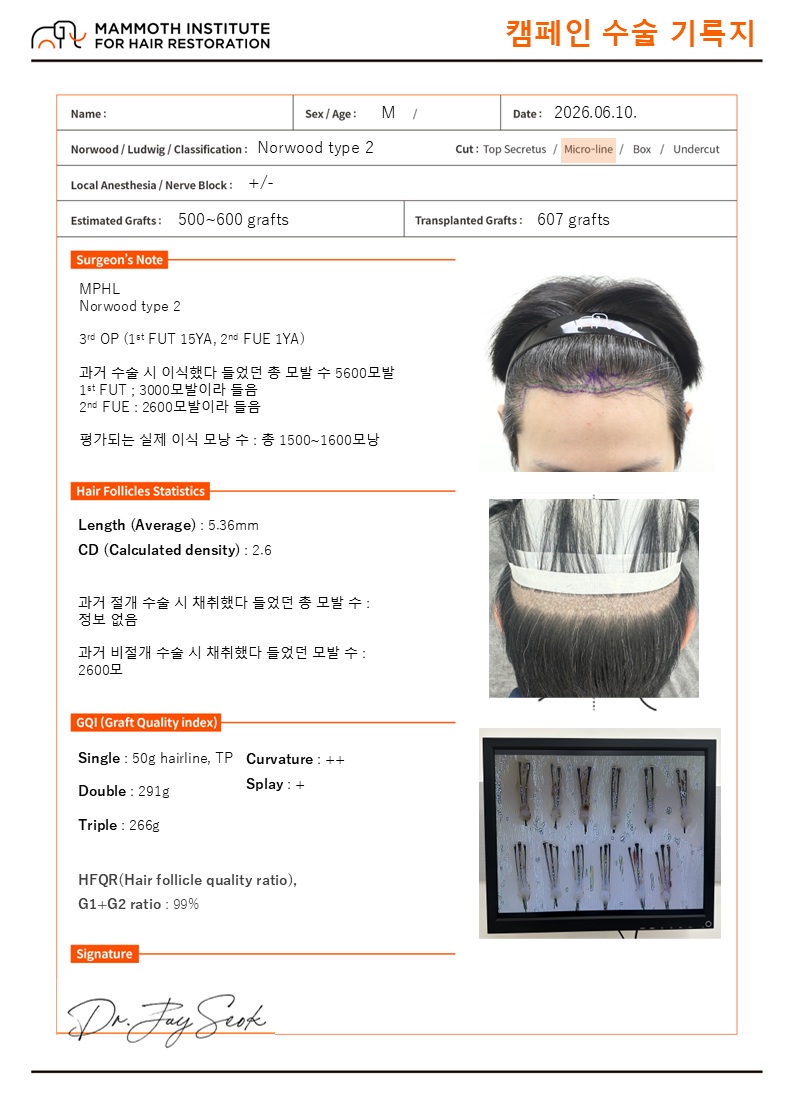

I'm a male in my mid-30s who failed the first and second hair transplants \n, and I wrote this in the hope that this will help many people choose a quality hospital. First of all, I carried out this operation in Apgujeong Mammoth Hair Restoration Center, and I got free surgery as a target of the hospital's <inflated hair \n Fracture Campaign>. However, this article is a review based on what I experienced and felt firsthand without providing or inspecting the hospital's manuscript. 1. himself \nPast surgical history 1) 2010Year, primary surgical l incision approximately 3,000 hairs (less than 1% incidence) It was a time when hair transplants weren't popularized in the times, and I was 20. I didn't have money because I was young, so I got surgery at a new hospital where I was doing an event song. The operation ended up failing, with an incidence rate of less than 1%. 2) 2025Year, 2nd Surgery l Non-Cutting Method Approximately 2,600 Mo (incident rate less than 30%) Fifteen years later, we were planning a second operation, and at that time, with the complacency that the Hair Transplant would be somewhat popularized and technological advancement would be great in most hospitals, we chose the least expensive hospital \n. In conclusion, the operation was completed with a regrettable result, with an incidence rate of less than 30%. 3) 2026June 10th, 3rd surgery l Apgujeong Mammoth Hair Restoration Center l 1578 mol l 607 follicles The results of the second operation were not good, so I decided to do the third \n operation, and this time, with the determination that it will be the last operation in my life, I set a difficult \n condition, searched various hospitals, consulted, and finally chose a \n pressure Mammoth Hair Restoration Center clinic, and I had surgery yesterday. 2. 3What you considered when choosing a secondary surgical hospital 1) What I've seen is important ∙ Whether the actual surgical outcome portfolio is good ∙ One member of the group is doing it alone, from harvesting to transplantation ∙ I think it's a way to run multiple surgeries at the same time ∙ Whether sufficient information is available to the patient during consultation and surgery 2) The important thing is that I didn't look at it ∙ Price ∙ Location 3. Rep. Apgujeong \n A detailed review of Mammoth Hairline 1) Inquiry \n Course The initial call was made in April, and \n talked about the experience of failure in the first and second operations at that time, and \n gave feedback that the hospital said, "It is only 7 months since the second operation was \n, so it would be better to see the progress and talk about whether the operation will proceed by 10 months." The reason is that it's a third operation, so I was informed that it would be better to do it after the head of the second operation is raised to minimize the depletion of resources on the back of the head, and I was deeply convinced that I would contact you again three months later and hung up the phone \n. (In the process, the other two hospitals were like, "Let's consult now, let's set a date for surgery," so the Apgujeong mammoth hairline's credibility was relatively elevated.) A few days later, the three directors of Mammoth Hairline were informed by phone that they would start the <inflating hair> campaign in May, which provides free surgery for those who wish to have a reoperation experience \n. At first, actually, I had some doubts. As anyone who has chosen a quality hospital through DAEDAMO and Imaban will agree, the Mammoth Hairline Clinic boasts a very good portfolio and is a very expensive \n hospital, I can't believe I was given the opportunity to have free surgery at such a hospital. So, I asked the new doctor honestly if it was \n that he needed a patient for educational purposes, and he answered, "The directors wanted to get rid of the hair-number inflating ills in the hair transplant market, so we're going to run this campaign, and the surgery will be the same as all patients." As a result, I visited the hospital with more confidence in the hospital and received counseling. 2) Visiting the hospital \nCounseling course After visiting the hospital, the consultation with the director lasted so long that it exceeded \n1 hours. In this \n process, we were told once again the purpose of \n for the Campaign to Eradicate Inflated Hair, and the director seemed to be fed up with the vicious fraud that is being rampant in the hair transplant Hair Transplant. For those of you who don't know exactly what this campaign is about, you might think, "Is the hospital promoting marketing \n?" But what I felt through consultation \n was a project that I really wanted to break the bad practices of the pure Hair Transplant transplant market. Then, I started to take the design in earnest, and the director first showed me the design recommended by the expert, and then \n If I tell you the direction I want, I'll reflect that part and adjust it again. It didn't feel like I was just pushing the opinion of the hospital, but it didn't feel like I was pushing the patient to the \n he wanted. It felt like coordinating between the expert's standards and the patient's needs. The most surprising thing here is that the director said that 500 to 600 hair follicles would cover the part I wanted without difficulty, but the range was quite wide. When I was told that I could use 3,000 hairs in the first surgery and 2,600 hairs in the second surgery, I could see firsthand how severe the actual \n hair inflating ills were, and I wondered if I was also a victim of such ills. And, as I'm about to have a third operation, I'm expecting a lot of laryngeal hair follicles to be depleted, and you've been watching me with specialized equipment. I am satisfied with the very delicate and high-quality consultation, and I have set a date for surgery appointment. 3) an operation \n course a. Stand by On the day of the operation, I changed in the waiting room and went into the operating room, and first of all, the nurse asked me what kind of music genre I wanted. It's really hard to find a hospital that offers this delicate service for the patient's convenience. And Seok Ji-woong came in and finally set the design, and after hearing the explanation of the surgical process called \n'slit – collection – transplant, we went into surgery right away. b. Slit I've been in primary and secondary surgery, so I knew all too well that the scariest thing about Hair Transplant is local anesthesia. I was really sick when I got an anesthetic injection. However, in Mammoth Hair Restoration Center, laughter gas anesthesia was used to reduce the pain of local anesthesia very effectively. If you drink laughter gas \n, you will hear tinnitus for 2-3 minutes, and you won't be able to feel the pain well \n. So, the anesthesia ended at a very slight tingling \n, down to 1/10 from the local anesthesia \n pain received in the first and second rounds. I started putting sapphire slits in the transplant site, and I heard a bluetooth-connected \n sound every time I made a hole, so I could count how many hair follicles were missing. By the time I'd done about 600 counts inside, the director said, "I've made a slit for 607 hair follicles," and I once again felt, "This hospital is really serious about eradicating hair swelling." c. Collecting After the slit, I immediately turned back and started local anesthesia in the larynx after inhaling laughter gas, and after the anesthesia, I started collecting. What I was worried about most of the first and second rounds of laryngeal quality hair follicles that ran out, so what if most of the bad hair follicles were used in this surgery. In response, the director said, "We need to minimize the depletion of laryngeal hair follicles because it is the tertiary \n", and that the strategy was to extract as many hair follicles as possible containing 3 hair per \n hair follicle. The result was that the proportion of Triple was very high by collecting 50 Single \n, Double 291 and Triple 266. And after collection, 99% of the G1 and G2 grades of \n follicles affected the birth rate, so they said it would be well-worn. (In fact, it's a miracle that there are so many Triple hair follicles and G1, G2 grade hair follicles alive in the third operation, and he didn't spare any praise for my occipital region.) d. Transplantation The transplant is carried out by putting transplant hair collected in a pre-made slit hole, and \n went very fast, and it was so comfortable without any pain that I fell asleep and ended up sleeping \n. When I woke up, the surgery was over, and there was no problem in recovering as the surgery ended \n quickly. So far, without taking a break during the surgery process, one director was in charge of all the housekeeping, and the staff who participated in the surgery together showed very delicate and professional movements. e. the opinion of the director after the operation ∙ Despite being a tertiary operation, many quality \n follicles remained, so we selected and worked as much as possible. ∙ High grade hair follicles were transplanted safely and quickly by sapphire slit method, so they would all be well-adorned. ∙ I've compiled a note on my personal blog after the Hair Transplant ceremony that I wrote in 20 hours for those who are worried about the Hair Transplant, so please read it until the end. ∙ If you have any more questions, please feel free to contact me as I'll answer you right away unless it's a little late. 4. Member for Mammoth \n Personal General Review of the Hairline 1) Premium \nHealth Care Services Throughout the entire process, from counseling inquiries to surgery, I felt the most strongly that it was a super-premium hospital that solved all the inconveniences that patients might feel by splitting them into really detailed pieces. Using expensive and good foreign medical devices or performing surgery with the best technology \n is fundamental, the ability to care for the patient's psychology, the philosophy of Mammoth in medical services, the quality of the staff's response, and the cleanliness of the hospital. And the most reliable thing was that as a hospital trying to "inflate hair" campaign, it organized and released all the details so that the patient could know in detail what the "medical service I received" was. Because Hair Transplant surgery is carried out blindfolded, you can deceive patients as much as you want to deceive them in a malicious hospital. There are cases where a doctor who is not a contracted doctor comes in and performs a surrogate operation, and there are cases where they extort money by inflating the number of hair. Mammoth Hair Restoration Center seems to be the only hospital that discloses every little detail \n so that there is no doubt about this. 2) Private \n Space It is located right in front of Apgujeong Station Exit 2, and the size of the hospital is much larger than necessary. However, during my three visits to counseling, surgery, and shampoo, I never encountered any other customers. This is because surgery is also limited to once a day, but the number of consultations is also limited. As much as \n, I could definitely feel that I was paying a lot of attention to the private sector. (Even a large acreage that doesn't interfere much with my staff.) 3) I'm telling you about the director The first encounter may seem authoritative, hard, and cool-headed in the preconceived notion of being a tall, handsome super-elite doctor in Apgujeong, but he likes humor very much and has a gentle personality. And since he is a person with great pride in the medical services he provides, I felt that no patient would have a rough look at anything. 4) About the staff As it is a hospital that provides premium medical services, you can feel that the level of service training \n of employees is also very high. To put this in the easiest way, I can tell you that it felt like I was being served at a \n5-star hotel. 5. Member for Mammoth \nHairline's brief review of satisfaction ∙ Consultation with the director for more than 1 hour \n (very detailed consultation) ∙ From the beginning to the end of the operation, the director's house ∙ The longer the time from collection to transplantation, the lower the birth rate, and there was no break time except for one bathroom trip after the slit (I went straight because I had a small number of hair follicles, but when the number of hair follicles increases a little, I think I have a break time of about one) ∙ 1/3 operation time \n (past 6-7 hours l \n Mammoth 2 hours) compared to previous surgery ∙ Laughing gas anesthesia so that you're not afraid of local anesthesia ∙ With sapphire slits, a much faster and more sophisticated operation than a placenta ∙ All data that can be quantitatively identified by the patient, such as the number of transplant hair follicles, the \n status of transplant hair, the operation time per part, etc., can be checked directly or indirectly. ∙ Get the best premium, private \n management. ∙ As you can see from Director Seok Ji-woong's blog, this is not a place where marketing agencies are used, but a place that has become famous for the "viral of purity \n100%" that occurs among "satisfied patients."※ Currently, the campaign to eradicate inflated hair numbers has been forced to end with reports from more than 25 competing hospitals. It's deplorable that cases such as the past Tongken Chicken and Shuka Bread Restaurant are also appearing in the medical community. Even, this campaign is not just about price gouging in the Hair Transplant market, it's about announcing bad deeds and cutting them off. I will not say more about this, but thank you for the hard work of the three directors of Mammoth Hair Restoration Center, and I will end the review.
 87
87  0
0 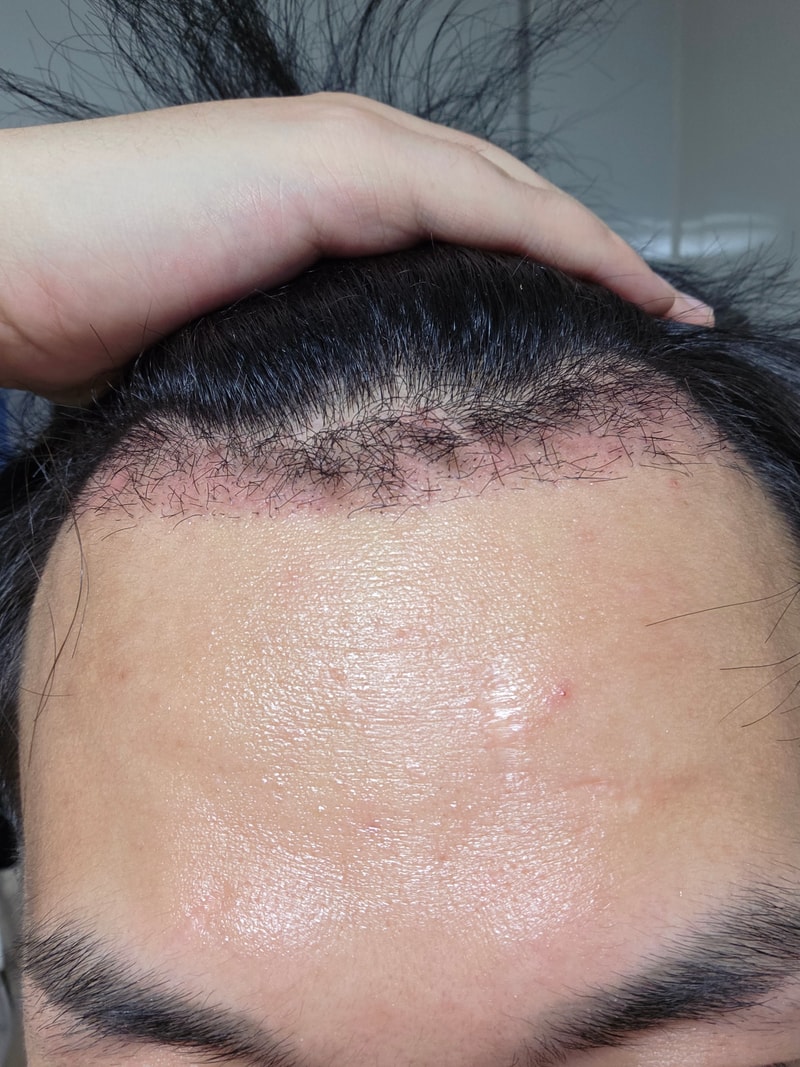

It's already been a month since the surgery.This week, I removed the scab and didn't care about the Hair Transplant.I think I'm doing well.After a month, more than half of the transplanted part flew awayI was worried because the dark days came earlier than I thought and I lost a lot of weightI visited the hospital and the director was fineSo I'm a little relievedIt's hard to wait even though I have to wait for three monthsI hope there will be good results.
70
0 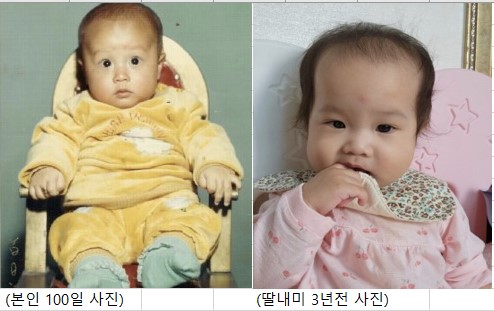

Hello, I am a 46-year-old old man who lives in Osan, Gyeonggi-do.I would like to leave a very detailed review of the Hair Transplant we conducted two months ago (about 70 days ago).I've always had a wide forehead since I was young. [Less hair, half curly...]Thanks to this, my child has a wide forehead for a girl I'm sorry ^^; When I was in elementary school, it was okay because my hair was long, but black hairIt wasn't bullying in middle school, but some ㅆ.There are friends who don't have a lot of a.AI even teased him saying, "Bronted Eagle" and "Boy Hwang Bi-hong."Well, that's true. Don't get hit by meThe glasses I've been wearing since elementary school because of my poor eyesight have thick lenses, so my eyes looked small, And the forehead is a field of Manchurian... Anyway, it was a dark age in appearance.cryingBut after I went to college and grew my hair again, I became a character, and after I went to the army I even did LASIK (what I think I did best in my life) and it opened up a new world."Oh, my eyes were always this big."But there are times when you can't handle your head if it's windy or rainy When I was in my 20sIt was almost a habit to live with a hat on. Fortunately, I was a chef back then It was good to wear a hat when working, so I didn't have to pay much attention. I became in my 30s like that, but now I have no choice but to live without a hat as I worked as an office worker.Of course, I always wore a hat when I went out in the neighborhood, but the problem is that my forehead is wide and thin, but it's half curly every morningAfter you wash your hair, brush your hair straight around your forehead, dry it like straight hair, and spray it againFix it! That's how I spent my 30s and mid 40s.Now that I think about it, it was very annoying and hard work. I compliment myselfBut in my mid-40s, my hair started to shrink a little more, and my M shape got worse.Let go of me! So annoying!! That's how much more time I have to pay attention to my hair in the morning.In the meantime, there was a successor who joined the company a few months ago, and even if I didn't have a lot of hair, I didn't have it.I'm in my early 30s, but people think I'm older than I am... The successor was thinking of getting married soon, so he looked into the Hair Transplant first, and he consulted at a hospital in Gangnam.I heard that you received it once. I haven't decided yet, maybe because of the price.But just in time, I got a lot of money lol"Your past 46 years have been empty, but the rest of your life should be more abundant than now." Is this a sign of God?!So at first, I started searching hard on Naver. Usually, there are many articles about famous hospitals in Seoul such as Gangnam,I live in Osan, but I'm right in front of Dongtan and my workplace is Dongtan, so I read reviews mainly about Seoul and Dongtan Eventually, it was decided to proceed in Dongtan.If you get an estimate from various places, it will be the difference between "a few pieces needed and a few pieces at a time", but the problem is expensiveHighIt's not necessarily a good place to do it, and on the contrary, it's not a place you can't do it because it's cheap, but it's hard to compare.What's important is the result, and it's not something I can experience and compare It's going to be held in one place. What if it's virtually impossible to compare before the procedure like this? Choose and focus!! That's why I decided.First of all, I visited "Dongtan Hairrow Clinic" among the famous places in Dongtan and received counseling.Before the consultation, I posted a picture of my forehead to ChatGPT and I said, "3,000 mo looks good enough"...I was like that~ What, 4,600mo lol Do you think it's GPT? Do you think that's the doctor's recommendation? And I thought it would be right to follow the doctor's instructions when I think about losing it again. After a month I've scheduled my surgery. / Fill in the M-shape and lower the forehead line by about 2 centimeters.The price was a bit burdensome because there were a lot of parameters, but when you're a year younger than you're not doing it now and waiting longer therefore I wanted to live with my forehead exposed for the rest of the decades.No, but when I set the schedule, the day of surgery is my father's anniversary.I'm the oldest son, so I have to hold a memorial service... ㅡ,.ㅡ;; That's how the day of surgery came. Let's start the surgery!!No, but I put on an IV for sleep anesthesia and fell down in less than a minute, but suddenly my stomach felt upset It's making me cryMy stomach was so throbbing that I asked him to stop for a second and sat down again, and he got better soon.I've barely been worried or nervous, and this has never happened before...The problem is I'm fine right away, but that's not what the doctor is!!There are cases where there are problems in the hospital because of anesthesia, right? My wife worked as a nursing assistant before we got married I've heard it because I worked. That's why there are separate anesthesiologists for major surgeries.In the end, the teacher controlled the amount of anesthetic lessAs a result, I couldn't sleep for a second throughout that long operation and had to experience everything..."Why does this have to happen..."I honestly feel bad during surgery.First of all, the operation time is too long and my hair is very heavy. Even if it's anesthetized, some areas are quiteIt stung.I often felt like I was poking a little hard with a toothpick, not a needle.Still, I'm just lying down, and the doctor was very meticulous for a long time.Of course, the nurses, one person next to me and the other three people on the other side, separate/distinguish their hair from each other You've been working on it.Everyone worked really hard.When I woke up after the surgery, the gauze next to my face turned redWow, we did the incision together From the back of my head There was quite a lot of blood. But I didn't want to stay like this, so I asked, "Do you have a net on your head?" It's something you use in the cooking roomYou gave me a disposable sanitary cap.I don't know if you're giving it to me or if you gave it to me because I asked for itI needed it because I had to hold a memorial service for my father this evening.If you don't give it to me, ask for it.Then, I came home with hypoallergenic shampoo, disinfectant, medicine, etc., took a break, changed clothes, and went home right away Near I went to my parents' house and held a memorial service.My brother-in-law, brother-in-law, sister-in-law, and nephews thought I had a permYesMy sister and mom knew it because they told me in advance.The problem was that I had surgery on Friday, so it was the rest of the weekend, but I couldn't stay at home because I was frustrated With my wife I went out with my child.April 4th, the day after the surgery, is when cherry blossoms are in full bloom.Yes, I have a net on my head!And I went all the way from the cherry blossom road to the city market and restaurant^^If people see it, they'll think, "It must have gotten a perm." I'm not shy at all. LOL On the first day after surgery, I took painkillers and slept carefully, and after that, I washed my hair gently with hypoallergenic shampoo I managed it.My hair is pulling and sometimes my scalp stings or stings.(This is still going on)The tightly implanted scab near the forehead falls first, and the scab at the incision in the back of the head falls a little later.*The picture of the back of my head is weak! I haven't seen it since I saw the picture taken by my wife on this day And it was taken by visiting to see the progress after about a month.And then about a month passed, so it's now.This is the dark age, right?Some of my bangs are falling out a little and some are growing.I thought everything would fall out and be new, but that wasn't it.Anyway, I'm relieved to finally finish writing the photo review that I've been postponing.I thought that once I start writing it, I'm going to work hard and eat up a lot of time It was so annoying, but I succeeded in the mission!(Frequent errors while uploading photos) I'm copying it, and it took me 3 hours to resize and upload each photo. (Awww~)If I'm really satisfied after a year, I'll come back then.Everyone, hair! Hair! Do it.Good luck!
196
0 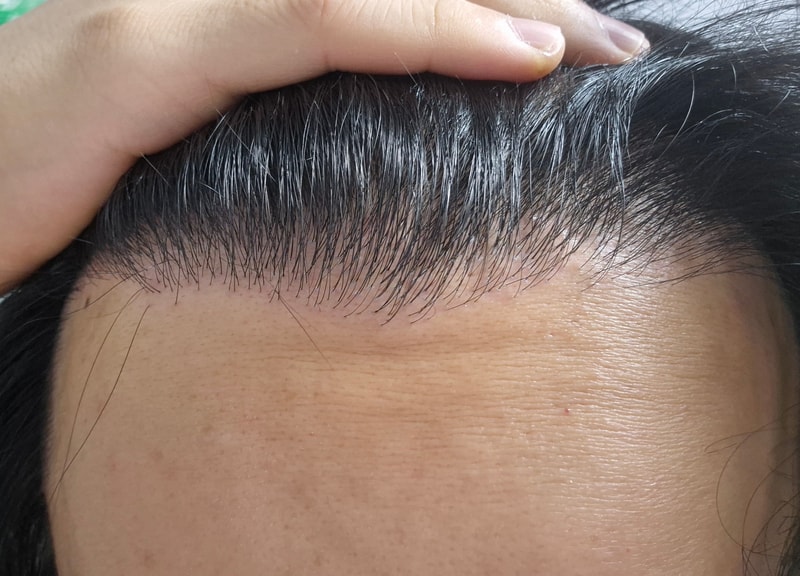

I took a picture at home before I went for my first year inspection tomorrow. I'm not sure what the exact birth rate is, and I'm going to ask the director tomorrow. Personally, I think it's hard to say that it's improved dramatically like everyone else. My first surgery was so unsatisfactory, so I wonder if this is the limit of reoperation Especially when viewed from a bright place, there is still a lack of density. Still, the satisfaction level is not low enough to think about reoperation again. If you style it well, it just looks like you lack a lot of hair. Compared to before surgery, the hairline and overall impression feel clear. It's hard to say that it's completely satisfactory, but I'm still accepting it to some extent. From now on, I'm going to take care of my medicine or scalp steadily and pay attention to maintenance.
181
0 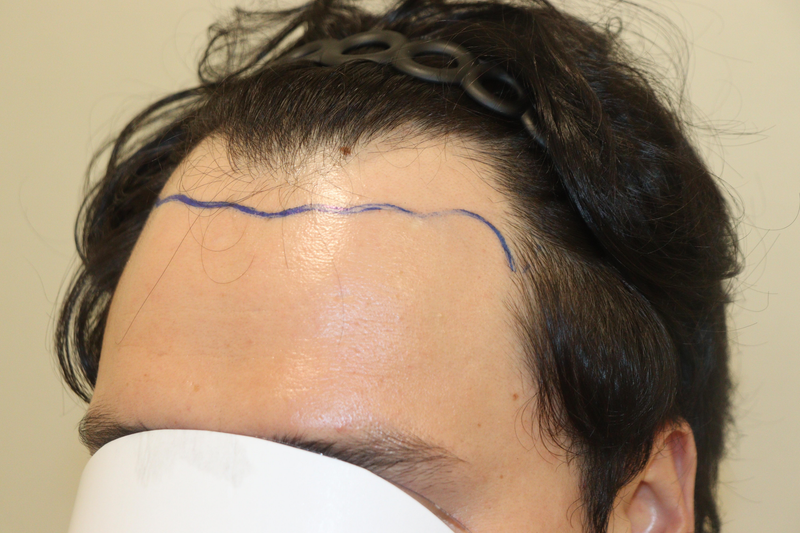

The M-shaped forehead, which has been in place since birth, has been a long-standing concern for me. As time went on and I got older, the line was pushed back more and wider, and I've been under considerable stress, especially because of the forehead area, which is evident on windy days. The non-cutter Hair Transplant that I decided after a long thought was a valuable experience that helped me find new confidence.The reason I chose this hospital was the expertise I felt from the first consultation. I felt the sincerity of the medical staff in the extreme detail you showed when I drew the line by analyzing my face ratio, and gave me a lot of trust in the process of continuing to check that there were no problems on the day of surgery.There was also an embarrassing situation where we had to suddenly change our schedule due to overseas work schedules, and we deeply appreciate the hospital's flexible and kind response, putting patient convenience first. It was an impeccable choice in every way, not to mention technical skills, but also a warm attitude toward patients and careful follow-up care. I sincerely recommend this hospital to those who are worried about an M-shaped forehead like me.
167
0 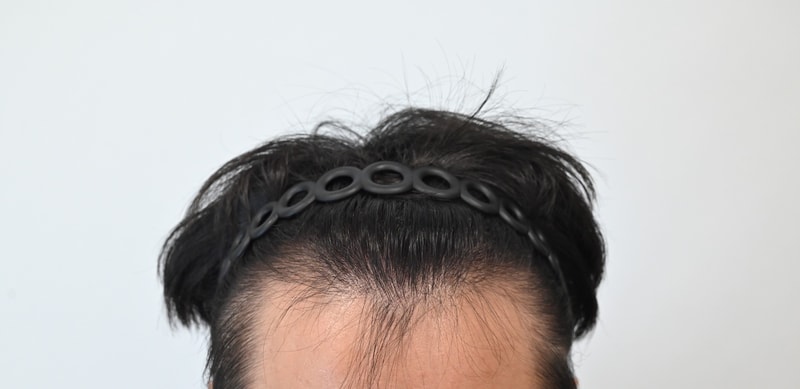

I leave a review of the 3,000-mo Hair Transplant MOEM Clinic.The director and the staff kindly consulted from the beginning,On the same day, he carried out the surgery well without much difficulty so that he didn't get sick for about half a day.He has a wide forehead, but he set the line very well, and I'm quite satisfied with the progress so far. I think men's Hair Transplant is a good choice for MOEM Clinic.
164
0 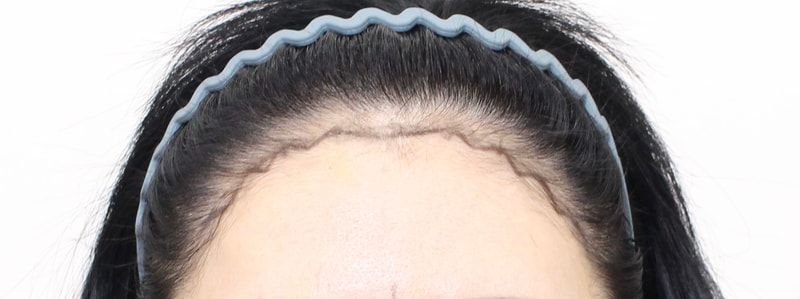

- Surgical type (Hair Transplant or hairline correction): reoperation of the hairline- Number of hair (cyst) : 1300 hair plan, 1453 hair loss- Cost of Hair Transplant: approximately KRW 4.2 million- Collection method: Non-cut Hair Transplant (line cut)- Methods of transplantation and whether doctors/nurses are transplanted: Planting machine, doctor transplantation It's been seven months since I planted my headI'm very happy that it's growing wellI can't wait to get a perm because it's grown enough to cover my bangs. The hairline came out pretty, so I'm really satisfied every time I look in the mirror^^
204
0 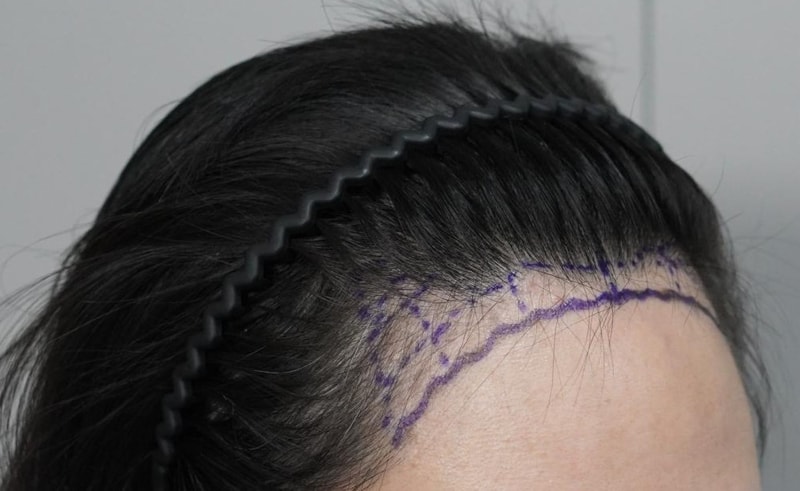

Hello, it's already been a year since we did our last reinforcement^^It was originally a wide forehead, but it wasn't to the point where it bothered me that much, after giving birth, I was so into it like hair loss that I was completely m-shapedI'm in a hurry to cover my bangs and it bothers me every time I cheat, and I'm not young, but I decided because I still have more days to live. I looked up a lot of reviews before I did it, and some people failed with side effects, and the incidence rate varies from person to person, etc..I've recognized you a lot^^;;I was really worried because I heard it grows into pig hairThere are people who say it's hard to get it straight. My hair is half curly, so I do it regularly, but my hair grows a bit long, so I don't have to get it straight!It's been more than a year since I trusted Jang Tae-ho, the director of Grow Clinic, who chose it after much thought, and I'm so glad I did it! LOLI'm so happy to get out of the pain of Kazin's forehead..LOL, it's a real improvement in the quality of life!! Thank you for taking care of me until the end. I need to take care of myself until the end^^ I definitely recommend it!!
161
0 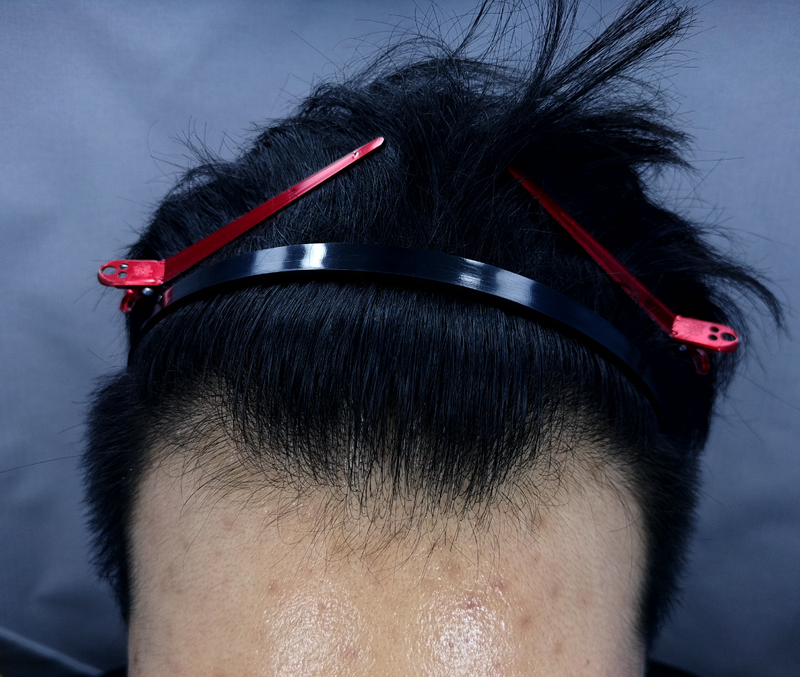

Hello, I've been worried about the letter m since I was young, and I'm stressed out about my appearanceI made a big decision and did Hair Transplant. I received quotes from five other places in Gangnam and three other places in Seoul, and it was held at my favorite Jongno Yeonsemobel. The reason is that I chose it because it's around my house, and I've been prescribed medicine every time at Jongro, which is called a destination for hair loss. I happened to visit Yonsei Movell and not only prescription but also hair loss treatment, so there are a lot of people who didn't get much effect with medicine So there are a lot of patients from all over the country, so there are a lot of surgical cases and injection treatments The operating room can also be used alone, and above all, it was best because they said they would perform only one operation a day. I will continue to report the progress and upload it.
212
0 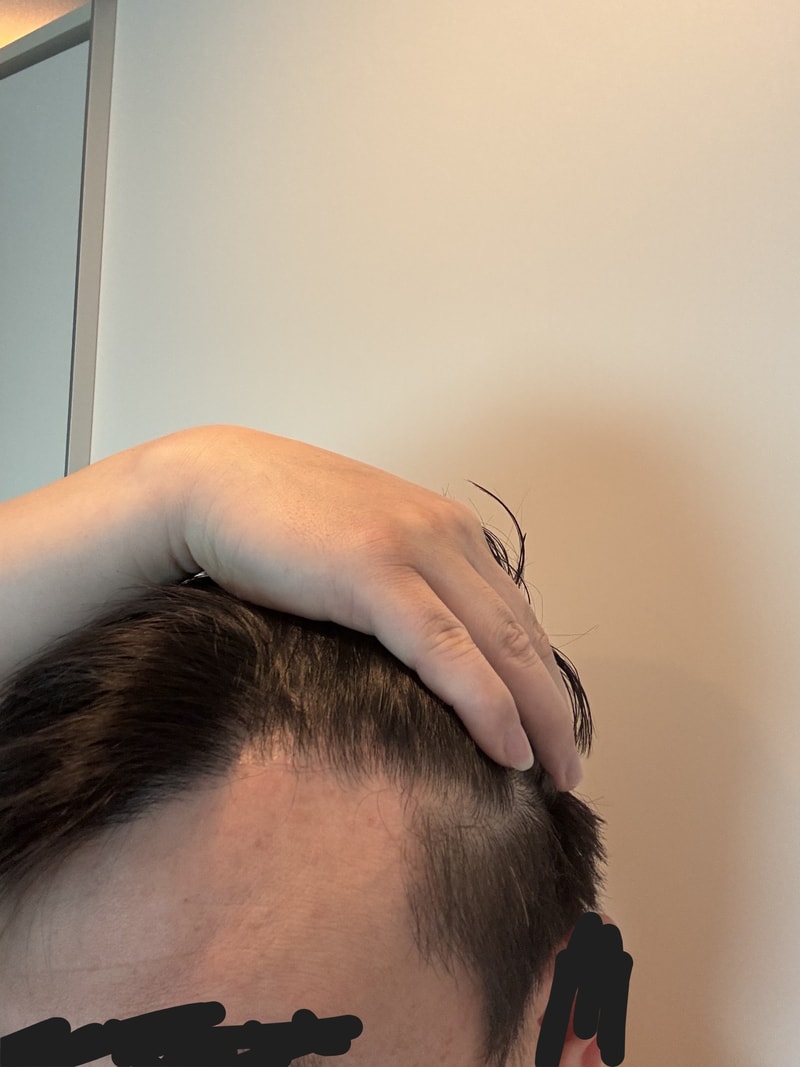

Hello, it's been a while ,,lolIt's already been 20 months since I received the Hair Transplant.Lol now it's just my hair to the point where I forget that I've done Hair Transplant.I'm going to go over the past memories and wrap up the final review<Before surgery to month's day>I was born with a sharp M-shape forehead, so I had a huge complex since I was young. As I got older and had hair loss, my M-shape got deeper and deeper, so I thought it was no answer, so I looked into the hospital. People around me recommended me a lot of Dana Plastic Surgery products, and I went there, but the doctor said that my forehead was born with medicine, so I can't do it with medicine, so he designed it to be gentle with surgery. I really liked it and decided on surgery right away, lolDuring the dark period after surgery, the left side fell out more than the right side, so I had a mental breakdown. I'm sorry, but I can see the redness on my forehead. It seems like yesterday when I wore a generous hat hoping that the redness of the border would disappear quickly. LOL<20 months old, what is your current condition?>Now in my 20th month, my hair thickness and elasticity are 100% the same as my original back hair lolI like it the most when it's fullAll I can say is that it's really amazing,,In the past, I thought I was the last one even if I was in my 10th month of Hair Transplant, but after more than a year and 20 months, the transplanted hair was completely settled down and became very thick. It's dense and thick, so I think I planted more than 2,000 hair follicles, not 1,800 hair follicles.Now, I never worry about splitting my bangs even if it's windy, I wear wax and braided hair as I please. LOL Even at the hair salon, I get surprised when I transplant my hair,,And I pulled out 1800 hair follicles by incision in the back of my head, but I don't see any scarring or tinkering at all and I don't feel like I've lost a lot of hair in the back of my head lol good<A word to those who are worried, lol>I'm not exaggerating, but I'm trying to cover up the M shape every morning while looking in the mirror, and I think it's best to do Hair Transplant as soon as possible, considering the stressful times, because I can recover faster and live the rest of my life younger and more confidently. LOLWhen I first chose Dana plastic surgery, I believed it was a top hospital, but I feel like I've been proven for 20 months that my choice was not wrong. You're bringing out the first satisfactory design with high density and crazy birth rate. I'm grateful once again to the director and the manager for taking care of me even after the surgery,,If you're thinking about transplanting, don't lose your energy in a strict place and go to a place where you make sure you take care of your design and high density!! Everyone, let's gain and fill up our confidence. Go, go, go
172
0 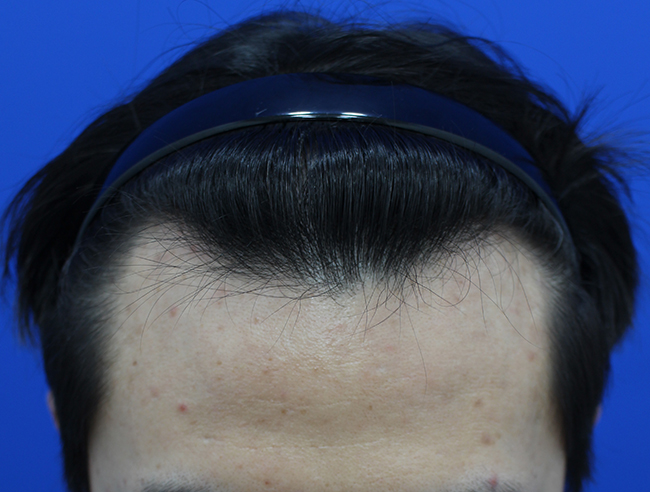

It's already been 11 months since I got the Hair Transplant after thinking hard about M-shaped hair loss.Now, the length of the grown hair naturally blends with the existing hair to share vivid final reviews with DAEDAMO members.It always bothered me because there was a hair loss inheritance, but it wasn't very severe, but it was very hard to hide the M-shaped line.When I was in my 20s, I put my hair down to cover it somehow, but when I put my hair down in my 30s, I felt like my bangs would crack and look empty if it was windy or a little sweaty.In particular, as I want to style my bangs up like pomade or regent, which gives me trust during my social life, I think my desire for a neat front line has grown.After selling several products, I finally received 2,200 hair transplants.When I was in counseling, I had a lot of worries because some places said I had to plant a lot, but the hospital director I operated on said that it was too much and too little, and he only gave me the appropriate parameters that I needed to fill in the M-shape naturally.I trusted the director's statement that planting a lot of back hair resources is not the answer anyway, and as a result, I think I was really good at proceeding with low cost and proper parameters.It took 11 months for the infamous dark period to silently endure and for the new hair to melt naturally without any sense of alienation from the existing hair.Now, both the design and the density come out just as naturally as I wanted, so I'm satisfied every time I look in the mirror. Now, I'm confident in putting up my bangs.If there are people like me who are stressed out by splitting their bangs because of the M-shaped line and sell them, I recommend you to put Hannaeve plastic surgery on the list and get counseling.As I have experienced, they give me realistic estimates only as much as I need, and the cost burden is reasonable compared to other places, so I was personally most satisfied.I hope you all sell a lot of products and get good results that best suit you.
283
2 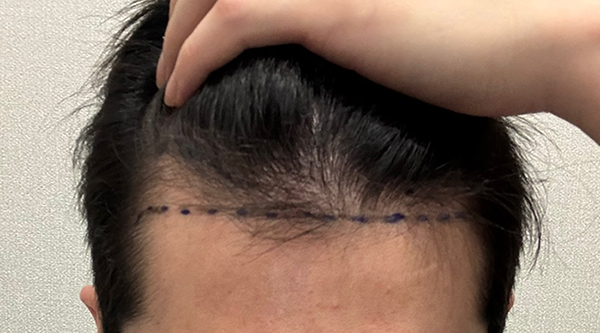

I'm still taking my medicine. (I'm cutting minoxidil in half)The hair that fell out in the dark age is now very roughThe hair that didn't come out grew outSo the length is a bit differentI turned it into a positive moment and focused on taking care of myself without getting stressed as much as possibleI went to the hospital and got a shot todayI took a picture after getting a shotEven if I put my hair back, it looks natural, so I don't cover it upIf you grow up at this pace, I think I can graduate like Morplus plastic surgery seniors
256
2 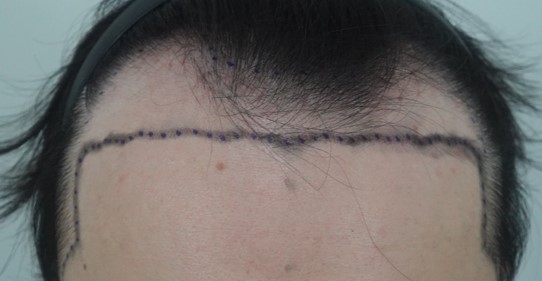

My husband's M-shaped hair loss is progressing little by little I've been taking blood loss pills since before my surgeryIt didn't get worse thanks to you I couldn't bring it back to the hairline that was already raisedWhenever my husband looks in the mirror, he checks his forehead first I was sad to see you pay attention to the angle when taking picturesSo I checked out the hospital and went to counseling with himWe've been to a lot of places, but the only place we agreed was Dr. YongAfter thinking about it, I got a Hair Transplant. It's already been a year.The M-shaped part that looked empty now is filled in naturally and the hairline is much cleanerIn the past, when it was windy or under bright lights I used to see my husband being burdened, but I've hardly seen him anymoreMore than anything, people around me have changed My mom says she's like a different personI often hear that my hair looks full and my impression is much clearerSome of my husband's friends are asking me where I went to the hospitalMy husband didn't just end up with surgery, but he's still taking hair loss medication and managing itI think that's why my existing hair is maintained wellIt's a very satisfactory result for me as I'm watching from the sideYou look much more confident than before, so I'm more proud^^
234
1 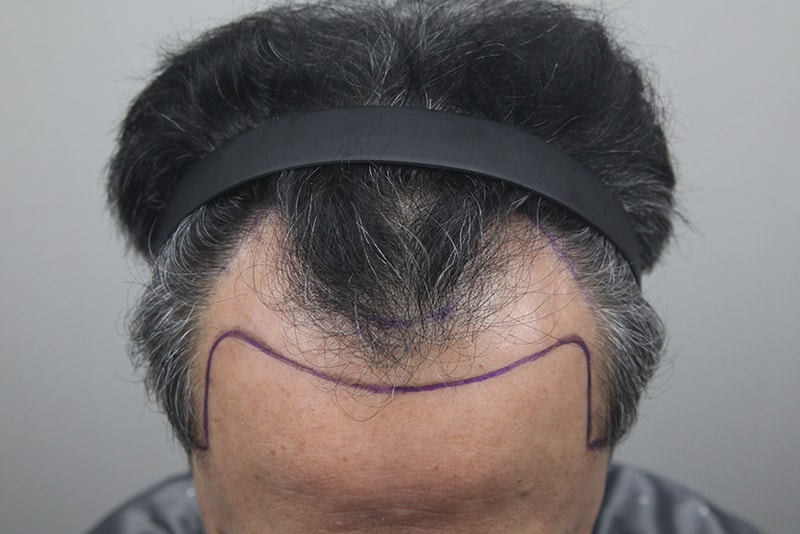

I was worried that I could succeed in Hair Transplant at this age, but I think I succeeded properly, so I'm enjoying living these days. Hair Transplant In the 8th month, I hear a lot that my hair has definitely increased a lot, so I've gotten younger, and people who see me for the first time are surprised when they hear my age. The beginning of my second life. It's a good start For those who are worried about Hair Transplant because they are old, if you meet a good doctor and take good care of it, you can definitely get better, so I recommend everyone to consult Kim Dae-woo, the director of the motherland, and I feel really good every day these days because my hair grows well.
267
1 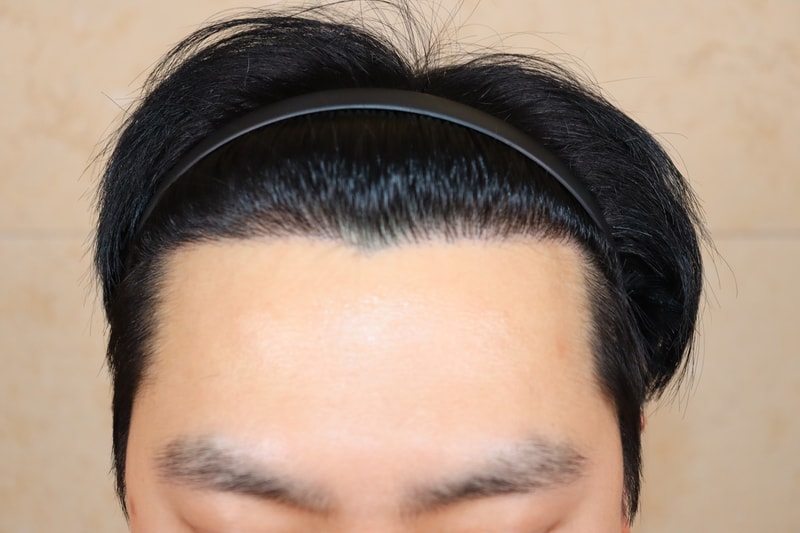

- Surgical type (Hair Transplant or hairline correction): non-intercept- Name of hospital (no initials): Umchan Clinic- Hair loss type: A little bit on the top of the head - Surgery period: 1st year or more- Number of wool (cyst) : 3300 parameters of non-cut - How to collect: Shaving the non-cut part Progress and photos: There are many hair loss hospitals, but a friend who is more meticulous than me recognized this WOOMCHAN Hair Transplant Clinic. After comparing it with a few places, I proceeded right away. There were a lot of places that had merit in terms of money The director, the head of the department, and all the teachers are very kind, and they are going well without much pain in the area they operated on. Until more than a year after the operation, the hospital was thoroughly managed by re-examination, and through the professional care of hospital officials, the transplant site was well established. I show you the picture taken during the inspection for more than a year. Currently, I am very satisfied with the Hair Transplant.I would like to thank Umchan Clinic teachers and hospital staffI'd like to say hello to you.
235
2 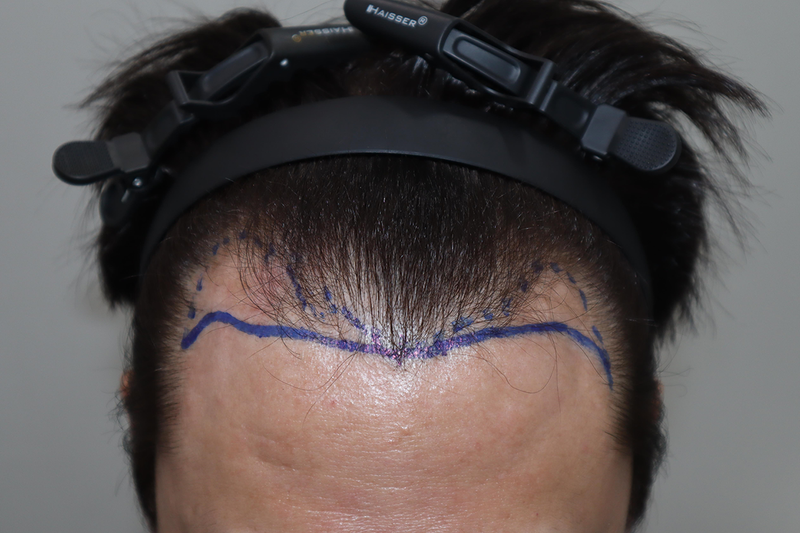

After 9 months, I went on an overseas business trip I couldn't use it until two months later I've been writing reviews for 2 weeks "You planted it well, but I'm slow to recover." "I'm worried that I won't be able to grow it out well, so I'm trying to take care of it more." And I really put a lot of effort into taking care of it My wife bought me a lot of nutritional supplements He takes care of me every evening. He takes care of me when I go to work I've been receiving a lot, and I've been here for 9 monthsThe dark age came around a month ago, so the hair that I planted fell out I've been taking care of my skin like before As healthier hair grows, after 9 months, my hair condition As you can see in the picture, Director Na Haewon I think we've grown as well as you've plantedAfter the dark ages, when my hair grew new When you meet someone, you gain a lot of confidence and life I think it's divided into chapters before and after receiving Hair Transplant.I'm so happy these days, and my family, who see me like that I'm having a happier day because you like itI'm trying to take care of myself even before I go to see it after a yearIf you're worried about hair loss, don't get stressed Am I losing hair? When you're in doubt, go to the hospital and get treatment Take itIf you didn't do that because I put it off and put it off That's why I wrote it down I'll grow it out again. Fighting
257
1 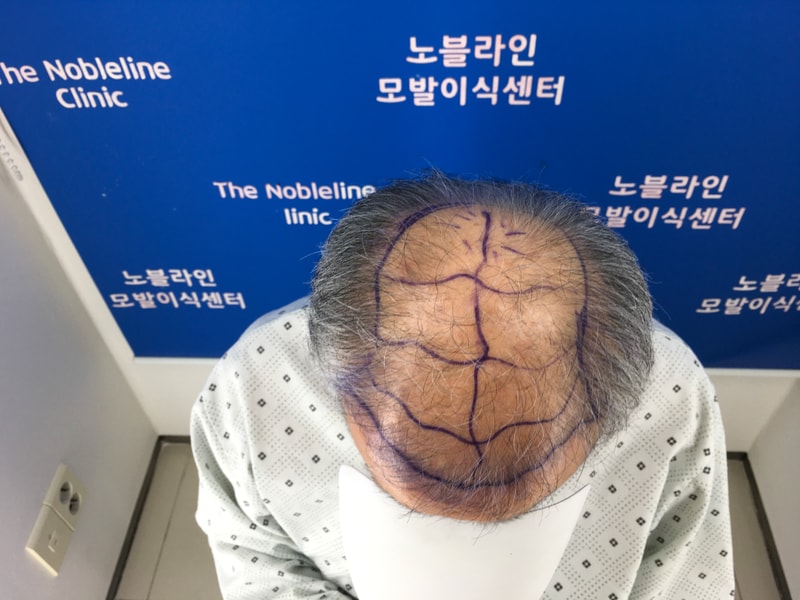

It's like baby hair in a empty place, but it's amazing every day that hair grows.Rarely, black hair comes up between gray hair, but it feels like there are more black hair than before.Since the dark age has passed and the head is coming up, there is not much difference from before surgery yet, but it is said that it grows a lot over four months, so I think it will be better if I wait about a month more.Sensory abnormalities or things like this don't feel special, and sometimes the scalp is itchy.The director said it doesn't matter after 10 days, but I can't scratch it because I'm just in case, but I'm relieving the itch by tapping it with my hand or tapping it lightly with a comb.I'm looking forward to fall after this summer!
351
2 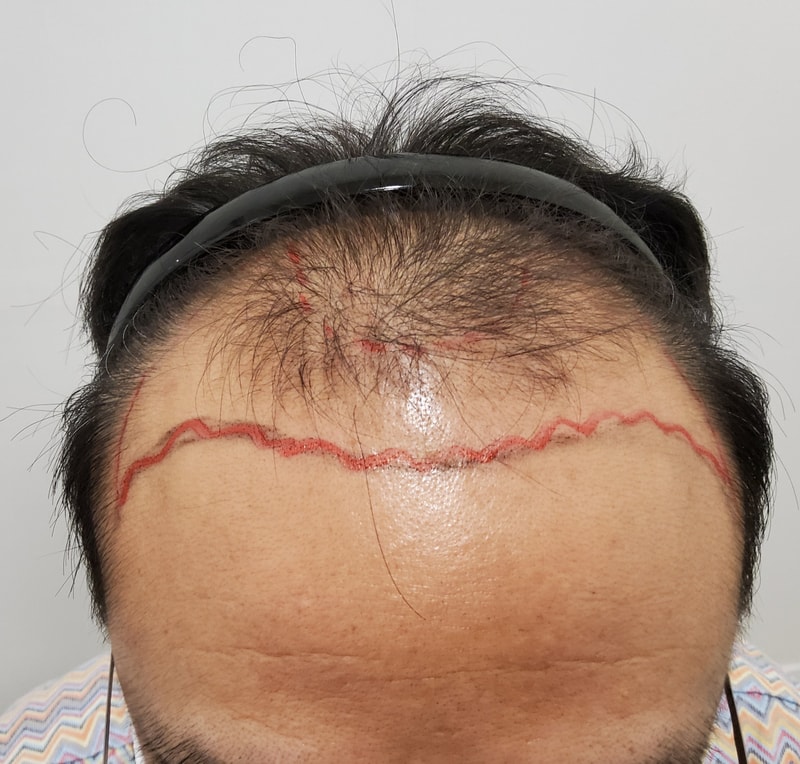

Hello, I'm living a very happy life to the point where I think I'm the biggest beneficiary after Hair Transplant.Because of the overall hair loss, I always had a lot of worries and didn't know how to take care of the lidI think I've finally found my age because I've met all the doctors I was thinking about getting a scalp tattoo, but I'm glad I decided with my Hair Transplant.Looking at it like this, the difference between the front and back is very big lol..I'm sure there are people with hair loss who are worse than meIt was really hard when my worries seemed the biggest... I hope you all meet good hospitals and succeed like me
313
0 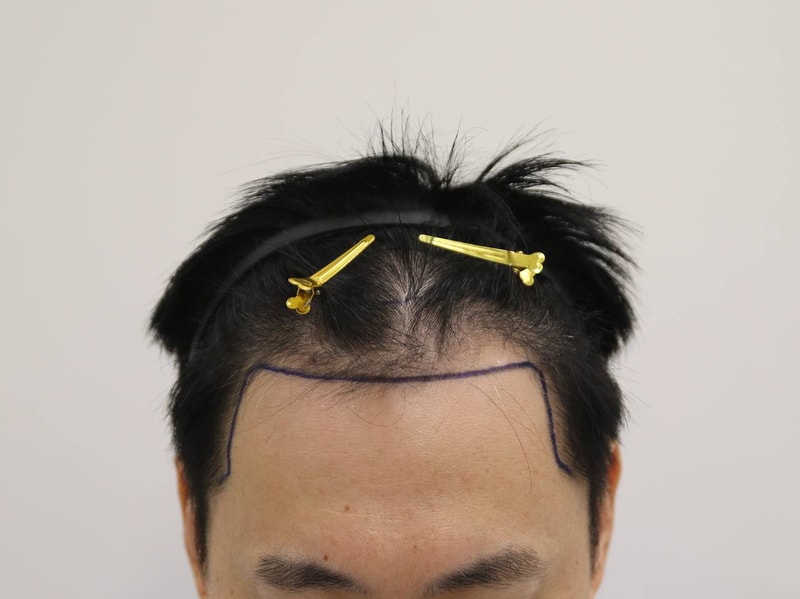

Busan Mammoth Hairline M-shape 1280 hair follicle incision reviewI'm definitely moved to see the M-shape filled up while looking at the before and after photosOne side feels a little slower than the other, but it'll be better if it's timeIf you're thinking about transplanting, I recommend itTo the Busan Mammoth Hairline
274
1 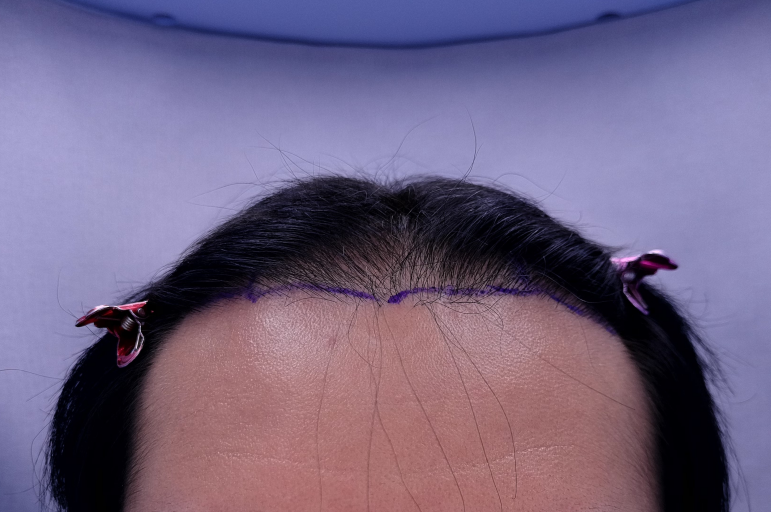

Actually, I had a Hair Transplant by incision about 10 years ago. I was satisfied at the time, but as time passed, hair loss progressed little by little, In particular, the density of the part in the middle looked very empty. It bothers me every time I look in the mirror, so I ended up looking for reoperation.There were only two things I saw importantly while looking for a reoperation hospital.The first is a place with a lot of experience in non-cutaneous Hair Transplant. To be honest, I remember having a hard time during the first incision This time, I thought I should definitely make it non-cut.The second is where the doctor conducts the surgery himself from the beginning to the end. I went to counseling, and the actual transplant was done by a doctor There are places where other people host. It took me a while. Aside from the cost, it's a reoperation, so from beginning to end I wanted a place where the director would do it himself.I got counseling from various places and got counseling from Yonsei Mobel You explained it in great detail. Especially in the case of reoperation like me, the part that was transplanted before became hard They said that if you use only a hair implanter, you can get a popping phenomenon where your hair sticks out.That's why I was recommended to use the slit and the hair implanter together to increase the birth rate. I'm not just sticking to one method It was reliable that we proceeded according to the current scalp condition.Most of all, the slit process was also carried out by the doctor himself. These seem to have been the biggest reasons for deciding on a hospital.It hasn't been a long time since the surgery, but the progress so far is satisfactory. The transplant area is cleaner than I thought, The actual surgery process was not much different from the explanation I heard during the consultation.Of course, we'll know the final result after a few more months I have an expectation that it will settle down well with the current feeling.
265
1 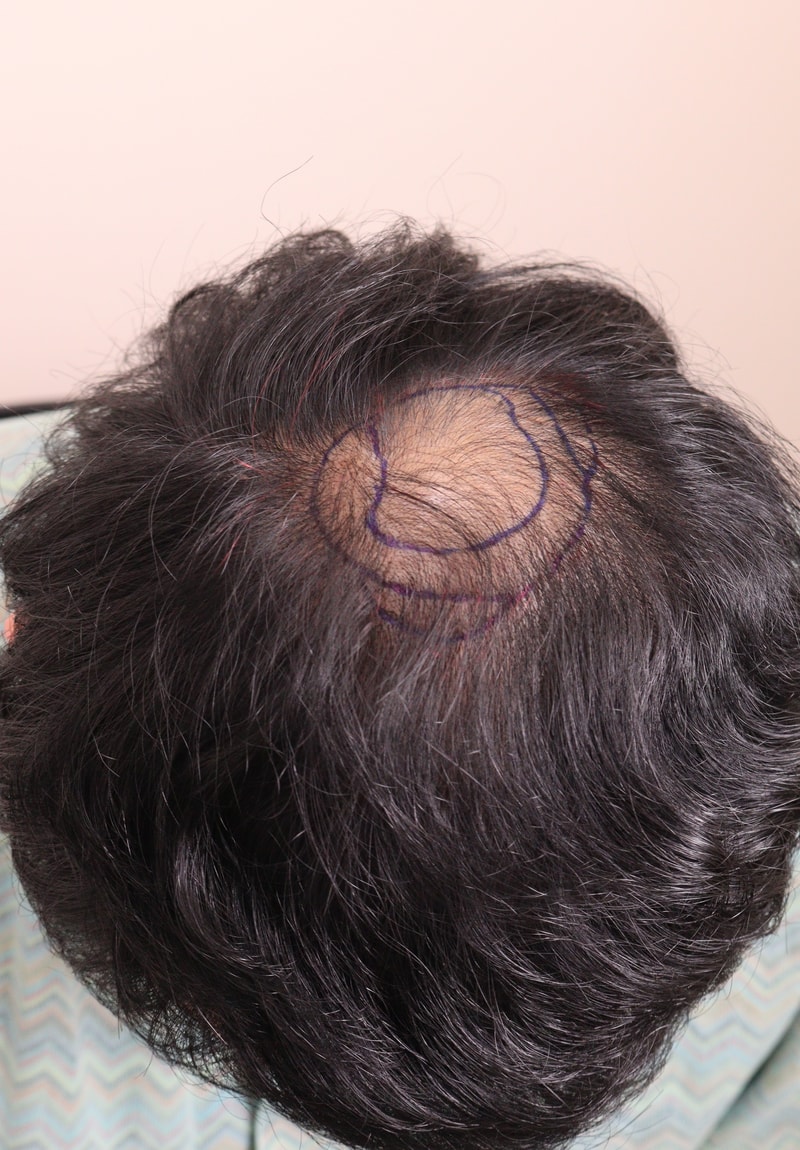

I had a hard time because of hair loss on the top of my head, but that's the end of the time^^It's amazing that it's filled up like a pothole~~I think the only thing left is the M-shaped hairlineIt's filled in like I colored the top of my head, so I'm going to try to be greedy^^I'm so satisfied that I want to do it at Mo & Bless again~~The hospital, the doctor and the staff are all kind
310
2 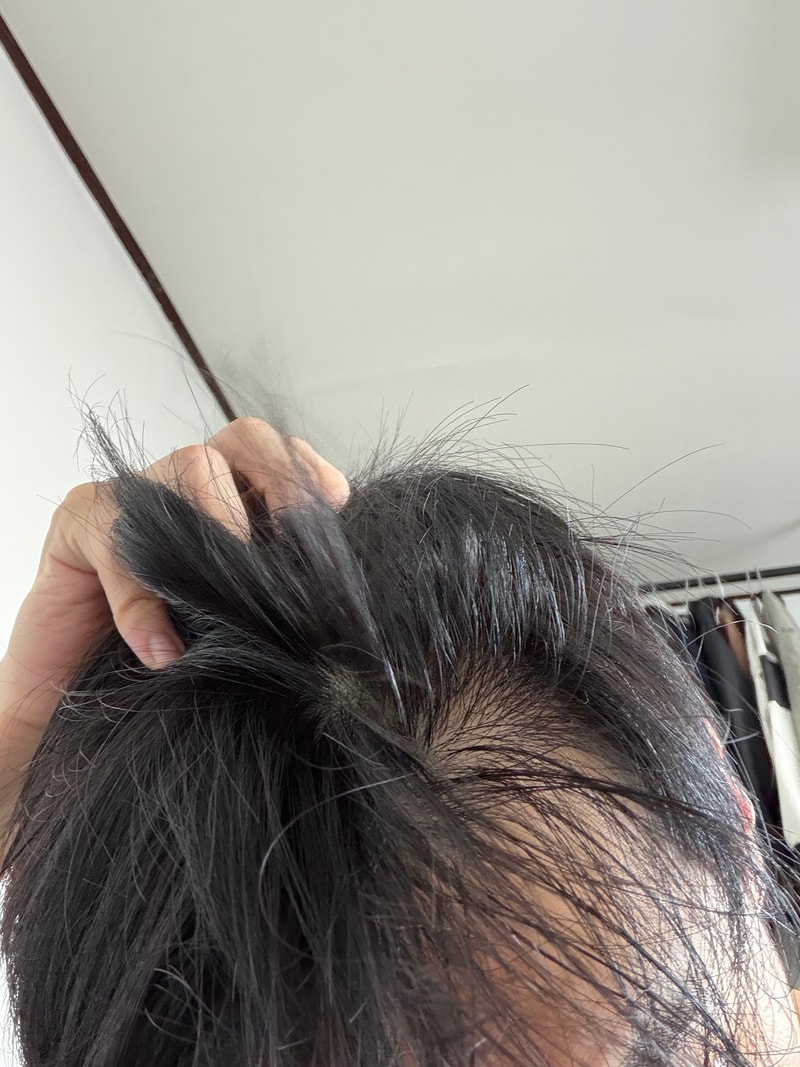

I'm so satisfied ^^ It's a shame that I only saw her once while going around for three years, but the rest of the doctors did it for me The doctor who did the surgery first left, and the person who did the secondary density reinforcement seems to have left Good~^^
364
1 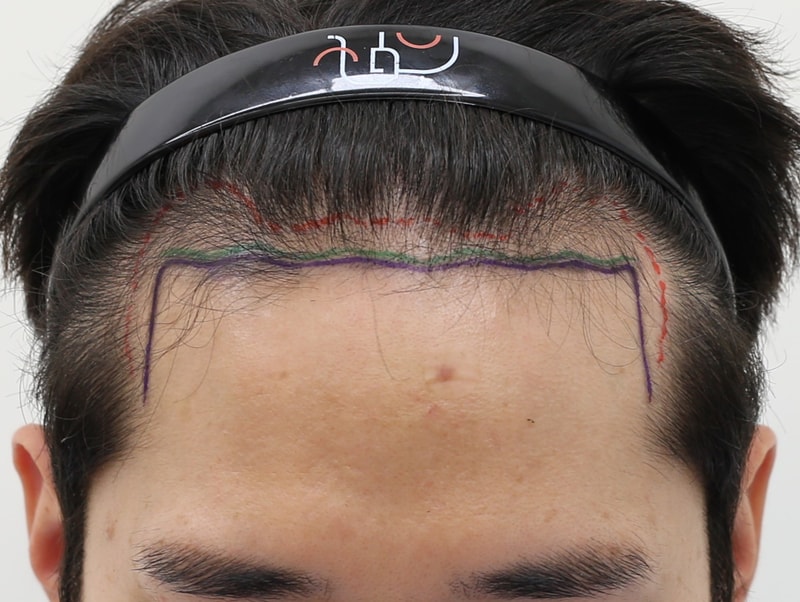

I got a Hair Transplant and was much more satisfied than I thought. Many of you may be, but I was worried about the pain before surgery, but after anesthesia, it almost didn't hurt and the surgical process proceeded faster than I thought. The medical staff explained it kindly, so I was able to receive it with a comfortable mind, and there was little inconvenience during the procedure. I felt that the inside of the operating room was much more systematic than I thought, but people like me could see that the surgery was going smoothly. During the operation, I could hear the voice of the hair follicle count in real time, so I could see how much it is currently progressing, but this part was also reliable. I was relieved that there seemed to be a team dedicated to separating hair follicles collected as I heard during the consultation, The overall speed of progress was also faster than expected, so I was able to complete the surgery without much physical burden. I was relieved to receive detailed guidance on how to manage after surgery. in general The satisfaction level It was high, You're thinking about it To the people Certainly I recommend it want to.
438
7 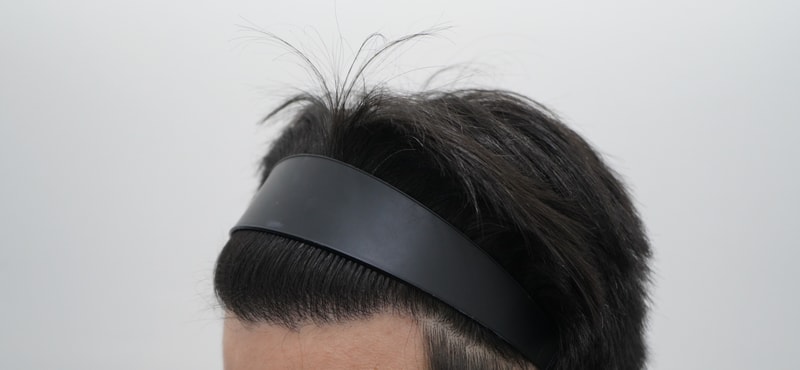

It's a review of 240 days.Certainly, as the period has passed, the hair has grown a lot, so there is no big burden.My scalp doesn't hurt at allThere are naturally variations because they fall out and grow back by hair, but they are basically dense and satisfactory.
441
3 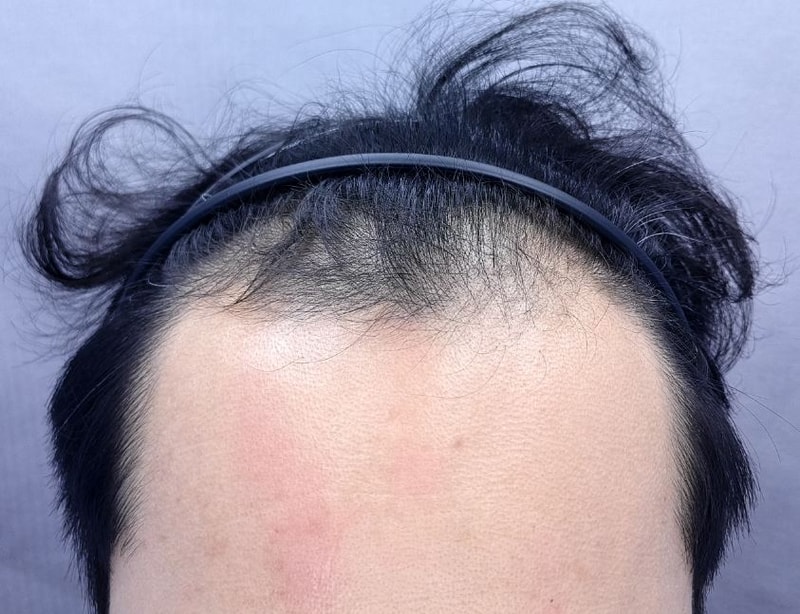

I'm a cook, so I wasn't good at hair lossI don't have time and I'm always busy resting when I come homeI'm busy buying products for home care for hair lossI couldn't use it and I was busy throwing it away because it passed the expiration dateAre you scared to take hair loss pills because you have to take them for the rest of your life?I was afraid Since I wear a hat and work together It's getting worseI can feel it (the m-shape gets deeper, and the forehead gets wider) I was thinking about getting treatment first It turns out they're usually treated every two weeks I'm constantlyI don't think I'll have time for treatment. I'm going to talk to you about transplantsI did, and I had a long consultation, and there was no reason not to transplantI thought it would be okay for the time and the pain wasn't that big I'm not scared of anything I decided to have surgery right away The director is also meticulousI was able to trust and make up my mind because you confidently said that you would do a good jobI saw a lot of cases where you had surgery, and the results were all goodI liked it The surgery didn't hurt as much as I thoughtI feel uncomfortable after the surgery I always wear a hat, so my hairI tend to wrap it in a thin line, but I couldn't wrap it cool, so I felt a bit tired for 2 weeksIt's been 2 weeks and 3 weeks, but I can't detect the beat as I usually doIt's better to wind it up as cool as the previous one It's been 2 weeks without any problemsI believe you did a good job. You have to watch it for a year
433
2 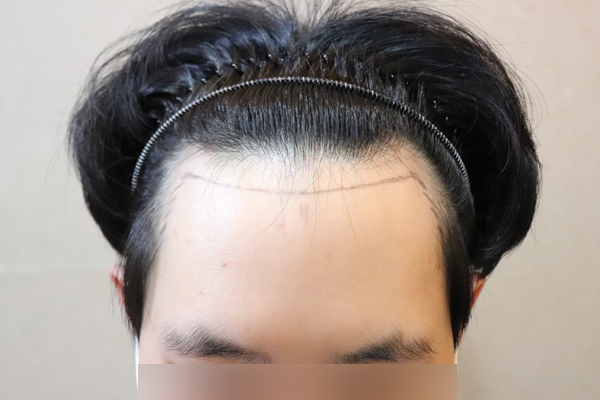

I planned a Hair Transplant but it didn't work out.I recently went back to consultation and had Hair Transplant two weeks ago.But this time, we got an eyebrow transplant consultation and we did the transplant togetherAs shown in the picture, the hair implanted in the transplant area is well positionedMost of the redness and scabs are goneAs you can see from the pictures before the surgeryIt didn't grow at all in the empty areaSo I got a small 170-mo transplantI think it looks much more natural, so I like it. What do you think…My forehead was a bit swollen in the beginning, but after a week, I recovered naturallyI'm comfortable with my daily lifeThe occipital collection area doesn't show as much as you think because your hair growsIt's definitely a good feeling to cut the nasal sectionIf it's dark, your hair will fall outI'm a little worried, but I hope you sleep like this
424
4 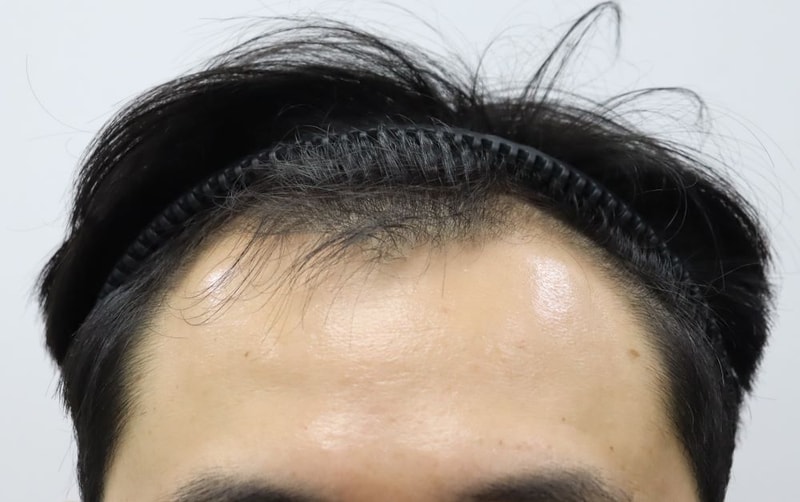

It's been about four months since I got an M-shaped non-cutaneous Hair Transplant at Apgujeong Pohair.In the second to third months, as the effects of the dark age came into full swing, the heads that had been planted fell out and felt rather empty than before surgery. I heard enough explanations before the surgery, but after experiencing it in person, I was more worried than I thought. In particular, I decided to operate because of the M shape, so I checked that part every time I looked in the mirror.Still, the atmosphere has changed little by little since coming into the fourth month. Short and thin hair started to come up on the parts that looked like bare skin The new hair that grows It's more visible than I thought. There are still a lot of fluffy hair, but compared to the dark age, I definitely feel a change.If you compare it with a picture, you can see it better, but the empty boundaries are being connected little by little, even if they are not filled right after surgery. In the past, when I put my bangs over, the M-shaped angle looked the same, but now the feeling of that part being completely revealed has decreased a lot. The density is not yet complete, but I think the direction is definitely improving.Another thing I feel is when I wash or dry my hair. During the dark ages, I had to count the number of hair I was losing Now, as I see new hair coming up, my anxiety has disappeared as much as before. I think the number of times I look in the mirror has increased because I feel like the front line is getting caught little by little when styling.I'm constantly getting follow-up care from my forehair, but the fact that I can keep checking my current condition, not just receiving care It was better than I thought. At first, I wondered how different it would be to take care of my scalp, but after checking my scalp regularly Why do many people take care of it afterwards I can see if they think it's important.It's still four months old, so it's too early to talk about the final result, but personally, after the most frustrating dark ages Just being in the stage of growing up again It's satisfactory and it's time to get thicker and denser I'm trying to keep watching the progress without being too impatient. I'm looking forward to seeing how different it will be in the 6th and 8th months.
413
3 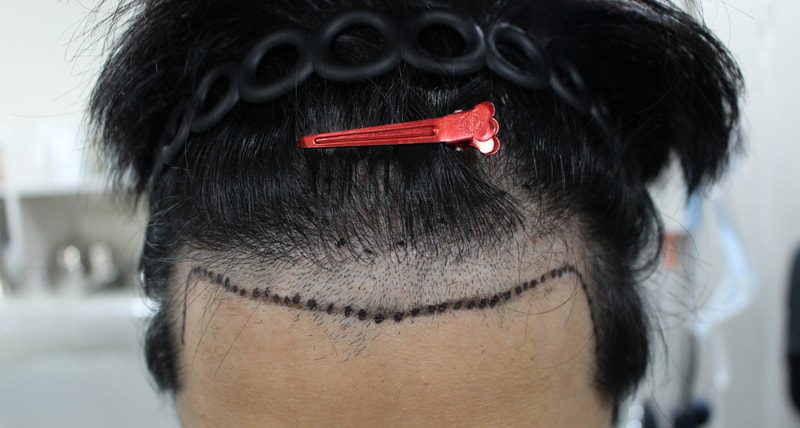

Hello, I'm finally leaving a review after the surgery.I was stressed out because of the split bangs, but I wanted to finish it this year, so I sold my feet and even had surgery.1. Hospital Selection CriteriaThe most important thing I saw was the director's skills and case experience. I was lucky enough to know and recommend Yang Yoo-gun from one of my acquaintances, and I made a consultation reservation right away after hearing that he opened a separate business. I could trust him because he had such a brilliant career when he was a large hospital.2. Consultation and DesignYou really hold the line carefully during consultation. It's not always lowered, but you design it with the most natural golden ratio considering my face shape and eyebrow position, and I was sure of it here, so I fixed the date right away.3. Parameters and costsQuote: 2900 Mo + @ (The director filled in more tightly with services that lacked density.)Cost: mid 7 million won4. Day of surgery~ Current reviewThere was almost no pain except for a little stiff during anesthesia. Maybe because he was from a large hospital, the director's hand skills were really good. I felt you transplant it at a very high speed without disturbing the direction or angle. Looking at the slit filled with 2,900 mo and plus alpha, I feel at ease.The mid-7 million won is not a small amount of money, but I wonder why I delayed it when I looked in the mirror. If you're all worried, I recommend you to get counseling first. If you have any questions, please leave a comment and I will share it with you. I hope you all have a lot of success!
410
0 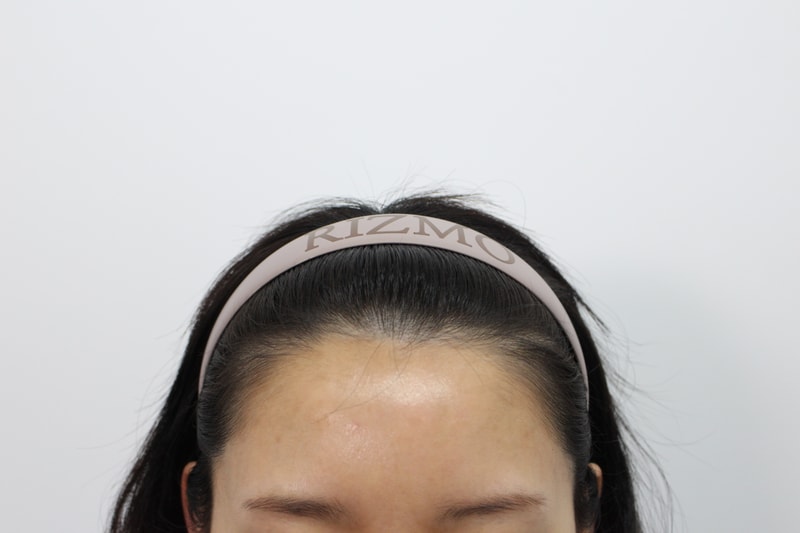

Surgical type: Hairline correction- Name of hospital (no initials): Rizmo Clinic, Busan, clinic- Hair loss type: Hairline partial shaved head- Surgery duration: 2 weeks- Number of hairs: 2200 moles- Collection Method: a non-cutter Hair Transplant- Methods of transplantation and doctor/nurse transplantation: a doctor's slit / doctor's transplantThe clinic in Rizmo Clinic, Busan, lowered the hairline and filled the M-shaped hairline.There are only a few Hair Transplant hospitals in the Busan area, but I heard that follow-up care is more important in Hair Transplant, so I decided to go to the nearest place to my house. I've been consulted at other hospitals, but the prices vary widely from hospital to hospital, so I couldn't figure out what price range is right However, at the Rizmo Clinic clinic, the price was reasonable, and first of all, the head of the department and the head of the department Kim Doo-sol matched the design I wanted well, so I set the date for the surgery as soon as we consulted lolIf you look at my hairline before the surgery, I saw a horizontal M shape on my forehead when I took a picture on a windy day because my hair was thin + less dense + fine hair. ㅠ So I focused on filling in the M shape as much as possible, so I lowered the height of my forehead a little It's my 2nd week, and it came out well and I'm very satisfied with the line. ㅠ I'm going to go to the hospital in the 8th month after the surgery, and I'm going to take biotin and take good care of it until then! We'll be back with a review after 8 months Haha
367
3 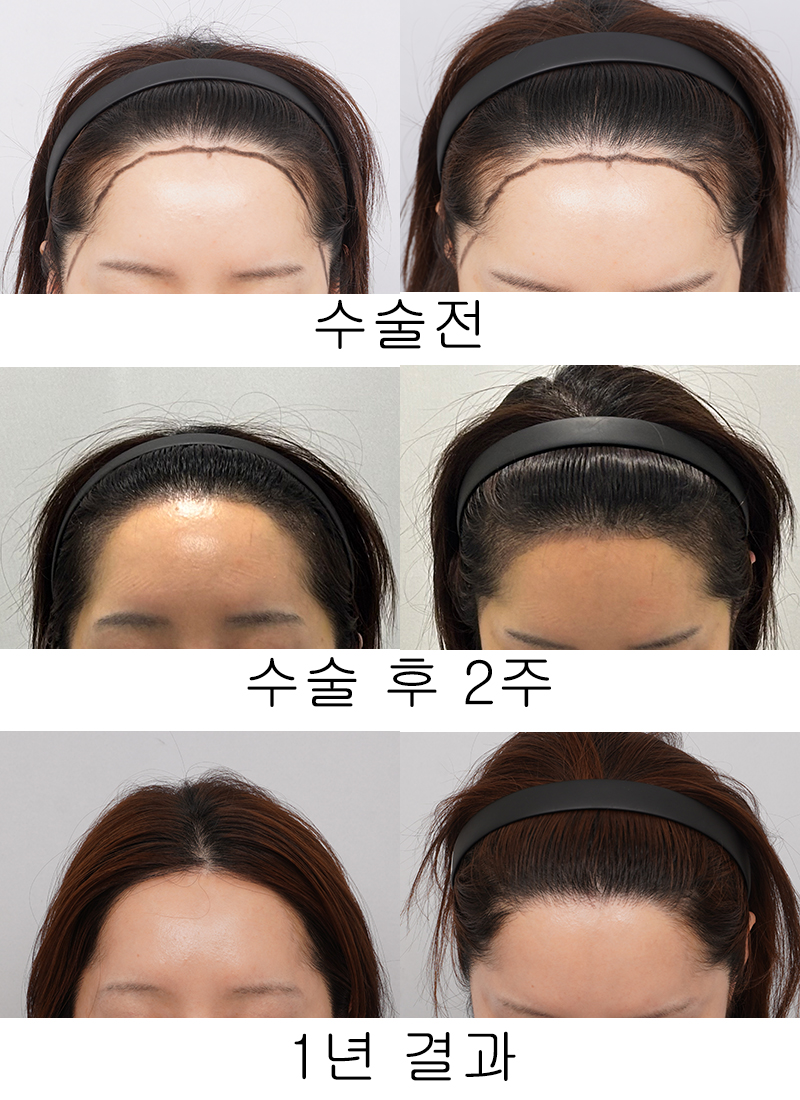

Hello, I'm going to share my review after a year of hairline Hair Transplant.I've always had bumpy hairline, so I shaved my hair a few times beforeI think that was more of a problem. The line got awkward and my forehead looked widerI should have looked into it carefully, but I regret it. Hairline Hair Transplant. For people who don't have hair loss these days,I heard that a lot of people do it because of the line correction, so I looked it up and got surgeryFirst of all, I didn't consider Seoul, but I sold places where Busan hair transplants are goodI didn't know because I didn't think about transplants, but when I looked for surgery, there are a lot of Hair Transplant hospitals in Busan.I guess I didn't know that.I looked it up and found that there were many reviews, and there were many directors from Seoul, so they had good experience, and there were already famous holy sites. lolI got counseling from Director Ko Sang-jin, and he was really kind and good at explaining, and in the meantime, why are you a handsome man..I like the hairline design, and the surgical parameters are 2,200 moles, but I was thinking about it because I couldn't decide on the incision and non-section before the operationLooking at other people's reviews, women seem to have more incision, so I also got an incision, but I thought it was a good thing considering that I saved money because I was uncomfortable for a few days in the beginning and took painkillers.I had to be careful for two weeks anyway, and it was uncomfortable washing my hairIt was a bit upsetting to see it fall out of the dark ages, but it's a process and everyone's like that, so I just don't think about it I've been working hard, and time passes by quicklyBut after the dark period, I can see my head clearly At first, I saw a strand or two, and at some point, the transplant came up all over the site, and it seemed to grow very fast6 to 8 months was really huge lolIt's been 10 months now, but my hair is getting longer and my line is naturally settledAnd at first, I was only thinking about the front line, and Director Ko Sang-jin drew the side line, but I think it was a great move I really like the side lineDirector Ko Sang-jin, Yajas. (laughs)Thanks to this, we solved the hairline that has been a concern for a long time.For those looking for a Hair Transplant in Busan, the MOMO HAIR TRANSPLANT I operated at the Busan branch, Cho Ah-hyo.
371
6 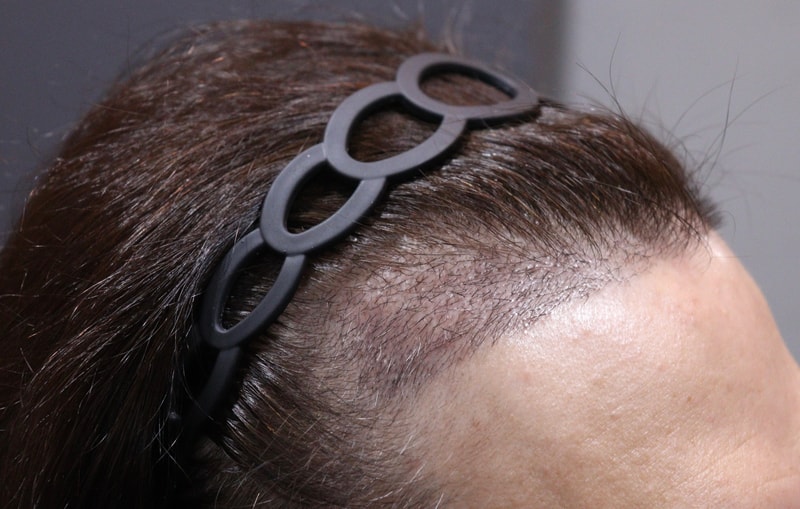

Mobien came to see people around him after the procedure.The person who got the procedure from Choi Hyun-yong looked so good that I also got a transplant from Choi Hyun-yong. Having a hard time with sleep anesthesia, I was very nervous about having to do it twice, but the nurse and director next to me kept talking to me and making me comfortable, so I was able to relax and get a transplant comfortably. The director set the transplant line so naturally that it looks like my original line, so I'm so happy that I don't care about my daily life. I'm looking forward to the future because I've heard that the hairline looks much better because it's alive.
308
0 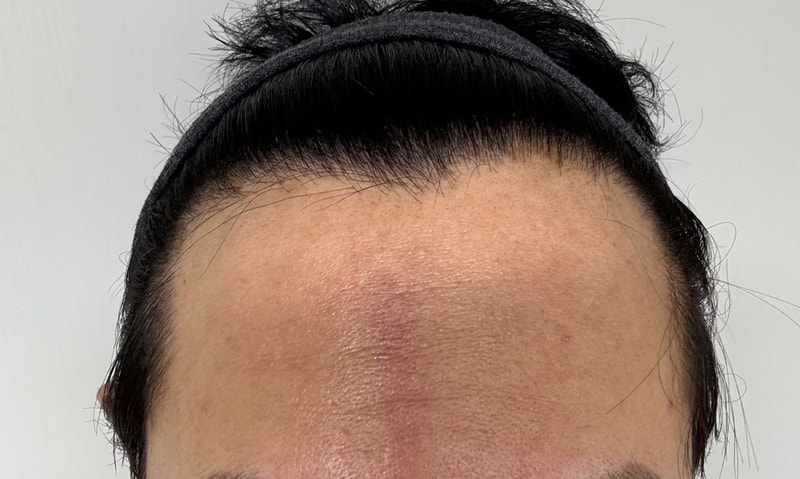

Hello, I had symptoms of hair loss since 3-4 years ago, and since then, I have been taking blood steadily until now, when I received the transplant The reason I got the transplant was because my forehead was so wide that I had to fix it with a fixer, but I was worried that the more I used the fixer, the worse the hair loss would be And even if I fix it with a fixer, I can see the empty inside if I look closely I hated rainy days when my hair was ruined and windy days I couldn't even run around as much as I wanted Buses and subways that I haven't been able to run are passing by... I admit. I'm very self-conscious He's always conscious of other people's eyes and acts Hair loss was a huge stress, shame, and weakness for me Even if I have a girl I'm dating, I'm worried that I'm going to lose my hair It was this serious, so I didn't go outside unless I set my hairI was reluctant to go out even on a bad day Then, I decided to Hair Transplant because I thought I couldn't live my life in such a passive manner until long, so I looked around every famous place on the counseling tour.The price range in the Gangnam area is really highBut just as cheap doesn't mean everything is good, I decided to get a transplant from Modi after seeing your doctor's consultationI got it from Yoo Hwa-jung, and she explained it in a gentle way, so we were able to be calm togetherAnd he also pointed out the details I missed once in a while and proceeded with the designI also liked that part because I was told that I could sit down and get a transplantI don't think he'd have any back left, considering he'd been lying on his stomach all the time I'm nine months into the transplantI've improved my hair so much that I don't even know if they're the same personBut since this soggy hair loss is still going on, I'm taking the pinnacleNow my hair is long and natural, so I haven't used hair fix for a long time, and I go around confidently no matter the weather
488
3 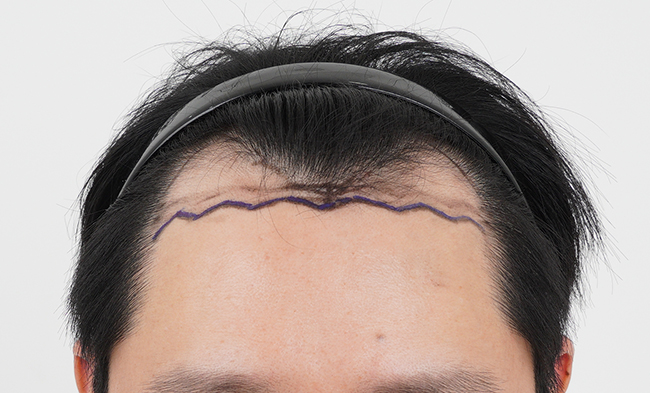

Hello~ As expected, transplantation is the answer. I'm also experiencing the results over time after transplanting and I'm directly experiencing the words. I've been getting counseling because I wanted to get a Hair Transplant for a while, but I delayed it because I couldn't find time and hesitated, and I finally got a transplant last year, and the result is amazing.The deep m-shape disappeared. I think I'm so free to do my hairstyle I wanted to grow out my hair again. Sports hair? I cut my hair close to a half-length hair Overall, it's growing again. When my hair grows completely, I'm going to try something I couldn't do before because of the m shapeWhen I was looking for surgery, I was consulted at a hospital in Seoul, and when I saw the establishment of Momo Suwon branch, I found out that I had surgery, and I highly recommend Director Moon Hyo-seop.I looked up the reviews of the past and asked the hospital, but the director had more than 20 years of Hair Transplant experience and he was a complete veteran with more than 5,000 surgeries. I think the most important thing in Hair Transplant is the doctor's career and skill.I had a common m shape, but I heard that the director was a person who did a lot of difficult surgeries, but the class definitely feels different.Suwon people who are looking at my reviews, don't go to Seoul and the Suwon branch in MOMO HAIR TRANSPLANT that I operated on is good.The director's career is clear, and I believe MOMO HAIR TRANSPLANT is a famous hospital in Seoul.I'm 10 months old, but I think the results are all out. I don't know if I'll leave a review next timeEveryone, finish the "m" shape and take over [Laughing out loud]
503
1 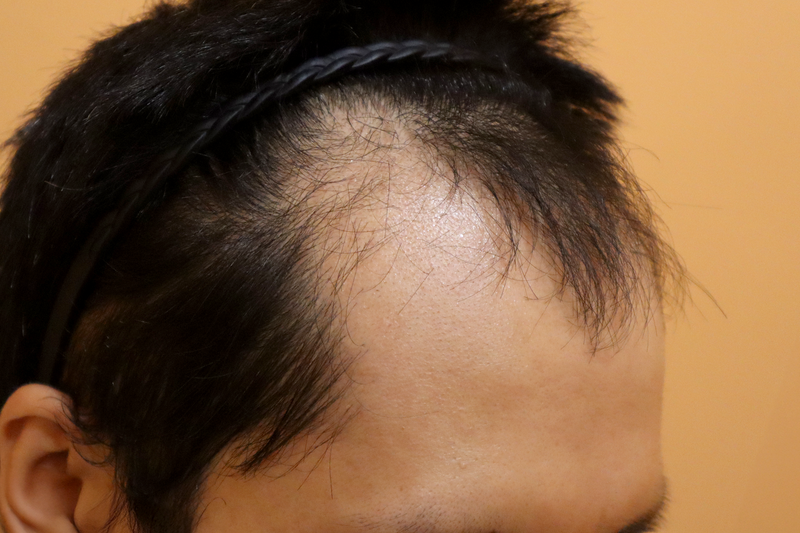

as a result of poor hair loss managementMy hair that only fell out on my forehead... It's more than my hair getting widerIt's starting to go up to the top of my headI think I'll have to wear a wig if it gets worseI went to some consultations in Seomyeon, where there are a lot of Hair Loss Hospital.I heard that all the places I went to have a lot of parameters to plantIf you have to plant a lot, I think someone with a long career will do wellI got a Hair Transplant from HAIRO HAIR TRANSPLANT CENTER in Busan.I shaved my headThe surgery took a long time, but they kept checking the inconvenienceI remember having a comfortable surgeryI checked the progress, and so far, I've heard that he's in good conditionWhen I look at the line and hair density in the mirror, it looks okayI feel like I got it from a skilled directorI received prescriptions and explanations on how to take care of themI need to take care of it as I've been taught
660
6 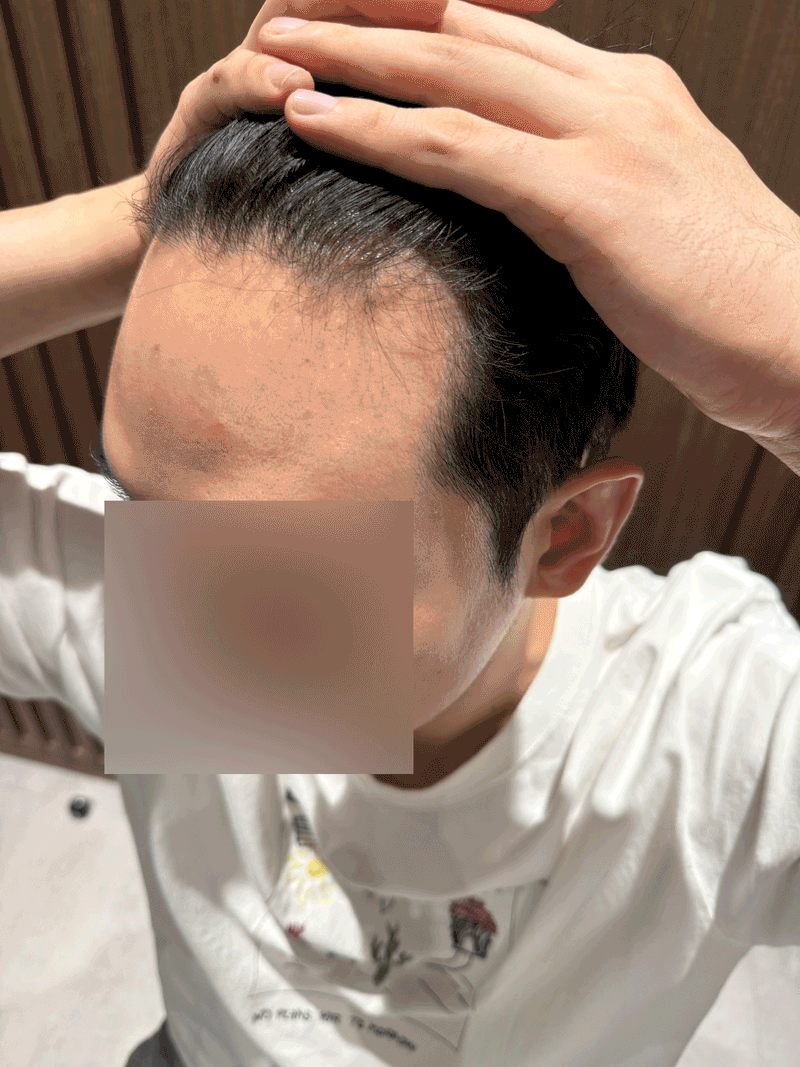

There's a lot of professional reasons to be seen, so I chose a non-intersected surgery at my clinic Now that you're seven months old, you look better after making sure that you're working and facing people You're telling me the better part. Every time I do that, I'm very satisfied. I feel like I spent a lot of money. I've heard that I often meet people and take pictures with them. That sounds like a positive change. When I look in the mirror, I pay less attention to what I used to care about because I was stepped on my eyes, so I pay attention to other looks, which helps me positively in my work. I took a picture to see the line and density, but at some point, I didn't take a picture of myself living in the present life.I took it in the car to leave a review, and compared to before surgery, the line and density improved There's a difference that I know. I'm proud. Are you still wearing it? Growing up? I'm looking forward to hearing that it's in progress and it's going to get better. I've been told if there's anything good going on because I've improved my style. If I give you a tip, it's not the end of surgery, so if necessary, take hair loss medicine and manage it at the same time. It doesn't seem like much, but it seems to be getting better for my condition. I'm looking forward to how much better it will get for the rest of the year and I'll leave a review again when I get to year one!! Thank you. Have a nice day!
568
3 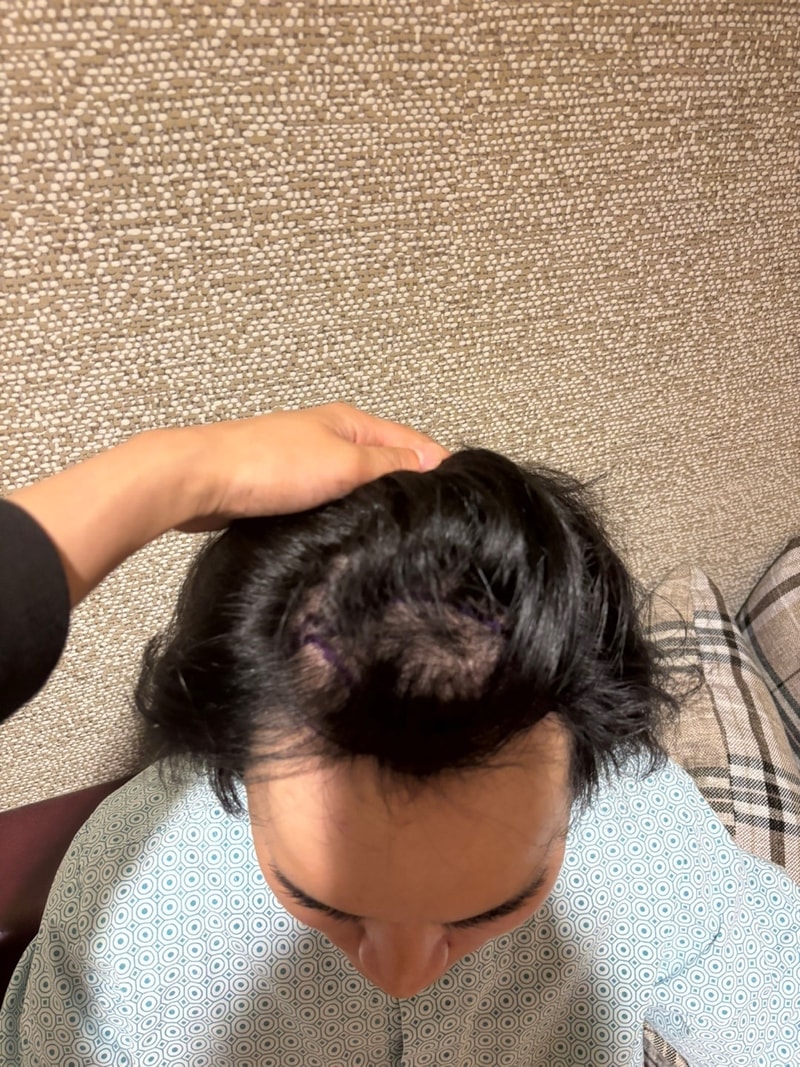

Treatment area: frontal headTransplant hair follicles (transplant hair volume): 1000 hair folliclesExpiration period: 9 monthsReview: This is the last review.. A year ago, I was worried about when it would be a year, but I came back after all four years. Our daily lives have changed a lot. After seven years of taking off my hat less than 10 times a year, I am now living with little hat. I think self-esteem is the biggest change and the quality of life is the big center. I'm sure you're worried, right? The worry, the pain, the price.. But if I'm really stressed out with my hair, I recommend you to borrow money and do it. As my self-esteem increased, my attitude toward people changed from my daily life, so now people think of me as a relaxed person. I planted it between my heads, so it doesn't really feel completely dense in the end (front head), but where is it.. I'm living my life with that kind of heart every day. I even got a perm recently. :) There are still two or three less-grown ones (very short, you can feel it when you touch it) and I think I have this kind of hair. I didn't have any empty spots or shortcomings, and I'm doing well. If you have any concerns, please leave them in the comments
842
3 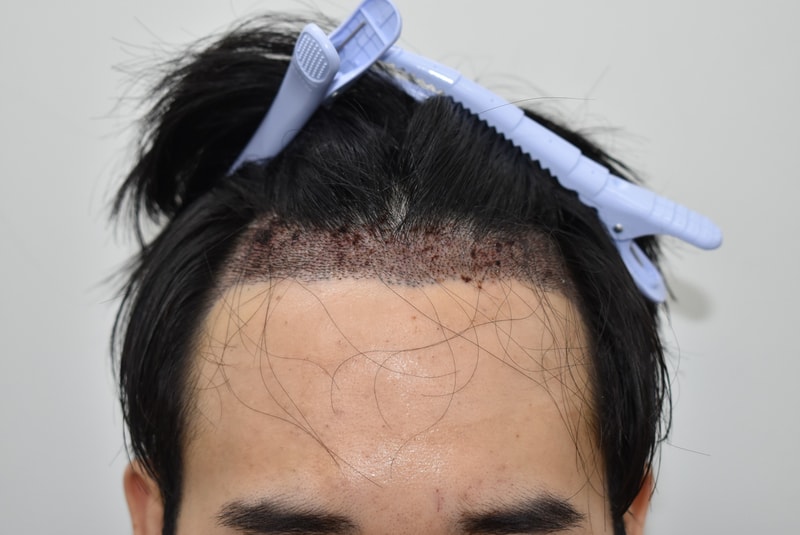

I'm writing down my review after Hair Transplant surgery, which has been a long-standing concern. I had surgery by Sung Ki-wan, the director of Morbarn Clinic, and he has been meticulously and pleasantly counseling since counseling, so I have faith since counseling. As a college student, I couldn't dare to shave my head because I had to continue my studies, team work, and outside activities during the semester or vacation. So the cost was 11.4 million won, which was quite a lot of money, but I chose non-intersected no-cut surgery, which allows me to return to my daily life right away and is not noticeable at all.Sung Ki-wan recommended a 4,200-mo transplant after looking at my condition, and despite the large surgery, there was little pain and I felt that he cared very carefully about design to density. I think it was a worthwhile investment, not a waste of money, considering the days when I was stressed out and rushed to cover my hat every morning because of my hair styling. Above all, I like the fact that thanks to the non-intersected no-cut surgery, I can continue my school life naturally from the day after the surgery without having to pay attention to my colleagues or professors around me.
1,015
3 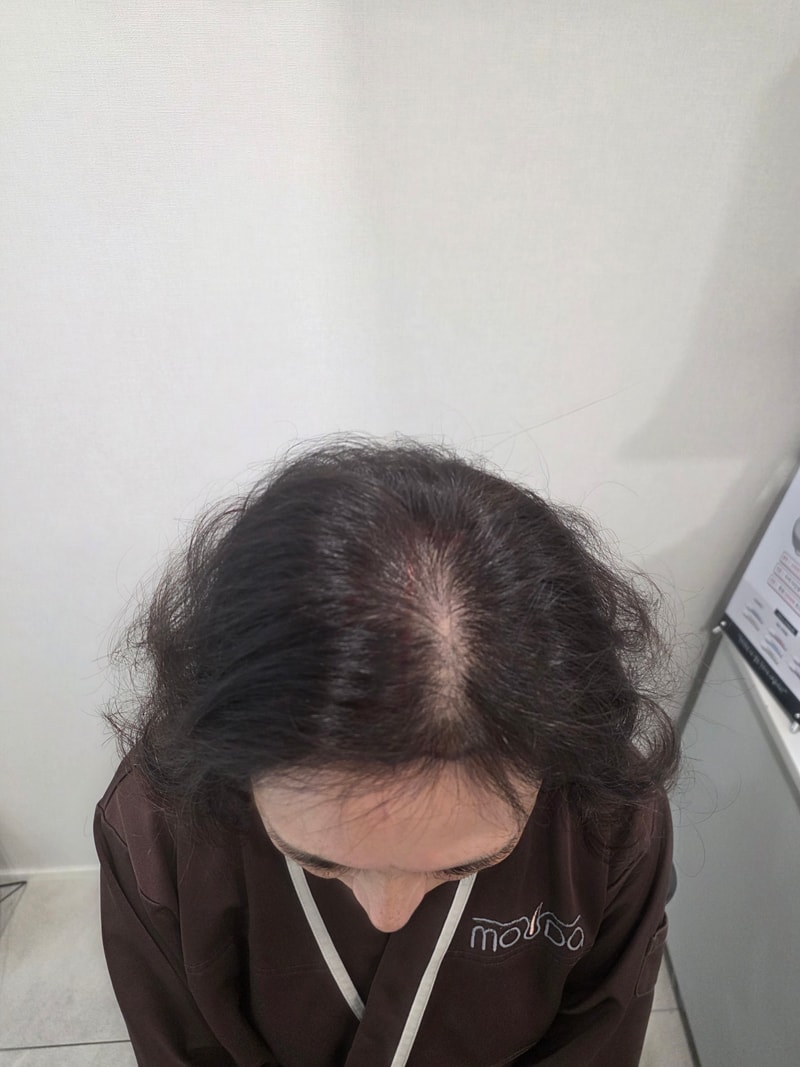

Hello! I finally had Hair Transplant surgery on May 11th, which I was worried about. I was stressed every time I looked in the mirror because of the widening M-shaped hairline, the hollow part, and the volume of the top of my head, but I decided to do 2,500 hair treatments in the MOUDA CLINIC. I leave a vivid review to help those who have concerns like me.1. Consultation and design (the end of the detail) \n When I consulted with the director, he carefully analyzed my face shape and the direction of my hair part.Hairline: Not just pulling it down, but you designed the most natural line to match my forehead proportion.Parting & Top of the Head: We planned to fill in the less dense areas.In particular, I was worried that the occipital shaving area would look prominent, but I was able to proceed with it with confidence because you suggested a natural but less obvious non-cut hybrid cut method. I trust you because you said you would fill up the 2,500 caps you need without over-treatment.2. On the day of surgery (the director's long-term intensive care and hard work) \nThe operation time was quite long because the wide area from the hairline to the top of the head had to be carefully collected and planted with a non-cut hybrid cut. You can get tired for a long time, but the director planted everything meticulously with craftsmanship without losing concentration from start to finish.Before entering the operating room, I was very nervous, but thanks to the consideration of the director and the staff, I was able to complete the big surgery safely. It only stung briefly during anesthesia, but there was little pain during surgery, and he kept checking to see if there was any discomfort in the middle. I am truly grateful to the director for guiding me with all my heart for a long time without being disturbed.3. Current condition and follow-up care (25th day after surgery) \n It's been almost a month since I had surgery. The MOUDA CLINIC was impressed that postoperative follow-up care was really systematic.Transplantation: The hair that is densely planted from the hairline to the hair part to the top of the head is very well established. As much as the director worked hard, it's dense, so I feel reassured every time I see it. It's time to slowly get out (dark period), but I'm going to relax and wait.Care: I was very careful and worried about washing my hair at home, especially early after the surgery, but the hospital provided shampoo service 3 times, so I was very comfortable and relieved. In addition, the laser management to increase the adhesion rate was systematically performed, so it passed neatly without much dead skin cells or itching.General evaluation \n Hair transplantation is said to be the life of the birth rate, design, and care of the medical staff, and I think I was really good at choosing a MOUDA CLINIC center. Thanks to the director who worked hard for a long time to complete the perfect procedure with a non-cut hybrid cut and the kind staff who took care of the shampoo service three times, we completed the 2,500-mo journey safely.I'm looking forward to the day when I will endure well in the dark age wisely and achieve my pride! It's highly recommended for those with hair loss or hairline concerns
762
2 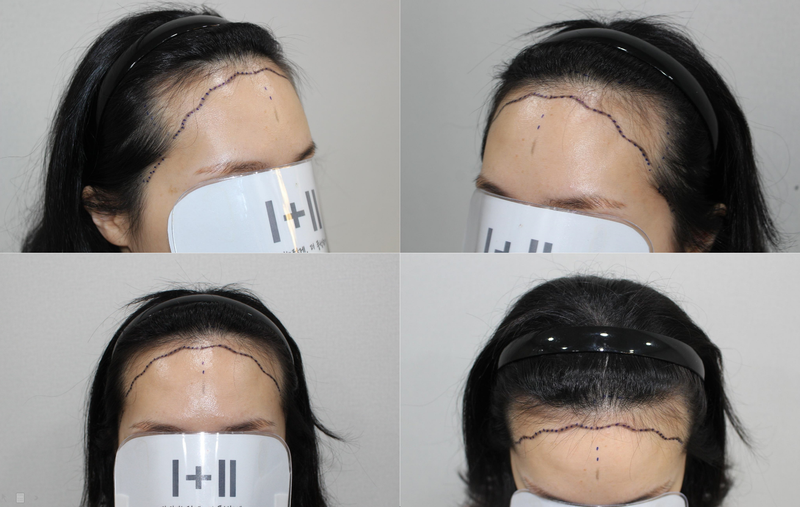

I leave a review of the hair transplant surgery, which was the long-cherished business of life!!I went to various hospitals and thought a lot about it, and I fell in love with the professionalism and kindness of the Moderhamm Clinic — Hair Transplant Center director/chief of counseling.Before the surgery, it was on the wider side of the M-shaped back foreheadRather than making your forehead look shorter, it's designed to make the height as low as I thought it would beThe right side was a deeper M shape, and the scalp near the part of the hair was reflected, so I added more density to that area<Non-cut micro-hydcut, Shinhan CEO, KRW 8 million, doctor's direct collection/transplantation>1. Same day (attached pre-surgery photo)She checked the design with the owner again and anesthetized me at the drinking room, and cheered me up I think it took about an hour before or after the operation, maybe because the parameters increased a little more during the operationWhen you come back to the recovery room after anesthesia, they also give you pumpkin porridge/pumpkin juiceHe put on a hoodie and put on a beanie, so I wore a hoodie and came homeMaybe because I took painkillers, the pain was very weak and I was anxious, so I slept with a neck pillow and a back of my head floating!!2. Day 1 after drinking (with photos after shampooing)There was no additional bleeding in the occipital region than I thought, and the transplant site was not noticeableI kept spraying the spray and came back to the hospital to get shampoo treatmentI was a bit scared to shampoo by myself, but it was good because they explained how to do it one by oneOther reviews say, "Do you get a tinge when you're shampooing?"Some say it hurts a lot because it's thrilling, but it definitely hurtsBut it was tolerable, and it stung But it's less painful because I dried it with cool airBy the time I take the medicine, my laryngeal pain feels like something's bouncing and I feel my pulse/cell phone vibrations intermittentlyWhen I took the medicine, it subsided, so I didn't worry too much
730
3 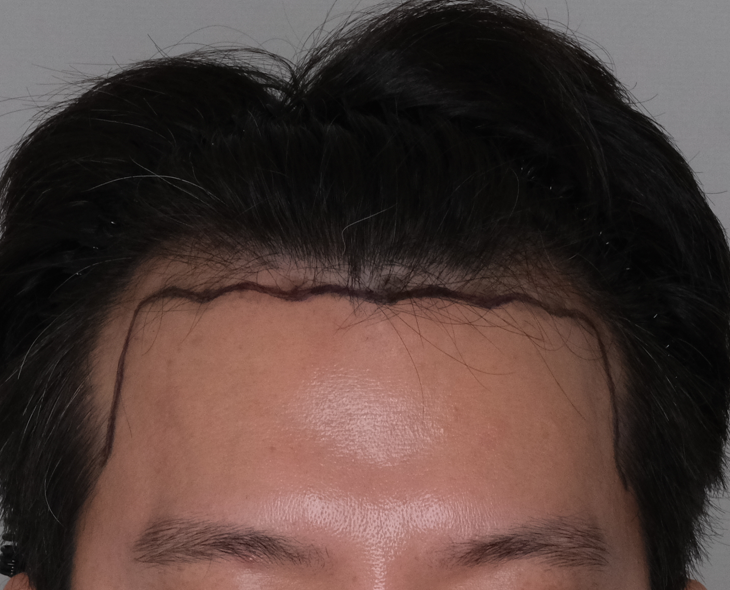

I'm 6 months old after receiving a transplant with 3,000 non-cutaneous hairs. If you look at the picture that I just finished the design before the surgery, you'll know The forehead line was also messy and unbalanced, so I didn't want to see it. So during the consultation, I asked the hair stylist to correct my hair line I said I wanted to keep my bangs cool You made the line look natural according to my face proportion During the dark ages, my hair fell out quite a bit, so I had a hard time It grew amazingly from the next month It's good enough to look at it now. It's only been 6 months, so my hair isn't 100% grown I heard that it needs to be more dense Honestly, I'm satisfied with how it is right now It was done through a nasal incision, and the place where the back of the head was collected was recovered quickly I didn't have much inconvenience in my daily life. Above all, as the hairline becomes neat, the impression itself seems to have improved. I'll come back with a review later when it's been a year and it's fuller!
704
3 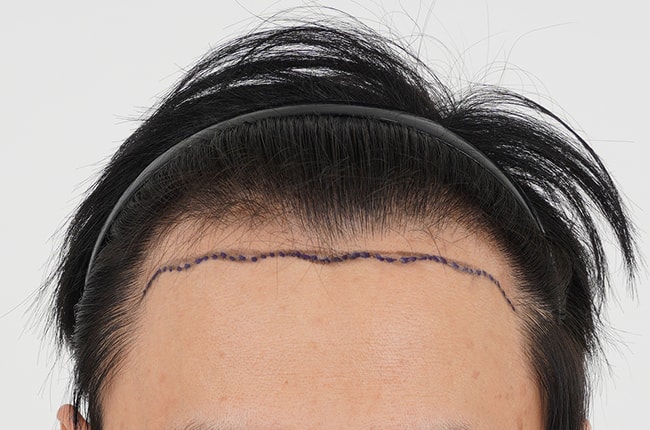

Hello, I'm going to write the last review after the transplantI left a few reviews after getting the transplant, but I feel strange because the results are completely out and I leave themI saw the results of a senior who recommended Hair Transplant to me, and I saw a lot of other people's reviews through DAEDAMO.I feel new after getting such good results.I lived as an M and started taking medicine to protect my remaining hair, and with the company's senior recommendation and bragging I was introduced to the hospital and had surgery last year while taking summer vacationThere are many Hair Transplant hospitals in Gangnam, but Momo Plastic Surgery is the hospital that has been verified by seniors.I didn't go anywhere else, and I got counseling right here and even had surgery.There is a lot of information in the DAEDAMO, so everyone is quick, but let me introduce a little bit of the process I went through.First of all, it was an M-shape, and I got a 2,500-mo estimate, and I had surgery, but both incisions and non-incisions were possible After thinking about it, I chose an incision to save a little money, and because it was an incision, there was no shaved head on the back, so it was better in this area because it didn't even show the back of the hair after surgeryAfter 2 weeks, I started removing the thread and getting my fingerprint shamp done, but when I washed my hair for 2 weeks, I felt a little uncomfortable and bothered a lot.The dark age is an essential process that most people go through when they Hair Transplant, but when it comes down, it's a time where I feel bittersweet and worried.It was a time when I waited, watching all the hair that had been transplanted and planted so heavily disappeared at some point and became a mountain of Mindung again.The dark age was maintained for about three months.And around the halfway point, the heads began to grow again in the empty area, and from then on, the heads came up in abundance like running without hesitation, which is really touching.I personally felt the surprise of medical technology.When I think about it when I was young, I remember people living bald or wearing lame wigs, but now I'm turning my hair back, which was gone due to Hair Transplant.I got the hair transplant cost well, so I had surgery, and the result was very satisfactory. Thank you for the MOMO HAIR TRANSPLANT in many ways.I hope you all get good results with your Hair Transplant.
860
4 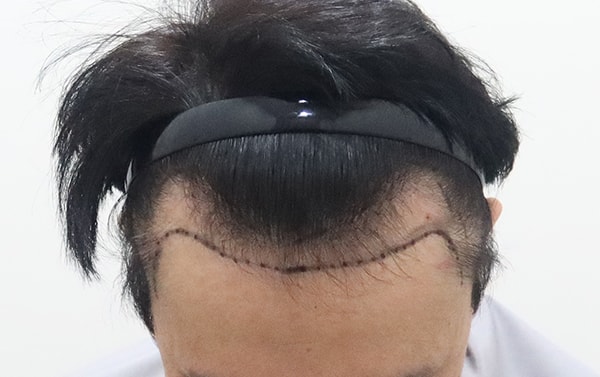

Hello, I'm keeping a record of the transplant.Actually, I didn't think I would be the Hair Transplant right away.I've been in the M shape for a while, and my wife has been telling me that the top of my head seems to be losing some weightI didn't mean to get my Hair Transplant straight away, but maybe it's because I saw it on my phone regarding hair loss and Hair Transplant...The algorithm brought me content related to Hair Transplant.As I was forced to watch it, I was curious and wanted to find out how much it cost, so I took some counseling as an experience, and some places were really expensive and told to operate right away, and consultations varied slightly from hospital to hospitalSome places are good to have surgery, but you said it was up to me to make the decision, and it was good because you explained the overall picture before and after the surgery and the expected hair loss progress. When I listened to the explanation and looked at the pictures of other people's surgeries, I didn't want to have surgery right away, but I couldn't think of Hair Transplant in my head.I'm not the type of person who decides something so quickly in my life, but I keep thinking about it and recommending my wife to have surgery, so I decided to get surgery by Kang Dong-woo, who had good counseling and cost well, and I completed 3,500-mo surgery. 3,000 M-shaped and 500-shaped transplants were received on the top of the head.When I first saw the contents related to Director Kang Dong-woo, I felt something gentle and likeable, but I thought positively when I received actual counseling. Above all, as mentioned above, I was impressed by your explanation from my point of view and comprehensive counseling such as what will happen in the future.I operated on the M shape and the top of my head at once, and I was prescribed medicine and started taking it.In my standards, I finished the surgery unexpectedly, but I'm looking forward to a good result because I had the surgery.I wonder what other people think.
787
4 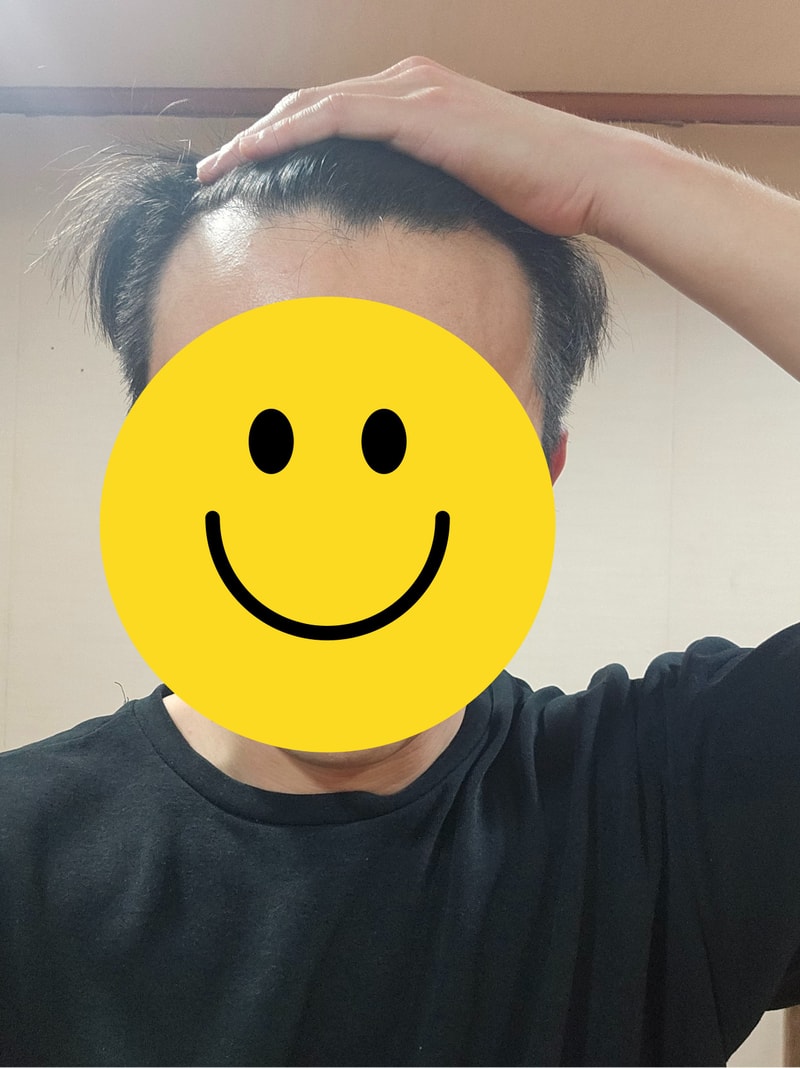

It's already been a year since I started Hair Transplant.I can't think of a frog tadpole.. It's become so natural now that I don't even know if I've had hair loss.. I'm not sureThis was before the surgery Looking at it like this, it was really bad..It was a time when I was covering up the M shape because I was embarrassed just by blowing the wind..And on the first day of surgery It was really dense lolI thought I wanted this to be my head, and I remember being really happy.And it's been 6 months I was actually a little worried at this time.Anyway, I knew it was going to get denser, but it was a time when it was full.And this is my last year's hair lol I slept really well, right?I'm really confident nowI don't care whether it's windy or notThese days, I'm so happy to find my bangs that were abundant in my 20s.It's all thanks to the director Choi Dongwook who did a great job Thank you!
1,172
4 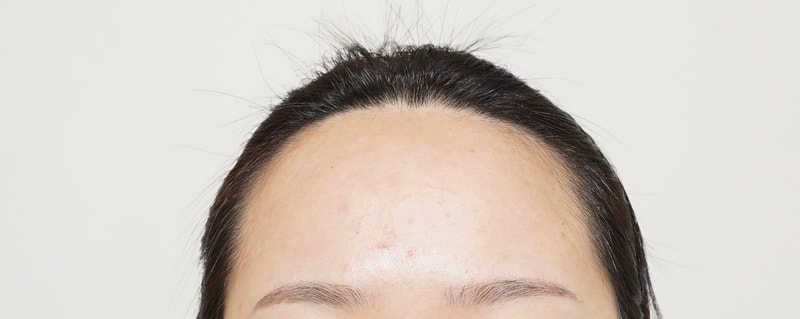

My hair is thin and thin, so I visited at first as a Hair Transplant consultation, but after the consultation, I heard that forehead reduction is more suitable for my condition, so I proceeded. Director Park Soo-ho explained the operation method, recovery process, and genuine endotin used in detail, so I trusted him. There was a private recovery space before and after the surgery, so I was able to relax a lot with my guardian and the overall movement and care were comfortable. It's not that I don't have scars at all, but it's a line just below my hair, so it's not as noticeable as I thought, and people around me don't know at all. I've always been stressed out with a wide forehead since I was young, but now I feel confident tying my hair, and I feel like I've solved my lifelong worries, so I'm so satisfied :)
1,063
8 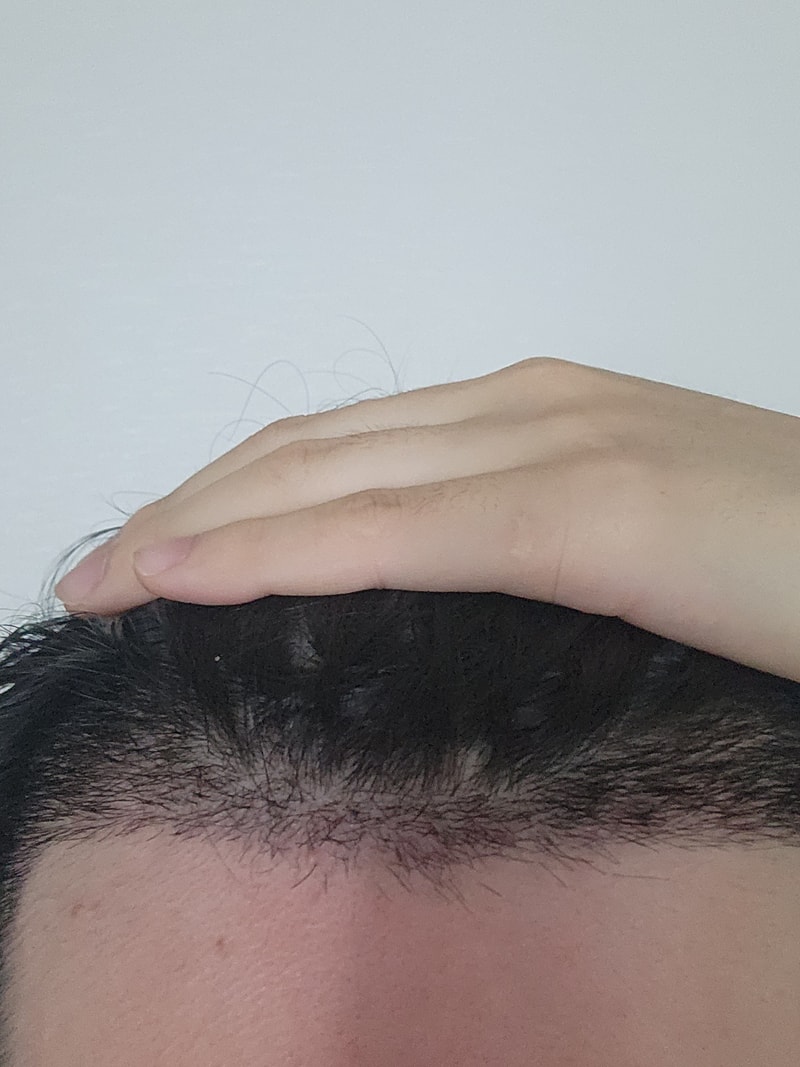

Alpha Mo Clinic, 4/7th, 10 a.m. surgery, now 19th day of 4/26. We're going into the 3rd weekThere's a hair loss. I went around the Gangnam area and received about 15 consultations, and there were some advantages in the amount of money,The director's speaking skills were not affected at all, but I think I was convinced by the posts he posted on his personal blog.At the first consultation, I was diagnosed with a 3600 mother (the condition of lowering the line), but I personally don't want to lower the lineIn the end, through a long conversation with the counseling manager, fill the m shape without lowering the line, and proceed with the rest of the density reinforcement feelingI finished the consultation and got the procedure scheduled. (He said that my hair will be filled with 2500 hats based on the m shape.)Face-to-face consultation was conducted twice before surgery and visited the hospital before 09:15 minutes on the day of surgery, and final design after preparation10:00 After sleeping anesthesia, the anesthesia is released in the middle of the laryngeal extraction at 12:00, so you pull it out with a laryngeal punchIt hurt a lot, so I asked for more anesthetic injections in the middle.I was hit by a few hits near my forehead and I was lying down because it was okayAfter that, I went to the bathroom once, looked at the ceiling, and was transplanted with a placenta machine while lying down. I woke up in the middleI really wanted to go to the bathroom. I tried to ask you how many minutes are left, but you said, "I planted it." So I held it inHe planted it in his hair like a mosquito repellent. It was really fast2 hours of collection, 2 hours of transplantation, so it ended before 14:00After it was over, I ate sweet snacks, and I came back home because I gave you a pear crab and a precautionary spray.I didn't have any anesthetic pain or hair pain, but I didn't sleep well on the first day.I woke up every hour, and it looked more like an anesthesia than a headacheThe next day, I went back to the hospital after shampooing. And after shampooing at home, something came up yellowIt swelled up and it was weird, so I sent a picture to the hospital KakaoTalk, and I thought I would have to do Benong or drainage on the transplanted area, so can I go to the hospitalHe visited the hospital at night on the day, burst a few, got an additional shampoo, and applied ointment.Since then, you asked me to send you pictures periodically, so I sent them to you. They put in the laser for free 10 times, so it's possible every time I visitHe said so. I'm a congressman who cares a lot about follow-up careI found out by communicating several times through Kakaotalk. And I had work on the 10th day, so I visited one more time on the 11th day to check the progress.The director's personality is very good at speaking? I always felt that I didn't feel like it. I'm not really curious about anythingWhen the director asks me if I have any questions at the end, I always say it's okay and I don't think we talked properlyRather, I liked it because it was my style rather than people who just spoke. As long as the results come out in a year, and now it's the 19th day,The transplant mothers are falling out little by little. It's said that you're eliminated and then grow back. I hope that time comes soon.The m shape was very deep, and I applied spray for two years at a young age in my 20s, didn't wash, and shampooed the next morning,I also like drinking and playing at night, so I drank a lot, and I was neglecting my body, so I think I played a part in deepening the m shapeI ate blood for about 7 months, and I went to the hospital because I thought it wouldn't work out, but I'm satisfied so far, except for the thought that I should have gone a little earlier.Lastly, I will finish by posting four pictures of the center, left, right, and occipital.
1,632
5 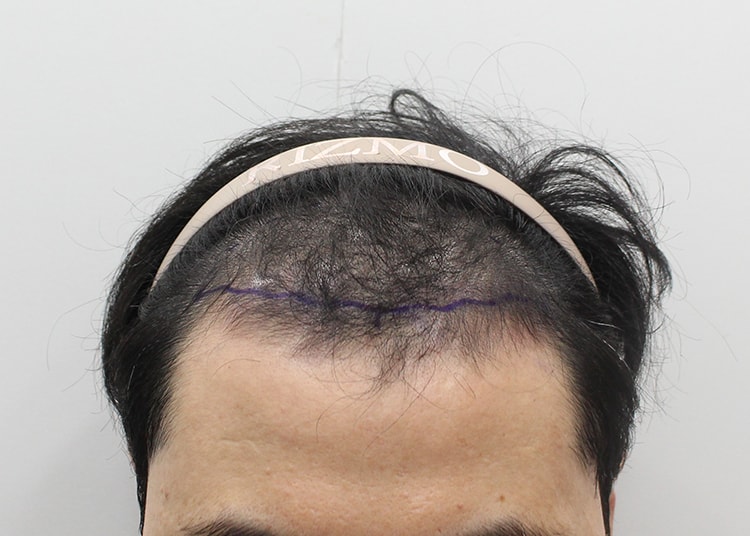

Hair loss has progressed slowly since about five years ago, and at first, it didn't matter, but at some point, it bothers me every time I look in the mirror. I tried medicine and managed it, but there was no noticeable change, so I ended up thinking about Hair Transplant. While looking up various hair loss communities, I was looking for information toward Daejeon Hair Transplant and naturally learned about Daejeon Rizmo Clinic.It could have been cumbersome to find out the hospital from Nonsan where I live to Daejeon, but looking at the reviews, the trust in the Rizmo Clinic in Daejeon gradually built up. It wasn't just an advertising feeling, but there were a lot of actual experiences, and there were a lot of stories that the results were natural, so I was inclined.In the end, I decided to get counseling in person, and I decided that the results were more important than the trouble of moving from Nonsan to Daejeon.When I got counseling, I understood why many people choose Daejeon Rizmo Clinic.The consultation process was very meticulous, and I trusted you because you carefully explained the design and implantation direction suitable for the current condition.I proceeded with a total of 4554 hats in a non-cut manner, and it was impressive to point out exactly what was needed without feeling overly recommended.Even among hospitals in Hair Transplant, Daejeon, I felt that such detailed counseling was not common.On the day of the surgery, it was more nerve-wracking than expected, but the process itself was relatively comfortable.It was a non-cut method, so there was little burden of recovery, and I was relieved that you checked the condition in between. Above all, I felt the proficiency of the medical staff, and I felt that the speed and concentration of progress were quite high.I was glad that I chose Daejeon Rizmo Clinic at this time.It hasn't been long yet, but overall satisfaction is high so far. We have to wait and see the progress in the future, but I feel like I got the first button right. If you've been worried about moving to Daejeon, I think you can consider the results first like me. If you are thinking about Hair Transplant in Daejeon, I think Rizmo Clinic in Daejeon is a good option to consider.
1,916
7 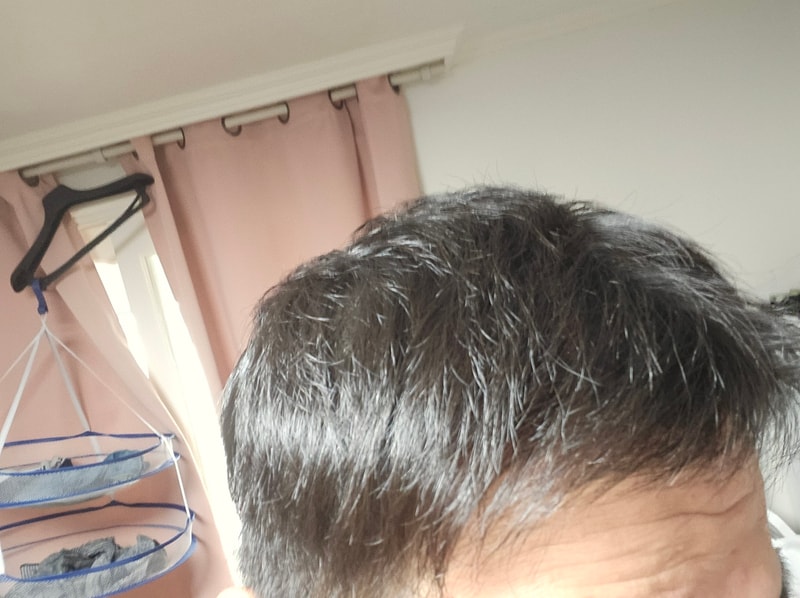

It's already been 6 months since the surgery. There was a holiday holiday, and I was a little busy, so I couldn't go to the hospital in the 5th month, and I went to see it for 6 months not too long ago. When I had my first surgery, I was very much waiting for my hair to come up, but now I'm amazed to see how it changes little by little every time I look in the mirror.I saw little hairs coming up from the third to fourth months, and now that I'm in the fifth month, I felt like the number of hairs coming up has increased significantly. In the past, the scalp looked more prominent when the top of the head or the front was reflected in the light, but these days, it looks much less empty than before even in the same lighting. It's almost six months old now, but it's definitely different. The biggest difference is hair thickness. After six months, I can see a lot of children getting thicker like existing hair. The line is being held naturally as it was designed for the first time, and now even when I look in the mirror, I rarely feel as stressed as I used to. Of course, I don't think it's complete yet. The density is likely to rise further in the future, and there seems to be room for a little more filling in the middle. The director said that this is the middle process, but I'm looking forward to it because it will become thicker and denser in about six more months. The progress so far is satisfactory enough, and I'm waiting to see how much better it will get in the future.In the next review, I'll leave it with a richer look.
3,187
8 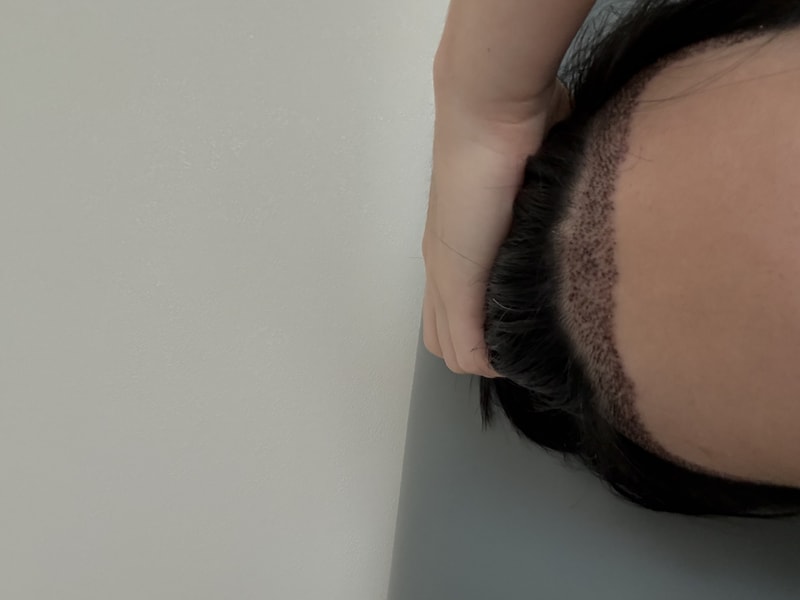

In my early 20s, I decided to have a hair transplant to correct M-shaped hair loss and lower forehead height, and when I first visited the hospital, both doctors and nurses gave me a reliable explanation, so I started the surgery right away. After that, the scab was removed in the second week, and unlike other hospitals, I was informed that I could start drinking and smoking, and from the first month, the transplant hair began to fall out, and now I have almost no hair.
7,686
7 

Local Hair Transplant Clinic Map




Comments