I feel good because I think there's been a lot of mention of slits and rodents recently. Many people ask a lot of questions about incision versus non-excision, but I don't think they were very interested in the important 'transplant' process.
Keep that in mind.
It's a Hair Transplant surgery, not a hair extraction surgery. Of course, the collection process is important, but I would like to tell you that the transplant process is more important.
This does not just mean the transplant process, but the process that takes place after collection as a whole. The typical one is hair follicle separation.
Beyond my personal opinions, I looked into what opinions I had in overseas forums and various blogs.
Lateral Slit Technique vs. Choi implanter \nQuestion: Dr. \nRassaman, which of the 2 transplant methods can achieve the least hair follicle damage, rapid recovery, and high density?
1. Slit \n2. Planting Machine \n \nAnswer: \n You've asked me to compare the relatively difficult 'skill (slit)' and 'tools (planting machine)'. Regardless of which tool was used or at what angle the transplant was made, the difference in quick recovery depends on the size of the wound at the transplant site.
The smaller the wound, the faster it is to recover. However, the success of transplant hair growth depends on grafts trimming and the collection of incisions.
Many people cut their hair follicles too short to put them inside the flora because they cannot hold large hair follicles. These short cut hair follicles may not grow.
To answer your question regarding 'Density to the extent that the scalp is invisible'... Well, there are a lot of factors. Depending on the characteristics of the hair, the thickness, and the contrast ratio of the hair and scalp. As I've said before, people with blonde hair don't look thin after losing about 85% of their hair. Even though it has a low density. However, if you have straight black hair and white scalp, you will see the scalp even at 50% density.
<It's about another article. The specialists answered directly.> \n Questioner James: \n I'm going to have a second operation. I used a planting machine for the first time, but can I use a slit method for the second time? I want to get the second one in the same area where I planted it as a planting machine in the first round. The purpose is to reinforce density. Or should I just get it as a planting machine?
Dr. Feller \n No. You don't need to undergo a second operation as a placenta. The slits are made of very thin blades that are smaller than the needles of the plastid. Therefore, it can be planted densely between existing hairs.
Dr. Glenn Charles \n I think from above Dr. What Feller was trying to say was, "Yes! I think you're saying, "Even if you've had surgery with a hair transplant before, you can have surgery with a slit." The newly created hair removal machine has a range of 0.6mm to 0.9mm. Therefore, the placenta can also be transplanted in high density. \n (The slit is 0.2 mm, which is still about three to four times thicker.) \n \nEjjj (General member) \n I had surgery with a placenta and my head didn't grow at all. In my case, I've heard a lot about planting from a broker who is commissioned by a doctor who uses it.
This reminds me of the development of the planting season. "Putting lipstick on a pig"..... I'm still a pig.
Planting mosquitoes are mainly used in large network hospitals that we should avoid.
I don't know if you've seen the video of transplanting with a placenta on YouTube, but the method of planting is rather violent. I think it's probably the most powerful way to plant hair follicles.
Personally, I think if you do a search for "the necrosis of hair follicles," you can find a very informative video. Planting plants do not make an incision. Just put the hair follicles in the hole that has been put out in advance. It's no different from regular syringes.
(What I mean here is that the placenta is literally injecting the transplant site, so it's an expression that goes outside.) \n If I were you, I'd put the doctor's results first. Next, I think we'll see what transplant methods have been used continuously for the results.
Member for Pollicle Death Row \n I'm sorry I can't see Dr. Feller's writing these days. You must be busy.
Speaking of planting, I've seen some of the worst outcomes. And I remember that the result was the use of a planting machine. Naturally, it damages many hair follicles in the process of trimming and putting them in the hair follicle. So the follicles don't even have a chance to get to the transplant site.(It means that hair follicles are already dead and planted) \n \n \n \n \n \n \n \n The above are somewhat loath to plant. Since planting mosquitoes are rarely used overseas, there are some mentions of planting mosquitoes in the middle of the articles, but related threads were hard to find.
There is also an article that says that hairplants can be planted naturally by adjusting the angle of the hair.
Slit method does not mean that it is only planted vertically. Latteral slits and Vertical slits were already made long before the development of placenters. It is said that because the plumbing machine is pen-shaped, it can be planted at an angle. Slits are also pen-shaped needles. You can make a hole in the area where you're going to plant it.
Planting mosquitoes were initially developed to "plant quickly," not to increase density or pursue naturalness. When the hole in the placenta was large, the hole was made narrower when the placenta scar problem occurred. However, there is another disadvantage of having to cut the hair follicle smaller to put the hair follicle in the smaller hair follicle.
I looked for a video of planting my head with a hair implanter.
If you look at
http://www.youtube.com/watch?v=0D0EFuf1aZg \n3 minutes and 13 seconds, you'll see the scene of planting with a placenta. I didn't feel very good when I saw this.
If you look at my old post, I told you to avoid inexpensive Hair Transplant surgery. The representative reason was the reuse of planting mosquitoes.
In the video, the leader says that they use 15 placenters as a set. In the video, you can see three sets. This means that we use 35 placenters. As a result of the search, the price of each planting machine supplied to medical staff is about 50,000 won. If so, the cost of 35 plowers is 1.75 million won.
If you get a 1.99 million won Hair Transplant surgery, it's quite likely that it's a hospital that recycles hairplants. It has already been revealed in domestic terrestrial broadcasting that most hospitals reuse planting mosquitoes.
Therefore, I'm not telling you to get surgery at an expensive hospital, but I'd like to say, "Suspect cheap hospitals as much as possible." There is no hospital where doctors' labor costs, hospital rent, surgical tools, etc. are less than 1 million won.
http://www.youtube.com/watch?v=lTwri02b2DI \nAnother video. You can watch it from 42 seconds.
What's very different from the first video is that there are only four placenters used in this video.
If you look at it from 1 minute and 10 seconds, you will see the process of putting the hair follicles into the hair implanter.
And there is a detailed scene in which the hair follicle is transplanted at 2 minutes and 37 seconds.
This time, it's a slit-type video.
Says the doctor at
http://www.youtube.com/watch?v=9JuODFmI220 \n2:13 seconds. "Make sure it's just right for the hair follicle." Check it out. If you look at the thickness of the needle, it is different from the thickness of the hair planting needle even with the naked eye.
I found this
http://www.youtube.com/watch?v=I_MGIH3LzHM while trying to find a more detailed video. Maybe because it was provided by the BBC, the video in the middle is considerable.
I'm telling you in advance. There is an incision in the scalp. If you have a weak heart, be careful.
As you can see, the slit is first made a hole with a fine needle and then the hair follicles are held with tweezers and put in.
There are many other theories. Popping can be reduced by minimizing bleeding during transplantation. Therefore, you should make a hole, wait a certain period of time, and plant it when the bleeding stops. And so on. \n \n It's up to you to judge. I admit that the writing is slits superior. However, it is quite difficult to find related articles because we rarely use planting machines abroad. In Korea, most of the advertisements are written, so there is little information about the Hair Transplant itself.
Some hospitals use a combination of plumbing and slits. I don't know what you're thinking. It just looks like it's for advertising. What's the point of making a 0.2mm hole with a slit and putting a 0.6mm plastid in that hole? I'm not a doctor, so I don't know exactly why I incorporated such a method. However, I have never heard of or seen a case of using a plumbing machine and a slit at the same time. I didn't even see a question about him.
It's been a while since I had time, so I suddenly got upset and wrote a long article. Thank you to those who read it. I couldn't check the text because I had to go out urgently. You may see typos or strange flow content. Please keep that in mind. Then have a great weekend





 K4956440375
 K44056800112508201626
 K4956505959
 K46677049852512290744
 Mammoth Hair Restoration Center Busan
 Mopro Clinic
 Mo&Bless Hair Clinic
 Modeunmo Clinic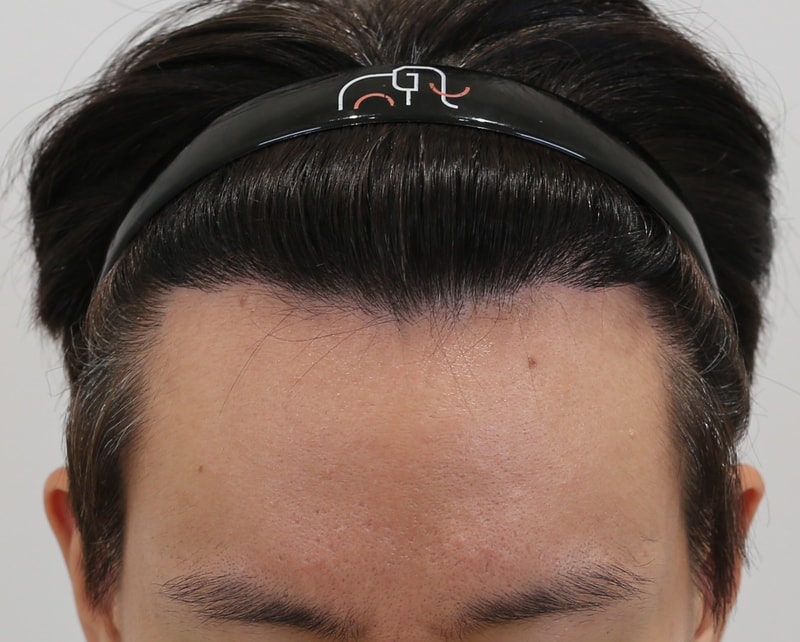
 Incheon Mammoth Hair Restoration Center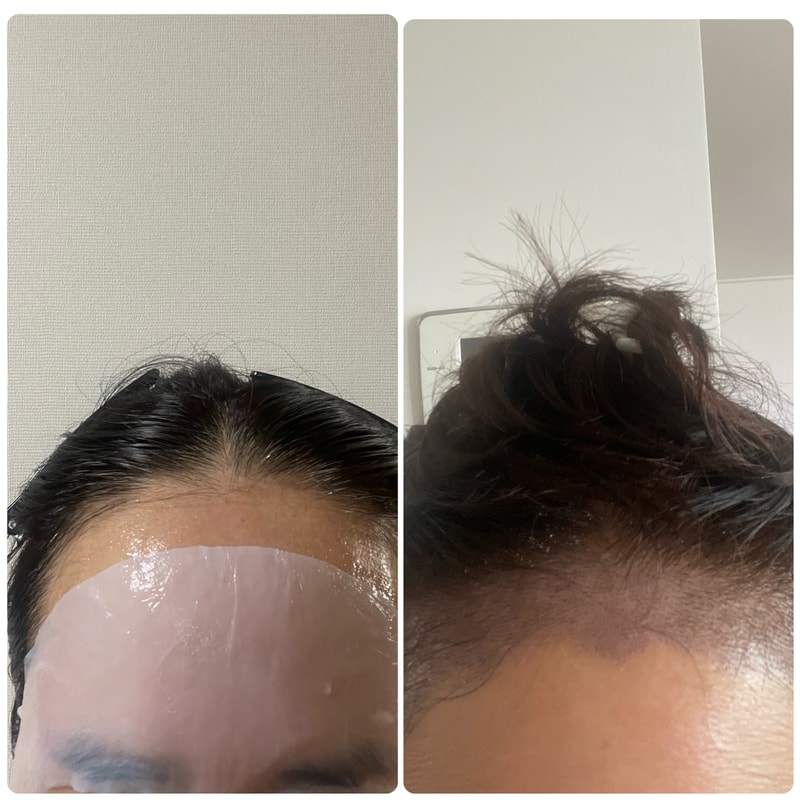
 MOUDA CLINIC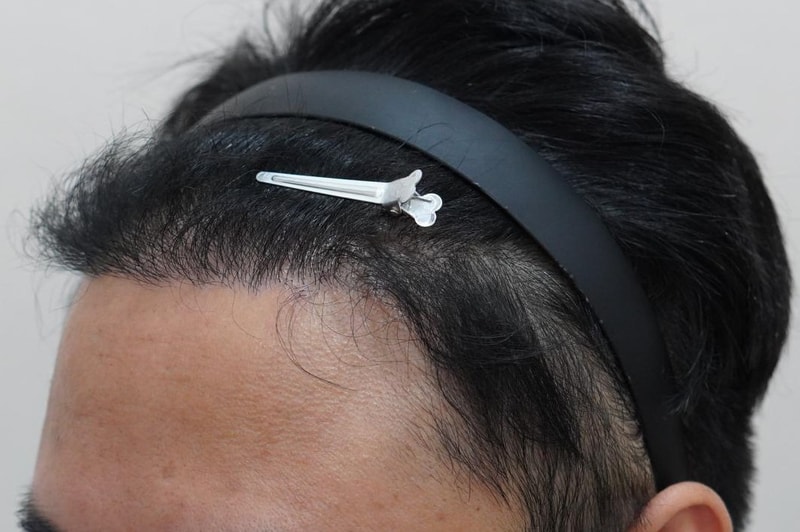
 Busan Grow House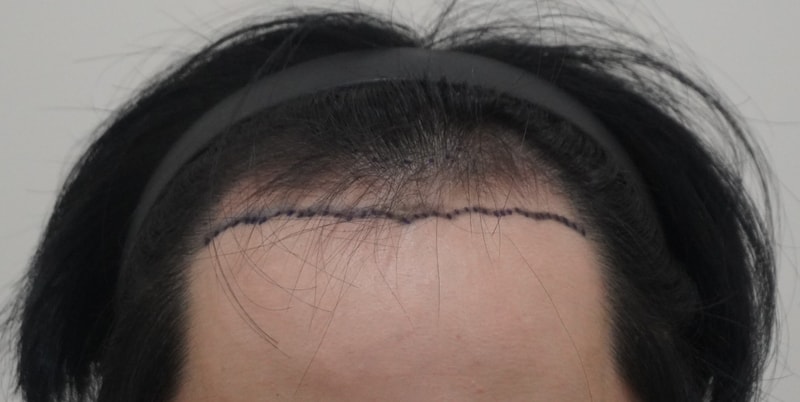
 Yong Doctor Hair Transplant Surgery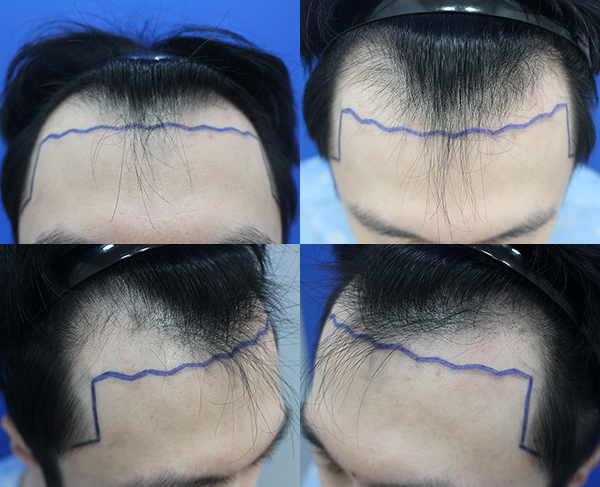
 Hannaeve plastic surgery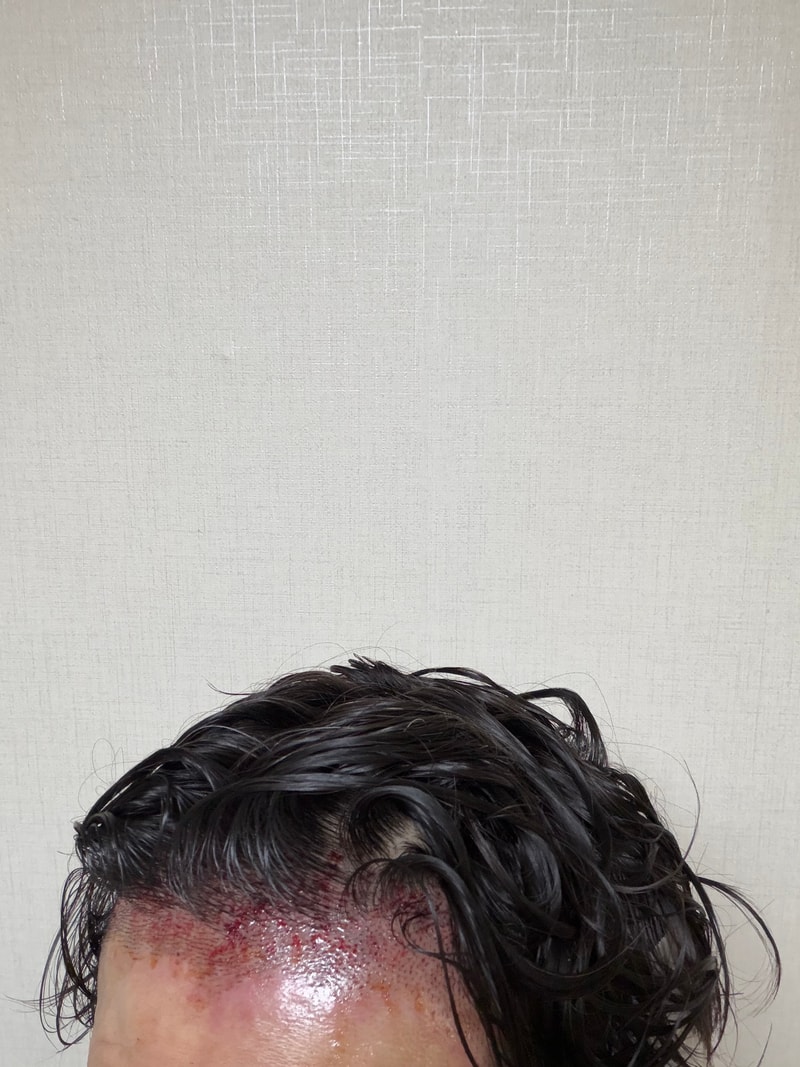
 Mowoolim Clinic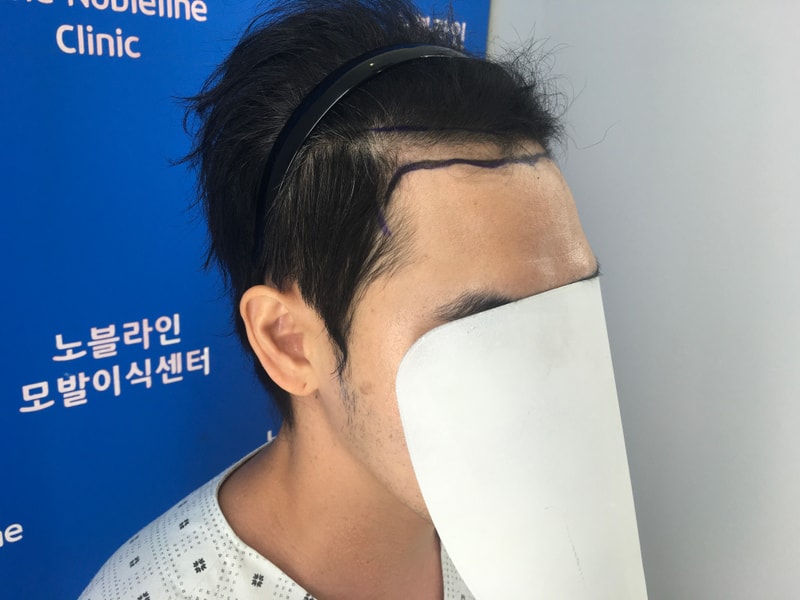
 The Nobleline Center for Alopecia Care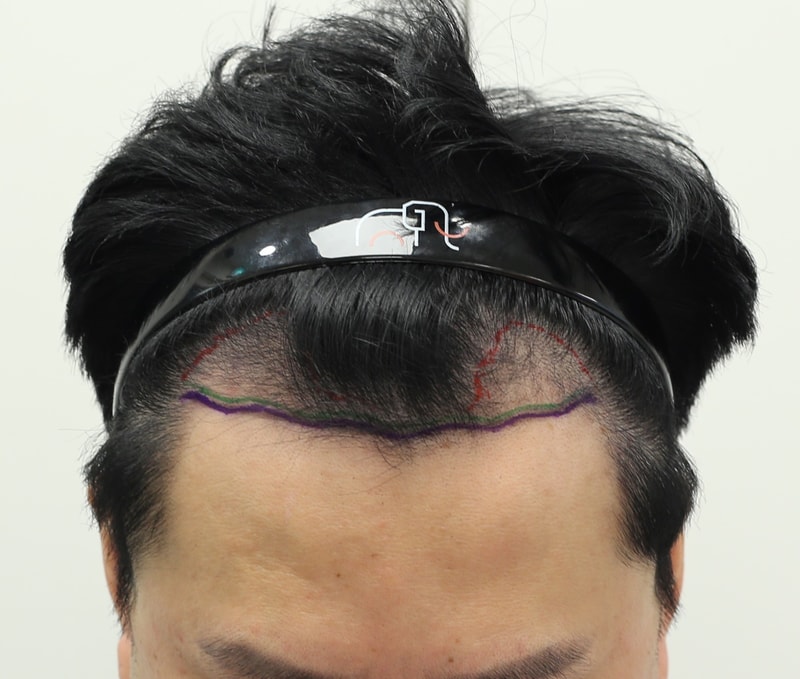
 Mammoth Hair Restoration Center, Apgujeong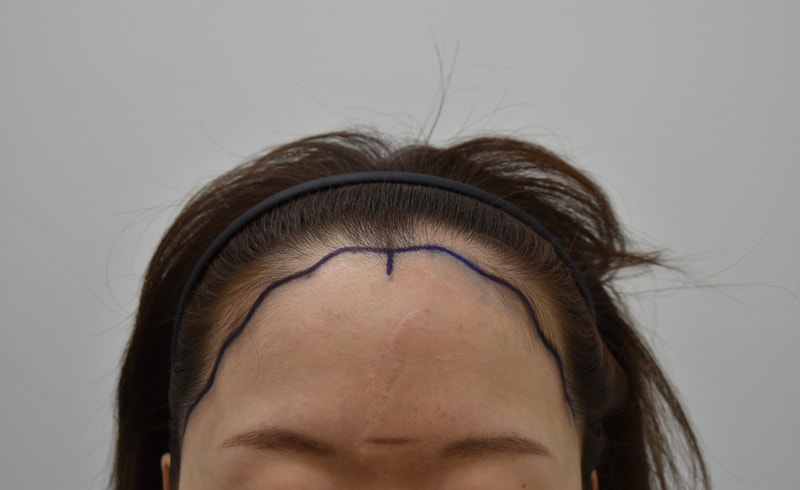
 MOBARUN HAIR SURGERY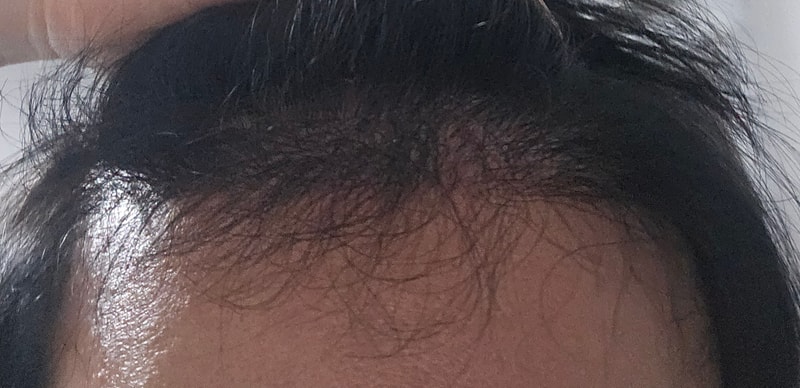
 MYMO HAIR TRANSPLANT CENTER Incheon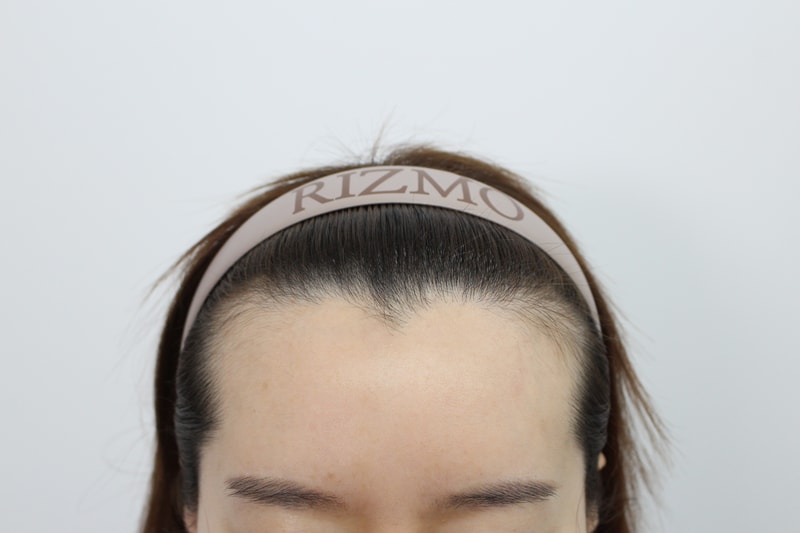
 Rizmo Clinic - Busan Branch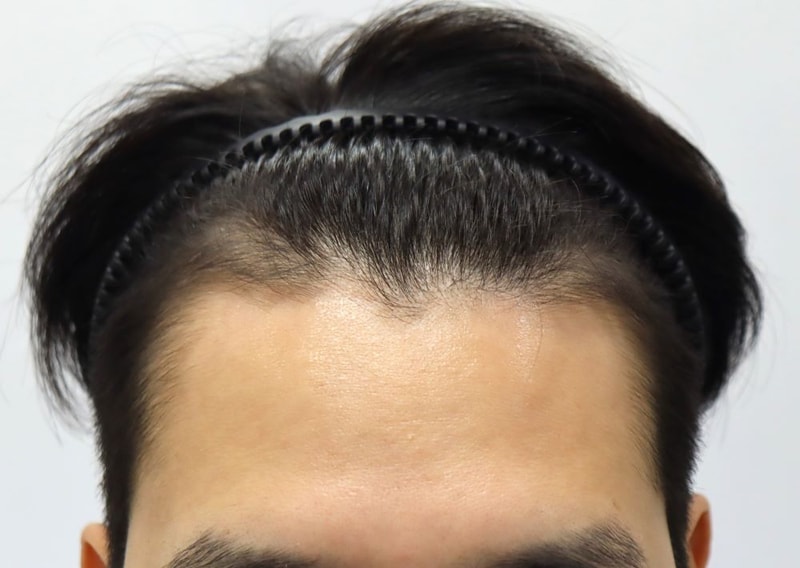
 FORHAIR Hair Transplant Korea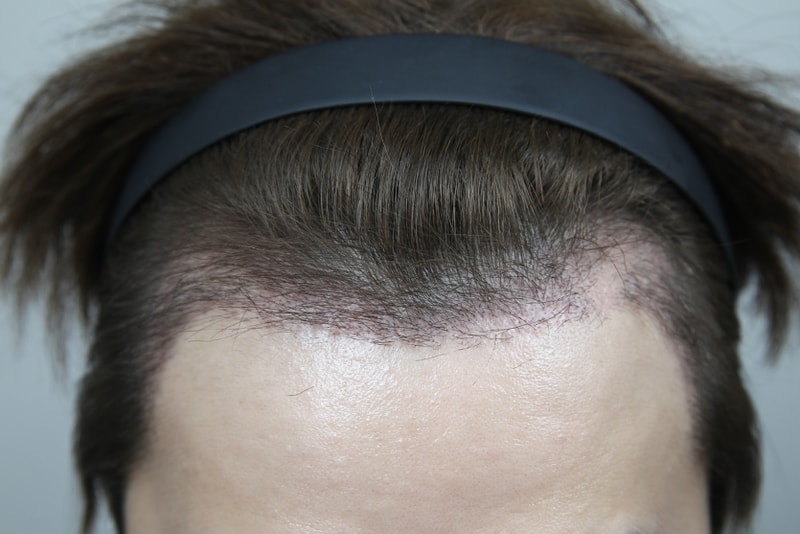
 MONARA dermatology clinic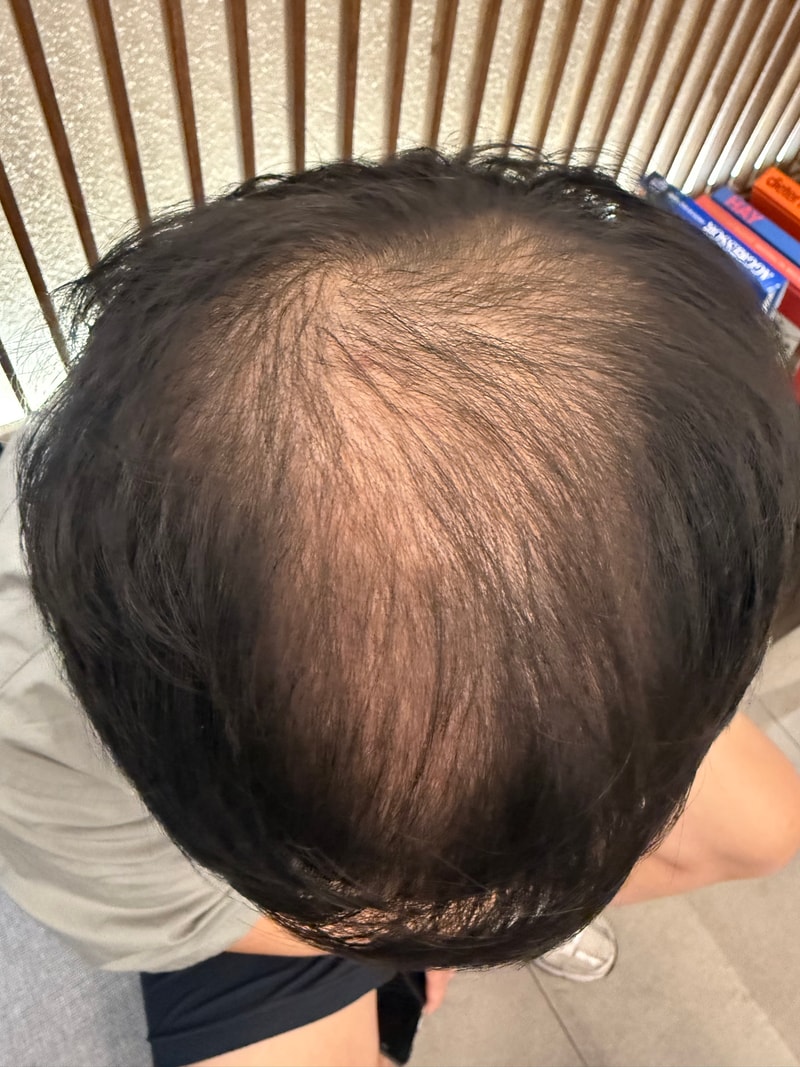
 MO.1 plastic surgery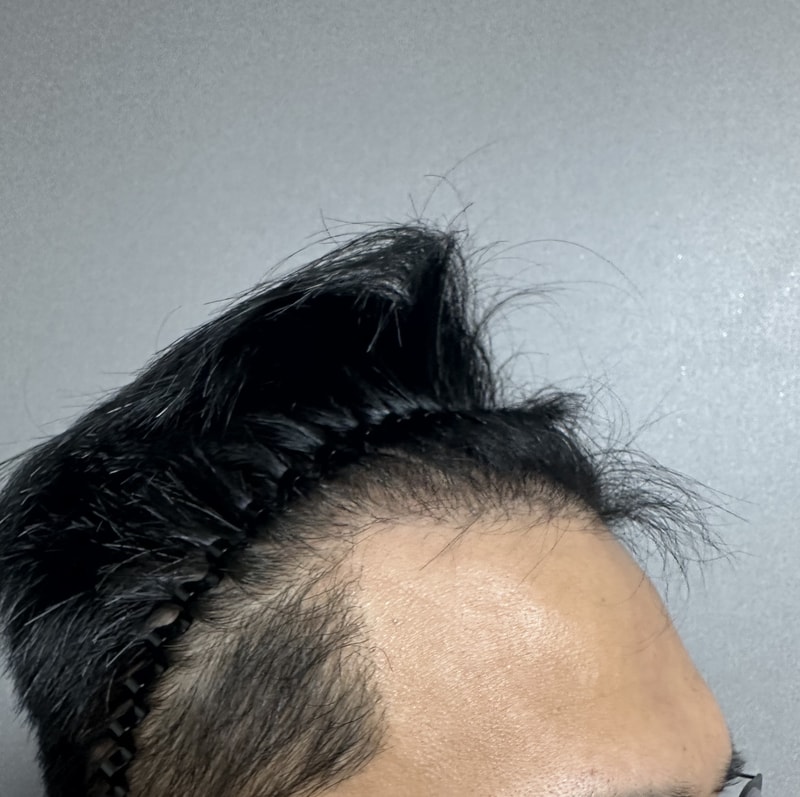
 Dana Plastic Surgery
 Banal Plastic Surgery Clinic
 Moderhamm Clinic — Hair Transplant Center
 HAIRO HAIR TRANSPLANT CENTER Busan
 HAIRO HAIR TRANSPLANT CENTER Dongtan
 Momo Clinic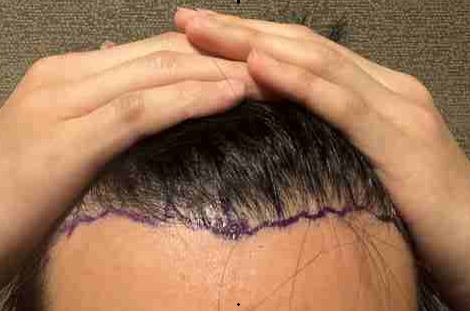
 NEWHAiR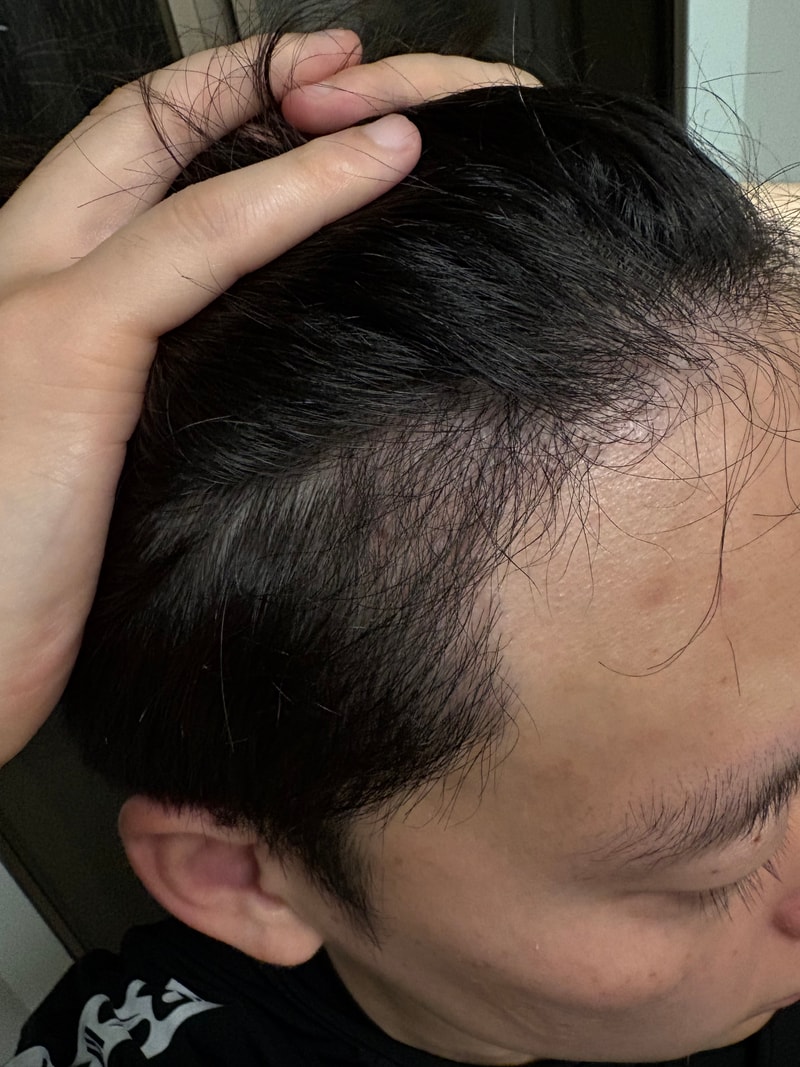
 Mo Jaesung Plastic Surgery & Hair Transplant Center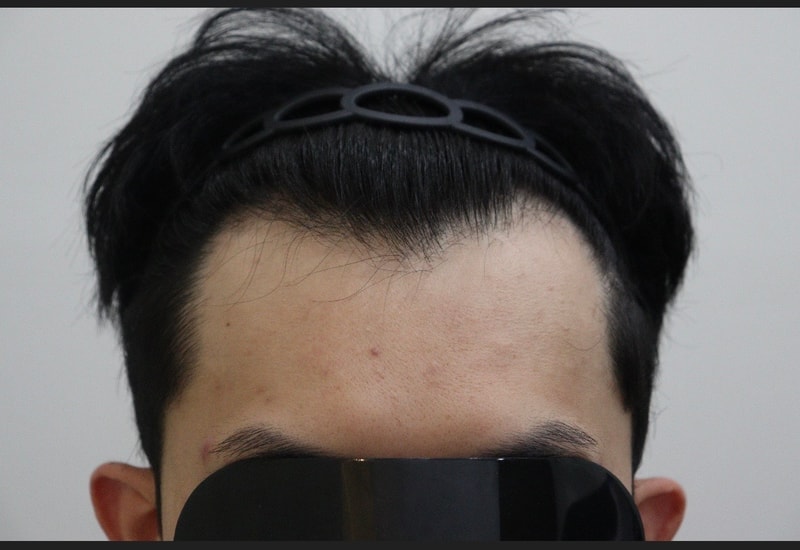
 apgujeong mobien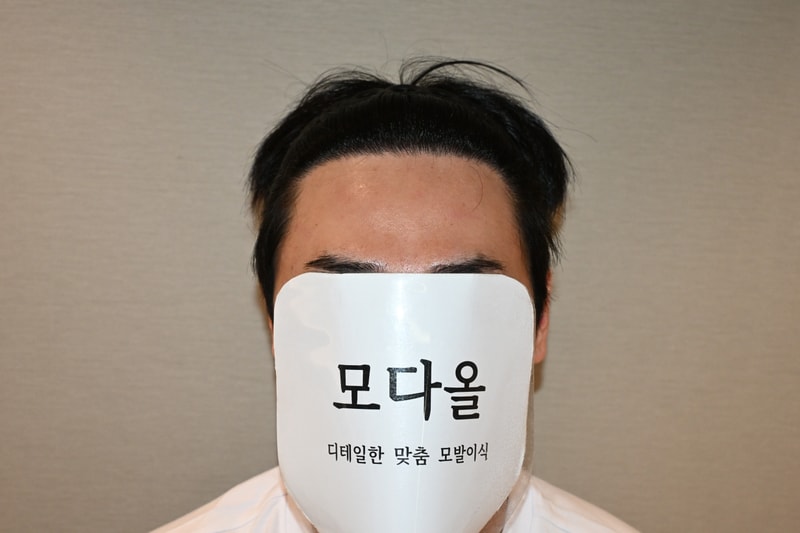
 Modaol Hair Transplant
 The Jongno Headquarters of the Yonsei Mobel House
 HAIRO HAIR TRANSPLANT CENTER Daegu
 Yonsei Mobelle Clinic - Incheon Branch
 MOMO's Suwon branch
 an alpha-mocking circle
 MOEM Clinic
 Yonsei Mobelle Clinic - Daegu Branch
 MOMO HAIR TRANSPLANT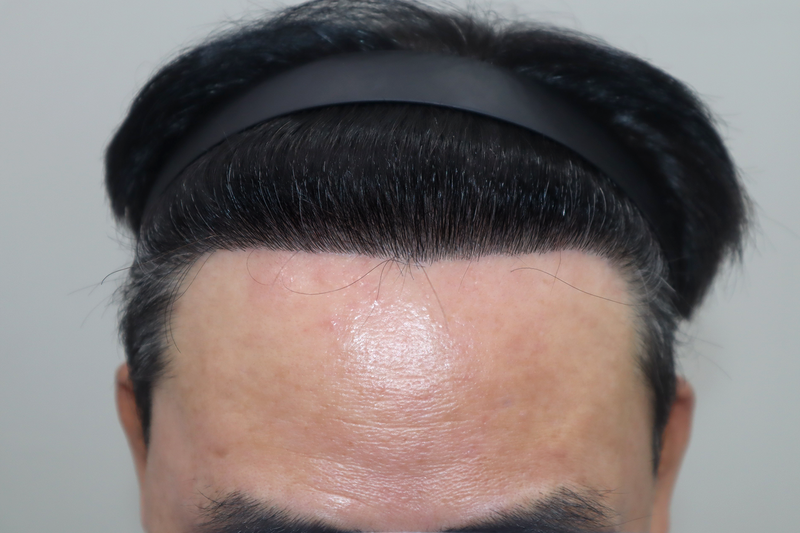
 HAIRO HAIR TRANSPLANT CENTER Jeonju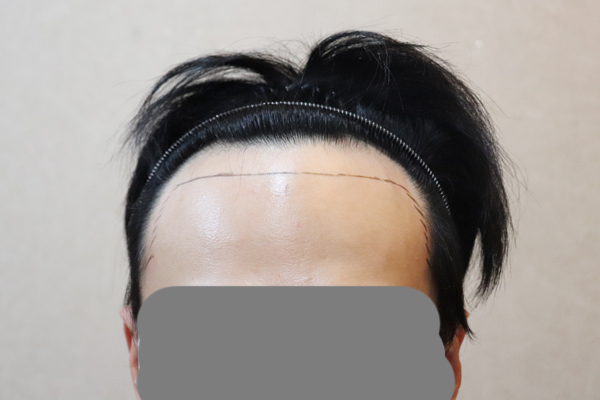
 JP Hair Transplant Clinic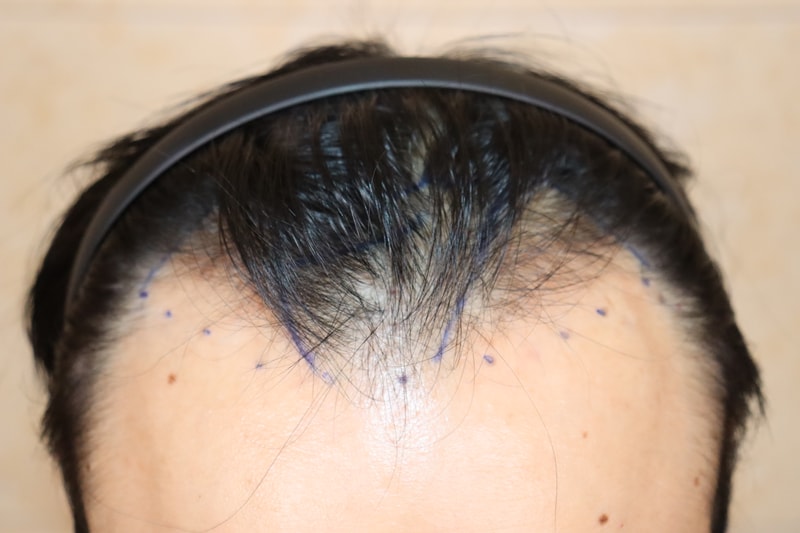
 WOOMCHAN Hair Transplant Clinic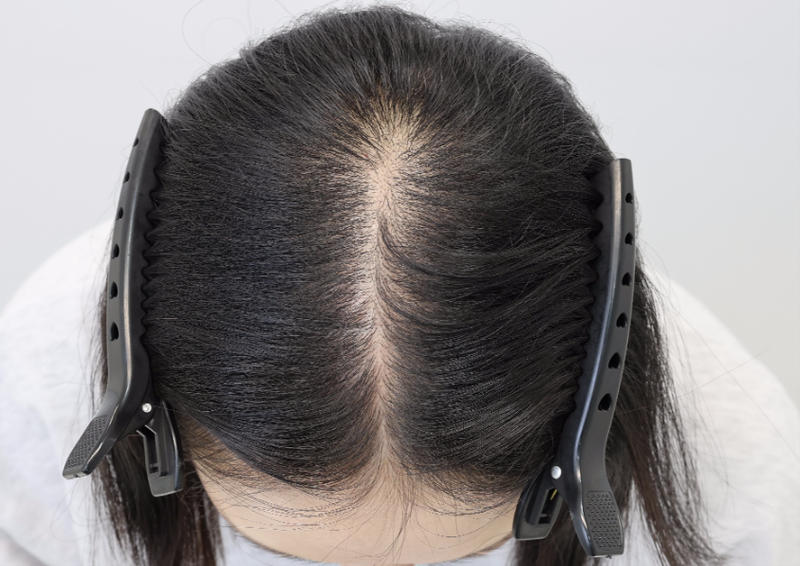
 Modi hariplant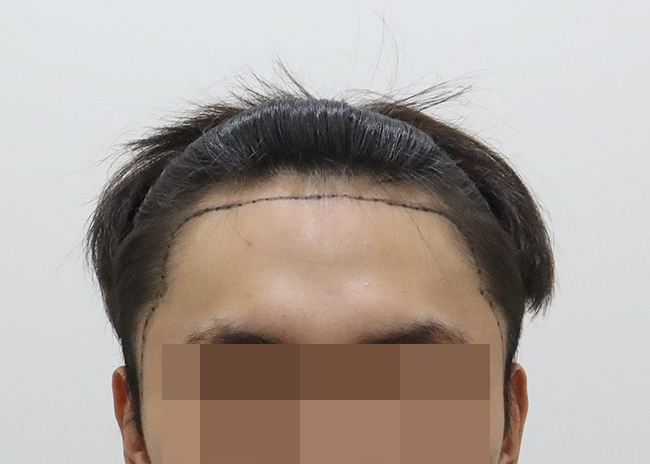
 Momo Clinic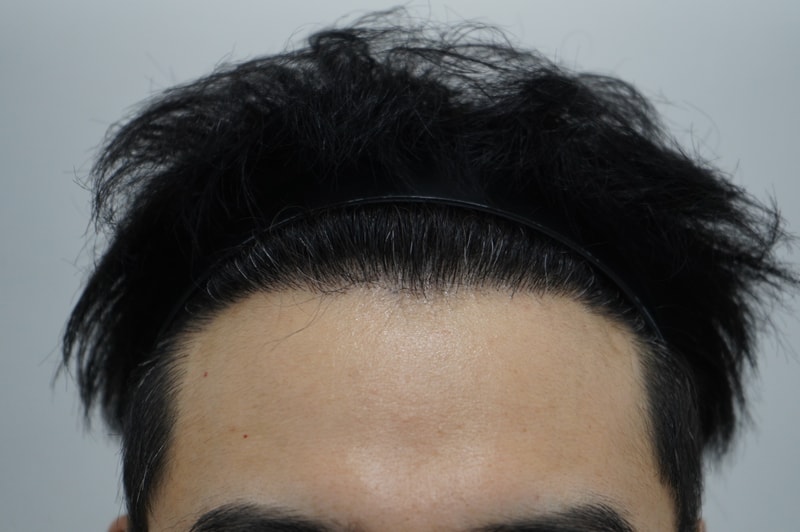
 moart clinic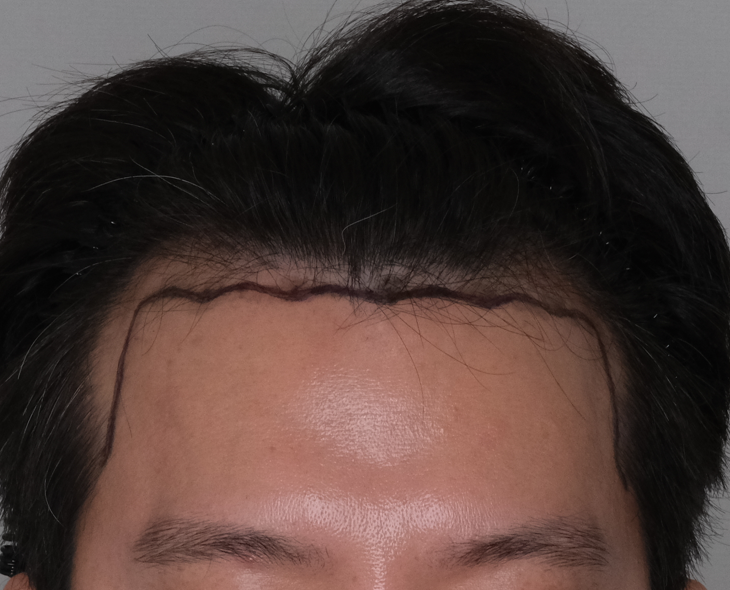
 GLOWELL
 MOJELIM Hair Transplant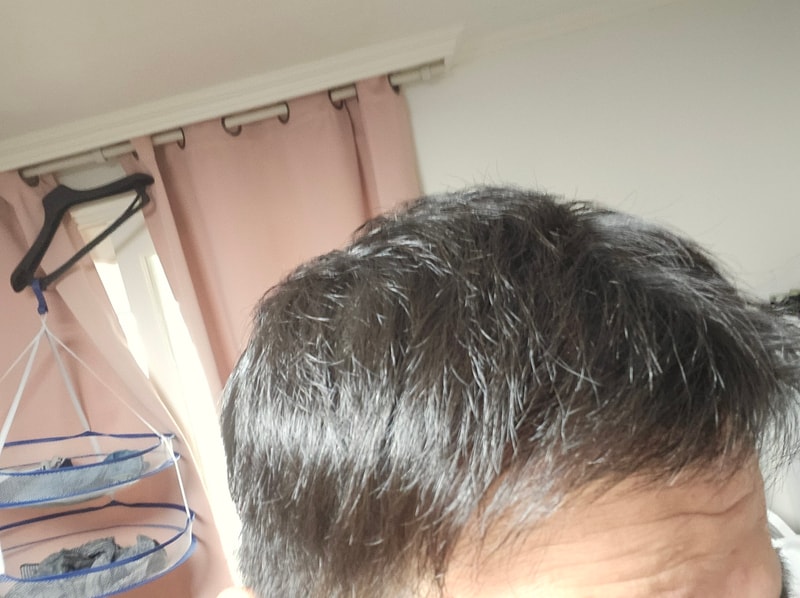
 Moment Clinic
 Motion Hair Clinic
 MOAMAN CLINIC



- Regardless of the content, the comparative evaluation of A vs. B hospitals, recommendation inquiries, or answers comparing multiple hospitals will be considered advertisements and deleted without notification.
- Posts that are unintended by the publisher but generate indirect promotional benefits to the hospital will be deleted without notification.
Comments 25