> >> Originally, I wasn't going to answer the first malicious comments..
> > I'm writing a new article because I don't think it's human nature to say it's annoying.
>> I went on an overseas anti-hair transplant website..
> I searched for American medical papers.
> (It is a digitalization of all globally recognized medical papers. Usually, it's almost impossible for those without knowledge to access and search.) >> Don't refute it with speculation..
> If you want to refute it, please refute it logically with scientific knowledge, not thoughts..
>> 1. Most of the academically recognized papers in the 2000s on hair crafting are from Asia.
> 2. Domestic procedures follow the latest guidelines for hair transplantation accurately.
> 3. Part-timers are not just in Korea.
> First, until the 1990s, most of the papers were from the non-Asian world. There are a lot of Asian people these days.. (Still, Western papers are superior in gene experiments, cloning, etc., not clinical papers) > This is also related to actual procedures.
> How surprising plastic surgery in Korea is overseas.
> How did you get to do so many LASIK surgeries even though you've done it abroad. Think about it.
> Moreover, Italian families tend not to be so sensitive about baldness because most of them lose their hair as they get older. Westerners are considered the same. Asian people are relatively less likely to fall out..
> You know what I'm trying to say, right?
> > >> Fue treatment method - Look it up in the hair transplant category like this.
> I couldn't find it in the paper, so I looked it up in Daemo and found a procedure...
> Let me just say that the back head incision method that we are doing now is similar to the method of punching and removing the graft before it is developed. Please refer to the article for more information.
>> And I would like to inform you that the fue thesis is not registered in the thesis search, and there are no papers on hair recognized under the name of a follower.
> > > Second. The current method of treatment in Korea is a standard, not a method that is lagging or too experimental. We are following the precautions, procedures, etc. mentioned in several papers.
> With short knowledge, we could not find the difference between using or not using a planting machine in micrograft. It is true that the incision method, which has several disadvantages, is the latest procedure.
>> The following are the abstracts of the three papers. It's helpful if you read it.
>
> Survival rate according to grafted density of Korean one-hair follicular units with a hair transplant implanter: Experience with four patients.Lee W, Lee S, Na G, Kim D, Kim M, Kim J.
> Department of Dermatology and Immunology, Kyungpook National University School of Medicine, Daegu, Korea.
>
> BACKGROUND: The survival rate of grafted hairs in hair transplantation has been frequently discussed by many hair-transplant surgeons. Several factors, including skill of doctors and assistants and the amount of perifollicular connective tissue, are suggested to have predictive values in foretelling the eventual quantity of hair growth. OBJECTIVE: The purpose of this study is to determine survival rate according to density of Korean one-hair follicular units grafted with a KNU implanter. METHODS: We designed four templates of 1 cm2 made by tattooing two templates on each side of empty frontoparietal recesses in four Korean patients with male pattern alopecia (beyond Norwood-Hamilton-Type IIIa). One-hair follicular units were prepared from occiput and we grafted 20, 30, 40, and 50 one-hair follicular units using a KNU implanter on each template, respectively, and counted the number of surviving hairs after 10 months. RESULTS: The survival rate of 20 and 30 grafts per template was higher than that of 40 and 50 grafts. CONCLUSION: We think that 30 one-hair follicular units grafted with a KNU implanter is the proper density for better survival in Korean hair transplantation, and repeated sessions will be necessary for a better final result. However, we need further evaluation with a larger number of participants to overcome the small sample size and limitation of one-hair follicular unit grafts. The authors have indicated no significant interest with commercial supporters
>
> -----------------------------------------------------------------------------------------
>
> The distribution of follicular units in the Chinese scalp: implications for reconstruction of natural-appearing hairlines in Orientals.Tsai RY, Lee SH, Chan HL.
> Department of Dermatology and Skin Laser Center, Taipei Municipal Wan Fang Hospital, Taipei Medical University, Taiwan.
>
> BACKGROUND: Follicular transplantation using hair in its naturally occurring groups, called follicular units (FUs), has become the most popular technique in hair restoration surgery. Recently follicular transplantation was performed with a qualitative and quantitative concept to achieve the best clinical result. The characteristics and distribution of FUs are well studied in Caucasians and widely applied in hair transplantation surgery. OBJECTIVE: In order to understand the normal distribution of FUs in the Chinese scalp, we counted the number of hairs and FUs in normal Chinese scalp to provide general information for surgical planning and design in bald Chinese patients. METHODS: A total of 50 normal and 50 bald Chinese adults were enrolled to count the hairs on their scalp. One hundred bald patients receiving hairline reconstruction were also prospectively quantitatively evaluated. RESULTS: In normal Chinese scalp, an average 71.78 FUs/cm(2) and 137.08 hairs/cm(2) were calculated with a follicular density of 1.91 hairs/FU. Two-hair FUs are the predominate group (50.29%). In bald patients, an average of 68.07 FUs/cm(2) was found, which was less than that of the occipital scalp in normal nonbald patients. In reconstruction of the frontal hairline, a total of 700-1000 FUs were implanted with an average density of 30 FUs/cm(2). CONCLUSION: We found the average number of FUs (0.72 FU/mm(2)) was less than that in Caucasian patients (1 FU/mm(2)). The average density of 30 FUs/cm(2) implanted was suitable to reconstruct a natural frontal hairline in bald Chinese patients, which can achieve about 40% of normal hair density. Our results could provide the hair surgeon with general information about hair distribution on the Chinese scalp for surgical planning and design in their patients
> ------------------------------------------------------------------
>
>
> Evaluation of survival rate after follicular unit transplantation using the KNU implanter.Lee SJ, Lee HJ, Hwang SJ, Kim DW, Jun JB, Chung SL, Kim JC.
> Departments of Dermatology and Immunology, Kyungpook National University School of Medicine, Taegu, Korea.
>
> BACKGROUND: Many hair transplant surgeons have advocated the use of micrograft megasessions for the purpose of a more natural looking end result, especially in the Oriental with higher skin/hair color contrast and darker, coarse, straight hairs. But it also has some fundamental limitations. Most important are a low graft yield and a low density after transplantation. There are several reports about the survival rate of micrografts in Caucasians, though the results are variable, but few reports about the survival rate and fate of micrografts in Orientals. OBJECTIVE: To compare the survival rate of one-hair follicular units with that of two-hair follicular units using the KNU implanter, to ascertain the average survival rate of micrografts (one- and two-hair follicular units), and to evaluate the fate of grafted hair according to time. METHODS: Two templates of 1.5 cm2 were made by tattooing on both sides of the frontoparietal recess areas in 11 patients with male pattern baldness (beyond Norwood type IIIa). The authors planted one-hair unit micrografts in the left template and two-hair unit micrografts in the right template, which were prepared by the concept of follicular unit, and counted the surviving number of follicular units at 1 and 3 months and total hairs at 6 and 12 months after transplantation. RESULTS: The mean survival rate by the number of follicular units was 47.3 and 57.4% at 1 and 3 months after transplantation, respectively. The mean survival rate by the total number of hairs was 92.0 and 90.4% at 6 and 12 months after transplantation, respectively. CONCLUSION: About 50% of the transplanted hairs fell out in 1 month, but at 6 months the survival rate of follicular unit transplantation using the KNU implanter showed a good result (92%), and there were no significant differences in the mean survival rate of follicular unit and total hairs between one-hair and two-hair units at 1, 3, 6, and 12 months after transplantation.
>
> 음.. It's a wonderful story. ^^; >> Even if you use a hair dryer, the birth rate is 90%.
> 30 hair per 1cm2 is the most appropriate when cutting a planting machine, and it is right to do the second round.
> There are many differences between Asians and Caucasians, so you should be careful.
> The key is how to collect healthy hair and less aftereffects.
> Third, someone talks hard, someone else talks about the meeting room, and > What's said on overseas sites is no different from here.
>> Low quality doctors and dealers >> Overseas sites put more weight on dealers..
> I remember that the iPhone used to be a bit nervous in the past...
> Dealers are also making a living... Phew... > In a week, I'm going to be pushed back and lighten up like when I did that, right?
> Even some people who read this article > I hope you feel comfortable..
>> The reason why I didn't comment in detail in the content of the article and only wanted to list the facts is > When part-timers write bad comments, if you have nothing to say.. You catch something good, bite it, and move on..
>Since I listed only the facts..
> Even if it's hard to understand, please read it calmly
> > > ps requirement search word > overseas domestic price Bozar Top Rahal Almani Photo result surgery > > Q&A > I ate hair in high school.
> The hospital I went to doesn't answer the note... Just go to a specialist hospital.. Find the good Sam and let him calm down I'll give you a summary of the interpretation ------------------------- <ㅡㅡㅡㅡㅡㅡ It's divided into two parts
We operate on four patients at Kyungpook National University in Daegu, Korea, and we see the birth rate. After operating with a plastid, the birth rate is better in the 20s and 30s than in the 40s and 50s And with this fuse, 30 hairs per 1cm2 is the average
ㅡㅡㅡㅡㅡㅡㅡㅡㅡㅡㅡㅡㅡㅡㅡㅡㅡㅡㅡㅡㅡㅡㅡㅡㅡㅡㅡㅡㅡㅡㅡㅡㅡㅡㅡㅡㅡㅡㅡㅡ
The hairline came out naturally because the dog had surgery at Wanfang Hospital in TaiwanYes, they tested 100 bald people like Maruta. They said it was 30 per 1cm2 of fuselage. It was suitable and the hairline came out naturallyYes. Dirty dogs. LOL
ㅡㅡㅡㅡㅡㅡㅡㅡㅡㅡㅡㅡㅡㅡㅡㅡㅡㅡㅡㅡㅡㅡㅡㅡㅡㅡㅡㅡㅡㅡㅡㅡㅡㅡㅡㅡㅡㅡㅡ
Come back to Kyungpook National University..
They watched Koreans who had hair transplants using hairplants from January to December. They said it was about a month ago that all the transplanted hair would fall out. But they said it was about six months old that the transplanted hair survived to 92 percent... Oh, it was annoying, so I just did it roughly. Conclusion: I don't think there is anything cool about what you, a medical student, said. What we know. Modern. If this thesis is true, it's okay. I think modern 1cm230 hair is a little too much...
I interpreted it, so I can't even say I don't know





 K4993236009
 로또맘911
 K4983758792
 Mo&Bless Hair Clinic
 Incheon Mammoth Hair Restoration Center
 Modaol Hair Transplant
 Mowoolim Clinic
 FORHAIR Hair Transplant Korea
 apgujeong mobien
 Mopro Clinic
 Modeunmo Clinic
 NEWHAiR
 Mammoth Hair Restoration Center Busan
 Mammoth Hair Restoration Center, Apgujeong
 MOBARUN HAIR SURGERY
 Mo Jaesung Plastic Surgery & Hair Transplant Center
 MONARA dermatology clinic
 MOMO HAIR TRANSPLANT
 HAIRO HAIR TRANSPLANT CENTER Daegu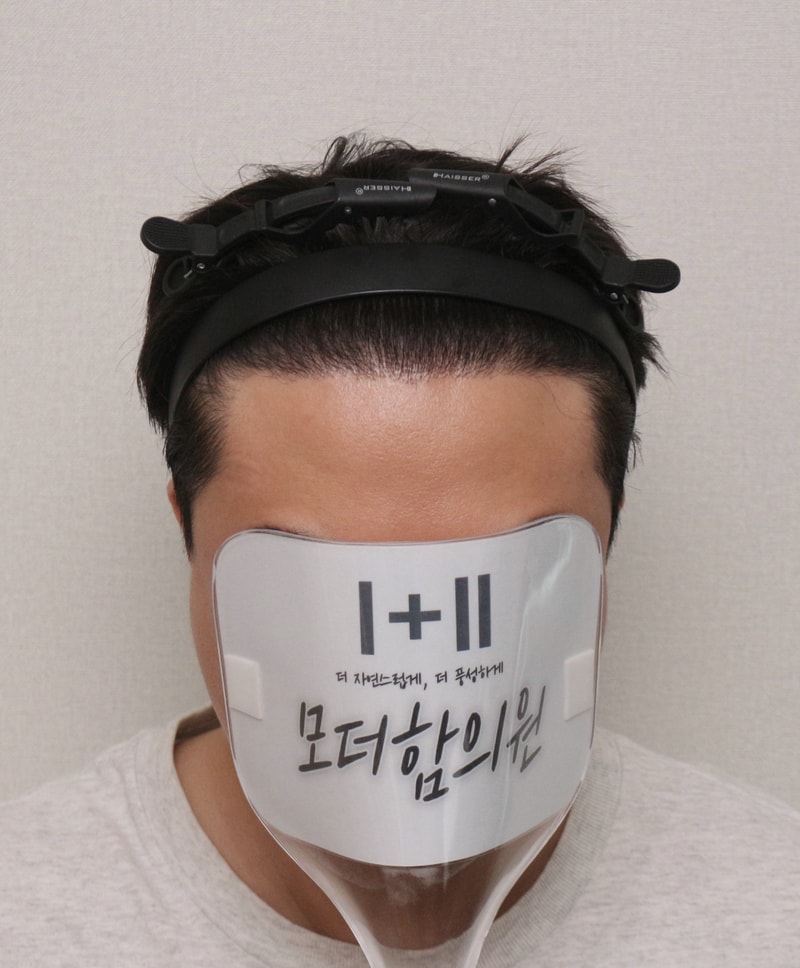
 Moderhamm Clinic — Hair Transplant Center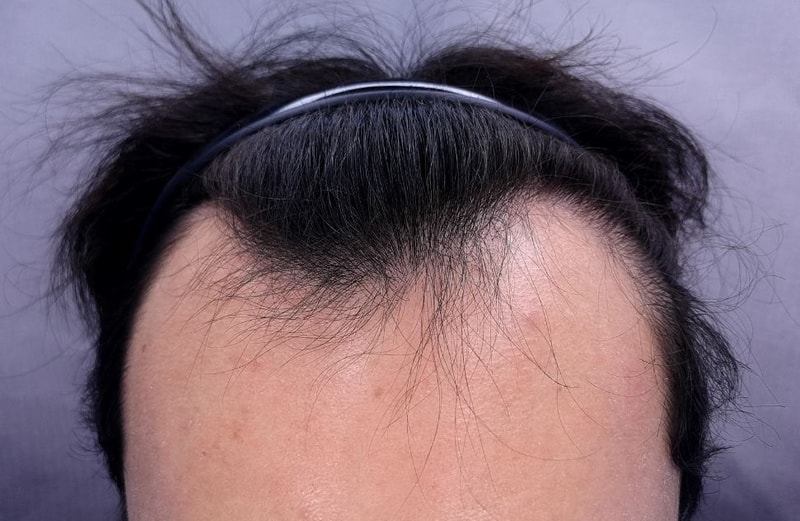
 Yonsei Mobelle Clinic - Incheon Branch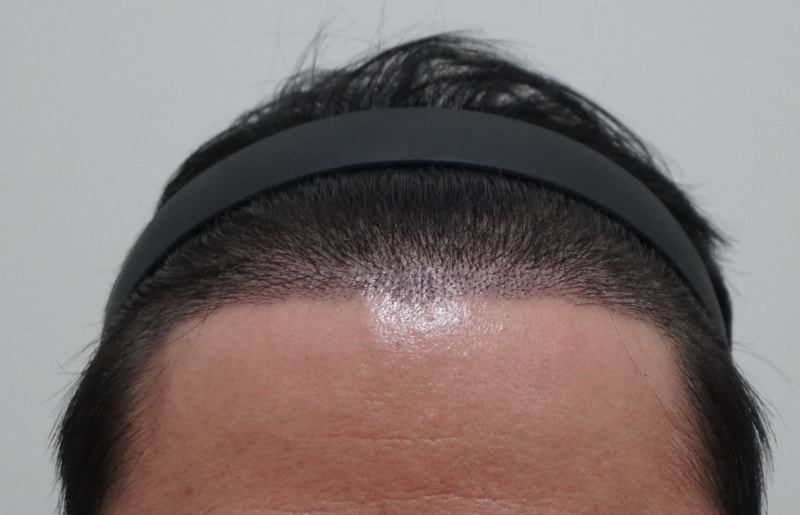
 Yong Doctor Hair Transplant Surgery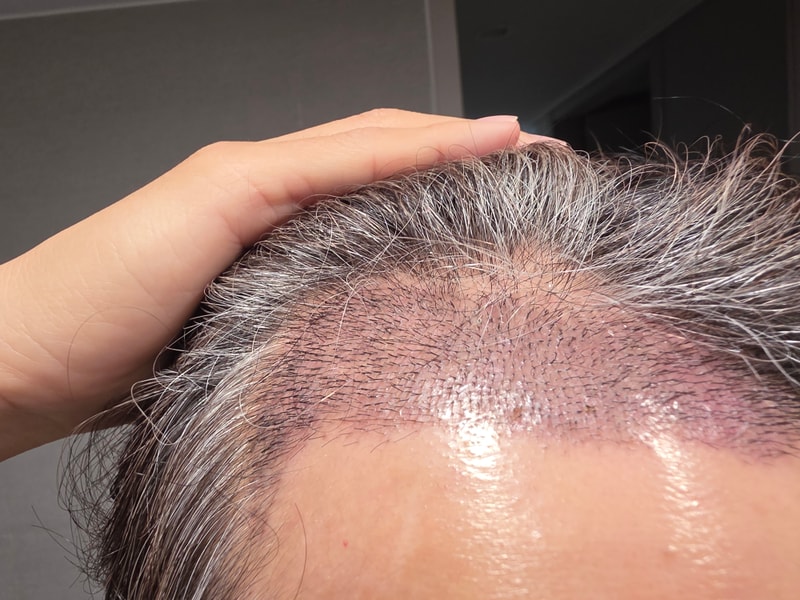
 The Nobleline Center for Alopecia Care
 HAIRO HAIR TRANSPLANT CENTER Busan
 Hannaeve plastic surgery
 MO.1 plastic surgery
 Busan Grow House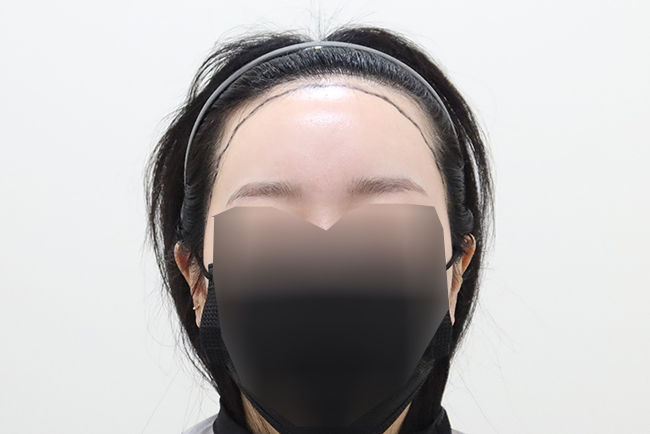
 Momo Clinic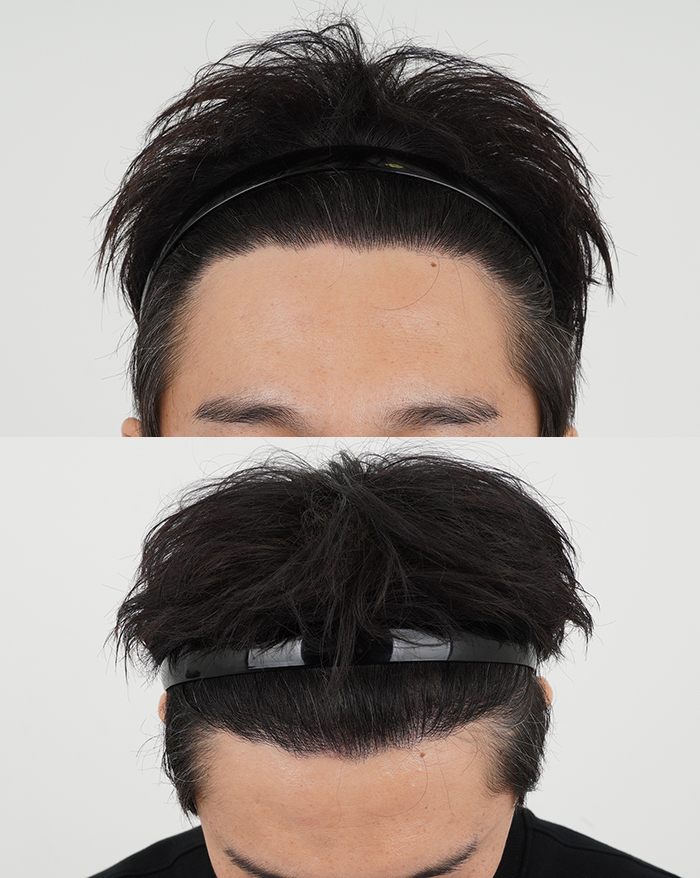
 MOMO's Suwon branch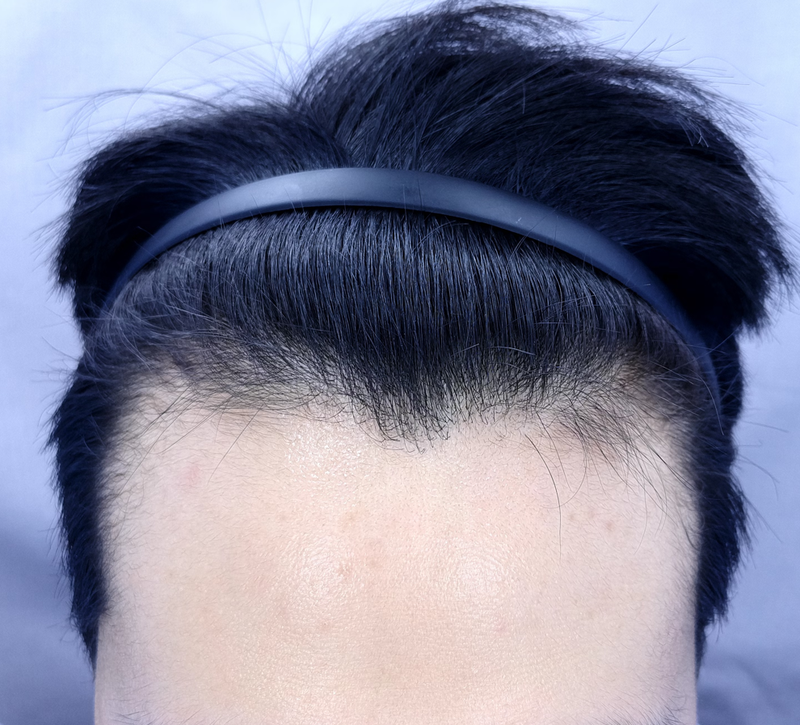
 The Jongno Headquarters of the Yonsei Mobel House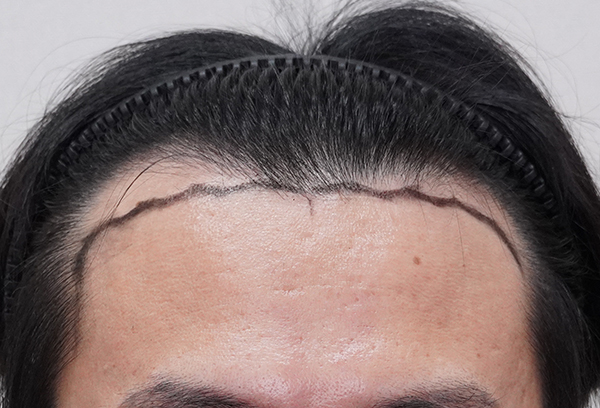
 Momo Clinic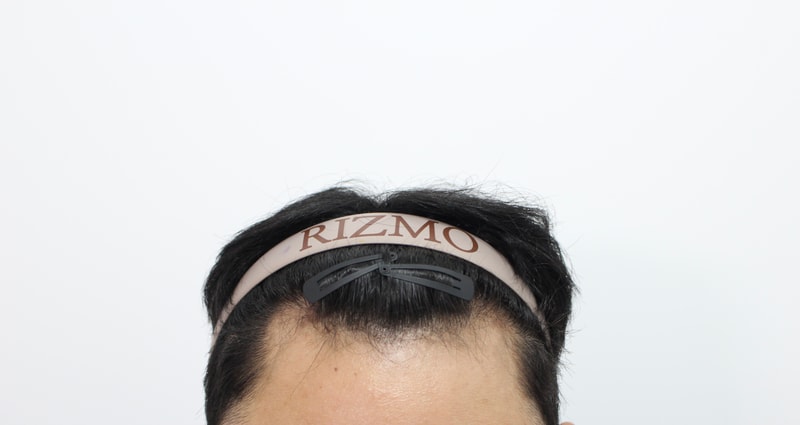
 Rizmo Clinic - Busan Branch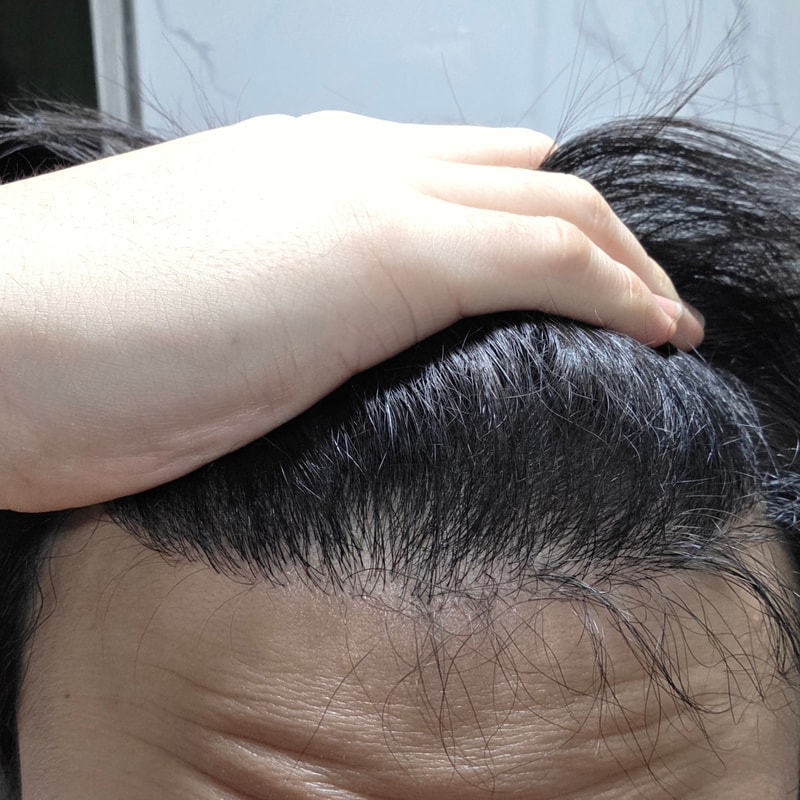
 MYMO HAIR TRANSPLANT CENTER Incheon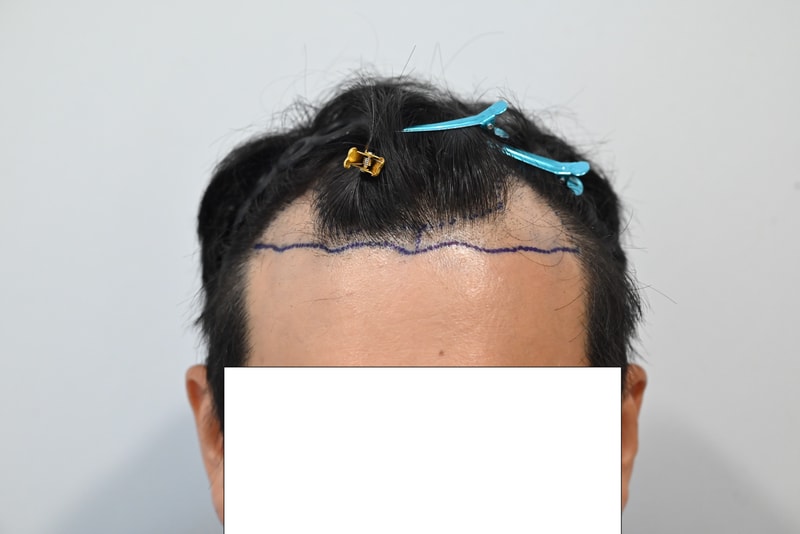
 MOEM Clinic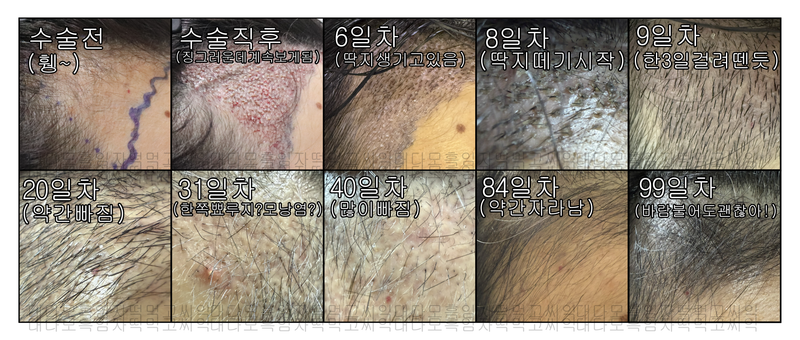
 Dana Plastic Surgery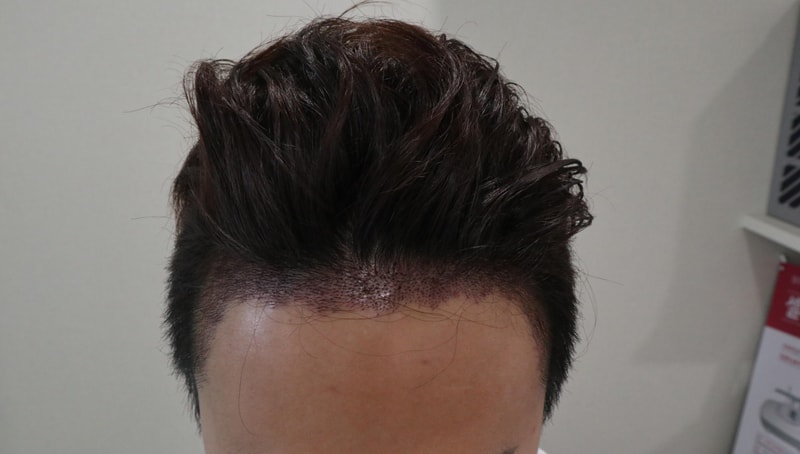
 MOUDA CLINIC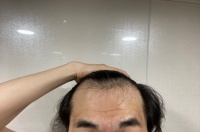
 Modi hariplant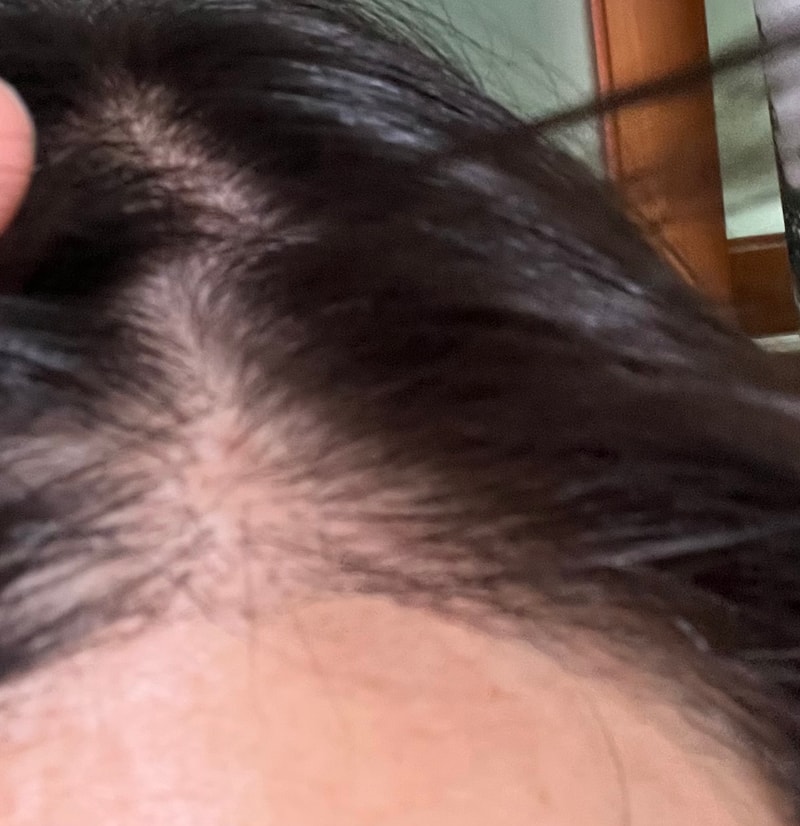
 WOOMCHAN Hair Transplant Clinic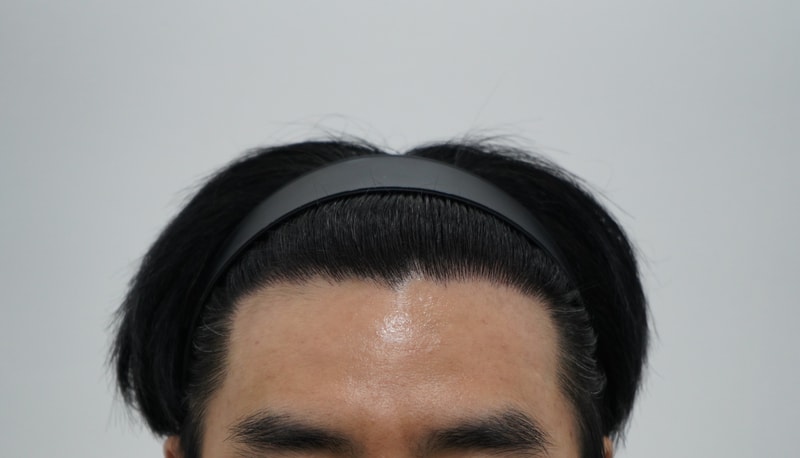
 moart clinic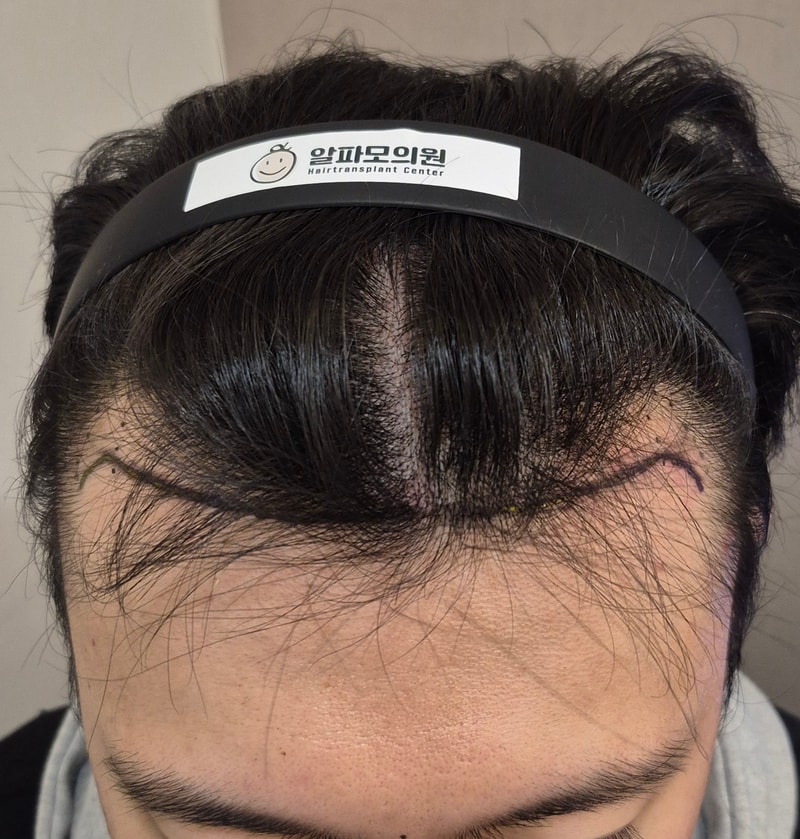
 an alpha-mocking circle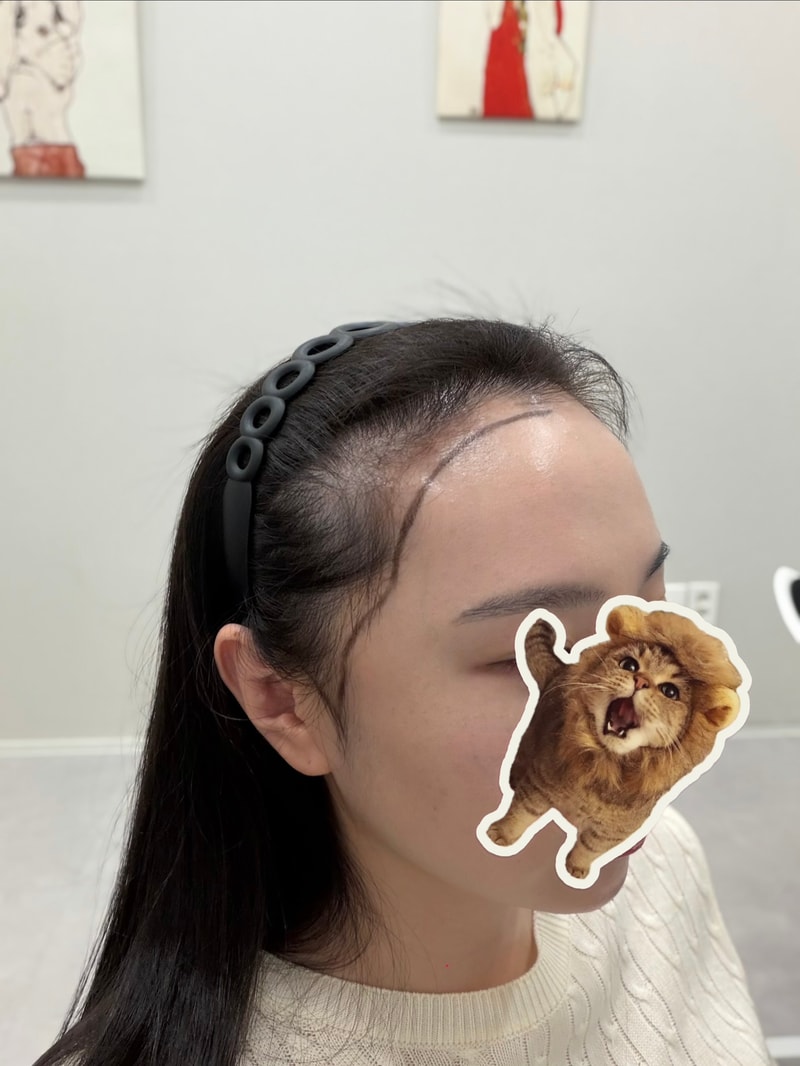
 HAIRO HAIR TRANSPLANT CENTER Dongtan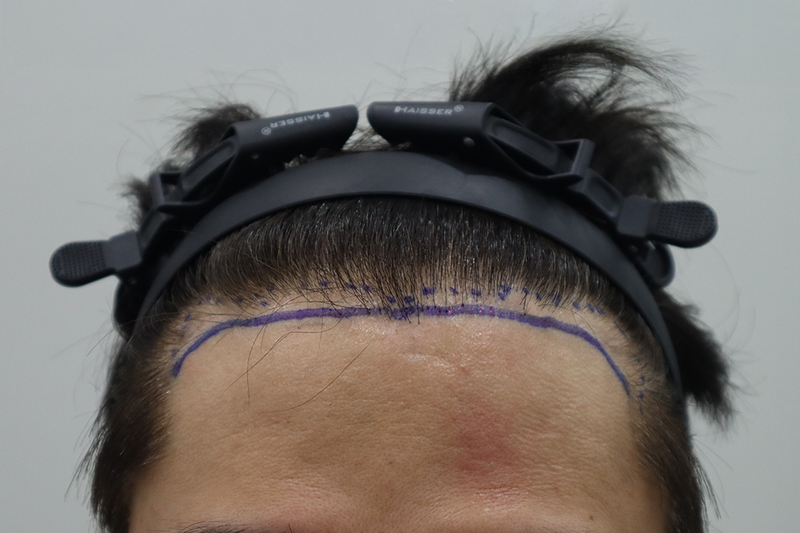
 HAIRO HAIR TRANSPLANT CENTER Jeonju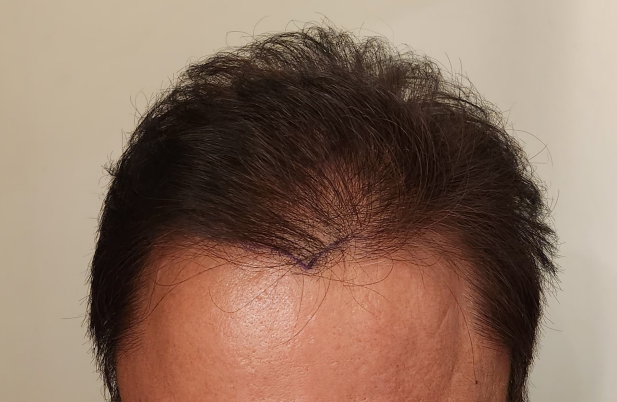
 Yonsei Mobelle Clinic - Daegu Branch
 JP Hair Transplant Clinic
 Banal Plastic Surgery Clinic
 GLOWELL
 MOJELIM Hair Transplant
 Moment Clinic
 Motion Hair Clinic
 MOAMAN CLINIC



- Regardless of the content, the comparative evaluation of A vs. B hospitals, recommendation inquiries, or answers comparing multiple hospitals will be considered advertisements and deleted without notification.
- Posts that are unintended by the publisher but generate indirect promotional benefits to the hospital will be deleted without notification.
Comments 2