This is a question from perilla leaf before, but because it is such a professional field and a controversial topic, the answer was delayed because there was a cautious part. No matter what I answer, I'm sure there are some people who disagree.
Every treatment has its pros and cons.
Since it's a cautious topic, I asked you to come to the seminar and ask yourself about both surgeries, those who had surgery on one side, and Dr. Almani during individual consultations.
The reason why Dr. Almani did not post such a detailed answer to the Great American Damo is that he had similar experiences in the past and had difficulty explaining these technicalities to other doctors.It's not that I don't answer because I can't, but when I start to answer these questions one by one, too many people ask me questions.Maybe these questions didn't come up in the Korean daemo, so if I didn't ask, I wouldn't have answered them because it's a technical part.
In the early days, some doctors in the United States refuted why Dr. Almani transplanted temples, but now many doctors transplant temples.
Just as ordinary people may think differently, doctors may also have different views and know-how.Rather than relying 100% on the answers below, I think it would be best for members to read the posts posted on the bulletin board before making a decision.
First of all, I will answer the overall contents.
Q & A 1) In order to enter the patient group who can undergo surgery with FUE, they must pass the FOX test (ease of extraction), but what criteria do doctors who operate with 100% FUE only determine that they can do FUE only by looking at pictures?
Answer: The FOX test is a very old test method used when a very small amount of 500-1000 hair follicles is transplanted. It is a test developed to measure whether hair follicles can be removed and whether the patient is suitable for the procedure. If this FOX test finds it difficult to extract, the patient is not eligible for FUE treatment and recommends FUSS treatment as an alternative. However, the new FUE extraction method implemented by our hospital is suitable for all patients. And hospitals that conduct FOX tests also provide FUSS procedures as the next best option. Other hospitals, like our hospital, have not yet been able to extract and transplant FUE in large quantities and do not specialize.The proportion of FUE patients in other hospitals who support the FUSS procedure is not a very large part.
2) If you want to do thousands of hair follicles with FUE, you have no choice but to collect the head from the non-safe zone (the part affected by DHT), but why do you say that after a few years, all hair that has grown without DHT's influence is fresh and 100% safe? Answer: All patients have different SAFETY ZONE (the part not affected by DHT). SAFETY ZONE is judged by the patient's hair loss pattern, family history, and degree of hair loss. Some patients may have SAFETY ZONE in the high part, while others may have SAFETY ZONE in the low part. Only hair follicles that are not affected by DHT are selectively selected and transplanted.Our hospital has special technology to distinguish safe SAFETY ZONE.
3) After collecting by FUE, fine wounds remain on the skin of the collected area and the flexion changes slightly, making the operation much more difficult if the second operation is performed again later, and if the second operation is performed by FUE, the density of collection is low, so it cannot be planted much. Why is no one mentioning this part?
Answer: There may be problems in general hospitals using the general FUE extraction method, but some of our patients have undergone 5-6 FUE procedures, but there were no such problems. This does not apply to our hospital, and patients can expect an incidence rate of more than 95%. This is a problem with the usual FUE procedure, but this problem is quite different from the technology used in our hospital.
4) Among the 2-step and 3-step FUE techniques, 2-step techniques are collected with a sharp blade, so there is a high risk of hurting hair follicles (transmission), and 3-step techniques are used to take a blunt blade in the deepest part. There is less risk of hair follicles getting hurt than 2-step, but there is a risk of hair follicles getting stuck deep into the skin and developing into cyst. Answer: Step 2-step is to judge the angle and depth of the hair follicles using a blunt punch at the beginning. Then remove the hair follicles with a sharp punch. This process theoretically minimizes hair follicles from getting injured. However, as perilla leaf said, in reality, the subcutaneous tissue gets hurt. In Almani Hospital, it is extracted using only one step rather than the second or third step extraction method, so it minimizes wounds to the hair follicles and minimizes damage to tissues around the hair follicles. Unlike common FUE technology, hair follicles minimize damage to surrounding tissues.
5) Why don't you mention this risk when there are some capping of the top of the hair follicle when collecting hair follicles with FUE?
Answer: The FUE procedure we designed, not the usual FUE procedure, can extract about 15,000 to 20,000 hair follicles. It can be extracted about four times more than the FUSS method. FUE technology allows doctors to remove hair follicles as much as possible to the extent that they are not affected by DHT. Since more and more people are choosing FUE rather than FUSS, which may leave a large scar on the back of their heads, our hospital also decided to go to a specialized FUE hospital. If you do not have technical skills even if you perform the procedure with FUE, there may be the aforementioned risks. However, we are minimizing this risk with our abundant experience and technology.
6) Hair collected by FUE is much more likely to damage hair follicles when planted because there is no or less fat or skin protecting them around hair follicles, unlike hair collected by FUSS. Why don't you mention this risk?
Answer: 9 different sizes of punches are used to protect the hair follicles as much as possible.It uses the most suitable size punch depending on the size and depth of the hair follicle, minimizing tissue injury around the hair follicle.
7) Hairline or temples should be made of 1 hair follicle = 1 hair. If 1 hair follicle = 1 hair is lacking, 1 hair follicle = 2 hair or more, which is relatively easy to collect by FUE, should be micro-cut under a microscope to make 1 hair follicle = 1 hair. What is the basis for making hair follicles safe and safe in the process?
Answer: I think this question is a disadvantage of FUSS rather than a disadvantage of FUE.
One of the biggest advantages of FUE is that doctors can choose the hair follicles they want. For the hairline, choose a hair follicle containing one hair to give it a natural look. The FUSS method only uses hair follicles within the extracted range. In other words, there are limited hair follicles that can be selected and used.For example, during the FUE procedure, if you lack hair follicles containing hair, you can collect it again, but you cannot do so if you have performed the procedure with FUSS. You should make the most of it in the extracted hair follicles.Because of this, sometimes doctors transplant hair follicles containing two hairs near the hairline.Because the hair follicles need to be re-arranged within a limited hair follicle, if the hair follicles are misplaced, you may make the mistake of cutting the head twice. The FUE procedure does not need to be divided separately because the doctor selects only the hair follicles he wants, and the implantation rate can be maximized because the extracted hair follicles are transplanted.
And above all, the hair follicles in the best condition are located behind the ears, so they cannot be collected using the FUSS method, but they can be collected using the FUE method. FUE treatment is a treatment that doctors can avoid because it takes a lot of technical difficulties and more time, but it is a better treatment for patients.
--------------------------------------------------------------------
Both the FUSS method and the FUE method have advantages and disadvantages.
It would be better to compare the pros and cons of the two procedures and choose the method you want.
I hope it's a helpful information for our colleagues.





 국영수
국영수
 도와주새요
도와주새요
 탈모는극복하는것
 기다림m
기다림m
 K4969242801
 MO.1 plastic surgery
 Yong Doctor Hair Transplant Surgery
 HAIRO HAIR TRANSPLANT CENTER Daegu
 Moderhamm Clinic — Hair Transplant Center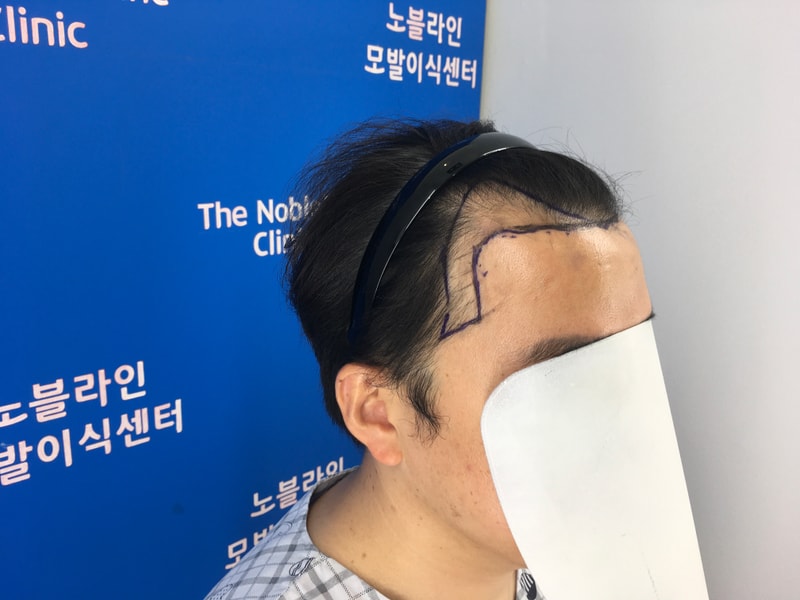
 The Nobleline Center for Alopecia Care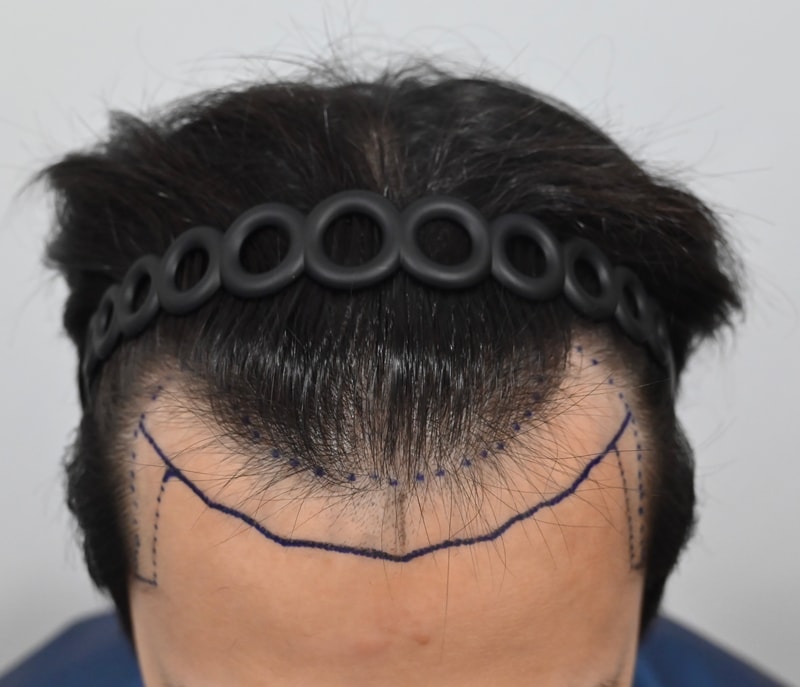
 MOEM Clinic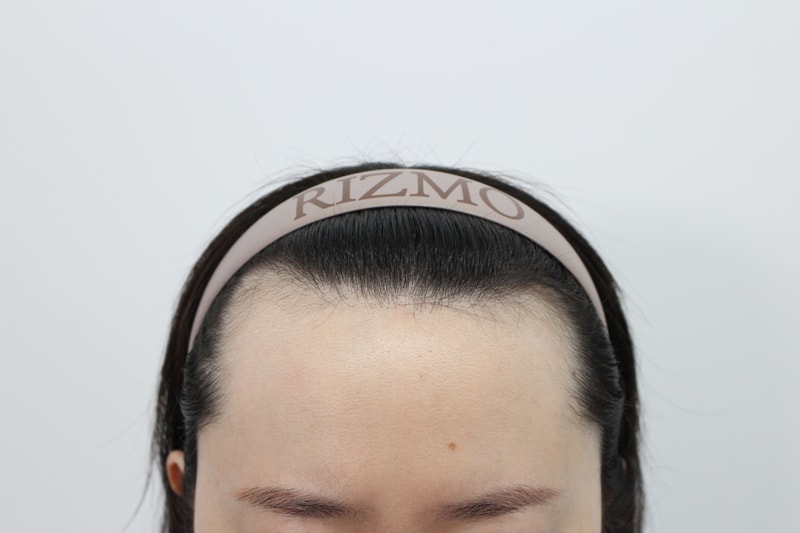
 Rizmo Clinic - Busan Branch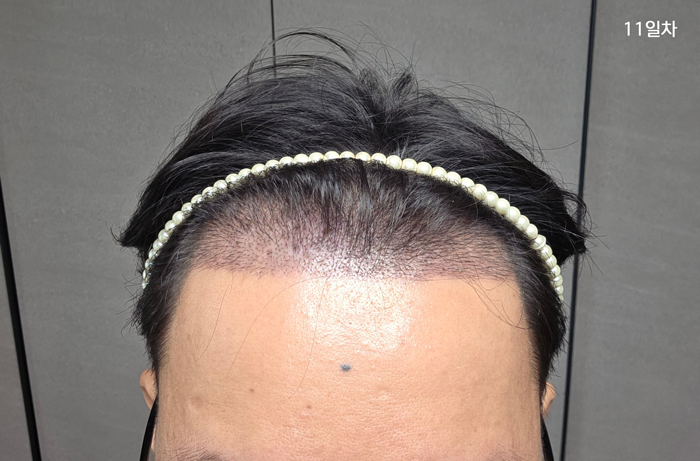
 Modi hariplant
 Incheon Mammoth Hair Restoration Center
 Yonsei Mobelle Clinic - Incheon Branch
 MONARA dermatology clinic
 apgujeong mobien
 Mo&Bless Hair Clinic
 Mammoth Hair Restoration Center Busan
 Momo Clinic
 Hannaeve plastic surgery
 HAIRO HAIR TRANSPLANT CENTER Dongtan
 an alpha-mocking circle
 Mopro Clinic
 Mo Jaesung Plastic Surgery & Hair Transplant Center
 moart clinic
 MYMO HAIR TRANSPLANT CENTER Incheon
 Modeunmo Clinic
 Busan Grow House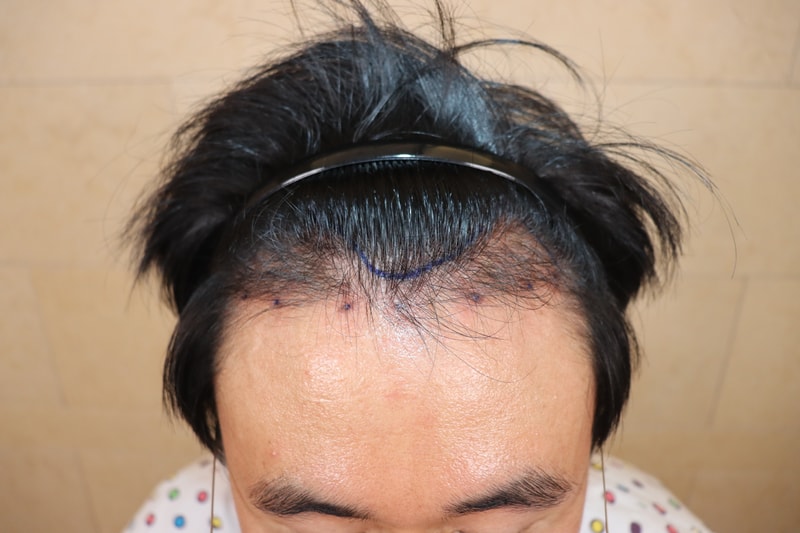
 WOOMCHAN Hair Transplant Clinic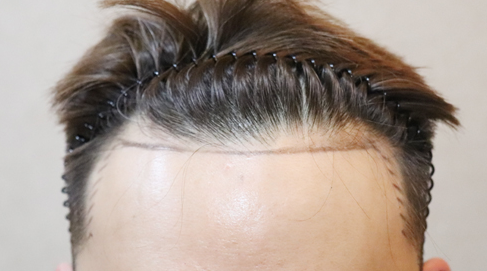
 JP Hair Transplant Clinic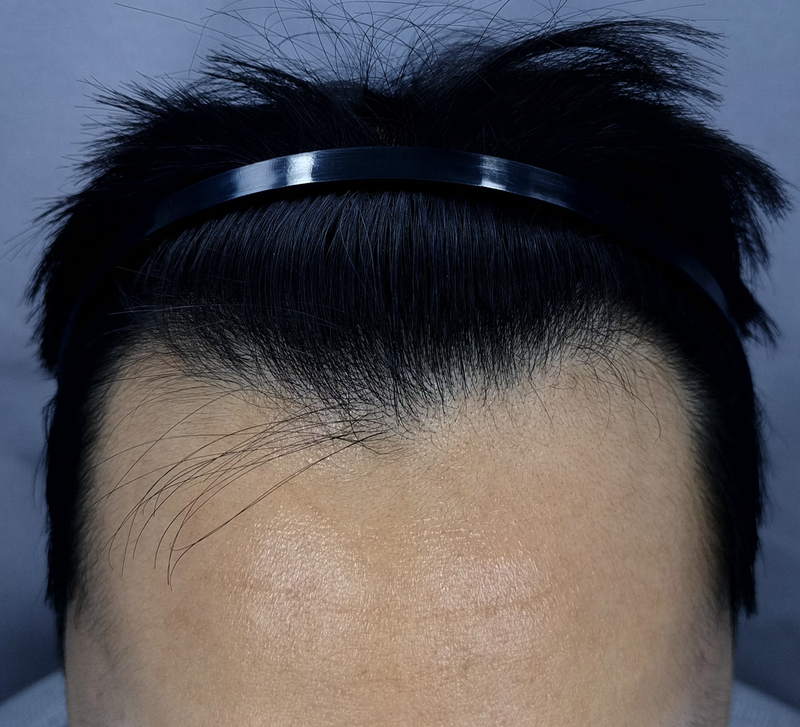
 The Jongno Headquarters of the Yonsei Mobel House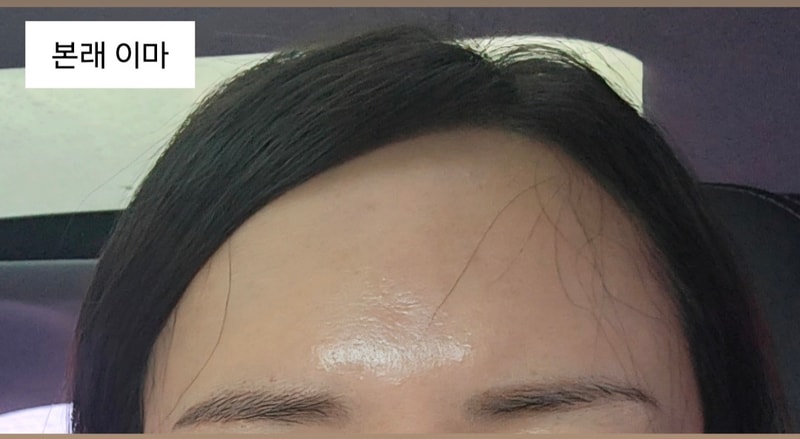
 Banal Plastic Surgery Clinic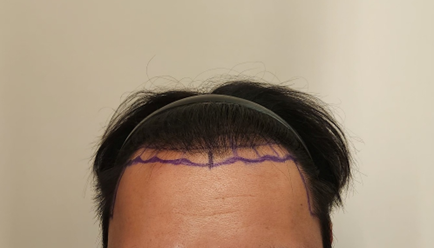
 Yonsei Mobelle Clinic - Daegu Branch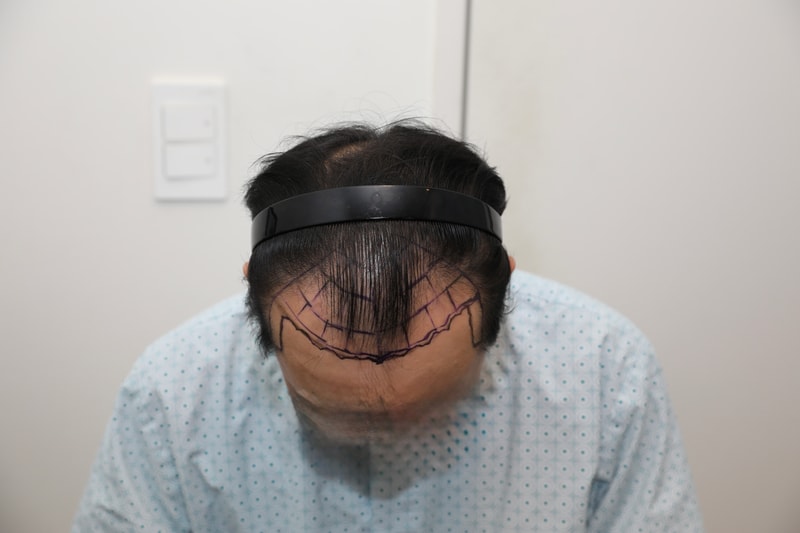
 NEWHAiR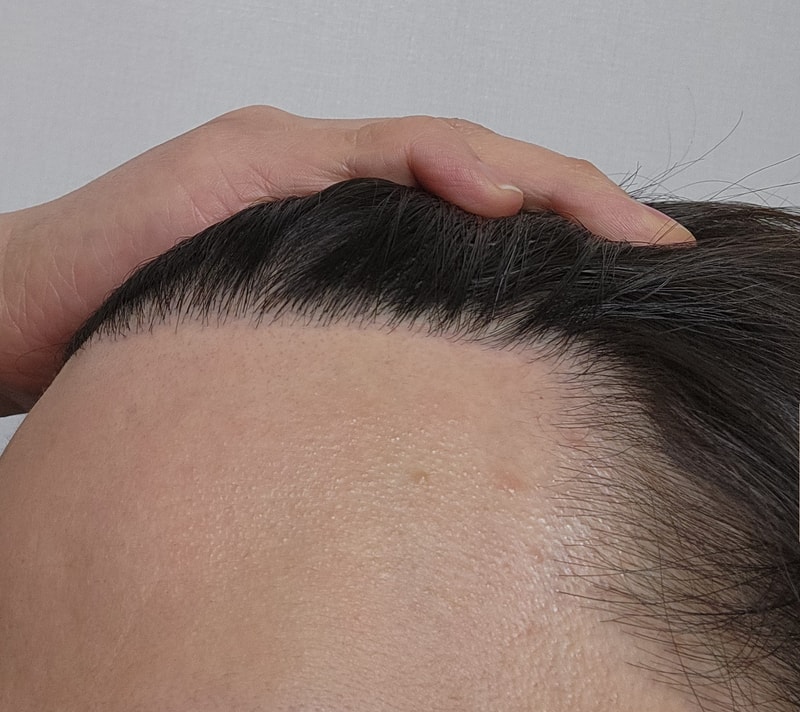
 Dana Plastic Surgery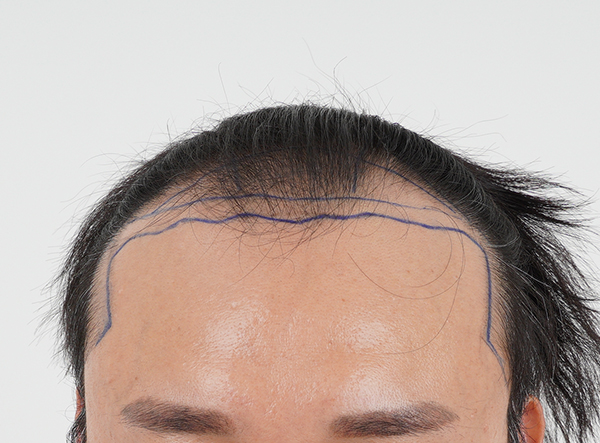
 MOMO HAIR TRANSPLANT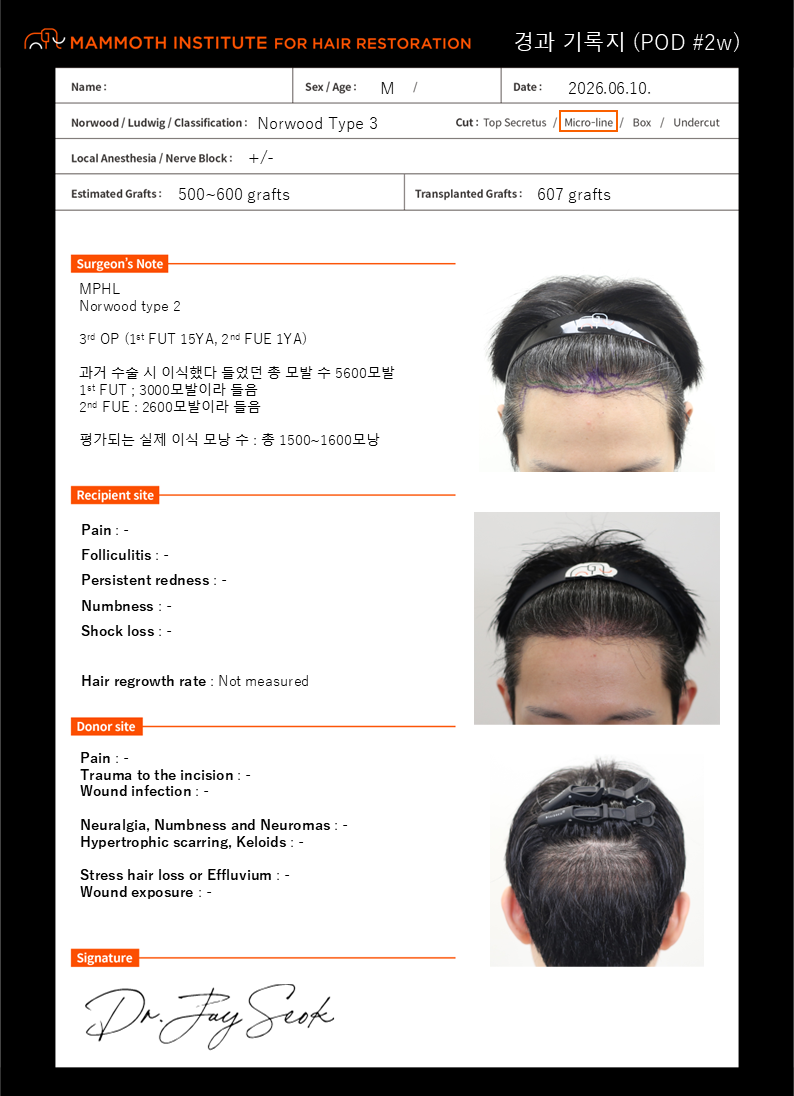
 Mammoth Hair Restoration Center, Apgujeong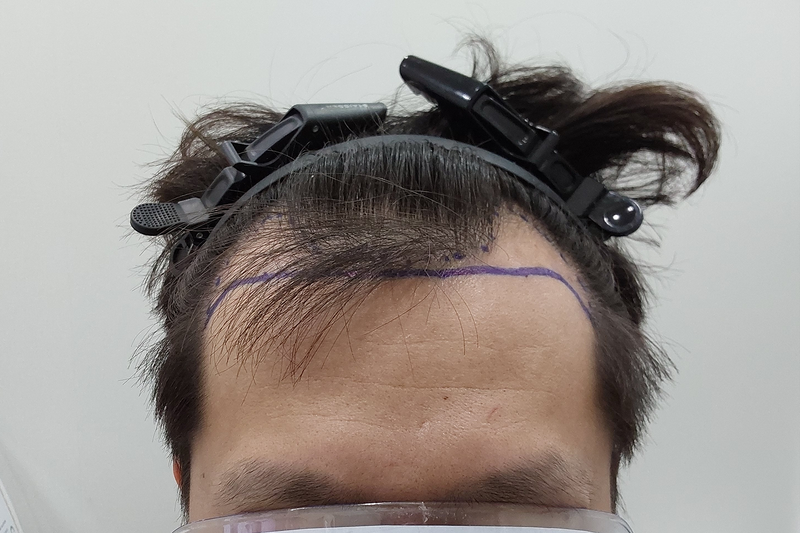
 HAIRO HAIR TRANSPLANT CENTER Jeonju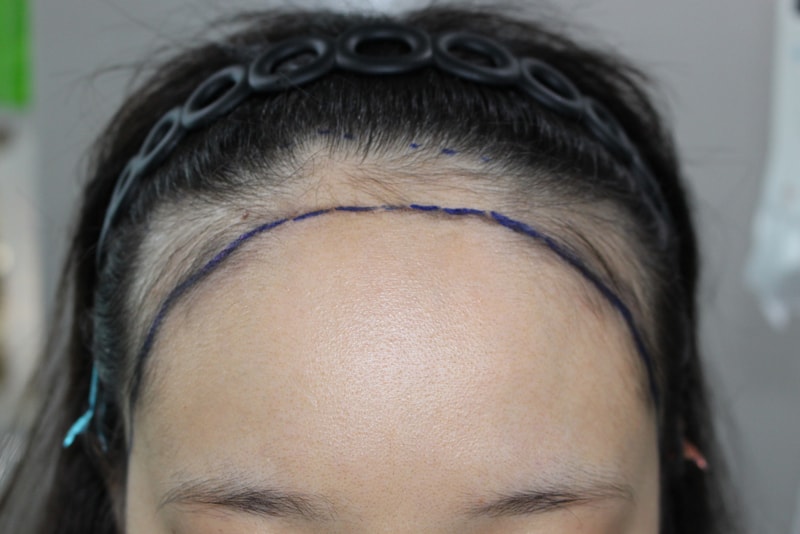
 Modaol Hair Transplant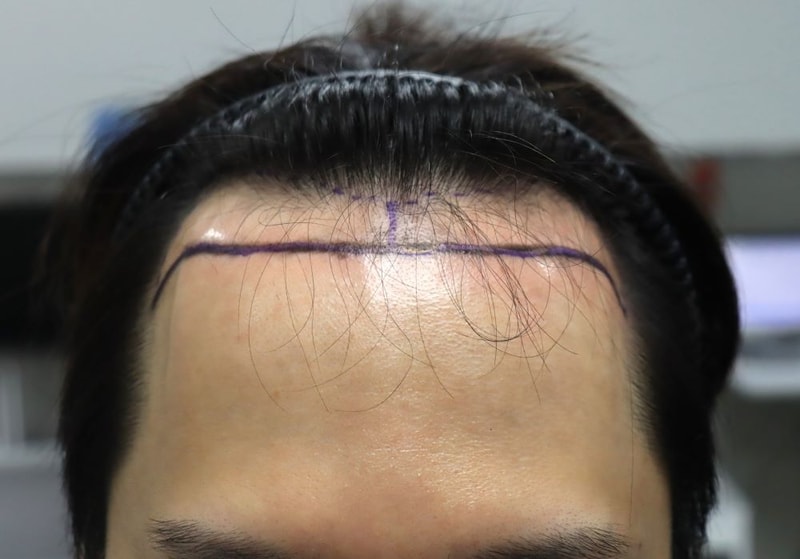
 FORHAIR Hair Transplant Korea
 Mowoolim Clinic
 MOUDA CLINIC
 MOBARUN HAIR SURGERY
 HAIRO HAIR TRANSPLANT CENTER Busan
 Momo Clinic
 MOMO's Suwon branch
 GLOWELL
 MOJELIM Hair Transplant
 Moment Clinic
 Motion Hair Clinic
 MOAMAN CLINIC



- Regardless of the content, the comparative evaluation of A vs. B hospitals, recommendation inquiries, or answers comparing multiple hospitals will be considered advertisements and deleted without notification.
- Posts that are unintended by the publisher but generate indirect promotional benefits to the hospital will be deleted without notification.
Comments 3