




- Surgery Method non-cutter
- Implanted Amount 3500grafts (1750Hair follicle)
- Surgery Progress 20days
- Age Range in one's 30s
Hair transplantation is more important than anything else because the final result is finally confirmed after a year.
It is a space where members are diagnosed with their condition after surgery and counseled on postoperative management, case-by-case occurrence, and additional supplementation methods.
It has the most clinical data in the world, where doctors related to hair transplantation also visit to study cases.
Thank you to all the seniors who left a meaningful record that can't express its value to someone preparing for surgery.
Leaving photo data after surgery is also "patient strength" and is a strong insurance policy against future unexpected surgical outcomes.

[Modi hairplant]
[Hair Transplant's honest review] That's an obvious line. I hope it helps.
-
2days ago
-
435
0
-
Satisfaction with Surgery
5.0
-
Scope of surgery
-
 Type M2
-
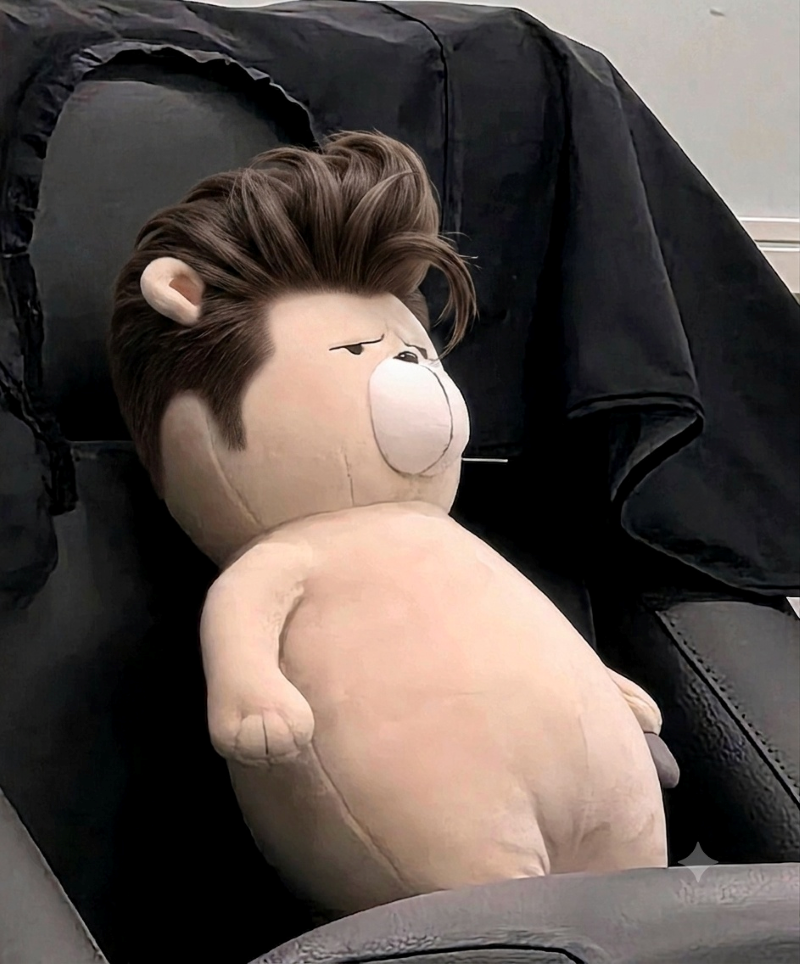
I'll start with this genre's obvious line, like the usual advertising text. It's "Hair Transplant's honest review." I hope it will help someone.
I did a preliminary survey of about 12 Hair Transplant lawmakers, and after selling seven of them directly for consultation, I chose "Modi Hair Implant." In fact, at first, I set my own standard of 'male director + surgery fee ***10,000 won' unconditionally, so immediately after the counseling tour, the priority of other hospitals other than here was a little higher.
However, consideration for patients (counseling process, homepage design and information, pamphlets, care kits, etc.) was the most delicate here. I turned the reasonable(?) hope circuit, "Wouldn't this delicacy also instill my precious hair follicles meticulously?" and eventually reached the final decision after consulting twice again.
Although it is said to be a circuit of hope, it has its own clear basis. Please note that the information is quite well organized on the website of this hospital. Honestly, it's obvious that men would be bothered to look at each of these things, so I'll just summarize the features of this hospital.
<Specialties Summary>
Low-temperature storage and organ transplant preservation fluid \n Low-temperature storage seemed to be done in all hospitals only in different ways, but this seemed to be the only place I was consulted to use 'organ transplant preservation fluid'.
Self-made hair follicle detailed classification container \n Instead of the consultation manager or the director's subjective criteria, the hair follicles are classified in detail according to the specifications indicated on the container. Looking at the introduction video of surgical instruments, it seems that they use fairly reliable equipment.
Systematic scalp care program \nHave high pressure oxygen therapy, hair cell magnetic field, scalp high frequency, and regenerative laser equipment. In fact, I wonder if this will mean a lot after the birth period, but isn't this also an area of responsibility for patients. It must be a great advantage for those with treatment purposes.
Stem cell utilization and PDRN injection therapy \nWhen I was young, I wondered what that had to do with me, but I didn't know that stem cell technology would be used to plant my bald head. It's something you don't know about life.
There are many places that issue certificates of surgical liability (transplant parameter certificates) \n, but I thought to myself, 'Isn't there a way to know if I really planted that much as a patient?' However, this place was equipped with a transparent system where patients could check directly.
Anyway, when I went to seven hospitals, doctors had slightly different opinions on the above contents. However, from the perspective of consumers, they have no choice but to pay attention to places where they do whatever they can to increase the incidence rate by even 1%. Even if this is marketing, I liked the effort to persuade customers by showing off their differences like this, rather looking sincere.
Of course, the cost exceeded the budget I first thought, but I decided it was worth it. I hope the people who read this will also have a good value judgment. Once again, it's about planting heads. What kind of red is a man? It's my hair.
I am currently in the third week of surgery. I can't record it carefully every day, so there may be some rambling and missing, but I'll try to figure it out honestly by trying to remember it.
Here we go.
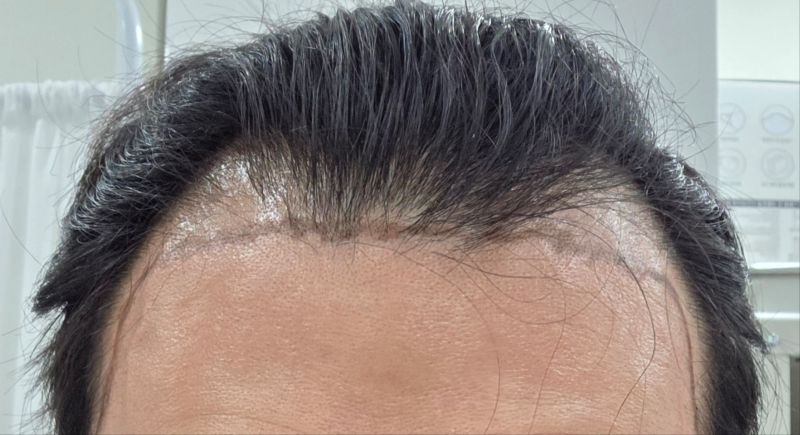
<Design consultation before surgery>
For reference, the reason for the surgery was that my future was reflected in the appearance of Saul Goodman, who was baking cinnamon rolls in the drama "Better Call Saul", and I decided to operate. I take this opportunity to express my deep gratitude to my brother.
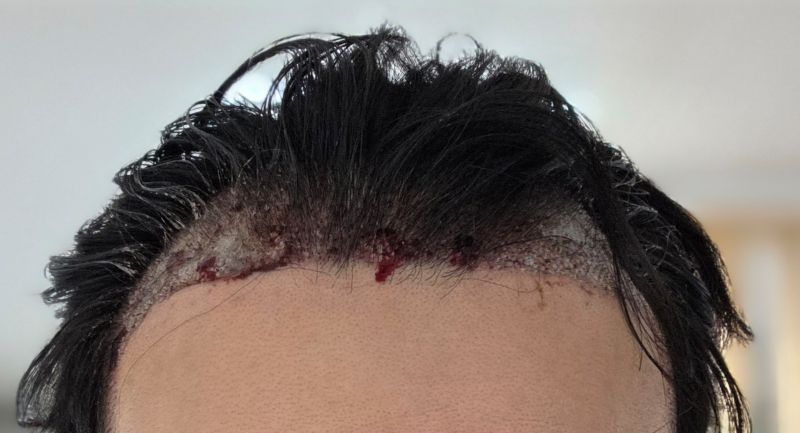
<Day 1> On the day of surgery
After hearing the schedule from the counseling manager, I finally discussed the design with the director. (They give me prescriptions in advance, so let's go to the pharmacy no matter what. Unless you're going to the pharmacy wearing a surgical cap.)
Entrance to the operating room after changing the operating clothes. The operation time is quite long. Since you're playing the song you want to listen to, let's prepare the song request in advance. When I sit in a chair where I will be lying down as a "plant," they even set up wireless earphones so that I can watch YouTube.
I tried to watch it comfortably, but I almost dozed off because I stayed up the night before. After half-asleep anesthesia, scalp anesthesia was performed, so there was no pain at all. When I rest in between, I can check the hair follicles pulled out from the back of my head in real time with a monitor.
Check for pain during surgery and if you feel sick, give it a small amount more, so don't hold it in and say it. As an introvert (I), I tend to put up with it, but as I endured it, it was unexpectedly a beneficial time to learn that my pain threshold, pain tolerance, and actually my hair follicles were counted. If you're curious, let's put up with it. Because I slept through the night, the surgery ended quickly, and after greeting the director, who was still stronger than me, it ended.
There is psychological pressure to return home wearing a surgical cap when discharged from the hospital. But don't worry. Delicate Modi pays for a taxi. (Foreigners also pay for accommodation.)
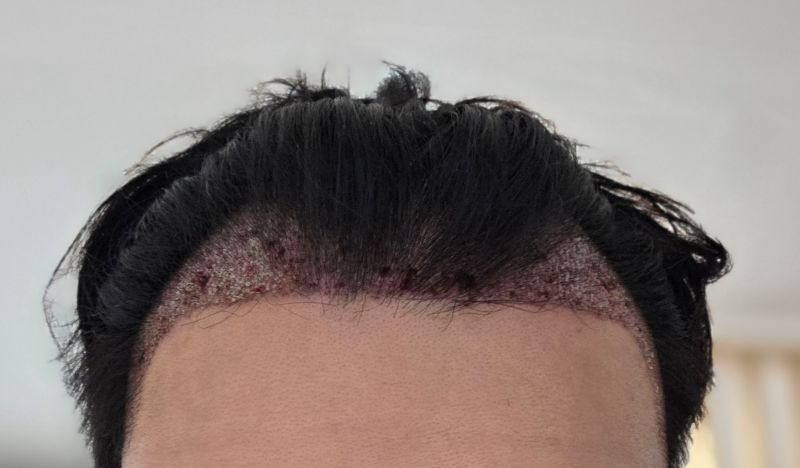
<Day 2> Disinfection and shampooing
The next morning, I woke up nervous, and there was no pain at all, amazingly. I headed to the hospital comfortably.
When you get to the hospital, you go straight to the shampoo room. The nurse will shampoo carefully and explain precautions and home care shampoo methods. When you finish washing it, apply ointment to the surgical area.
He then moved to receive 'high-pressure oxygen therapy', one of the care programs that he picked as a feature yesterday. You go into a capsule or something, and here's a tip. For those who have trouble hearing due to the pressure difference when flying, make sure to ask the staff for a glucose "candy" before entering. Melting candy definitely reduces deafness.
Finally, I met with the director and went home after checking the surgical site. It was the second day that I felt quite treated because there was no pain and the care was clean.
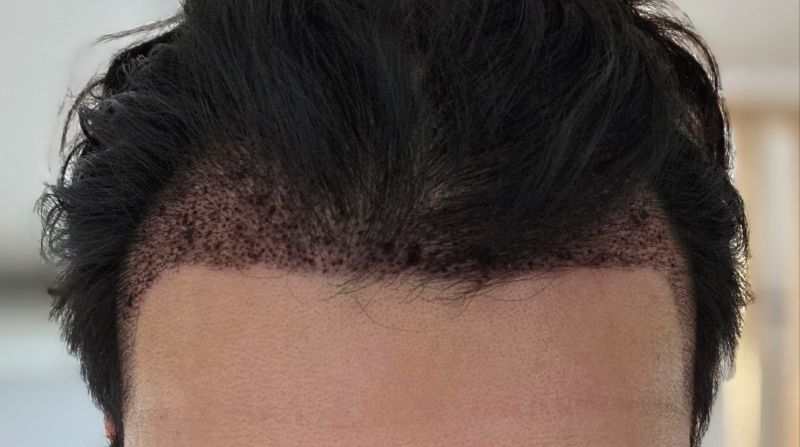
<Day 5> Return to daily life and home care
As far as I remember, the antibiotic prescription was three days' worth, and after I finished eating, I started taking the nutritional supplements I was originally eating again.
For your information, I forgot to take the prescribed painkillers and never took them. Thanks to this, I also forgot the minoxidil in a similar barrel. It really didn't hurt that much, so I forgot the existence of the medicine itself.
I avoided salt and sugary foods as much as I could, and I didn't drink coffee for a good night's sleep. From this day to the second week, I just ate well, washed well as I learned, and moved my body with light exercise.
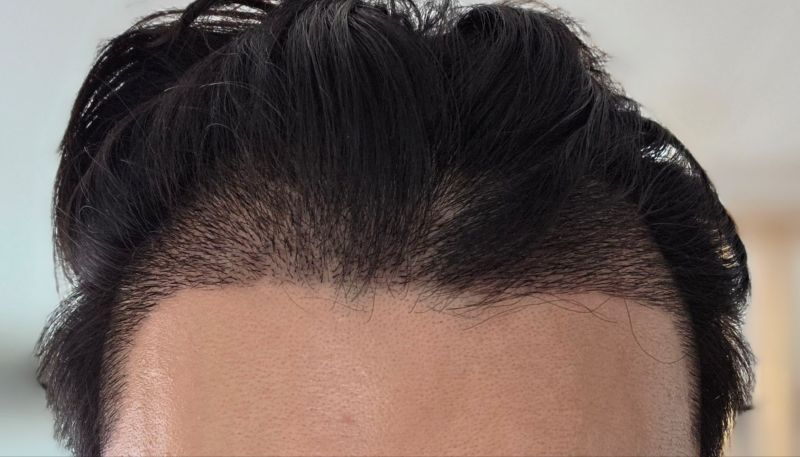
<Suddenly, Week 2> Check the progress of the hospital and check it in the middle
I had surgery for a 'jaw shaving'. The most inconvenient thing about managing until the second week was washing and drying my hair unexpectedly. Guys, if there's no particular reason, let's push it neatly in two blocks before surgery. It's good to take this opportunity to just shave your head.
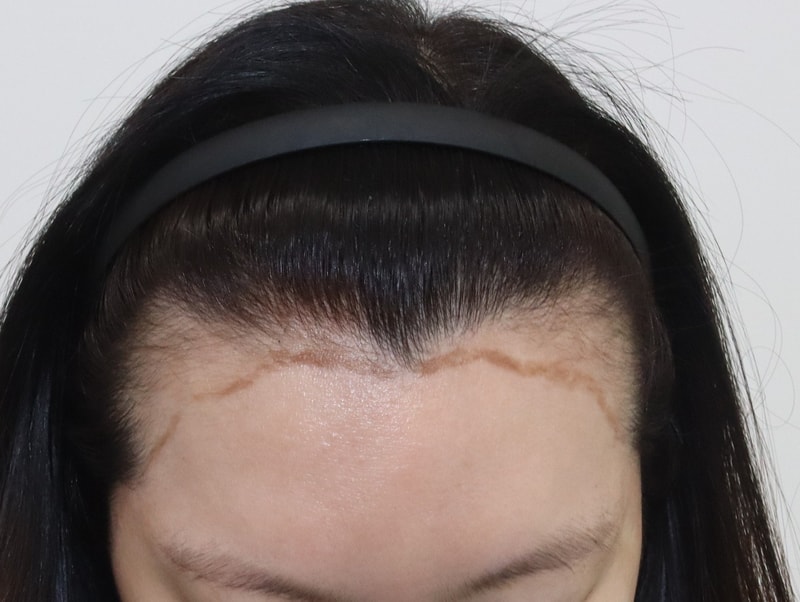
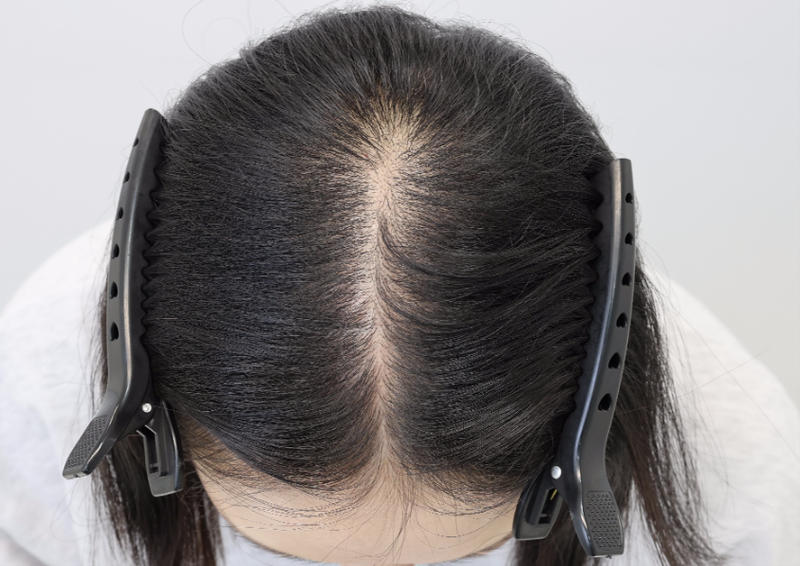
Anyway, you have to come to the hospital in the second week. After taking a picture of the transplant site and scanning the scalp, I consulted with the director. He said that the hair follicle condition is good, so a high birth rate is expected. The hospital said it was my hair follicle, but I think the delicacy played a big role.
From now on, we will watch the progress every three months. Of course, it is up to you to visit the hospital. I'm a 'house fairy', so I don't know if I'll go because I have to protect my house.
Then, if possible, I'll come back to the Dark Ages.
<Tips of senior(?)>
1. Pre-surgery medication
If you're in a state of mind after the surgery, and you don't want to go to the pharmacy wearing a splashing surgical cap, let's go before the surgery.
2. If possible, tidy up your hair
In my case, it was a little uncomfortable to wash and dry my hair. In addition, you have to spray the spray directly on your scalp from time to time, so I recommend you to shave your head neatly if possible.
3. To have a spare surgical cap.
I spent about seven days wearing a surgical cap because I was afraid of unintentionally scratching my head in my daily life or sleeping. There are cases where people wear anti-scratch gloves, but it's frustrating, so I just chose to get my nails done well.
Modi hairplant Photo Reviews
View More-
- 07-06
- View 804
-
-



Comments