There's an explanation for Azelia.
It's from somewhere.
And the side effects are called hematopoiesis
But bleaching is also a side effect.
If you look at the side effects, it's called pore-like keratinosis
It means that there is a side effect of clogging pores, and in this case, it will be worse for your head.
I think it's better not to use acne medication on your head without hesitation.
I think you should use it well.
200mg/g of Azalea Cream (Cream) 10g (AZALEA CREAM (Cream) 200mg/g 10g)
character
an opaque cream of white to yellowish color.
an indication
an epigastric acne.
the capacity of a small amount
1. Wash the affected area thoroughly with clean water or a mild cleanser before applying this agent. Unless instructed by a doctor or pharmacist, apply it twice a day (morning and evening) to the affected area and rub it well. If the skin irritation is very severe, reduce the number of uses to once a day or temporarily stop treatment until the irritation disappears.
2. The treatment period of this drug varies from individual to individual or depending on the degree of acne, but in general, a clear treatment effect appears after about 4 weeks. However, in order to achieve the optimal treatment effect, it is used regularly and steadily for several months.
Treatment of overdose
If a marked stimulating response occurs, reduce the number of applications or temporarily stop treatment.
taboo
a person who has a history of hypersensitivity to this ingredient.
general caution
1. Hypochromic deposition has been reported after using this agent. There is not enough research on the administration of this agent in patients with dark complexion, so early signs of hypopigmentation are monitored in these patients.
2. If sensitive or severe irritation appears, stop the treatment and start other moderate treatment.
3. Use without skipping during the treatment period.
4. Do not use the sealing rack method or the packaging method.
5. Patients with a dark complexion notify their doctors or pharmacists of abnormal changes in skin color.
6. Due to the low pH of azelaic acid, application of this agent to wounded or inflamed skin may usually result in temporary skin irritation (tickness, burning, stab wounds) early in treatment. If the treatment is continued, these stimuli usually disappear. If stimulation persists, reduce the number of administrations once a day or stop treatment until symptoms disappear. If severe irritation persists, stop using it and consult a doctor or pharmacist.
Administering to pregnant/fertilized women:
1. In animal experiments with rats, fetal toxicity was shown when 2,500 mg of azelaic acid per kg of body weight was administered orally per day. Similar results were found in experiments with rabbits and monkeys given 150-500 mg and 500 mg per kg of body weight per day, respectively. The doses with these results were all within the toxic dose range for female animals, and no malformative action was seen in these experiments.
2. Since adequate research has not been conducted on pregnant women, it is administered to pregnant women only when it is judged that the therapeutic benefit exceeds the risk. 3. Equilibrium dialysis was performed to evaluate the distribution of breast milk by in vitro experiments and found that the breast milk/plasma distribution coefficient was 0.7 and the breast milk/buffer distribution coefficient was 1.0 at an azelaic acid concentration of 25 mcg/mL, indicating that the drug could be transferred to breast milk.
Since less than 4% of the topical application is systematically absorbed, it is expected that the transition of azelaic acid to breast milk does not cause significant changes in the basic level of azelaic acid in breast milk, but care should be taken when administering this medicine to lactating women.
Administering to Children:
Safety and effectiveness for children are not established.
Side effects
1. Usually, local skin irritation (e.g., redness, human face, itchiness, and burning sensation) may appear at the beginning of treatment. In most cases, the irritation is mild and disappears by itself when the treatment is continued.
2. Stabbed wounds, pain (刺痛), erythema, dryness, rash, detachment, irritation, dermatitis, and contact dermatitis may appear.
3. Allergic reactions may occur due to the use of this agent.
4. Rarely, exacerbations of asthma, vitiligo, small bleaching spots, polymyelosis, redness (signs of pore keratosis), and recurrent papularis may be present.
5. Rarely, photosensitivity reactions can occur.
application storage caution
1. This subject applies only for external use.
2. Apply carefully not to touch eyes, nose, mouth and other mucous membranes. If it enters the eye, wash it completely with a sufficient amount of water. If irritation persists, consult a doctor or pharmacist.
3. Keep out of reach of children.
Save and Save
an airtight container.





 K4993236009
 다두리
다두리
 로또맘911
 05년생운동선수
 아픈상처에소금
 dnheg
dnheg
 Hannaeve plastic surgery
 an alpha-mocking circle
 Mopro Clinic
 MYMO HAIR TRANSPLANT CENTER Incheon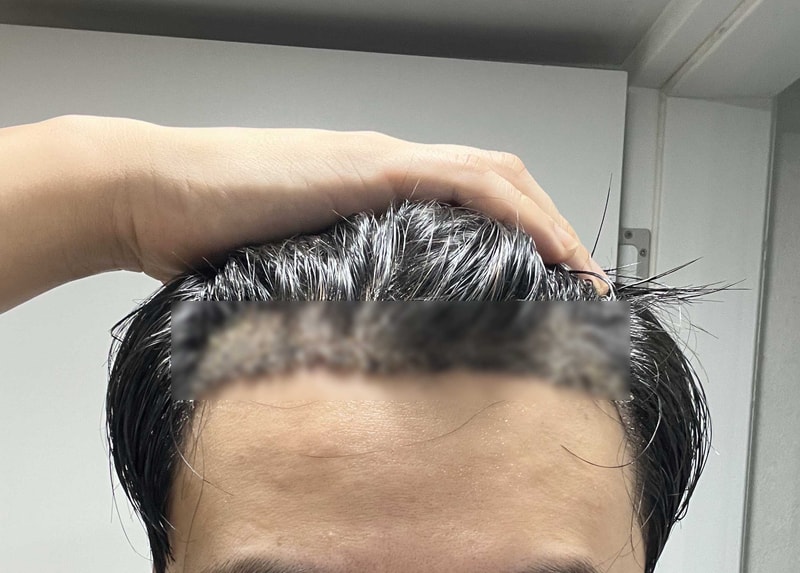
 Dana Plastic Surgery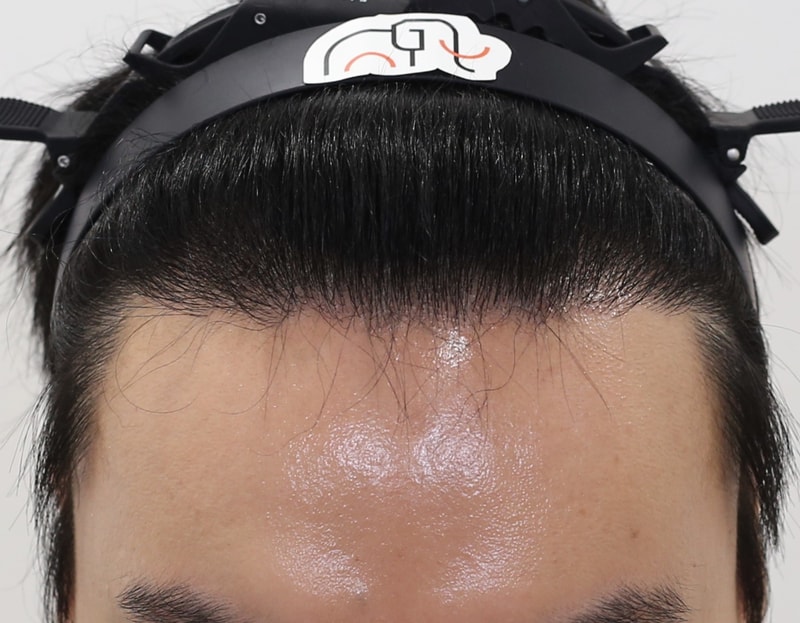
 Incheon Mammoth Hair Restoration Center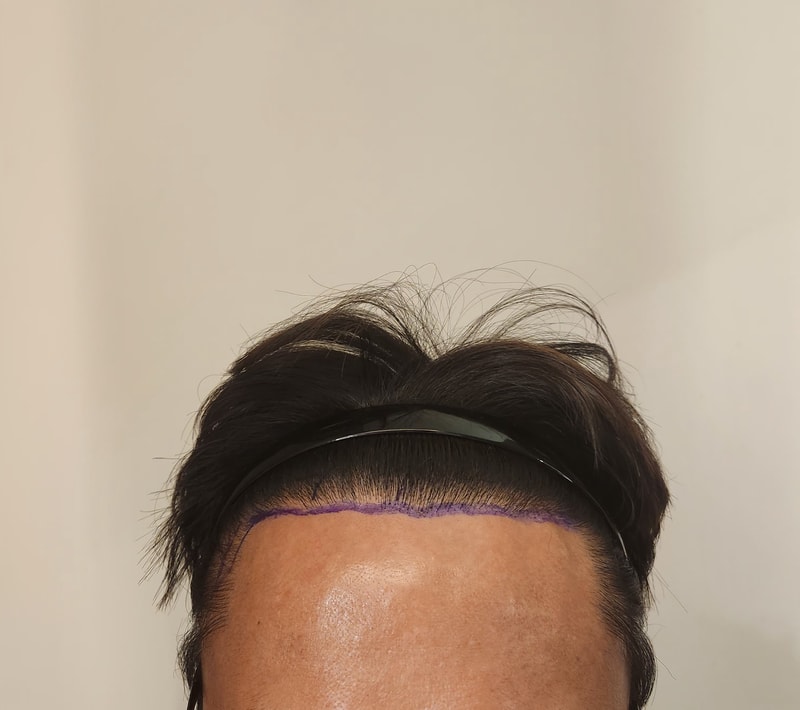
 Yonsei Mobelle Clinic - Daegu Branch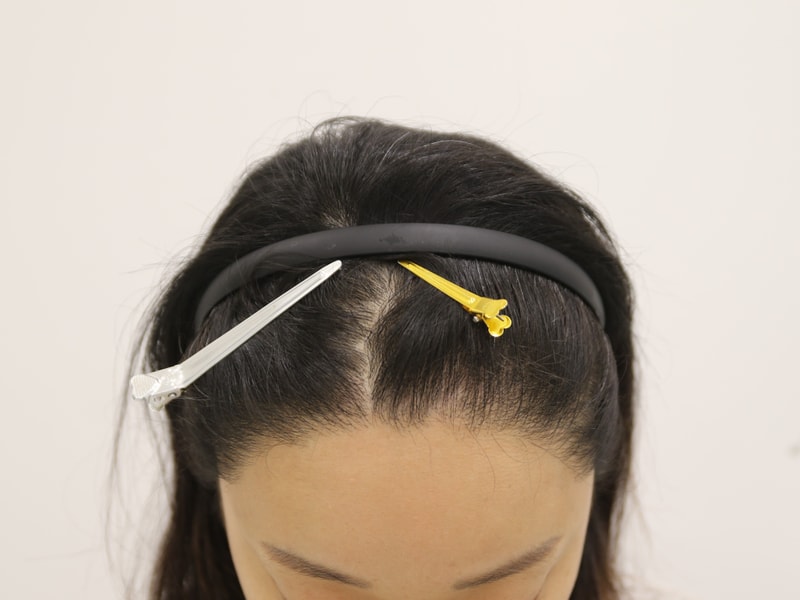
 Mammoth Hair Restoration Center Busan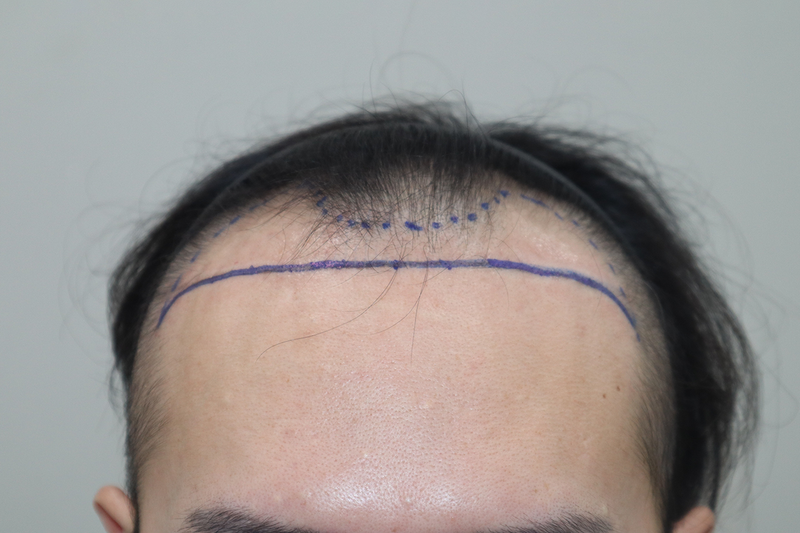
 HAIRO HAIR TRANSPLANT CENTER Jeonju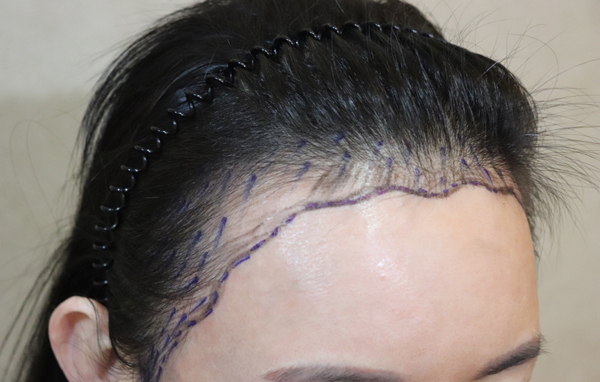
 JP Hair Transplant Clinic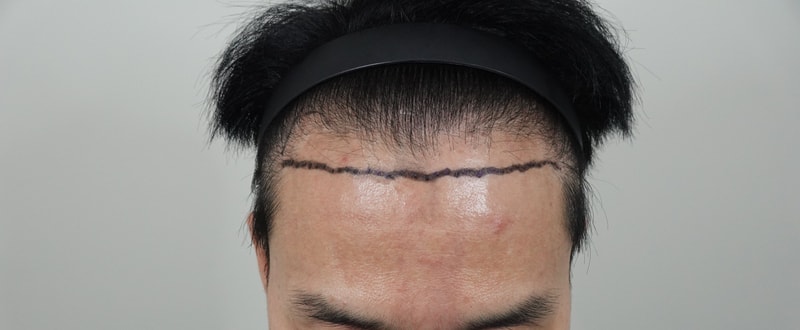
 Yong Doctor Hair Transplant Surgery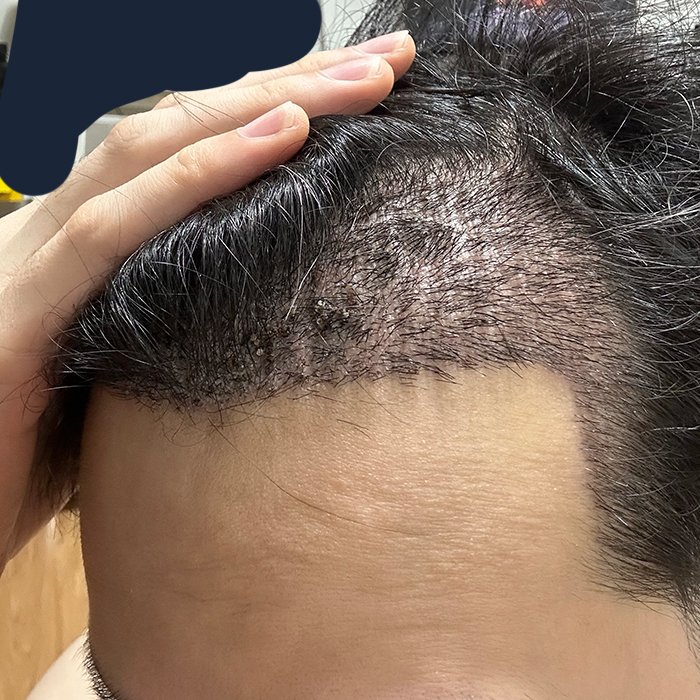
 MONARA dermatology clinic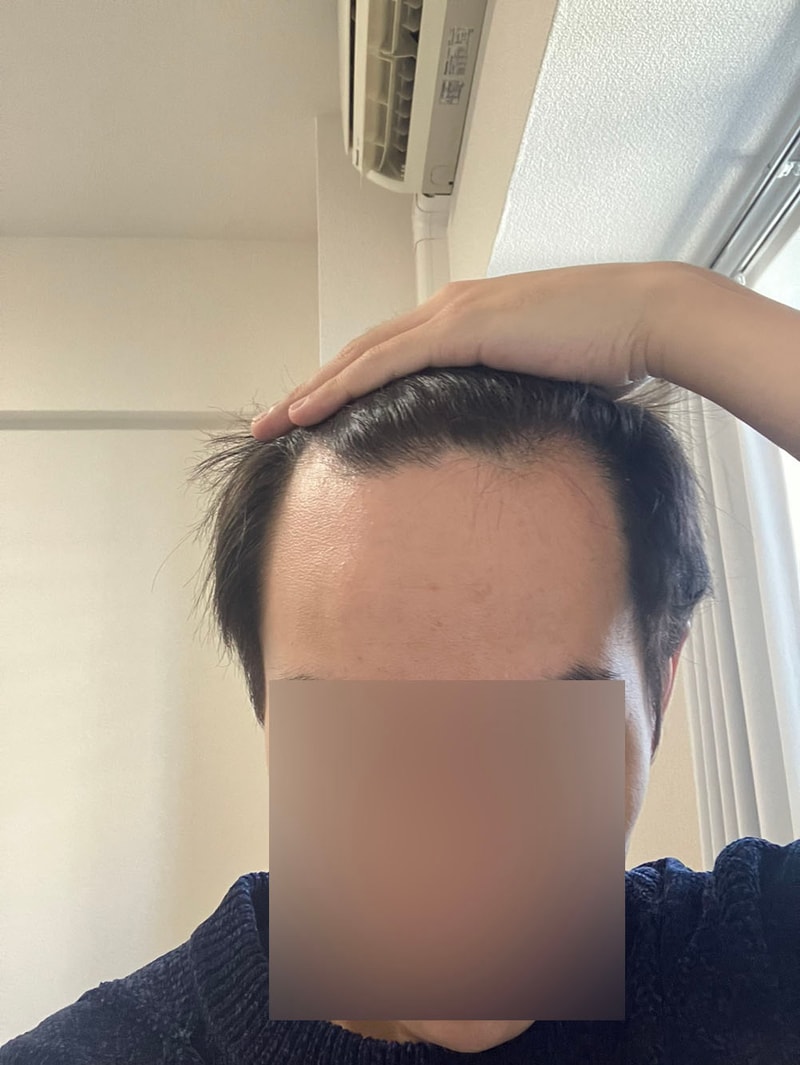
 MO.1 plastic surgery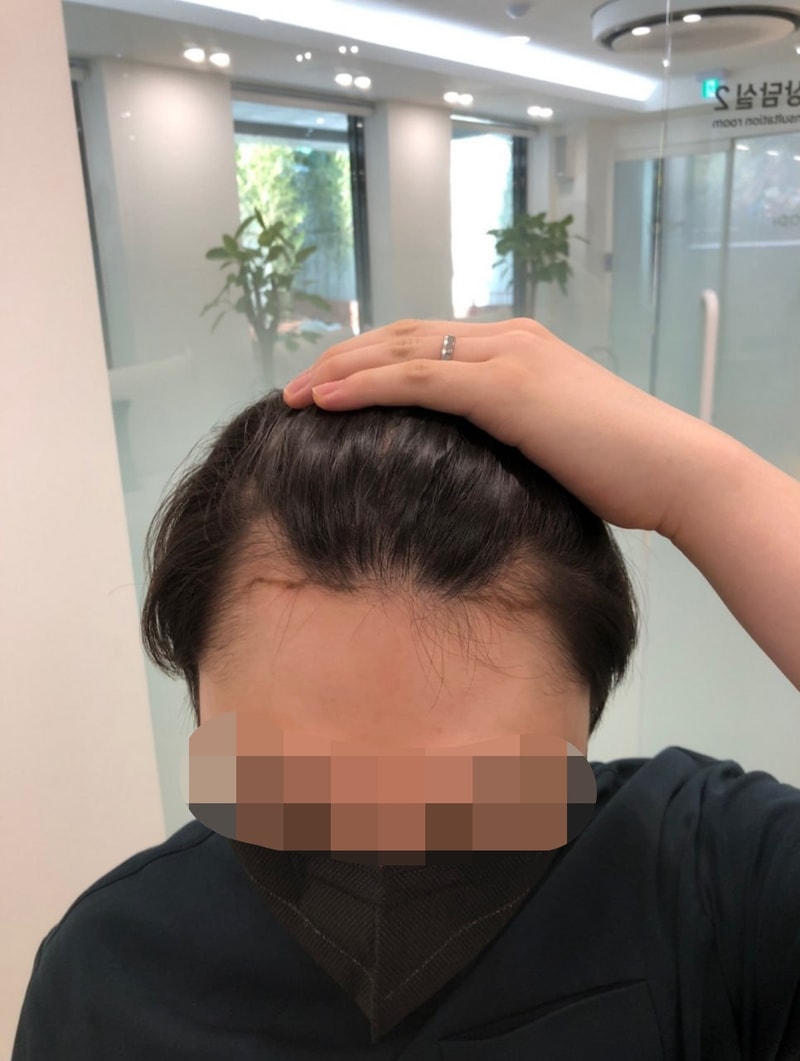
 Modi hariplant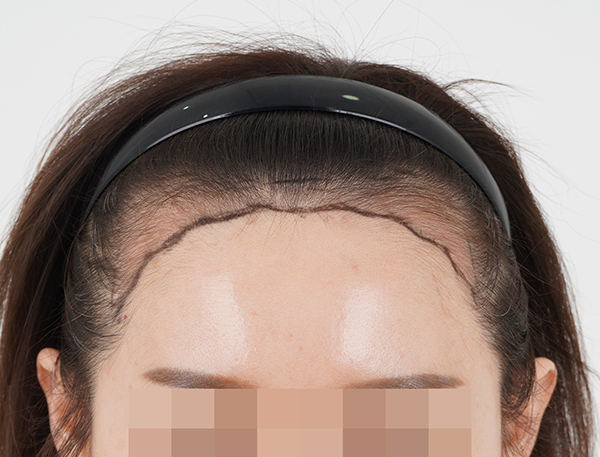
 Momo Clinic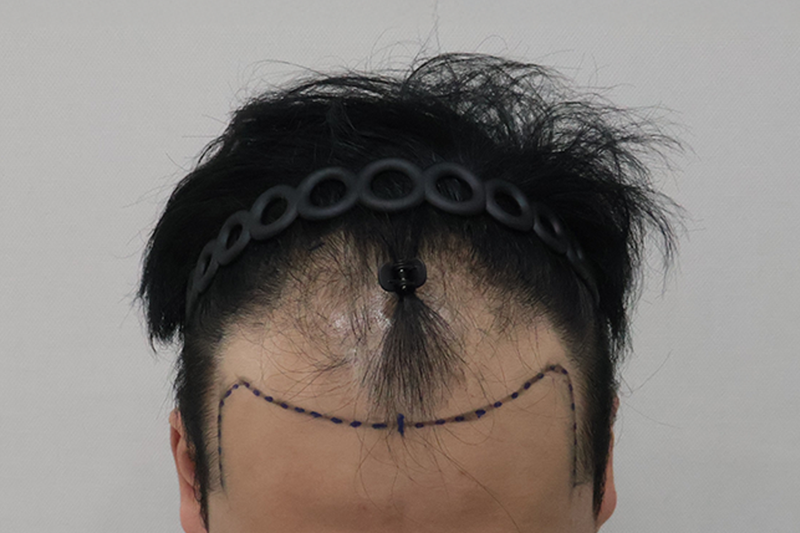
 HAIRO HAIR TRANSPLANT CENTER Dongtan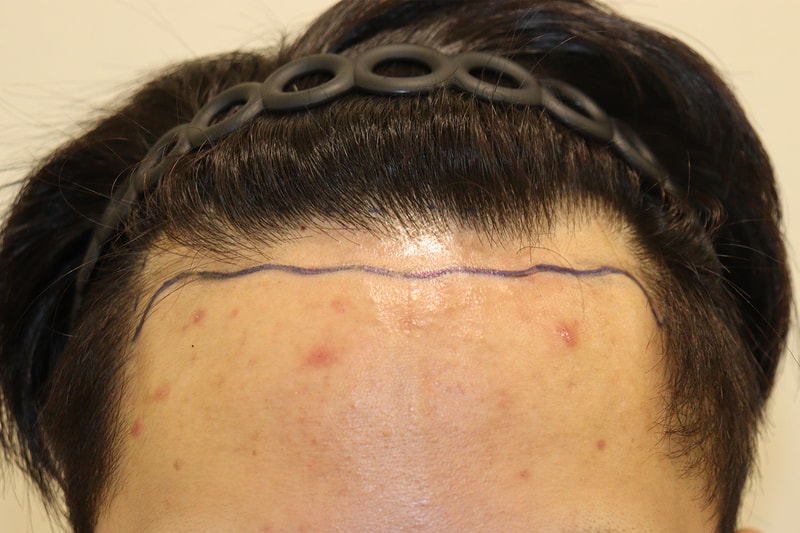
 HAIRO HAIR TRANSPLANT CENTER Daegu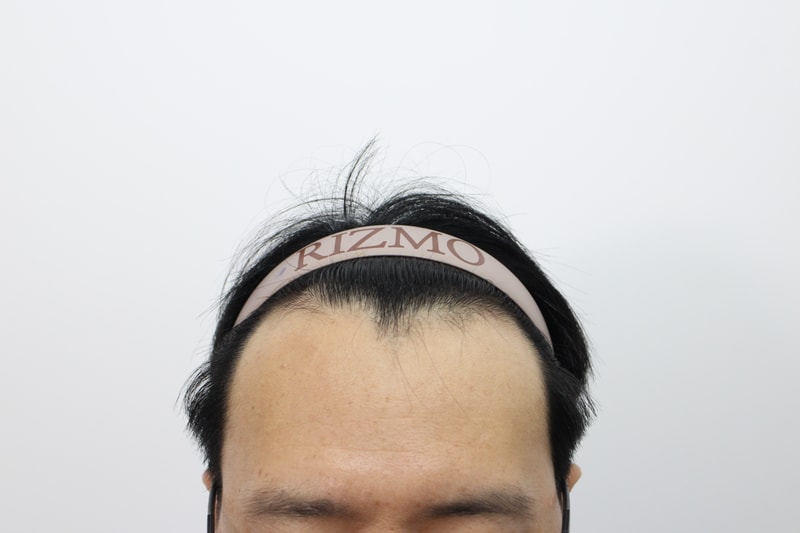
 Rizmo Clinic - Busan Branch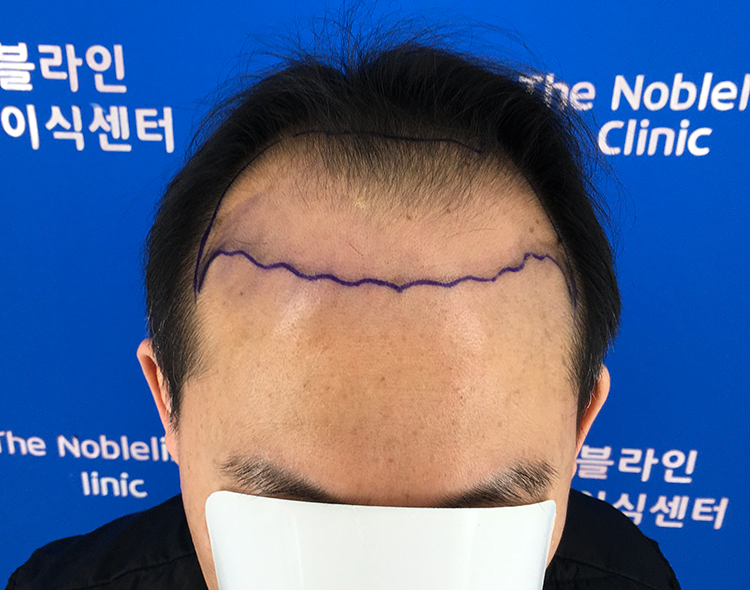
 The Nobleline Center for Alopecia Care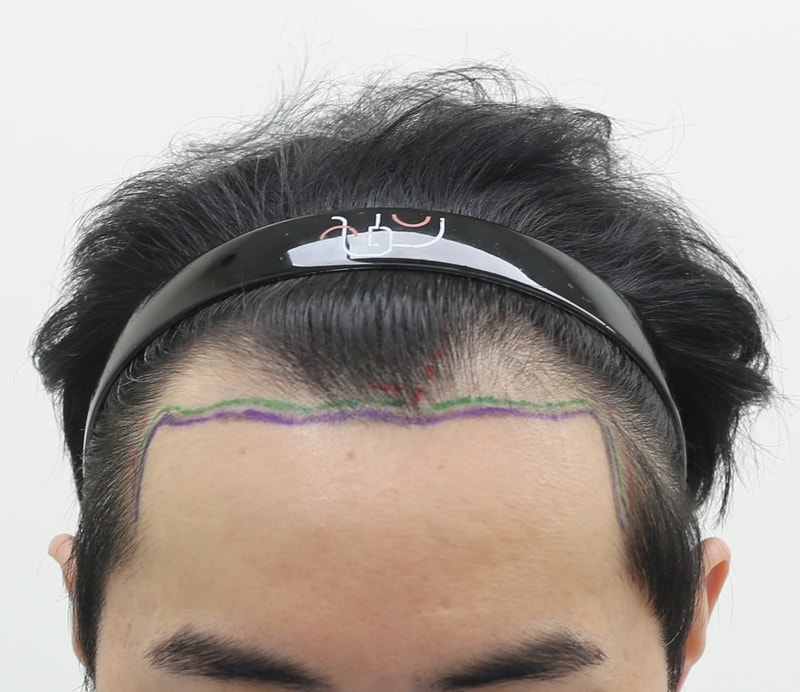
 Mammoth Hair Restoration Center, Apgujeong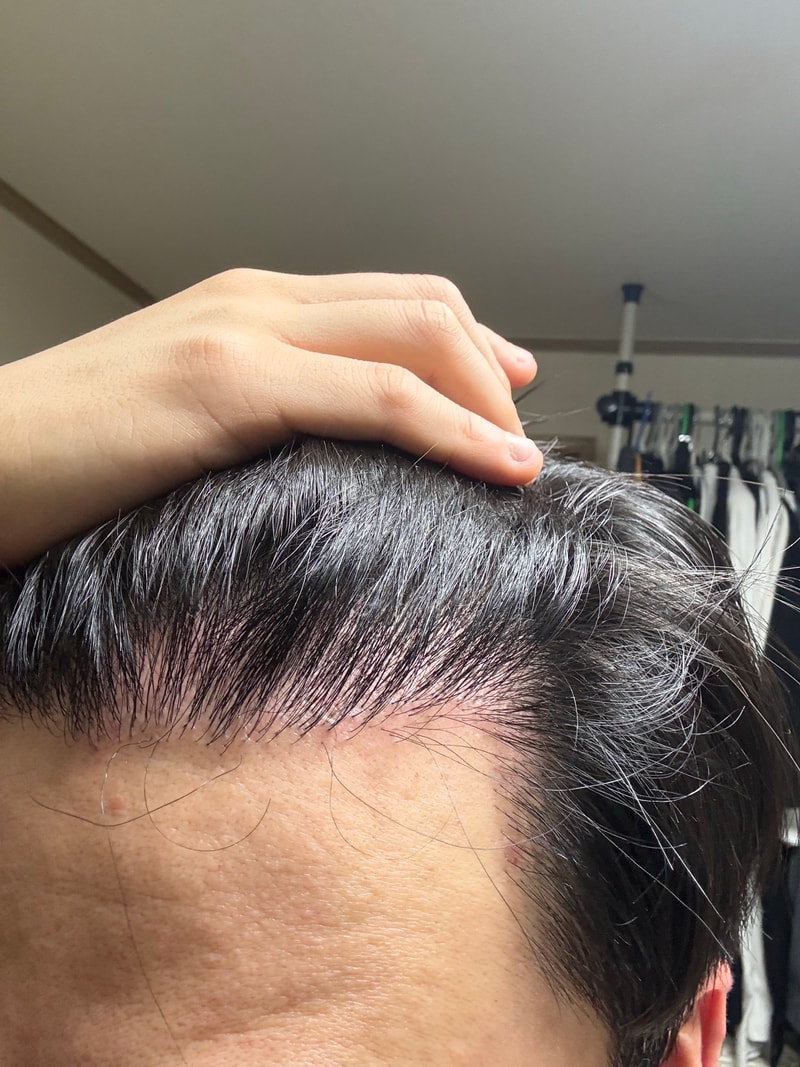
 NEWHAiR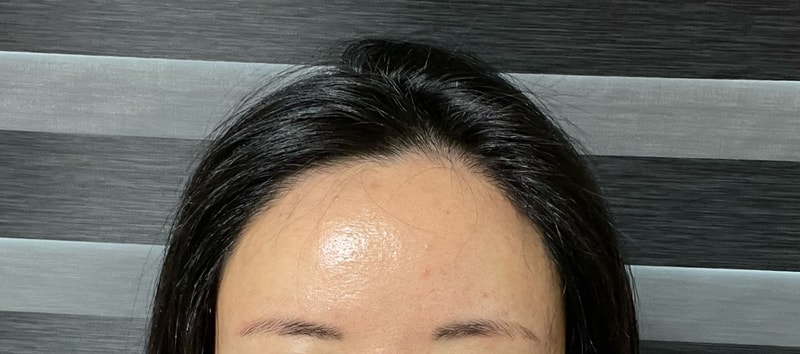
 MOJELIM Hair Transplant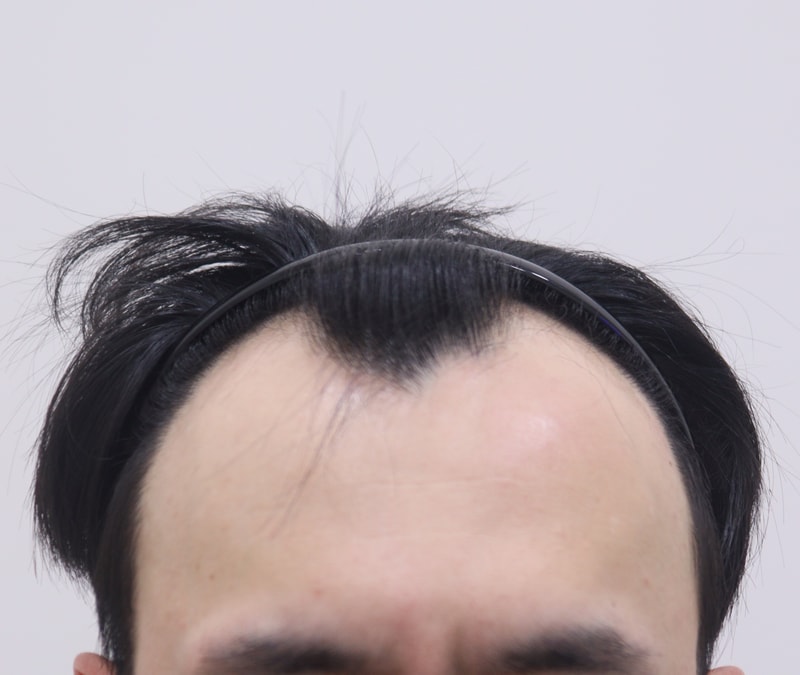
 Mo&Bless Hair Clinic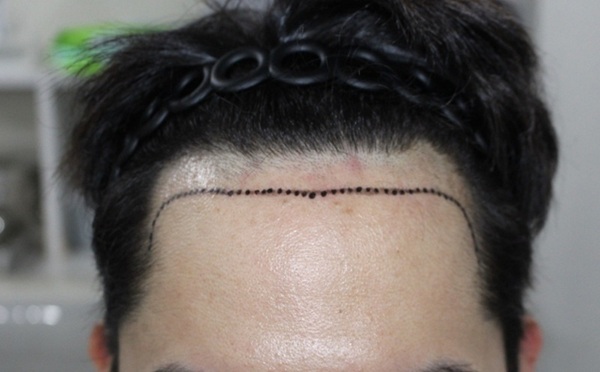
 Modaol Hair Transplant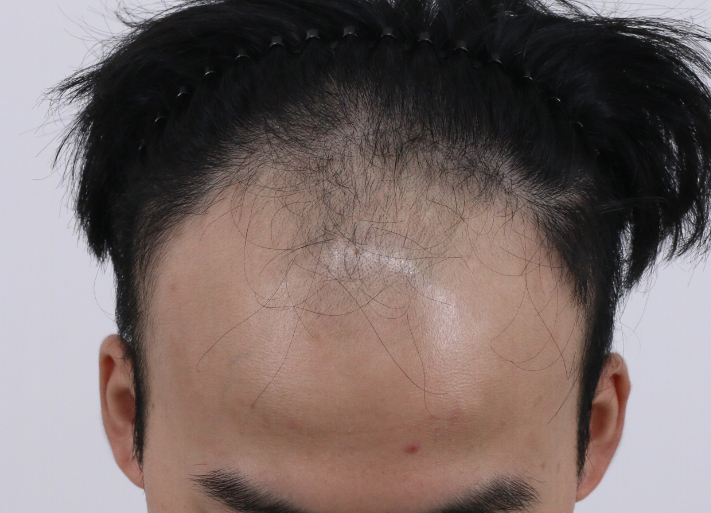
 Mowoolim Clinic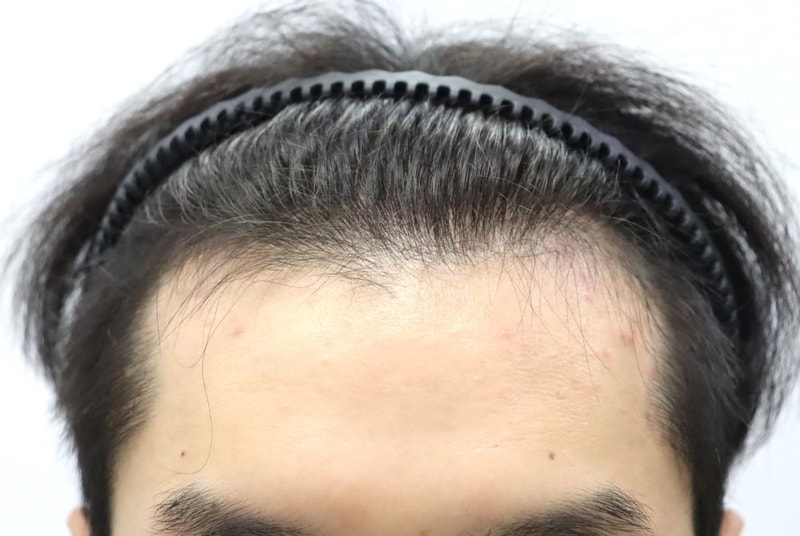
 FORHAIR Hair Transplant Korea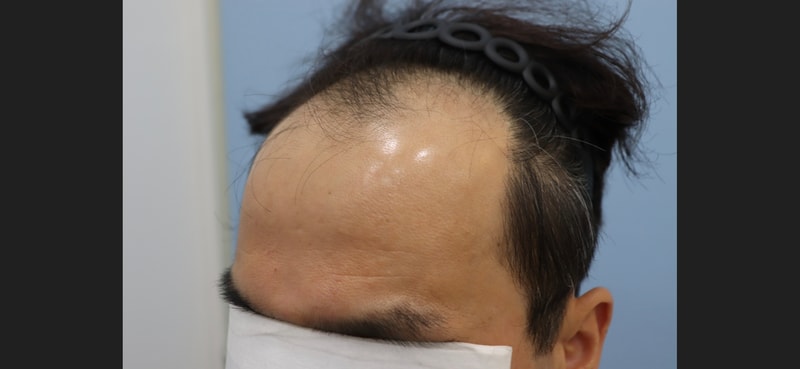
 apgujeong mobien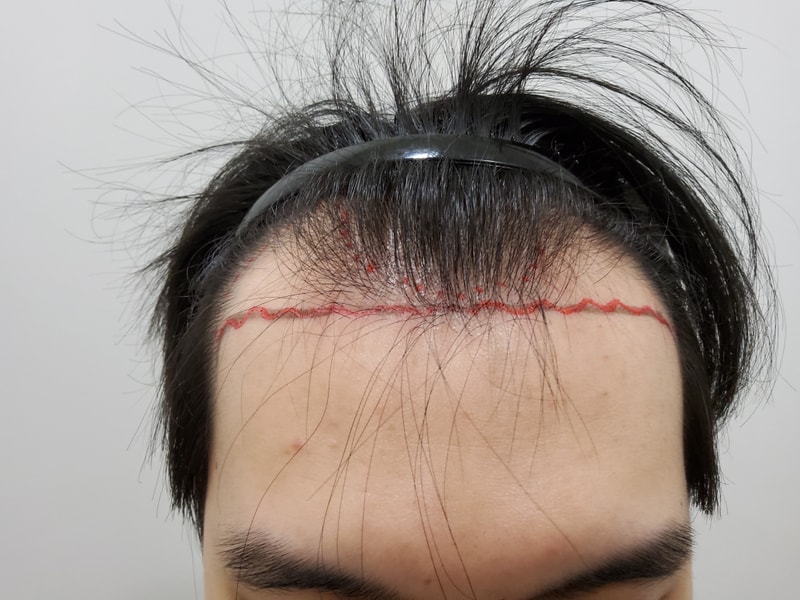
 Modeunmo Clinic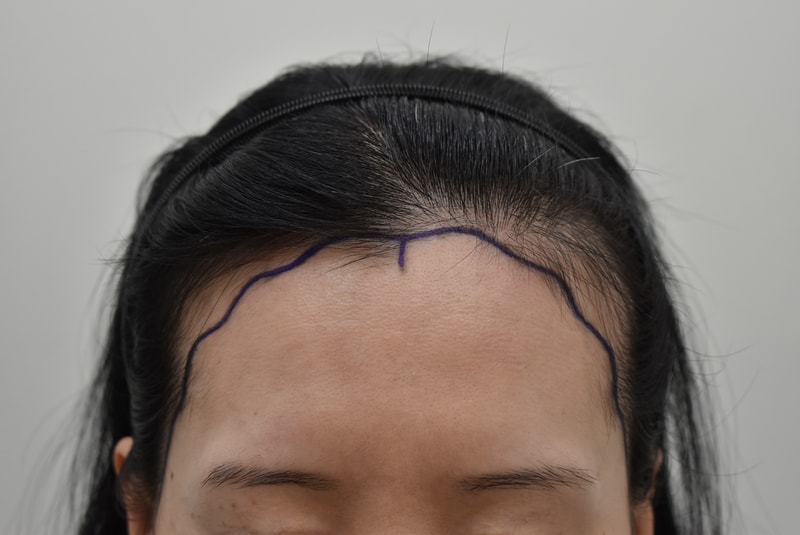
 MOBARUN HAIR SURGERY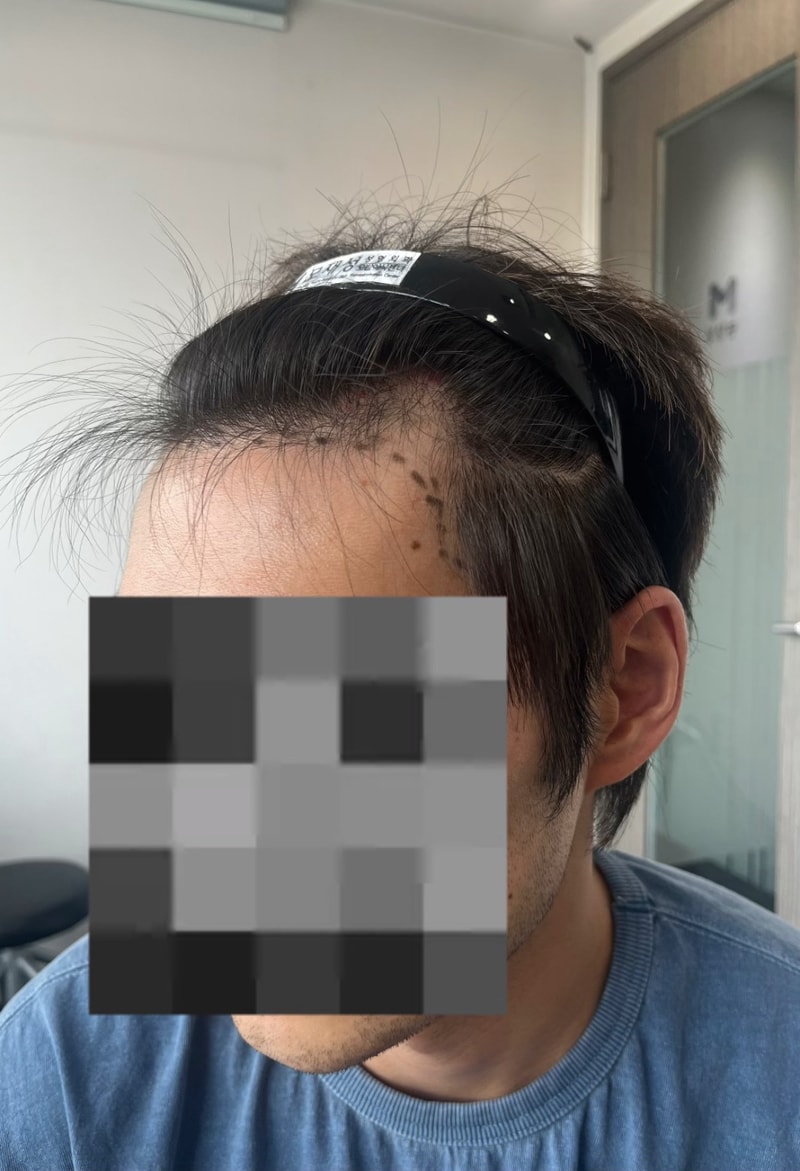
 Mo Jaesung Plastic Surgery & Hair Transplant Center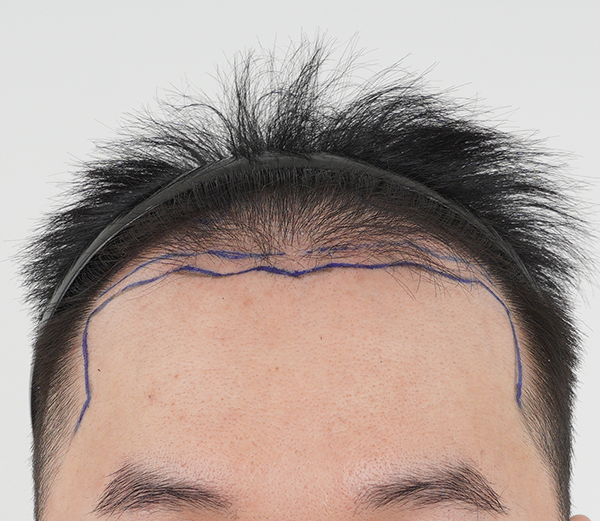
 MOMO HAIR TRANSPLANT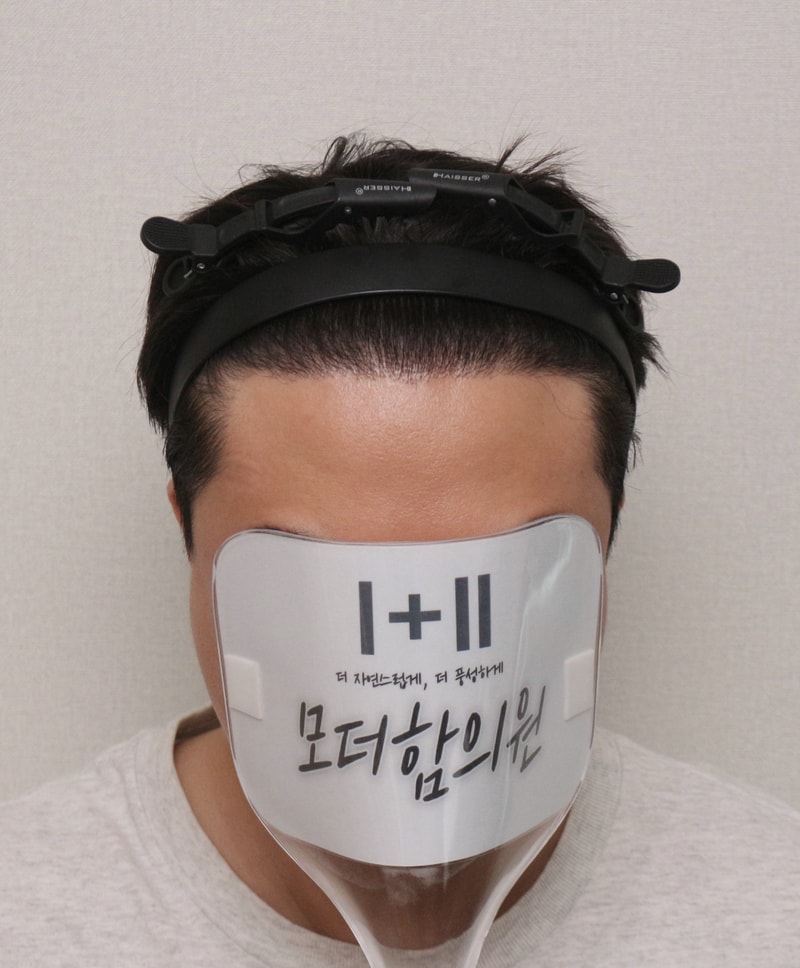
 Moderhamm Clinic — Hair Transplant Center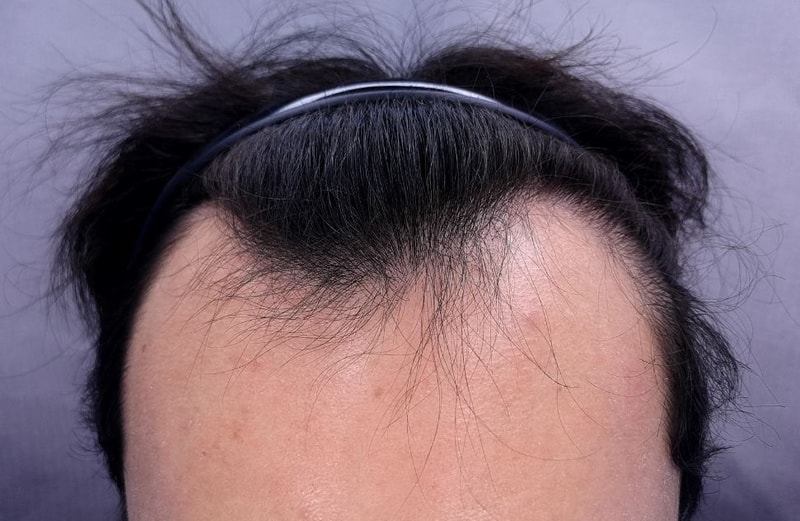
 Yonsei Mobelle Clinic - Incheon Branch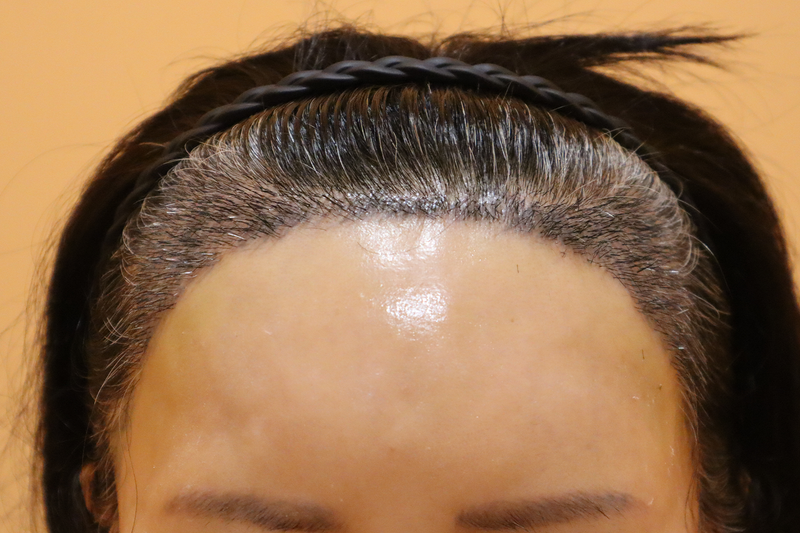
 HAIRO HAIR TRANSPLANT CENTER Busan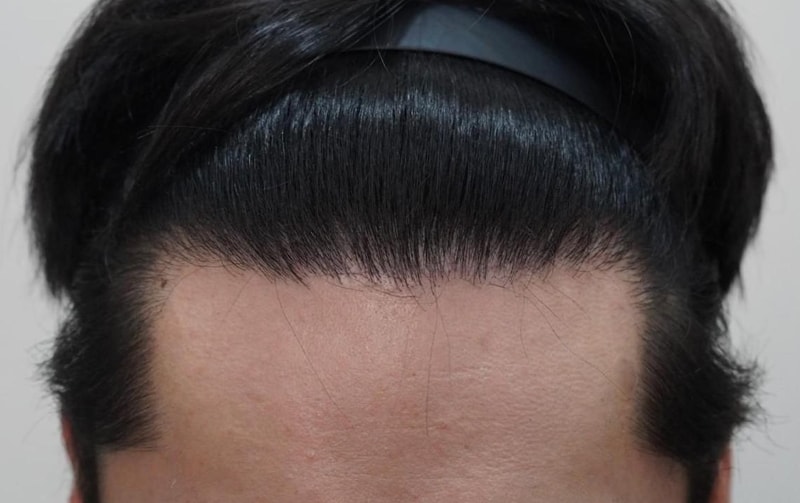
 Busan Grow House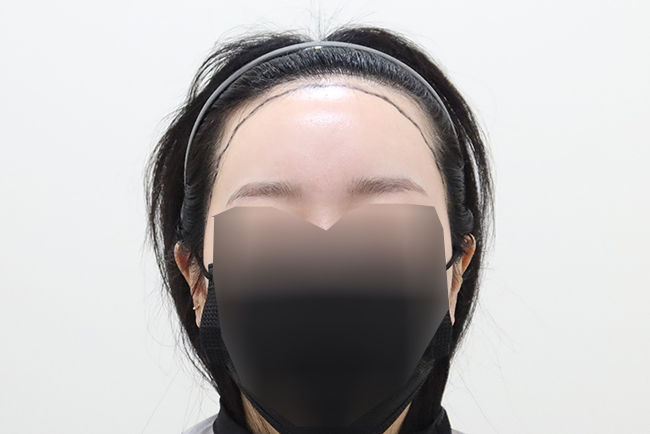
 Momo Clinic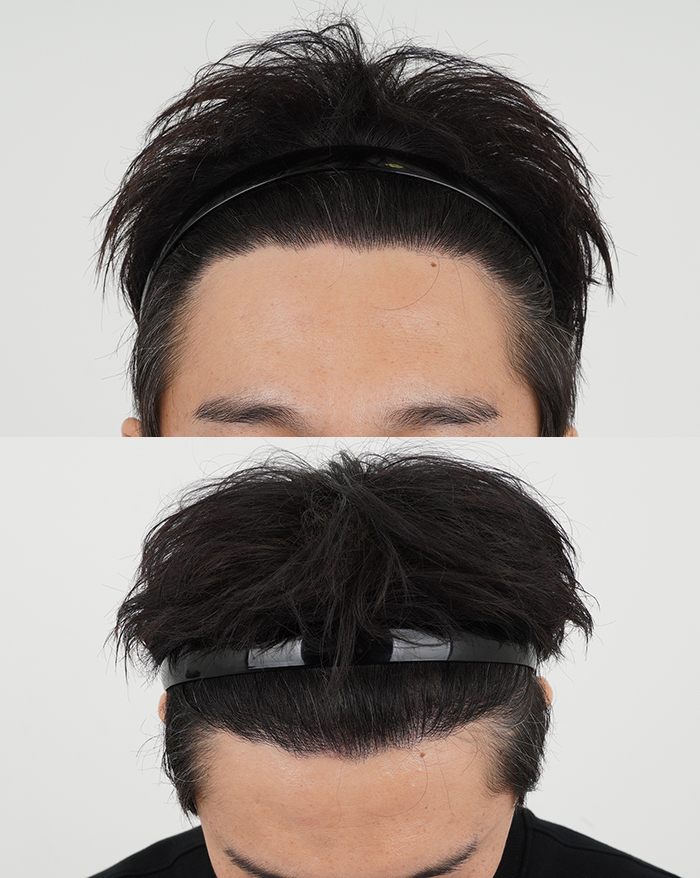
 MOMO's Suwon branch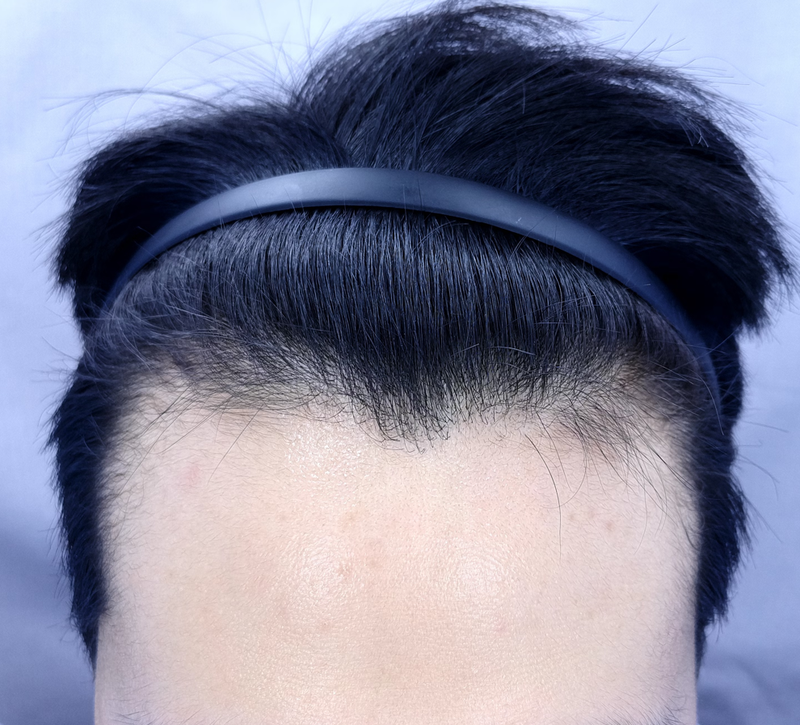
 The Jongno Headquarters of the Yonsei Mobel House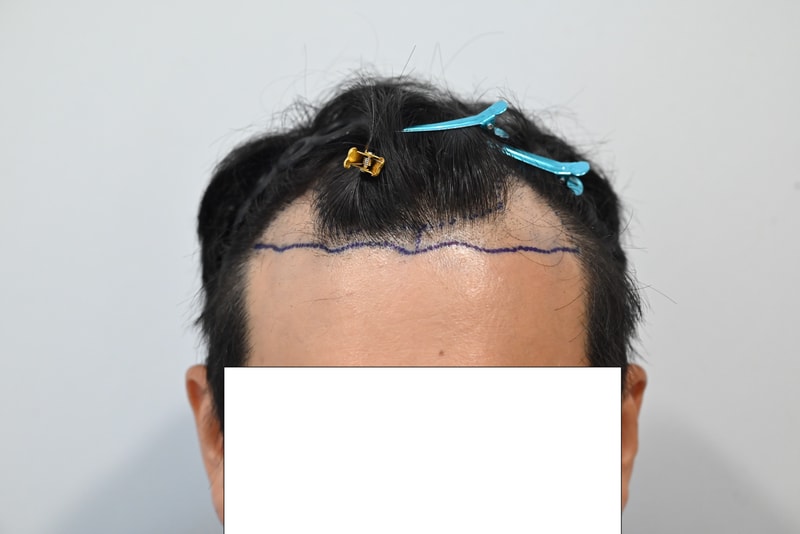
 MOEM Clinic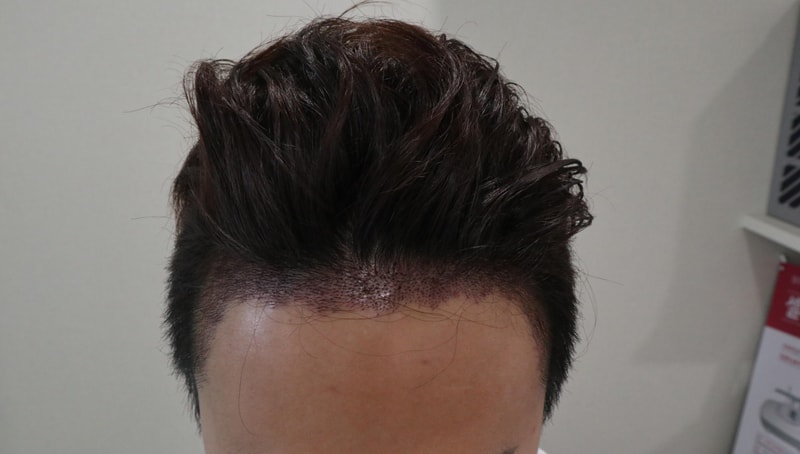
 MOUDA CLINIC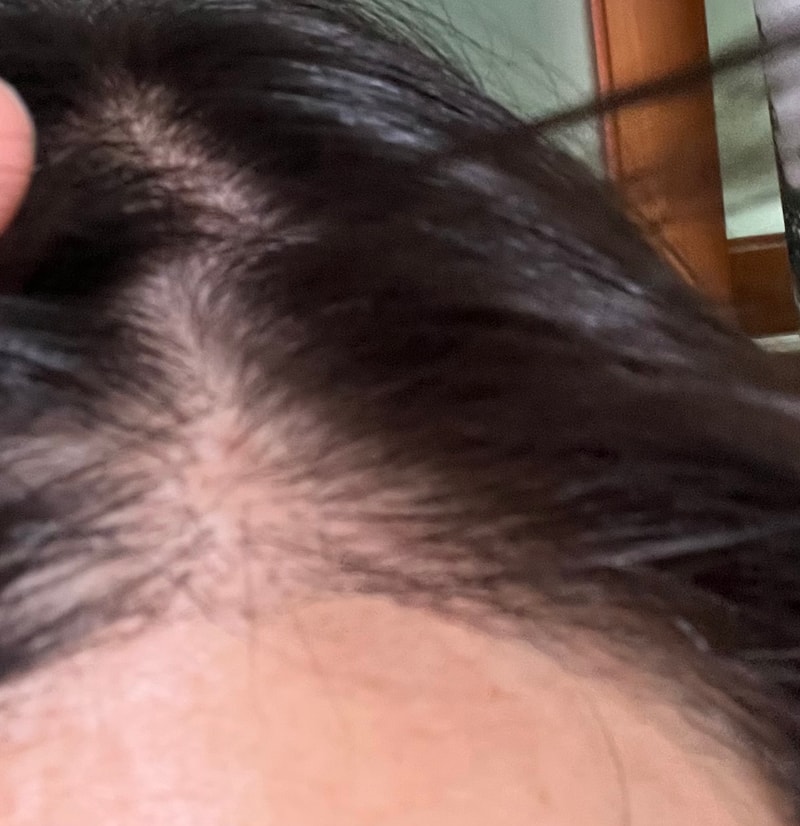
 WOOMCHAN Hair Transplant Clinic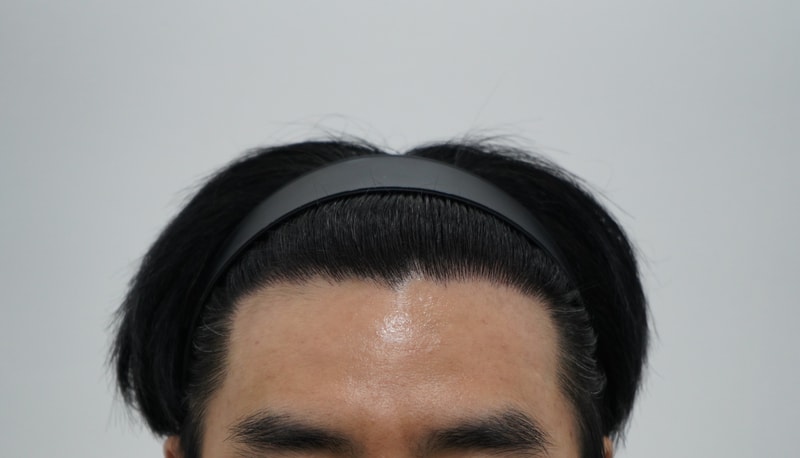
 moart clinic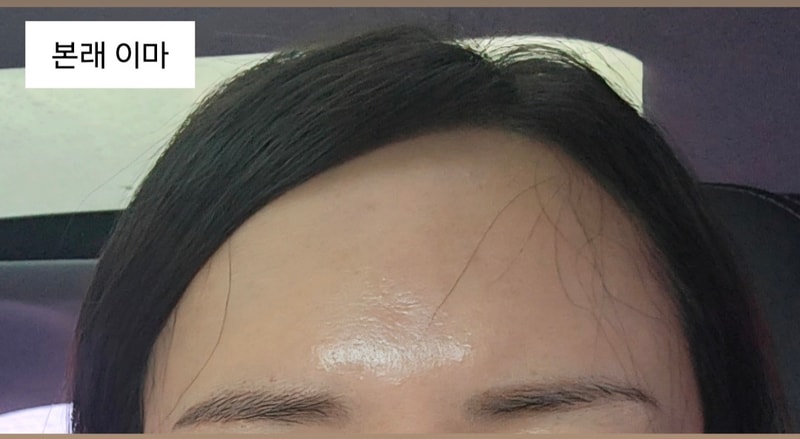
 Banal Plastic Surgery Clinic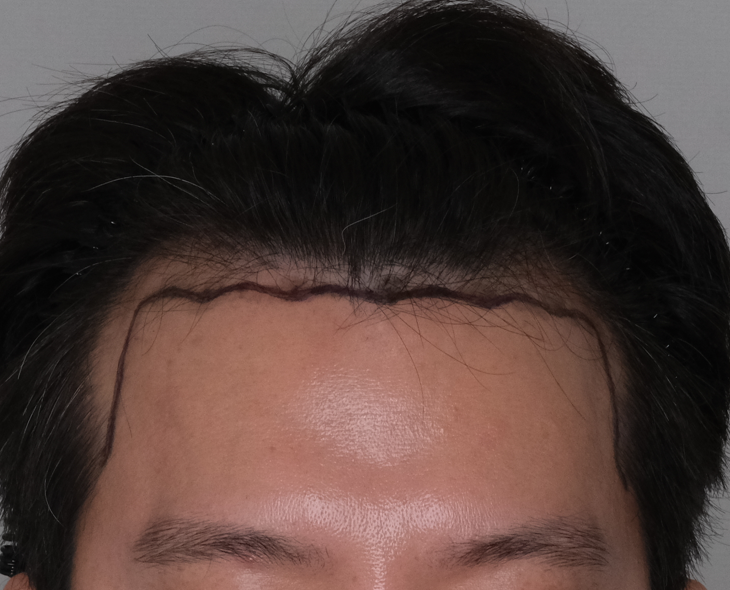
 GLOWELL
 Moment Clinic
 Motion Hair Clinic
 MOAMAN CLINIC



- Please report the review of Hair Transplant surgery on this bulletin board. (Deleted and withdrawn)
Comments