It is difficult to conclude that the probability of hair loss in the early 20s is an accurate 'one number', but statistics from the Health Insurance Review and Assessment Service and the National Health Insurance Service have recently made it a very realistic and common concern.
Currently, people in their 20s account for about 18 to 20% of all hair loss patients receiving hospital treatment. Compared to those in their 30s (about 21%) and 40s (about 22%), the proportion of hair loss patients in their 20s has increased to the extent that there is no significant difference.
The causes and characteristics of hair loss in early 20s can be broadly divided into two types.
1. hereditary hair loss
If you have a family history, it can start in earnest in your early 20s due to the influence of male hormones (DHT) after puberty.
Male: It usually comes in the form of M-shaped hair loss, where the forehead line is pushed back, or the hair on the top of the head is thinned.
Female: The forehead line is maintained and the part of the hair and top of the head looks solidly empty.
2. Rest and circular hair loss (environmental factors)
In their early 20s, the frequency of dormant hair loss or immune system abnormalities is also very high due to military enlistment, job preparation, academic stress, irregular lifestyle, and excessive diet. In fact, many patients in their 20s visit the hospital due to these environmental factors or circular hair loss.
**Key Checkpoint
It is easy to think that hair loss is the exclusive property of middle-aged people in their 40s and 50s, but genetic aptitude has different onset periods and the stress of modern society accelerates this. Even in their early 20s, if your hair is noticeably thinner or your daily amount has increased to more than 100, genetic and environmental factors are likely to have begun, so initial management is very important.
Let's take care of ourselves!!





 K4984376008
 cyunty99
 다두리
다두리
 K4983758792
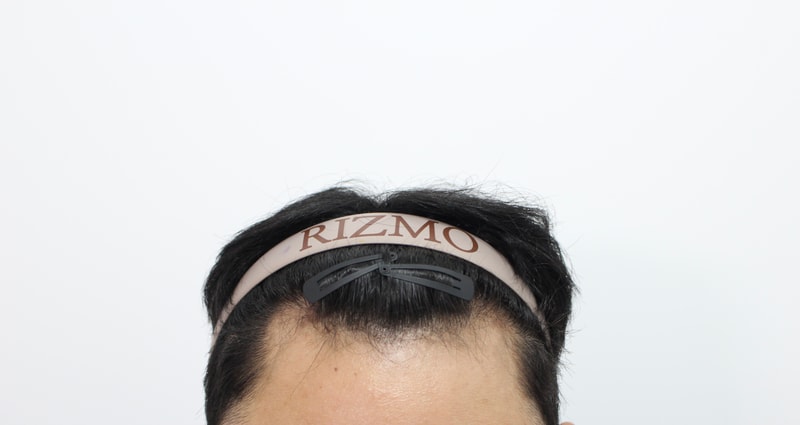
 Rizmo Clinic - Busan Branch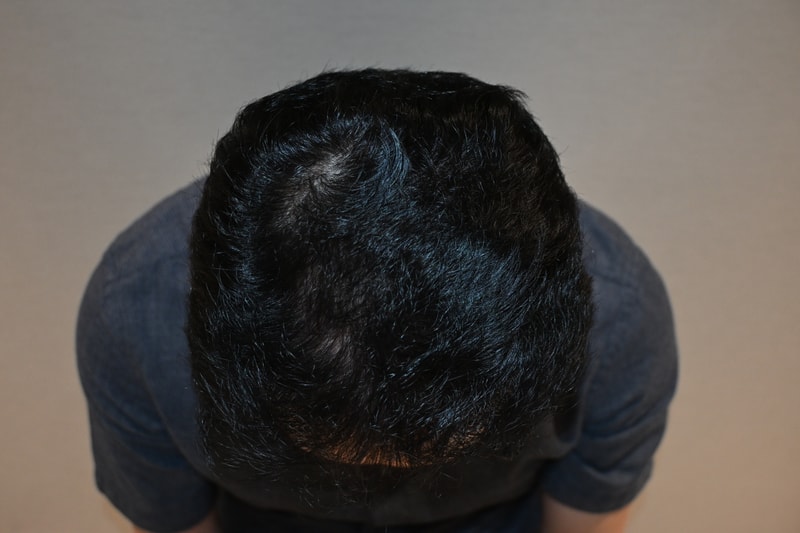
 Modaol Hair Transplant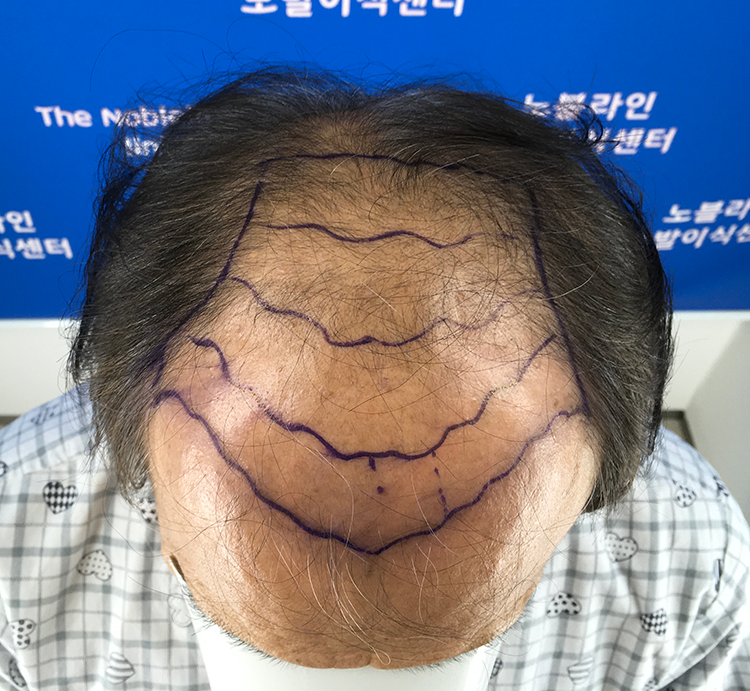
 The Nobleline Center for Alopecia Care
 MYMO HAIR TRANSPLANT CENTER Incheon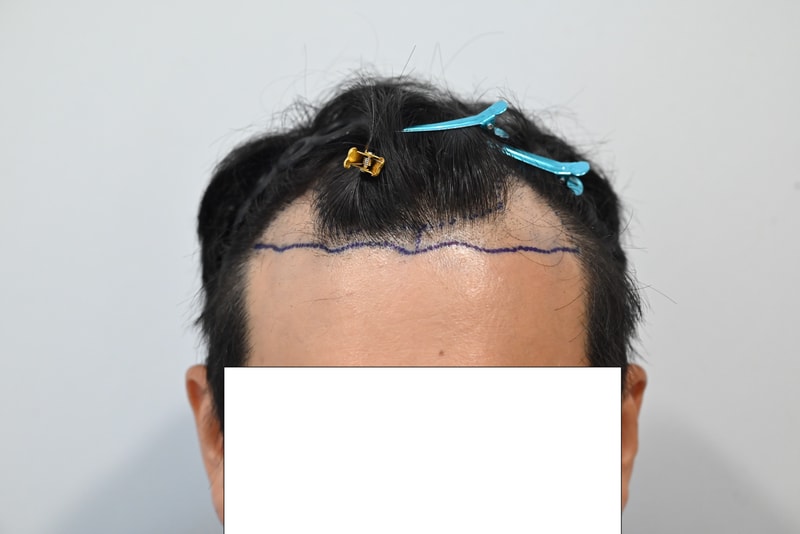
 MOEM Clinic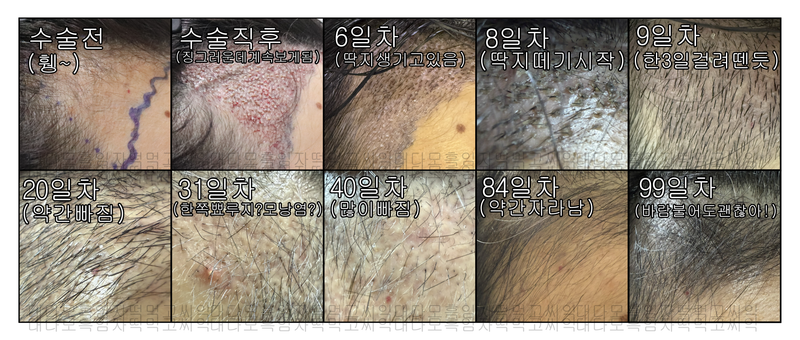
 Dana Plastic Surgery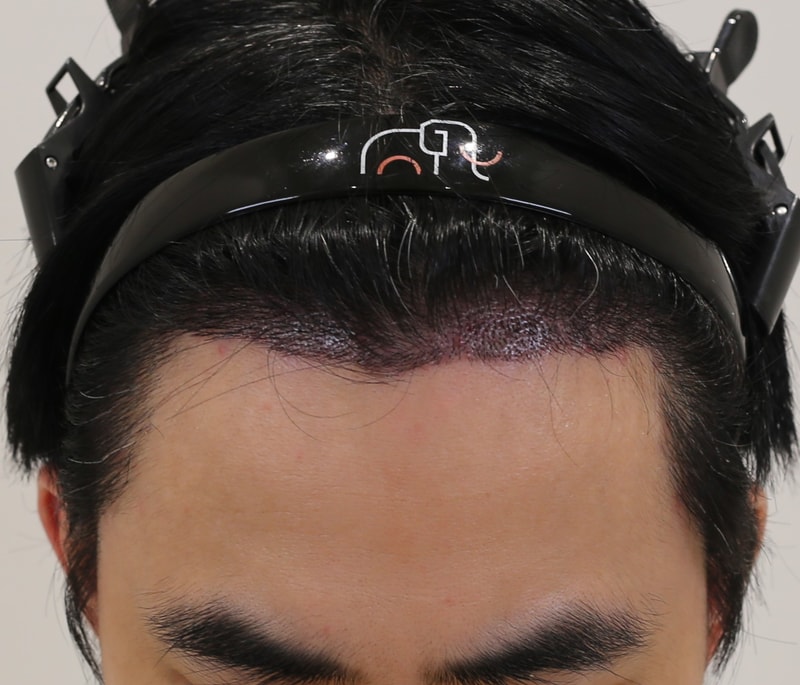
 Incheon Mammoth Hair Restoration Center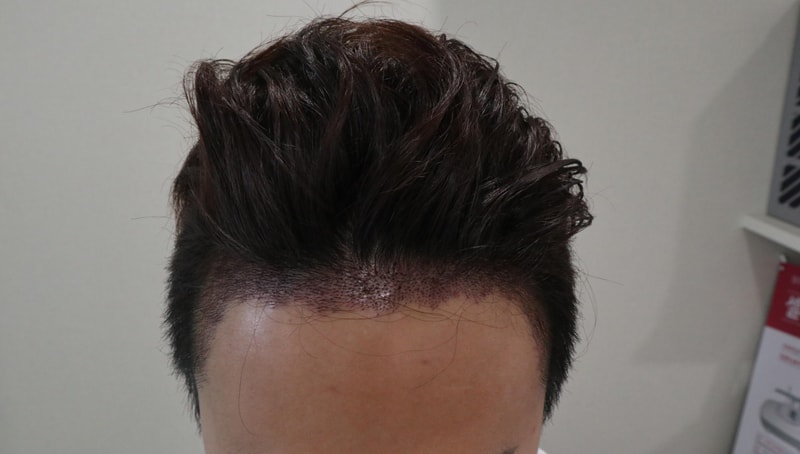
 MOUDA CLINIC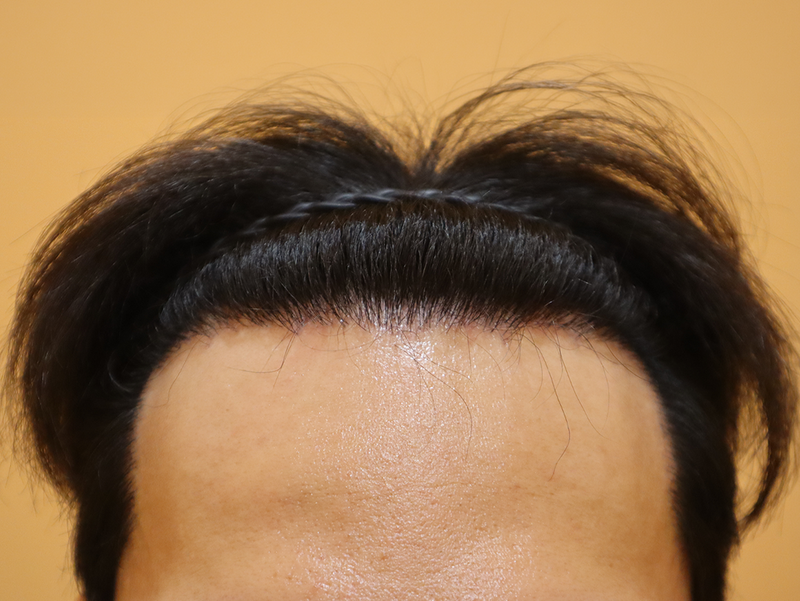
 HAIRO HAIR TRANSPLANT CENTER Busan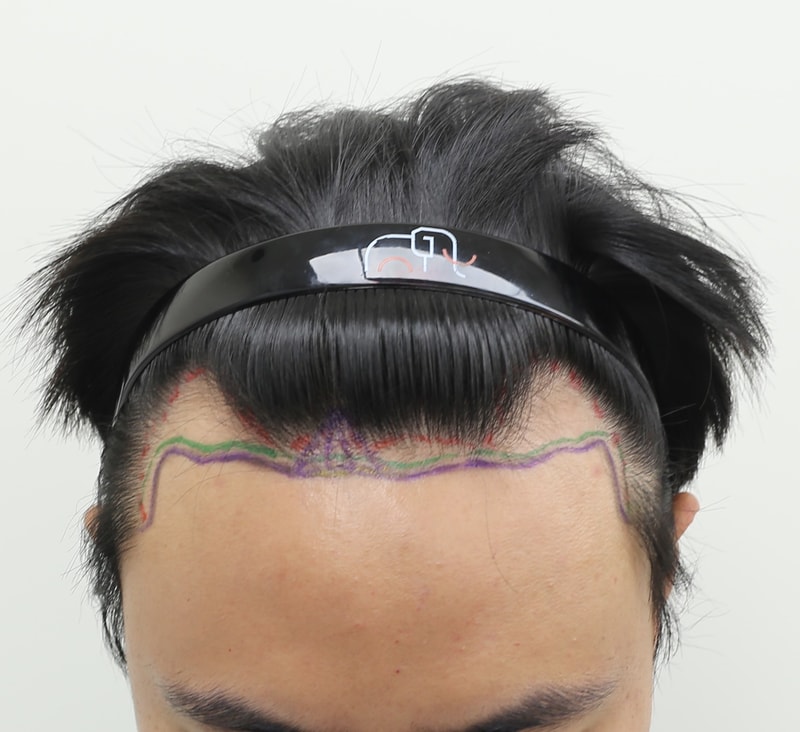
 Mammoth Hair Restoration Center, Apgujeong
 apgujeong mobien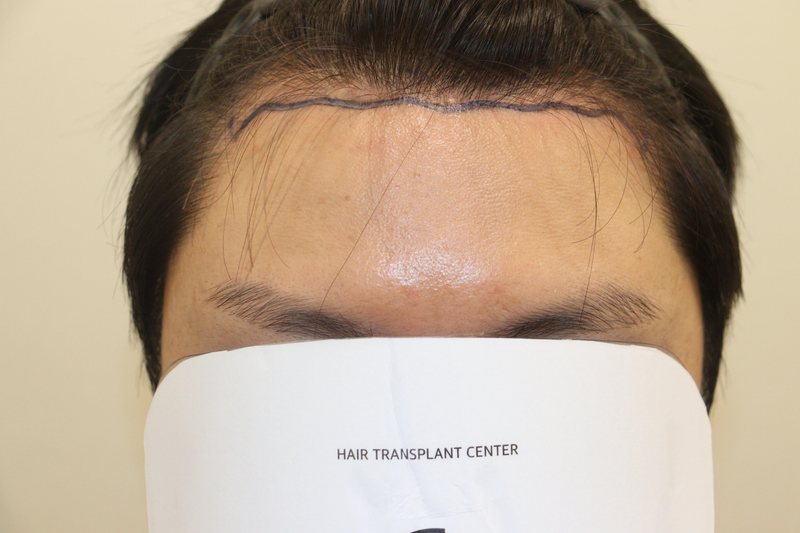
 HAIRO HAIR TRANSPLANT CENTER Daegu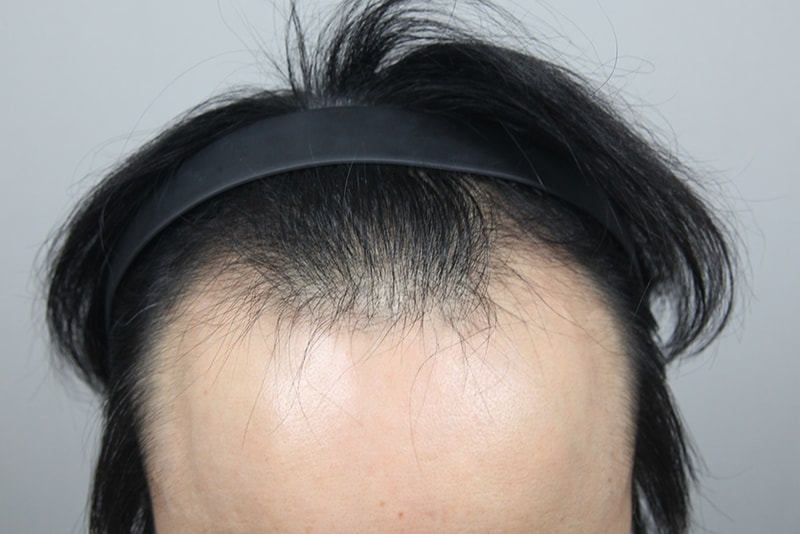
 MONARA dermatology clinic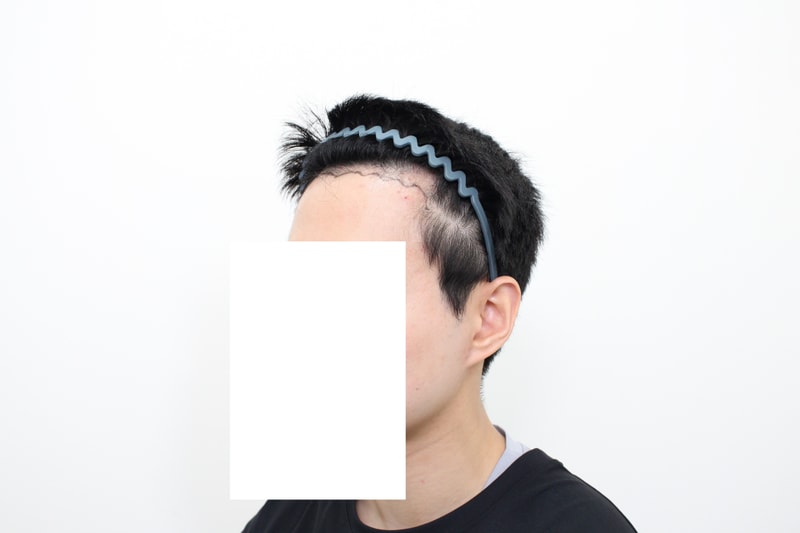
 Mopro Clinic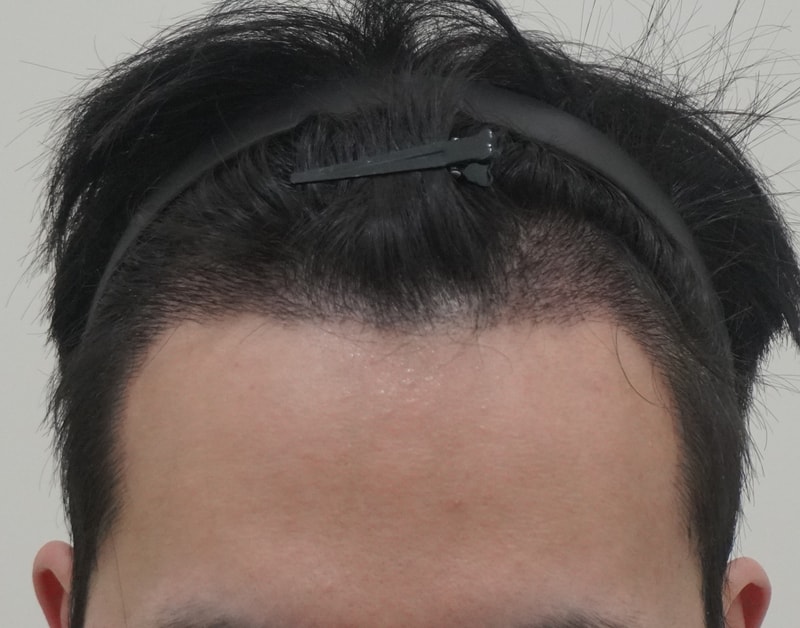
 Yong Doctor Hair Transplant Surgery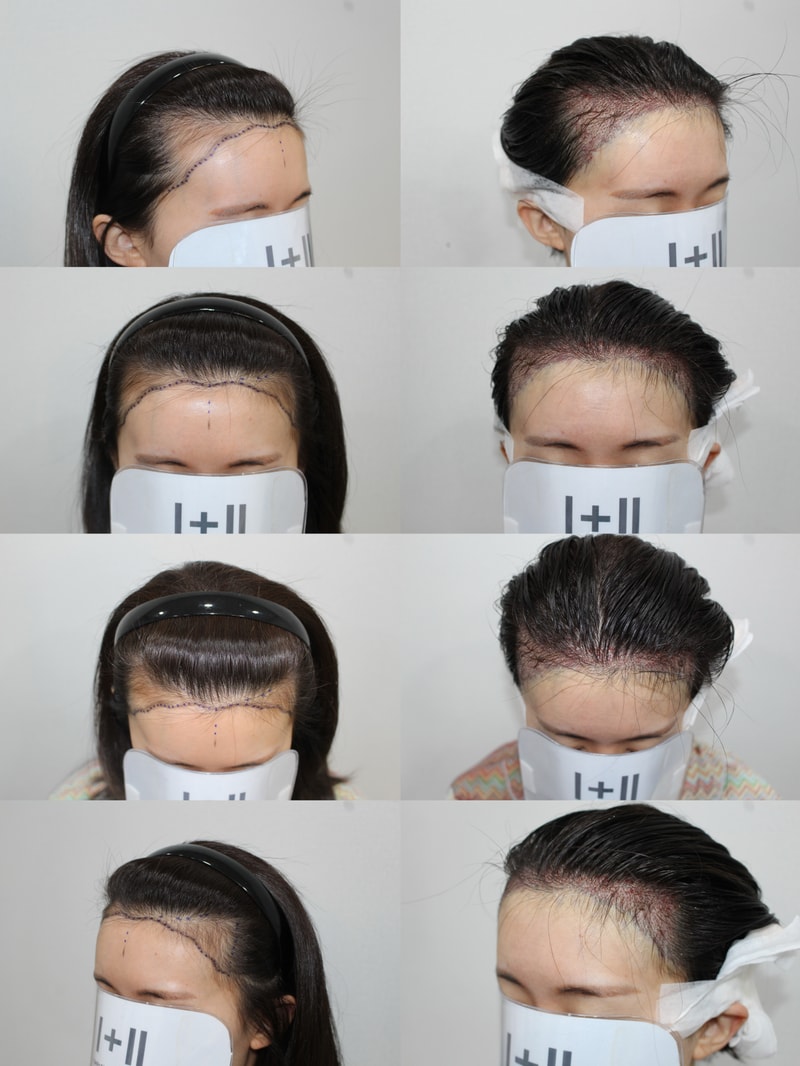
 Moderhamm Clinic — Hair Transplant Center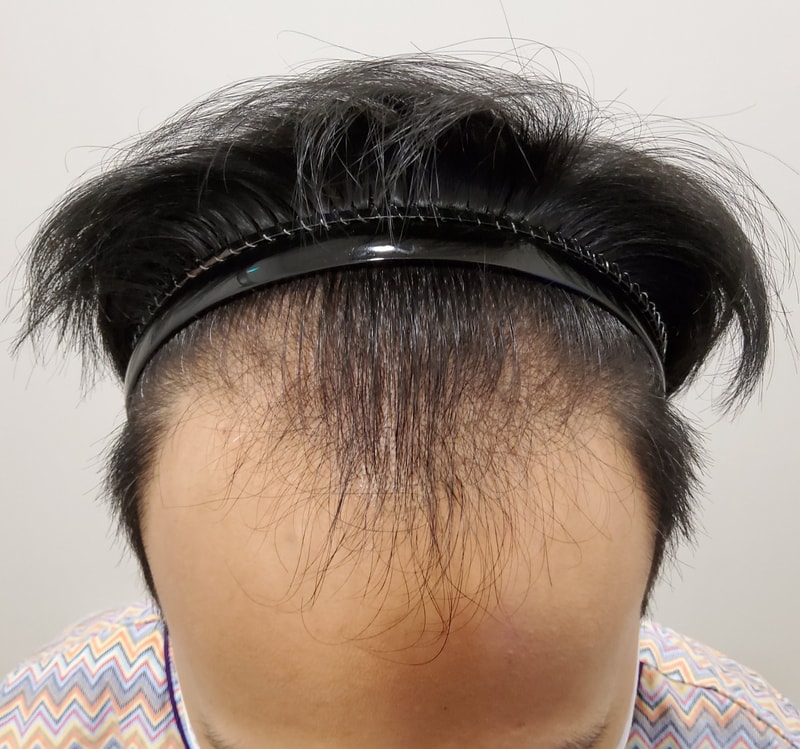
 Modeunmo Clinic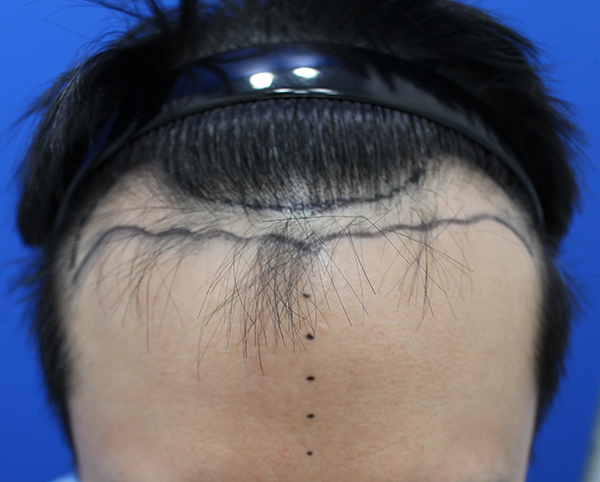
 Hannaeve plastic surgery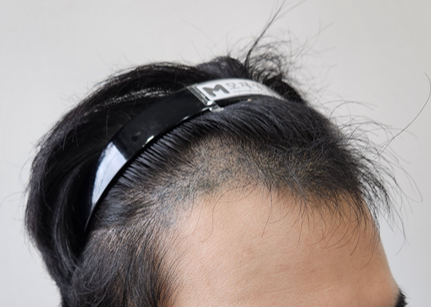
 Mo Jaesung Plastic Surgery & Hair Transplant Center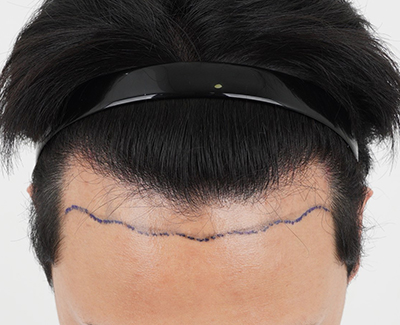
 MOMO HAIR TRANSPLANT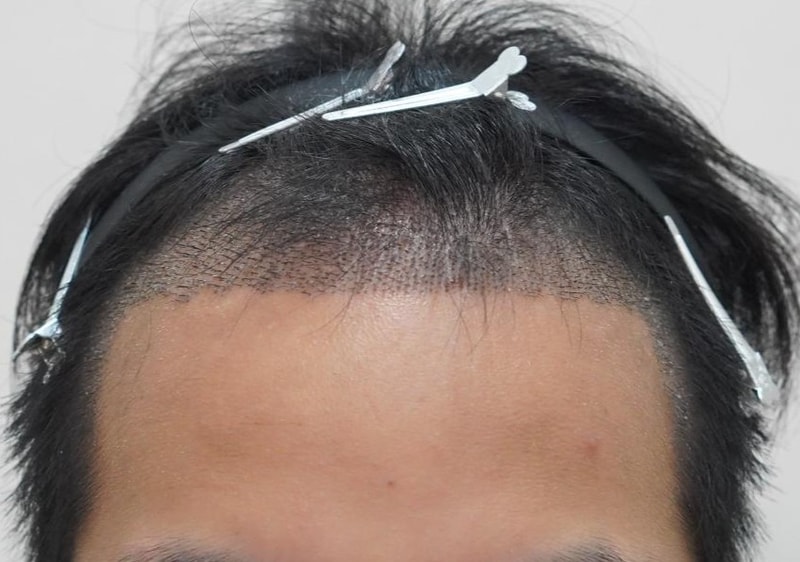
 Busan Grow House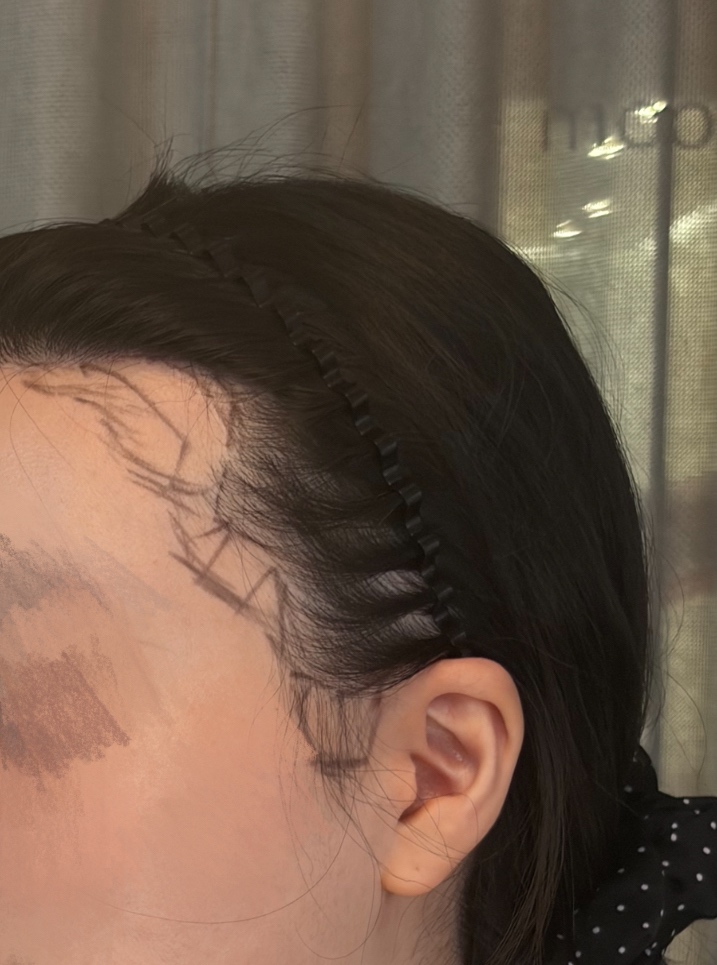
 Mowoolim Clinic
 Modi hariplant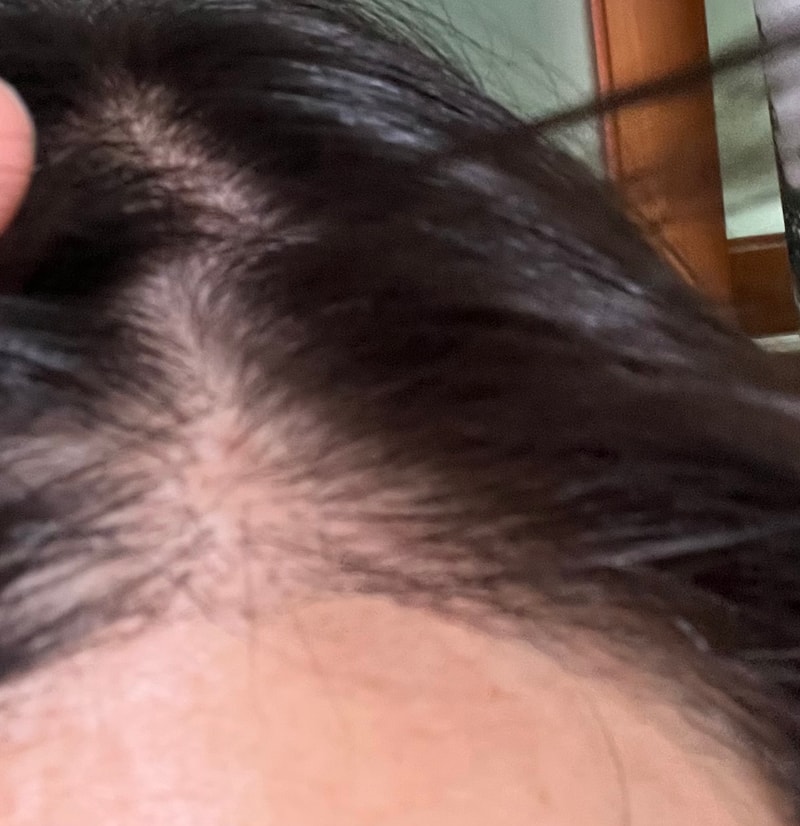
 WOOMCHAN Hair Transplant Clinic
 Yonsei Mobelle Clinic - Incheon Branch
 MO.1 plastic surgery
 Momo Clinic
 moart clinic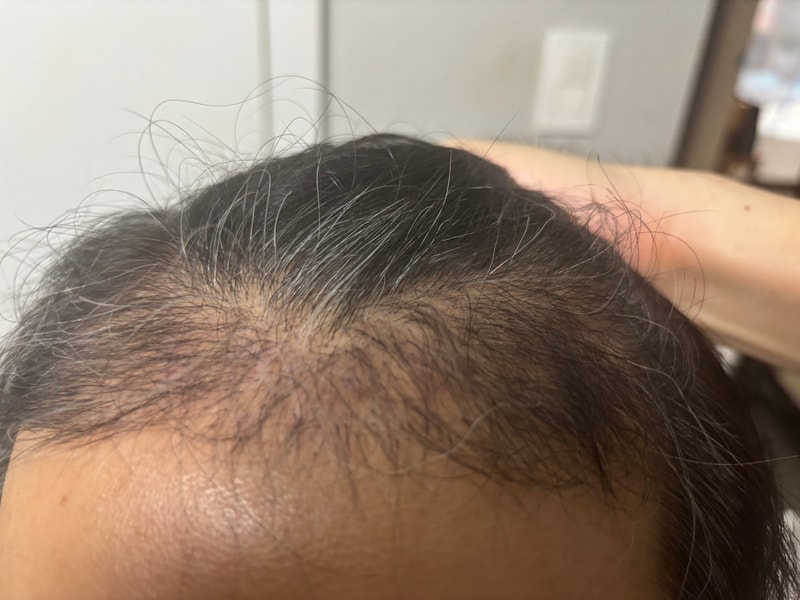
 NEWHAiR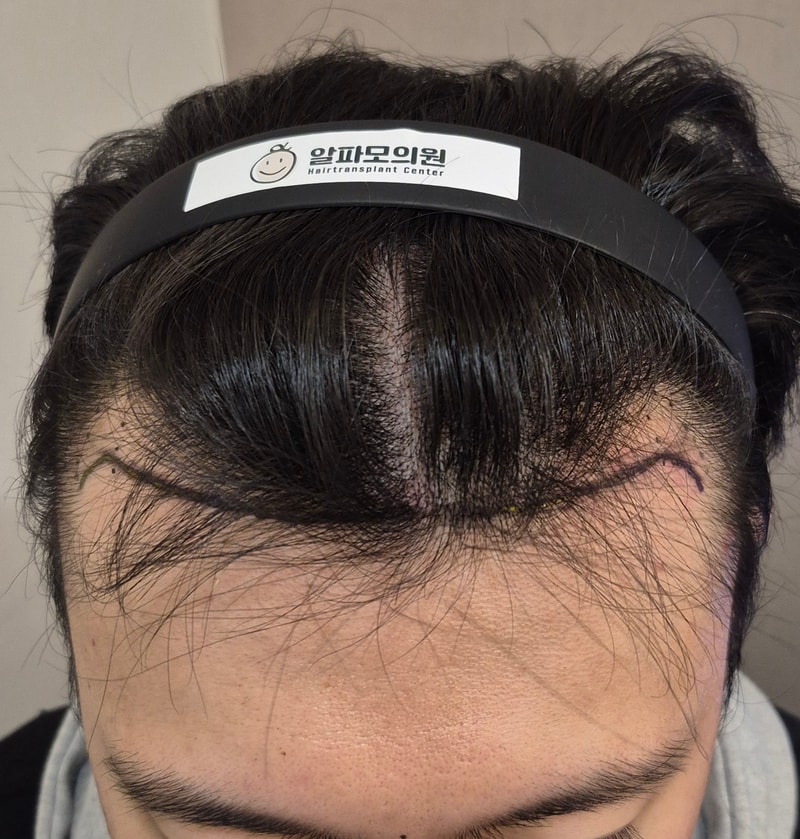
 an alpha-mocking circle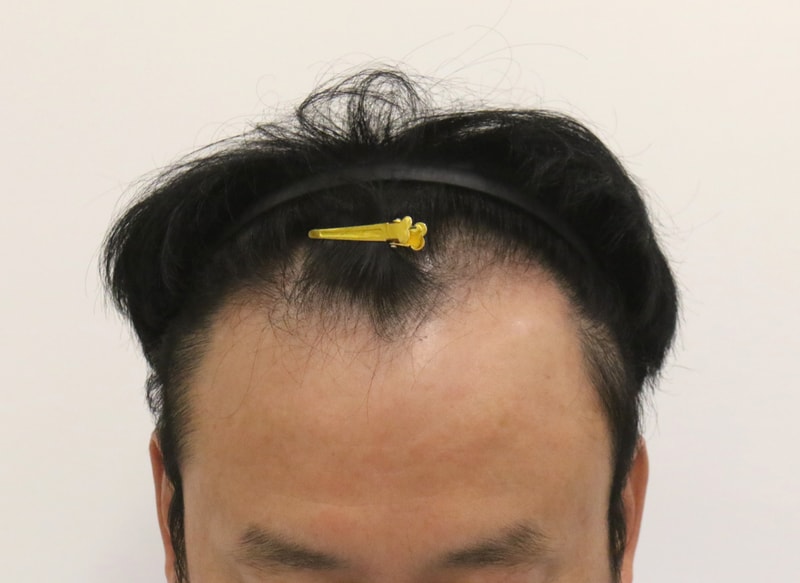
 Mammoth Hair Restoration Center Busan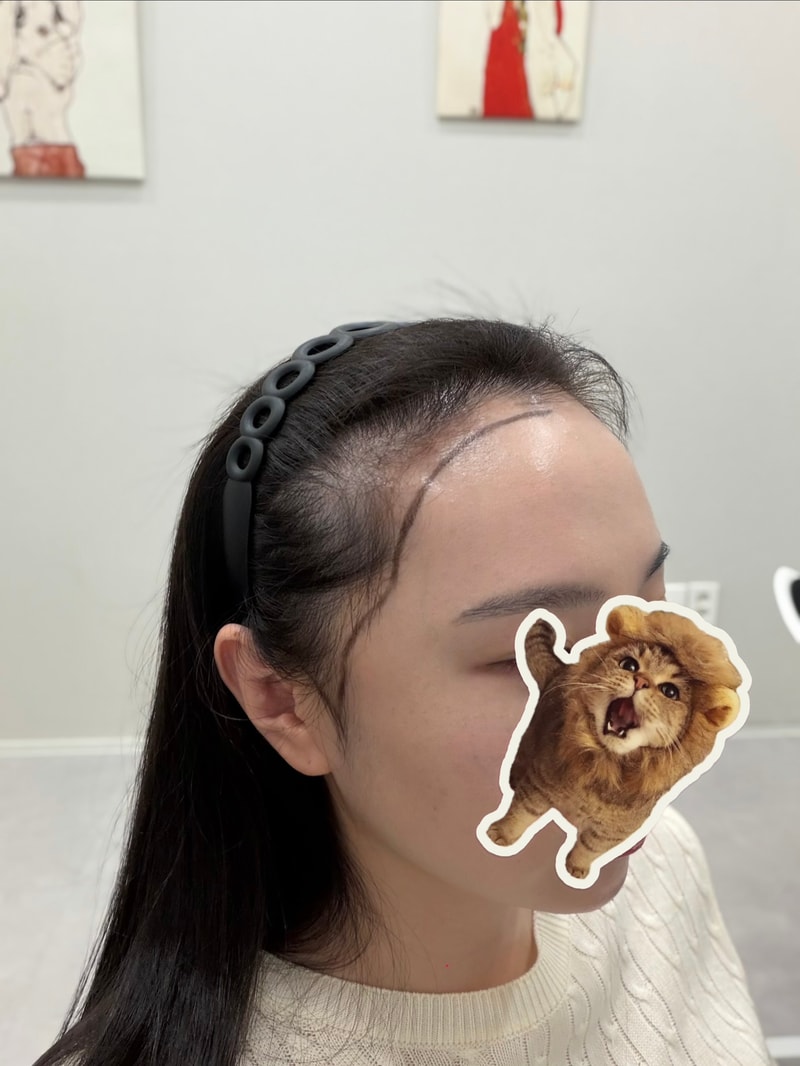
 HAIRO HAIR TRANSPLANT CENTER Dongtan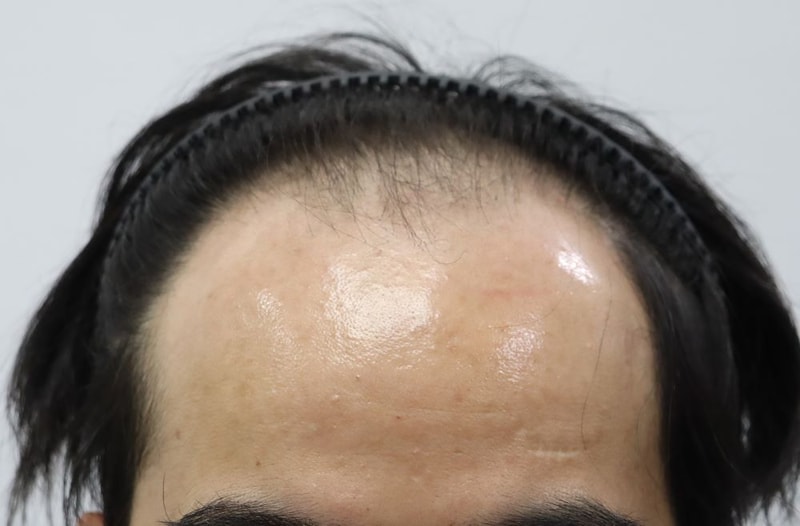
 FORHAIR Hair Transplant Korea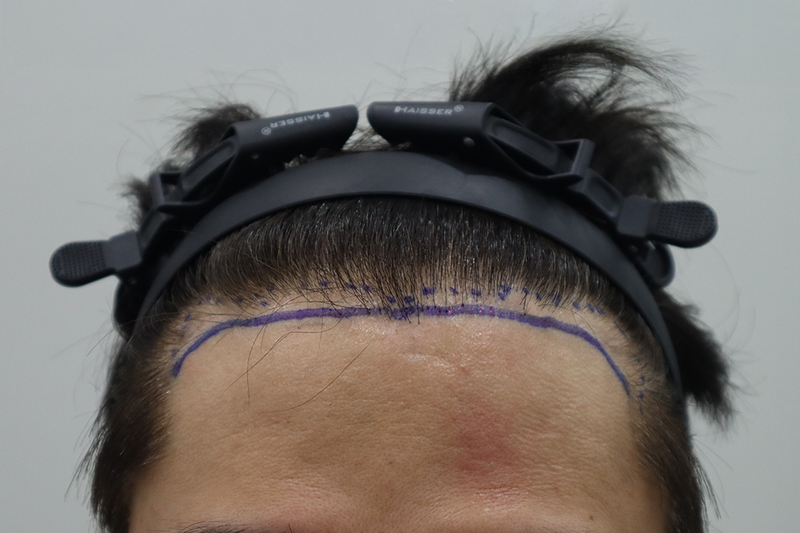
 HAIRO HAIR TRANSPLANT CENTER Jeonju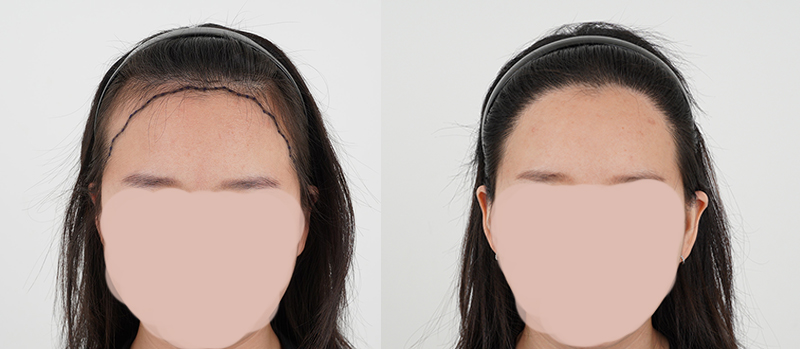
 MOMO's Suwon branch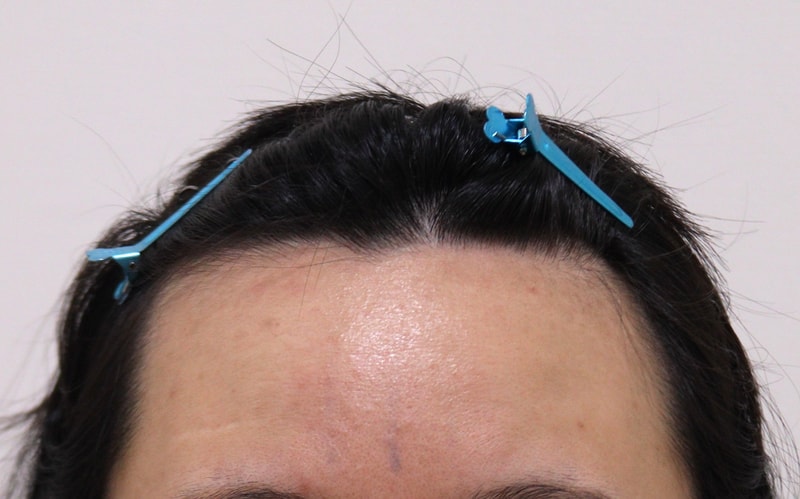
 Mo&Bless Hair Clinic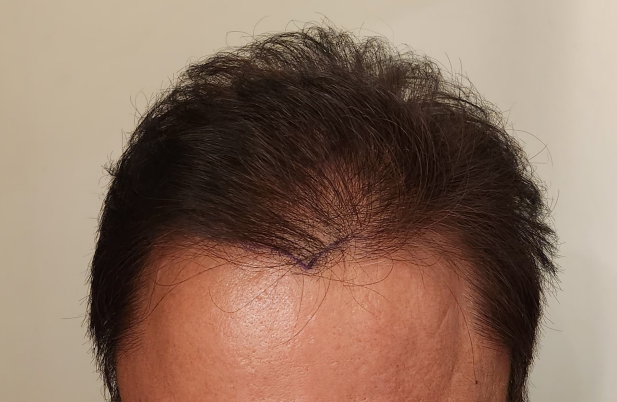
 Yonsei Mobelle Clinic - Daegu Branch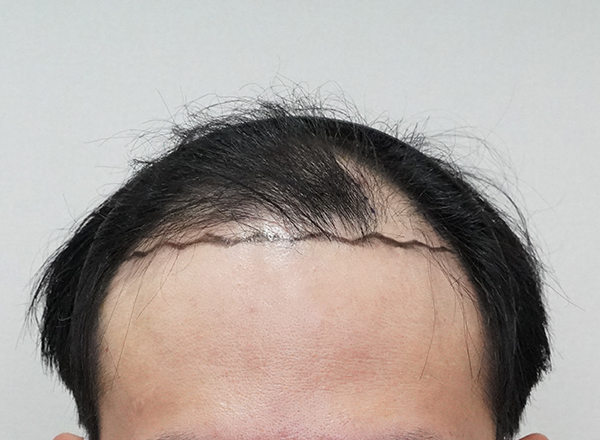
 Momo Clinic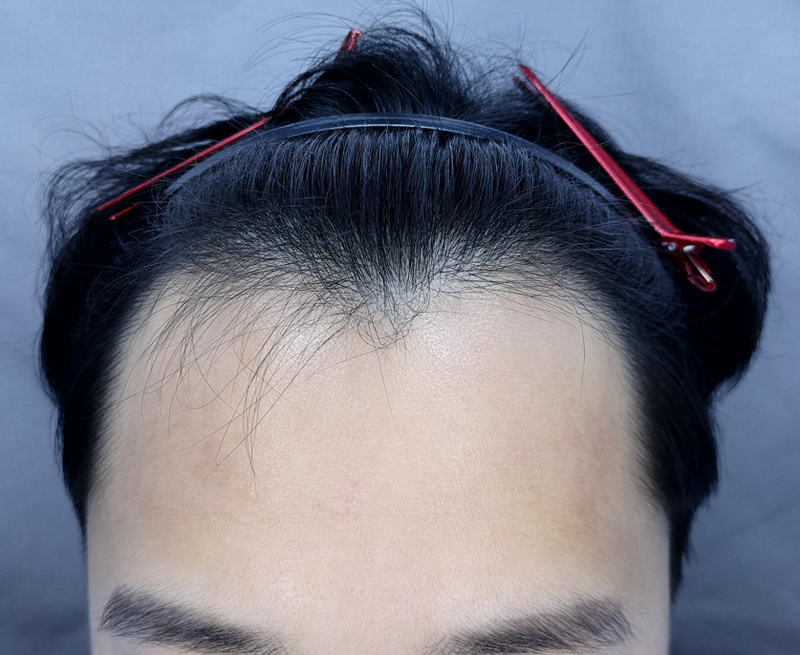
 The Jongno Headquarters of the Yonsei Mobel House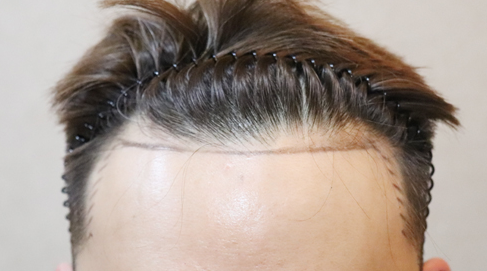
 JP Hair Transplant Clinic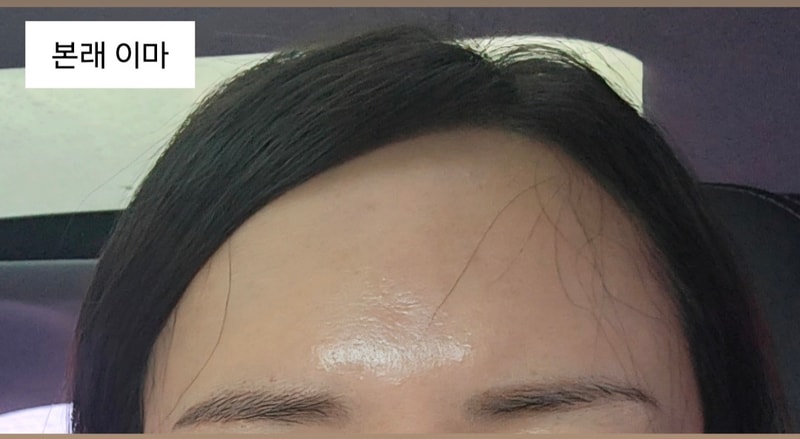
 Banal Plastic Surgery Clinic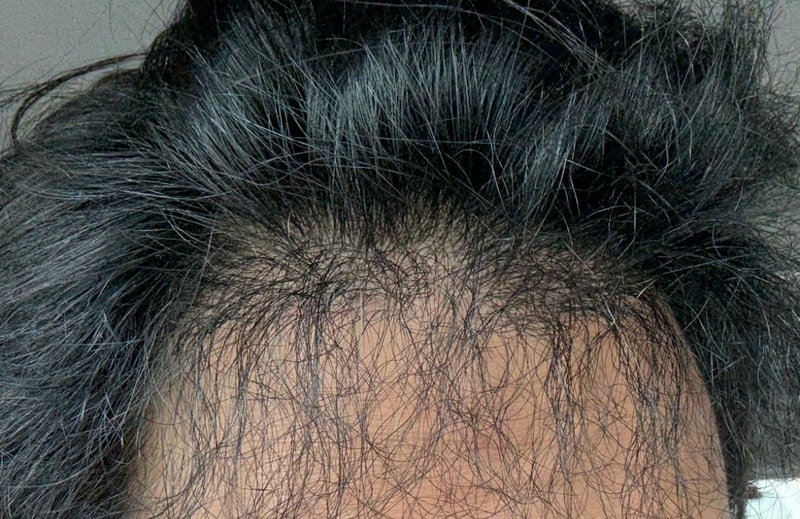
 MOBARUN HAIR SURGERY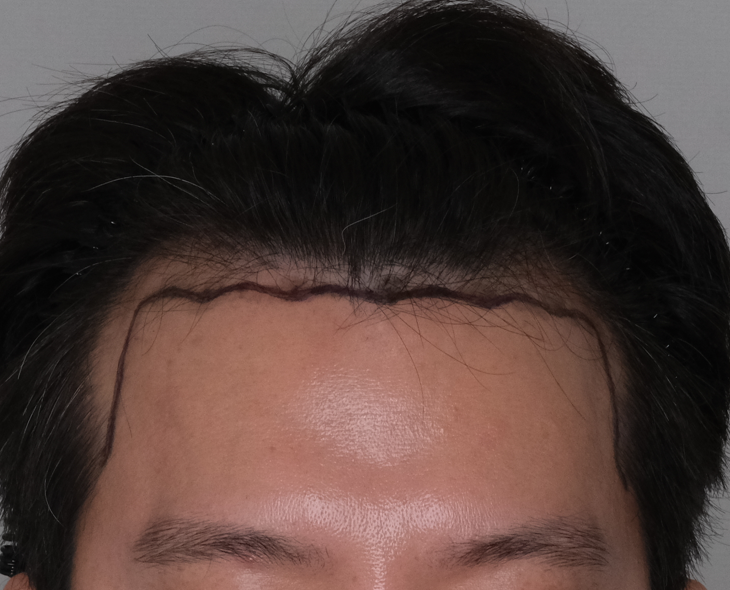
 GLOWELL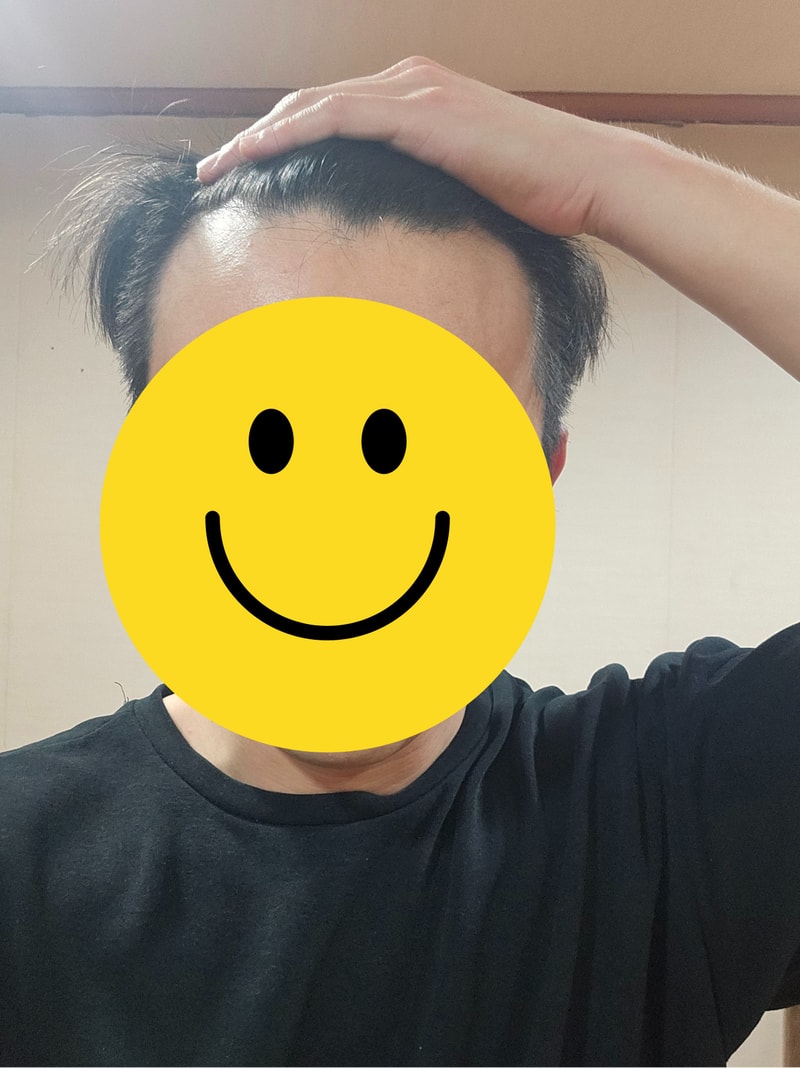
 MOJELIM Hair Transplant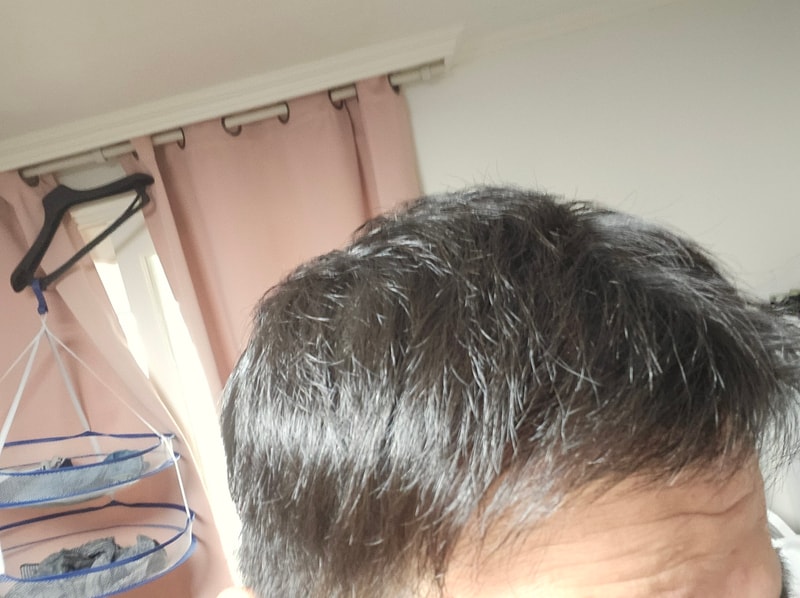
 Moment Clinic
 Motion Hair Clinic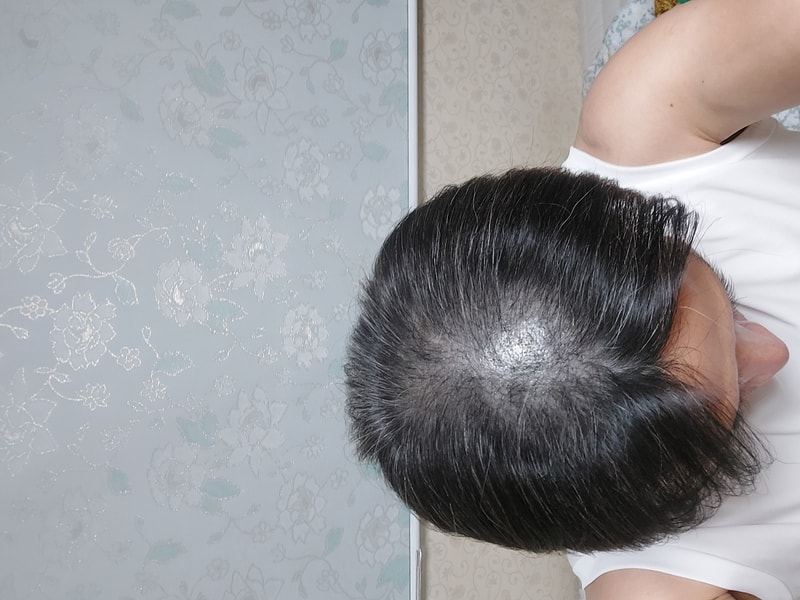
 MOAMAN CLINIC



- Please report the review of Hair Transplant surgery on this bulletin board. (Deleted and withdrawn)
Comments 4