An accidental discovery by a scientist paved the way for baldness treatment.
Dr. Mirna Perez-Moreno's team at Spain's National Cancer Institute discovered hair growth symptoms during an anti-inflammatory experiment on mice and analyzed the cause, and found that they were in macrophages, the British daily Daily Mail reported.
Macrophages come from white blood cells called monocytes or monocyte cells, which are produced by our body's immune system, which prevents infection and removes dead cells.
Dr. Perez-Moreno said the macrophages acted like stem cells, which are responsible for hair growth in hair follicles. This means activating hair follicles instead of hair transplants that cost a lot of money.
"One of the current challenges in the field of stem cells is to promote regeneration without the need for transplantation," the research team wrote in the paper. "Thanks to this study, we now know that macrophages play an important role in the stem cell area."
In addition, he wrote, "Our study emphasizes that macrophages go beyond the periodic function of immune cells and become important regulators in the 'skin' regeneration process."
In a previous study, the research team confirmed that signals from this 'skin' help promote hair growth, but there was disagreement in academia about exactly what other types of cells do this.
The research team believes that the findings will also affect the process of studying cell tissue regeneration, aging, and cancer.
The study began with an accidental discovery, but a follow-up study is currently underway. The research team observed the process of hair re-establishing in anti-inflammatory mice.
To see what kind of relationship these hair growth causes have between stem cells and immune cells, the research team conducted several experiments to check the effects of immune cells.
The research team confirmed that some macrophages act almost like stem cells and grow their hair back. Subsequently, when the drug was administered to see if inhibition of the main signals seen by macrophages delayed hair growth, the results were as expected.
Although the study involved mice, the team believes the discovery will contribute to the development of new treatments for human hair growth.
The team added that they used a type of small droplet called liposomes to carry anti-inflammatory drugs to specific cells and that the method could be repeated.
Meanwhile, the findings were published in the latest issue of PLOS Biology, an international journal in biology.





 K44056800112508201626
 K4820979365
 K4938939996
 K46677049852512290744
 데이빗백원
데이빗백원
 Incheon Mammoth Hair Restoration Center
 Dana Plastic Surgery
 MO.1 plastic surgery
 NEWHAiR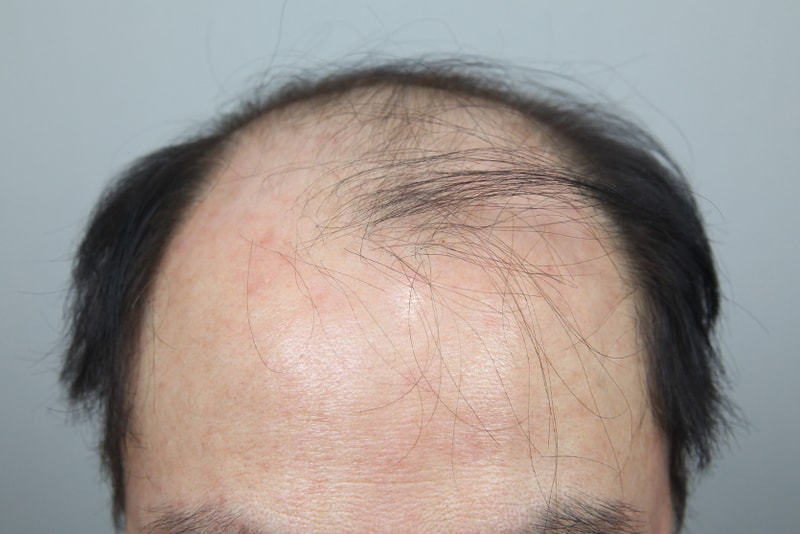
 MONARA dermatology clinic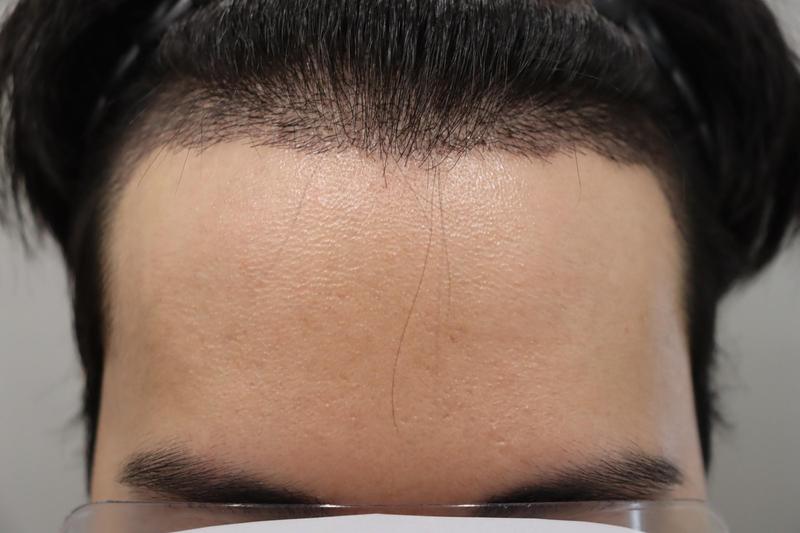
 HAIRO HAIR TRANSPLANT CENTER Daegu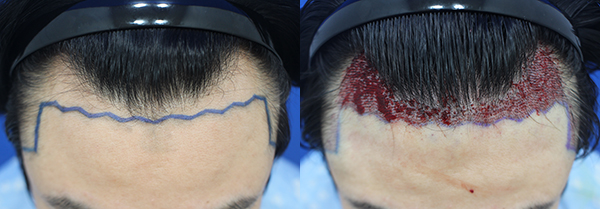
 Hannaeve plastic surgery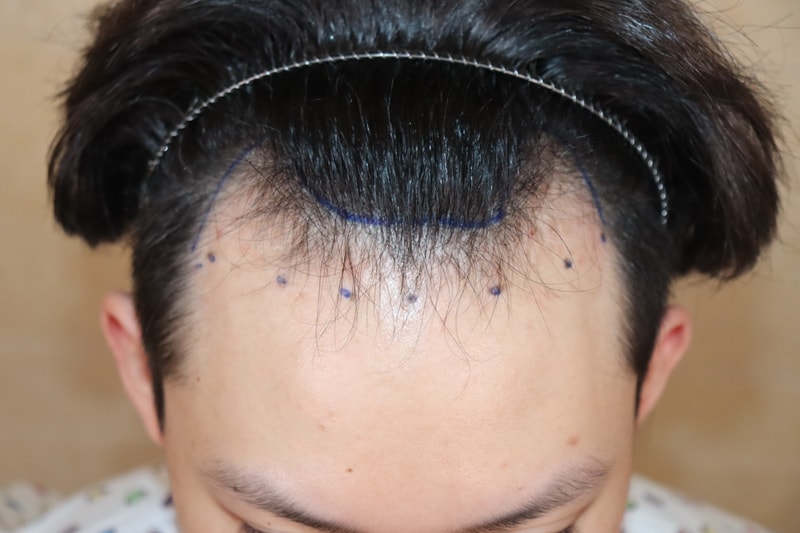
 WOOMCHAN Hair Transplant Clinic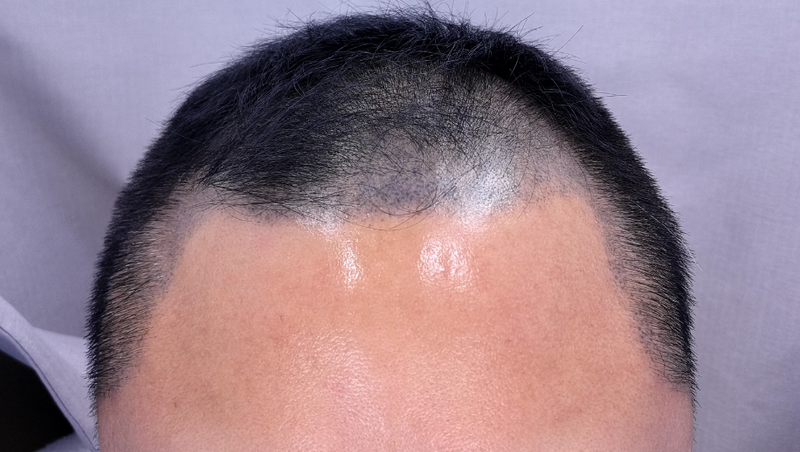
 Yonsei Mobelle Clinic - Incheon Branch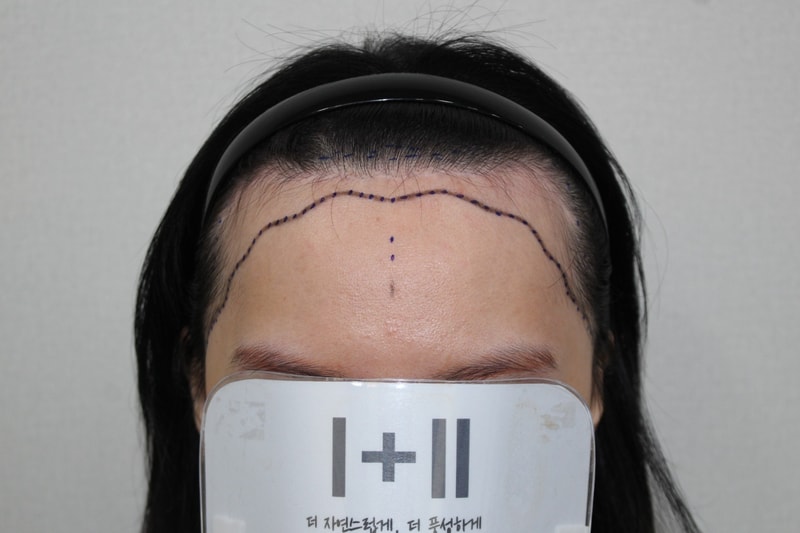
 Moderhamm Clinic — Hair Transplant Center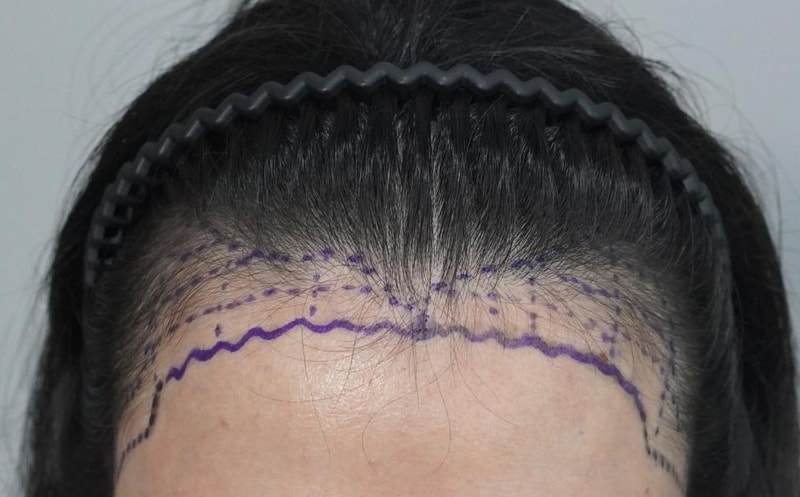
 Busan Grow House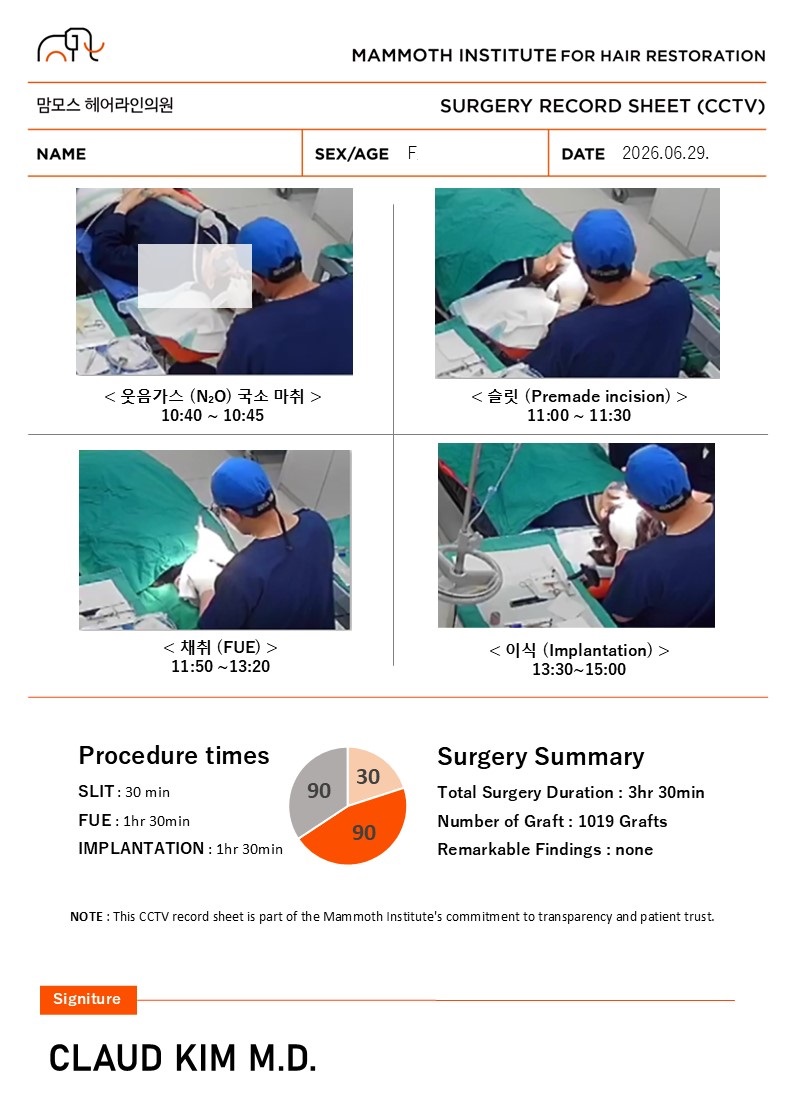
 Mammoth Hair Restoration Center Busan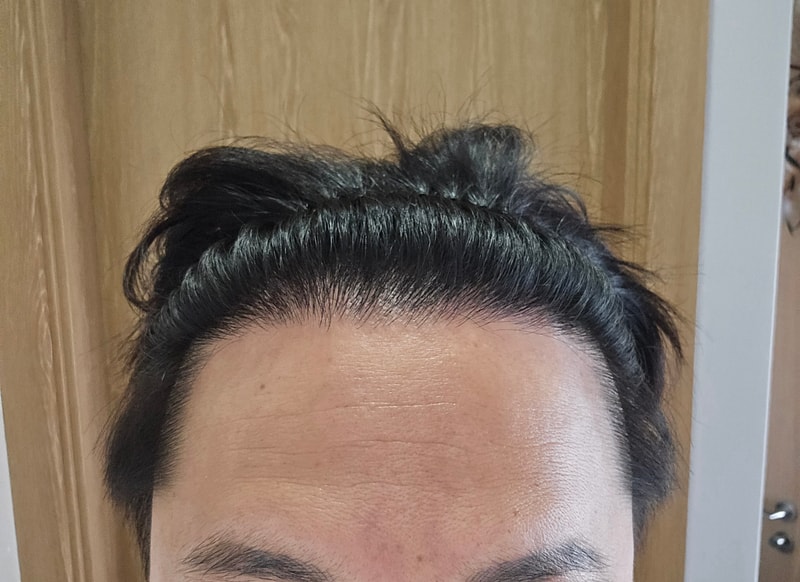
 Mo Jaesung Plastic Surgery & Hair Transplant Center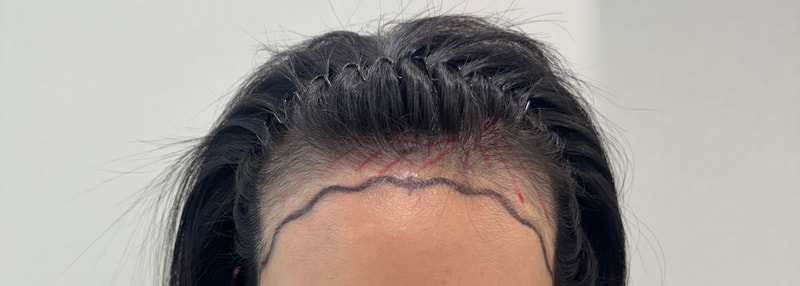
 MOUDA CLINIC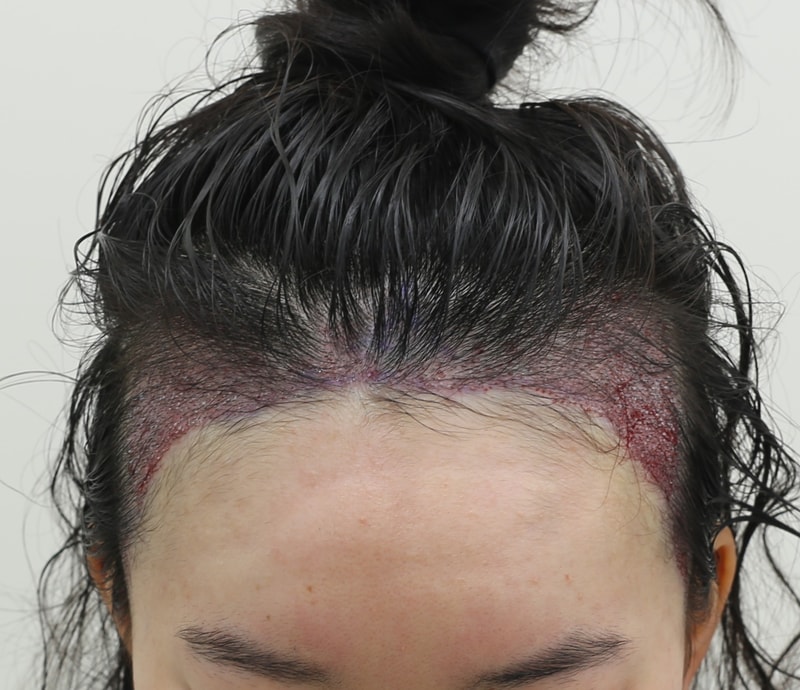
 Mammoth Hair Restoration Center, Apgujeong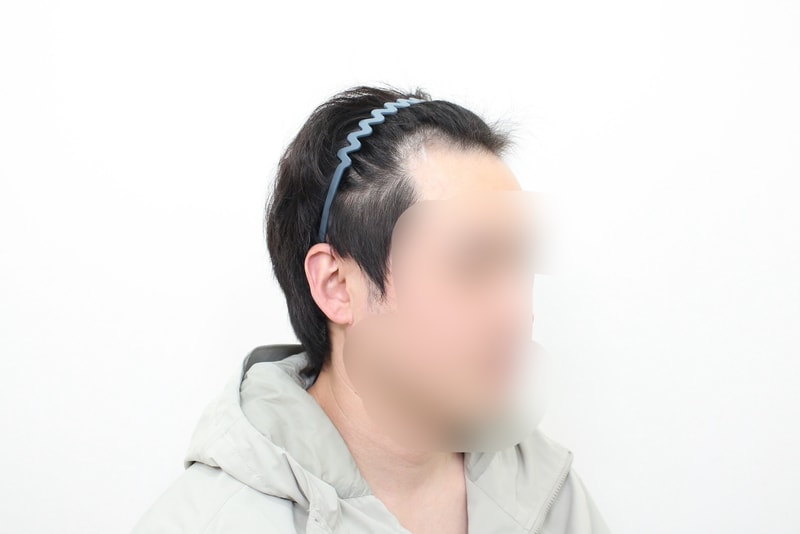
 Mopro Clinic
 an alpha-mocking circle
 FORHAIR Hair Transplant Korea
 MOEM Clinic
 MYMO HAIR TRANSPLANT CENTER Incheon
 Yonsei Mobelle Clinic - Daegu Branch
 MOBARUN HAIR SURGERY
 Momo Clinic
 Mo&Bless Hair Clinic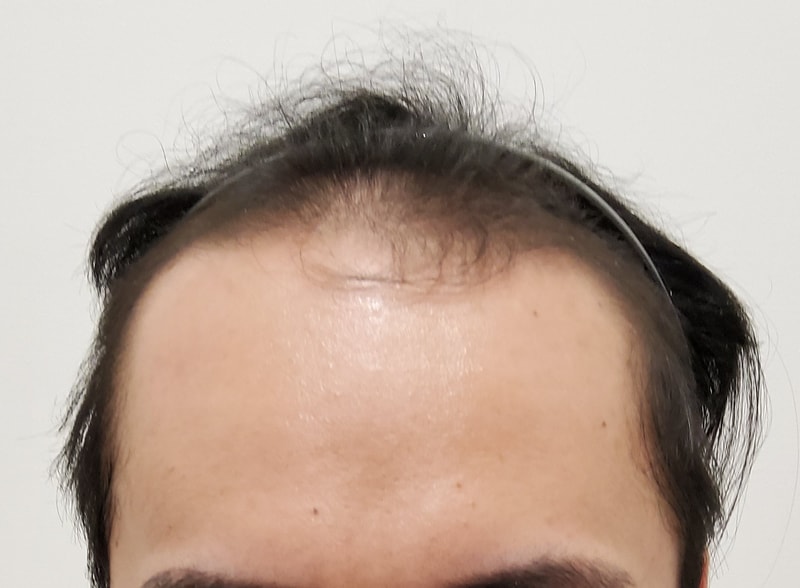
 Modeunmo Clinic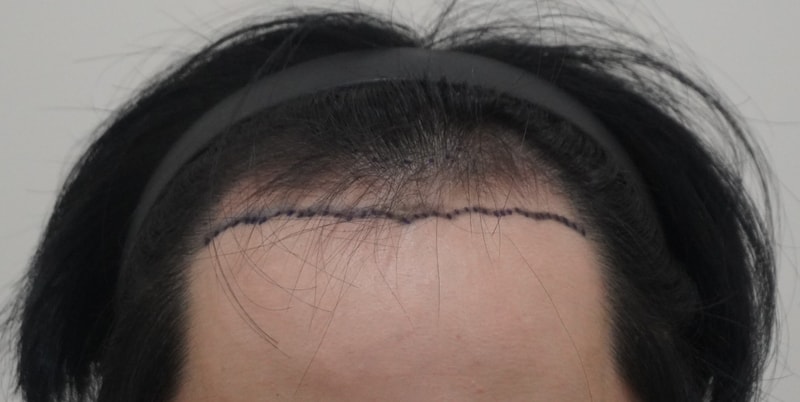
 Yong Doctor Hair Transplant Surgery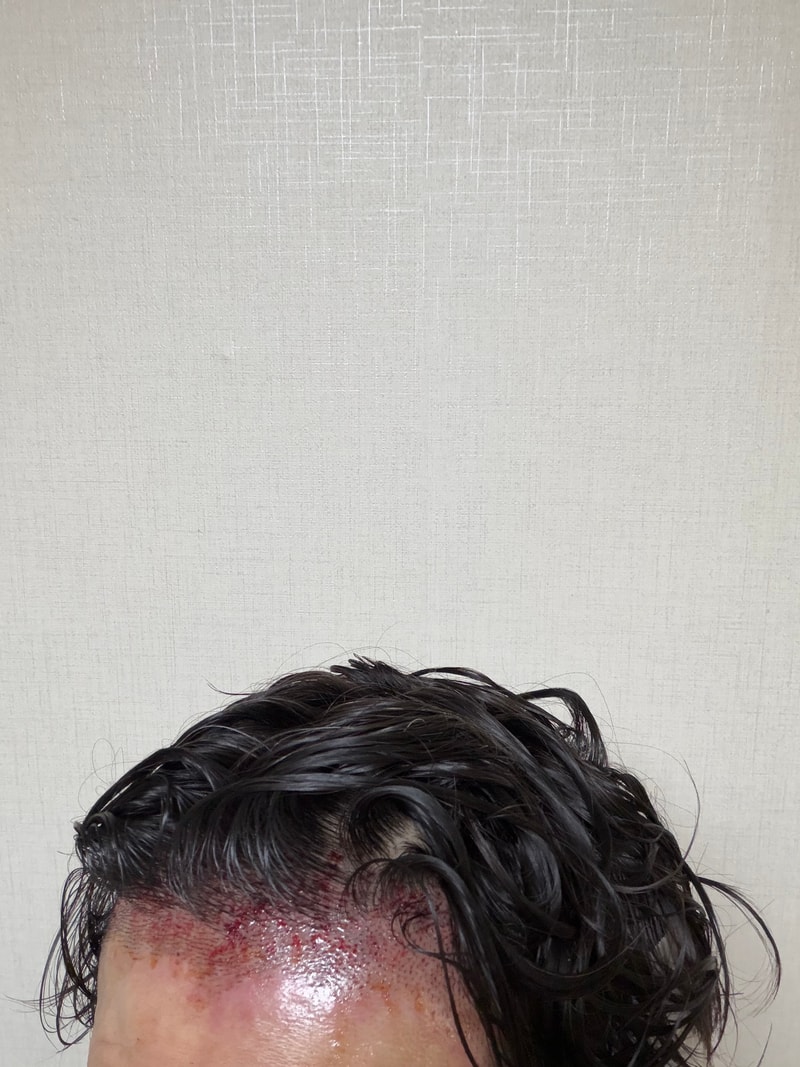
 Mowoolim Clinic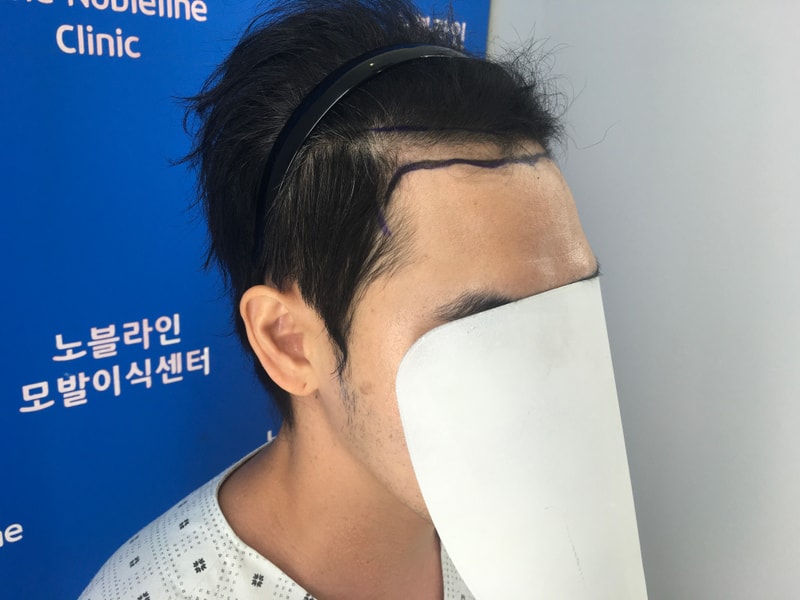
 The Nobleline Center for Alopecia Care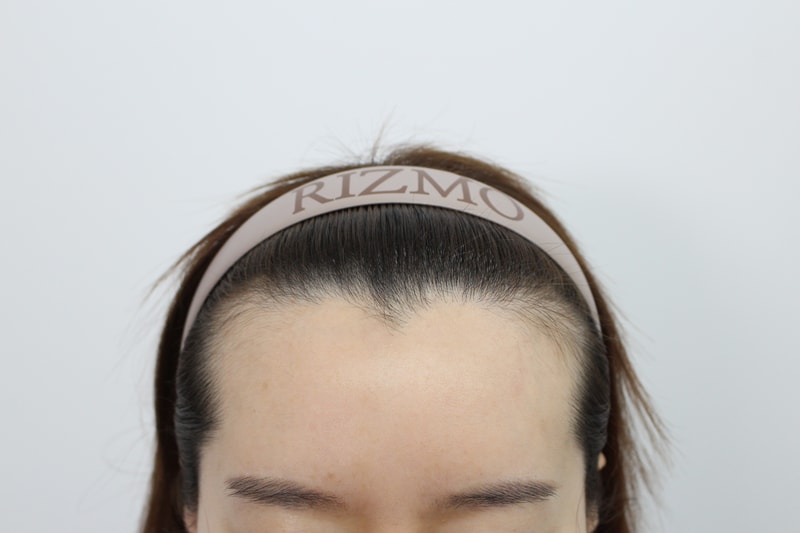
 Rizmo Clinic - Busan Branch
 Banal Plastic Surgery Clinic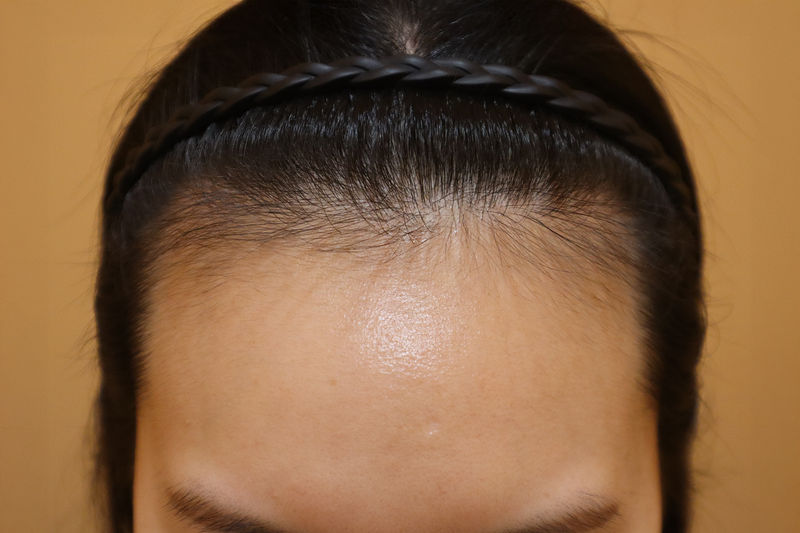
 HAIRO HAIR TRANSPLANT CENTER Busan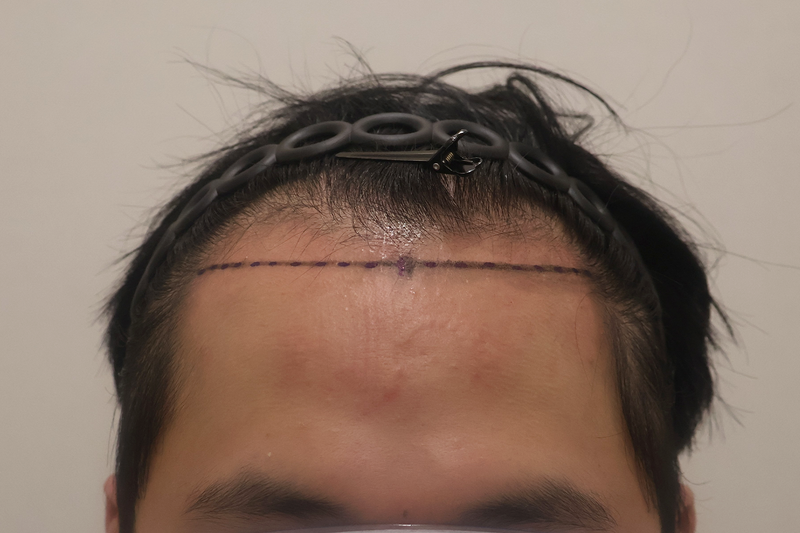
 HAIRO HAIR TRANSPLANT CENTER Dongtan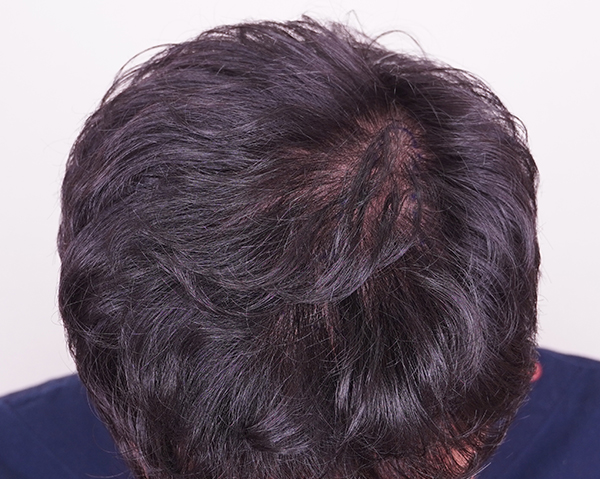
 Momo Clinic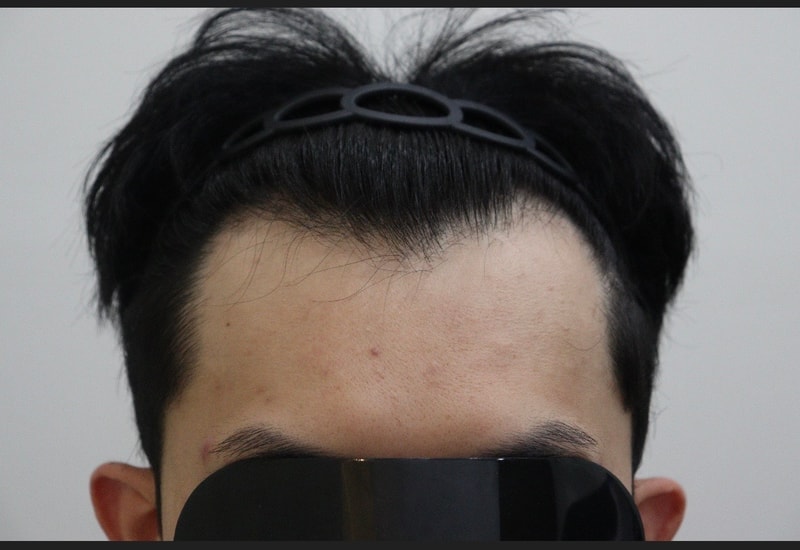
 apgujeong mobien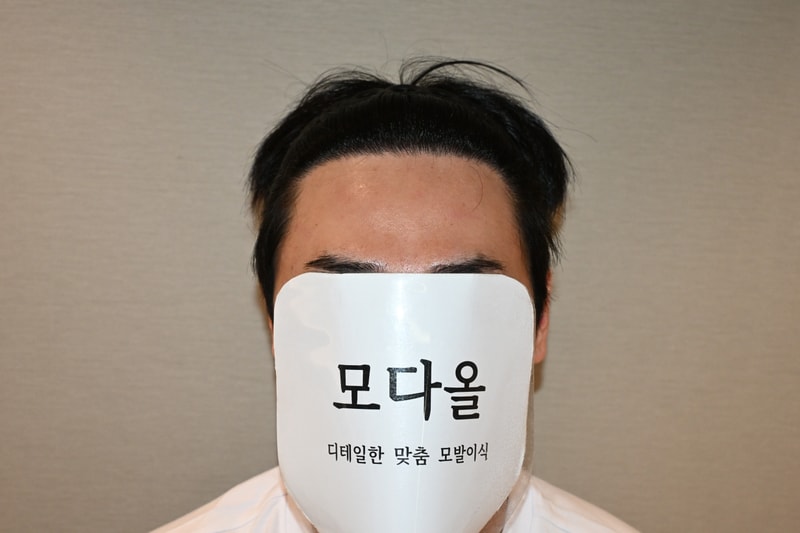
 Modaol Hair Transplant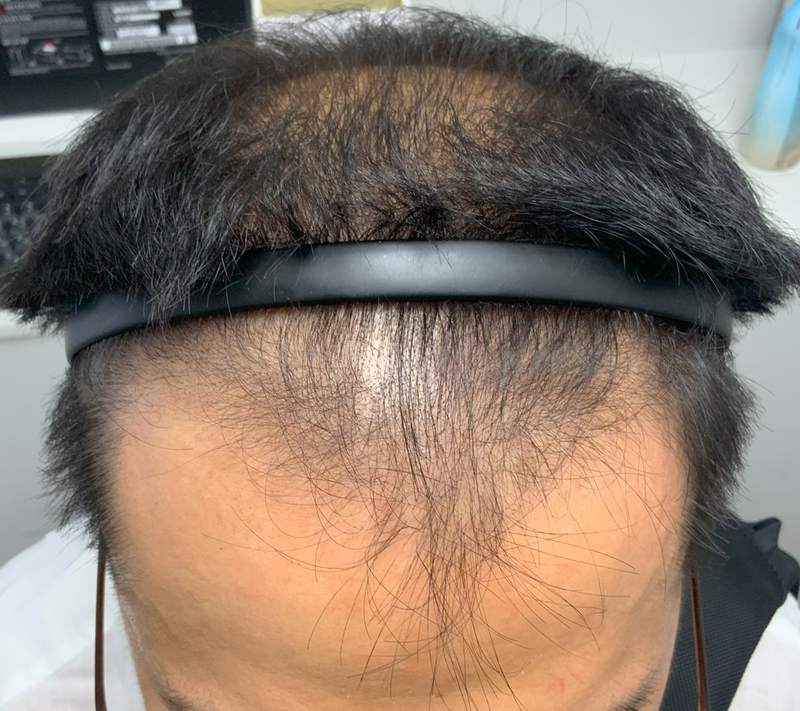
 The Jongno Headquarters of the Yonsei Mobel House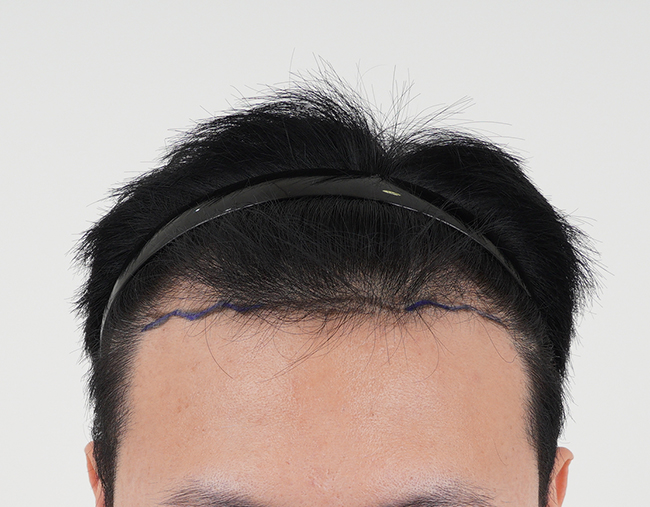
 MOMO's Suwon branch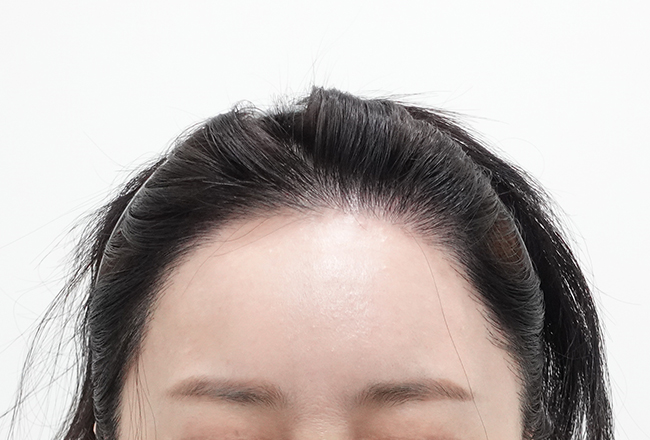
 MOMO HAIR TRANSPLANT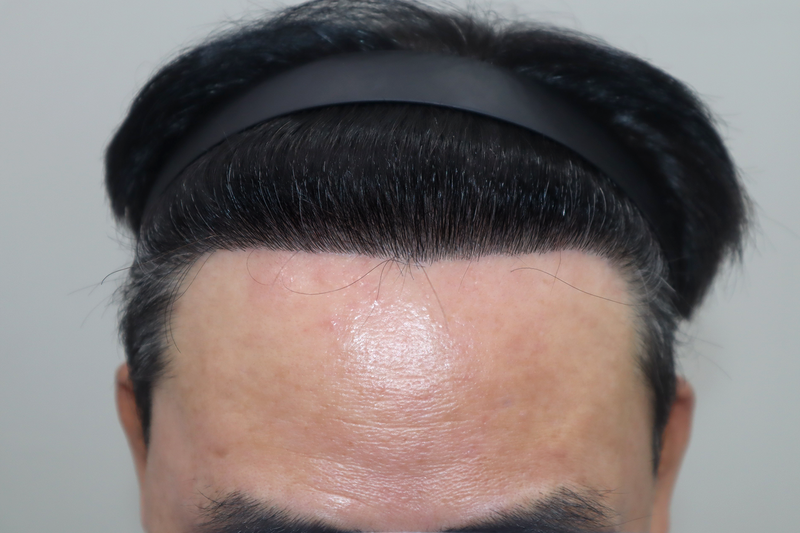
 HAIRO HAIR TRANSPLANT CENTER Jeonju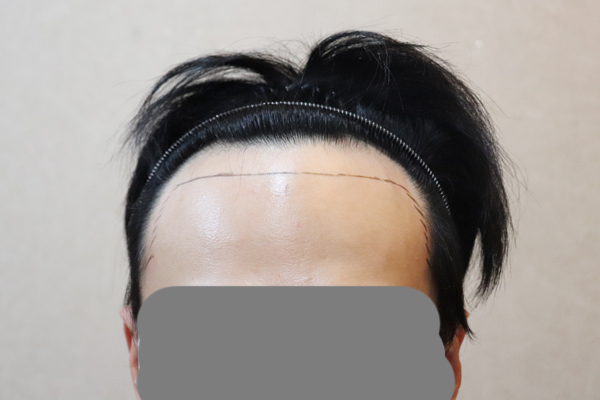
 JP Hair Transplant Clinic
 Modi hariplant
 moart clinic
 GLOWELL
 MOJELIM Hair Transplant
 Moment Clinic
 Motion Hair Clinic
 MOAMAN CLINIC



- Please report the review of Hair Transplant surgery on this bulletin board. (Deleted and withdrawn)
Comments 13