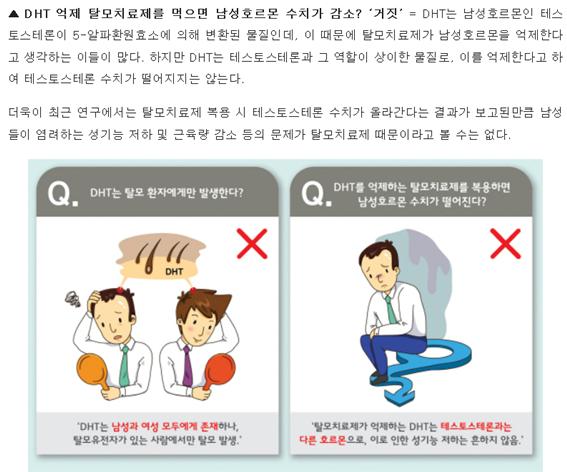
<Relationship between increased male hormones and hair loss>
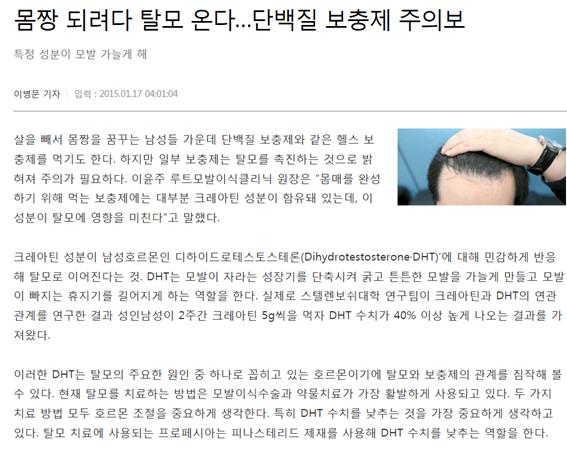
<side effects of creatine>
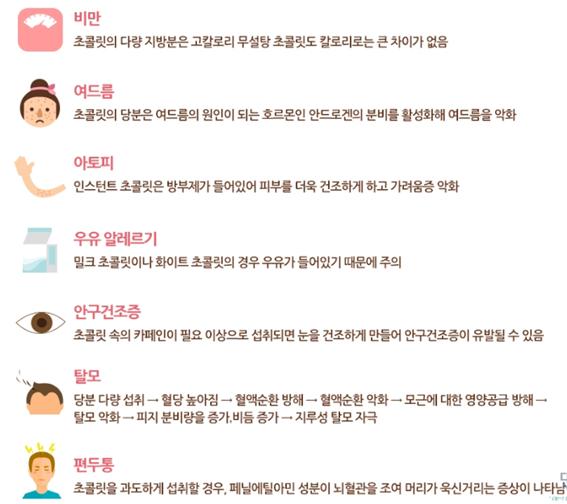
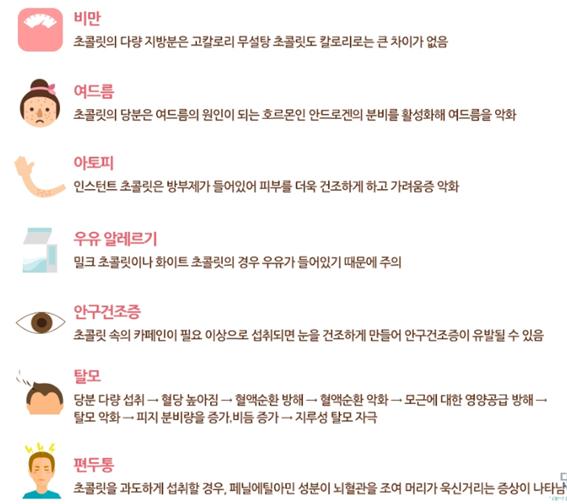
<Hair loss when consumed in large amounts of sugar>
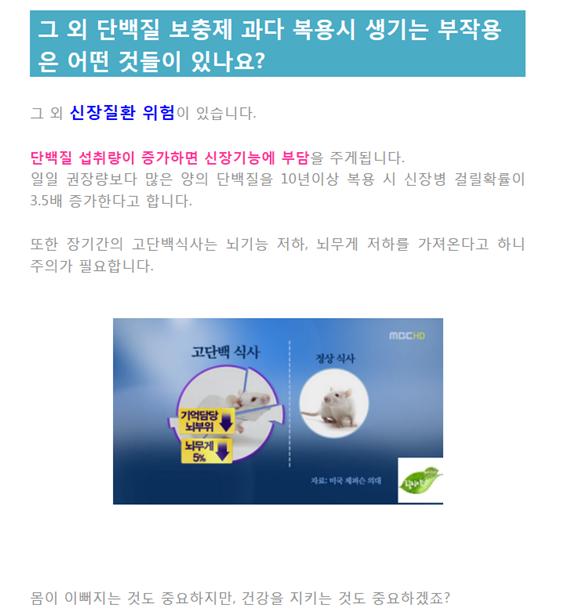
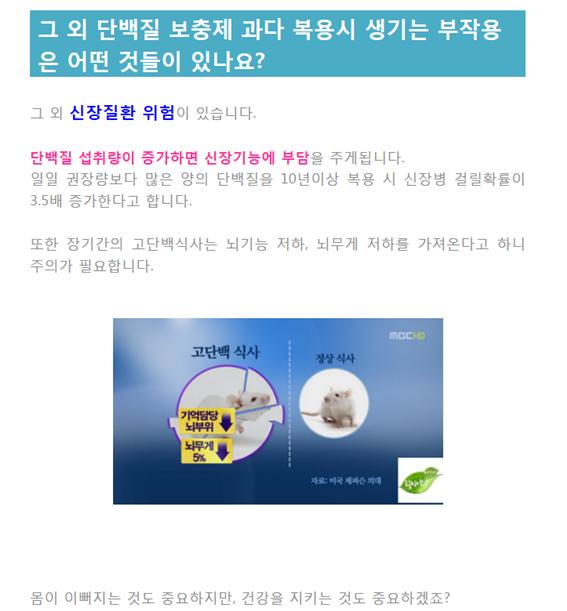
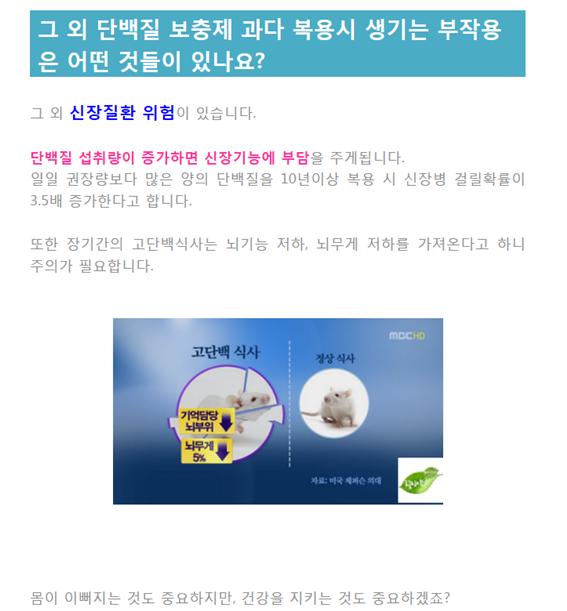
<Risk of High Protein Intake>
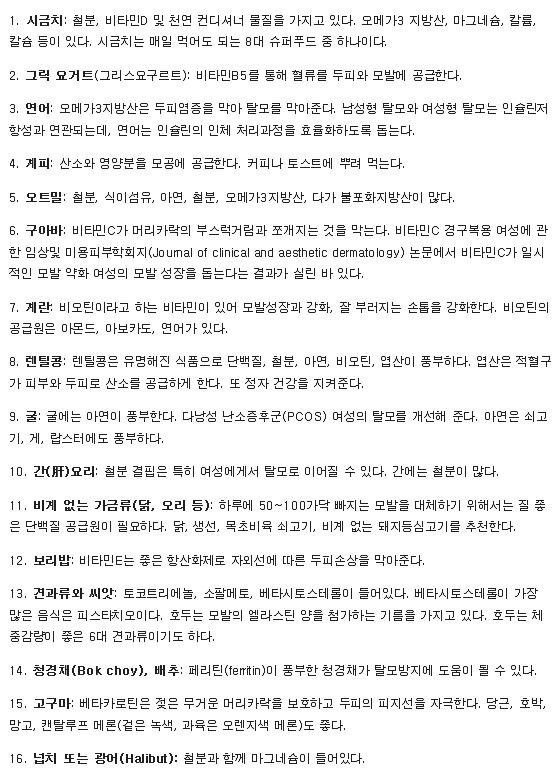
<Hair loss prevention food>



There are a lot of people who say that you lose hair when you work out, but I personally think it's a dog's sound.
1. Nutrient-deficient hair loss: Honestly, aren't there people who don't eat and just work out??
,Bodybuilder-level people are very careful about their diet, so it seems that it is not hair loss due to protein deficiency.
If you exercise like national judo players and don't eat a meal, you may lose your hair due to protein deficiency.
2. Hair loss due to increased male hormones: It seems to be the most relevant. If you have a male hair loss gene
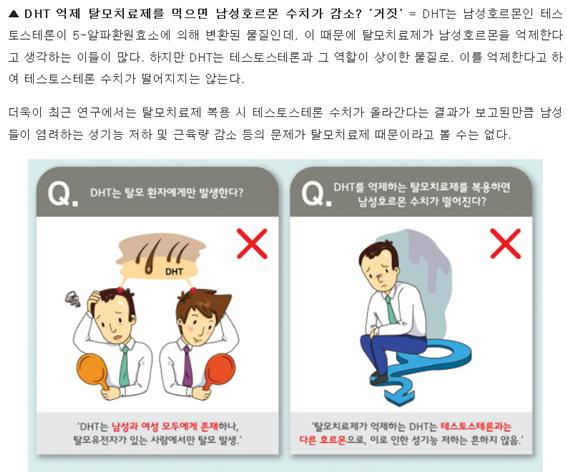
[Caused by the combination of male hormones (testosterone) and Oalpha reduction elements] = Since certain parts of the follicle cells that combine with DHT are distributed in the scalp, you might think that male hormones (testosterone) should not come out a lot.
When there are a lot of male hormones themselves, it's a lot of them that are converted into DHT by defecting with the Oalpha reduction element
I thought the hair loss would be worse, but if I take Proxiana and Prosca, I get more male hormones
That's what he said. In other words, it doesn't matter how much male pheromone is converted into -> DHT, so you don't have to worry about this.
3. Let's take supplements when it comes to working out.
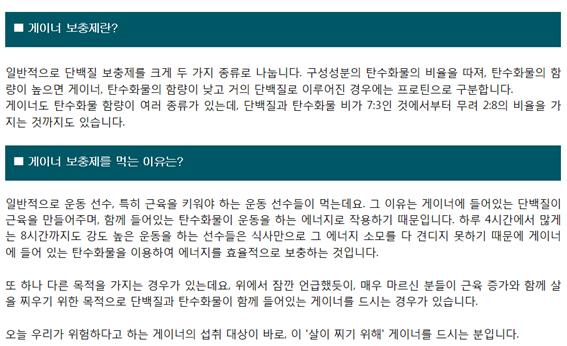
The problem is creatine and maltodextrin.
<Creatin>
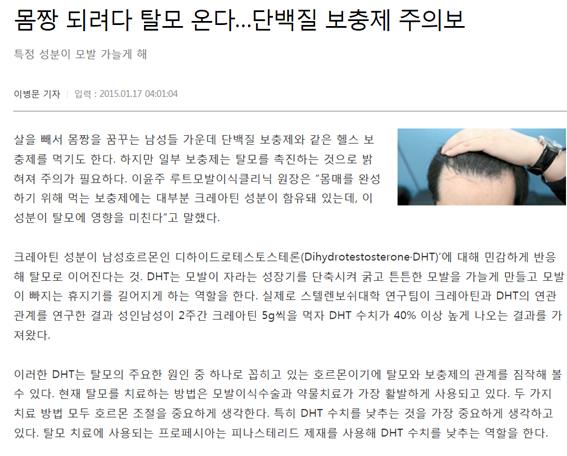
The creatine component reacts sensitively to the male hormone Dihydrotestosterone (DHT), leading to hair loss. DHT plays a role in shortening the growth period of hair growth, thinning thick and strong hair and lengthening the break period when hair falls out. In fact, a research team at Stellenbosch University studied the relationship between creatine and DHT and found that when adult men ate 5 grams of creatine for two weeks, DHT levels were more than 40% higher.
<Maltodextrin>
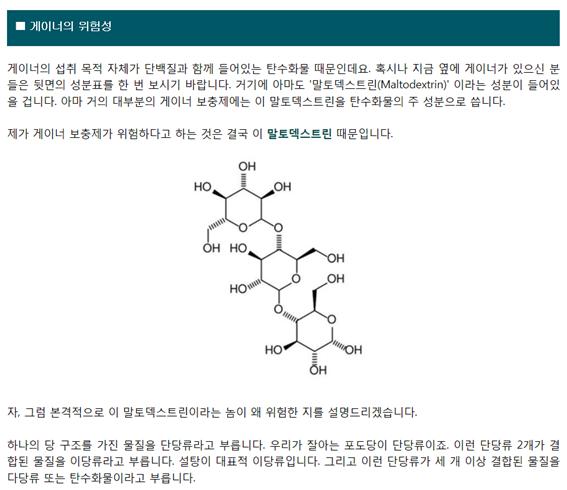
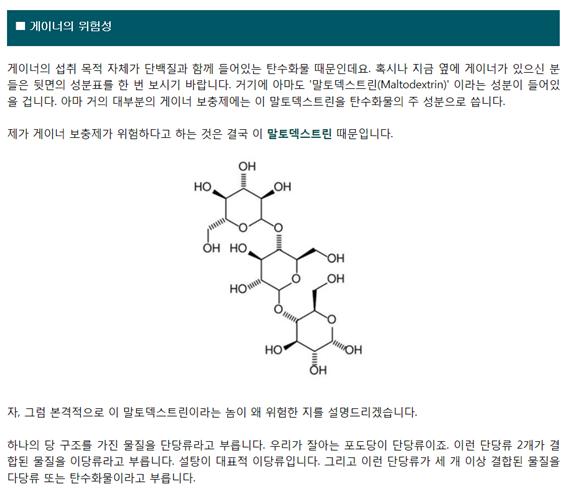
Substances with one sugar structure are called monosaccharides. The glucose we know well is monosaccharide. These two monosaccharides are called disaccharides. Sugar is the representative disaccharide. And substances with three or more of these monosaccharides combined are called polysaccharides or carbohydrates.
Maltodextrin is an artificial polysaccharide carbohydrate made by hydrolyzing starch such as wheat and corn. Simply put, you can think of it as a straight line of monosaccharide glucose above. Depending on the process of making it, there are cases where it is connected from 3 to as many as 20, but the connected structure is the same, so regardless of the number, it is just named as 'Malto Dextrin'.
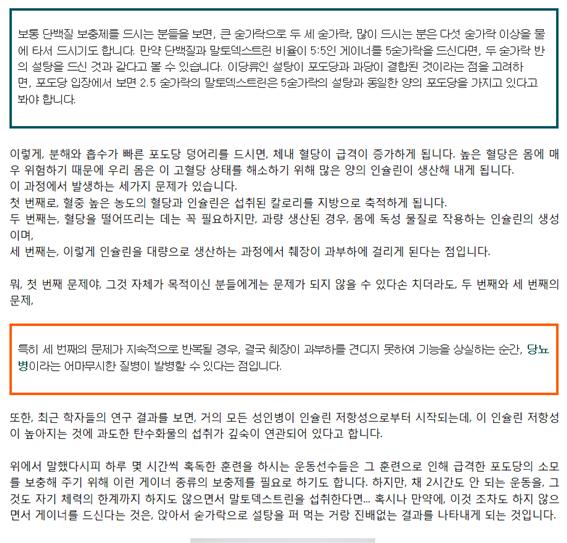
The biggest problem is that this maltodextrin is a polysaccharide that is very easy to break down. In other words, carbohydrates are right, but they break down into glucose as soon as you eat them. Glucose, the basis of the GI index (the rate of absorption in the body at the time of ingestion), is GI index 100, and this maltodextrin has a GI index of 97.
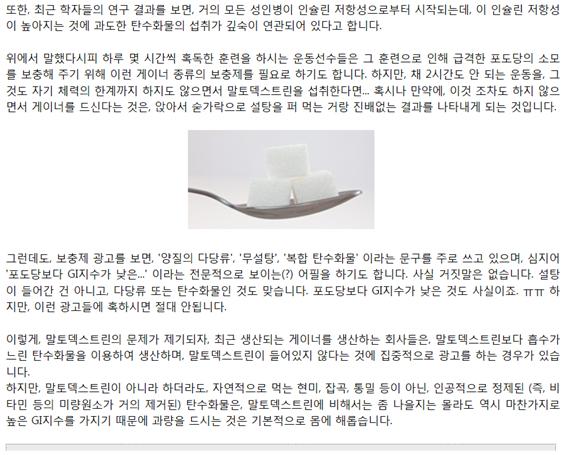
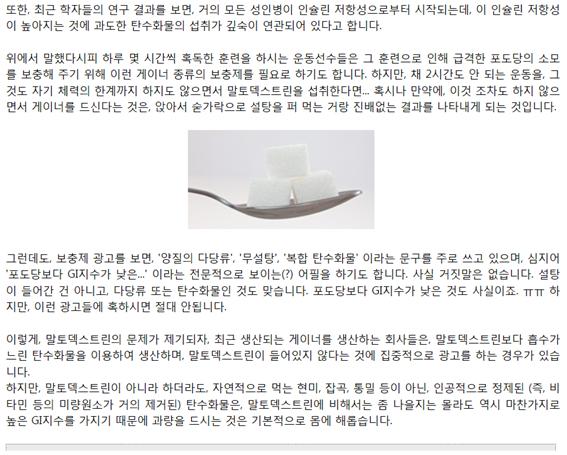
Because this maltodextrin is a polysaccharide, it does not taste as sweet as monosaccharides and disaccharides. In other words, consuming maltodextrin is no different from eating unsweetened sugar.
In other words, maltodextrin = unsweetened sugar -> elevated blood sugar -> obstructed blood circulation -> hair loss
https://www.youtube.com/watch?v=t-RLbhpimO4
The association between strength training and hair loss
http://www.drshapiroshairinstitute.com/accelerated-follicular-restoration/anabolic-profile.php
This address is a research material on protein supplements and their relationship to hair loss. You can convert it into an English translator and read it.
If you don't think it's a supplement issue, please comment in the comments. I want to take supplements, too





 K4956440375
 K44056800112508201626
 K4956505959
 K46677049852512290744



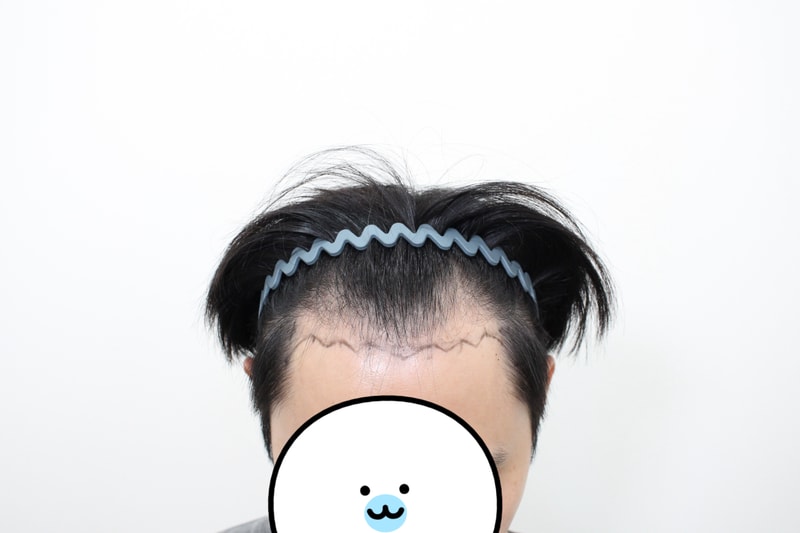
 Mopro Clinic
 Hannaeve plastic surgery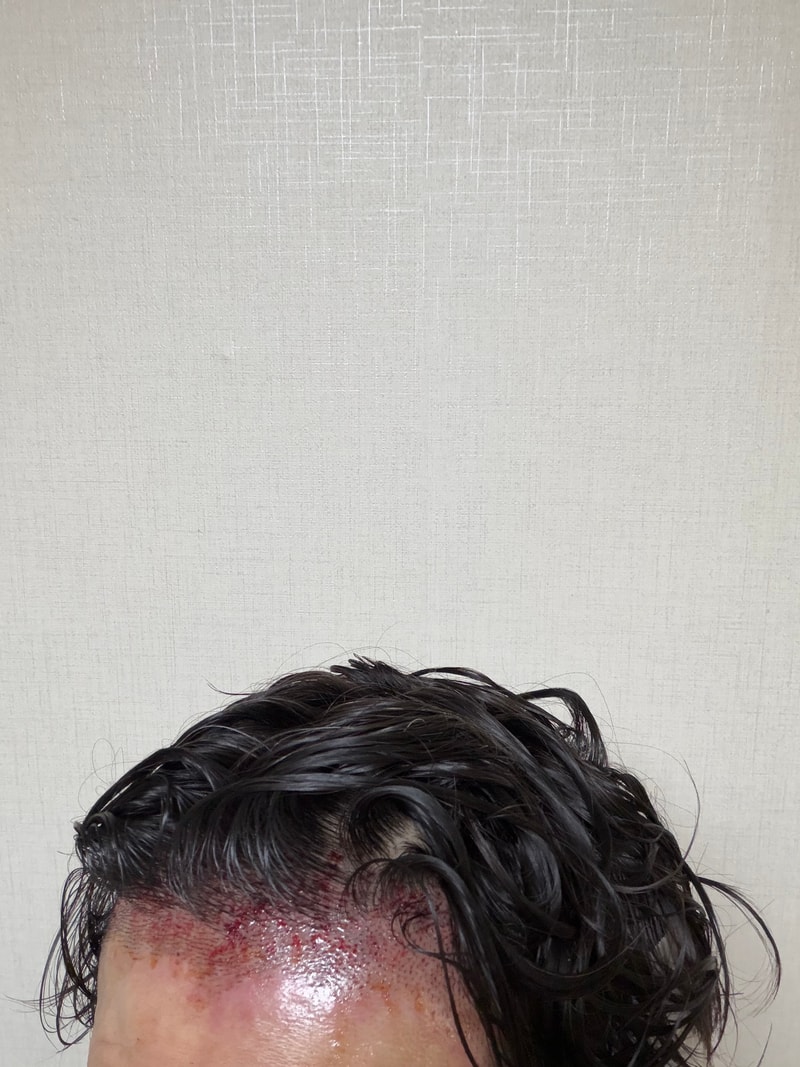
 Mowoolim Clinic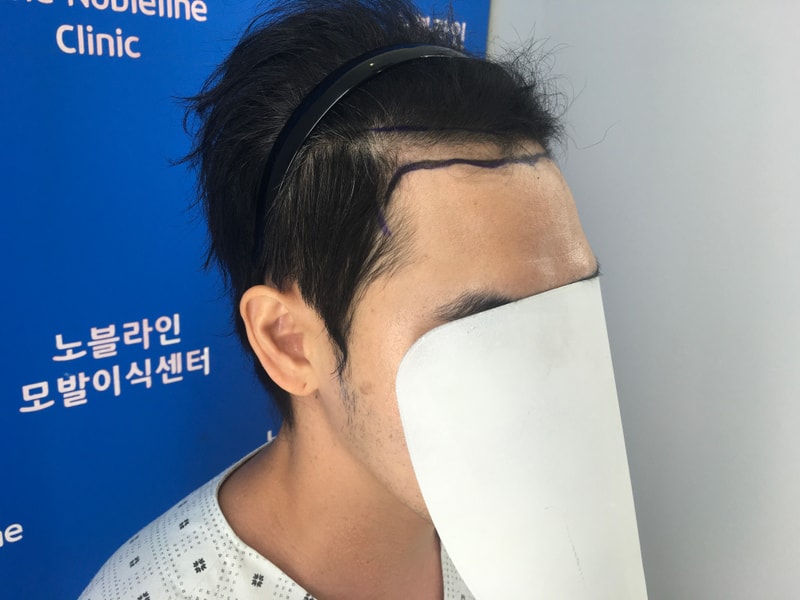
 The Nobleline Center for Alopecia Care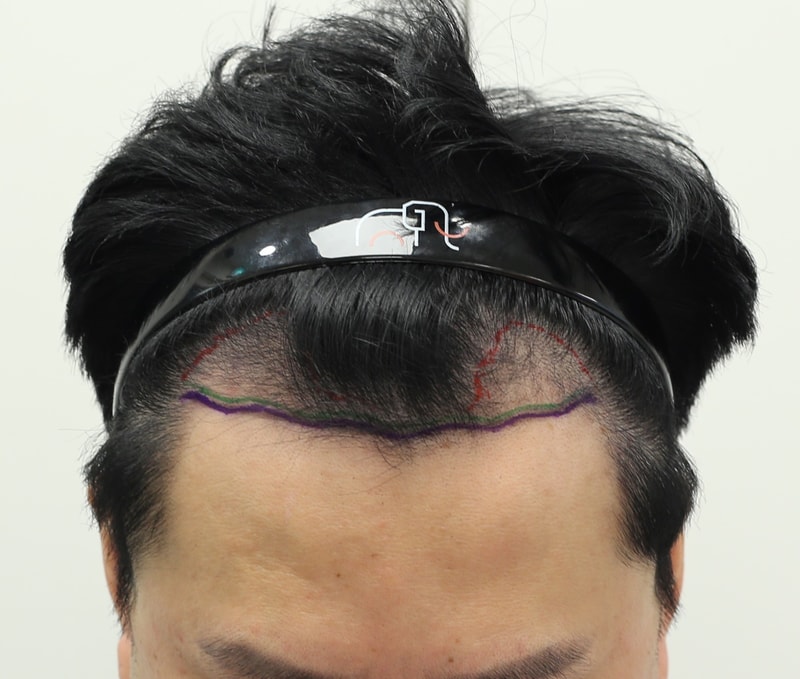
 Mammoth Hair Restoration Center, Apgujeong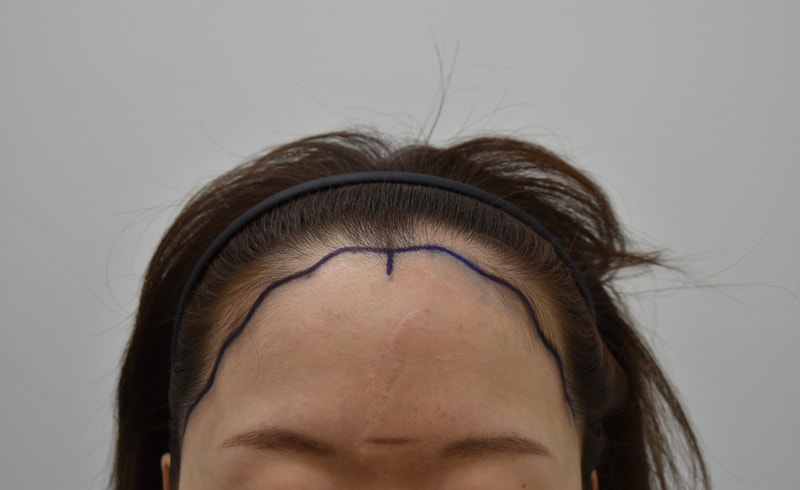
 MOBARUN HAIR SURGERY
 MYMO HAIR TRANSPLANT CENTER Incheon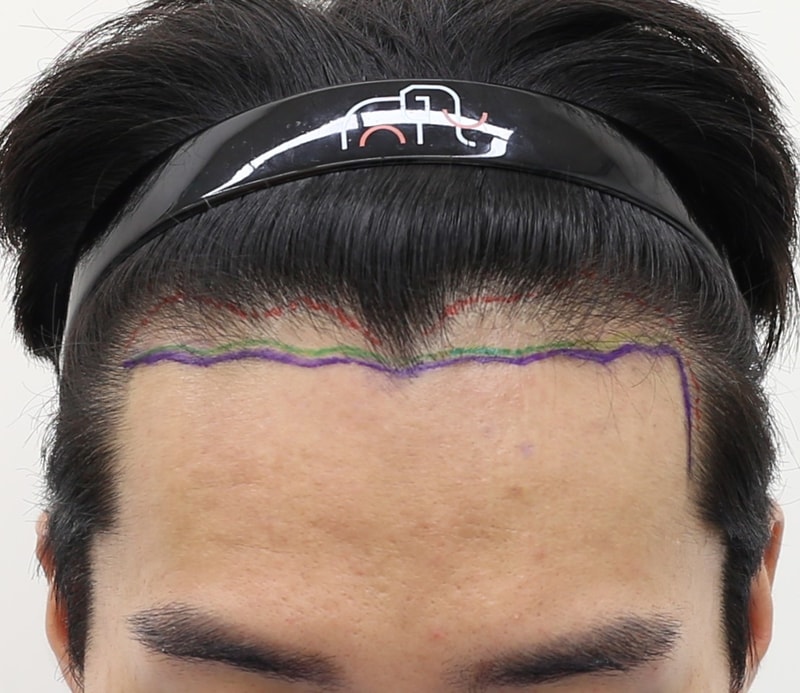
 Incheon Mammoth Hair Restoration Center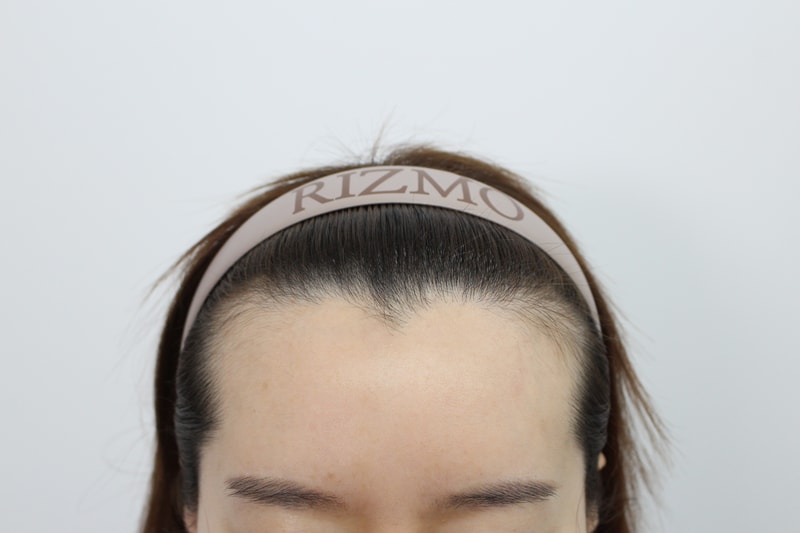
 Rizmo Clinic - Busan Branch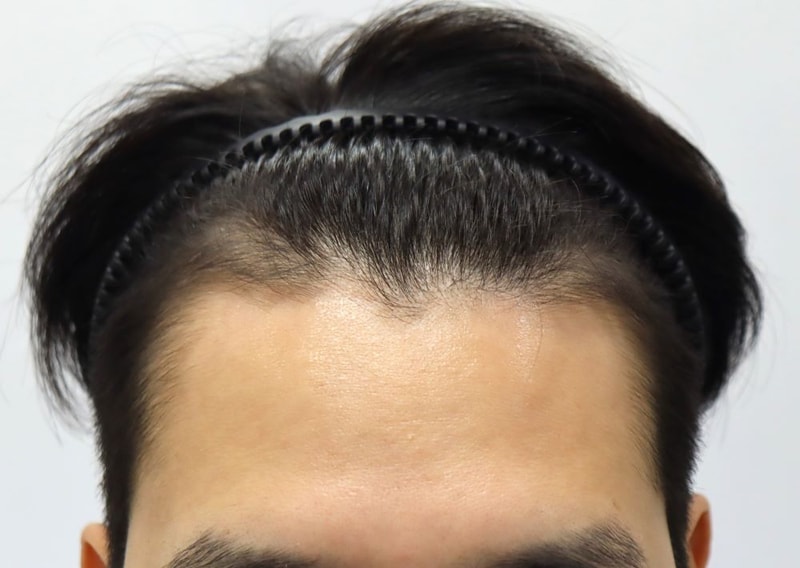
 FORHAIR Hair Transplant Korea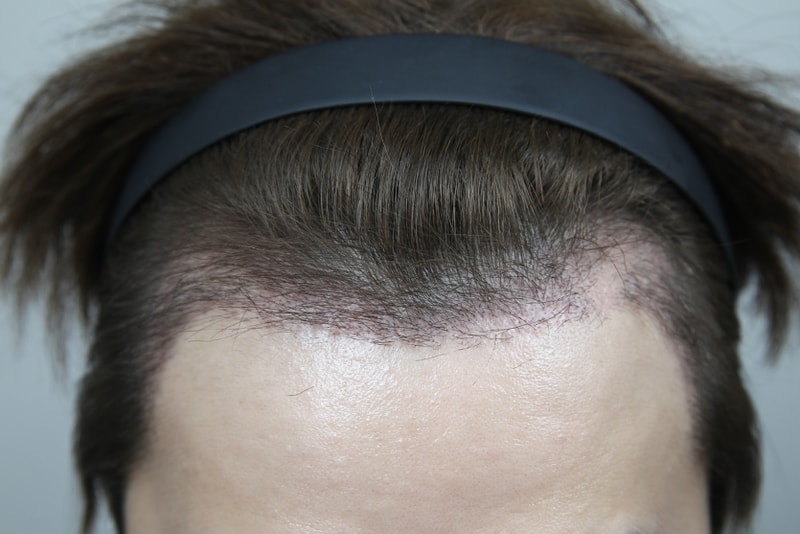
 MONARA dermatology clinic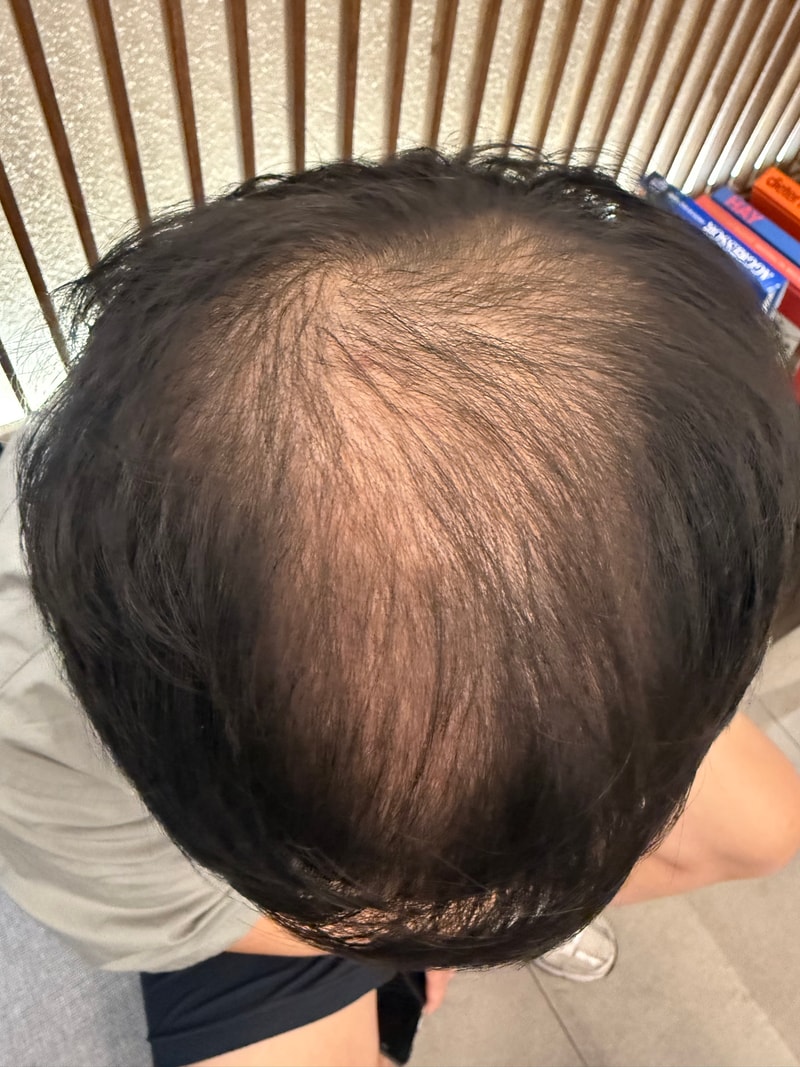
 MO.1 plastic surgery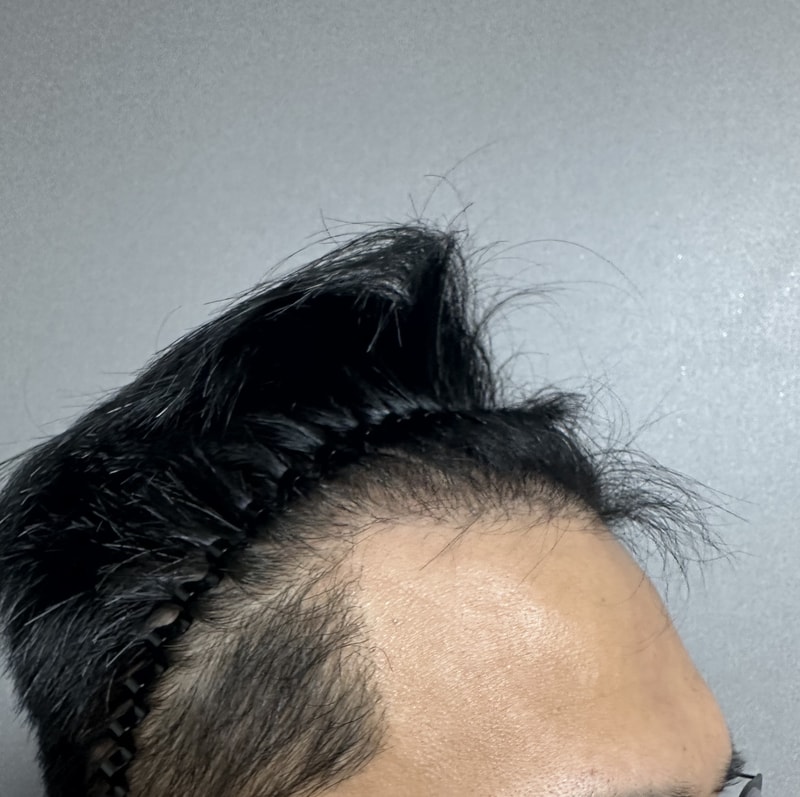
 Dana Plastic Surgery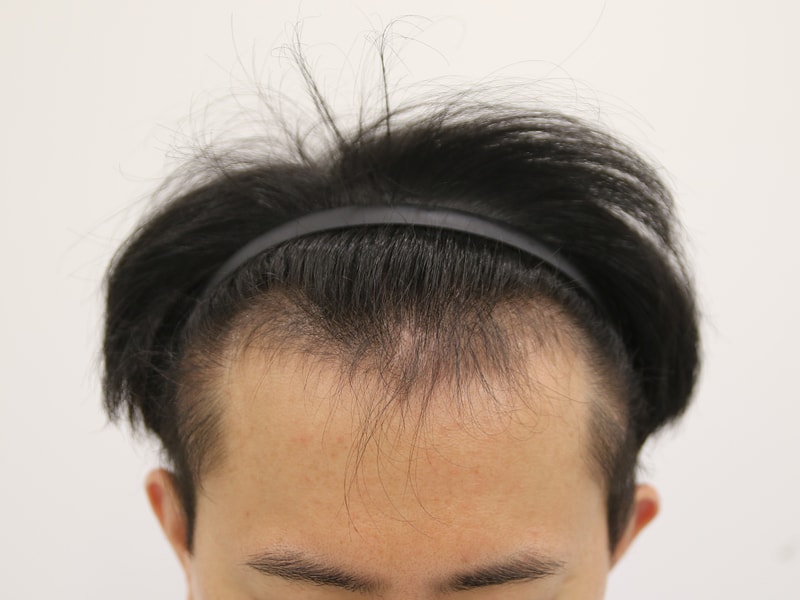
 Mammoth Hair Restoration Center Busan
 Banal Plastic Surgery Clinic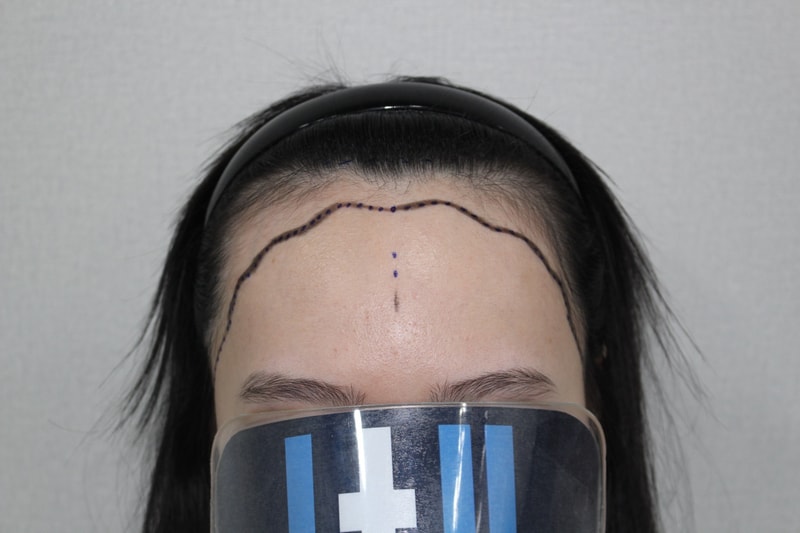
 Moderhamm Clinic — Hair Transplant Center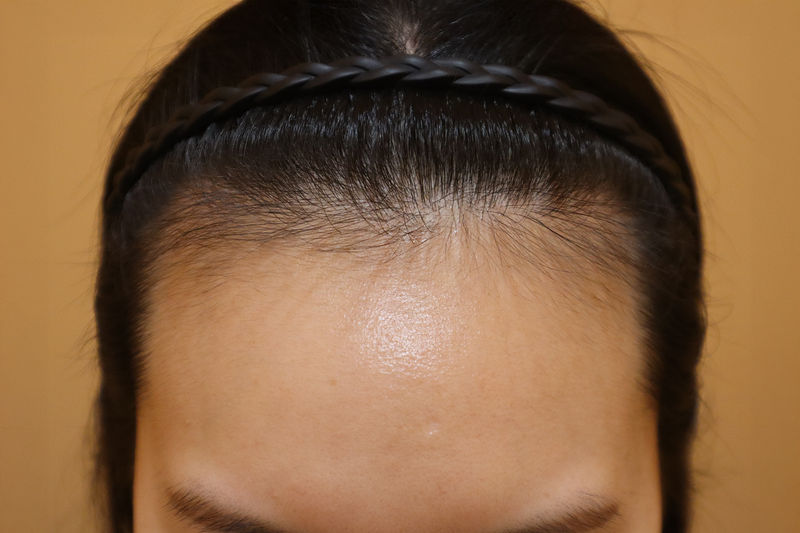
 HAIRO HAIR TRANSPLANT CENTER Busan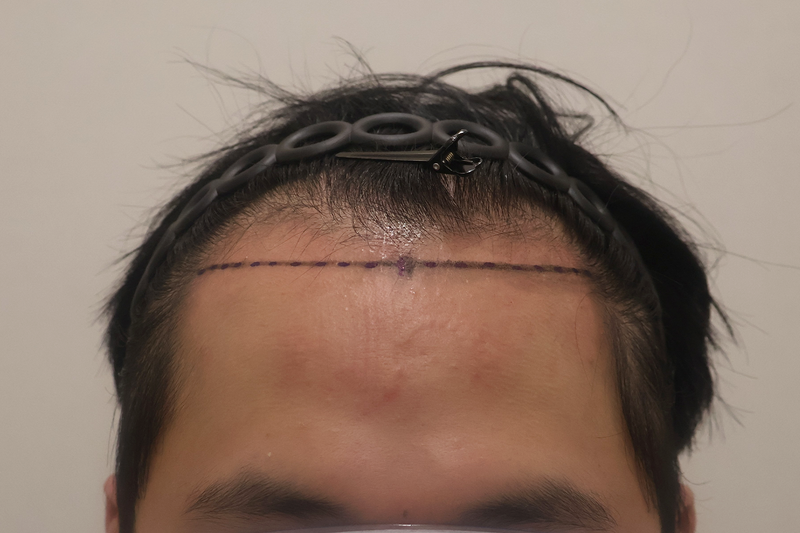
 HAIRO HAIR TRANSPLANT CENTER Dongtan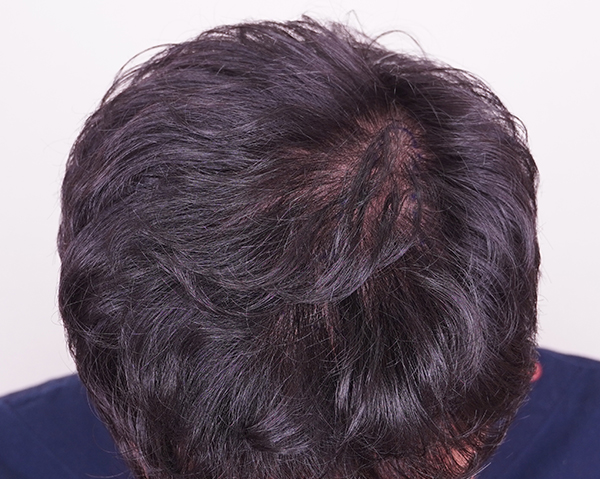
 Momo Clinic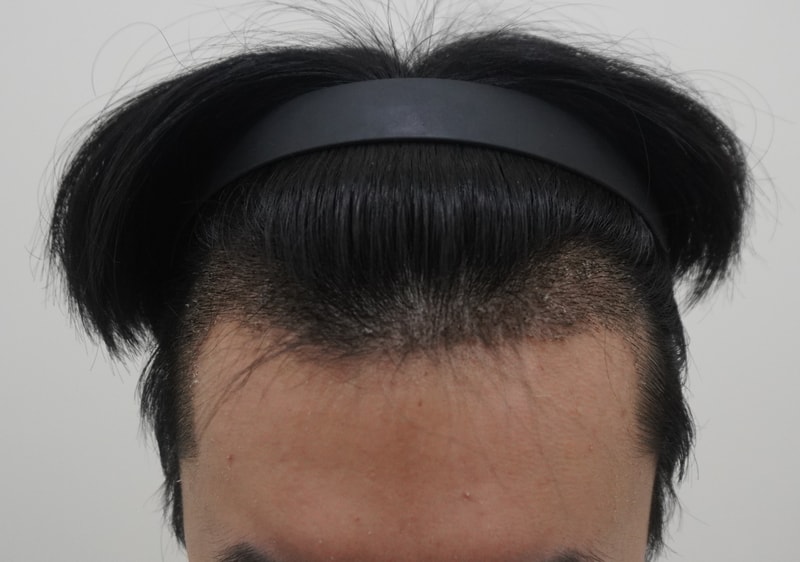
 Yong Doctor Hair Transplant Surgery
 NEWHAiR
 Mo Jaesung Plastic Surgery & Hair Transplant Center
 Modeunmo Clinic
 apgujeong mobien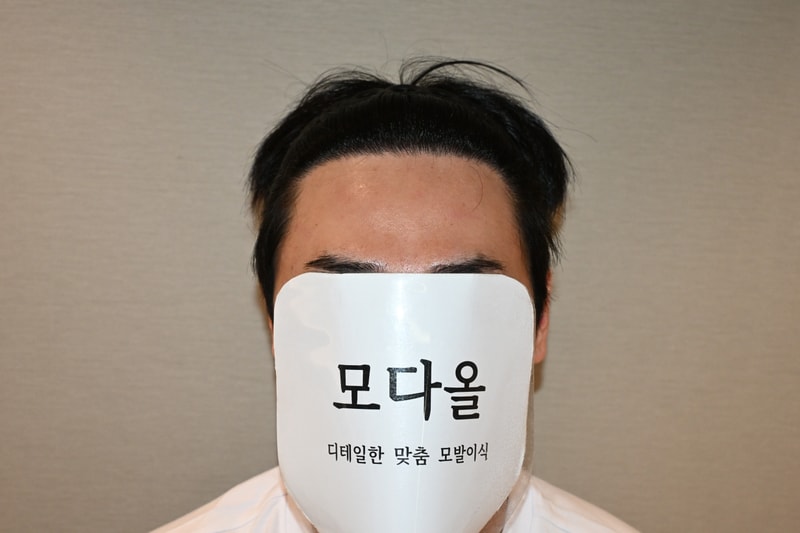
 Modaol Hair Transplant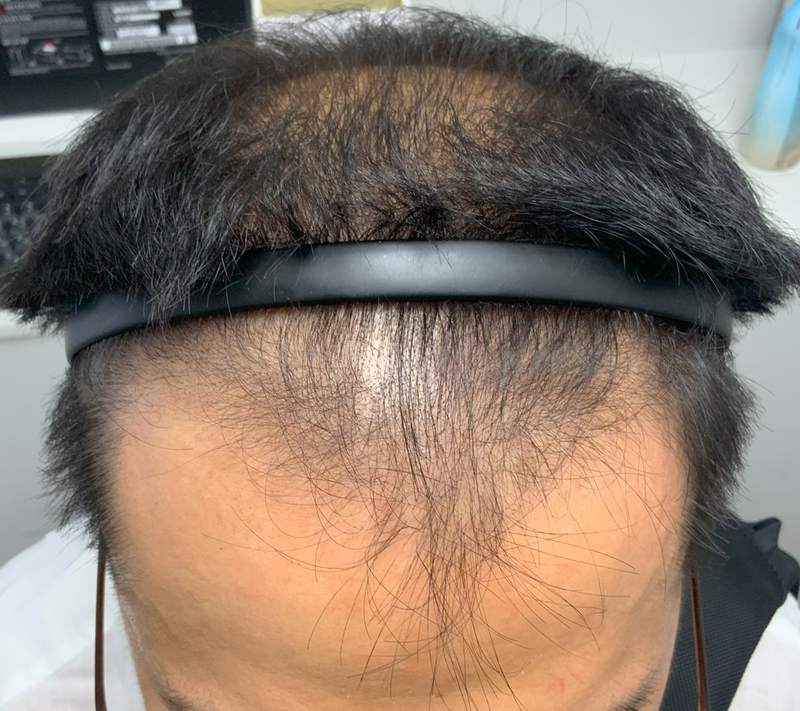
 The Jongno Headquarters of the Yonsei Mobel House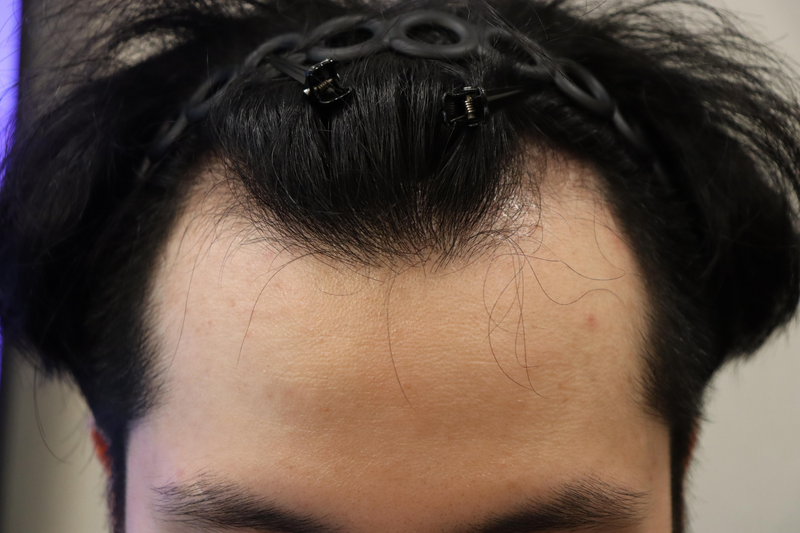
 HAIRO HAIR TRANSPLANT CENTER Daegu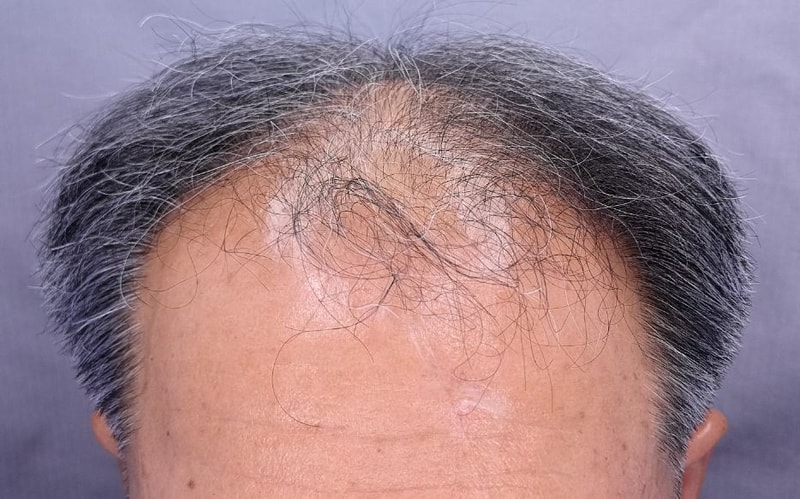
 Yonsei Mobelle Clinic - Incheon Branch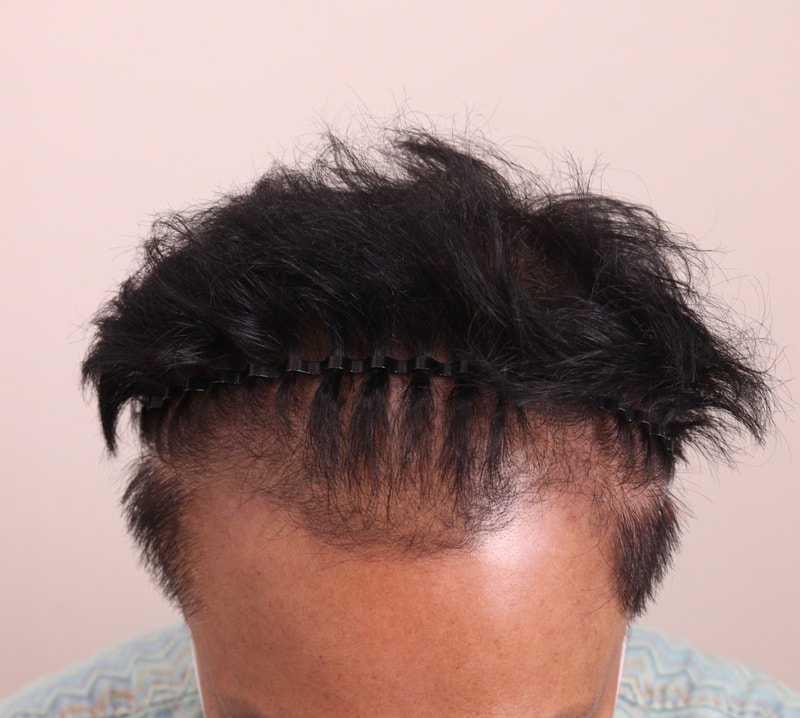
 Mo&Bless Hair Clinic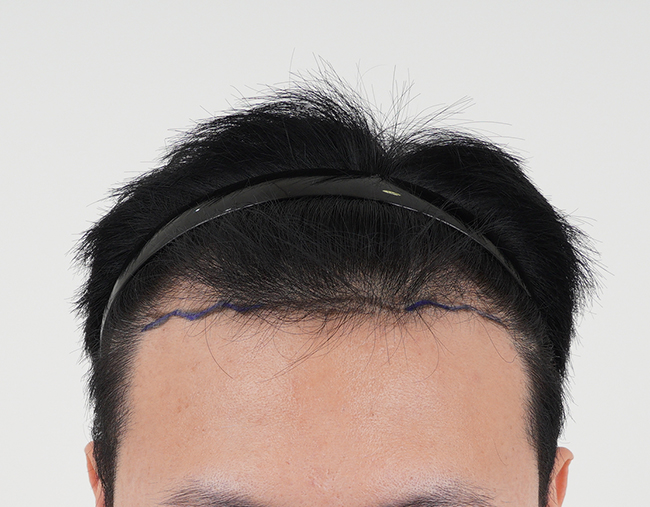
 MOMO's Suwon branch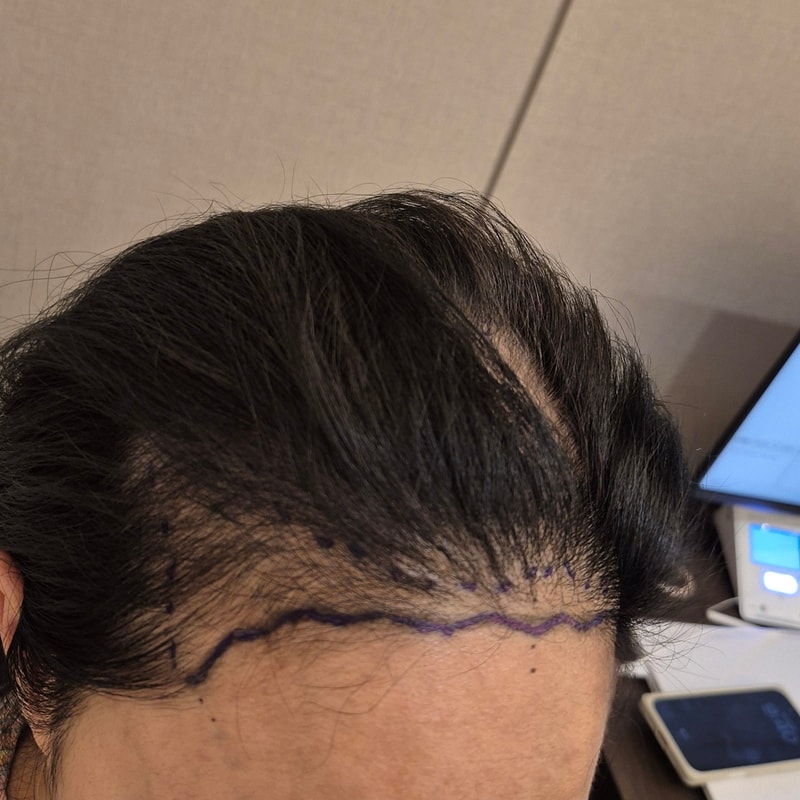
 an alpha-mocking circle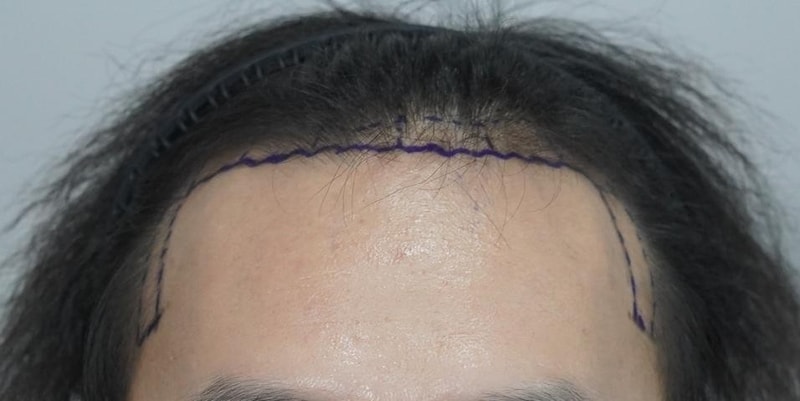
 Busan Grow House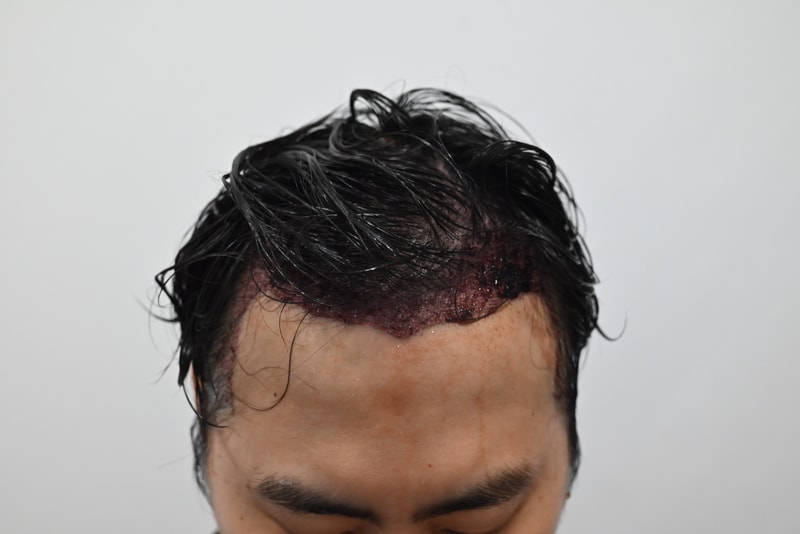
 MOEM Clinic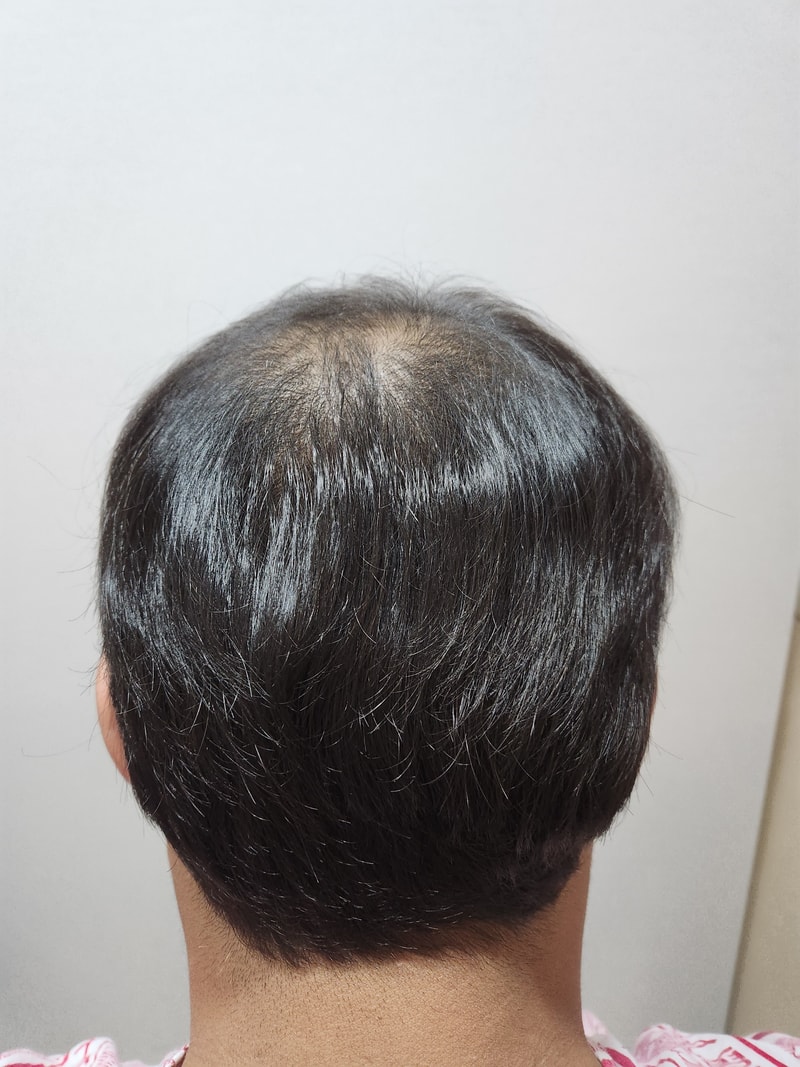
 Yonsei Mobelle Clinic - Daegu Branch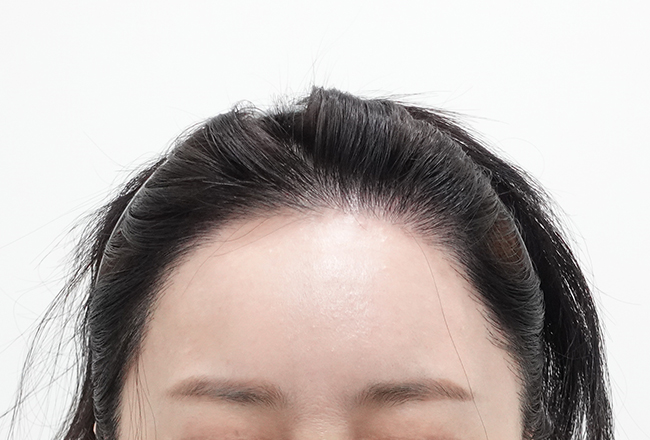
 MOMO HAIR TRANSPLANT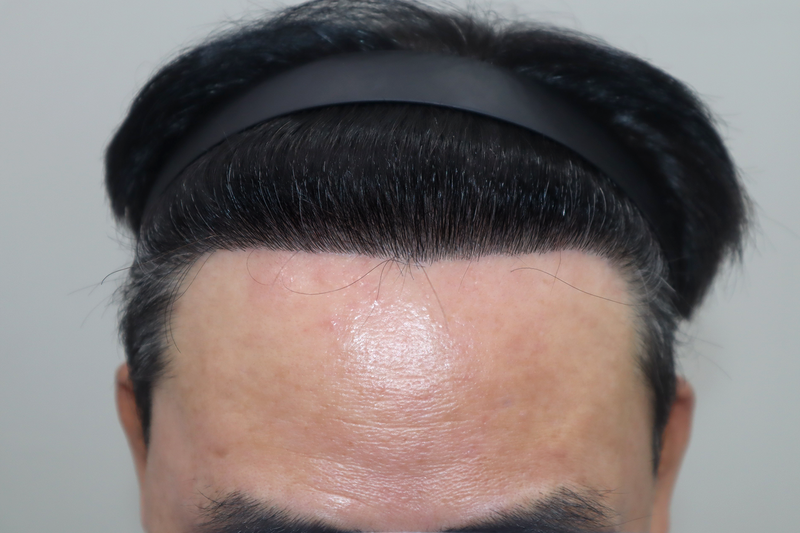
 HAIRO HAIR TRANSPLANT CENTER Jeonju
 JP Hair Transplant Clinic
 WOOMCHAN Hair Transplant Clinic
 MOUDA CLINIC
 Modi hariplant
 Momo Clinic
 moart clinic
 GLOWELL
 MOJELIM Hair Transplant
 Moment Clinic
 Motion Hair Clinic
 MOAMAN CLINIC



- Please report the review of Hair Transplant surgery on this bulletin board. (Deleted and withdrawn)
Comments 9