<Making 1 kg of natural shampoo soap>
200g coconut oil
50g of palm oil
150g olive oil
100g of castor oil
50 g of camellia oil
150g avocado oil
Grape seed oil 50g (Grape seed oil is also effective in preventing obstruction)
Super fat: jojoba oil 20 g
Vitamin e (oxidation prevention function): 10g
Herb concentrated oil (20g total): 5g rosemary oil, 5g lavender, 5g ylang ylang, 5g tea tree.
106g caustic soda (5% dc)
Distilled water 248 cc (33%)
Distilled water tincher: Raw rosemary in distilled water, sage. Add a lot of lavender leaves, stems, and dried mugwort and use it over medium to low heat for about 2 hours.
Tracey additives: ginger powder 30g green tea powder 30g licorice powder 30g medicinal mugwort powder 30g pine needle powder 30g rosemary powder 10g lavender powder 10g sorghum powder 20g
If you make it yourself like this, it costs about 10,000 won per 100g of ingredients alone.
Learn how to make soap, make it at home, and leave it behind. It is because the process of making it is laborious, but it is much cheaper and more effective than hair protection products sold on the market. Where you make soap, you put less additives, but you put a lot of soap for me to use, but it's more satisfying when you use it. You have to accurately measure the volume of the basic oil, but it's okay to add a lot of additives.
********************************
<Composition and Function of Composition Oil>
It is a carrier oil that is commonly applied to the scalp and hair. It's the base oil for making soap.
1. Coconut oil: nourishing and rich foam to the hair. It contains protein and vegetable sebum, so it is used a lot on hair
2. Palm Oil: It has the effect of making soap hard and creating a soft lather.
3. Castor oil: Suitable for all scalp. treatment. dermatitis.It's used a lot for burns, boils, etc.treatment.bubble evidence
4. Camellia oil: all scalp. suppression of inflammation.Atopy. Allergy. Dry. Used for scalp and hair since ancient times.
5. MICROO: Vitamin E and rich in minerals.used for allergies.
6. Avocado oil: Perfect for oily scalp. It has high oil moisture, excellent penetration, and is effective in decomposing fat waste.
7. Grape seed oil: Perfect for oily scalp. an anti-disposal effect.
8. Jojoba Oil: It is yellow and rich in protein and minerals, is good for moisturizing and cleanliness when used on rough and itchy skin, and has the effect of quickly permeating all skin. jojoba oil is almost similar to the molecular structure of human sebum and has excellent moisturizing properties, which is good for protecting the skin.
<Composition and efficacy of additives>
Pine needles: In Dongui Bogam, he said that pine needles are used as a substitute for grain, making hair grow, comforting the five intestines, and making hair grow.
It is said that if pine needles are reproduced for a long time, they will not get old, become energetic, their heads black, and they do not know the cold or hunger. Pine needles are good for chronic anemia patients because they contain a lot of vitamins A, C, K, chlorophyll, calcium, and iron, and are effective in hair loss by promoting the secretion of bile.
Green tea: Green tea is excellent for inhibiting bacterial growth, sterilizing, preventing and treating acne, and polyphenol, a bitter ingredient of green tea, is effective in converging skin, shrinking pores, and preventing skin aging. In particular, green tea contains a lot of vitamin C, which is effective for blemishes, freckles, and whitening. Vitamins A, B2, C, and E in green tea remove harmful acids and increase skin elasticity. In addition, catechin helps control sebum and takes care of clean skin on the T-zone and cheeks. It has whitening effects such as freckles and freckles and soothing and moisturizing effects to calm acne.
Ginger: Ginger improves hair condition by helping the scalp circulate blood by promoting blood circulation. It also makes ginger tonic and applies it to the scalp before going to bed.
Mugwort: Treatment of red spots in patients with itching, hemorrhoids, athlete's foot, itching removal, atopic dermatitis improvement beds for a long time. If fresh mugwort is crushed and attached to hemoptysis or muscle pain, the pain disappears.
Sorujaengi: Sorujaengi is a special medicine for treating boils and boils. Elm bark is often used to treat boils and boils, but sorghum is more effective. It heals well enough to be called refreshing if you crush the leaves or roots of the sorghum and attach them to a festering place or a boisterous place. When I was young, my father used to crush and attach Sorujaeng when I had a rash, festering, or boils due to a rash, but he healed strangely well. Hair skin disease, dry nausea, eczema, shin eczema, skin irritation, and difficulty. Sprinkle the root with juice or dry the powder in vinegar and apply it well. In the case of diseases with white spots on the skin, called white lead or white wind, the roots are boiled and applied thickly. Water from the roots is effective in stopping uterine bleeding or nosebleeds, as well as vomiting, diarrhea, indigestion, acute enteritis, constipation, lymphadenitis, tonsillitis, gastritis, gastric ulcer, and stomach cancer.
Licorice: It contains glycyrrhizin, saponin, various types of flavonoids that strengthen blood vessels, organic acids, amino acids, choline, gum, fructose, glucose, etc. It has excellent anti-inflammatory properties, preventing and calming inflammation, so the wound heals quickly and makes the new flesh grow quickly. It contains ingredients that weaken the toxicity of other substances, so licorice is hardly removed from the herbal medicine prescription. Cosmetics are made by combining glycyrrhizin, a licorice ingredient, and bijanolol or acullene obtained from chamomile flowers, and are used on sensitive or acne-prone skin. Licorice is effective in soothing the skin, anti-inflammatory action, wound treatment, skin function control, and metabolism promotion, so it is effective when the skin such as spots and freckles is rough and exposed to sunlight for a long time. Licorice is a herbal medicine that is popular for acne and atopic skin because it has excellent sedation, anti-allergic, and anti-inflammatory treatments, and it cleanses up dead skin cells and sebum together, making the skin smooth, clear, and shiny and healthy.
<Key features of the added hub>
Lavender: Acne, hair growth, antibacterial effect
Rosemary: Antibacterial, dandruff, hair growth effect
Sage: Hair loss and antibacterial effect
Geranium: Mosquito repellent, eczema effect





 K4984376008
 다두리
다두리
 K4983758792
 Mopro Clinic
 Modeunmo Clinic
 NEWHAiR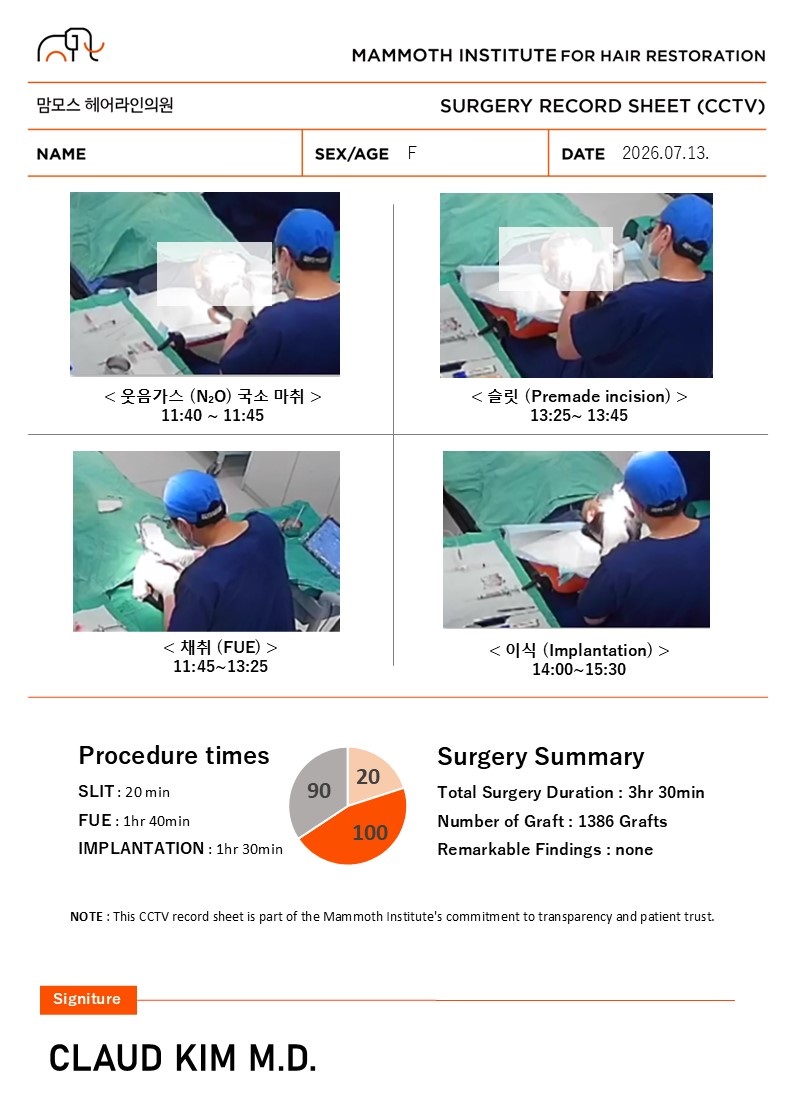
 Mammoth Hair Restoration Center Busan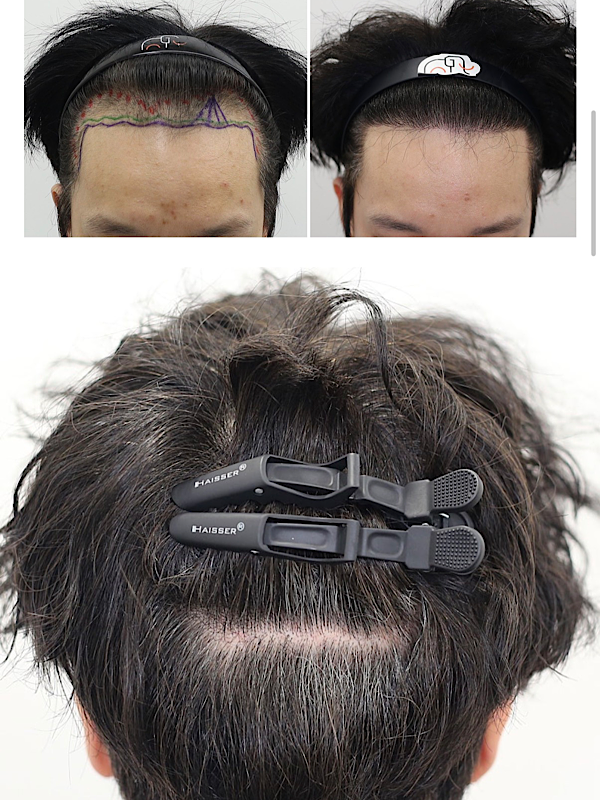
 Mammoth Hair Restoration Center, Apgujeong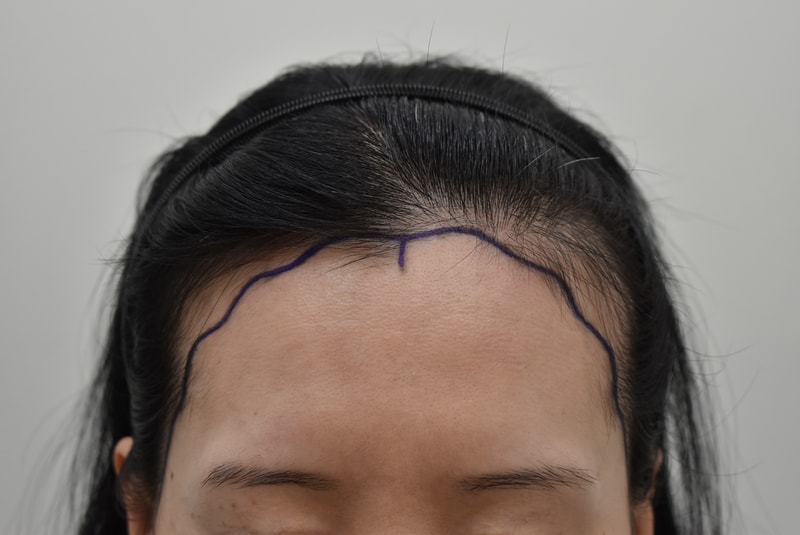
 MOBARUN HAIR SURGERY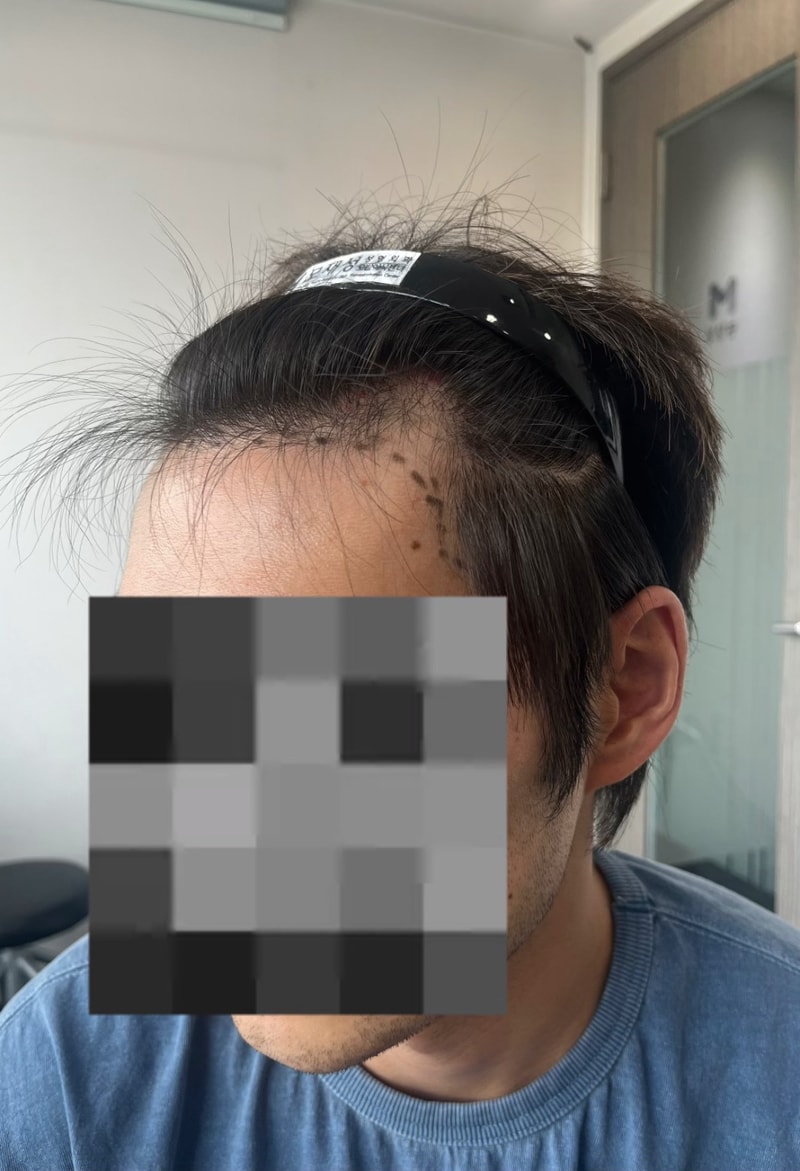
 Mo Jaesung Plastic Surgery & Hair Transplant Center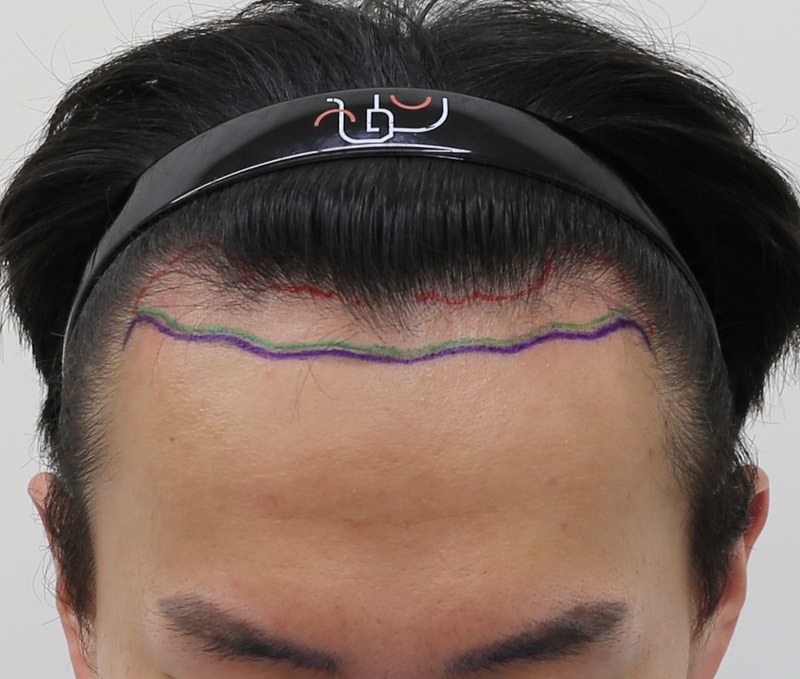
 Incheon Mammoth Hair Restoration Center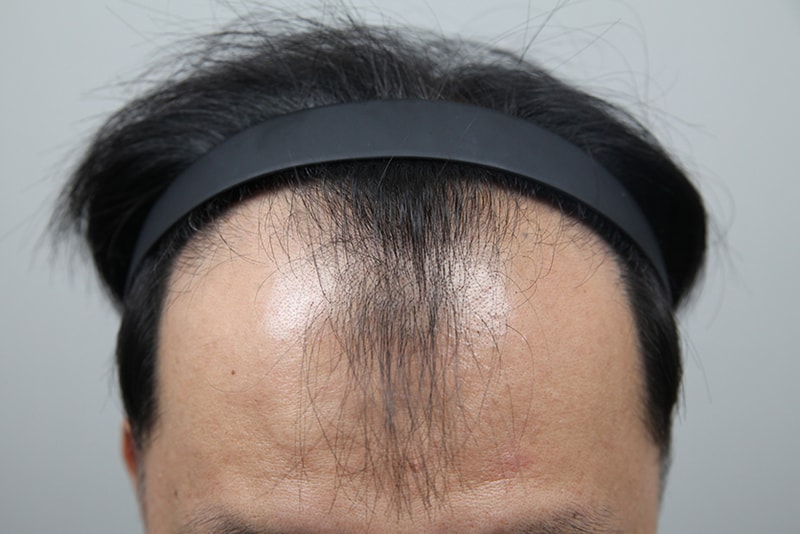
 MONARA dermatology clinic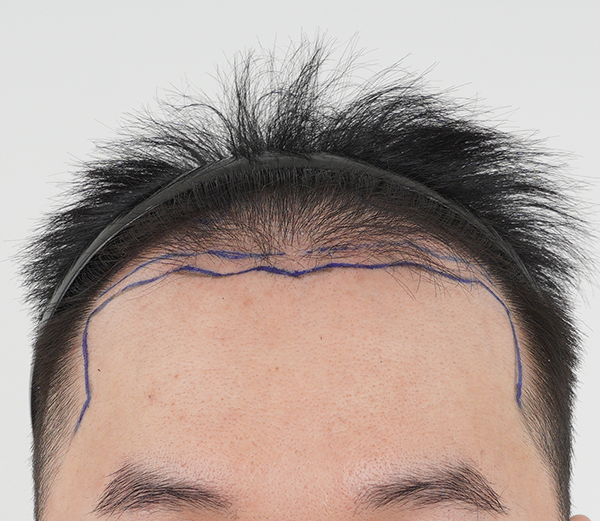
 MOMO HAIR TRANSPLANT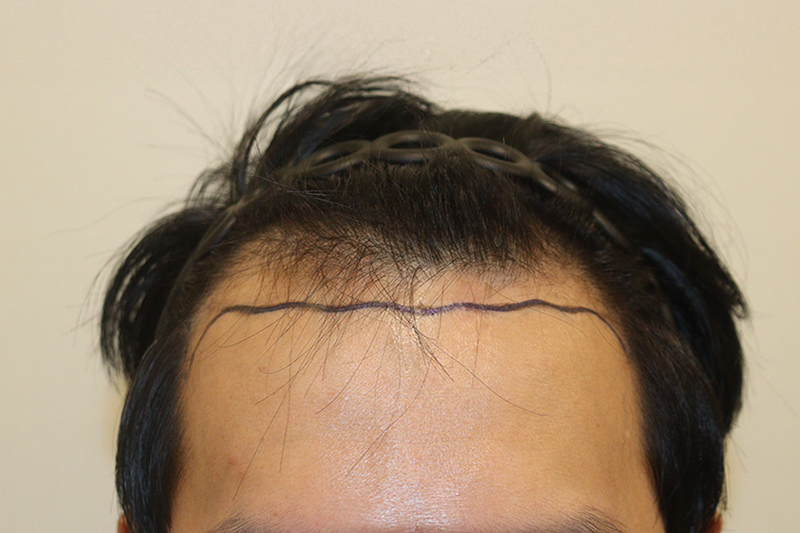
 HAIRO HAIR TRANSPLANT CENTER Daegu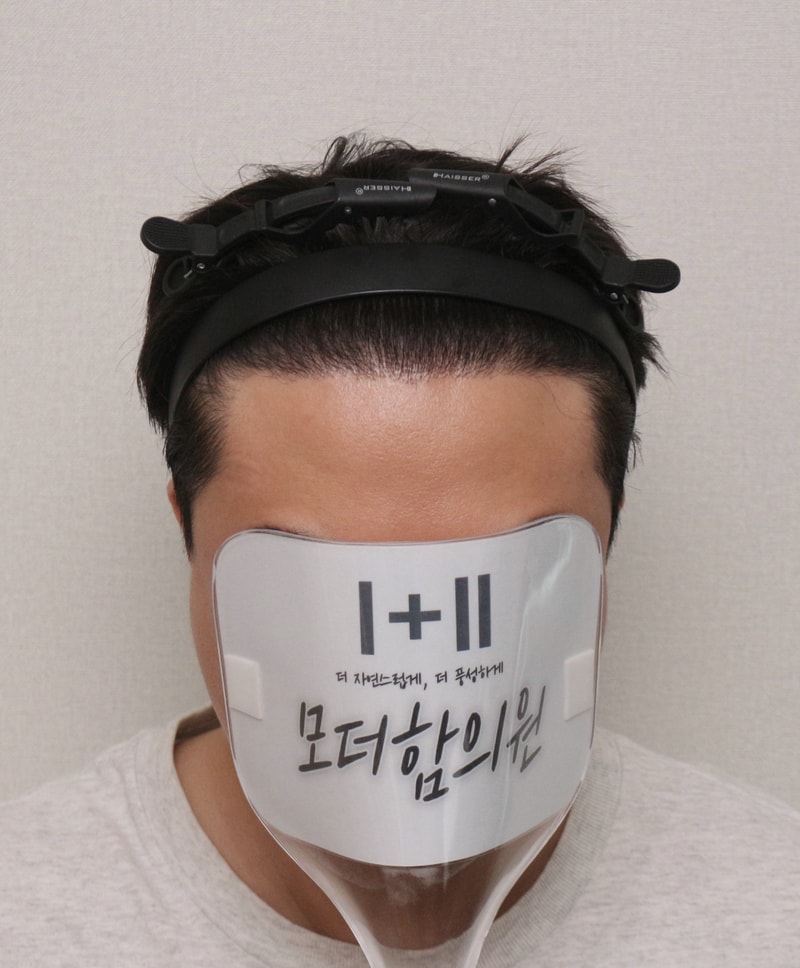
 Moderhamm Clinic — Hair Transplant Center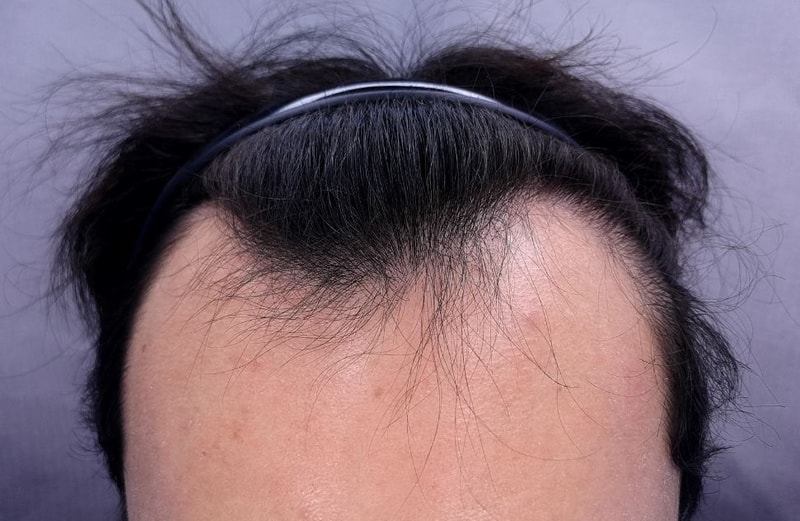
 Yonsei Mobelle Clinic - Incheon Branch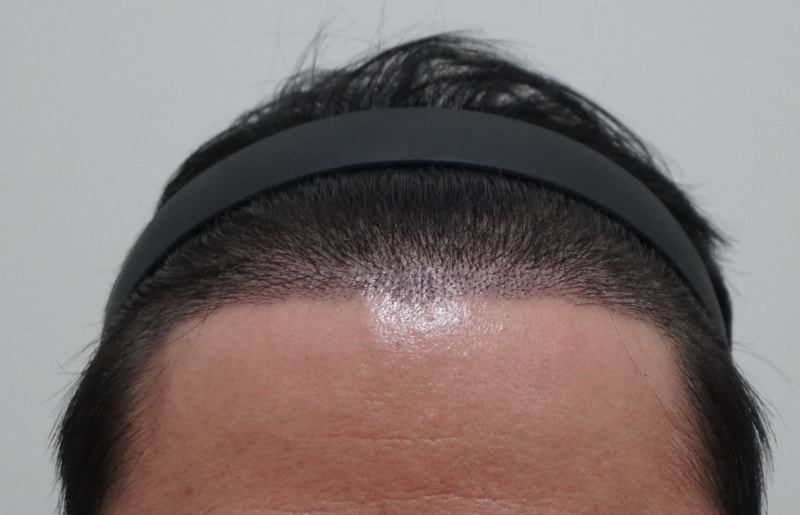
 Yong Doctor Hair Transplant Surgery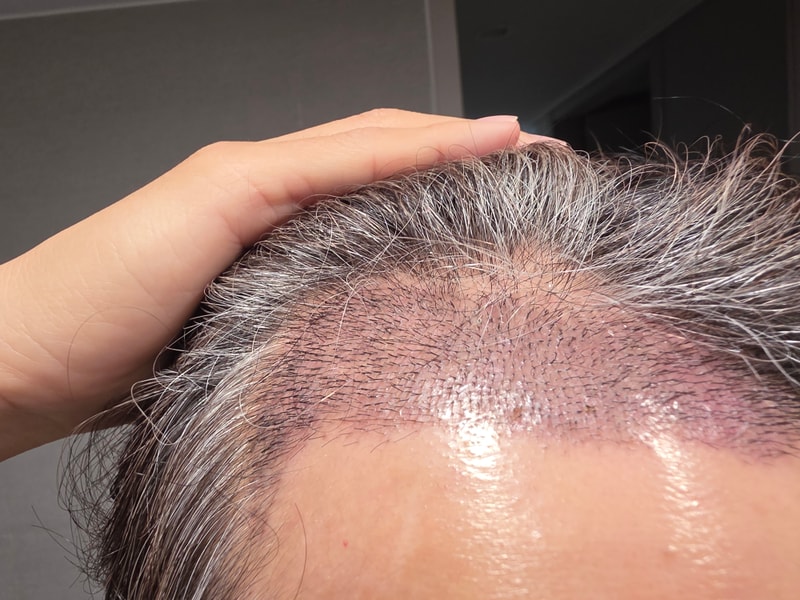
 The Nobleline Center for Alopecia Care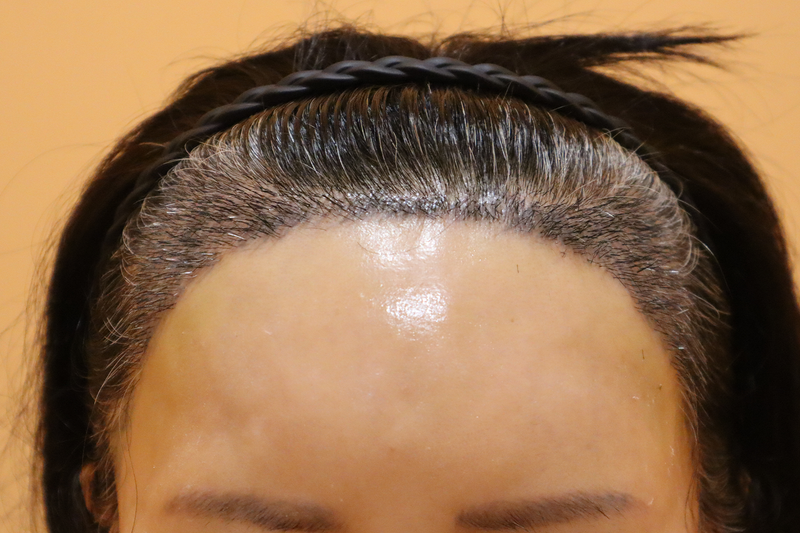
 HAIRO HAIR TRANSPLANT CENTER Busan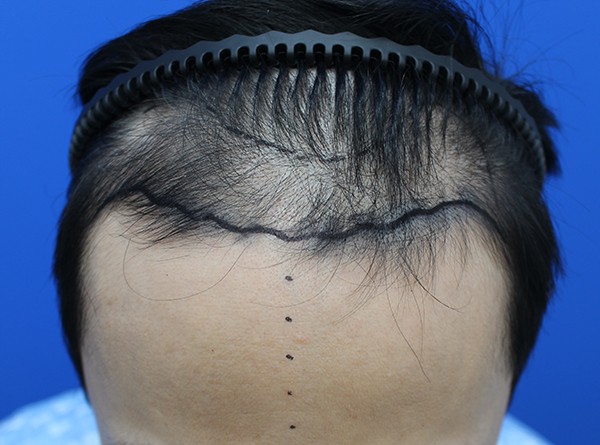
 Hannaeve plastic surgery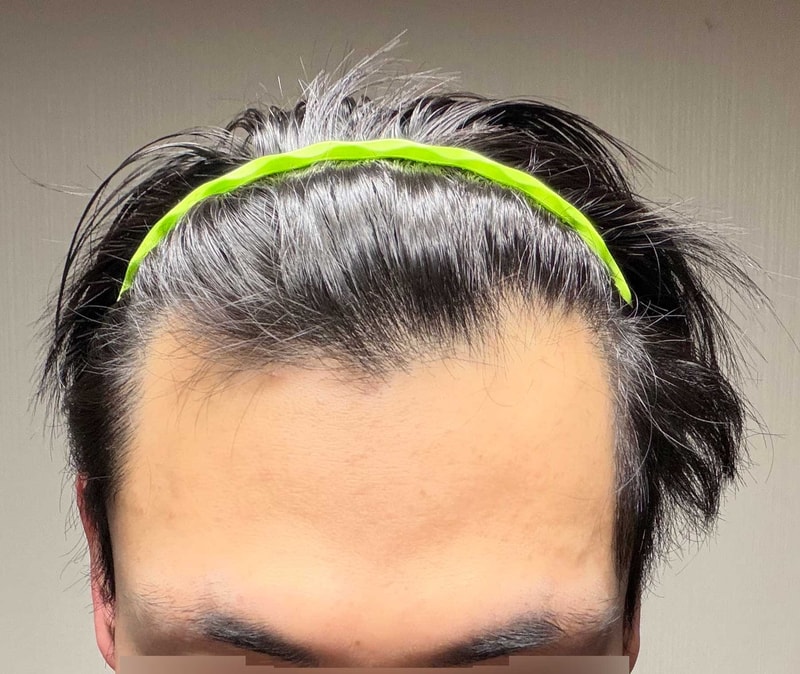
 MO.1 plastic surgery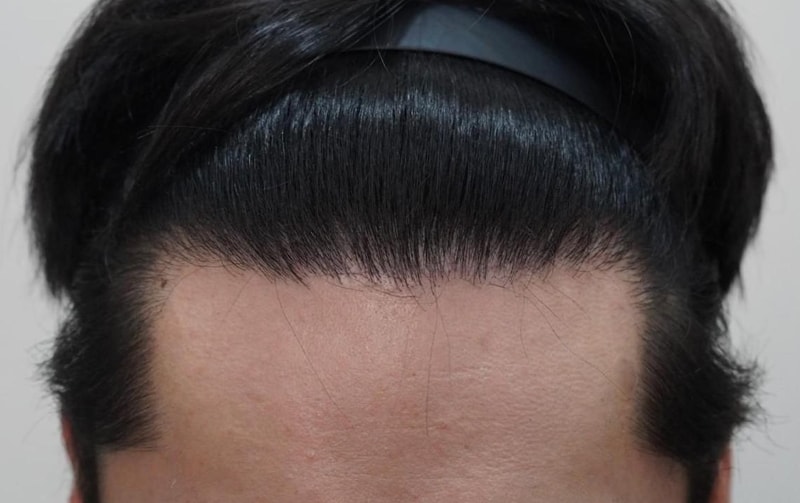
 Busan Grow House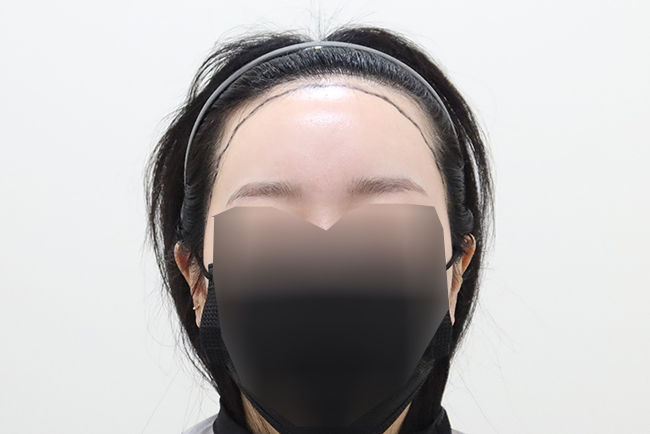
 Momo Clinic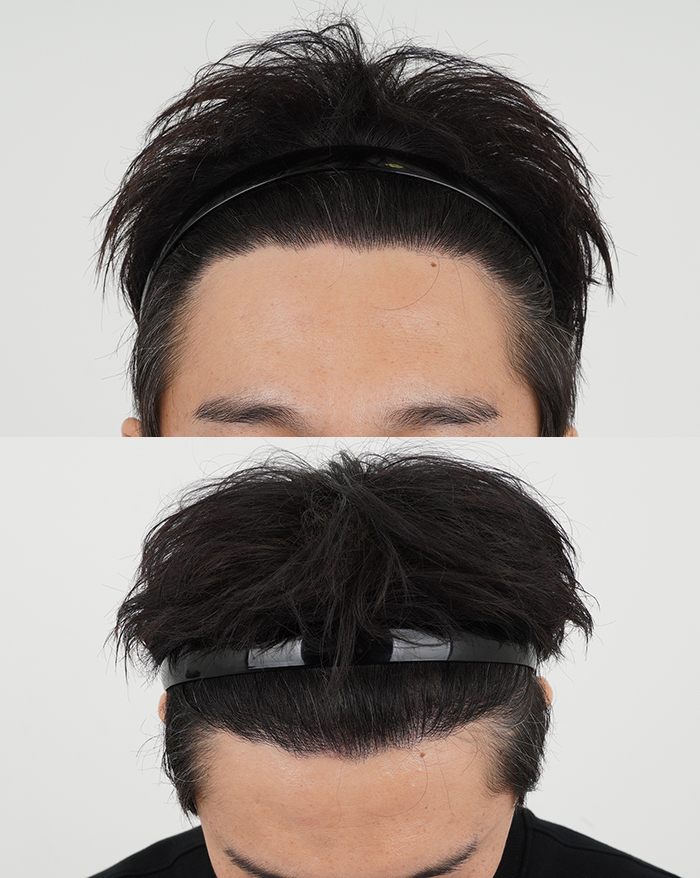
 MOMO's Suwon branch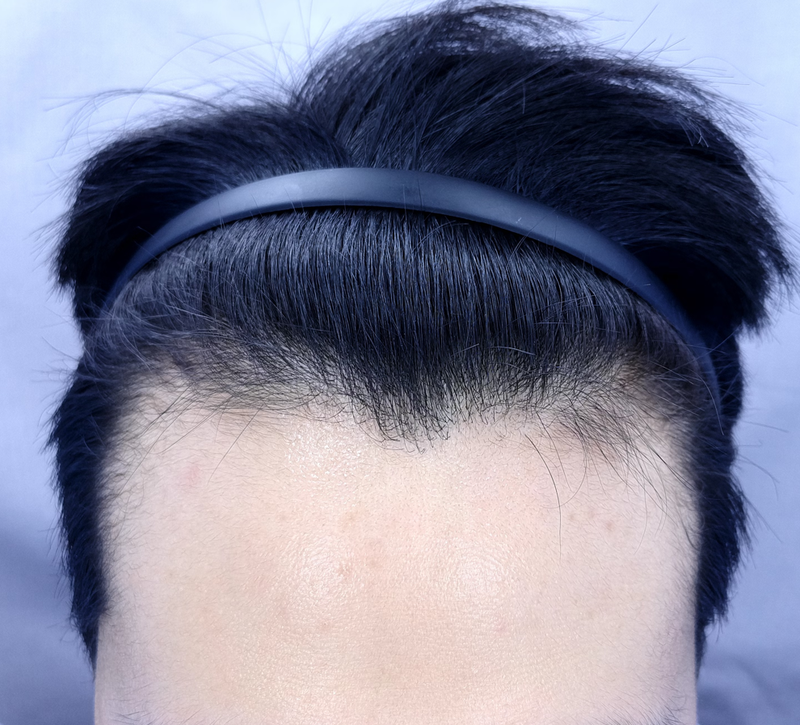
 The Jongno Headquarters of the Yonsei Mobel House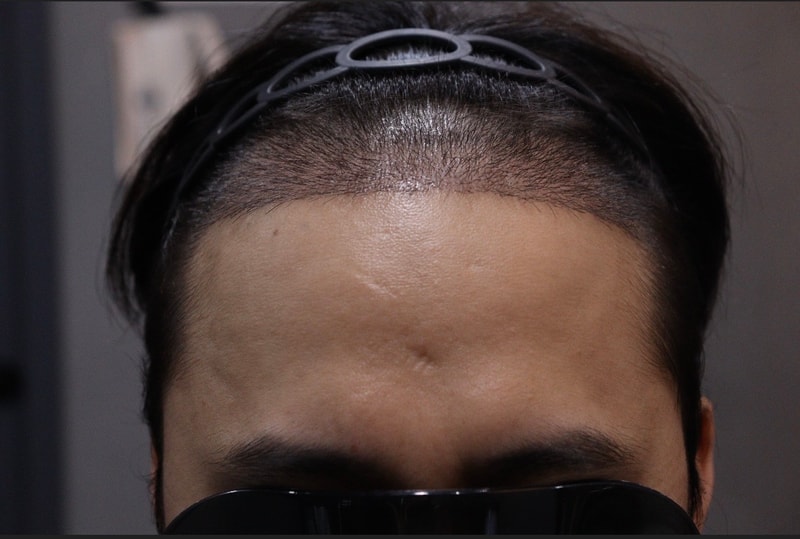
 apgujeong mobien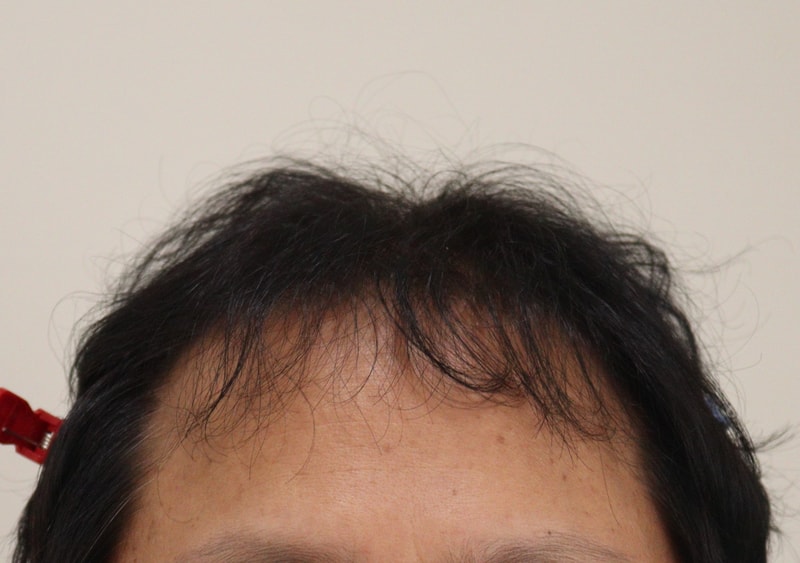
 Mo&Bless Hair Clinic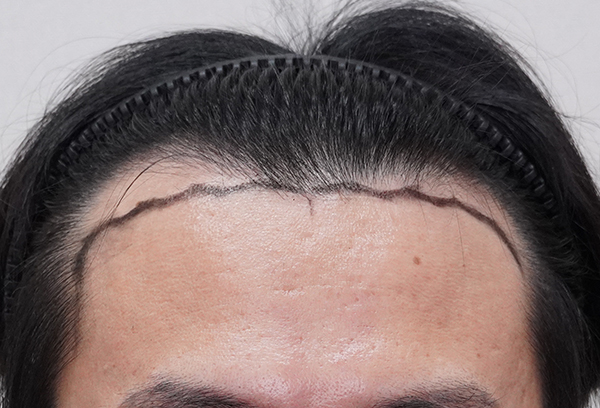
 Momo Clinic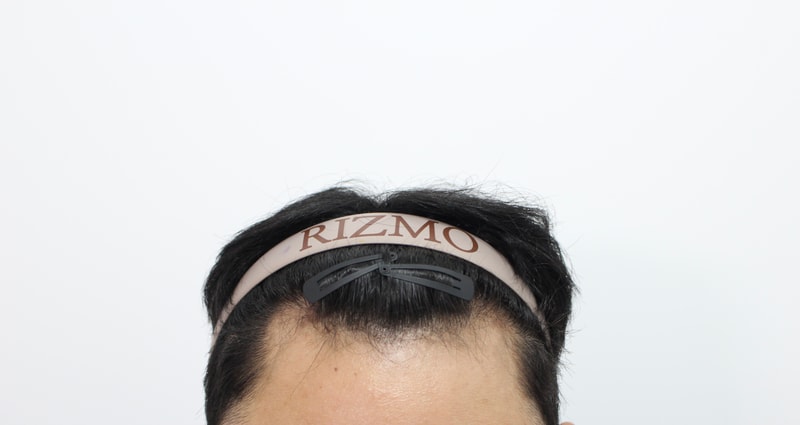
 Rizmo Clinic - Busan Branch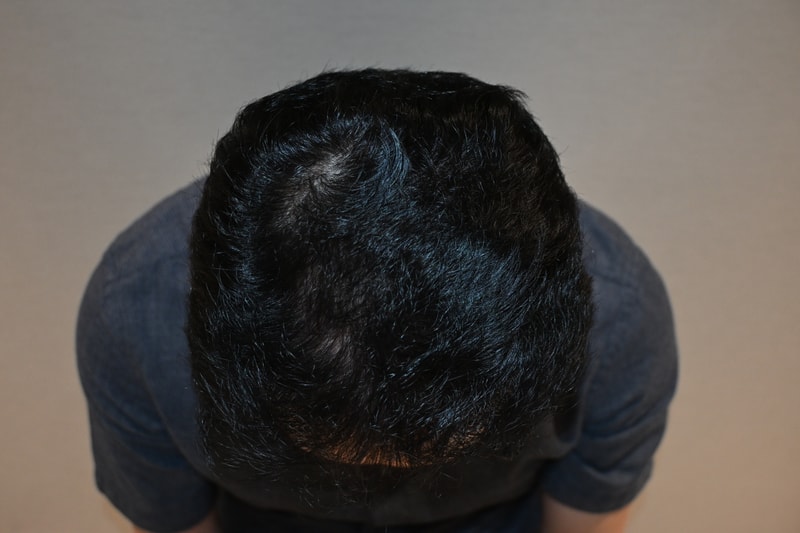
 Modaol Hair Transplant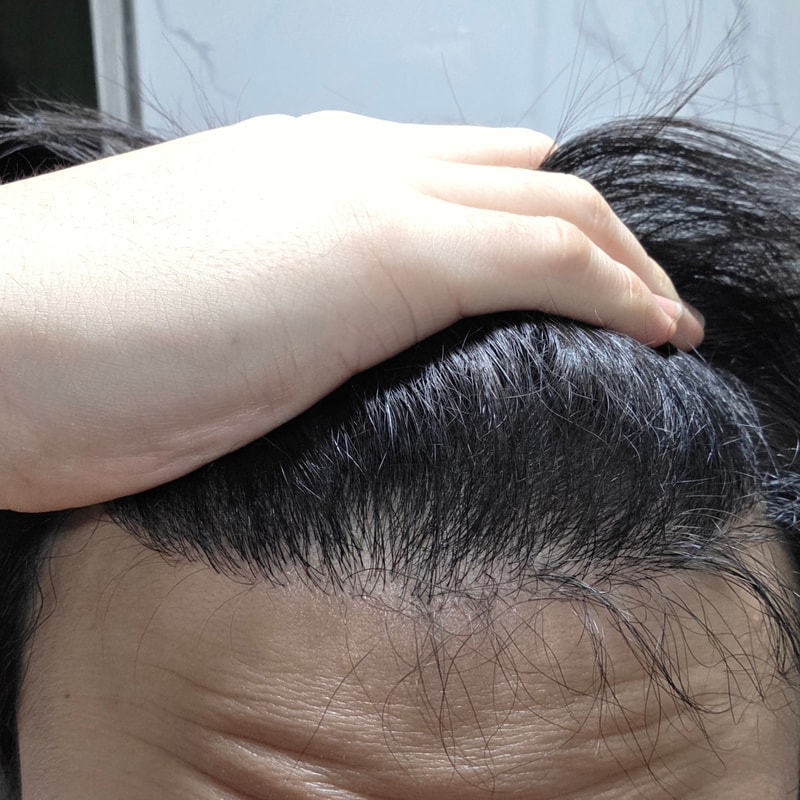
 MYMO HAIR TRANSPLANT CENTER Incheon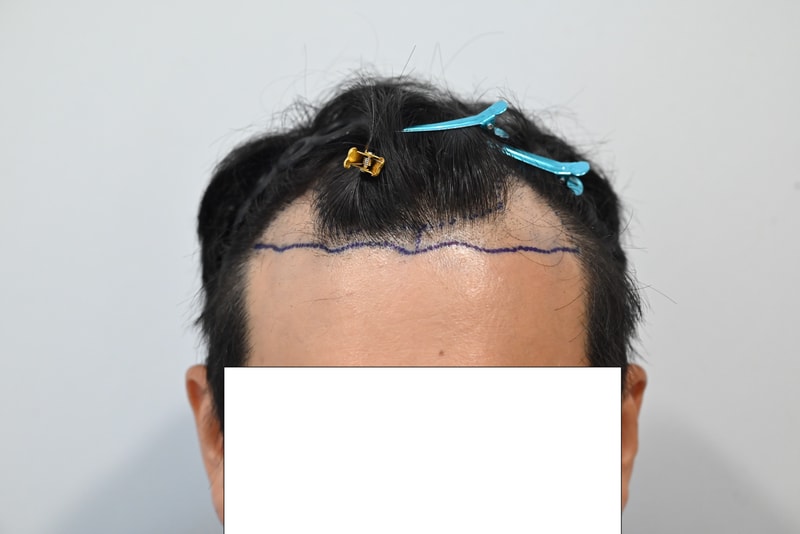
 MOEM Clinic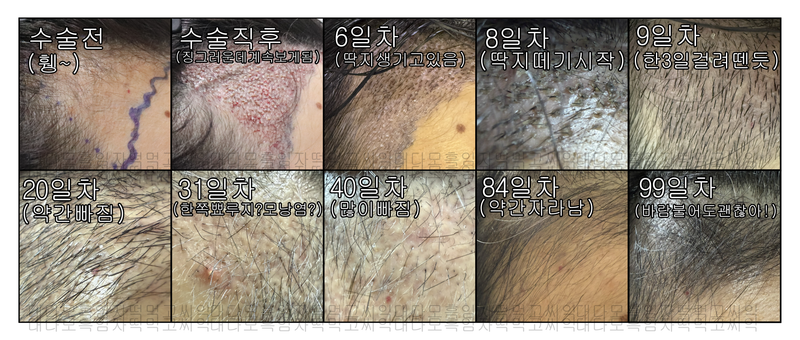
 Dana Plastic Surgery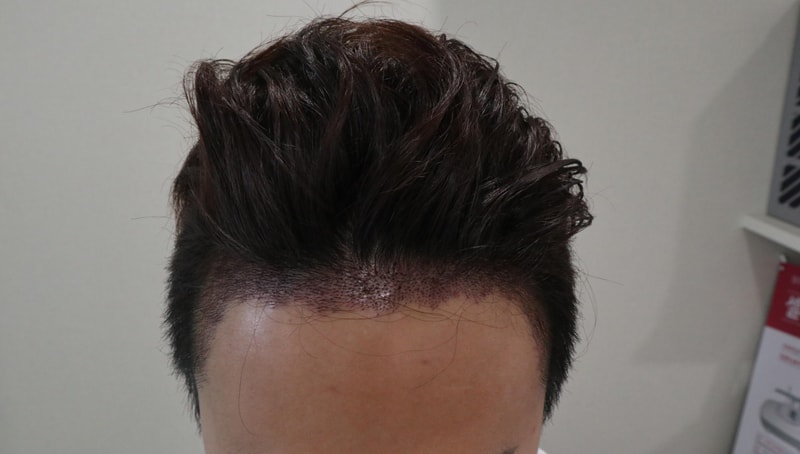
 MOUDA CLINIC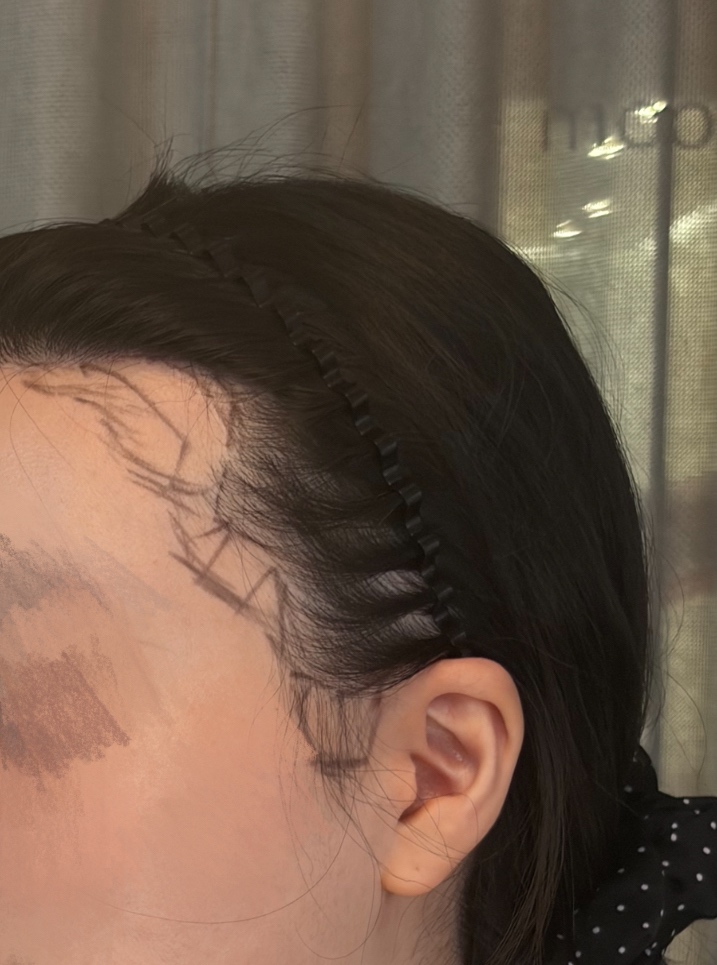
 Mowoolim Clinic
 Modi hariplant
 WOOMCHAN Hair Transplant Clinic
 moart clinic
 an alpha-mocking circle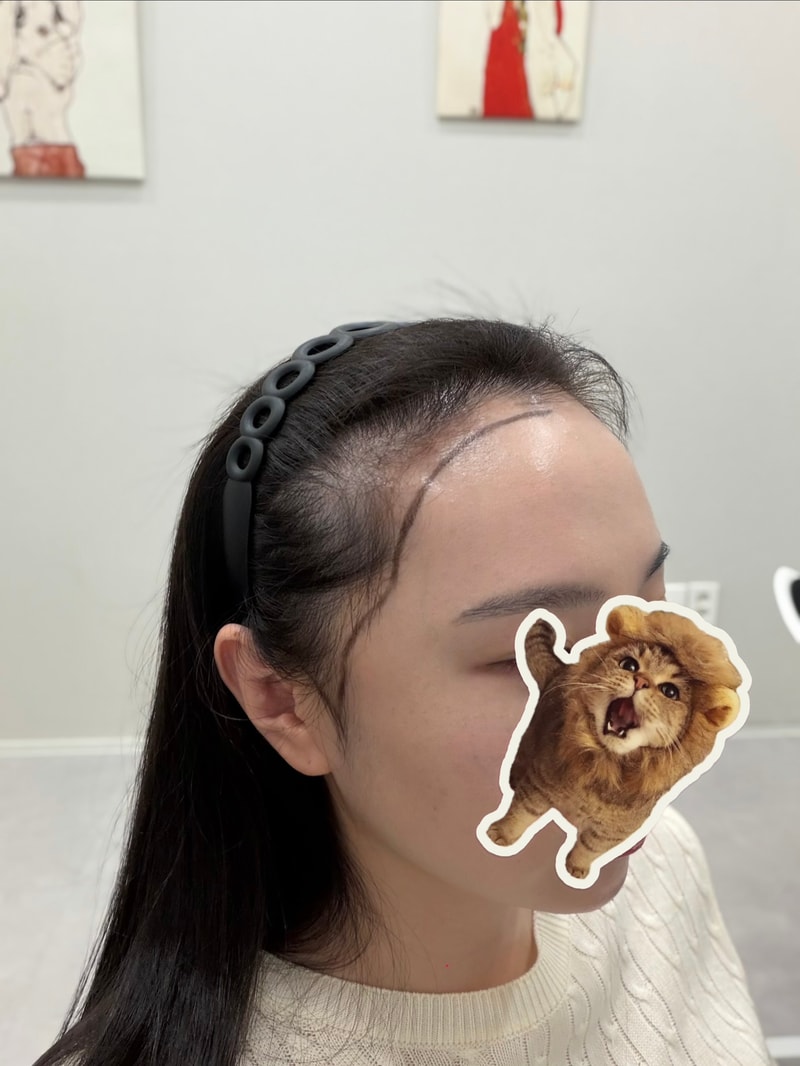
 HAIRO HAIR TRANSPLANT CENTER Dongtan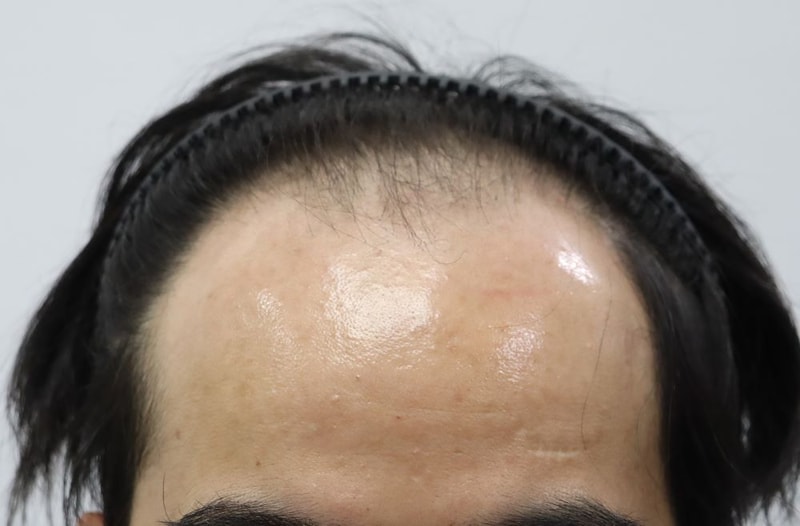
 FORHAIR Hair Transplant Korea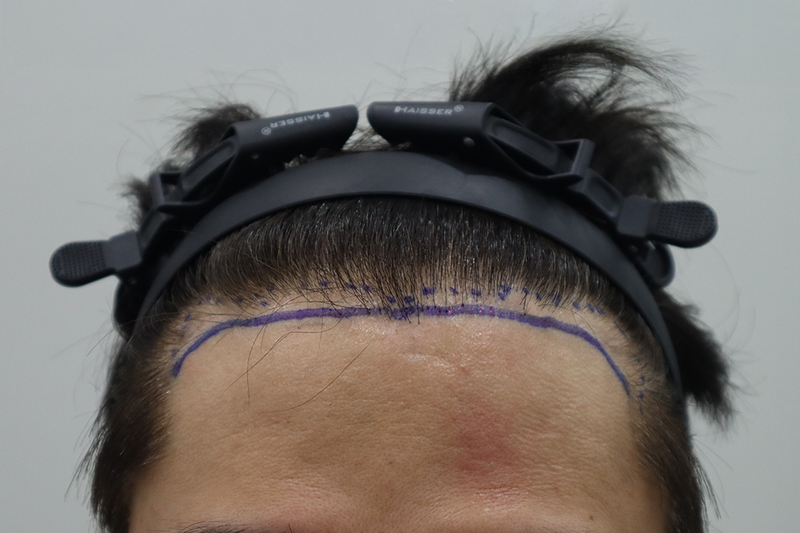
 HAIRO HAIR TRANSPLANT CENTER Jeonju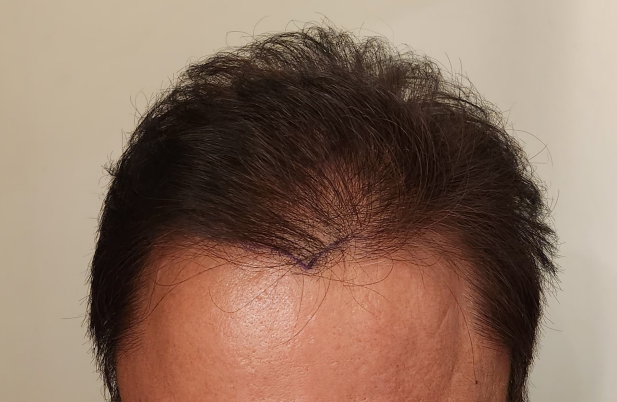
 Yonsei Mobelle Clinic - Daegu Branch
 JP Hair Transplant Clinic
 Banal Plastic Surgery Clinic
 GLOWELL
 MOJELIM Hair Transplant
 Moment Clinic
 Motion Hair Clinic
 MOAMAN CLINIC



Comments 5