The more we find out, the better green tea seems to be for our body..
I think it would be a hundred times better to drink green tea than to drink coffee.
It's Ddabong if you get your hair as a bonus..
the pharmacological effects of green tea
A recent study found that green tea, which Asian people drink a lot, is effective in preventing aging, preventing cancer, and reducing obesity. It is also said that green tea can prevent or treat various adult diseases such as heart disease and diabetes. The reason why green tea is so popular in the media these days is that there is a lot of interest in green tea, right? This feels the best for me.
Green tea leaves contain a large amount of powerful antioxidants called flavonoids, and another antioxidant, catechin and quercetin, are said to contain a large amount. Therefore, it is concluded that drinking green tea frequently can increase our body's antioxidants by more than 50%.
Oxidators are healthy longevity substances that protect our bodies from external hazards. I don't know the details, but nitrosamine, especially from the meat process, destroys cells, and HCA in grilled meat and fish causes cancer, and green tea is said to detoxify these substances. So after eating meat, drinking green tea is much cleaner and ideal.
Green tea also inhibits the oxidation of bad cholesterol in blood vessels and reduces the total amount of cholesterol. Therefore, long-term drinking of more than five cups of tea (茶) a day can prevent heart attacks and stroke.
In the process of boiling green tea in hot water, caffeine comes out first after a minute, and all antioxidants come out after about two minutes.
In addition to green tea, many antioxidants are also contained in oolong tea and black tea made by processing green tea leaves.
Also, antioxidants are known to be abundant in red wine. If you drink a glass of red wine steadily at dinner, you will have a good effect on suppressing oxidation. But you can't drink expensive wine every day, can you? That's why I'm asking you to drink green tea. It is also economical because you can drink green tea for more than a month.
content of catechin (a type of antioxidant)
1 cup of green tea: 375mg
A glass of red wine: 300mg
A glass of Oolong tea: 300mg
A cup of black tea: 210mg
The above article has been a professor of pharmacology and biochemistry for 22 years in the United States, currently serving as the director of the Biodyne research in the United States, published more than 120 papers, and extracted the common sense of medicine related to green tea from a recent book written in Korea ("Your common sense needs to be reversed to be healthy." by Kang Sung-jong).
Green tea prevents damage to environmental hormones
Research has shown that green tea prevents damage to environmental hormones.
Dr. 康景宣 (Kang Kyung-sun: Institute of Public Health at Seoul National University) said in a paper titled "Anti-environmental hormonal effects of green tea," "The catechin component of green tea suppresses the increase of female hormones." So far, green tea has been proven to be effective in suppressing aging, preventing cancer, liver disease, and dementia, but this is the first time that research has shown that it can prevent damage caused by environmental hormones.
According to the paper, after mixing bisphenol A and zenistein, which are suspected environmental hormones, among breast cancer cells that contain receptors for estrogen, a female hormone, and adding 1/10,000 ㏖ of catechin in green tea (1 ㏖ contains 1 gram of green tea per liter of water), there was no change in breast cancer cells. Dr. 康 explained that the catechin content of green tea proves its effectiveness in suppressing the increase in female hormones, suggesting the possibility that drinking green tea can prevent damage to environmental hormones.
Dr. 康 will publish the paper in the Japanese Toxic Society. Environmental hormones are chemicals that act similar to endocrine hormones in humans or animals and are known to cause deformities, male femaleization, decreased sperm count, menstrual irregularities, and breast cancer.





 K4984376008
 cyunty99
 웁스라요
웁스라요
 K4983758792
 Modaol Hair Transplant
 The Nobleline Center for Alopecia Care
 MYMO HAIR TRANSPLANT CENTER Incheon
 MOEM Clinic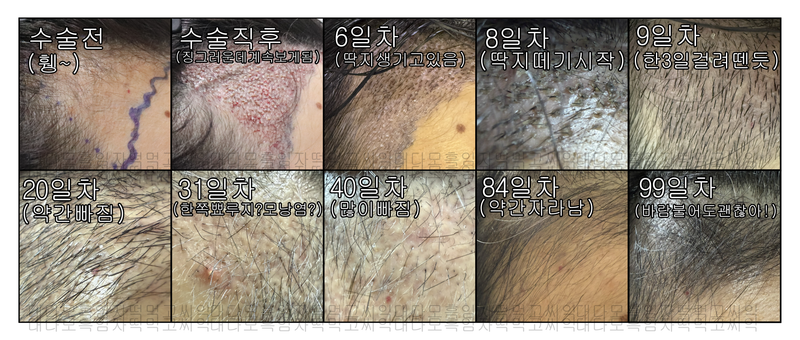
 Dana Plastic Surgery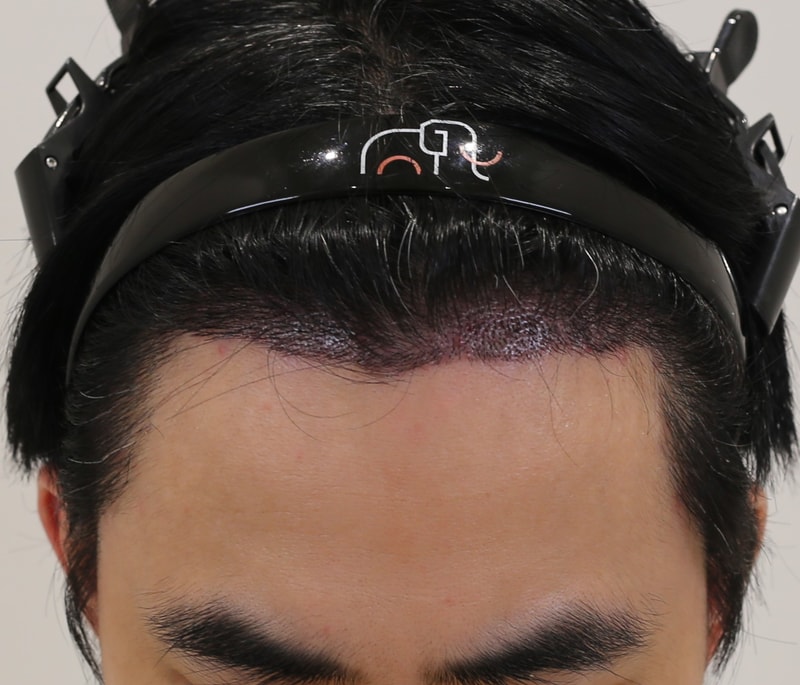
 Incheon Mammoth Hair Restoration Center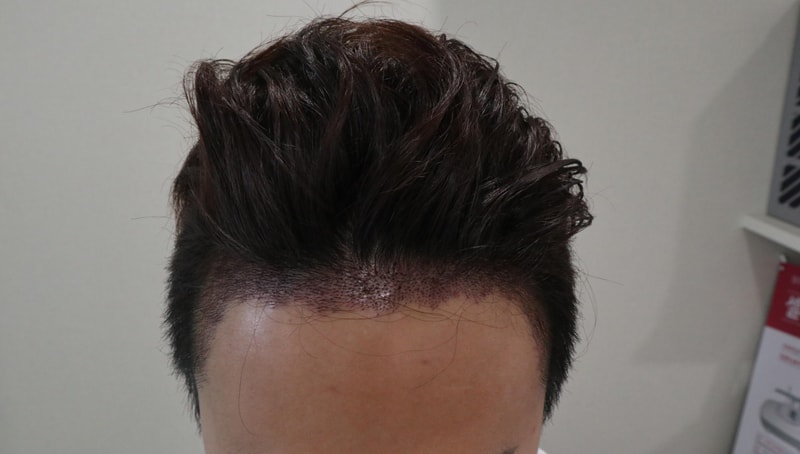
 MOUDA CLINIC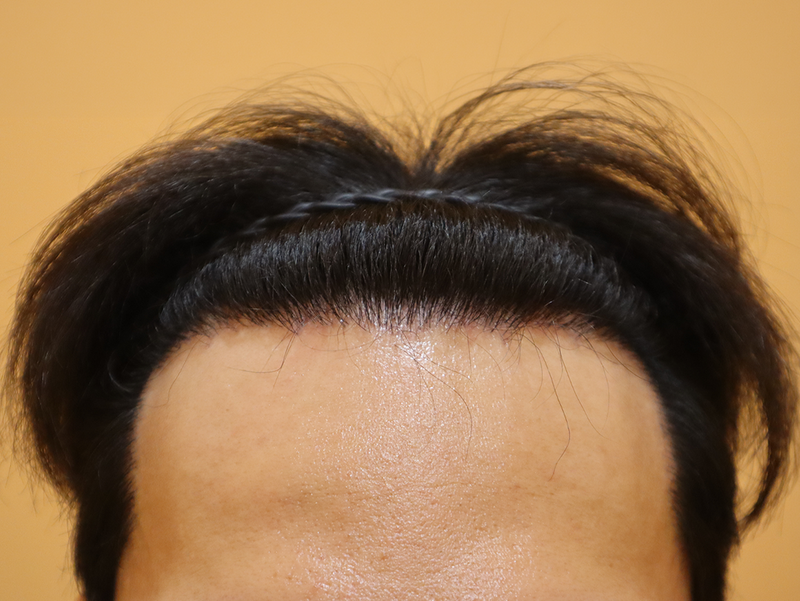
 HAIRO HAIR TRANSPLANT CENTER Busan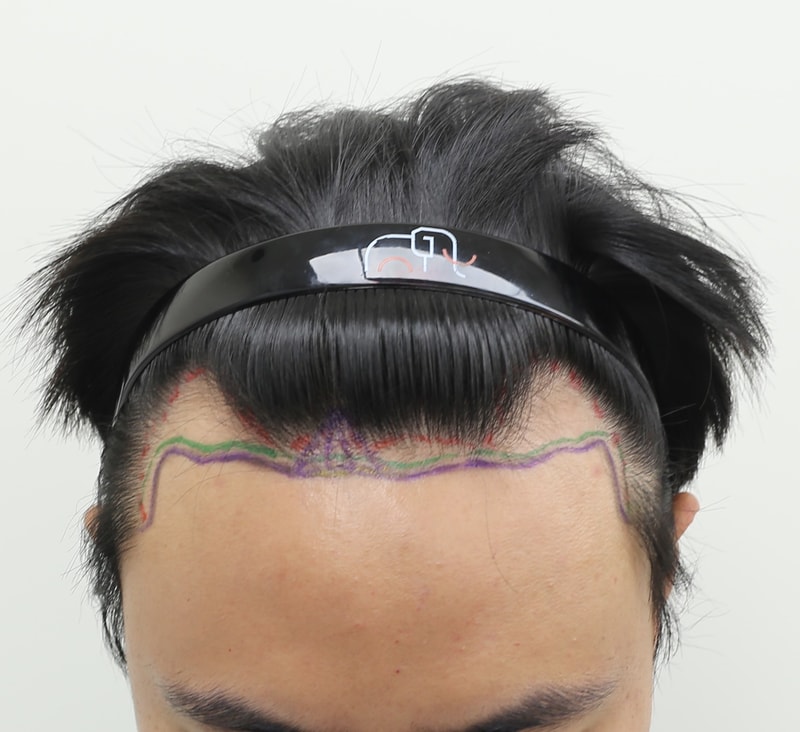
 Mammoth Hair Restoration Center, Apgujeong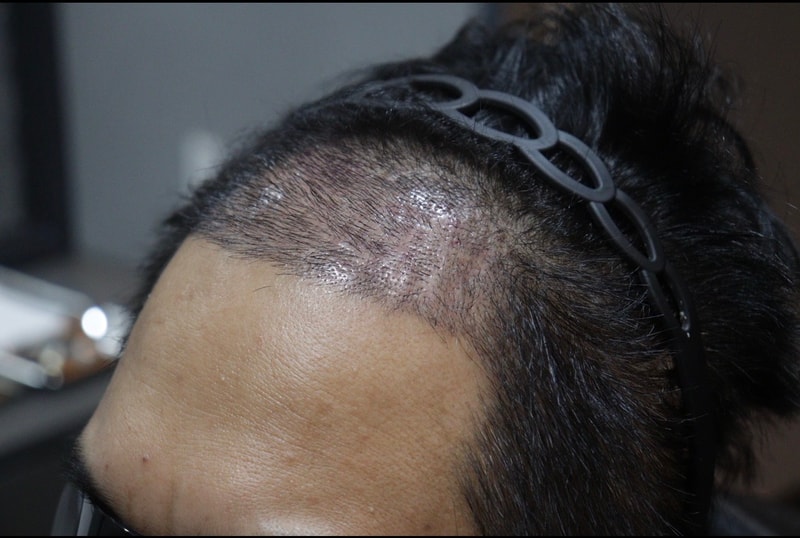
 apgujeong mobien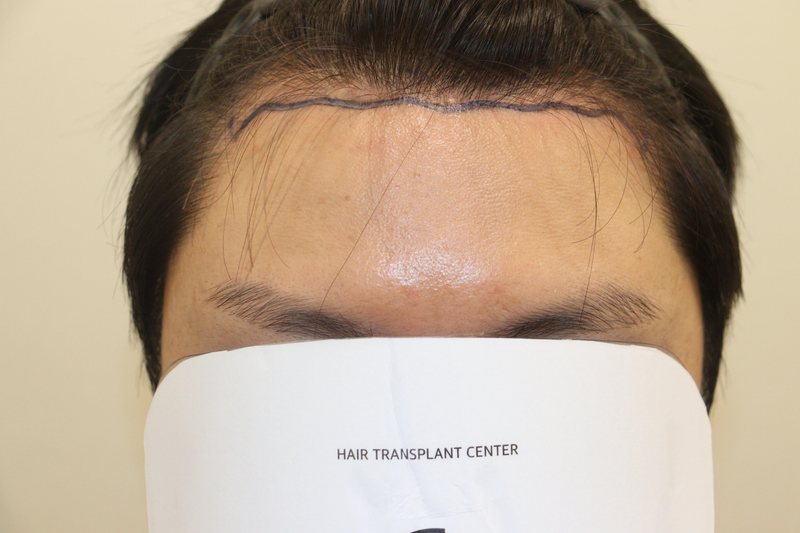
 HAIRO HAIR TRANSPLANT CENTER Daegu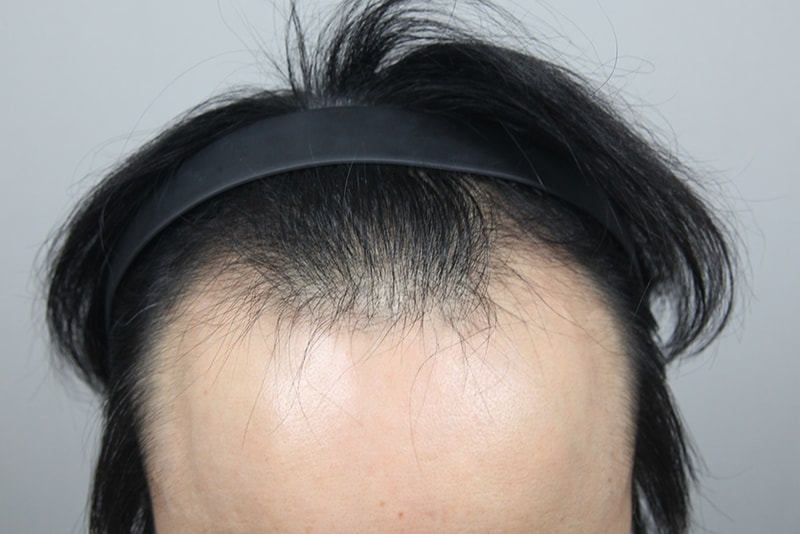
 MONARA dermatology clinic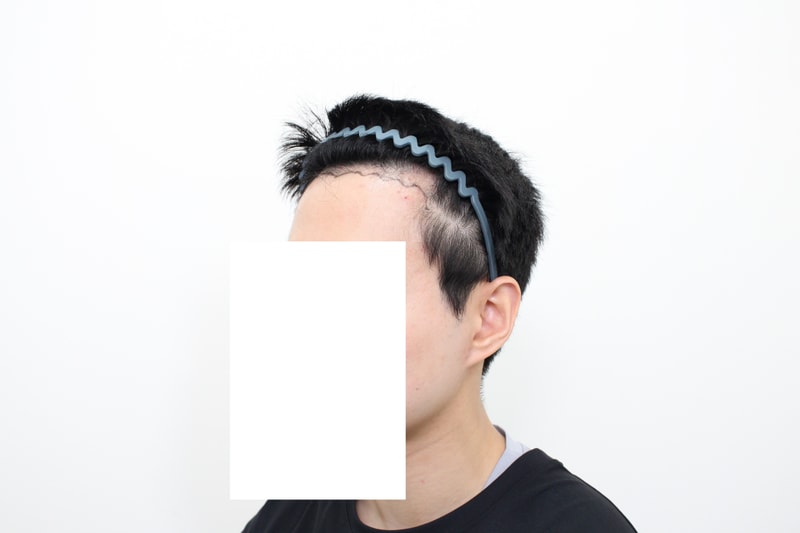
 Mopro Clinic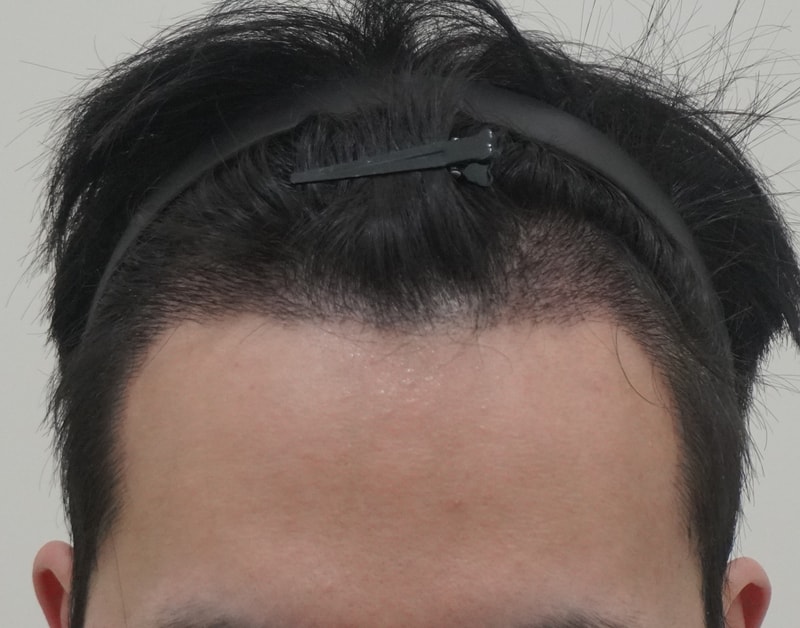
 Yong Doctor Hair Transplant Surgery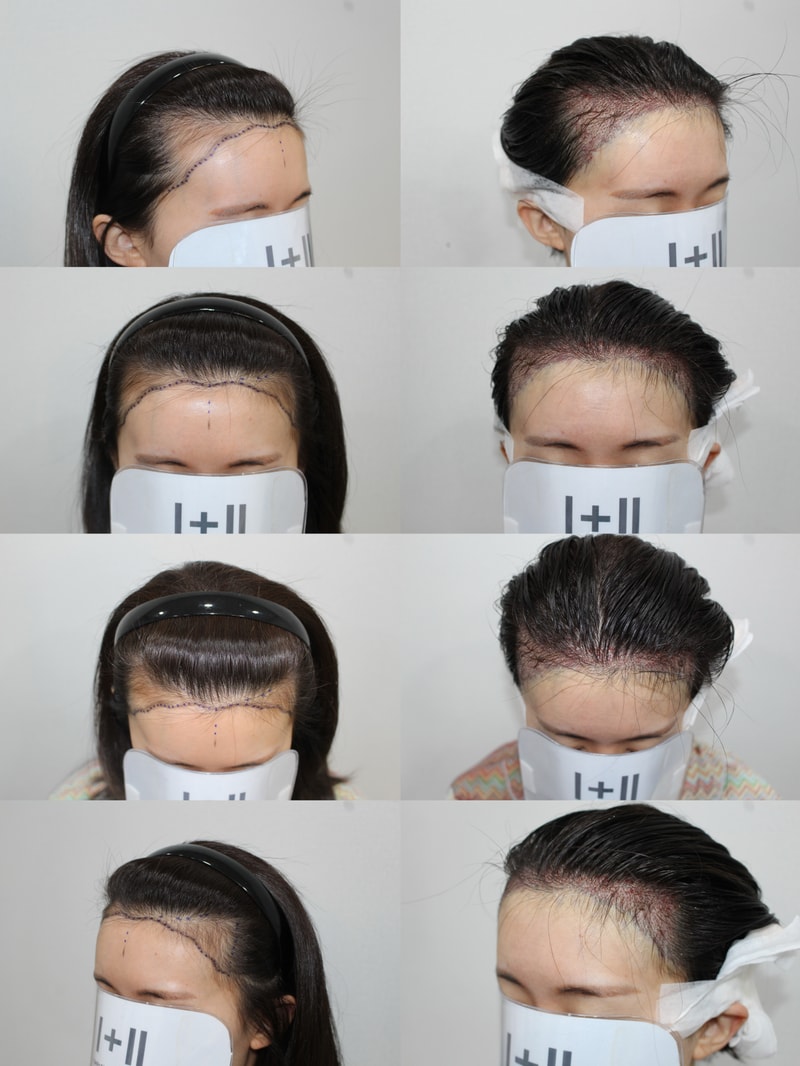
 Moderhamm Clinic — Hair Transplant Center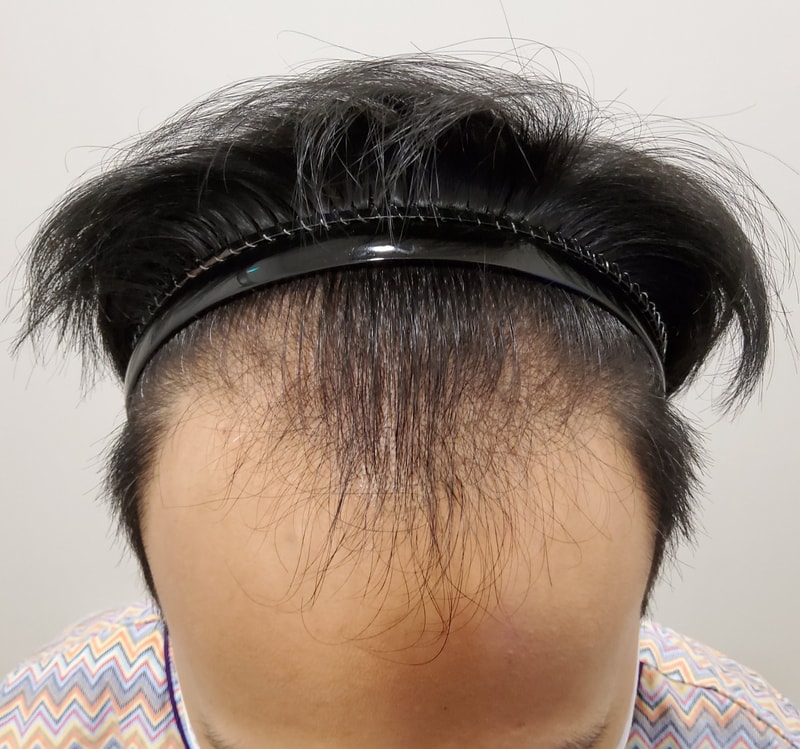
 Modeunmo Clinic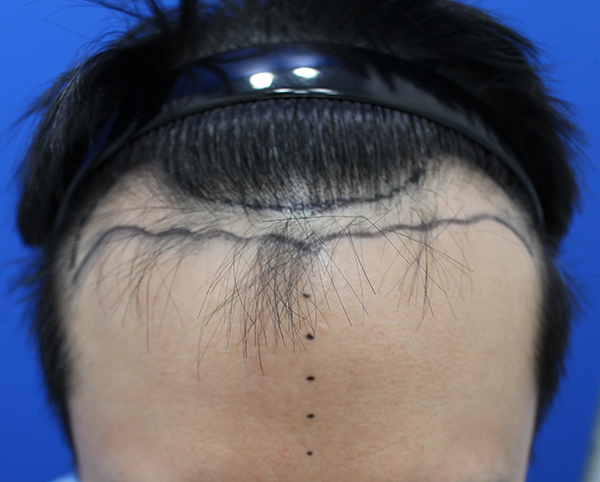
 Hannaeve plastic surgery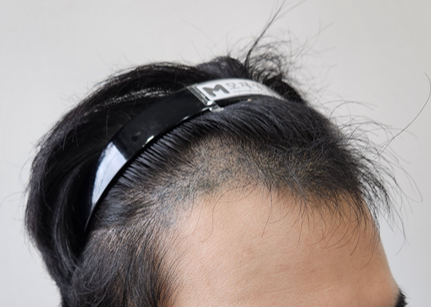
 Mo Jaesung Plastic Surgery & Hair Transplant Center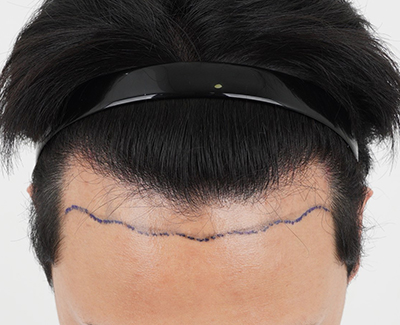
 MOMO HAIR TRANSPLANT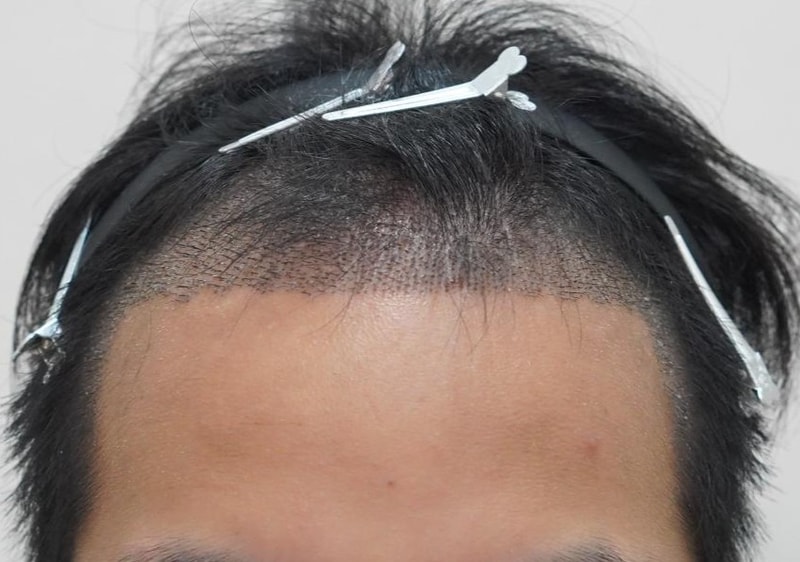
 Busan Grow House
 Mowoolim Clinic
 Modi hariplant
 WOOMCHAN Hair Transplant Clinic
 Yonsei Mobelle Clinic - Incheon Branch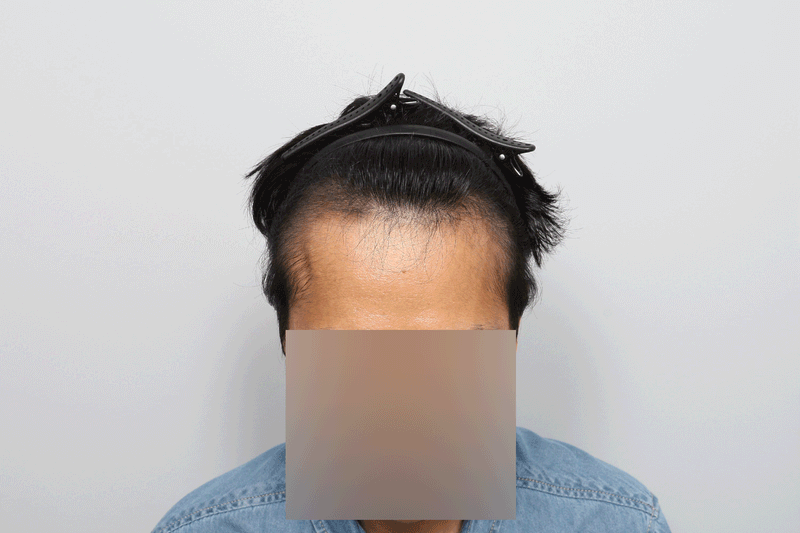
 MO.1 plastic surgery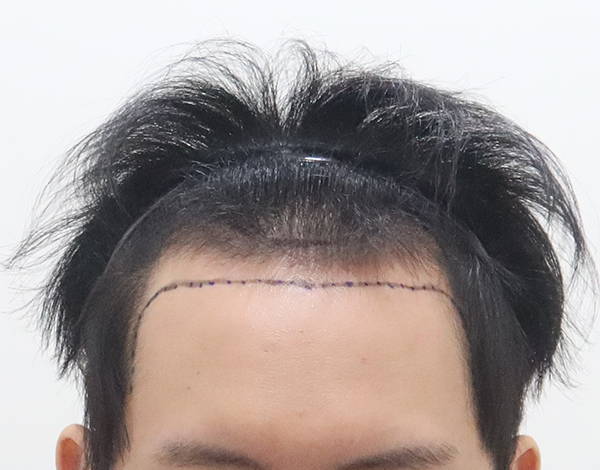
 Momo Clinic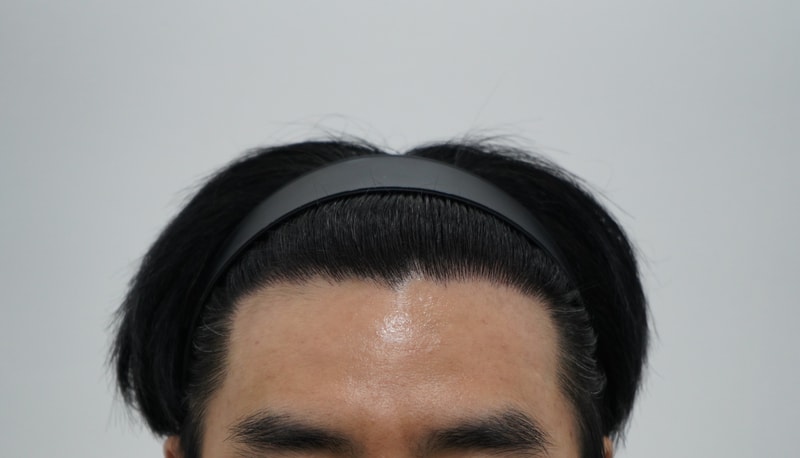
 moart clinic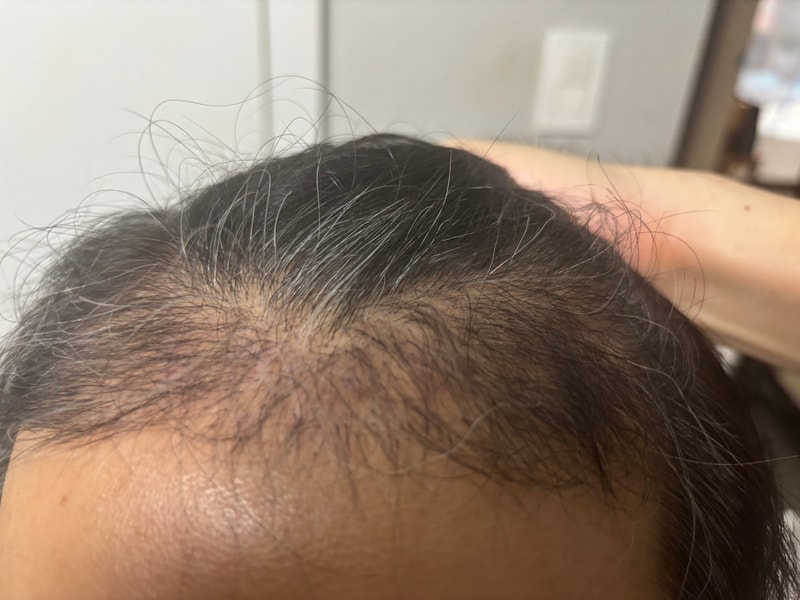
 NEWHAiR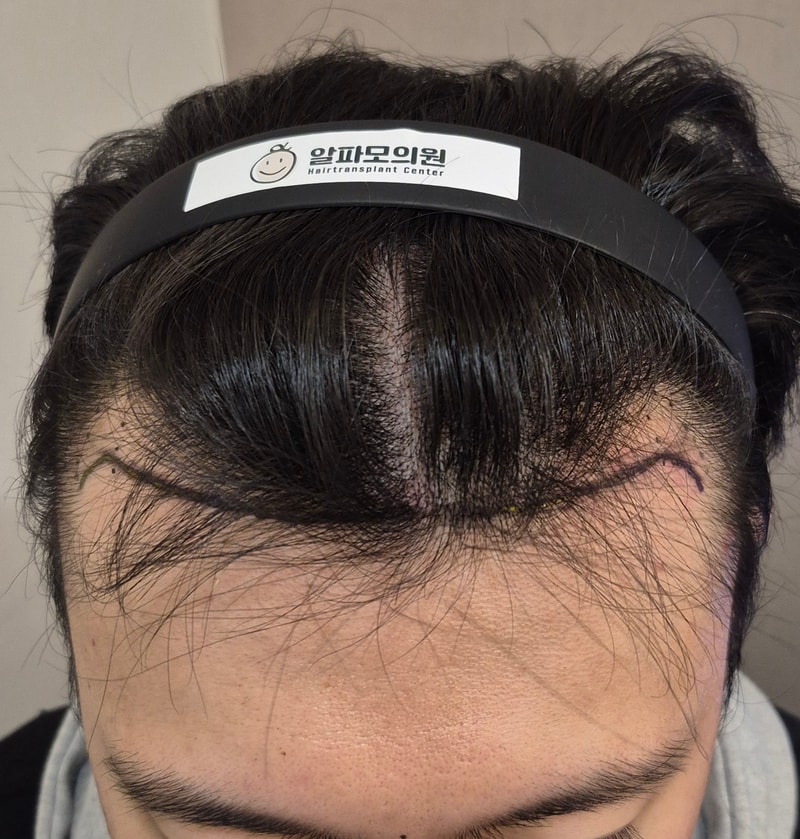
 an alpha-mocking circle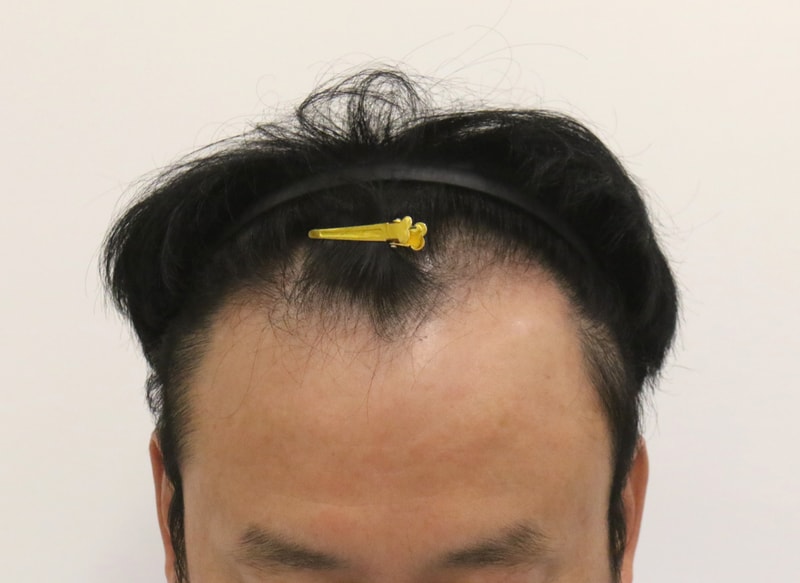
 Mammoth Hair Restoration Center Busan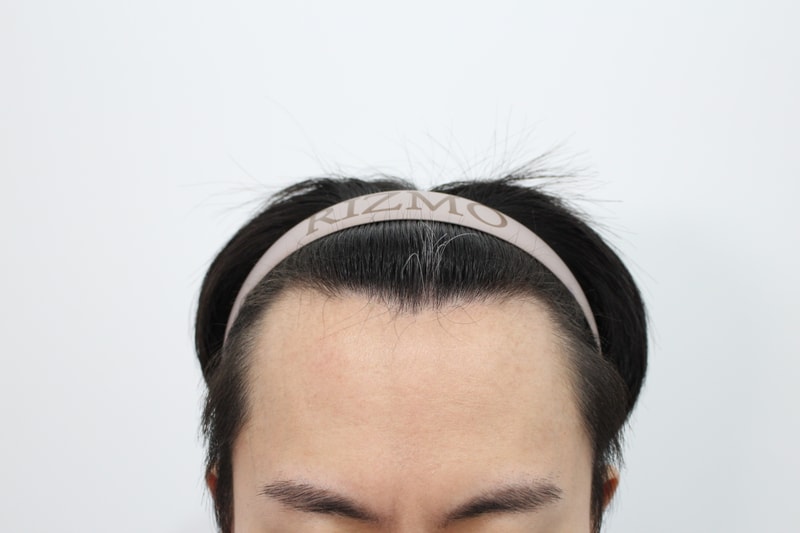
 Rizmo Clinic - Busan Branch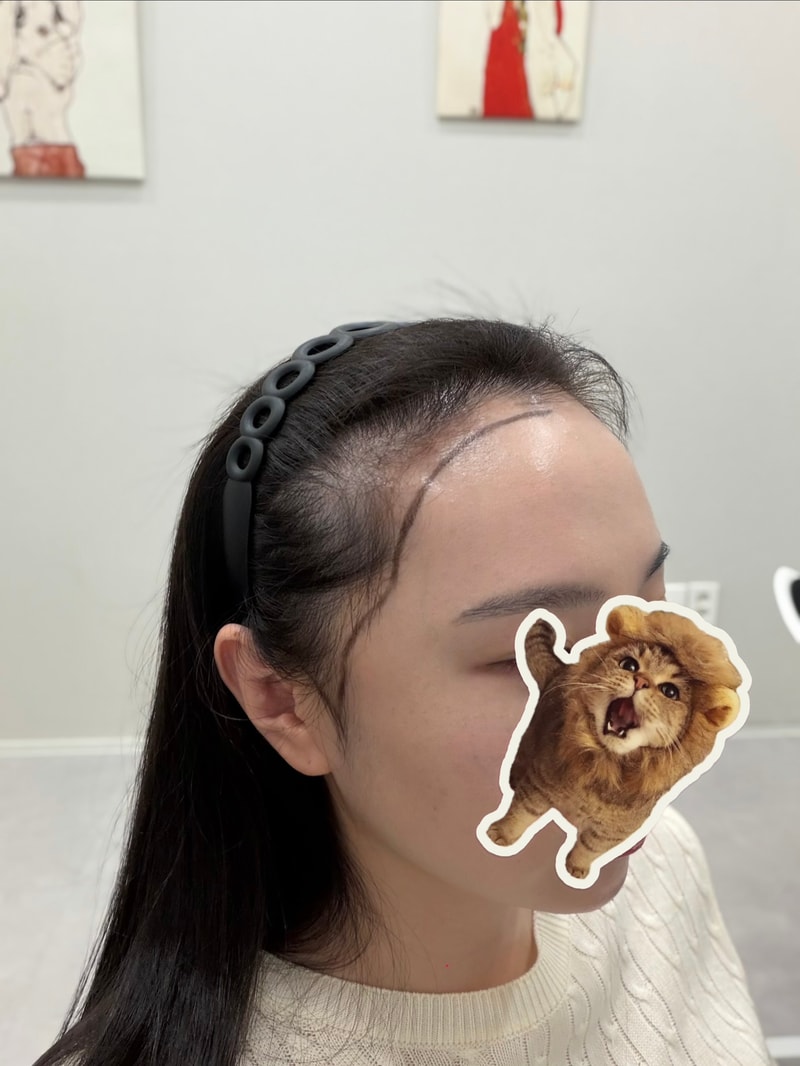
 HAIRO HAIR TRANSPLANT CENTER Dongtan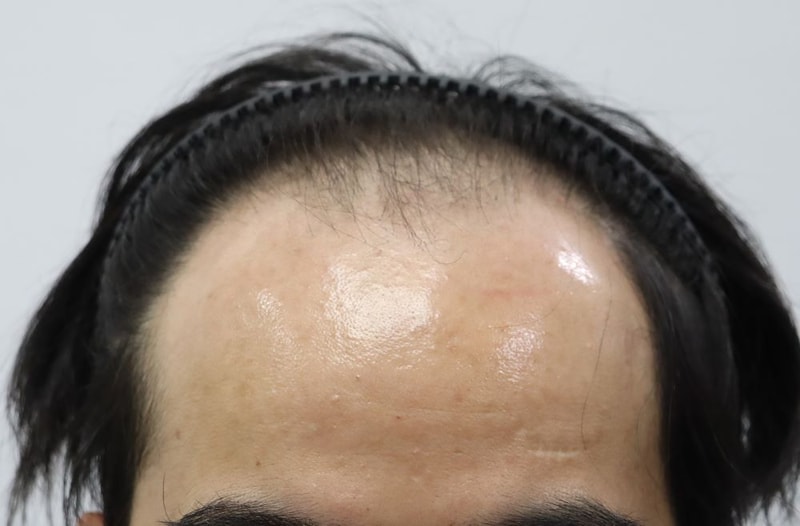
 FORHAIR Hair Transplant Korea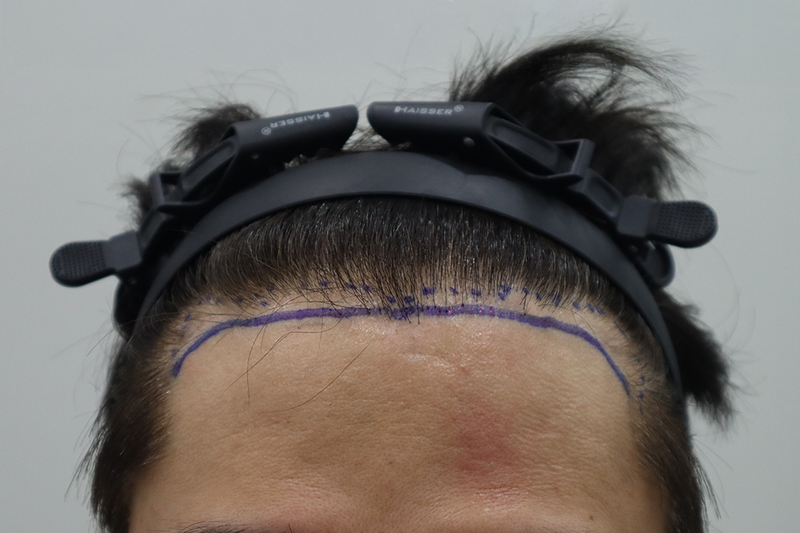
 HAIRO HAIR TRANSPLANT CENTER Jeonju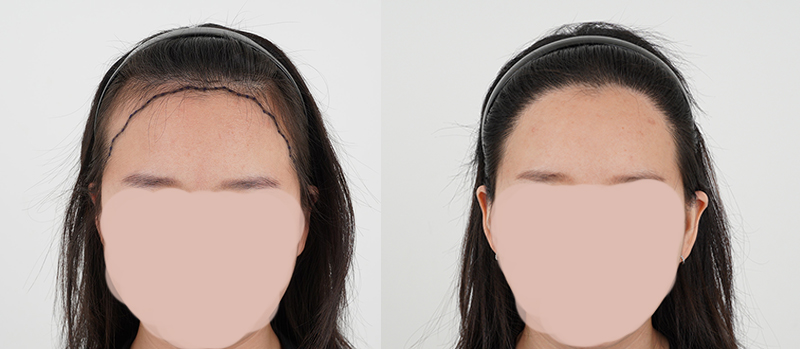
 MOMO's Suwon branch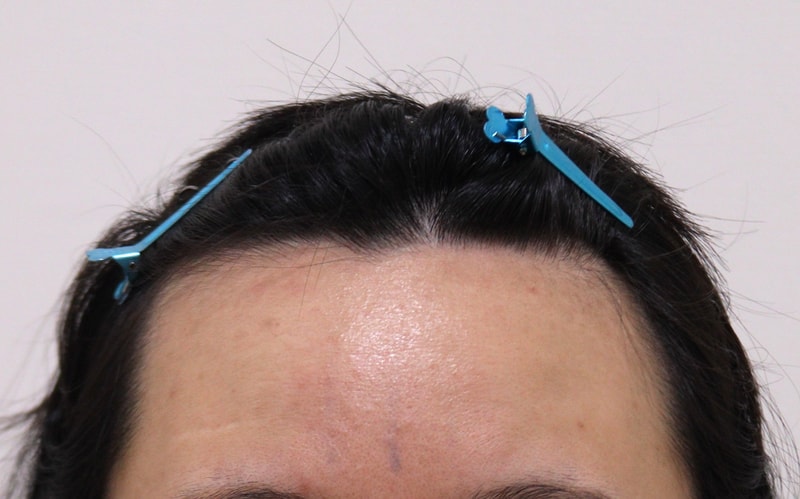
 Mo&Bless Hair Clinic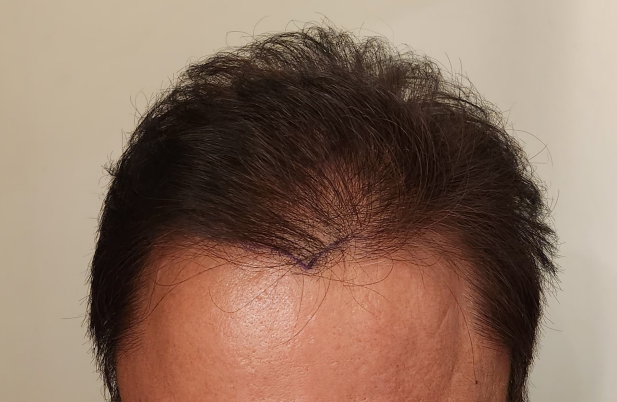
 Yonsei Mobelle Clinic - Daegu Branch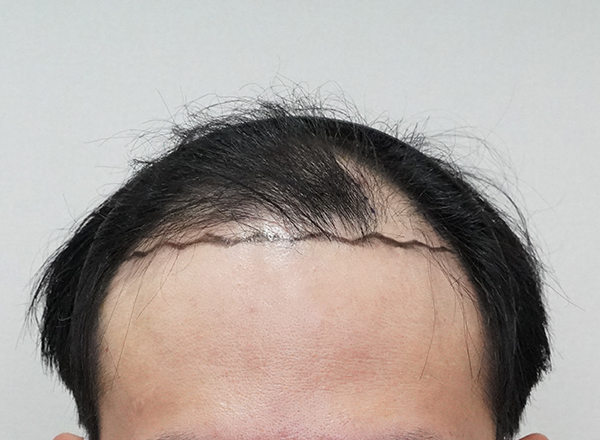
 Momo Clinic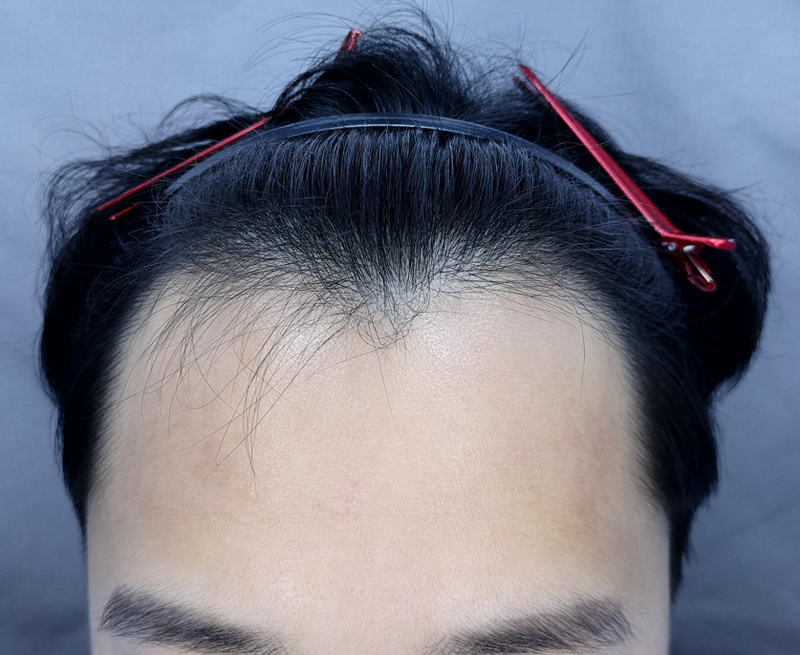
 The Jongno Headquarters of the Yonsei Mobel House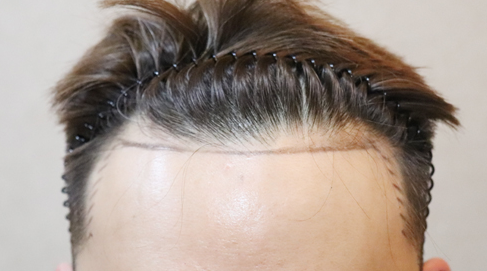
 JP Hair Transplant Clinic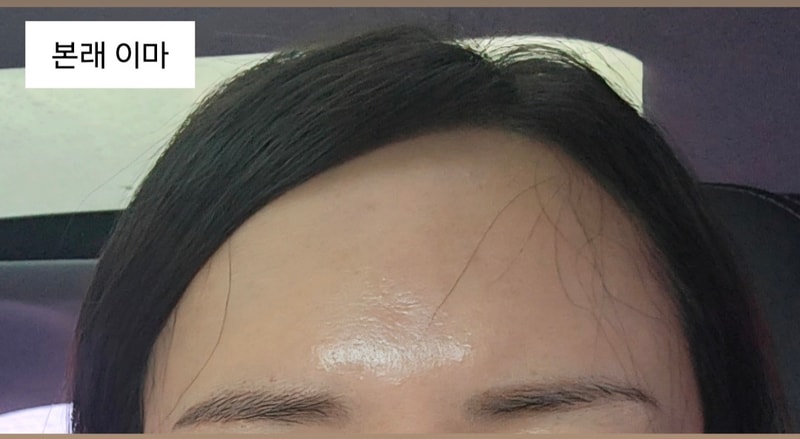
 Banal Plastic Surgery Clinic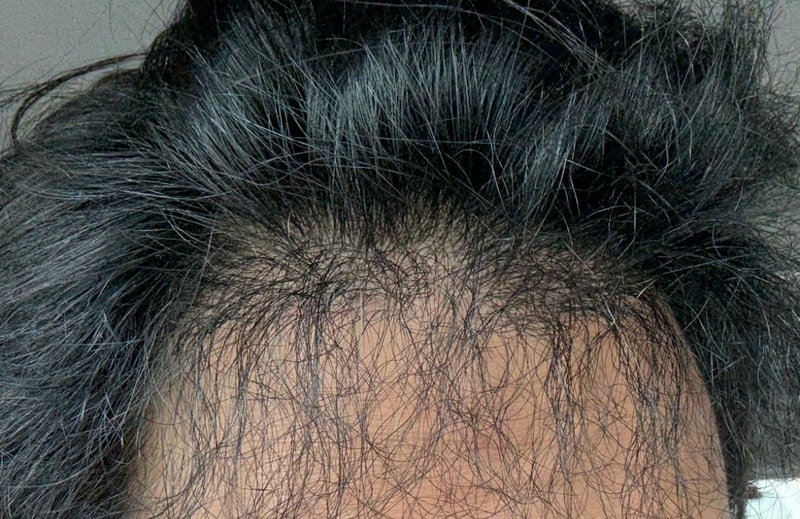
 MOBARUN HAIR SURGERY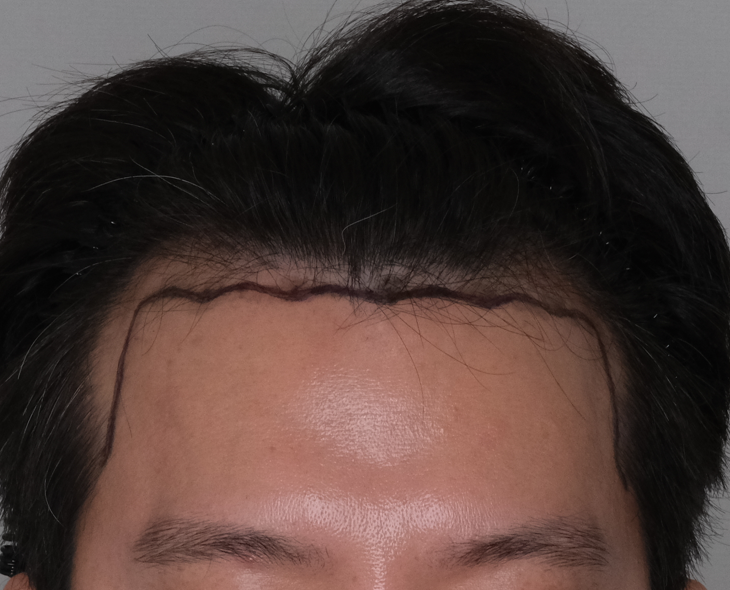
 GLOWELL
 MOJELIM Hair Transplant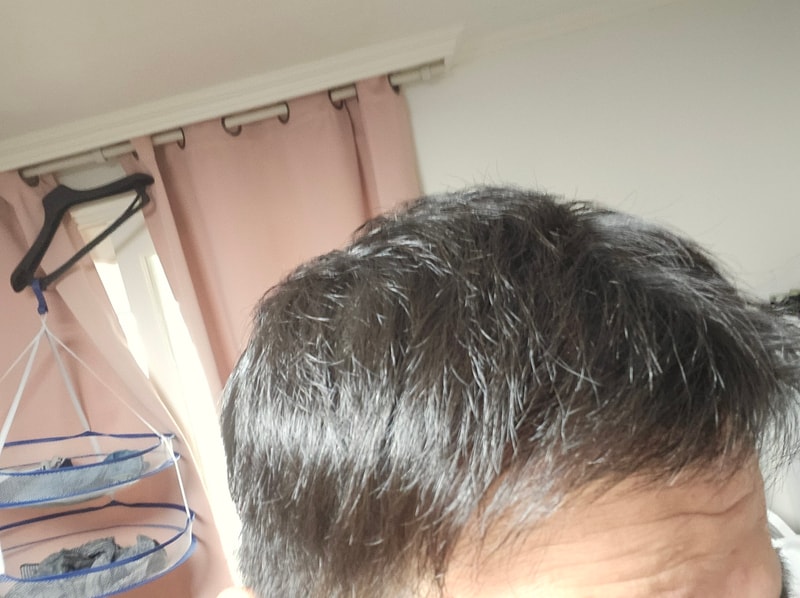
 Moment Clinic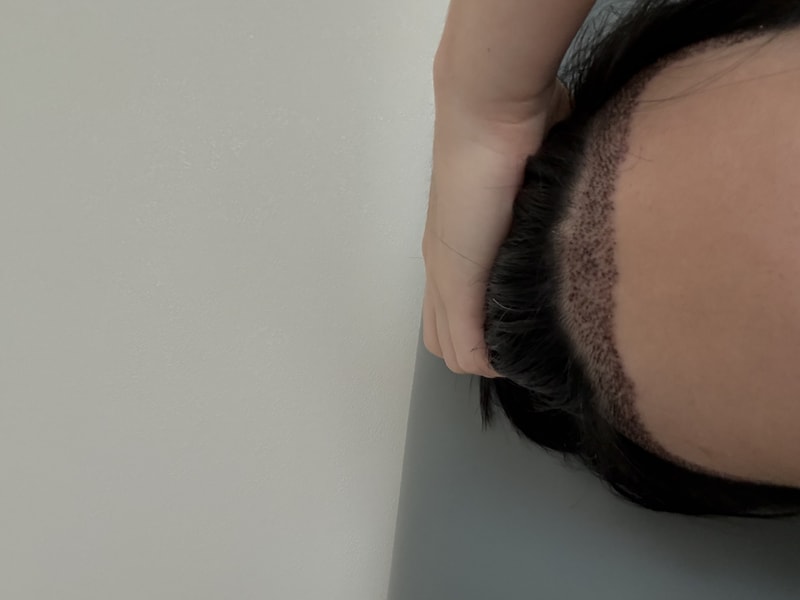
 Motion Hair Clinic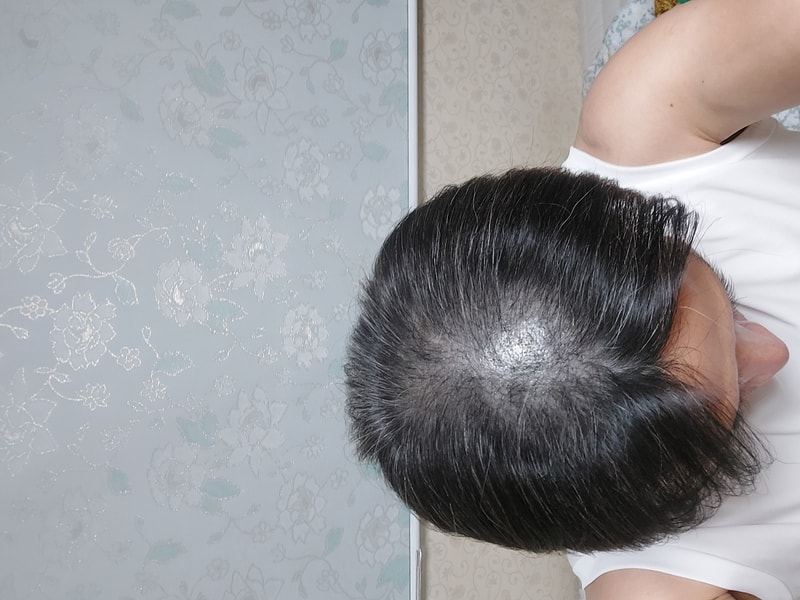
 MOAMAN CLINIC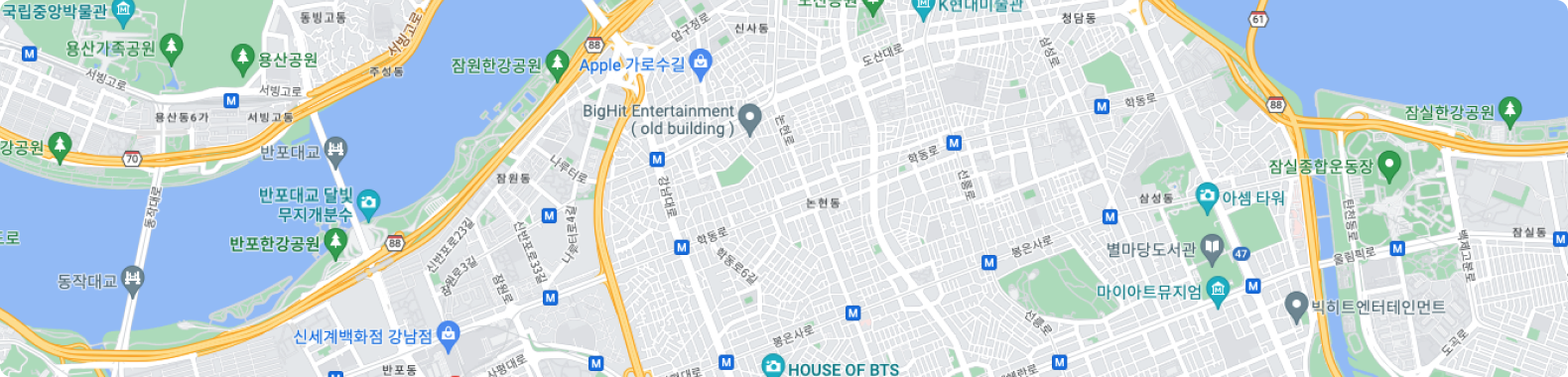



Comments