I also happened to know while reading a book because of something else?
Lecithin, which is contained in sesame seeds, beans, and kelp, is said to be very good for clearing the head. Lecithin is called Brain food in the United States. The main ingredient of the drug, jinkomine made from ginkgo leaf extract, is lecithin.
So, test takers can eat beans, sesame seeds, and kelp without worrying.
I'm also glad to hear that. It's eaten by hair loss soldering, but it has a side effect (?).
Have a nice day.
Attach a post that was moved from a website found in the search.
Lecithin
1. Overview of soybean lecithin
In 1844, M. Gobbley of France separated nitrogen and phosphorus-containing fats from the yolk of eggs and named them leithos, Greek for egg yolk, which is leithin.
Lecithin is called phosphatidylcholine (PC) in academic terms and is the most representative glycerol fatty acid, and has a structure in which fatty acids, phosphoric acid, and choline are combined with glycerin, and is an important component of brain and nerve tissue.
Lecithin (also known as phospholipid) is a major component of biofilms and has recently been found to play an important role in biological function, and lecithin is the most common phospholipid found in food and is contained in eggs and soybeans.
Phospholipids have both hydrophilicity in the phosphoric acid portion and hydrophobicity in the fatty acid portion due to their chemical composition, so they act as a kind of surfactant, and this emulsification carries blood cholesterol to the liver to prevent cholesterol from depositing on the walls of blood vessels, and to prevent fat from accumulating in the liver. In addition, phospholipid is a major component of the cell membrane as a cell component, plays an important role in regulating enzyme reactions by providing an environment for various enzymes, and plays a very diverse role in maintaining bio homeostasis, acting as a secondary carrier in cells by various stimuli.
Fatty acids that make up lecithin contain unsaturated fatty acids, essential fatty acids such as linoleic acid and linoleic acid, which play a major role in lowering LDL-cholesterol levels.
--------------------------------------------------------------------------------
2. physiological effects of lecithin
(1) It is a component of the cell membrane and is involved in basic metabolism of life, such as absorption of nutrients and excretion of waste products.
The number of cells in the human body is about 60 trillion, of which about 500,000 are destroyed in one second and 500,000 are regenerated at the same time, so life is maintained, but the number of cells destroyed as we age increases than the number of cells regenerated. In particular, unlike other tissue cells, brain cells and myocardial cells cannot all be regenerated and gradually decrease, causing brain or myocardial activity to deteriorate. If cell reduction continues and about 70% of about 60 trillion cells die, a person will end his or her life.
Cells, whether regenerated or not, have cell membranes that absorb nutrients or excrete waste through these cell membranes. Such cell metabolism is the basis of life and cannot be achieved without the role of a cell membrane, and the cell membrane, which is a so-called filter in the body, is composed mainly of lecithin. It has a structure in which lecithin is made in duplicate, and protein, glycolipids, cholesterol, and vitamin E are sandwiched between them.
As such, lecithin is a substance that not only facilitates cell metabolism but also constitutes basic human units such as each cell and blood cell.
(2) Acetylcholine, a neurotransmitter, is produced from choline released from lecithin to help brain activity.
Lecithin supplies choline to the brain, which increases the amount of acetylcholine, which is closely related to the brain's memory. Acetylcholine is one of the stimulation transporters and is particularly contained in large amounts in neural tissues.
Lecithin is also called "brain food" because it activates the brain through various actions.
(3) Lecithin is effective in preventing cardiovascular diseases such as myocardial infarction because it reduces the amount of cholesterol in the blood by lowering the surfactant activity and being involved in the solubilization of cholesterol in vivo.
The PC of lecithin promotes the function of the lysosomal membrane, activating cholesterol ester hydrolases attached to the membrane, thereby promoting the hydrolysis of cholesterol esters.
(4) It promotes absorption and prevention of aging of fat-soluble substances such as vitamin A and vitamin E.
Vitamin A and vitamin E, well known as an anti-aging nutrient, are fat-soluble and are enhanced in absorption by lecithin, increasing body efficiency.
--------------------------------------------------------------------------------
♣ Lecithin and hair
Lack of lecithin weakens blood flow in scalp blood vessels, and causes abnormal secretion of fat, which can cause dandruff. Thus, an abundance of lecithin can make the activity of the scalp and hair healthier.
♣ Lecithin improves the head of the fetus?
Because lecithin makes up cranial neurons, it helps the development of cranial nerves and brains in the fetus and strengthens microvessels
It helps the blood flow or oxygen supply to the brain.





 국영수
국영수
 도와주새요
도와주새요
 기다림m
기다림m
 K4969242801

 Mopro Clinic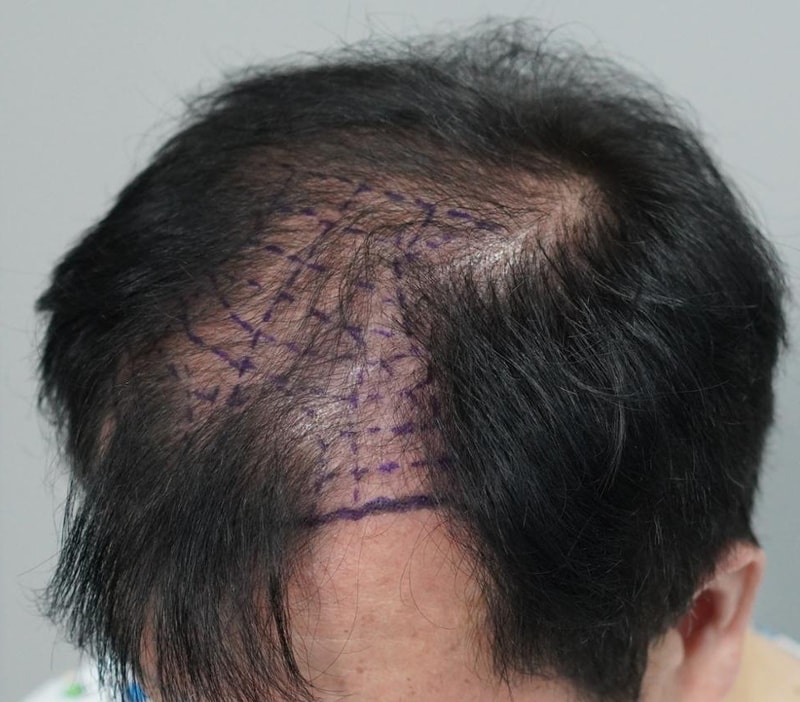
 Busan Grow House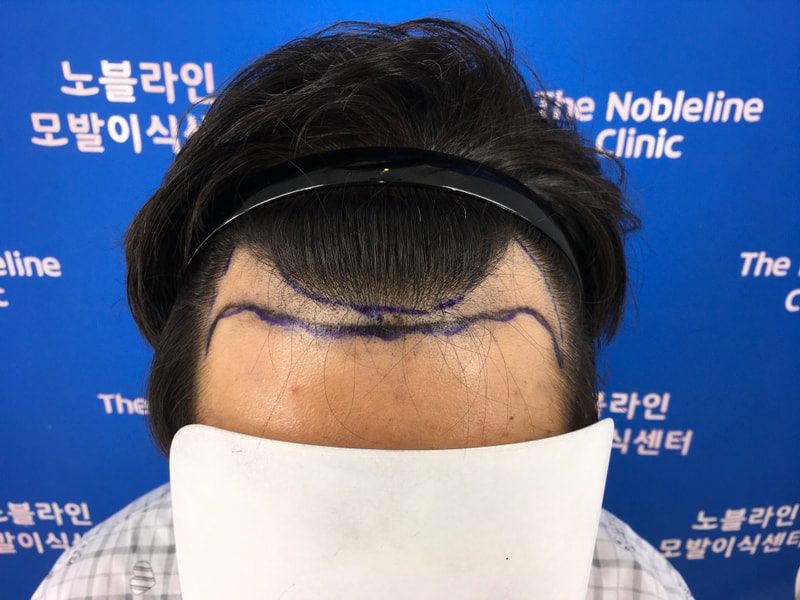
 The Nobleline Center for Alopecia Care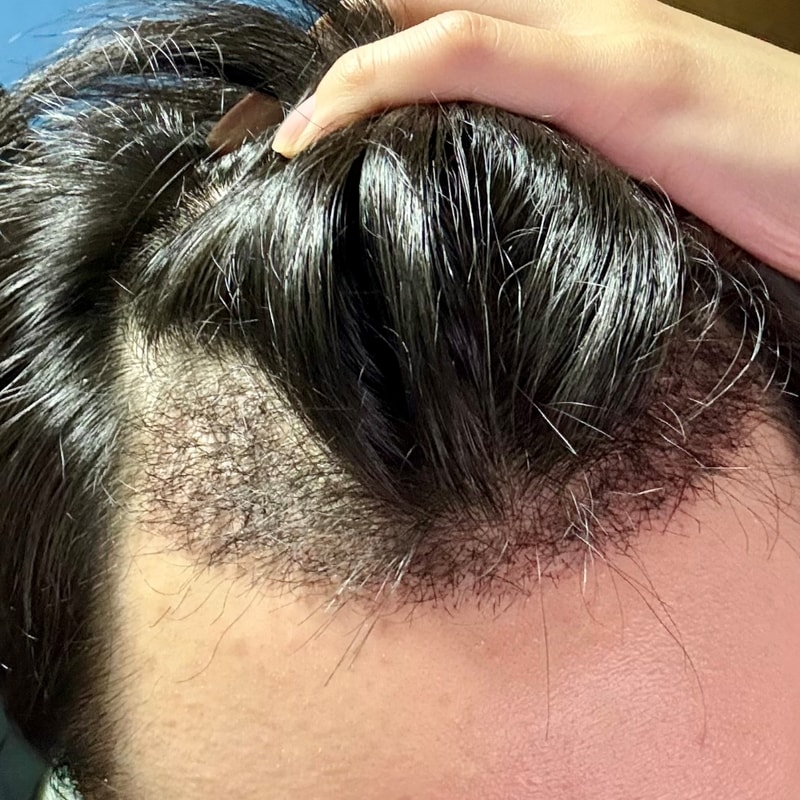
 MYMO HAIR TRANSPLANT CENTER Incheon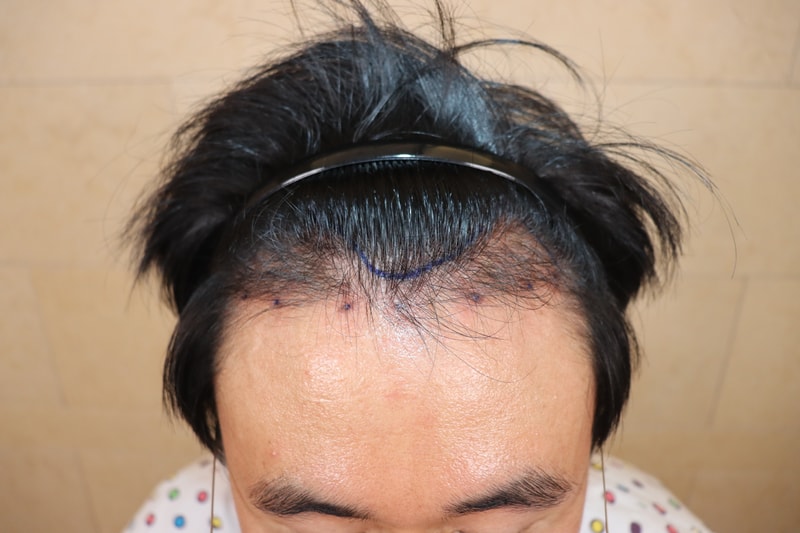
 WOOMCHAN Hair Transplant Clinic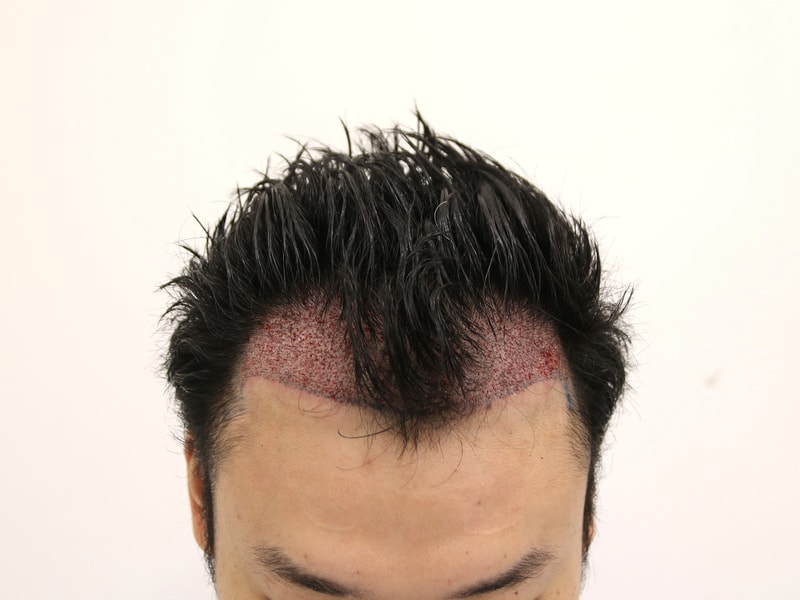
 Mammoth Hair Restoration Center Busan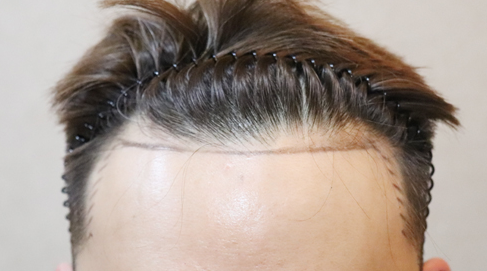
 JP Hair Transplant Clinic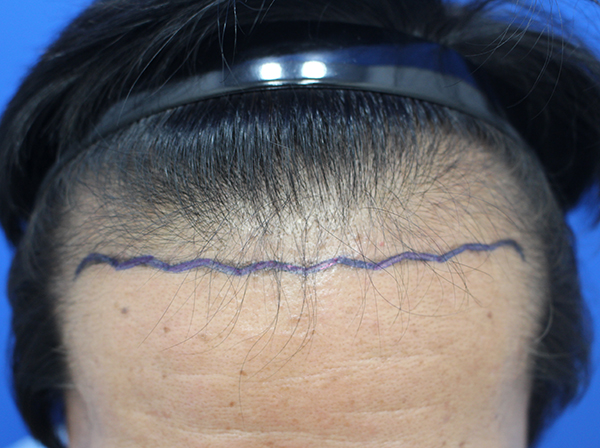
 Hannaeve plastic surgery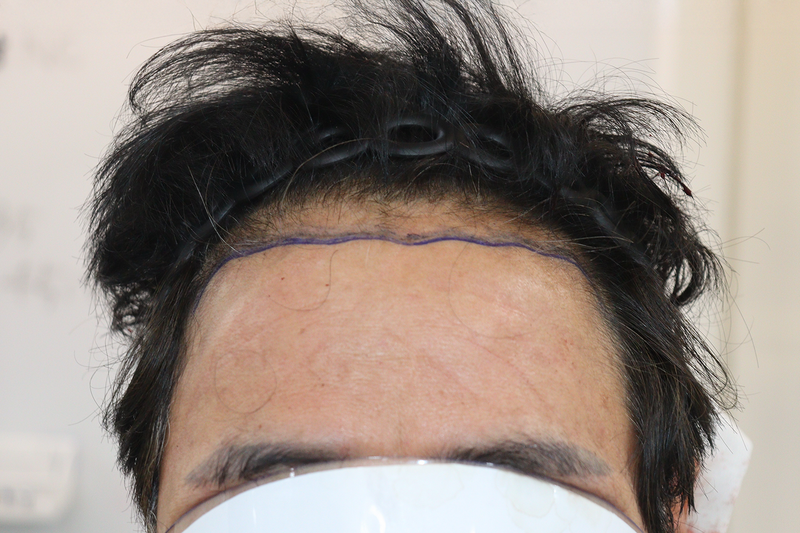
 HAIRO HAIR TRANSPLANT CENTER Daegu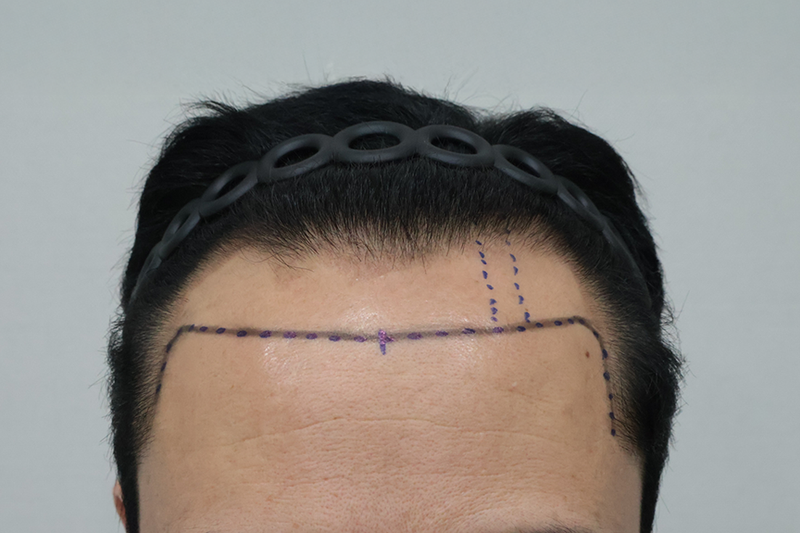
 HAIRO HAIR TRANSPLANT CENTER Dongtan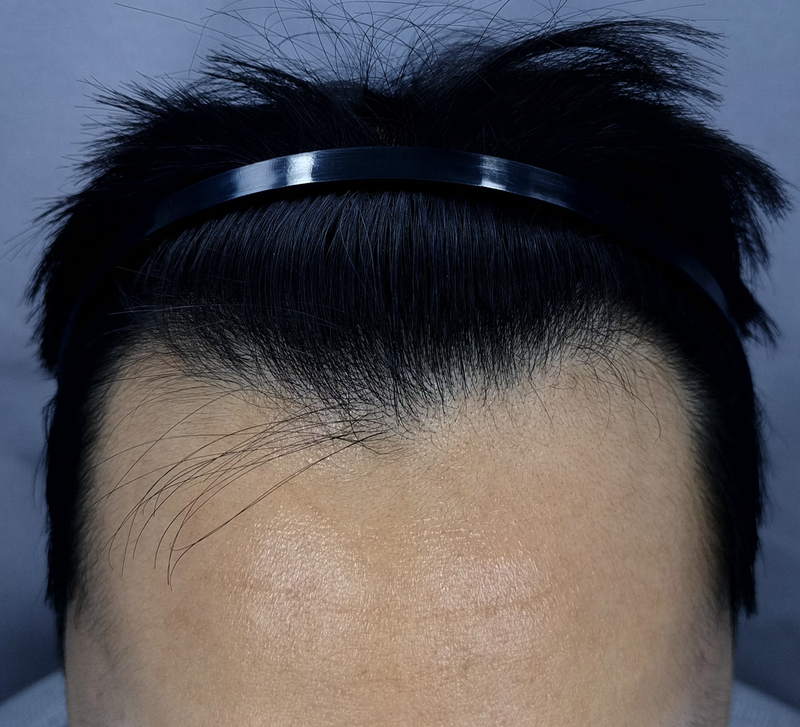
 The Jongno Headquarters of the Yonsei Mobel House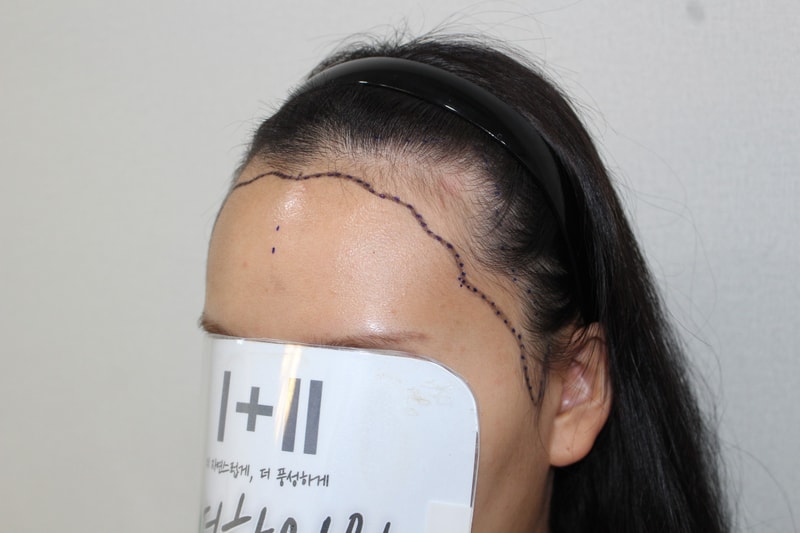
 Moderhamm Clinic — Hair Transplant Center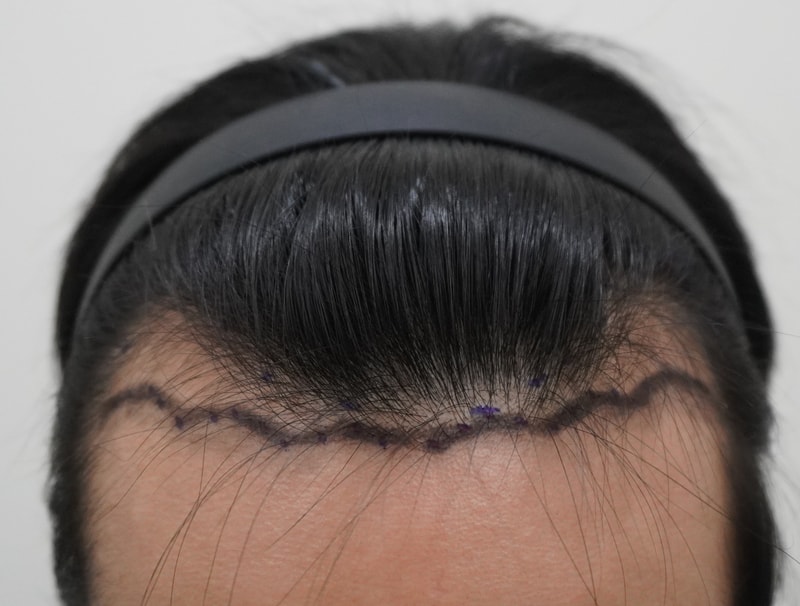
 Yong Doctor Hair Transplant Surgery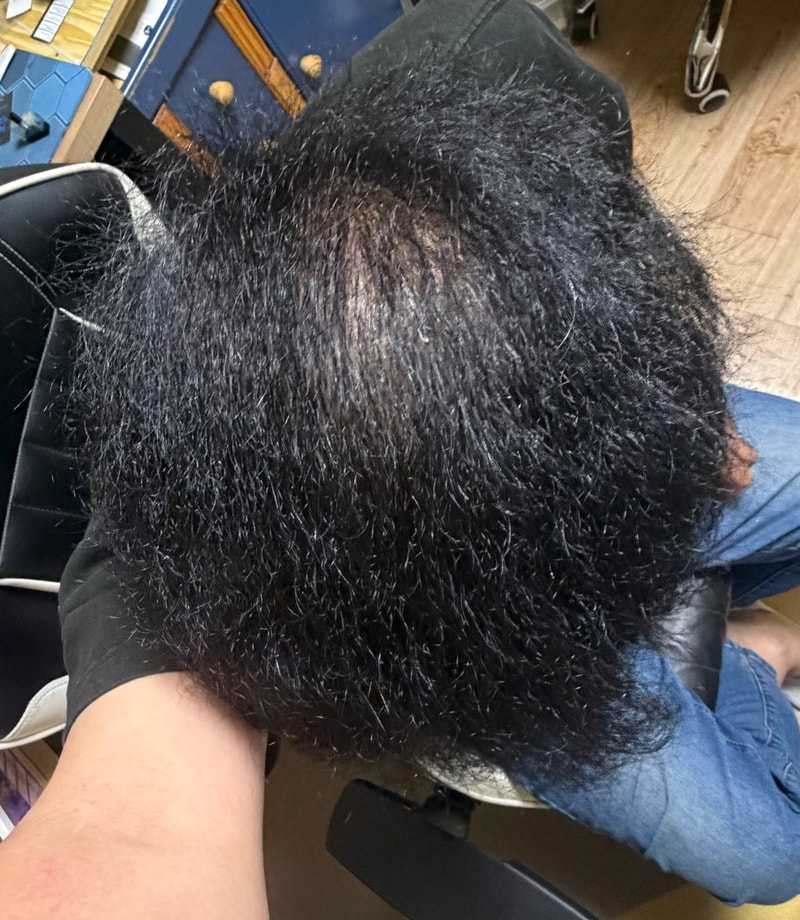
 Mo Jaesung Plastic Surgery & Hair Transplant Center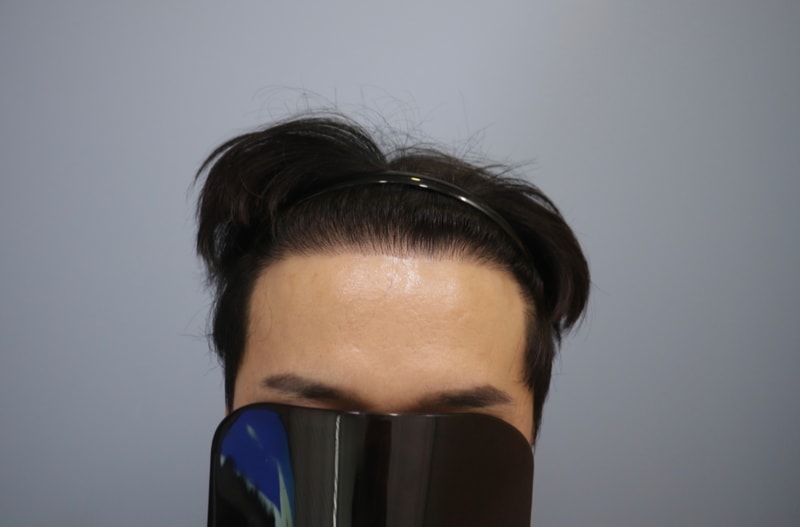
 apgujeong mobien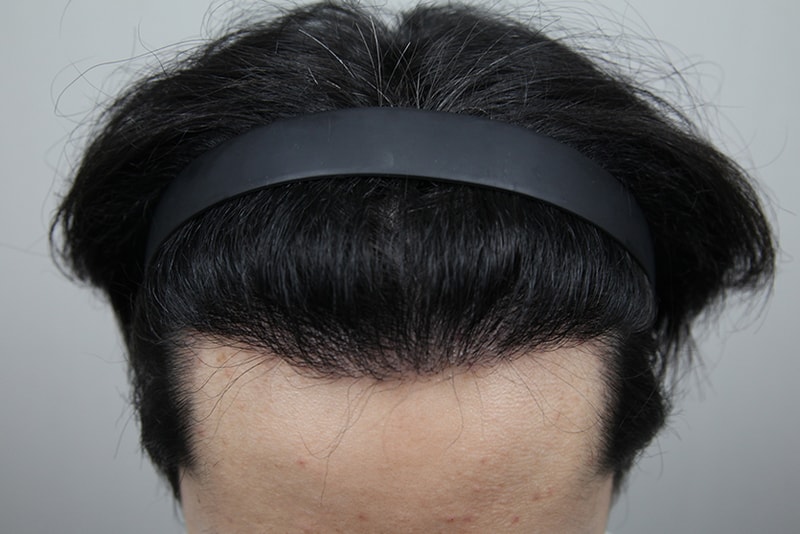
 MONARA dermatology clinic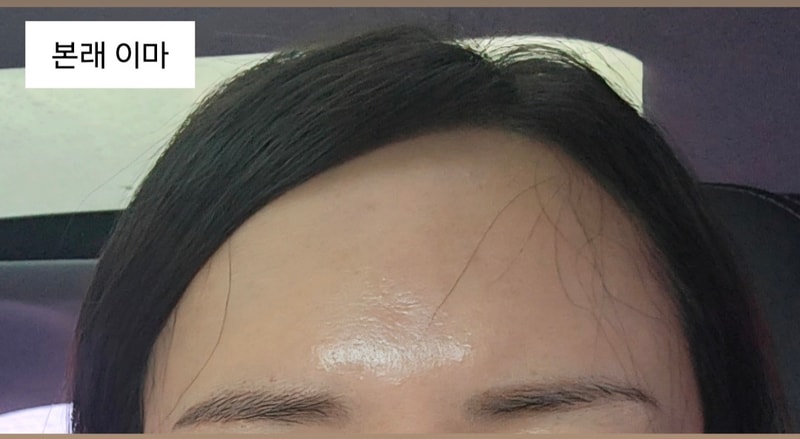
 Banal Plastic Surgery Clinic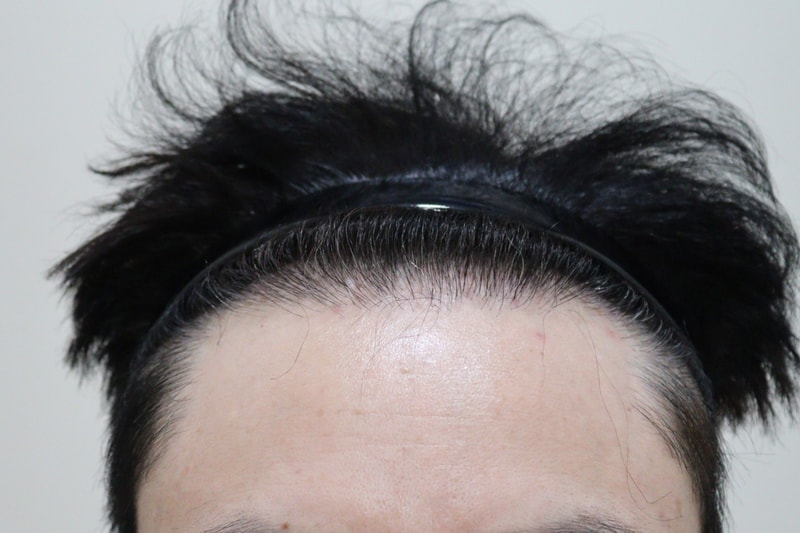
 Mo&Bless Hair Clinic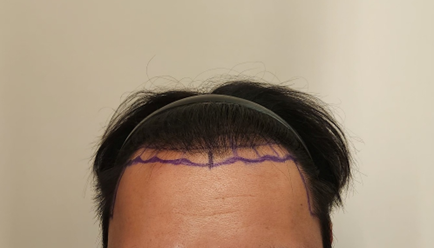
 Yonsei Mobelle Clinic - Daegu Branch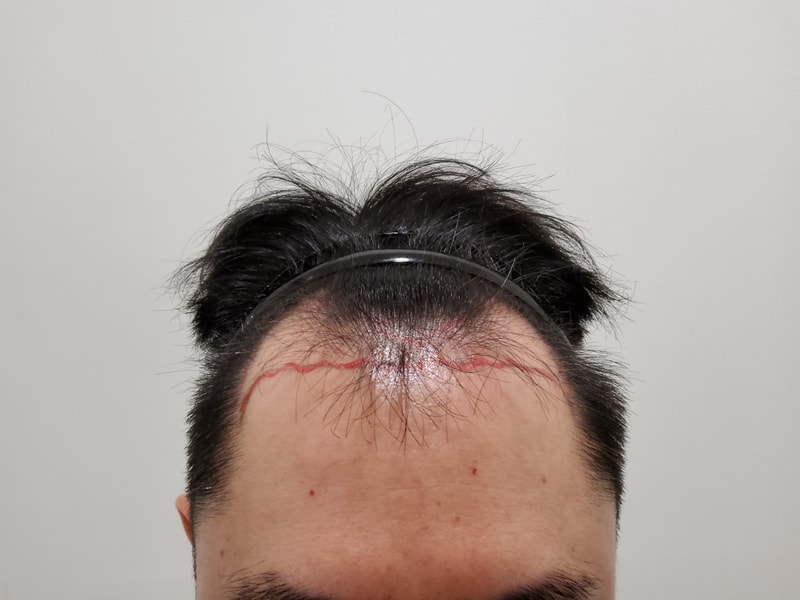
 Modeunmo Clinic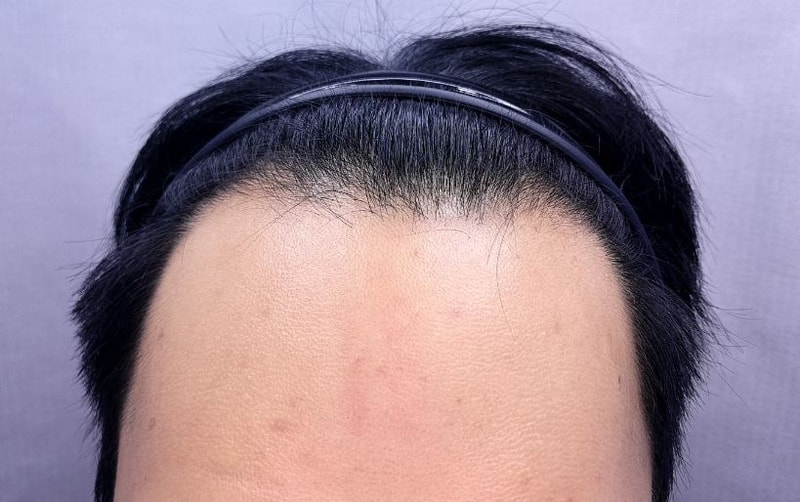
 Yonsei Mobelle Clinic - Incheon Branch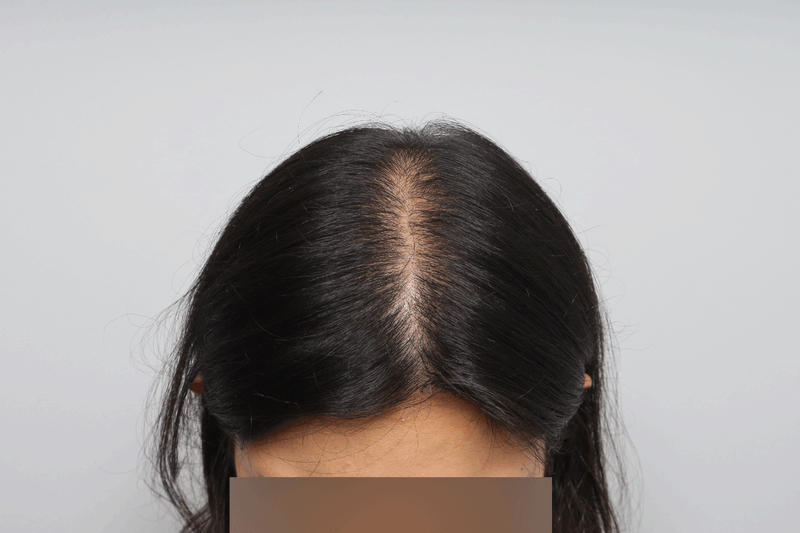
 MO.1 plastic surgery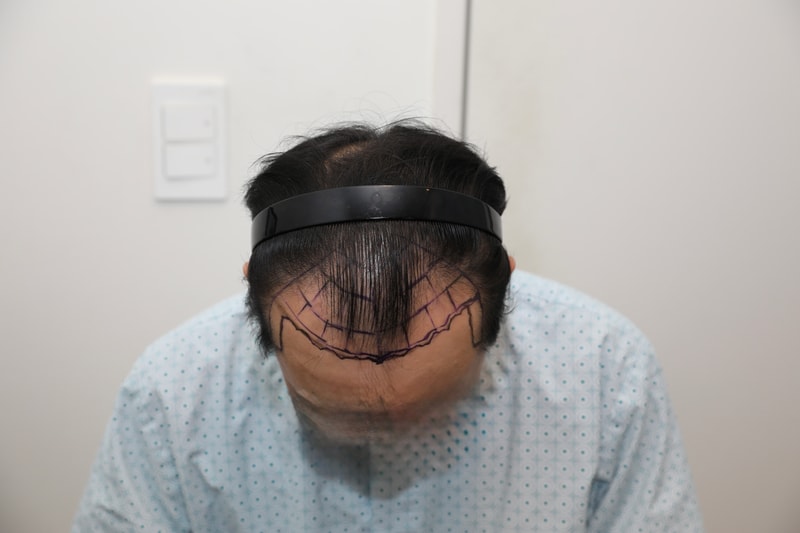
 NEWHAiR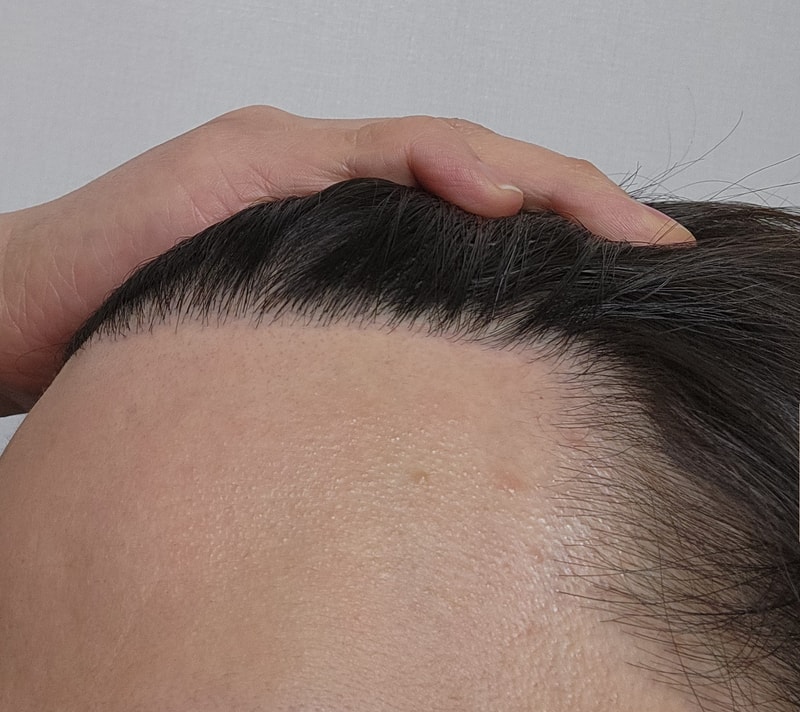
 Dana Plastic Surgery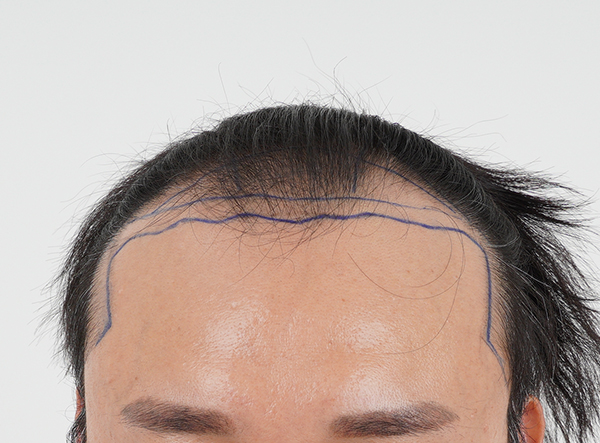
 MOMO HAIR TRANSPLANT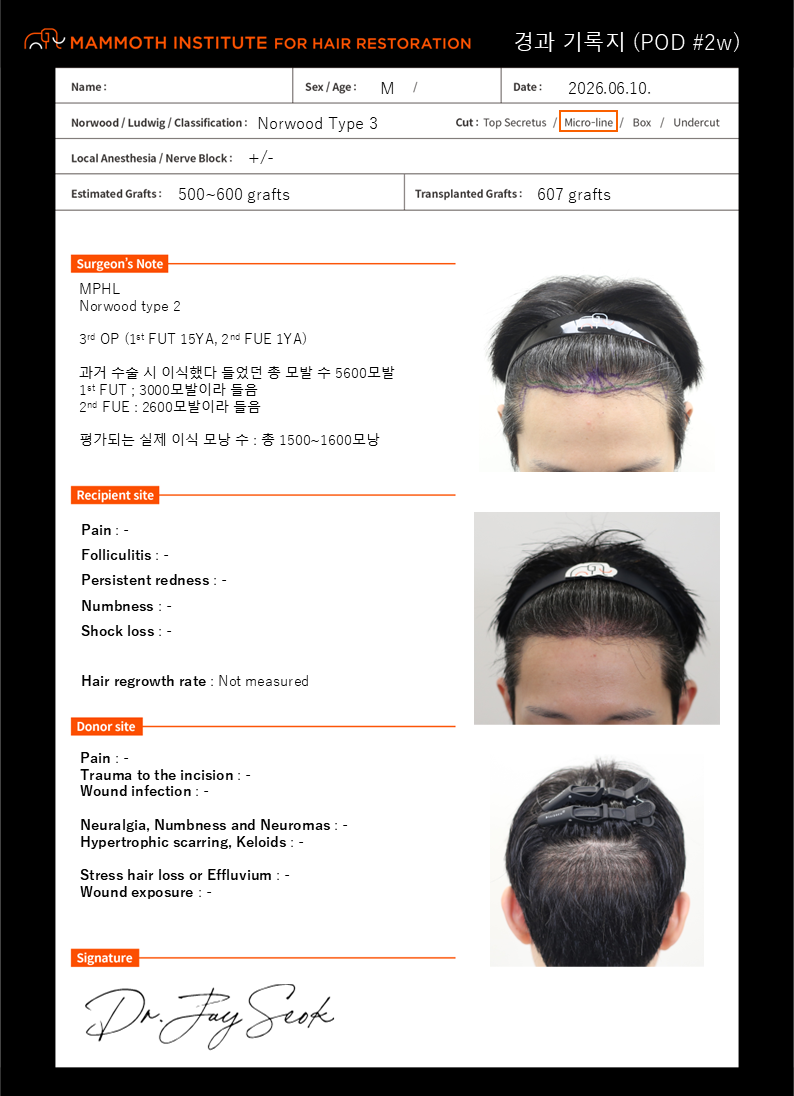
 Mammoth Hair Restoration Center, Apgujeong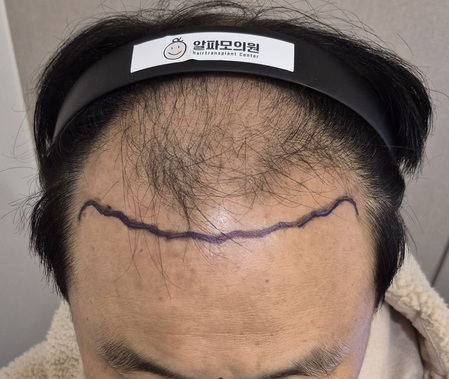
 an alpha-mocking circle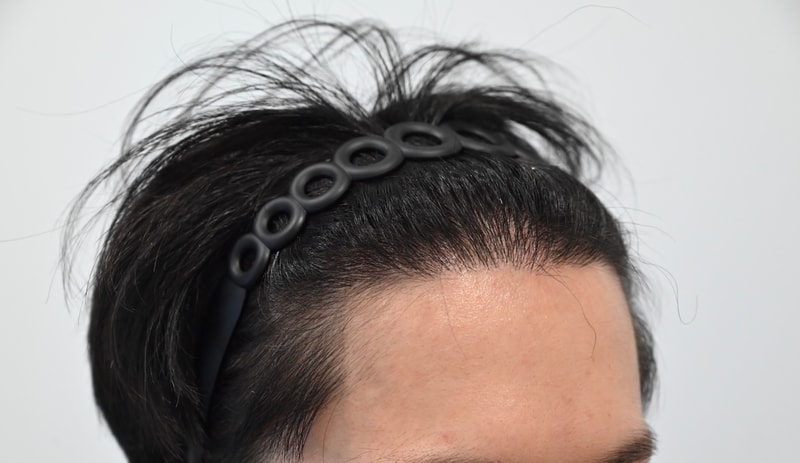
 MOEM Clinic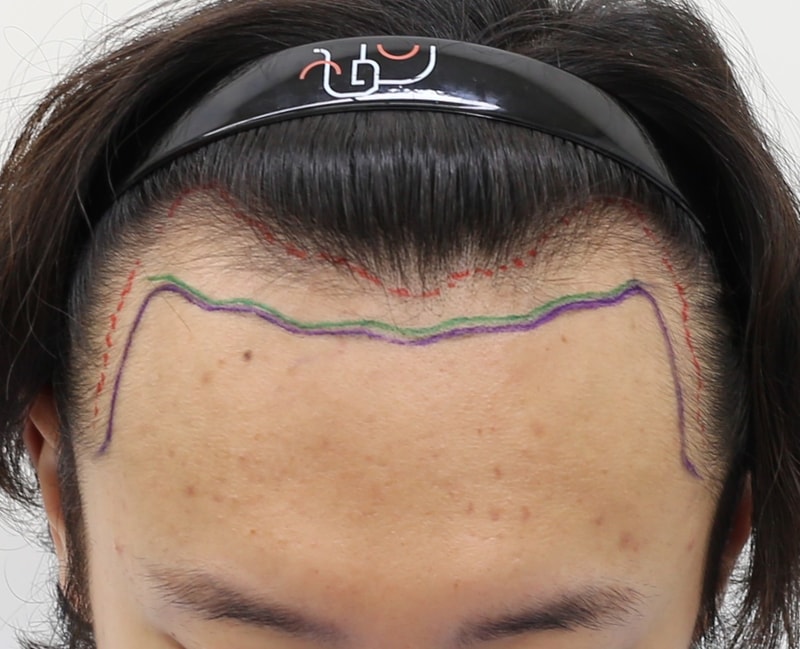
 Incheon Mammoth Hair Restoration Center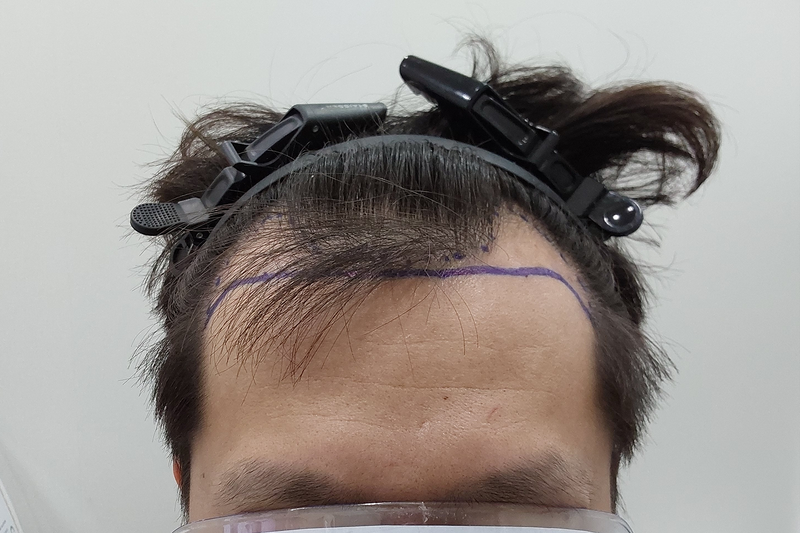
 HAIRO HAIR TRANSPLANT CENTER Jeonju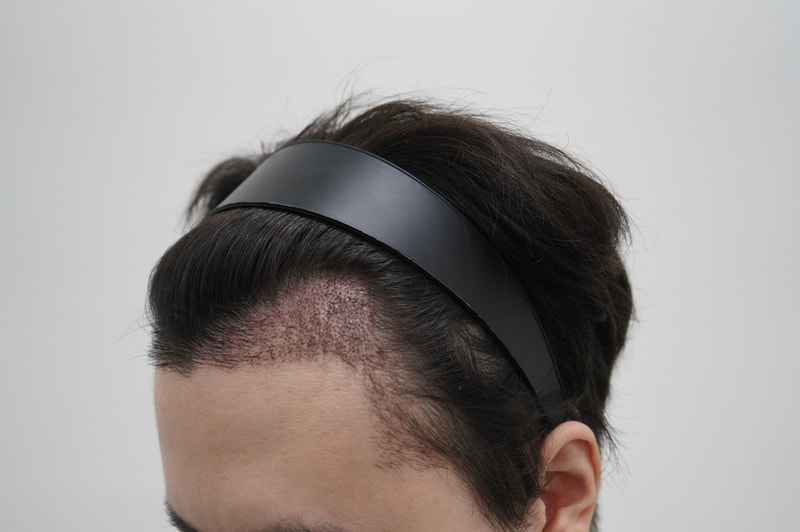
 moart clinic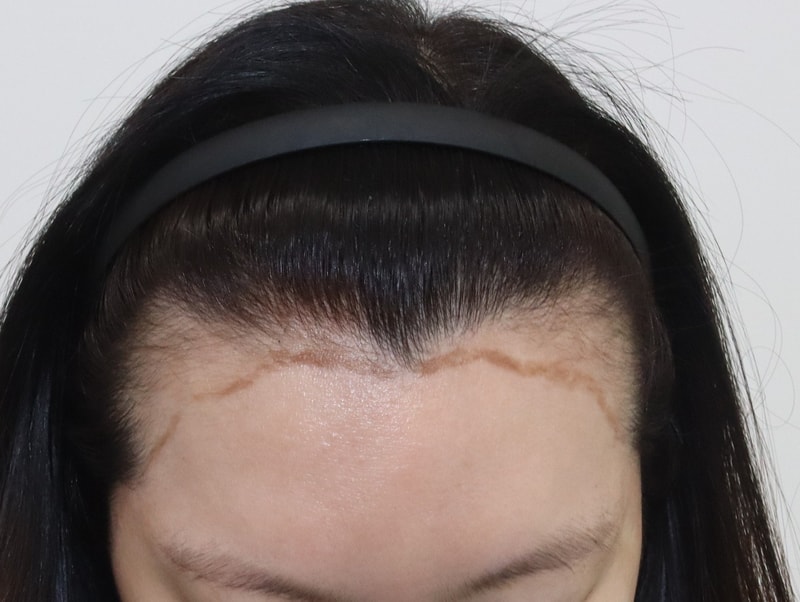
 Modi hariplant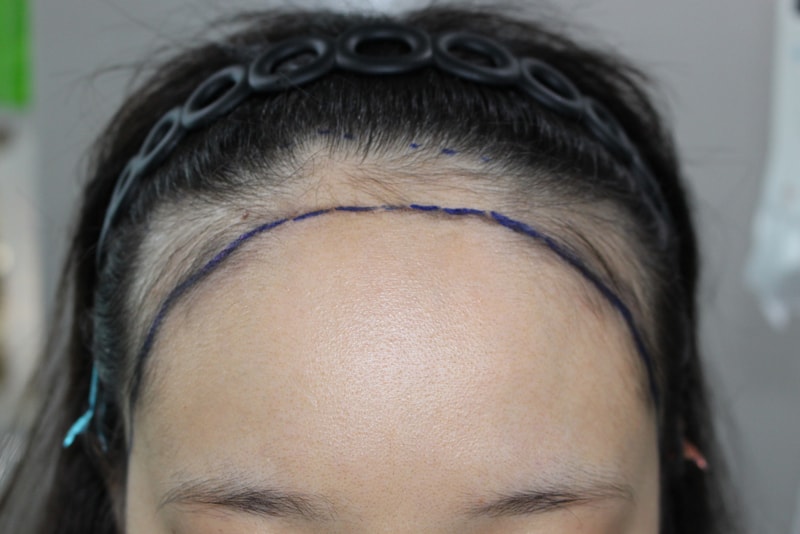
 Modaol Hair Transplant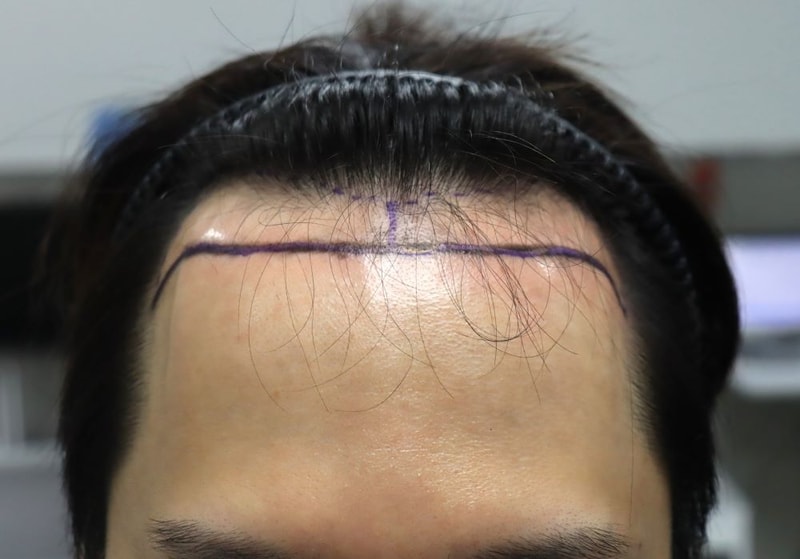
 FORHAIR Hair Transplant Korea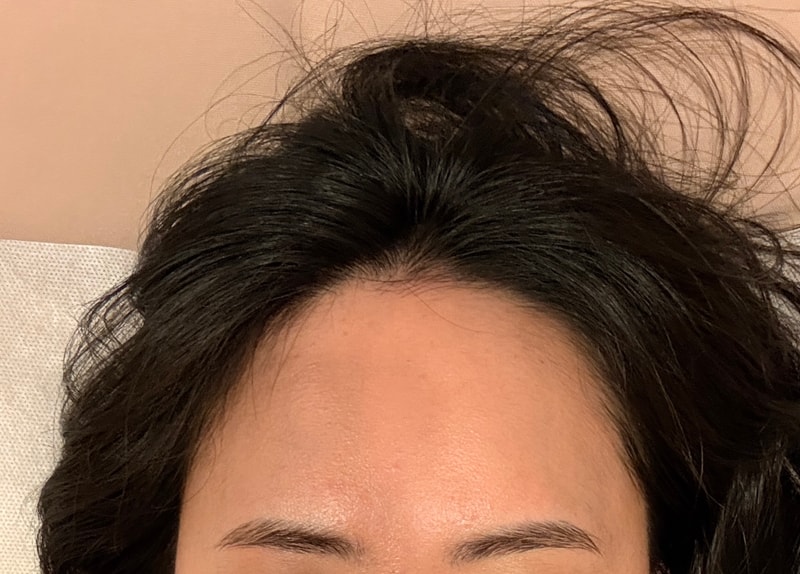
 Mowoolim Clinic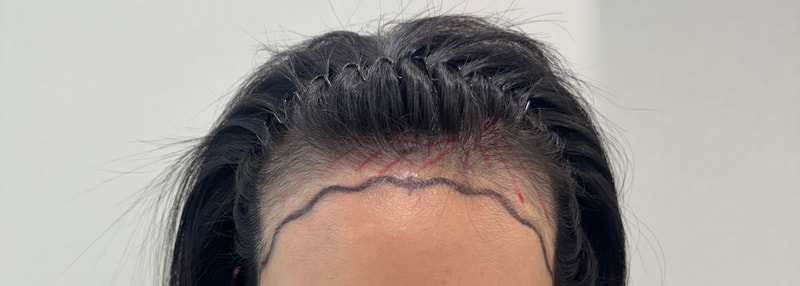
 MOUDA CLINIC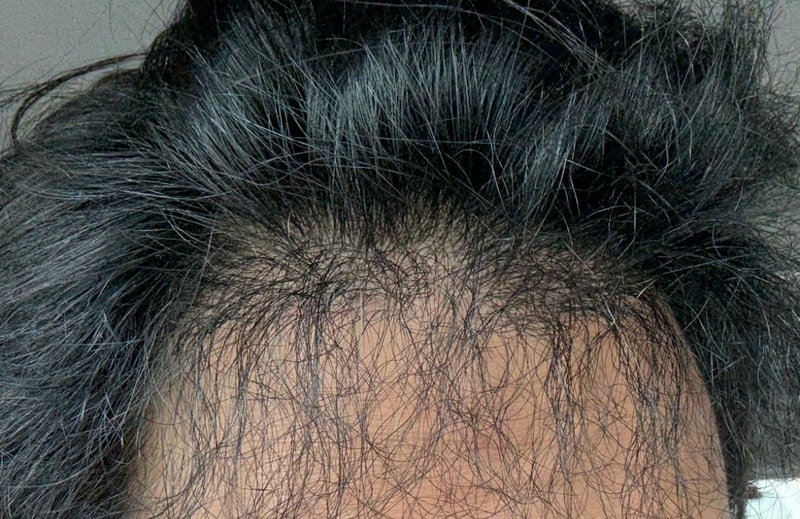
 MOBARUN HAIR SURGERY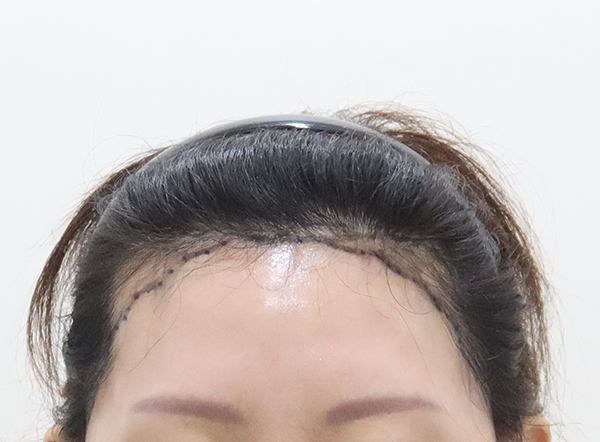
 Momo Clinic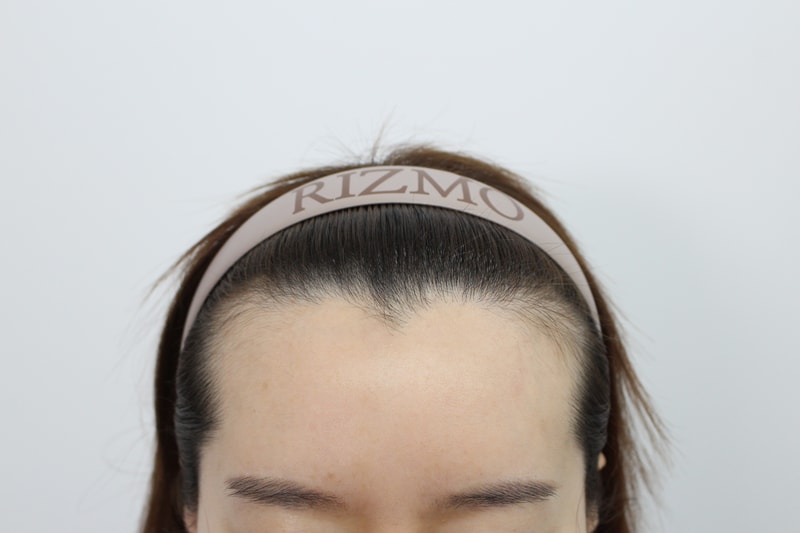
 Rizmo Clinic - Busan Branch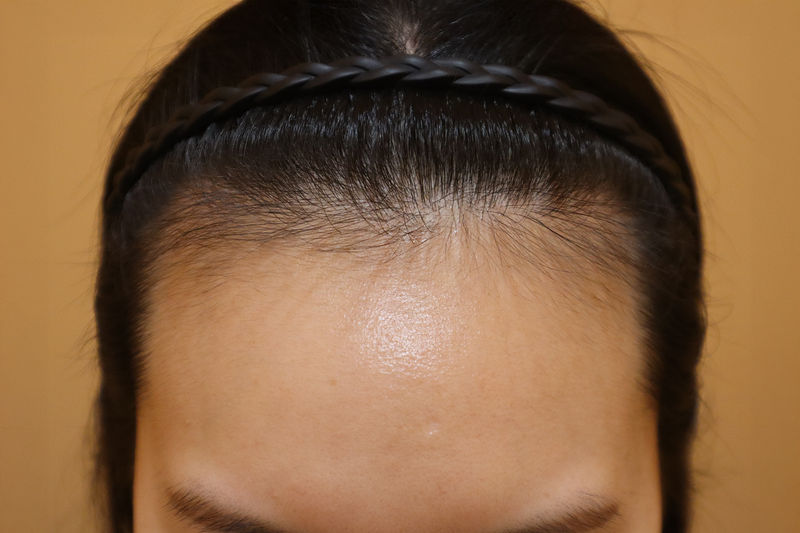
 HAIRO HAIR TRANSPLANT CENTER Busan
 Momo Clinic
 MOMO's Suwon branch
 GLOWELL
 MOJELIM Hair Transplant
 Moment Clinic
 Motion Hair Clinic
 MOAMAN CLINIC



Comments