Cells have an ionic environment and electrical balance (charge stability).
Until now, we've been managing access to chemicals, extracts, steroids, and other ingredients
From now on, I think it's time to look at the physical approach of cell ion and charge stabilization.
What is clear is that "our cells" are always healthy, homeostatic, and attempting to overcome all diseases on their own as soon as the ionic environment and charge are stabilized.
Seborrheic scalp inflammation is a very common chronic scalp disease. Itching, erythema, dandruff, dead skin cells, and increased sebum.Symptoms such as ripples are repeated, and improvement and deterioration are repeated.
Major causes known to date include the proliferation of Malassezia yeast, changes in sebum secretion, decreased skin barrier function, abnormal immune responses, genetic factors, stress, and seasonal changes.
However, these factors alone sometimes make it difficult to fully explain the symptoms of all patients.
For example, even with the same amount of sebum, some people feel severe itching, while others have few symptoms. Even if Malasegia exists, the degree of symptoms varies greatly from individual to individual, and it is often observed that symptoms suddenly worsen even with stress or lack of sleep.
Then we could look at the scalp from a slightly different perspective.
The scalp is an electrical tissue
Every cell in our body has electrical properties.
The cell membrane maintains a constant membrane potential, and ions such as sodium (Na ⁺), potassium (K ⁺), calcium (Ca² ⁺), and chlorine (Cl ⁻) constantly move to regulate the cell's function.
Sensory nerves also transmit pain and itching through these electrical signals.
In other words, the scalp is not just skin, but a bioelectric system in which ions and charges are constantly moving.
a new hypothesis
When external stimuli are applied to the scalp, the cells initiate various physiological responses.
In this process, the distribution of ions around the cell and the local electrical microenvironment change, and the possibility that these changes can affect sensory nerves and immune cells can be considered.
Namely,
External stimulation → Microinflammatory of cells → Increased sebum → Increased sebum → Increased sebum → Increased sebum degradation of malaria - Increased fatty acids in the scalp environment
You can change it. The symptoms that we know to be the cause may be the result of microinflammation of cells that started with an imbalance between ion and charge
It's a new perspective.
In this hypothesis, microinflammation is not just a problem for inflammatory cells, but a phenomenon in which ions and electrical balance are involved together.
How will the vicious cycle repeat itself?
Itch makes you scratch, and scratching damages your scalp again.
The damaged scalp can again change the ionic environment and electrical balance, and the sensory nerves can become more sensitive.
As this process repeats, symptoms are likely to become increasingly chronic.
Namely,
Stimulation → Microinflammatory → Itch → Scratch → Additional Stimulation → Microinflammatory Amplification
In the traditional vicious cycle of,
Changes in local ion and electrical microenvironment
We can think about the possibility that this factor will work together.
a new direction of treatment
Currently, most approaches are focused on suppressing inflammation, reducing maladisea, or controlling sebum.
However, if the scalp's microscopic ionic environment and electrical balance play an important role in the development of symptoms, the goal of treatment may extend to stabilizing the scalp's microenvironment rather than simply suppressing inflammation.
In other words, the hypothesis is that if the cell's ion and charge environment can be stabilized, all symptoms can maintain the homeostasis of overcoming themselves, starting with the itching of seborrheic scalp inflammation.
This does not deny existing treatment, but is a hypothesis that suggests a new research direction in addition to existing mechanisms.
Seborrheic scalp inflammation is a complex disease that is difficult to explain with a single cause.
Malaseia, sebum, skin barrier, and immune response are definitely important factors.
In addition to this, it becomes possible to hypothesize that changes in local ion environments and electrical microenvironments are responsible for amplifying microinflammation.
The new hypothesis does not exist to deny existing knowledge, but is another attempt to understand phenomena that have not yet been explained.
The possibility of a more diverse treatment approach may open up when seborrheic scalpitis is viewed from a new perspective of 'ion and electrical microenvironment'.
Please search for the mesoscale hydration ion network domain on Naver or Google.
Products of this new technology will be commercialized soon.
I think it may certainly be a hope for those suffering from boredom or sensitivity.





 K4984376008
 cyunty99
 K44061050622508202112
 Mopro Clinic
 NEWHAiR
 an alpha-mocking circle
 Mowoolim Clinic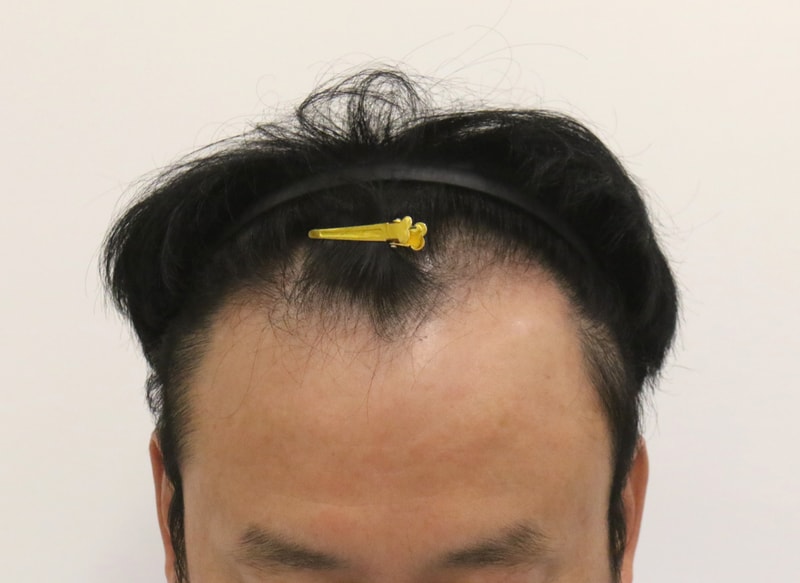
 Mammoth Hair Restoration Center Busan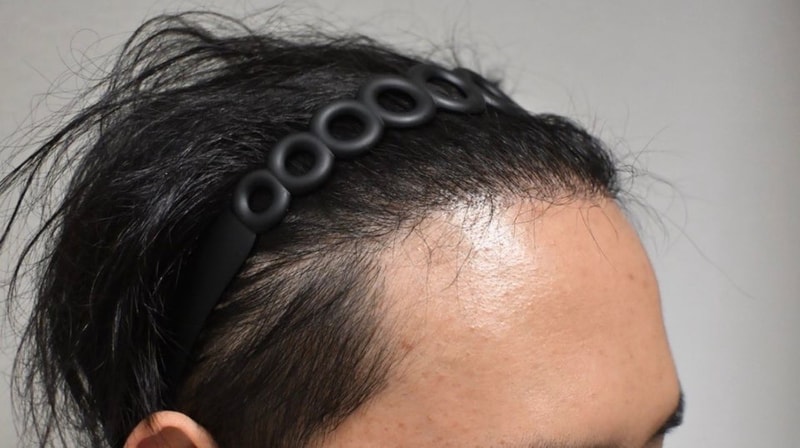
 Modaol Hair Transplant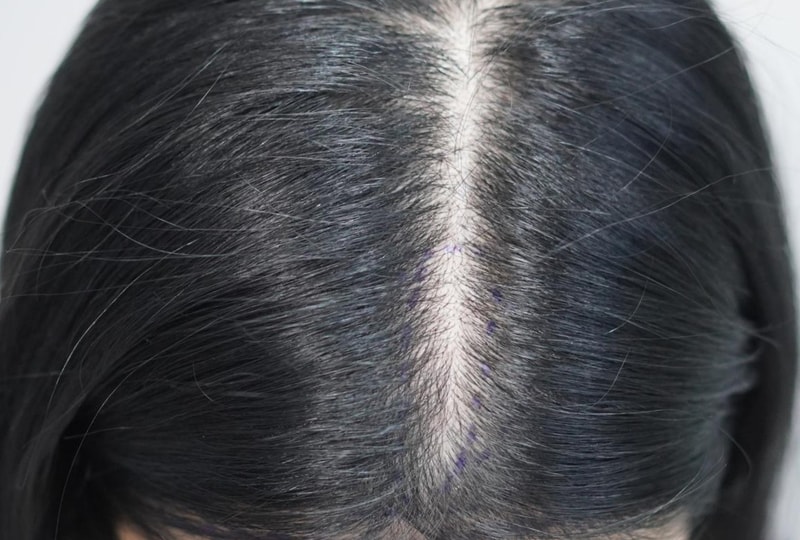
 Busan Grow House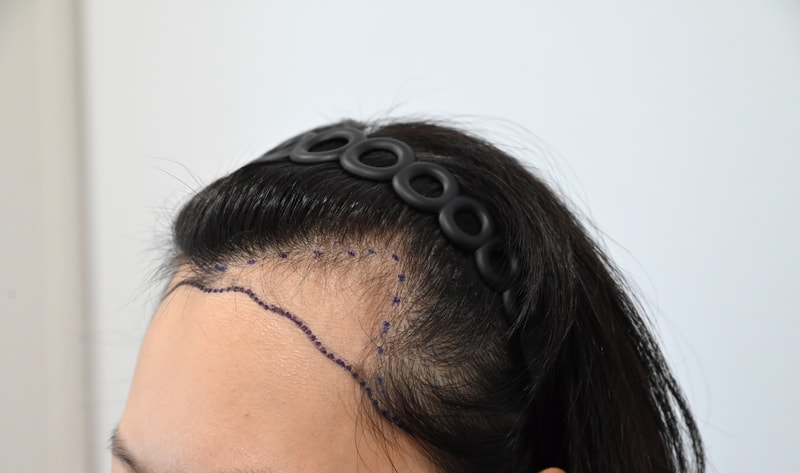
 MOEM Clinic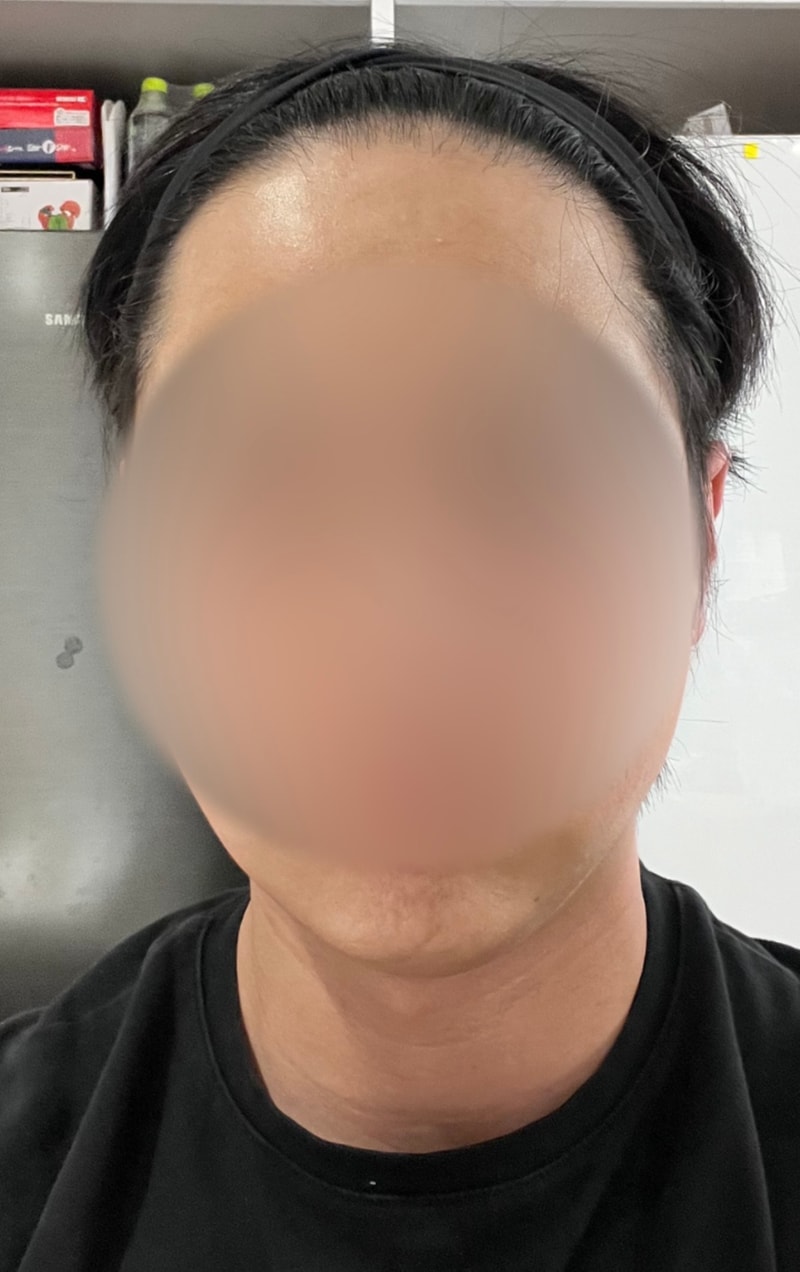
 MYMO HAIR TRANSPLANT CENTER Incheon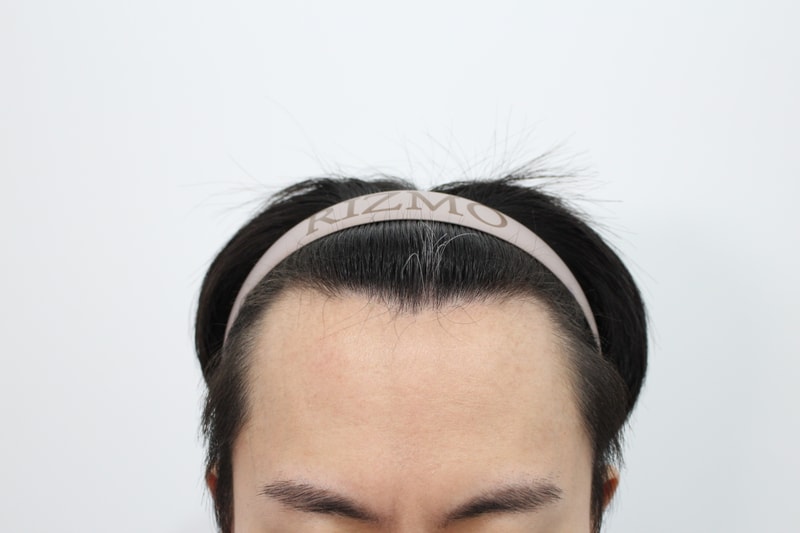
 Rizmo Clinic - Busan Branch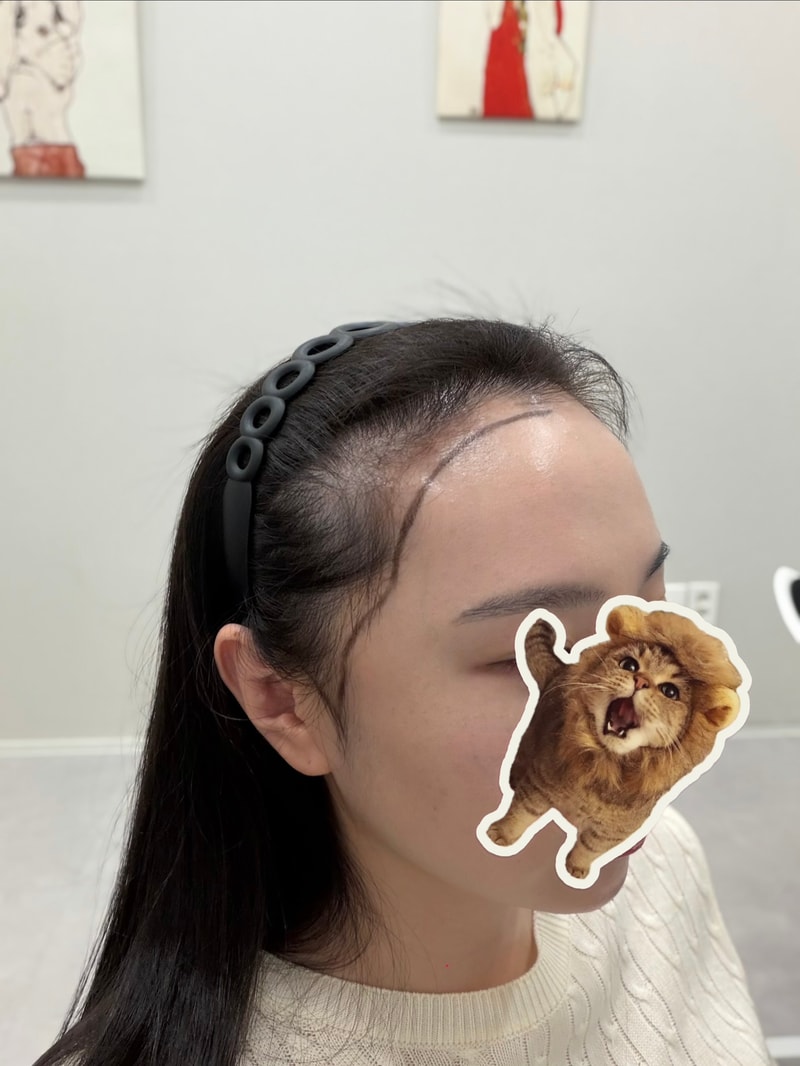
 HAIRO HAIR TRANSPLANT CENTER Dongtan
 Modi hariplant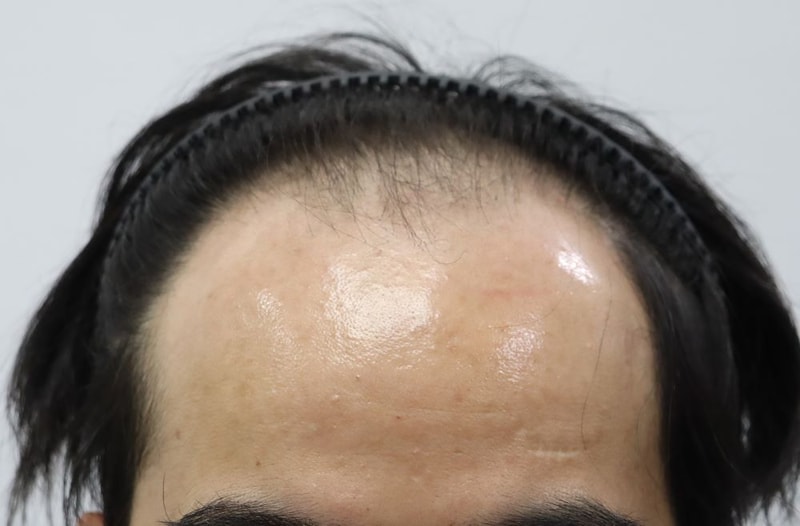
 FORHAIR Hair Transplant Korea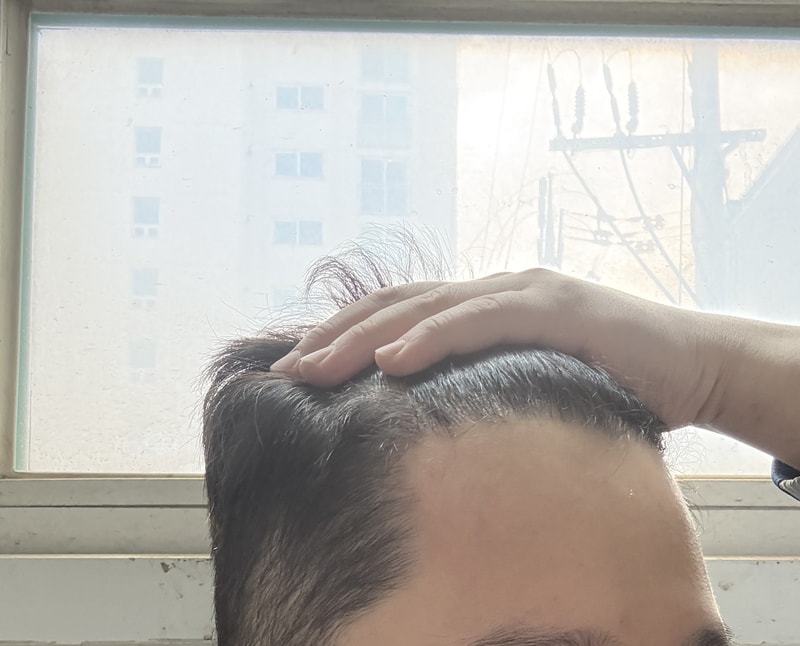
 Dana Plastic Surgery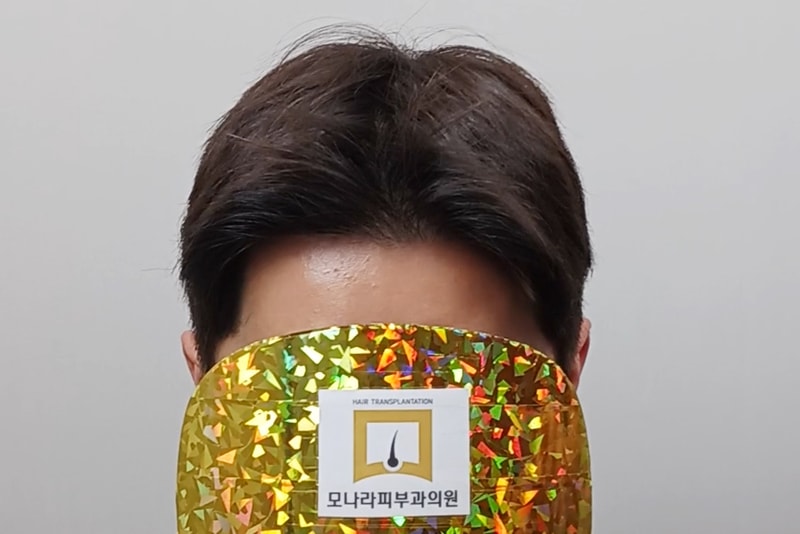
 MONARA dermatology clinic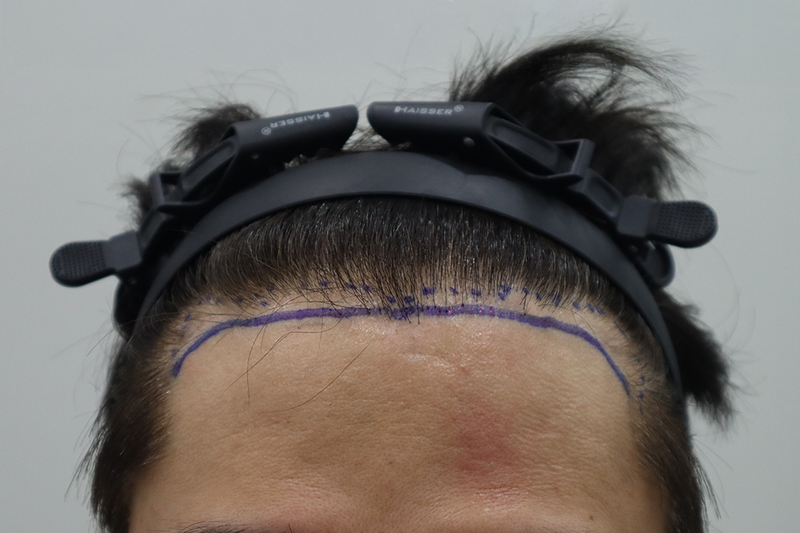
 HAIRO HAIR TRANSPLANT CENTER Jeonju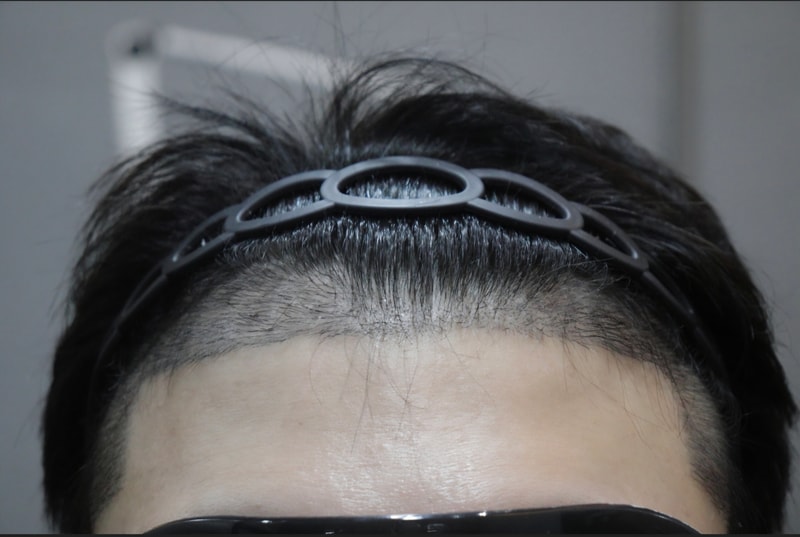
 apgujeong mobien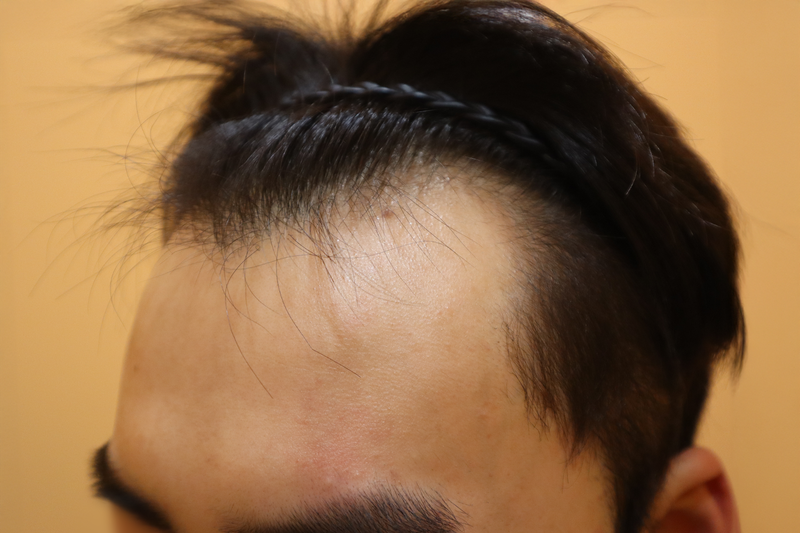
 HAIRO HAIR TRANSPLANT CENTER Busan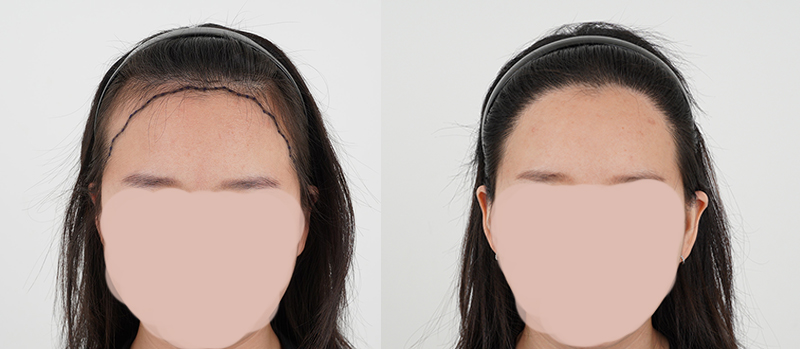
 MOMO's Suwon branch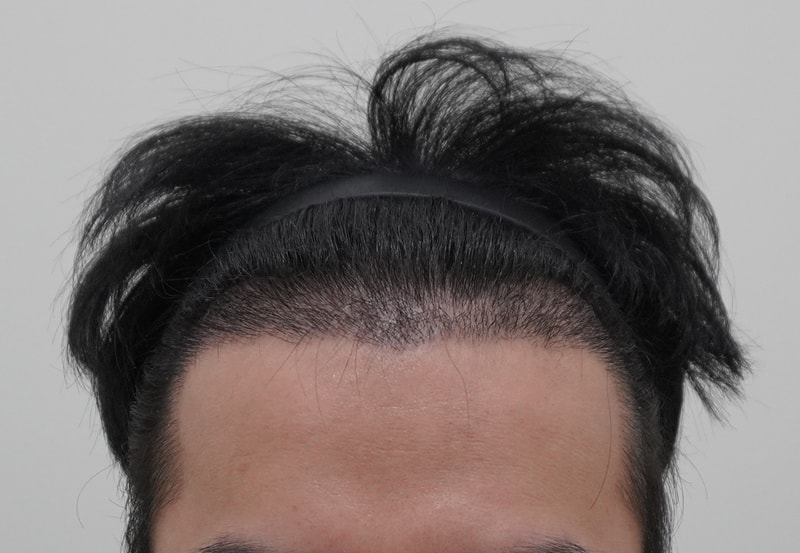
 Yong Doctor Hair Transplant Surgery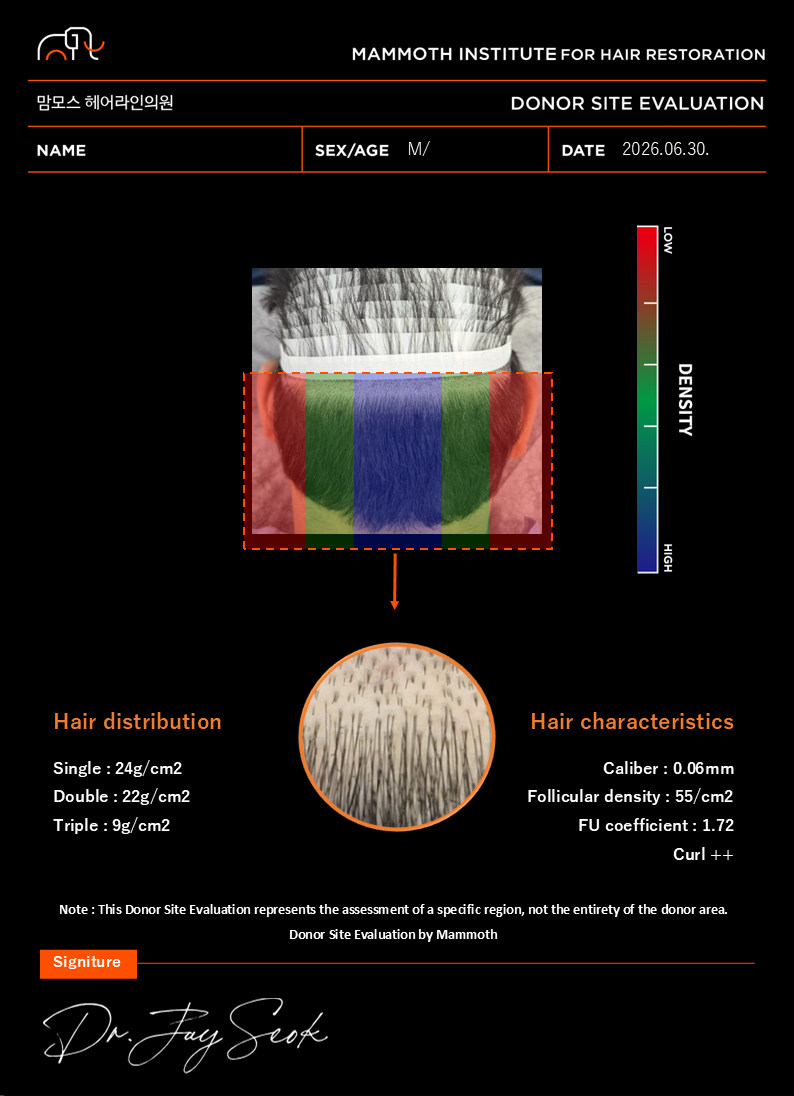
 Mammoth Hair Restoration Center, Apgujeong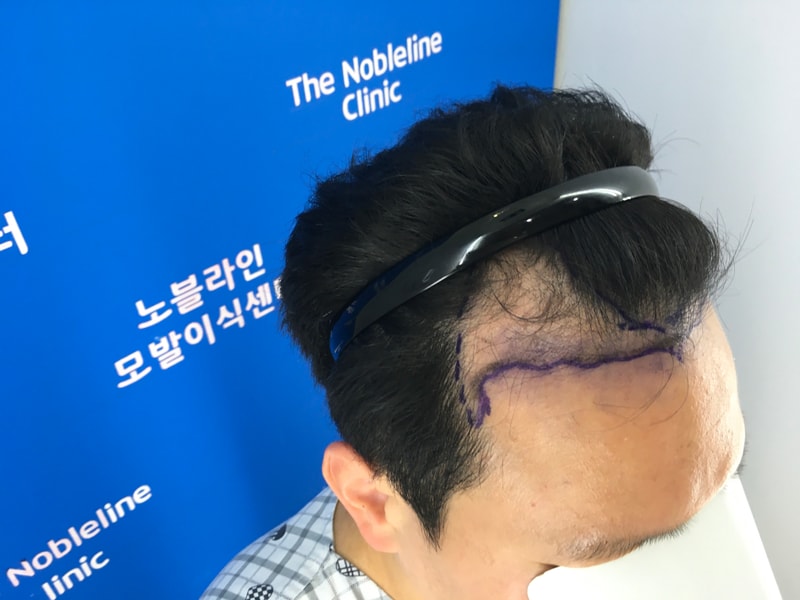
 The Nobleline Center for Alopecia Care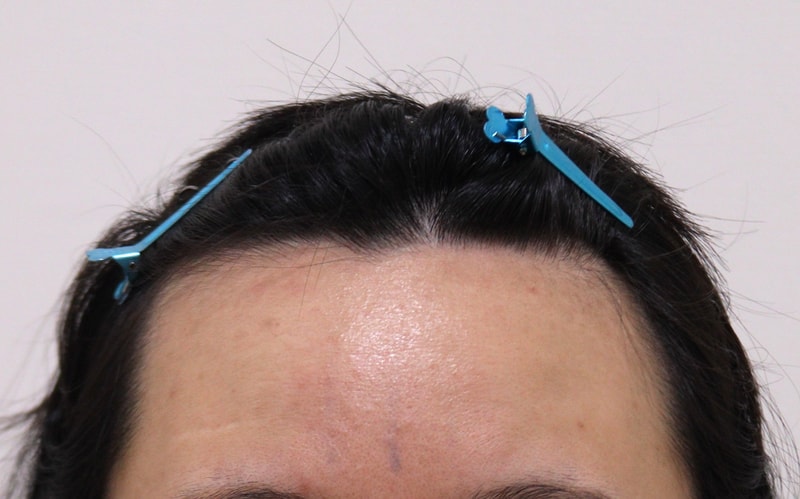
 Mo&Bless Hair Clinic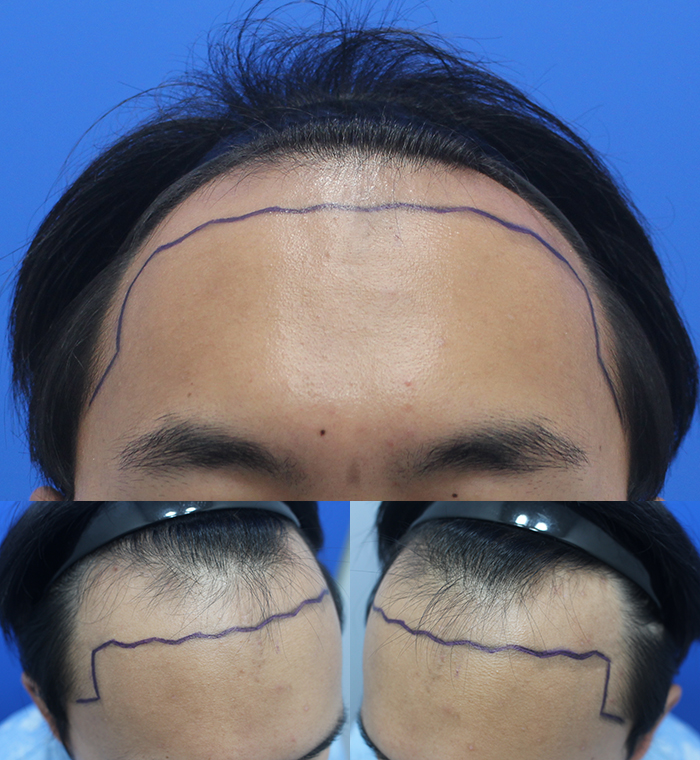
 Hannaeve plastic surgery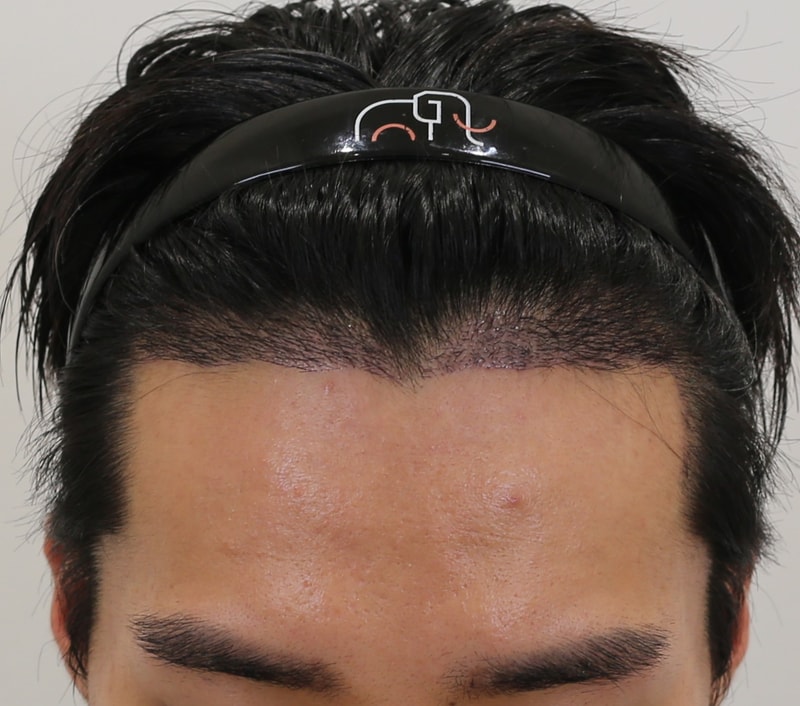
 Incheon Mammoth Hair Restoration Center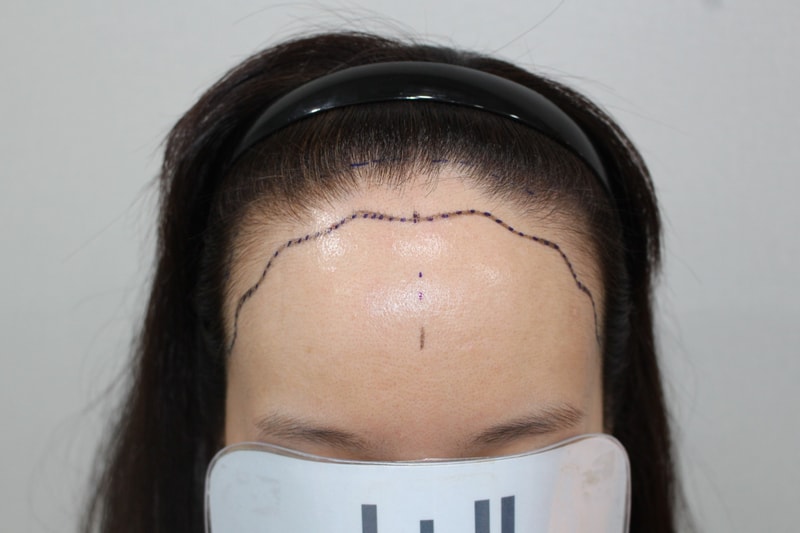
 Moderhamm Clinic — Hair Transplant Center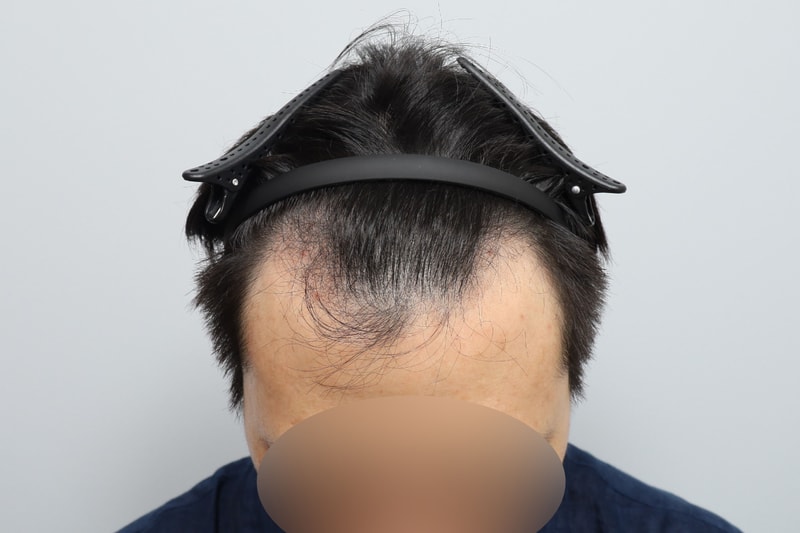
 MO.1 plastic surgery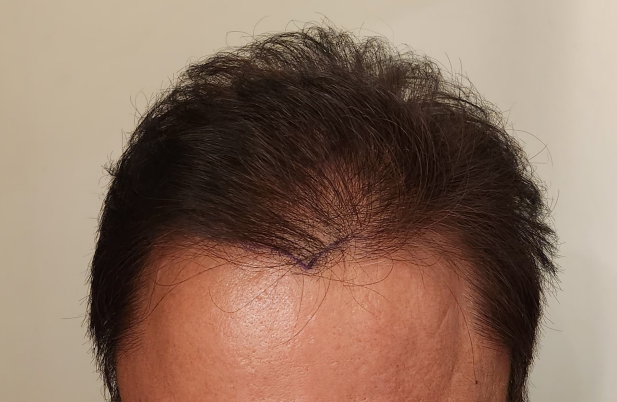
 Yonsei Mobelle Clinic - Daegu Branch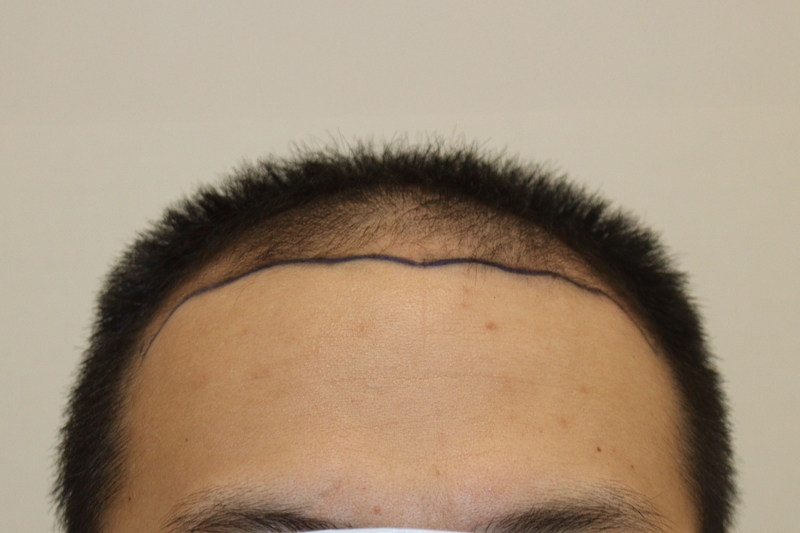
 HAIRO HAIR TRANSPLANT CENTER Daegu
 Yonsei Mobelle Clinic - Incheon Branch
 Momo Clinic
 Mo Jaesung Plastic Surgery & Hair Transplant Center
 MOMO HAIR TRANSPLANT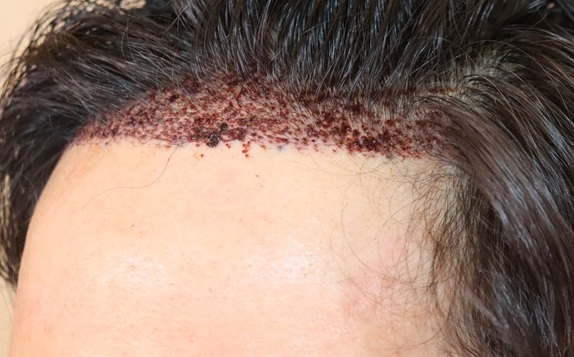
 WOOMCHAN Hair Transplant Clinic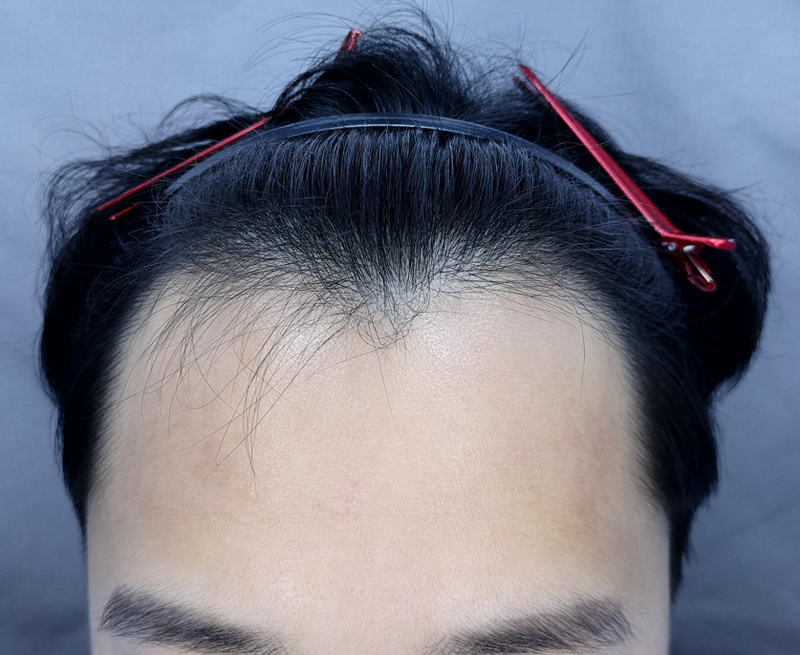
 The Jongno Headquarters of the Yonsei Mobel House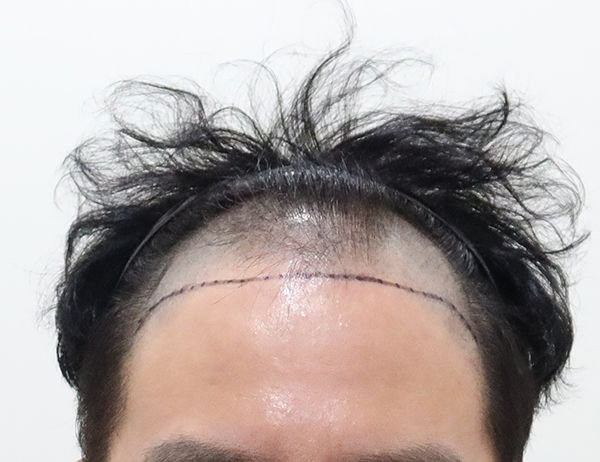
 Momo Clinic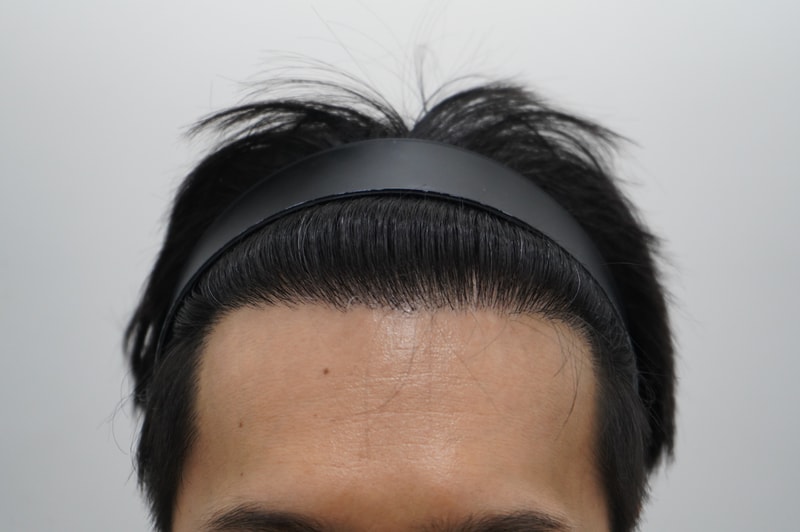
 moart clinic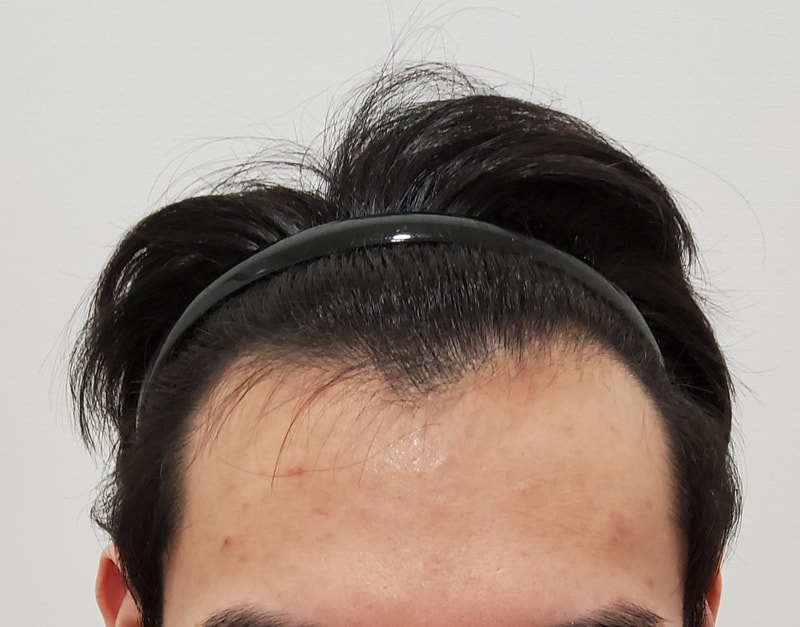
 Modeunmo Clinic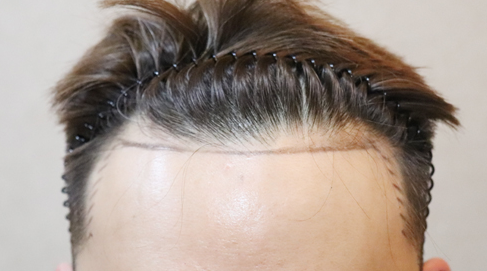
 JP Hair Transplant Clinic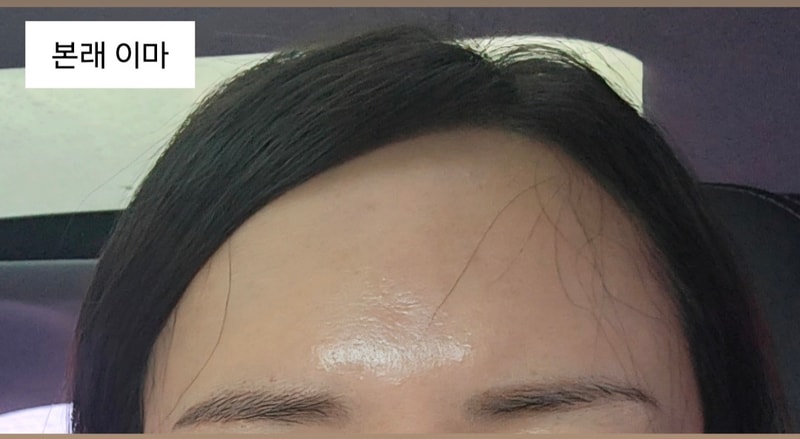
 Banal Plastic Surgery Clinic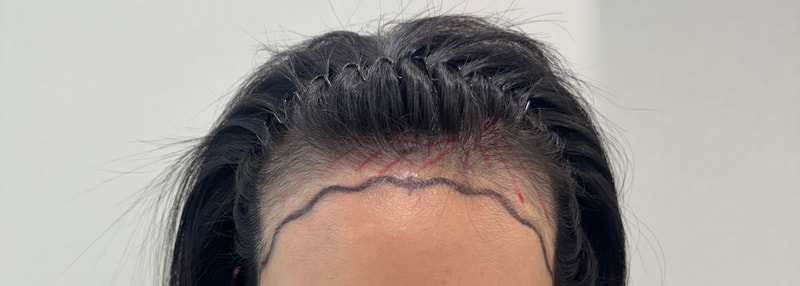
 MOUDA CLINIC
 MOBARUN HAIR SURGERY
 GLOWELL
 MOJELIM Hair Transplant
 Moment Clinic
 Motion Hair Clinic
 MOAMAN CLINIC



Comments