It's a post from some site by accident..I hope it helps... \n \n \n \n \n \n Propecia Results of a 5-year Long-Term Dose Study \n \n \n nRegrowth.com \n John Ertel Reports on March 3, 2001 \n \n \n The results of a study of patients who took propecia for 4-5 years were presented today at the American Academy of Dermatology Meeting in Washington. Dr. Elise Olsen revealed her findings on patterned alopecia in men and women in a topic presentation at the Academy of Dermatology's Hair Symposium. The results of his five-year study included good news and bad news for professional users.
The bad news is that for those in year 4 and year 5, the overall number of hair and the number of patients responding to pinsteride are steadily falling. This was the same for second- and third-year users. The decrease in the pinnesteride reaction group and the overall decrease in hair were small in number, with the decline at its peak in the second year, then the decline gradually slowed, and when it reached the fifth year, the decline remained almost constant without much change.
The good news is that as you will see by reading the following, it turns out that in general, the anti-hair loss and hair growth effects (although the effect is slightly reduced, not completely gone) can be maintained. According to Dr. Wilma Bergfeld, one of the topic presenters, hair is still steadily increasing in patients with pinsteride reactions even at year 5. "I'm getting more hair every year."
Of course, the number of hair and the number of patients responding to pinsteride have been gradually decreasing over time, but this problem can be understood from a more correct perspective by referring to data on patients who do not take Propecia. In the case of patients taking Propecia, 65% of people no longer had hair loss even in the fifth year, and 35% had slight hair loss. However, in the case of the placebo group, hair loss continued in all 100%. In addition, patients taking Propecia also had a slight decrease in the number of hair, but in the placebo group, the number of hair decreased rapidly every year. (If you stop taking propecia), the hair obtained from the initial propecia dose will also be reduced, and if you continue to stop taking propecia, you will lose your hair at a faster rate.
Number change in hair \n \n It is easier to understand by comparing the number change in hair. In first-year patients, patients who responded to pinsteride increased the number of hair, rising to about 90 per square centimeter. In the second year, this number decreased to about 80, and in the third year, it decreased to 60, and by the fifth year, it had slightly exceeded about 40. In other words, it has been shown that hair increases significantly in quantity at the beginning of taking Propecia, but decreases to about half of that in the first year by the fifth year.
In the case of the placebo group, there was a more significant change over time. In the placebo group, about 30 hairs were losing per square centimeter in the first year, but the number of hairs falling out gradually increased over time, increasing to 80 in the second year, to 100 in the third year, and to 160 in the fourth year. By year 5, placebo-treated patients were observed to lose about 220 hair per square centimeter on average.
Evaluation by Photography \n \n Evaluation by Photography showed that the overall average fell with a significant decrease in the number of hair in those who did not initially have very good effects from taking Propecia. Basically, it didn't increase hair in the early stages, but it started to become less effective over time in those who managed to keep their hair without any more hair loss, or those who only saw some hair growth in the early stages, and those who had very good or moderate hair growth in the early stages generally maintained the effect. Let's compare the figures.
None of the prophesians had a sharp decrease in the number of hair, while 19% of the placebo group lost their hair sharply. Only about 3% of those taking Propecia had moderate hair loss, but 31% in the placebo group. Those with slightly reduced hair numbers were about 7% in the propecia group, but 25% in the placebo group. The number of people whose hair numbers did not change was 42% among those taking Propecia, but 19% among those taking placebo. Those with a slight increase in the number of hair were 22% among those taking Propecia and 6% among those taking placebo. The moderate increase was 21% among those taking Propecia, but it was not found among those taking placebo. Interestingly, 6% of propecia recipients saw a very significant increase in hair numbers in year 5, just as they did in year 1. Therefore, it can be seen that patients who respond well to pinsteride have a higher probability of maintaining the effectiveness steadily.
Patient self-assessment \n \n In the self-assessment measurements of patients, 48% of Propecia users said they were satisfied with the hairline of their front hair, and 59% were satisfied with the hairline of the crown. Sixty-three percent said they were satisfied with the overall hair. On the contrary, in the placebo group, only 7% were satisfied with the hairline, 13% were satisfied with the top of the head, and only 20% were satisfied with the overall hair.
Side effects \n \n \n Perhaps the best news is about side effects. In the first year, 3.8% of propecia users suffered sexual function-related side effects. 2.1% of the placebo group experienced these side effects. Among prophesia users, 1.8% had decreased sexual desire, 1.3% had problems with erection, and 1.2% complained of problems with circumstances. In the placebo-administered group, sexual desire decline was 1.3%, erection disorder was 0.7%, and ejaculation disorder was 0.7%. However, as the number decreased over time, the proportion of patients complaining of sexual dysfunction decreased to 0.6% in the case of 5-year-old Professionals, sexual desire disorder was only 0.3%, and erection disorder was only 0.3%, and no one complained of ejaculation disorder. In the case of the placebo group, no one complained of sexual dysfunction in the 5th year. However, the size of the placebo group has been reduced, and the number of people taking placebo in the fifth year is only 23 (the initial placebo group was 934).
Evaluation by researchers \n \n As a result of collecting the evaluation results by researchers, their research results were also similar to those of photography. However, when comparing their findings with the results of the photography evaluation, it was found that the number of people who did not show any unusual changes was much smaller, while the number of people who showed very good results was much higher. According to them, none of the propecia recipients had a very significant decrease in the number of hair, while the placebo group reached 8%. Moderately decreased patients were 3% among Propecia users and 23% in the placebo group, and slightly decreased patients were 4% among Propecia users and 46% among placebo users. Slightly increased cases were 26% among propecia recipients, 15% in the placebo group, and 29% among propecia recipients in moderate cases, while none were found in the placebo group. There was no significant increase in the number of hair in the placebo group, while 22% in the propecia group.
Conclusion \n \n It is bad news that some people no longer respond in their fifth year and hair loss has started again, but given that a steady dose of Propecia does not cause hair loss (even if it is a placebo), there is hope of preserving hair as much as possible until a better treatment is developed in the future. Another good news is that other treatments are under development. Also, one thing I would like to say for anyone who thinks pessimistically as they read this is that the figures in this article are for people who "take only 1mg of pinsteride with no other treatment." At this time, nothing has yet been clarified as to whether the use of treatments such as minoxidil can prevent the effectiveness of pinsteride from decreasing. What I've learned from this is that if the effect of taking Propecia is not just a small effect, it's better to try other treatments (such as minoxidil) and talk to your doctor about the dose.
* Source: Regrowth.com
<img src="
http://nobald.co.kr/cwb2000/cwb-data/data/foreigninfo/propecia_bttls_and_box_0.gif">





 K4958360347
 K29643000722308141718
 padakpadak
 NEWHAiR
 an alpha-mocking circle
 Rizmo Clinic - Busan Branch
 Mammoth Hair Restoration Center, Apgujeong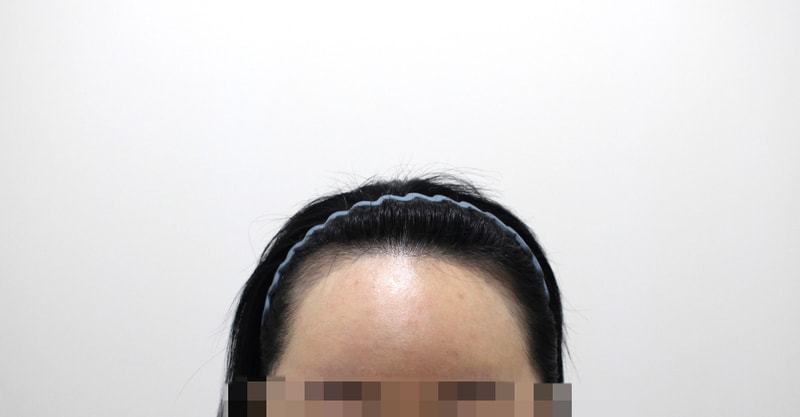
 Mopro Clinic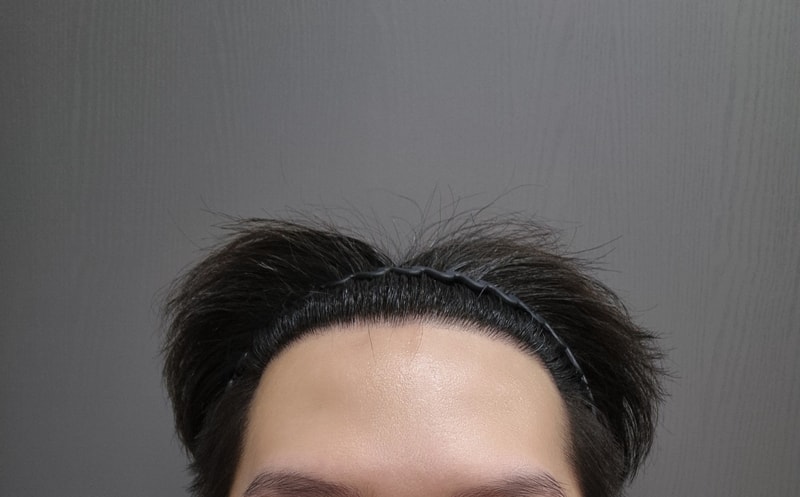
 Dana Plastic Surgery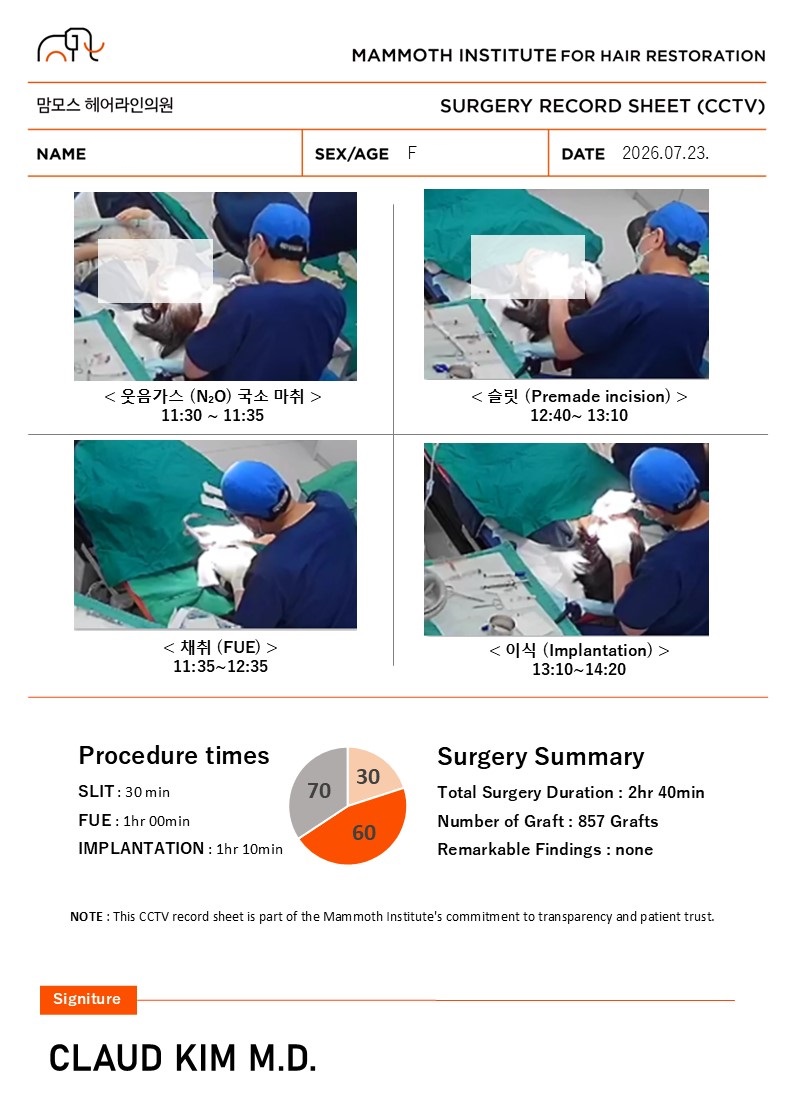
 Mammoth Hair Restoration Center Busan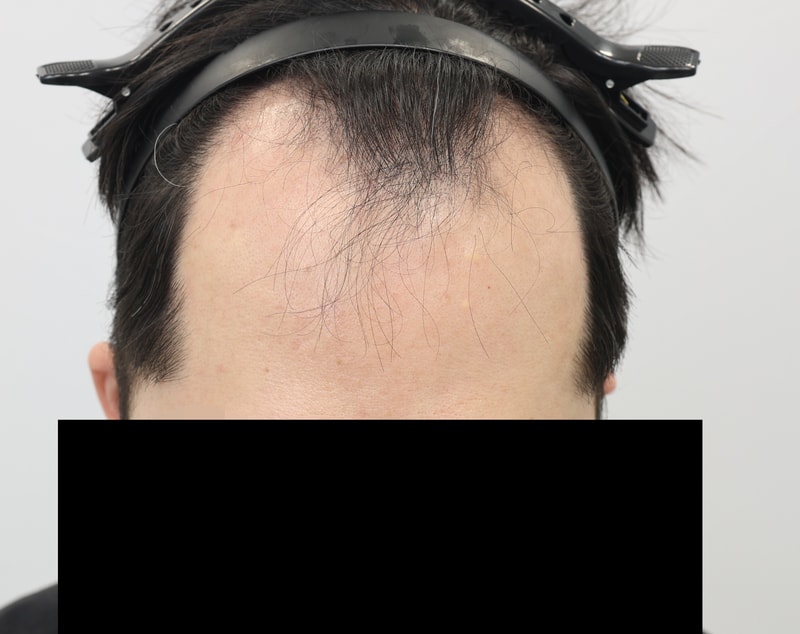
 Modi hariplant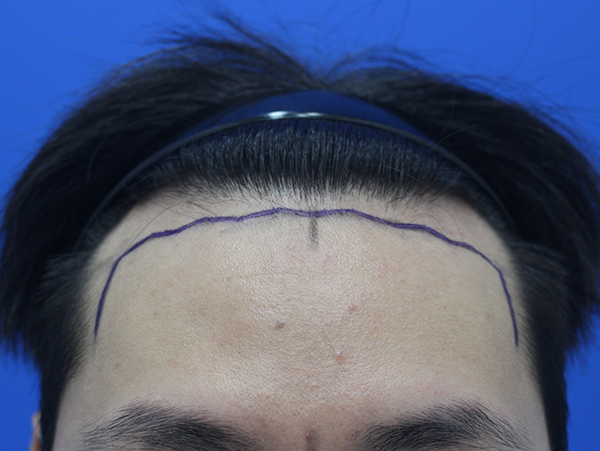
 Hannaeve plastic surgery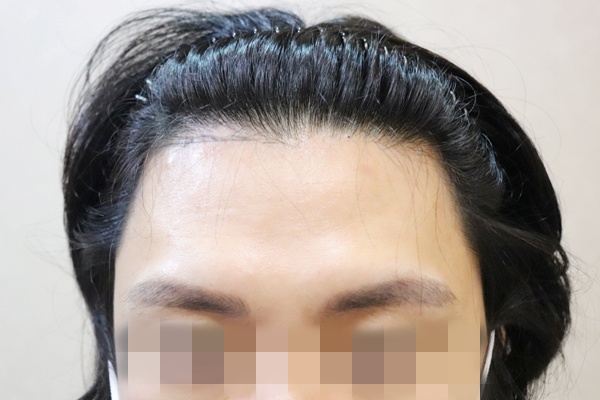
 JP Hair Transplant Clinic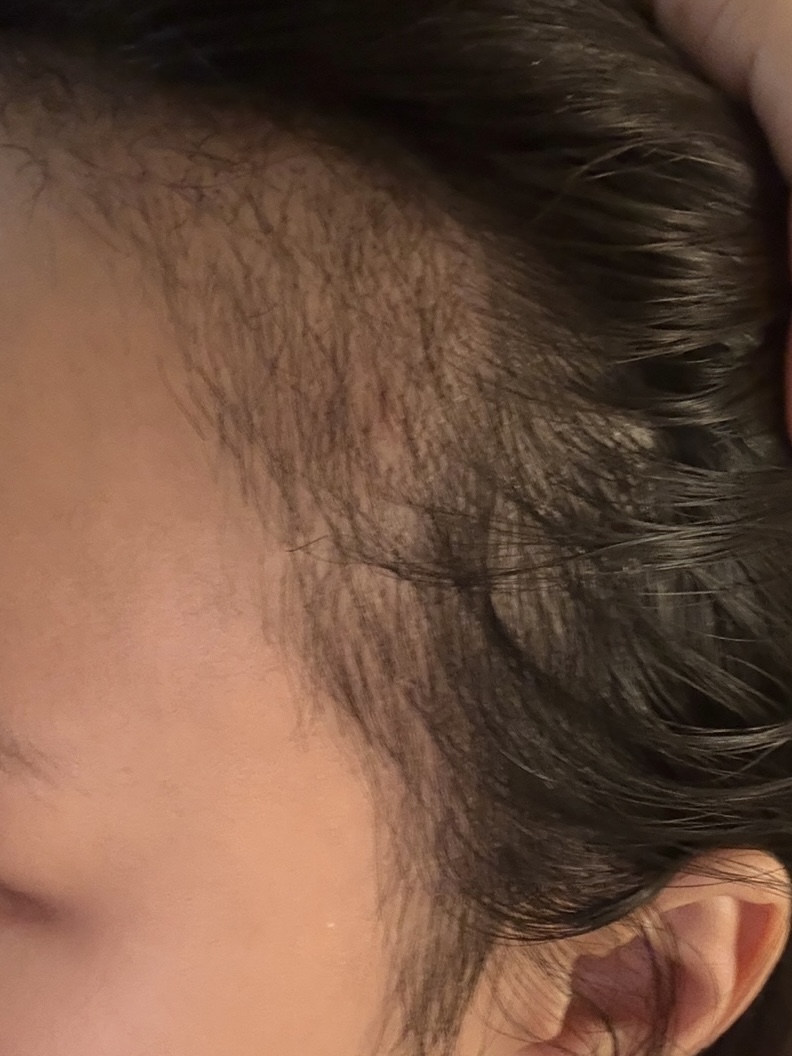
 Mowoolim Clinic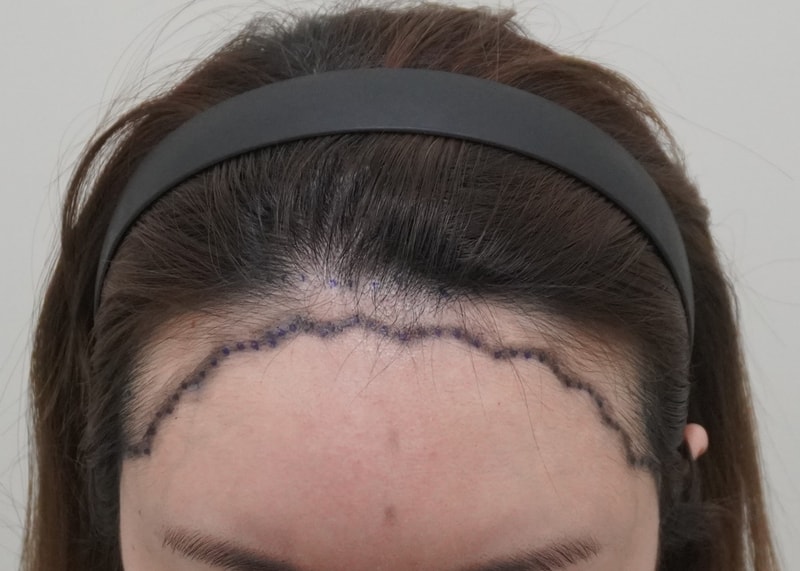
 Yong Doctor Hair Transplant Surgery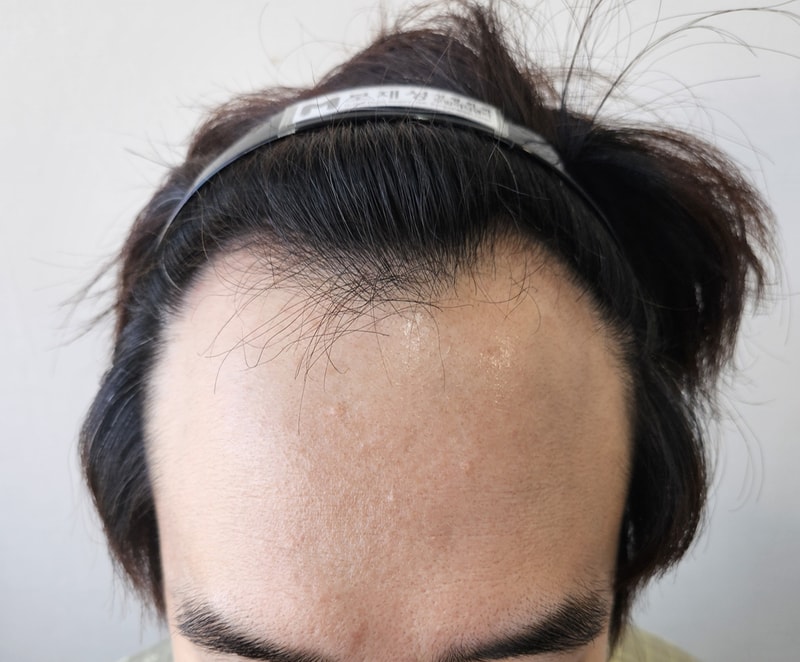
 Mo Jaesung Plastic Surgery & Hair Transplant Center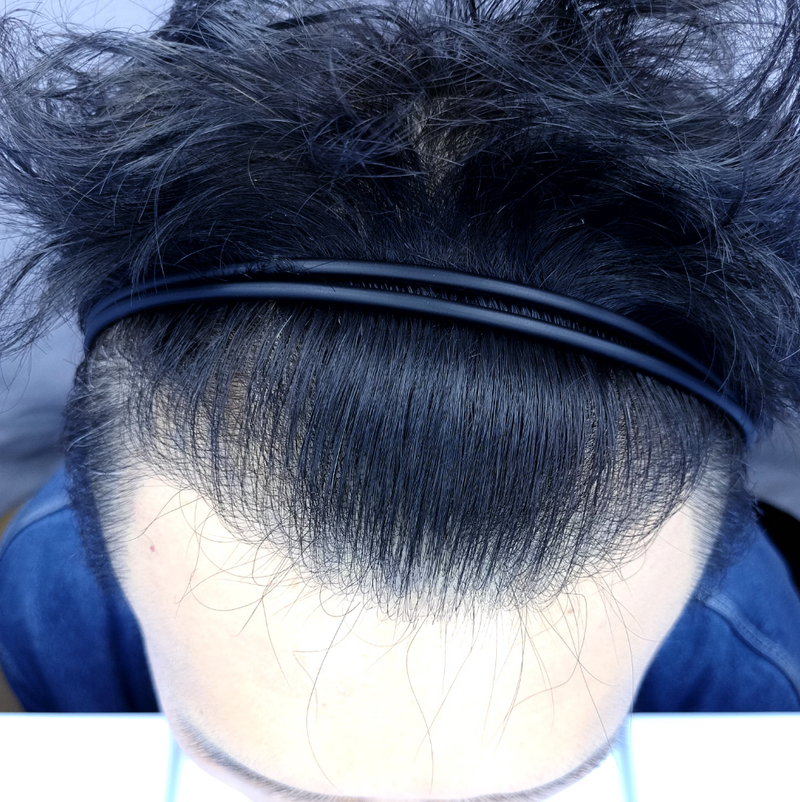
 The Jongno Headquarters of the Yonsei Mobel House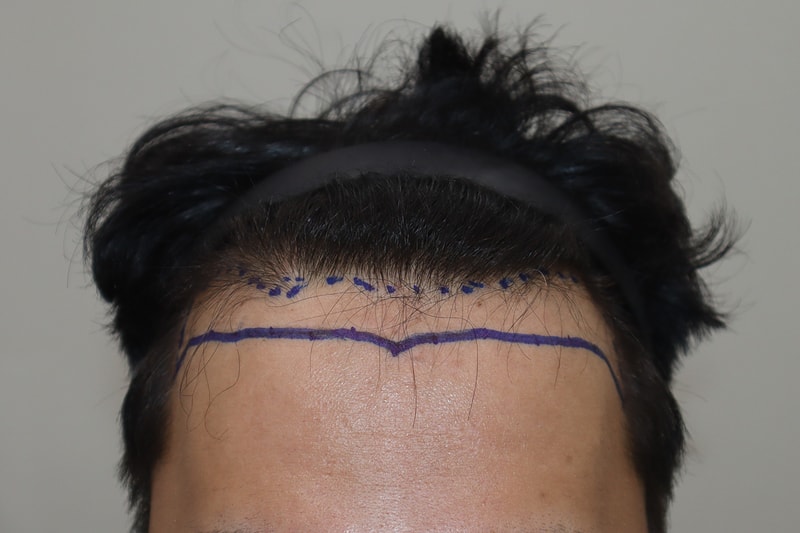
 HAIRO HAIR TRANSPLANT CENTER Jeonju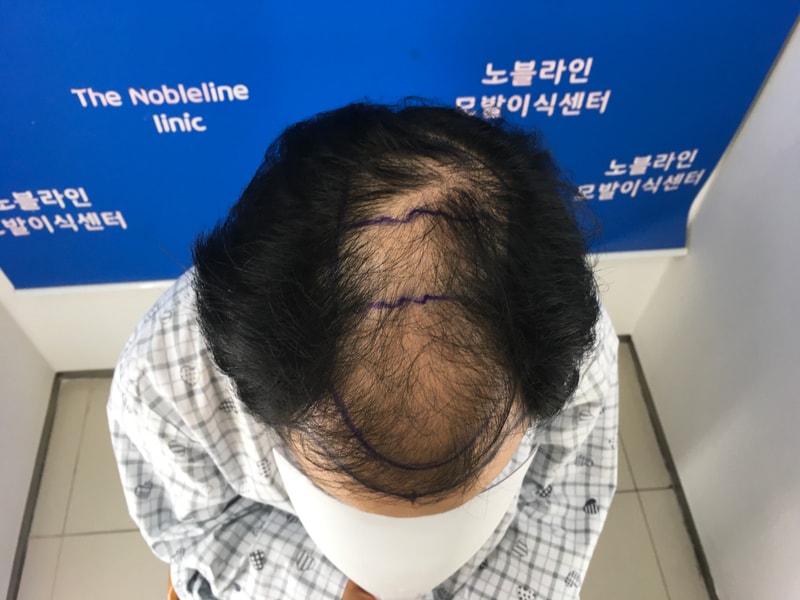
 The Nobleline Center for Alopecia Care
 Moderhamm Clinic — Hair Transplant Center
 Yonsei Mobelle Clinic - Daegu Branch
 HAIRO HAIR TRANSPLANT CENTER Dongtan
 Modeunmo Clinic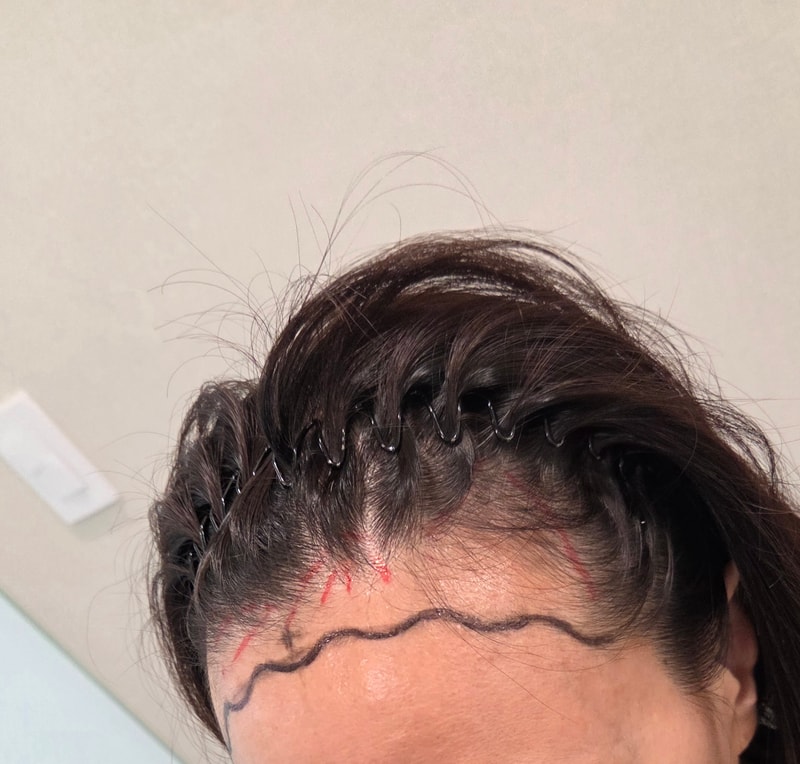
 MOUDA CLINIC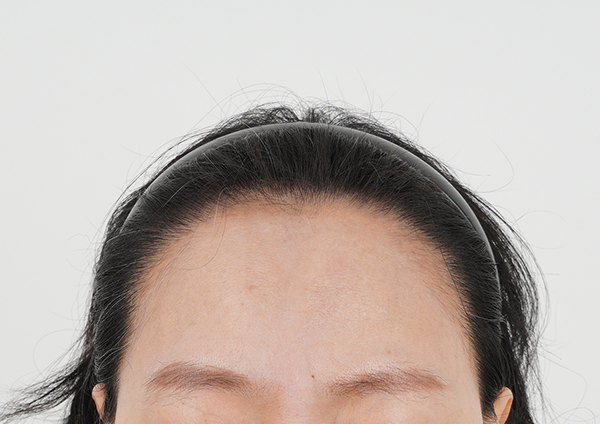
 MOMO HAIR TRANSPLANT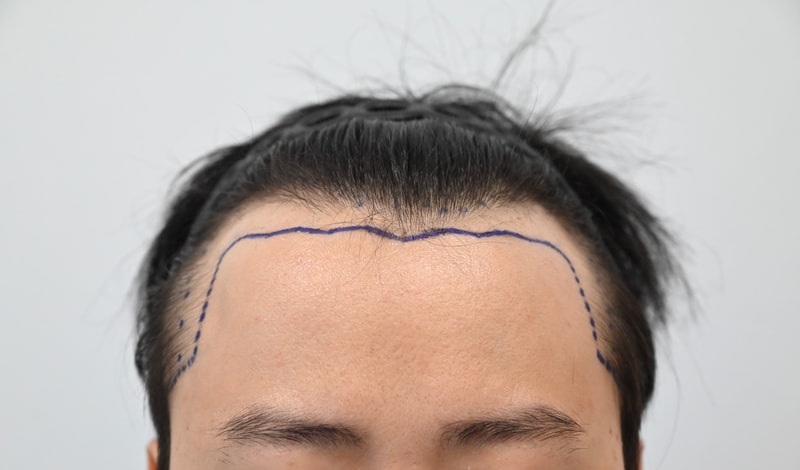
 MOEM Clinic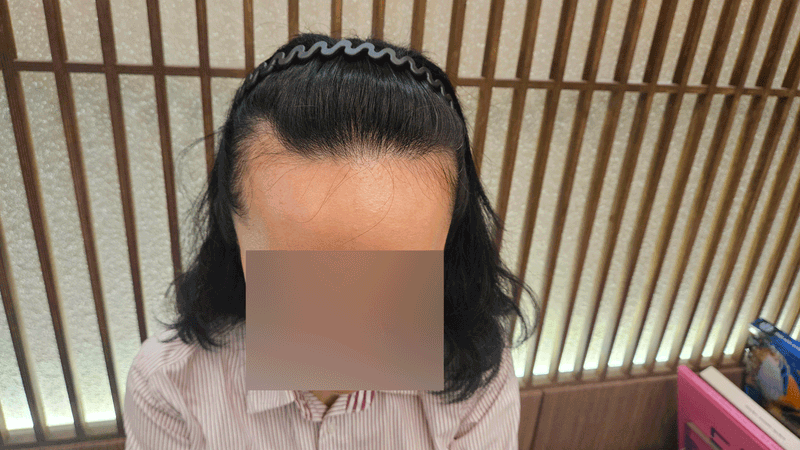
 MO.1 plastic surgery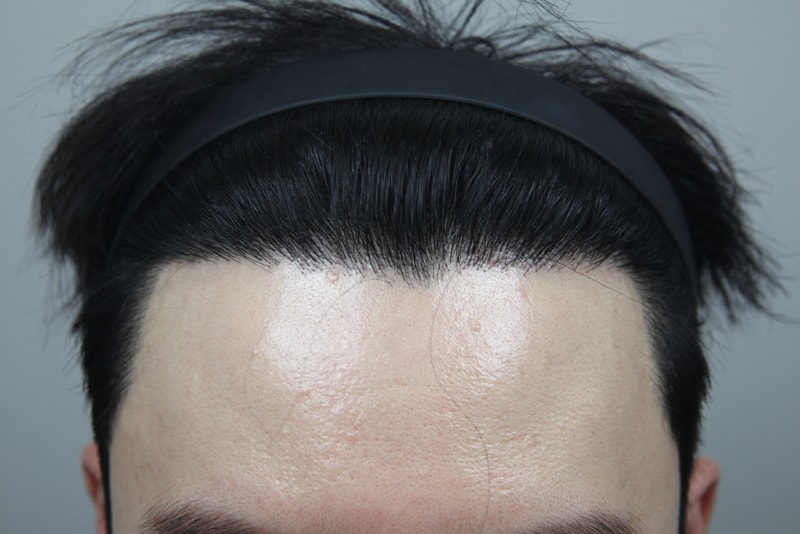
 MONARA dermatology clinic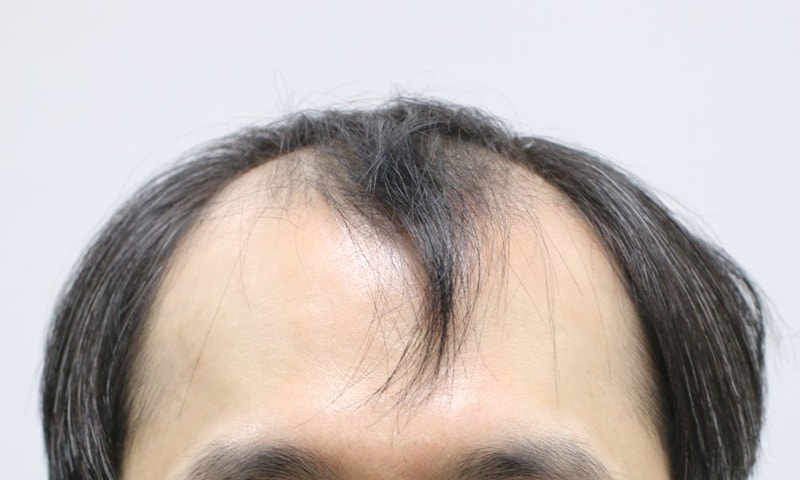
 FORHAIR Hair Transplant Korea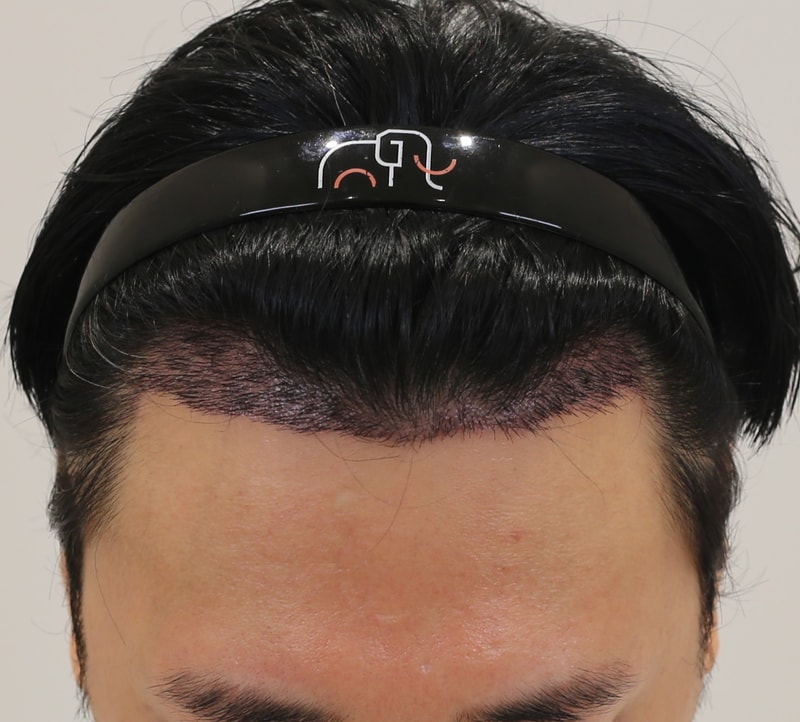
 Incheon Mammoth Hair Restoration Center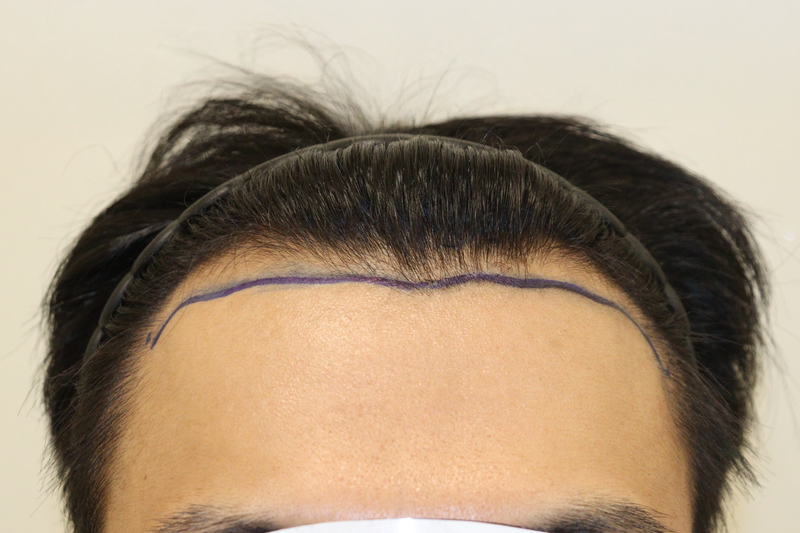
 HAIRO HAIR TRANSPLANT CENTER Daegu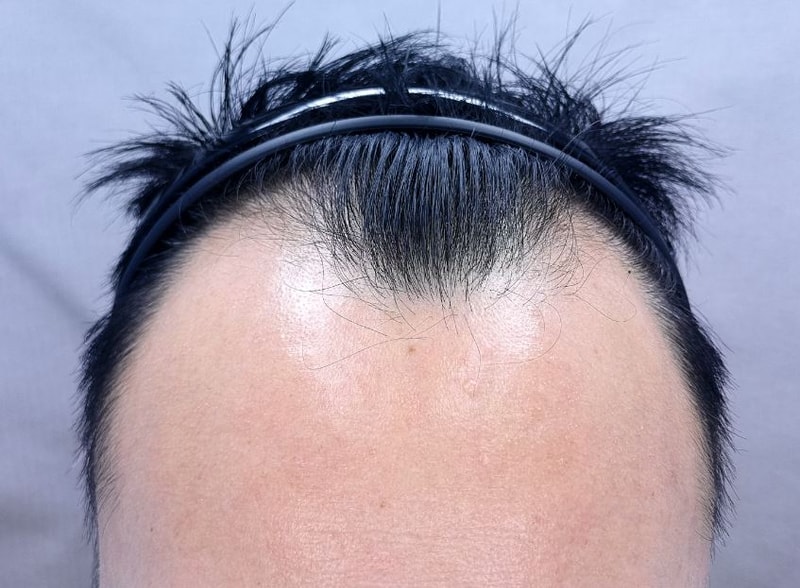
 Yonsei Mobelle Clinic - Incheon Branch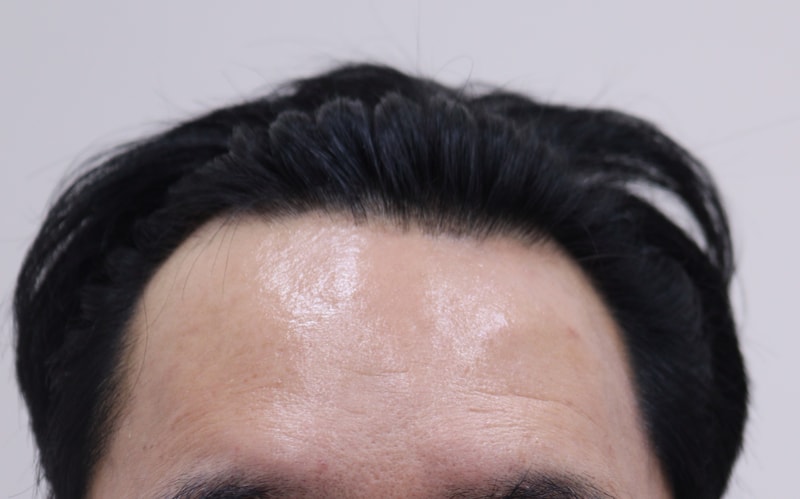
 Mo&Bless Hair Clinic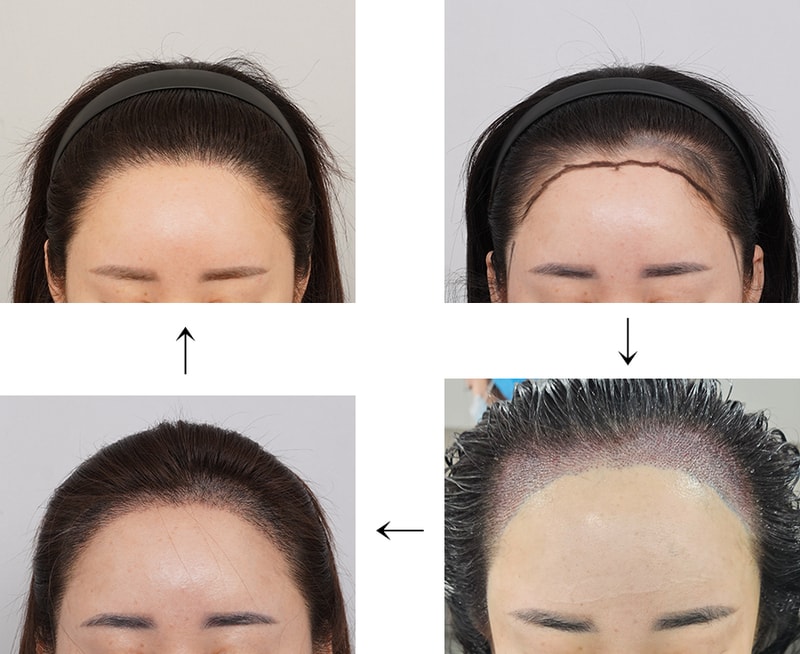
 Momo Clinic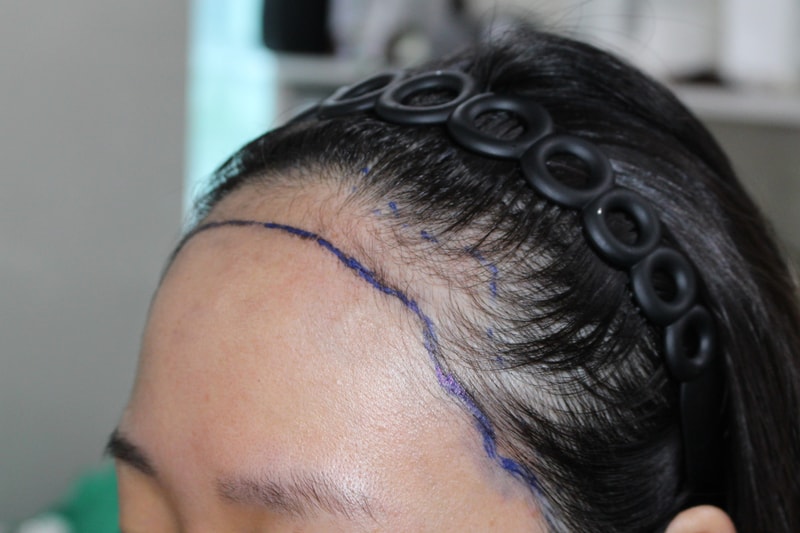
 Modaol Hair Transplant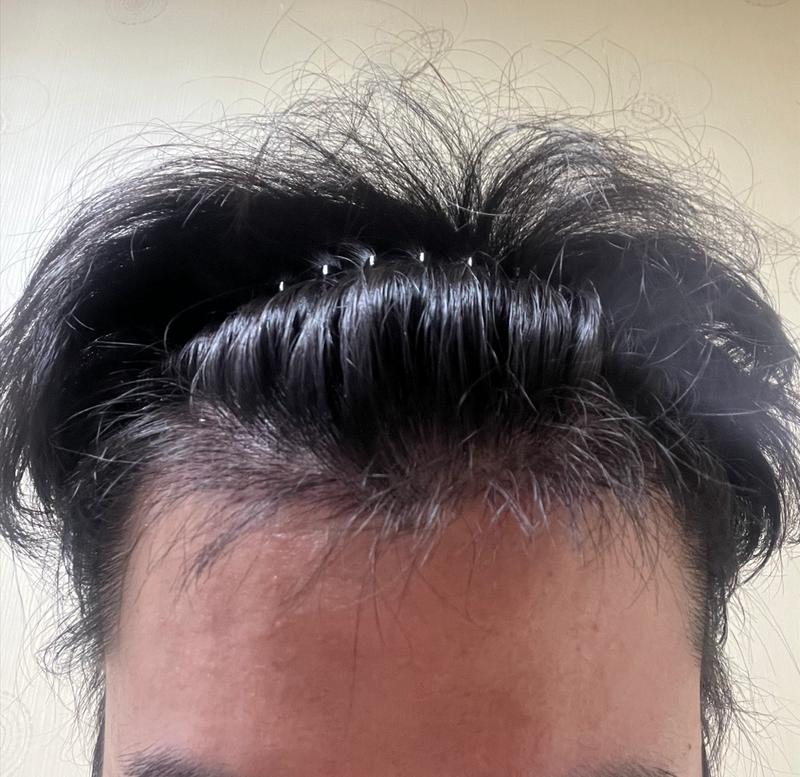
 MYMO HAIR TRANSPLANT CENTER Incheon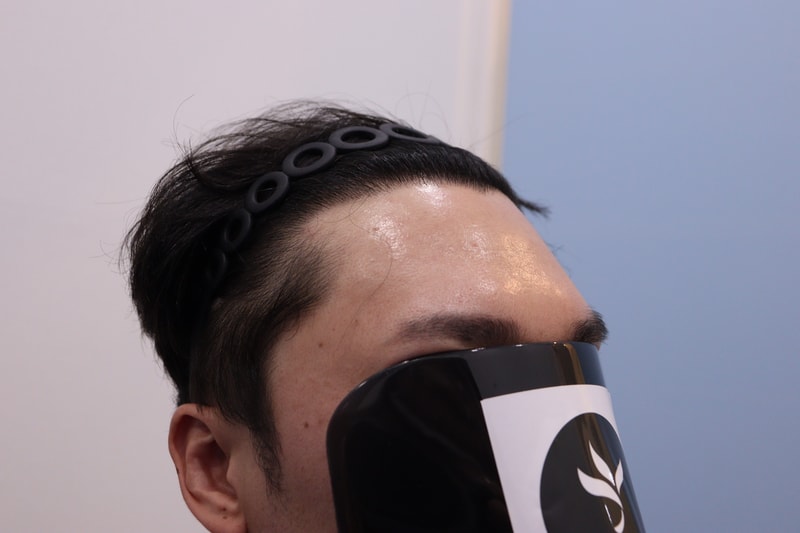
 apgujeong mobien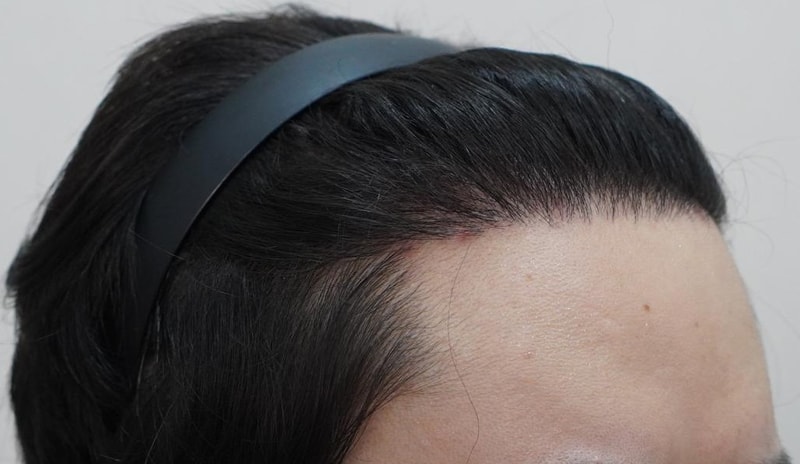
 Busan Grow House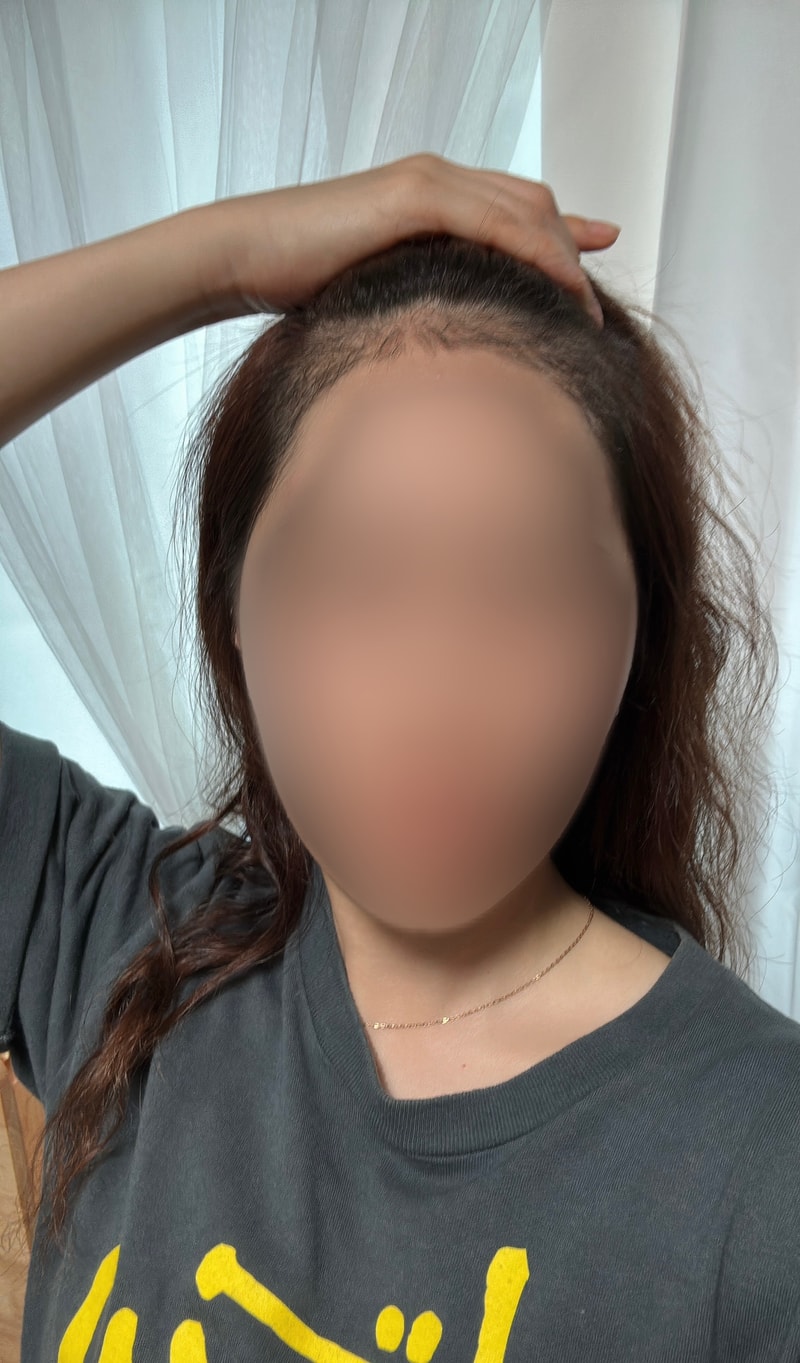
 MOJELIM Hair Transplant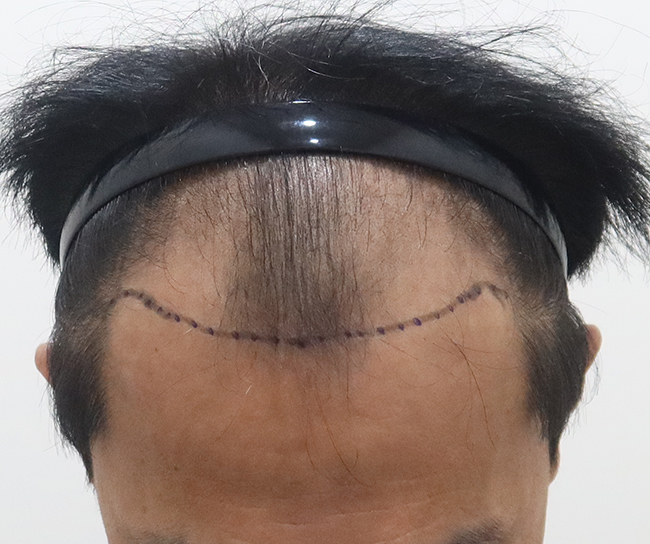
 Momo Clinic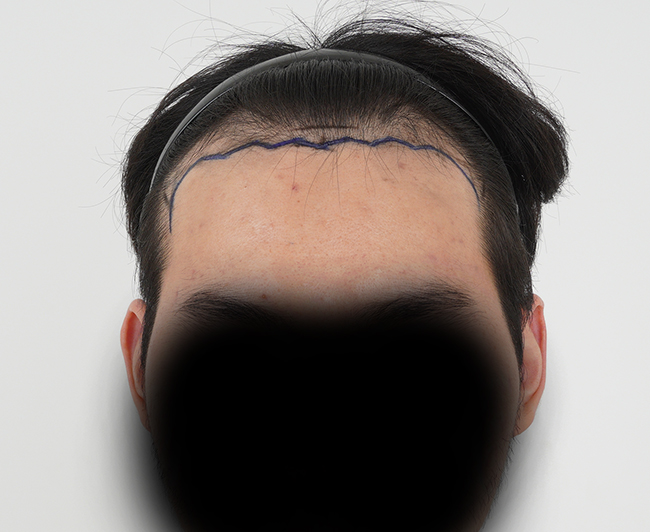
 MOMO's Suwon branch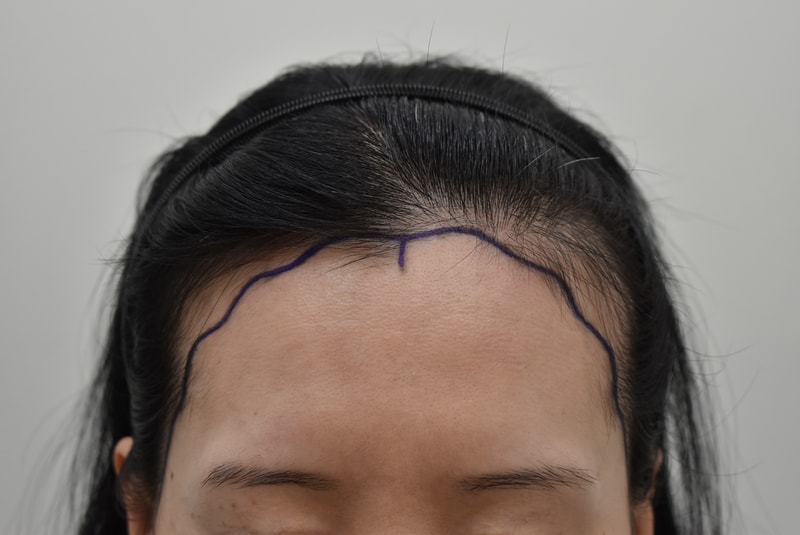
 MOBARUN HAIR SURGERY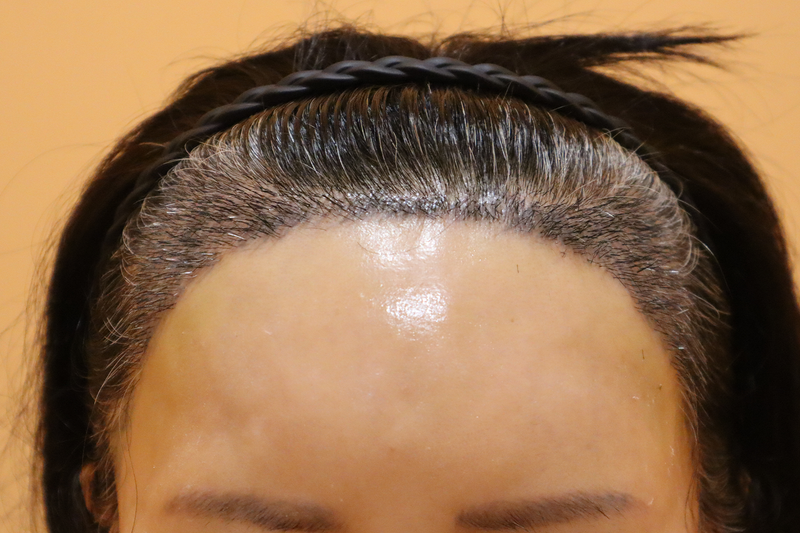
 HAIRO HAIR TRANSPLANT CENTER Busan
 WOOMCHAN Hair Transplant Clinic
 moart clinic
 Banal Plastic Surgery Clinic
 GLOWELL
 Moment Clinic
 Motion Hair Clinic
 MOAMAN CLINIC



Comments