




- Surgery Method non-cutter
- Implanted Amount 1600grafts (800Hair follicle)
- Surgery Progress 60days
- Age Range after one's 20s
Hair transplantation is more important than anything else because the final result is finally confirmed after a year.
It is a space where members are diagnosed with their condition after surgery and counseled on postoperative management, case-by-case occurrence, and additional supplementation methods.
It has the most clinical data in the world, where doctors related to hair transplantation also visit to study cases.
Thank you to all the seniors who left a meaningful record that can't express its value to someone preparing for surgery.
Leaving photo data after surgery is also "patient strength" and is a strong insurance policy against future unexpected surgical outcomes.

[Dana Plastic Surgery]
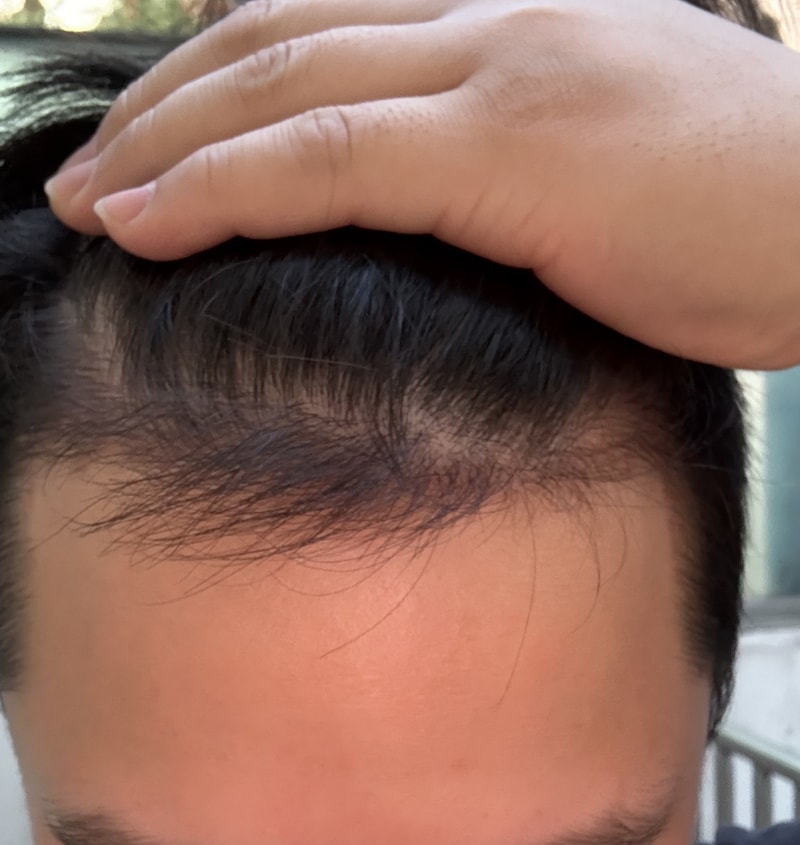
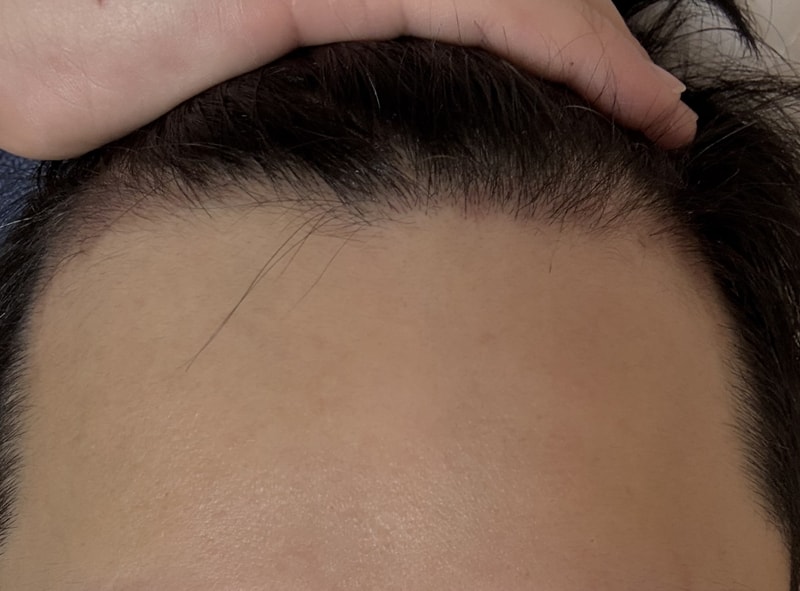
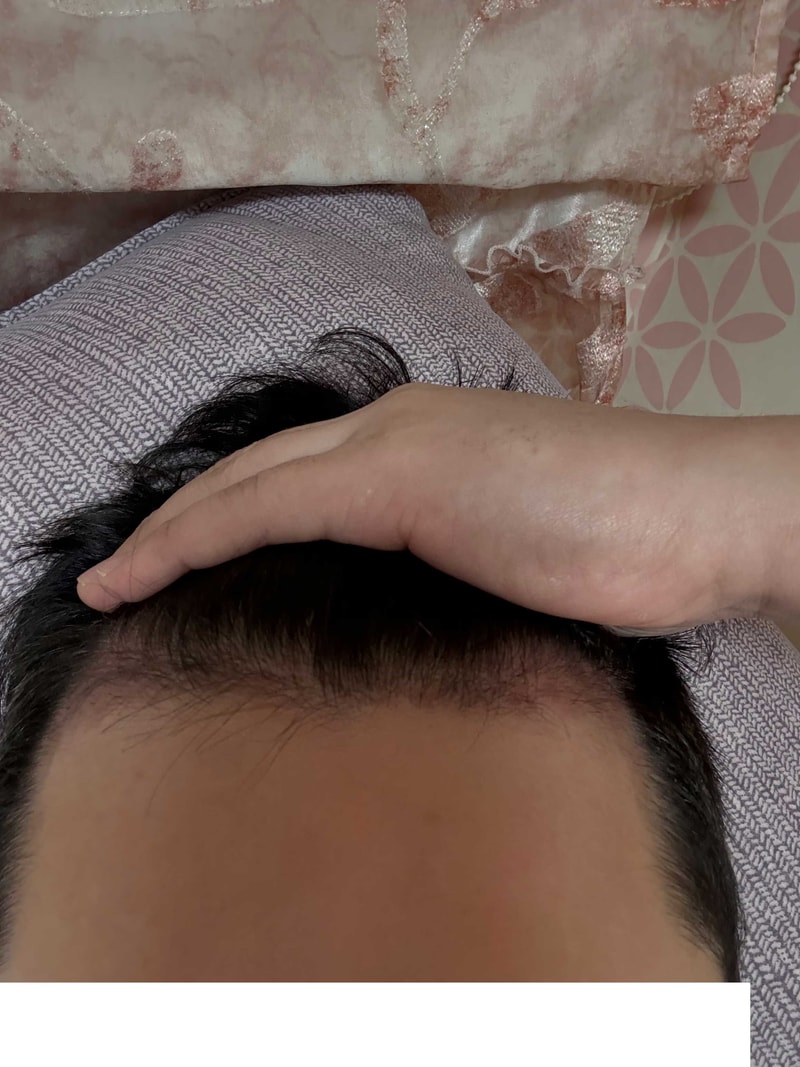
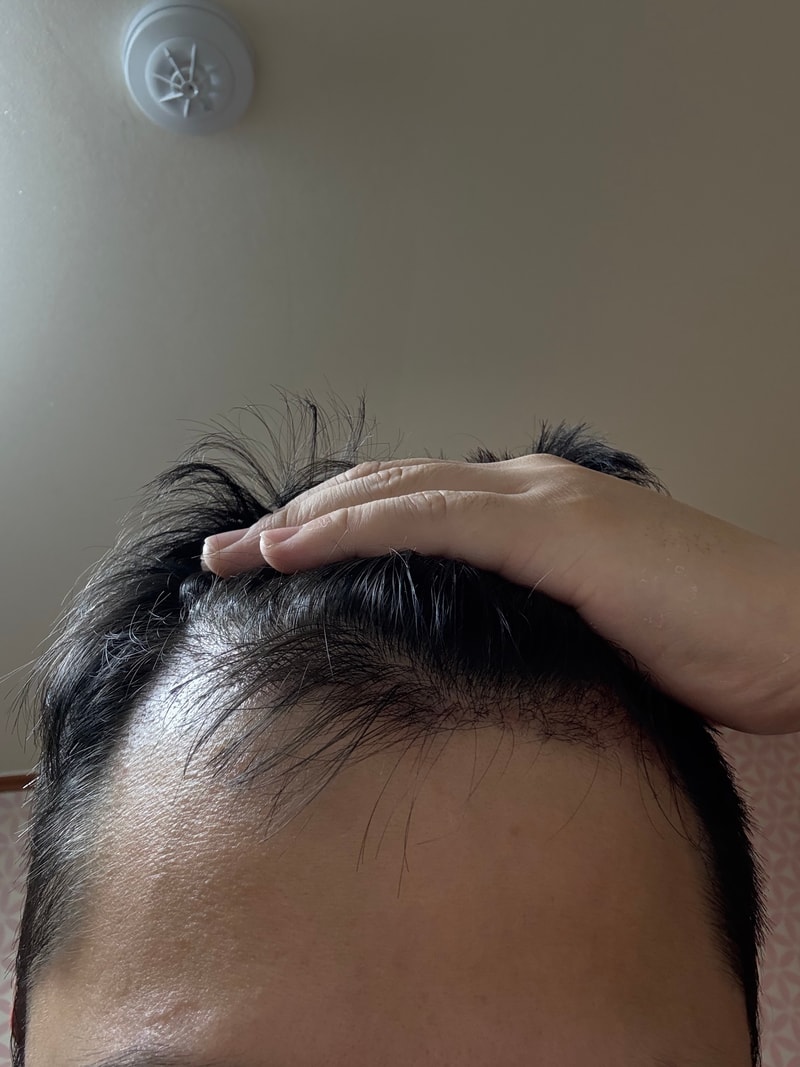
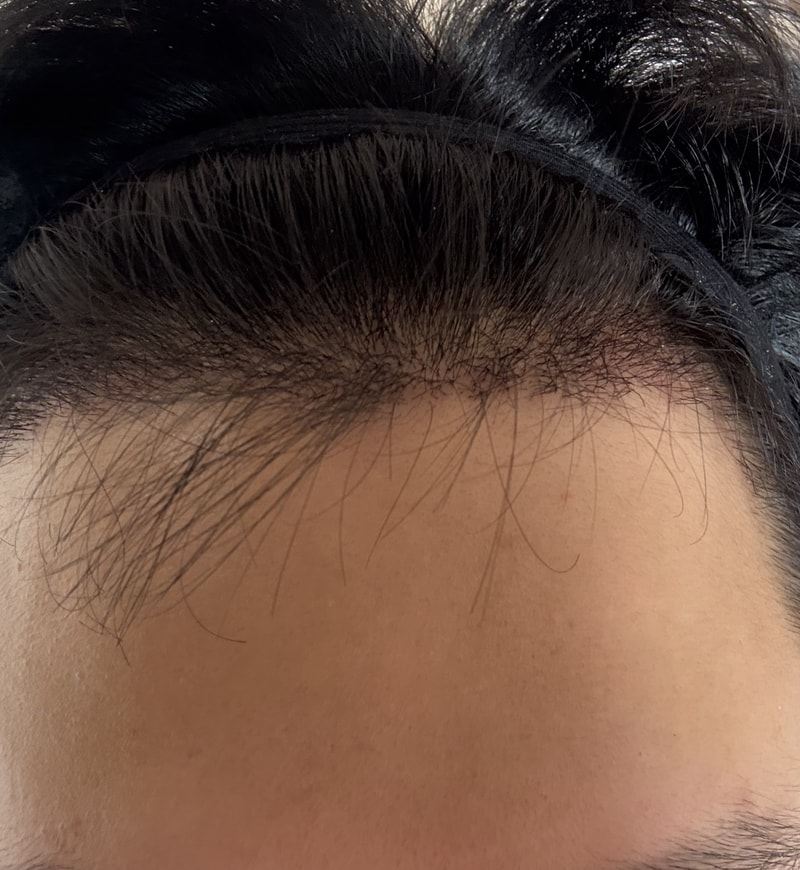
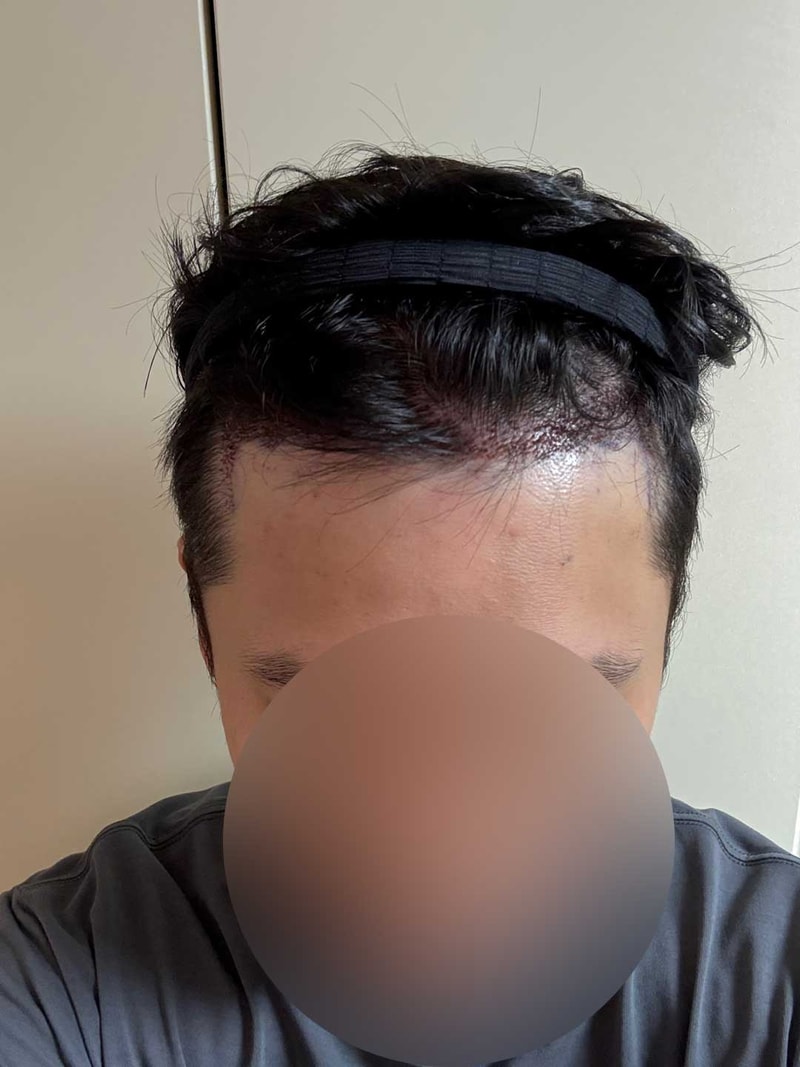
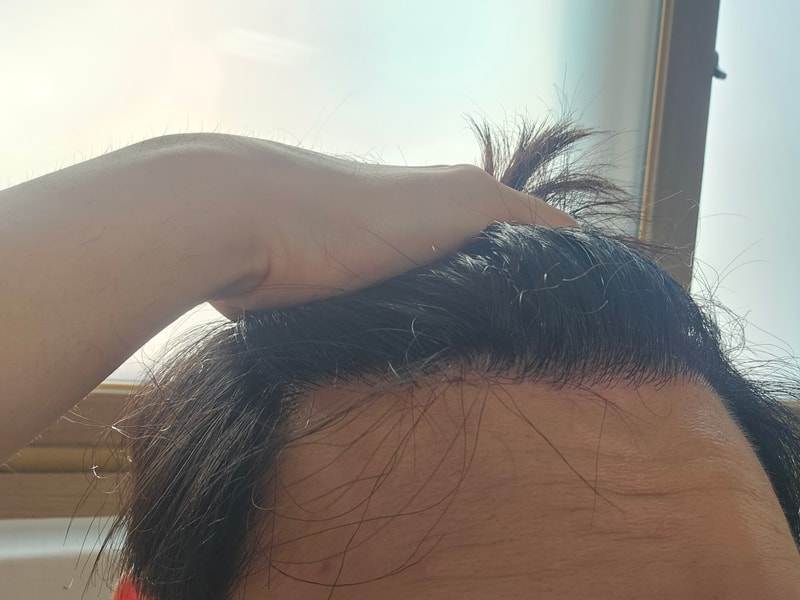
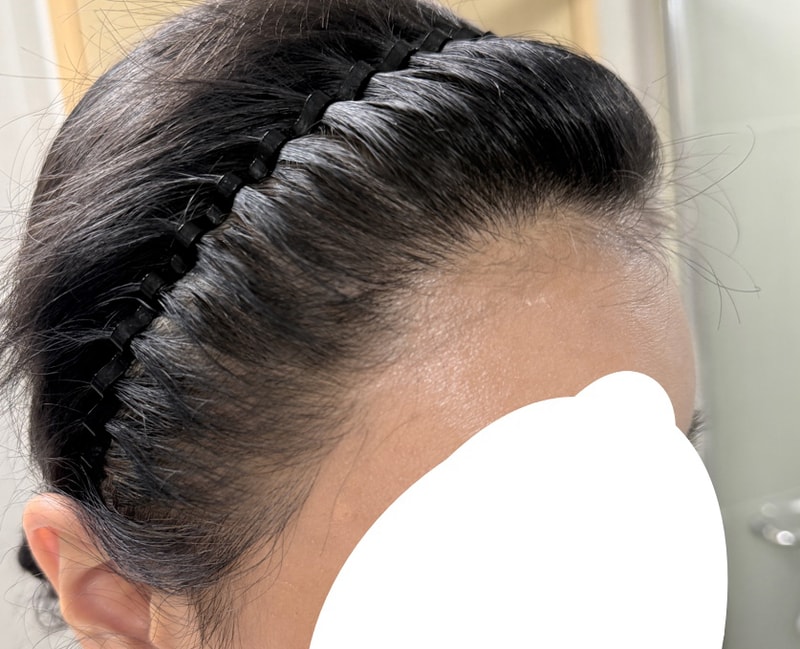
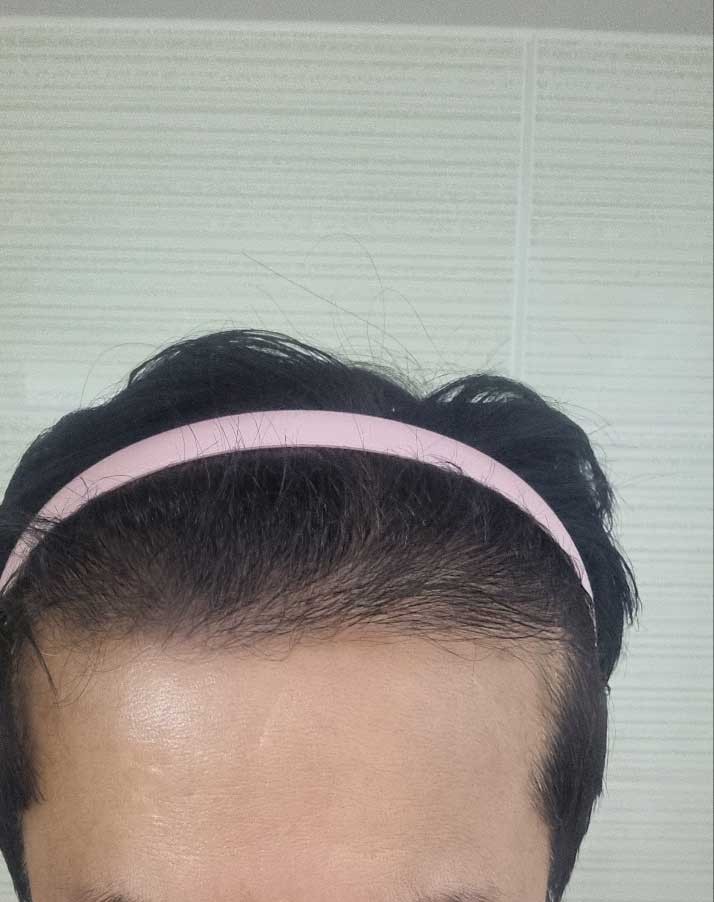
Back-to-school student's no-cut incision on day 60 (Sinsa Station Dana Plastic Surgery)
-
2months ago
-
1,310
6
-
Satisfaction with Surgery
5.0
-
Scope of surgery
-
 Type M1
-


I'm not even graduating from college yet
I had surgery because I wanted to do it before I got a job
Before I decided to have surgery, I lacked information, and I was worried that it would be noticeable around me, especially since it was a surgery.
However, I chose it because I felt that the biggest advantage was that I didn't have to shave my head if I proceeded with a no-shave method. Since I've just been discharged from the military, I honestly had a big personal reason why I didn't want to shave my hair short again.
So, after looking at and comparing various reviews, I decided to use a no-cut non-cut method.
The day of surgery felt much easier than I thought. At first, I was very nervous, but after anesthesia, I fell asleep naturally and went through the collection and transplantation process without much difficulty.
When I opened my eyes, it was almost the end stage, and it felt like it ended sooner than I thought.
However, after the surgery, I definitely felt tired, and I felt like my body was drooping because I was nervous all day. Still, it was quite satisfactory to be able to return to daily life immediately because there was no big change from the outside because it was hairless.
From the standpoint of continuing school life or external activities, I felt that this was a really big advantage.
Until the first month, it was a relatively comfortable time. It felt like the transplanted hair was well positioned, and it wasn't too awkward even when viewed in the mirror.
It's better than I thought in the beginning? That's how I felt. However, things have changed little by little since the second half of a month. The transplant hair started to fall out, and by the second month, it's definitely a noticeable amount.
Now, the overall feeling of density is strong.
I heard enough about it at the hospital, and I knew it was a common dark age, but after experiencing it in person, I don't think there is anything I can do about it.
In particular, the appearance that seemed dense in the beginning was memorable, so I think it feels more like that. Still, I'm not worried about the result as much as I received from the Dana Plastic Surgery.
My scalp condition is much more stable than it was at the beginning.
The redness at the front transplant site has almost disappeared, and there is no pain at all.
There is no inconvenience in daily life at all.
It is difficult to see the condition of the back of the head directly, but when I touch it with my hand, there is no particular pain, and it feels smooth overall, so I think I have recovered well. The sense of heterogeneity felt in the beginning has also decreased a lot, and it is becoming more natural.
As for my lifestyle, I used to often work late at night or stay up all night in PC rooms, but after surgery, I try to stay up as early as possible and wake up early.
In particular, if I don't sleep properly, I tend to get pimples on my scalp, so I thought it would have a bad effect on my transplant hair, so I paid more attention.
In a way, this part feels positive because the Hair Transplant has made life patterns healthier.
I know that hair that fell out during the dark period comes back up after a while, but I'm trying to manage it in my own way, hoping that it grows a little faster
I'm trying to eat protein-oriented meals, and I'm constantly taking nutritional supplements such as biotin. I don't know how much these things affect me directly, but I'm still managing them with the idea of doing what I can.
There is also something I feel while living in school. It's more comfortable to wear a hat in the classroom, even though it's barely noticeable from the outside because it's shaved.
Since I usually wore hats at school before surgery, I had to wear hats to concentrate on class.
It's funny to wear it after surgery to take off my hat, but I think I'll have to wear it for a while if I get good grades.
Instead, it's good to take it off freely outside of school.
I haven't tried styling it properly yet, but rather than trying to cover it up, I'm just keeping it natural or lightly organized. If I use a lot of hair products for no reason, I think it may look more empty, so I'm only touching it to the minimum.
In times like this, the results are not visible, and anxiety can increase, but it makes me feel much better to think that thick hair comes up again where I am missing.
As it is still in the process, we plan to watch it slowly, expecting at least three to six months later, rather than rushing to judge the results. I think it's important to endure this period well, and I'll wait with a positive mind with constant management
Photo review of 'Nim's hair transplant
All (+6)-
26.06.01 Why small-scale transplants are also recommended? Dana Plastic Surgery 800 hair follicles for 4 months 16days ago
 4
4 -
 3
3 -
26.04.17 Back-to-school student's no-cut incision on day 60 (Sinsa Station Dana Plastic Surgery) 2months ago
 6
6 -
26.03.18 Everyone, pay attention to density and design. 30 days of Dana Plastic Surgery hairless 800 hair follicles. 3months ago
 8
8 -
26.03.10 I finally got the line for MJ hair loss. Dana Plastic Surgery 800 hair follicles 21 days. 3months ago
 6
6 -
26.02.24 How you can't tell after surgery. Sharing from day one to day three of surgery in Dana Plastic Surgery. 4months ago
 3
3



Comments 6