ICX-TRC
Product description
ICX-TRC consists of a suspension of autologous dermal papilla (DP) cells. These cells are able to stimulate the generation of new hairs when injected into the scalp in close proximity to the epidermal cells which generate the hair. It is intended that ICX-TRC will be used by specialists in hair transplant centres, dermatologists and plastic surgeons to treat patients with hair thinning or hair loss.
Clinical development We have now completed our Phase II study, which was conducted by Dr Bessam Farjo in Manchester, to examine different ways to deliver the DP cells. DP cells naturally reside at the base of all
hair follicles and are known to control the growth and cycling of hair. It has been known by scientists for many years that these cells can also interact with epidermal cells in the skin and induce them to form new hairs. For this to occur however, the DP cells need to be placed close to the epidermal cells which in turn need to be in a correct inducible state to respond to the DP signals.
This trial was designed to examine the effect of different DP delivery techniques and methods to ensure that the epidermal cells were in the correct state to respond to the signals and produce new hairs.
In this study, subjects were injected 900 times with 1μl aliquots of DP cells in a large area which was photographed at the end of the study. Subjects were also injected in a smaller area, divided into two sections - counts were obtained by shaving and photographing the two small sections of scalp, injecting them multiple times (either 1 injection of 50 μl or 50 injections of 1 μl) with living DP cell suspension and then applying a specialised image analysis system to provide a total hair count. In these small sections, all 19 subjects in the trial were treated using a range of injection and scalp prestimulation techniques; the first 6 subjects were injected without stimulation of the scalp. In the remaining 13 subjects the resident hair producing (epithelial) cells were stimulated at the time of delivery of the DP cells in one of the two treatment sites.
13 subjects completed the 48-week trial with 6 subjects lost to follow-up. Of the 13 subjects completing the trial the data showed that:
· 65% (11/17) of the treated sites in the non-stimulated group responded to the treatment by increasing numbers of hairs of all sizes
· 71% (12/17) of the treated sites in the non-stimulated group responded to the treatment by increasing numbers of hairs over 30 micron in diameter
· 78% (7/9) of the treated sites in the stimulated group responded to the treatment by increasing numbers of hairs of all sizes
· 100% (9/9) of the treated sites in the stimulated group responded to the treatment by increasing numbers of hairs over 30 micron in diameter
· The overall take rate (number of hairs produced per 100 injections) in the stimulated areas was o 40% (n=6) for hairs of all sizes o 18% (n=6) for hairs over 30 micron in diameter The larger (900 injection) area photographs have not yet been analysed.
These data are consistent with the interim data reported last September and further confirm the hypothesis that new hair production is improved by pre-stimulation of the scalp, leading to an interaction between the injected cells and the resident hair producing cells.
Dr Bessam Farjo, the Principal Investigator for this study, said “We have learned a lot from this trial, including the different ways in which these cells can be delivered and that it is possible to do one thousand of these injections in a relatively short period of time and at little discomfort to the patient. I am very encouraged by this data both in the increase in the total number of hairs in the treated site but more importantly by the increase in thicker hairs, those over 30 micron.” Further results of the trial will be presented later in the year.
Commercial opportunity ICX-TRC overcomes one of the principal drawbacks of conventional transplants which is that the outcome is limited by the amount of donor hair available. By using the Intercytex cell therapy technique almost limitless hair regeneration is possible in a less invasive procedure. Furthermore, treatment can commence early on in the hair loss process with retreatment available in subsequent years. The barrier to commercial success for ICX-TRC is relatively low, being the ability to increase hair count in transplanted or thinning areas.
We believe the continued development of ICX-TRC would best be carried out in partnership with a specialist in the aesthetics field. We do not intend to finance the continuation of clinical and commercial development of ICX-TRC beyond the current Phase II trial and shall seek to sign a partner when we have the complete data package from this trial. Intercytex has granted Bosley, the largest chain of hair transplant clinics in the US, an option to negotiate distribution rights to the product.
Intellectual Property We have split our cell delivery patent application into three separate applications in the US reflecting additional techniques that are being developed. We have also filed a patent application relating to our observation that epidermal stimulation pre-treatment appears to enhance hair follicle formation. Two other previously filed patent applications relating to the method of culturing the dermal papilla cells have been published and are undergoing international examination.
전체적 내용이 2단계연구를 성공적으로 끝냈다.
이연구(2가지방법 위에 적혀 있음)를 통해 주된 결점이 해결됐다.
Intercytex 셀 이론을 통해 무제한적 머리를 재생산해낼수있다.
계속해서 연구 할것이다?!.
시간이 없어서 번역은 여기서 끝냅니다.
마뭏든 희망적내용임에는 틀림없죠?






 탈모는극복하는것
 가루밀
가루밀
 하얼빈찐빵닌자
 K5041734820
 Gold모발
 K4850826266

 모나라피부과의원
 헤어로의원 대구점
 용닥터의원
용닥터의원 
 한나이브모발이식센터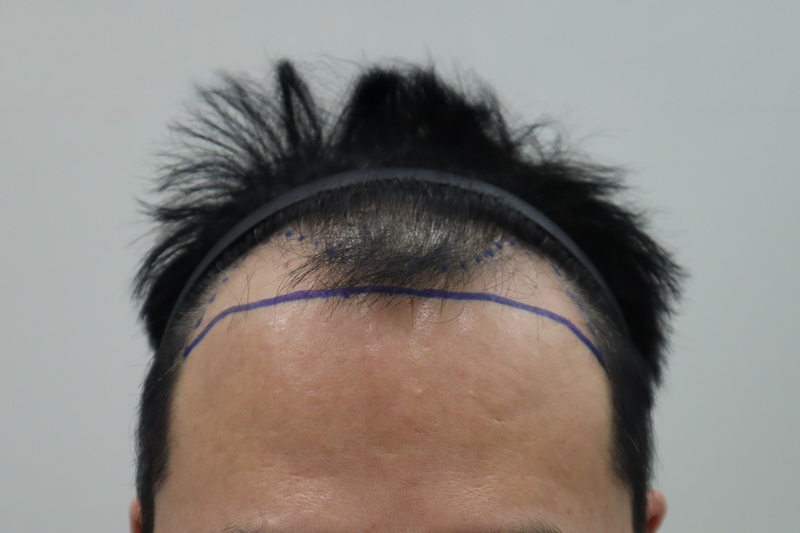
 헤어로의원 전주점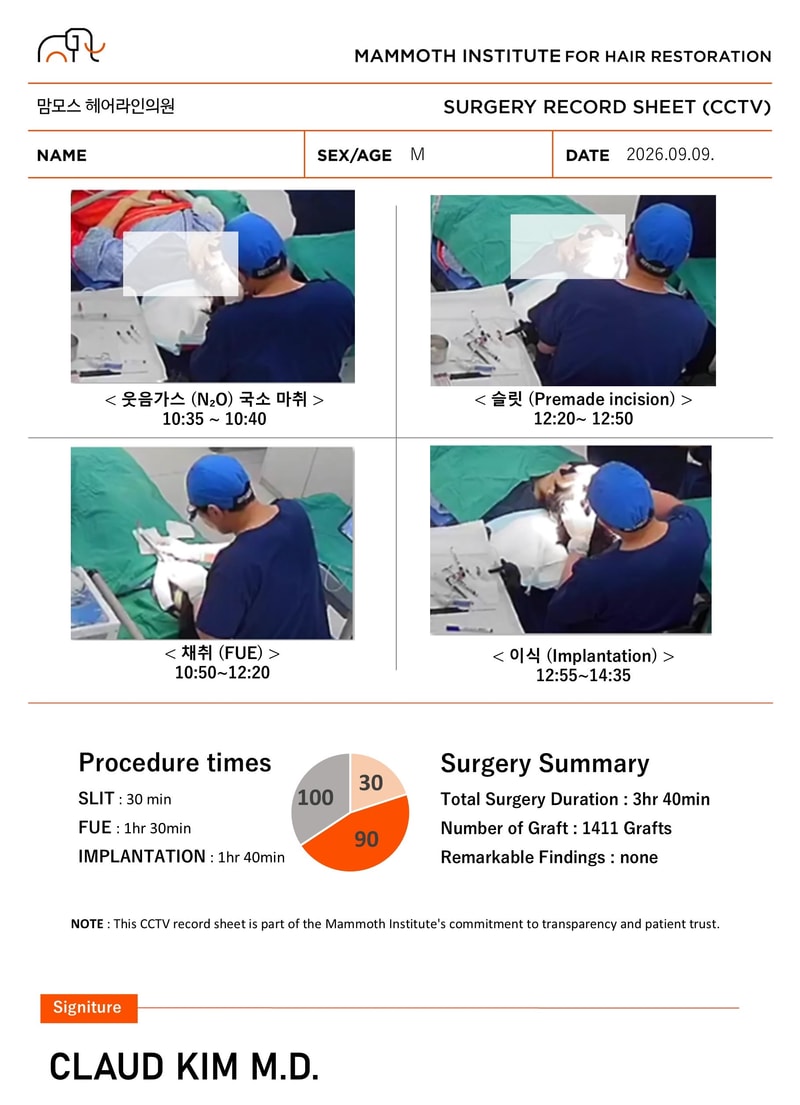
 부산 맘모스헤어라인의원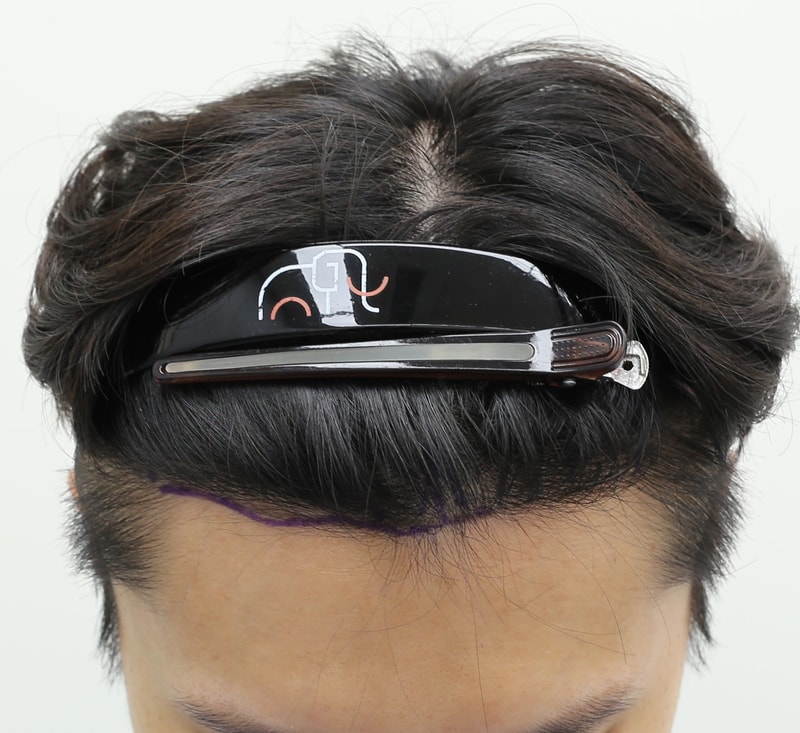
 압구정 맘모스헤어라인의원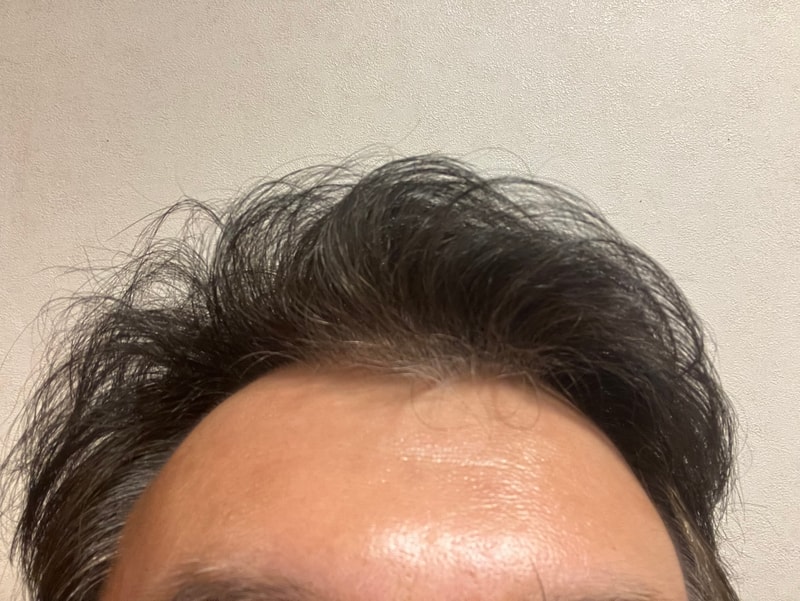
 뉴헤어모발성형외과의원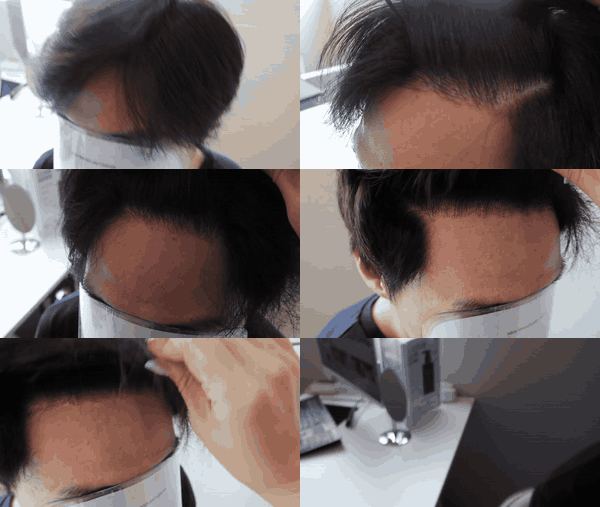
 헤어로의원 동탄점
 모프로의원
모프로의원 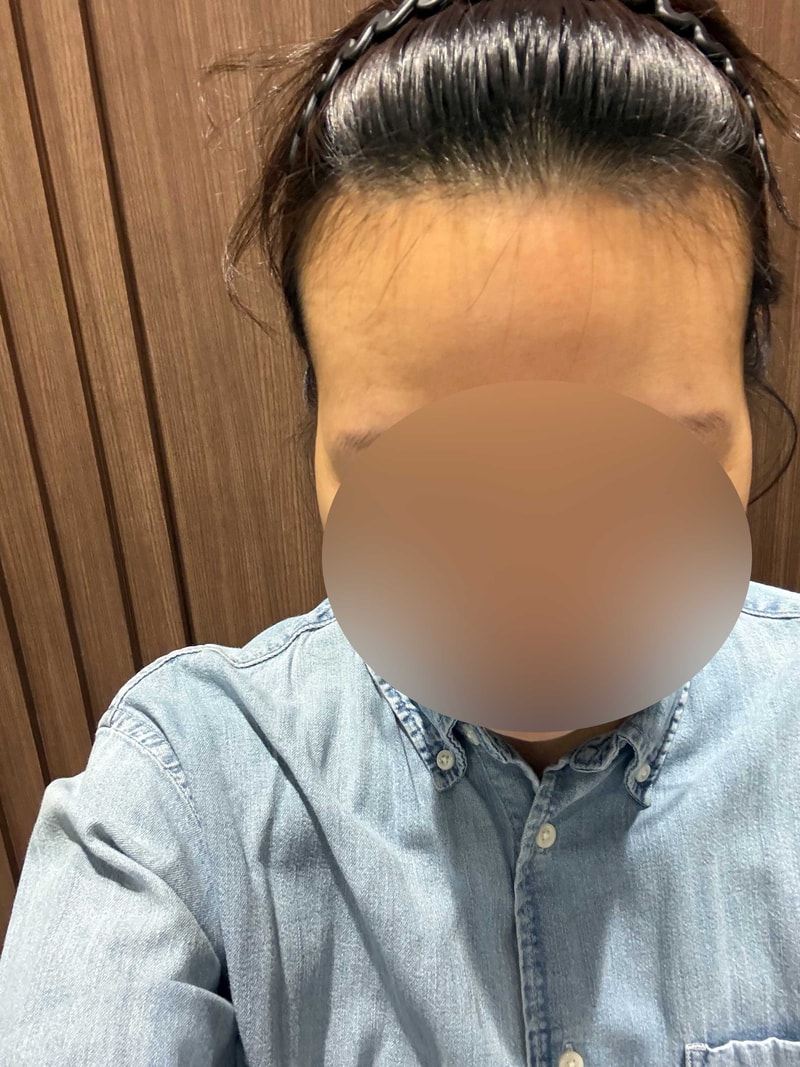
 모원성형외과의원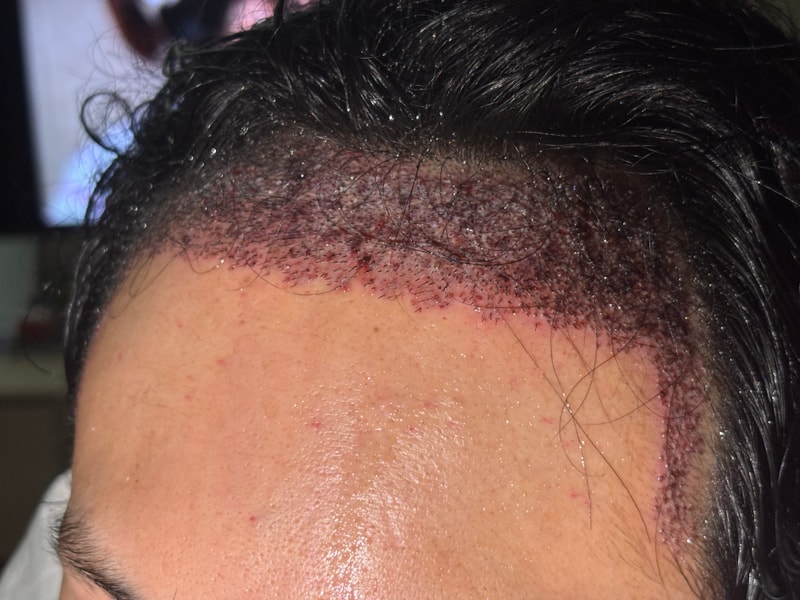
 모든모의원
모든모의원 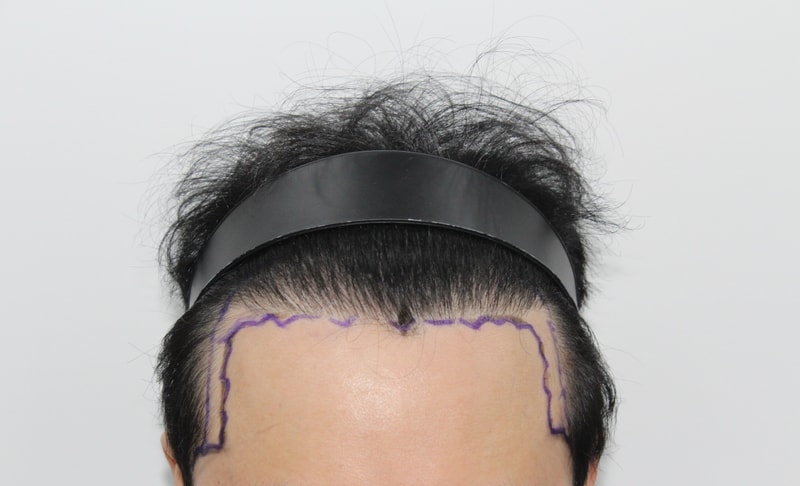
 모아트의원
모아트의원 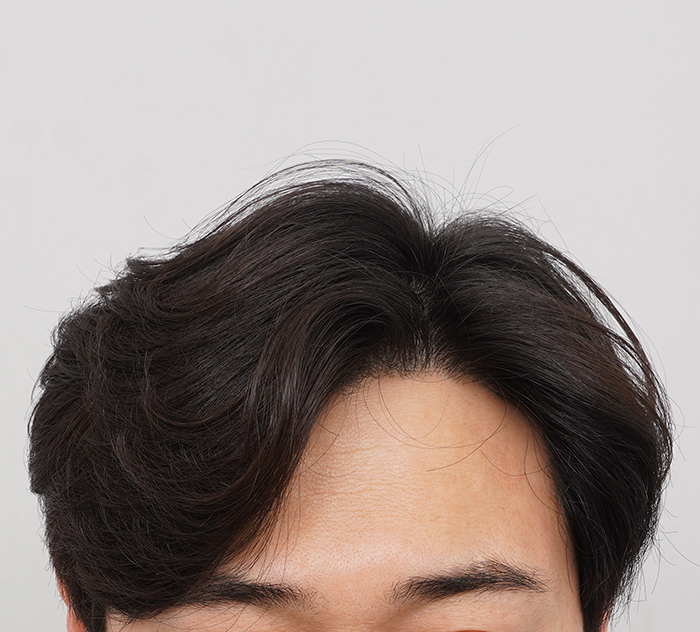
 모모의원 부산점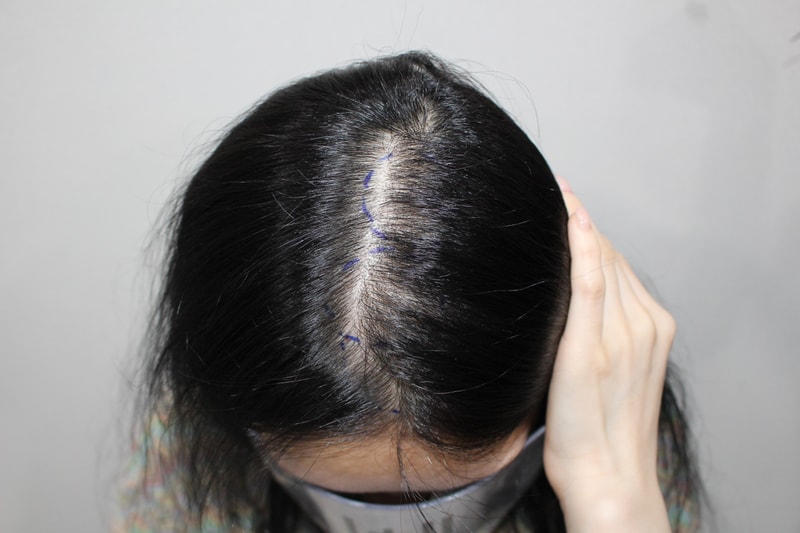
 모더함의원 모발이식센터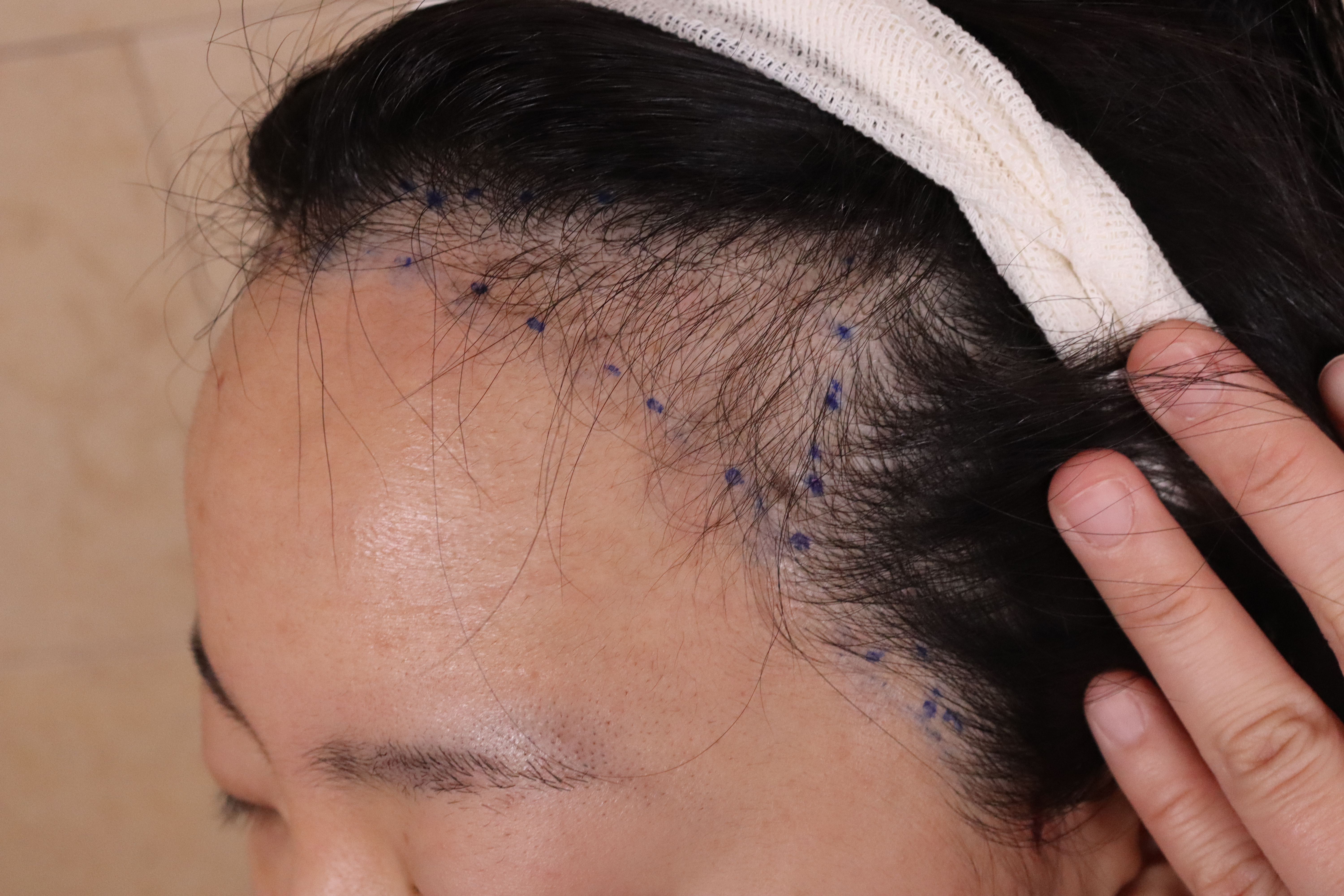
 움찬의원
움찬의원 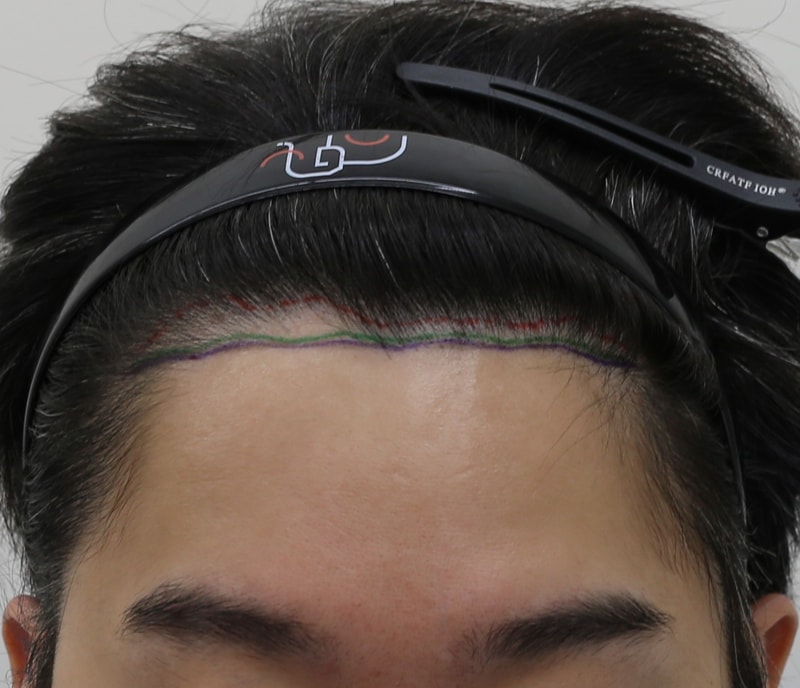
 인천 맘모스헤어라인의원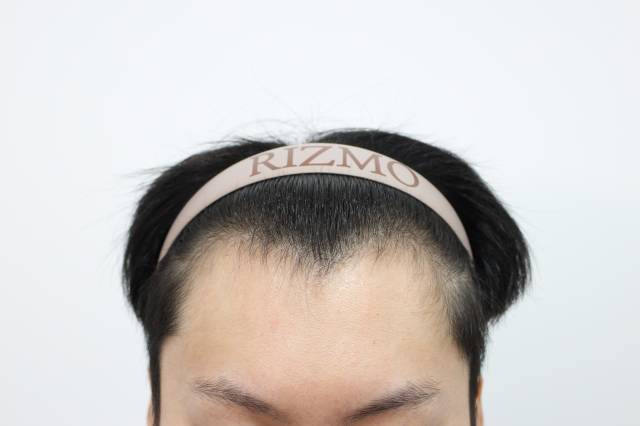
 부산 리즈모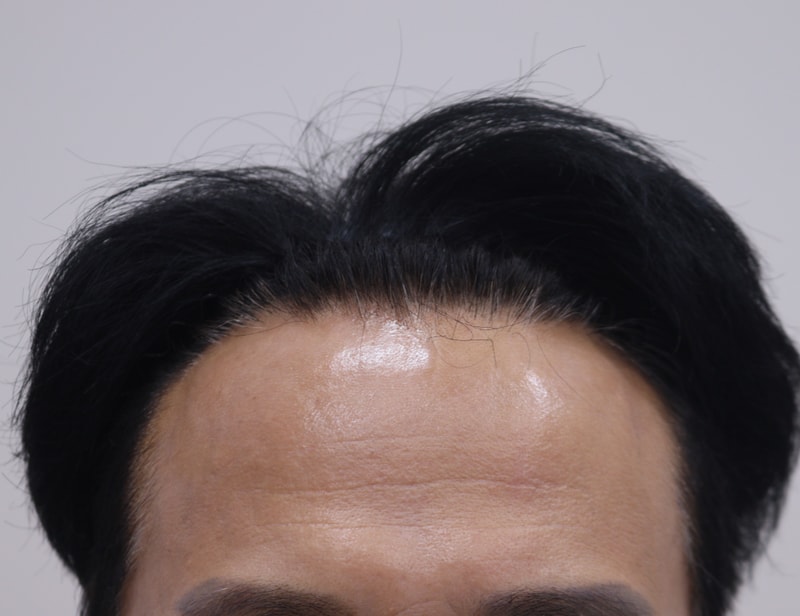
 모앤블레스모발이식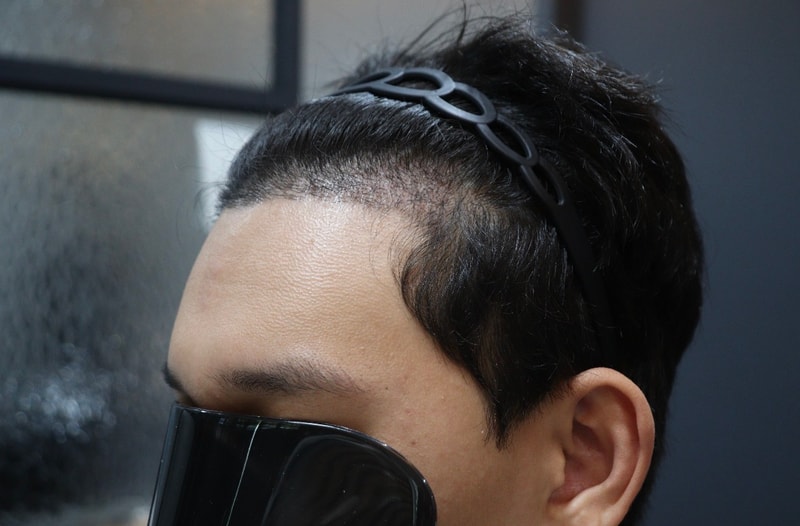
 광주 압구정모비앙의원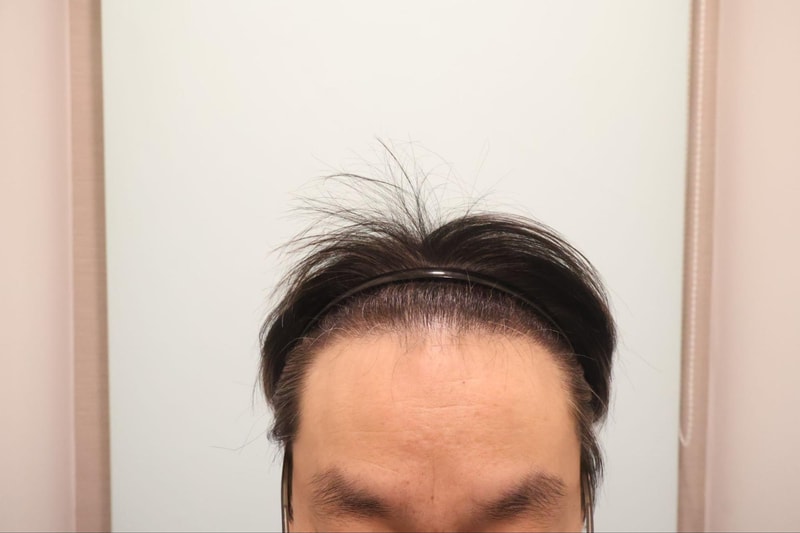
 참닥터모발이식의원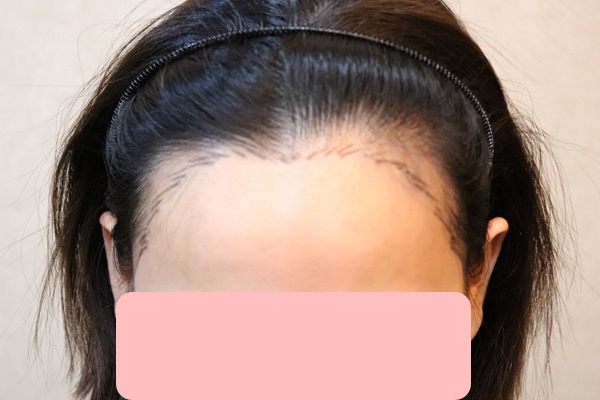
 JP성형외과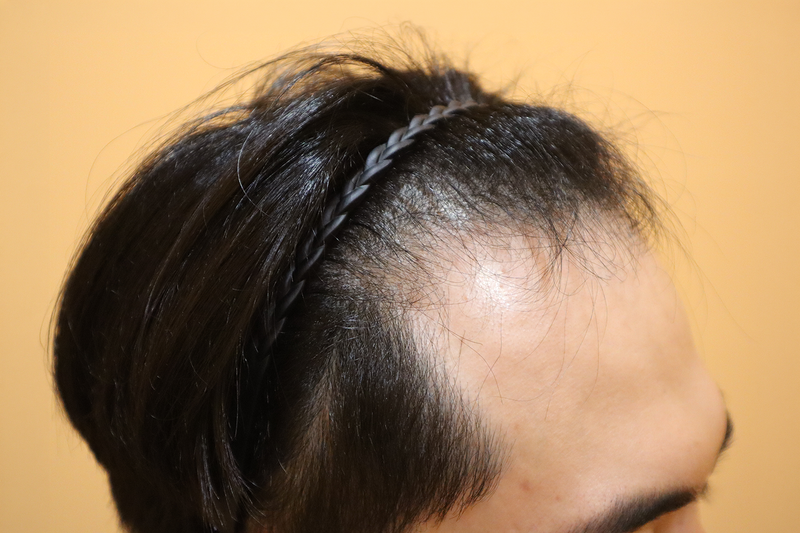
 헤어로의원 부산점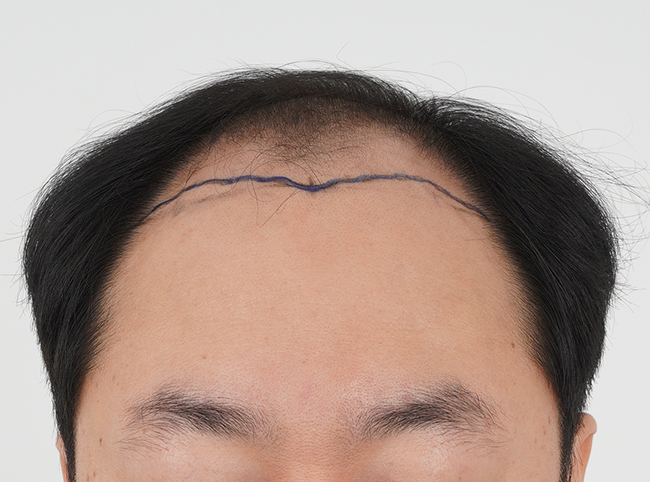
 모모의원 수원점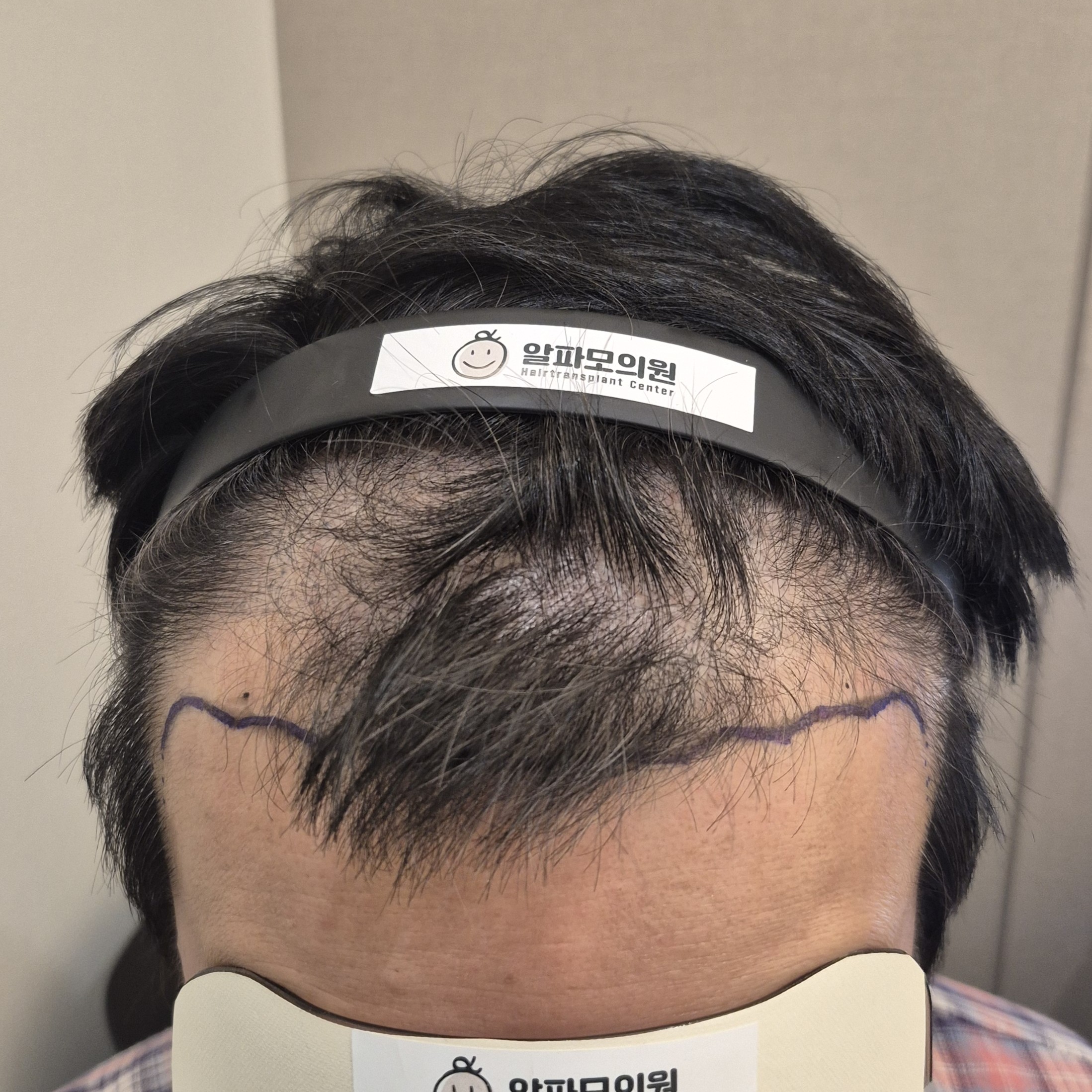
 알파모의원
알파모의원 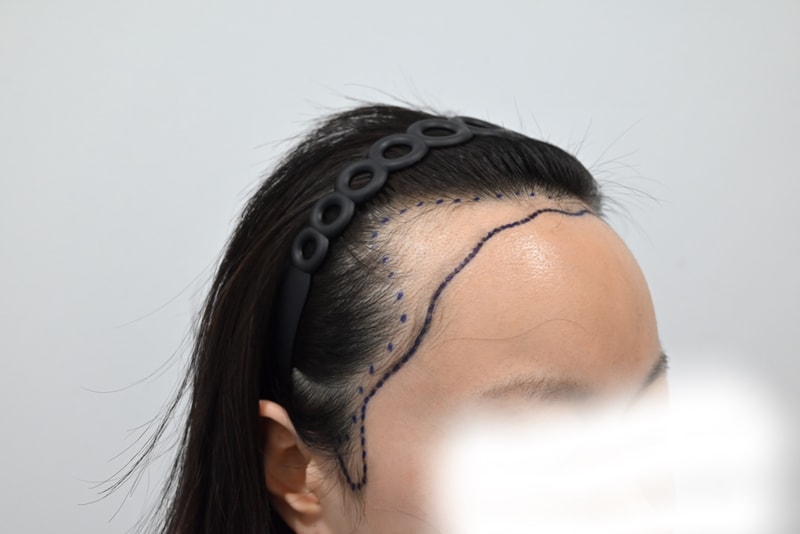
 모엠의원
모엠의원 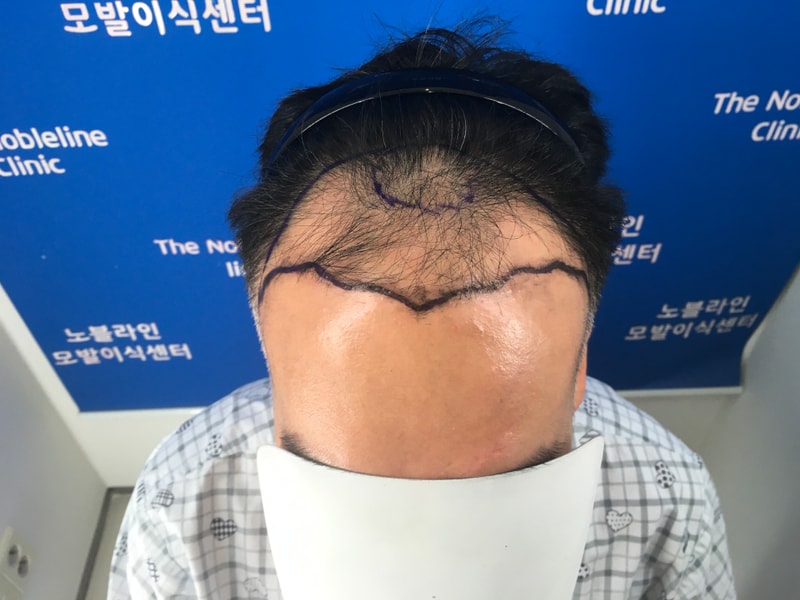
 노블라인의원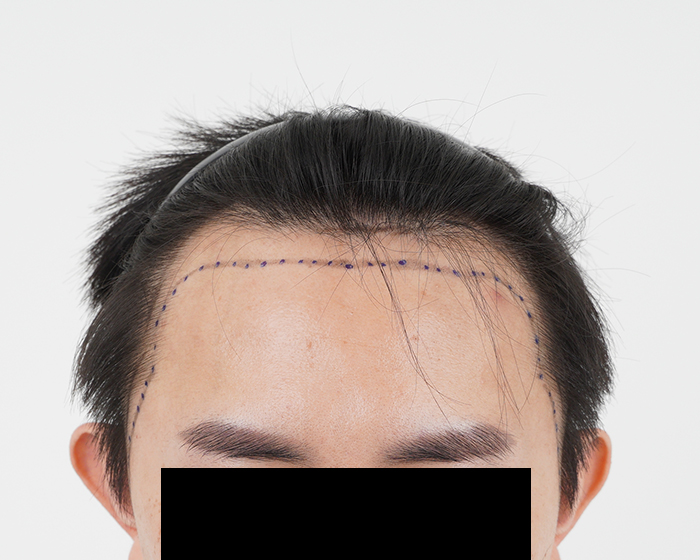
 모모의원 대구점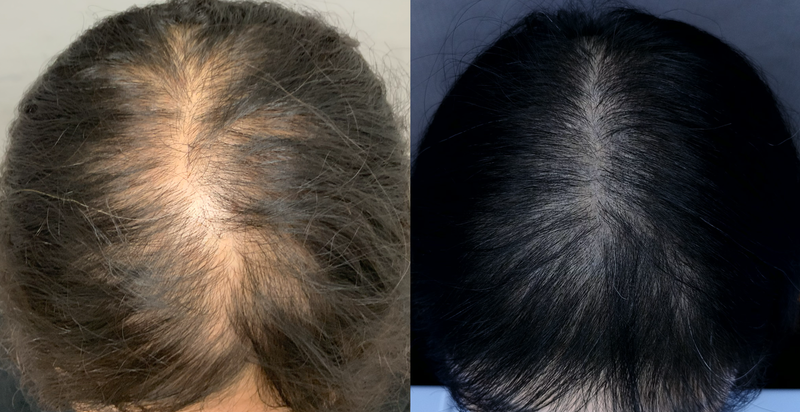
 연세모벨르의원 종로본점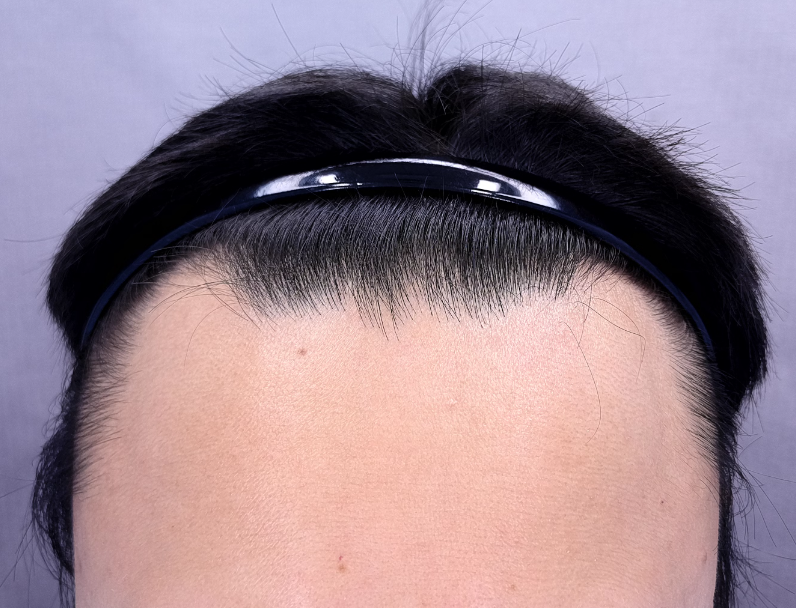
 연세모벨르의원 인천점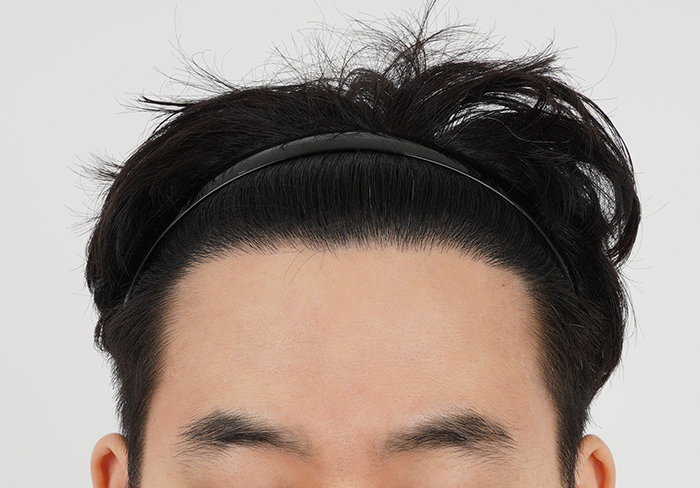
 모모성형외과의원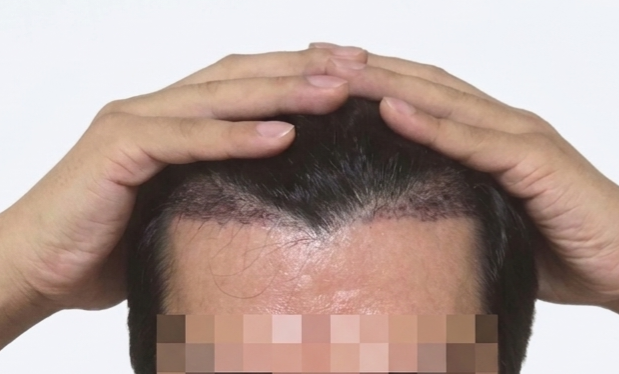
 인천 마이모 모발이식의원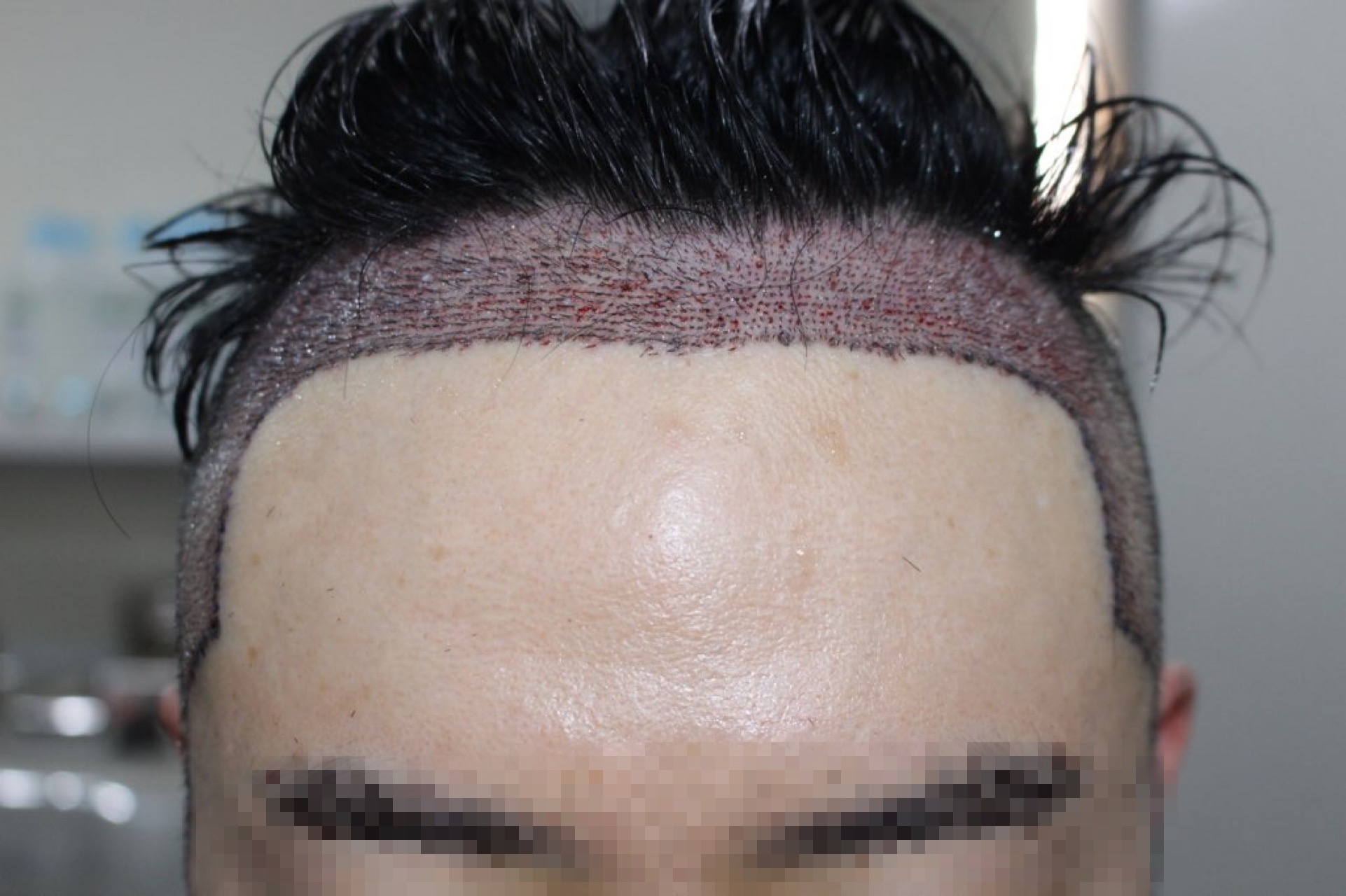
 모다올의원
모다올의원 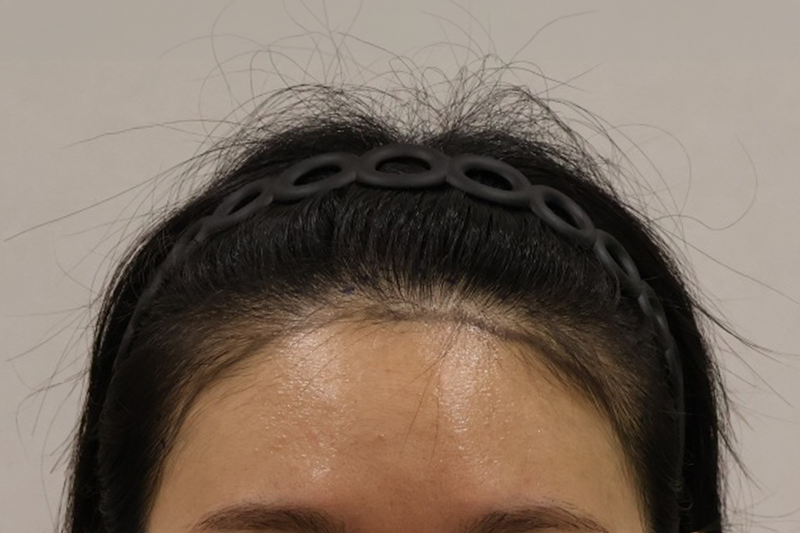
 헤어로의원 청주점
 모재성모발이식센터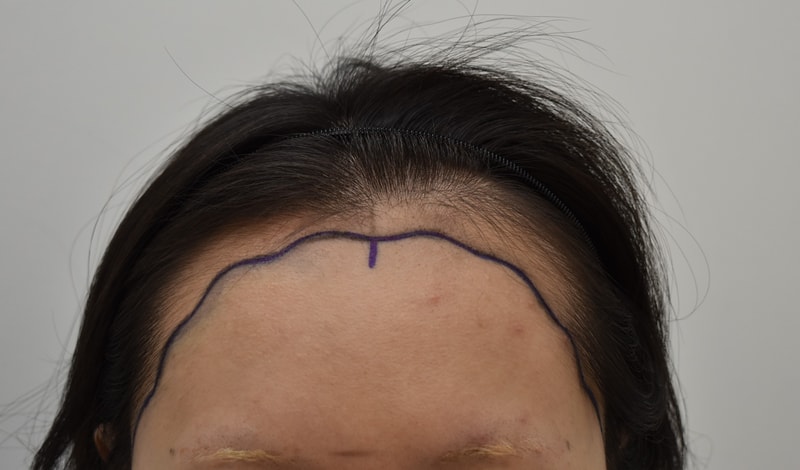
 모바른의원
모바른의원 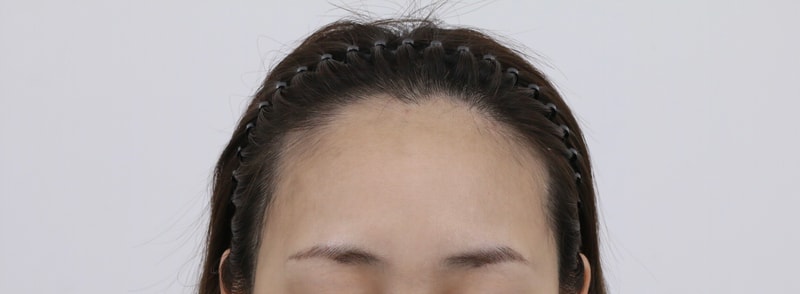
 모우림의원
모우림의원 
 모제림성형외과의원
 모디헤어플란트의원
 자라다의원
자라다의원 
 모우다의원
모우다의원 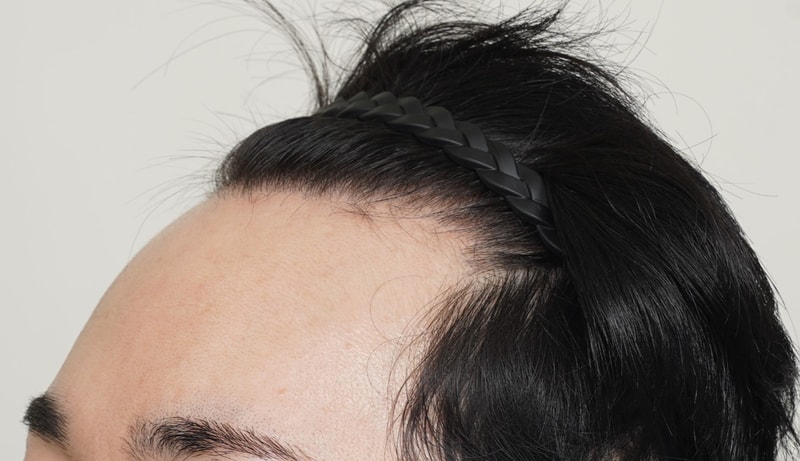
 바람부는날에도 성형외과의원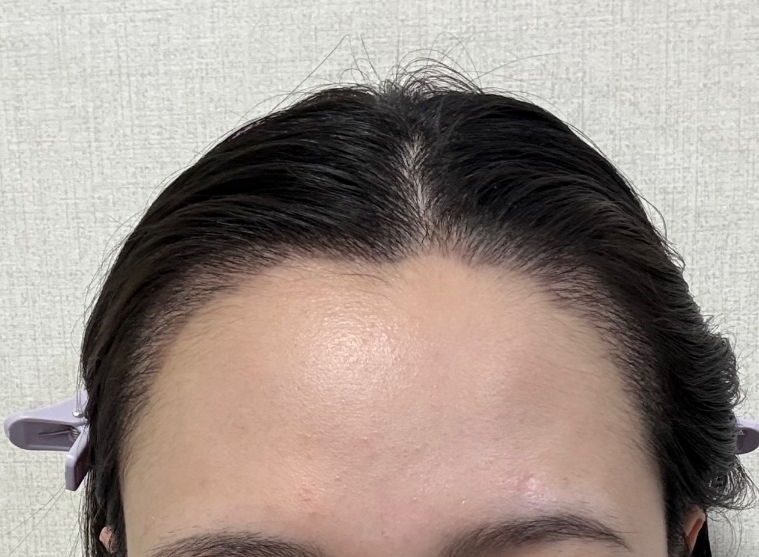
 모먼트의원
모먼트의원 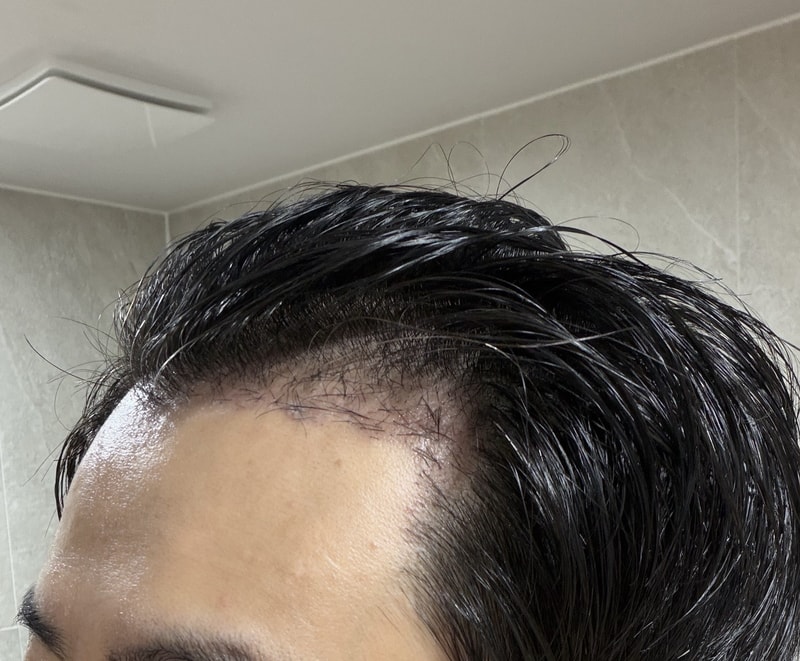
 다나성형외과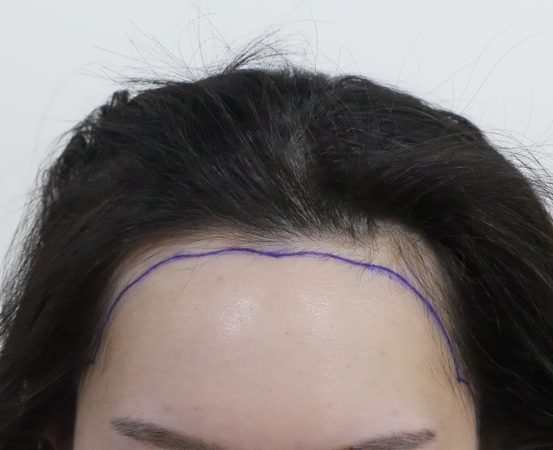
 글로웰의원
글로웰의원 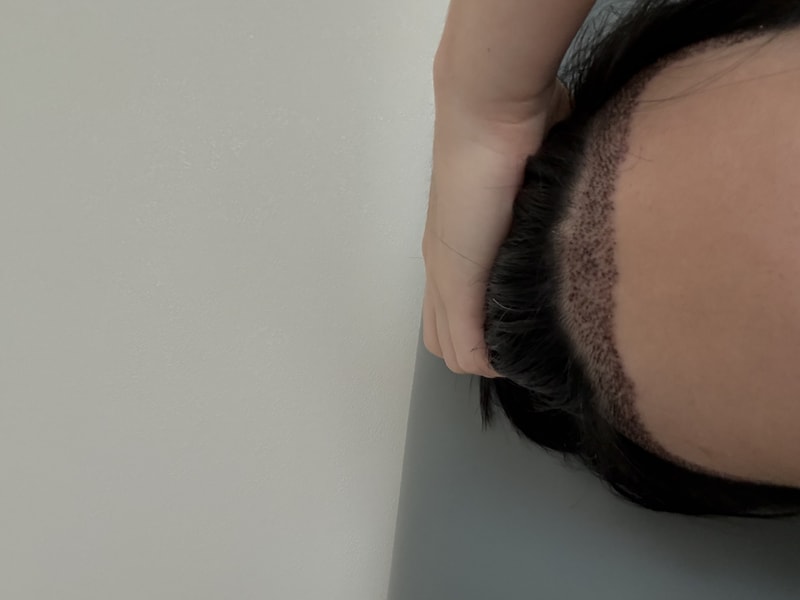
 모션모발이식의원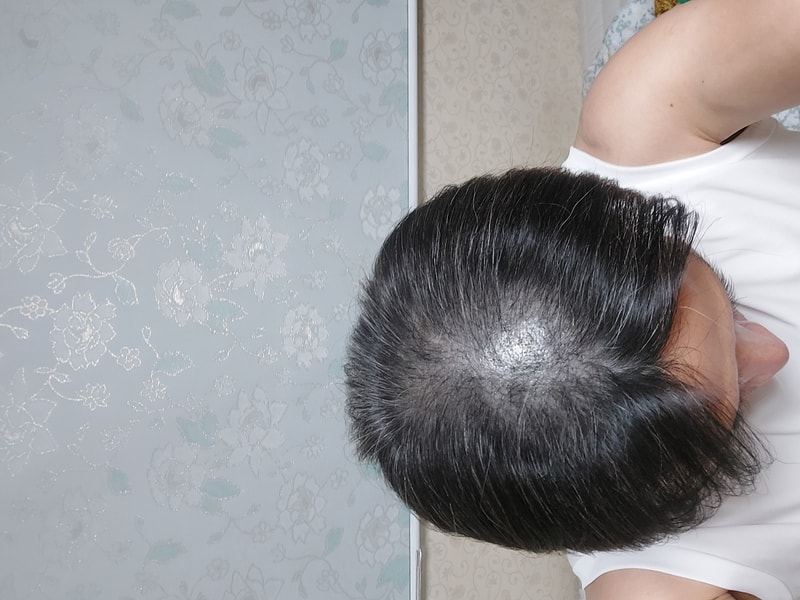
 모아만의원
모아만의원 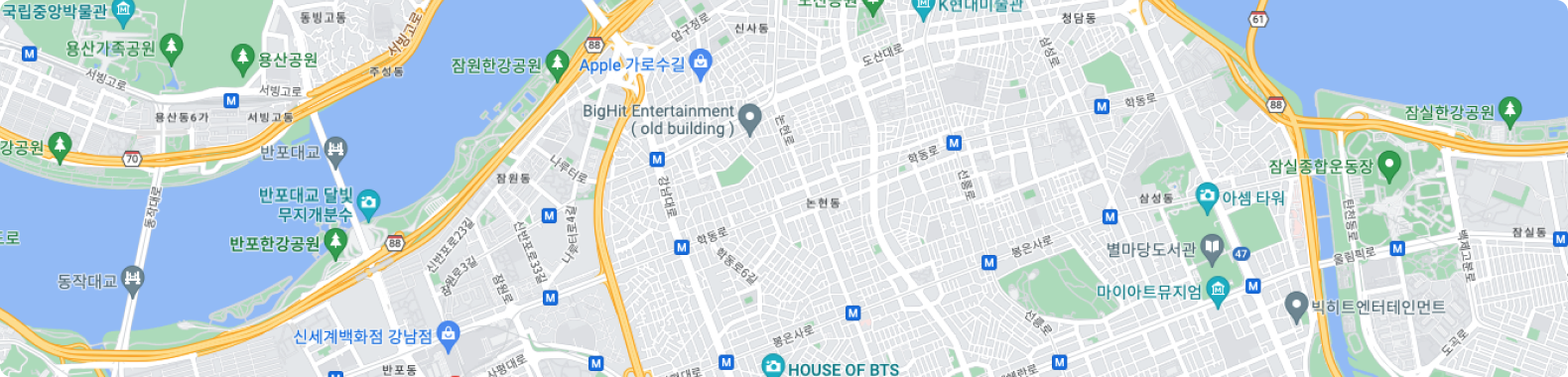



☞ 본 게시판에서 모발이식 수술 후기는 신고 바랍니다. (삭제 및 탈퇴)
댓글 3