상용화가 10년 20년 걸릴지는 모르겠지만...
아래와 같은 글이 있어서 찾아봤습니다.
번역문 :
http://blog.naver.com/nardlove/110178278272
대머리의 새로운 희망이 생겼습니다.
그동안 동물에서만 가능했던 기술이 인간에게도 적용될 수 있을 것으로 보입니다.
피부 세포로 부터 3D 배양법을 사용하여 모낭을 성장시킬 수 있었습니다.
Cultured follicles offer hope for beating baldness
Old cell-growth method moves hair restoration technique from mice to humans.
Brian Owens 21 October 2013
Article toolsRights & Permissions
Claire Higgins/Christiano Lab at Columbia University Medical Center
Clusters of cultured cells from human hair follicles successfully produced new human hair when transplanted back into human skin.
Life seemed to be unfair to balding people. More than four decades ago, scientists found a way to grow hair follicles in hairless rodents by cultivating skin cells in a dish and implanting them under the skin. But when they tried the same thing in humans, it never worked. Now, a simple tweak to the culturing technique shows that there might be hope for countering baldness.
Originality takes second place for young scientists with extreme workloads
Why flawed diamonds are advancing quantum computing
How plant-killing fungi protect forest diversity
Follicles develop from dermal papilla cells in the skin. When scientists harvest such cells from mice and culture them in a Petri dish, the cells multiply and form a clump. But the same does not happen for human cells. Geneticist Angela Christiano at Columbia University in New York and her colleague Colin Jahoda, a cell biologist at Durham University, UK, wondered whether the rodent cells' ability to group together was what allowed them to induce follicles successfully.
So the team tried placing the human papilla cells in a hanging-drop culture — a 100-year-old technique in which the cells hang in droplets of a carrier medium underneath the lid of a Petri dish. Gravity causes the cells to cluster together at the bottom of the drop in a more natural, three-dimensional (3D) configuration, rather than spreading out on a flat plane.
“The drop culture allows them to maintain their spatial context and develop an extracellular matrix,” says Christiano. “That seems to allow the cells to recognize that they can induce follicles.”
Good hair day
When the drop-culture cells were implanted under hairless human skin that was grafted onto the back of a rat, they induced the development of follicles. The work is published in this week's issue of Proceedings of the National Academy of Sciences1.
Related stories
Regenerative medicine repairs mice from top to toe
Clues to the cause of male pattern baldness
Skin's own cells could beat baldness
More related stories
Christiano found that growing cells on a flat surface disrupted the expression of nearly 4,000 genes, whereas the hanging-drop method restored normal function to about 22% of those — enough, it seems, to allow them to induce follicles. Several of the genes restored had been previously associated with hair growth, including an important signalling pathway known as Wnt, which transmits signals from outside the cell to inside. Still, says Christiano, “we were surprised at how few were enough to start induction”.
Anthony Oro, an epithelial biologist at Stanford University in California, says that it is perhaps not surprising that the structure of the cellular clumps is so crucial. “Why would we think that if we take a beautiful 3D structure and make it flat, that the cells would have any chance to retain their properties? It’s a big thing to ask a cell.”
He adds that the latest work is exciting, even though the hair produced is “not yet ready for prime time”. The new follicles did not always produce a hair through the skin, and they lacked pigment and sebaceous oil glands. Christiano says that it will be some time before those kinks are ironed out and the method is ready for the clinic. The method could also be developed into an in vitro tissue-screening model to test hair loss and hair-restoration drugs, he says.
Journal name:
Nature
DOI:
doi:10.1038/nature.2013.13983







 탈모용사
탈모용사
 탈모는극복하는것
 앙흥
앙흥
 K4817292865
 K42611233062505142351
 Gold모발
 용닥터의원
용닥터의원 
 인천 맘모스헤어라인의원
 헤어로의원 전주점
 모원성형외과의원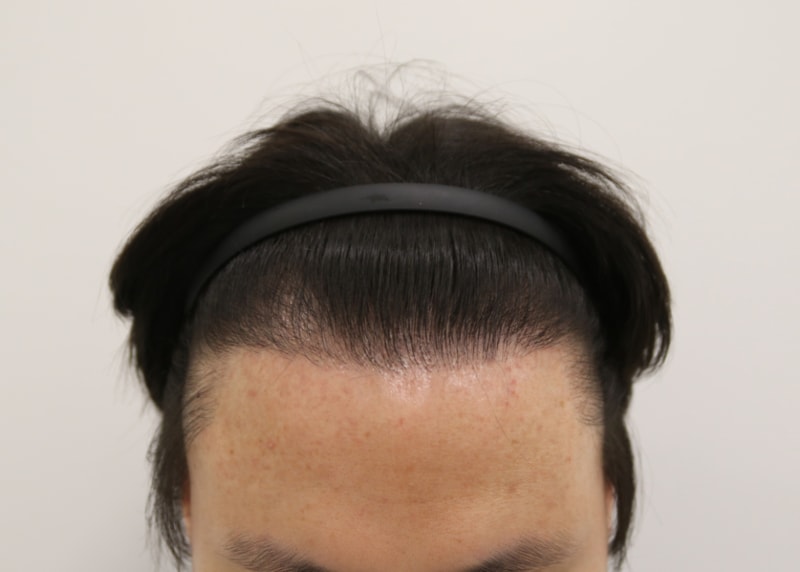
 부산 맘모스헤어라인의원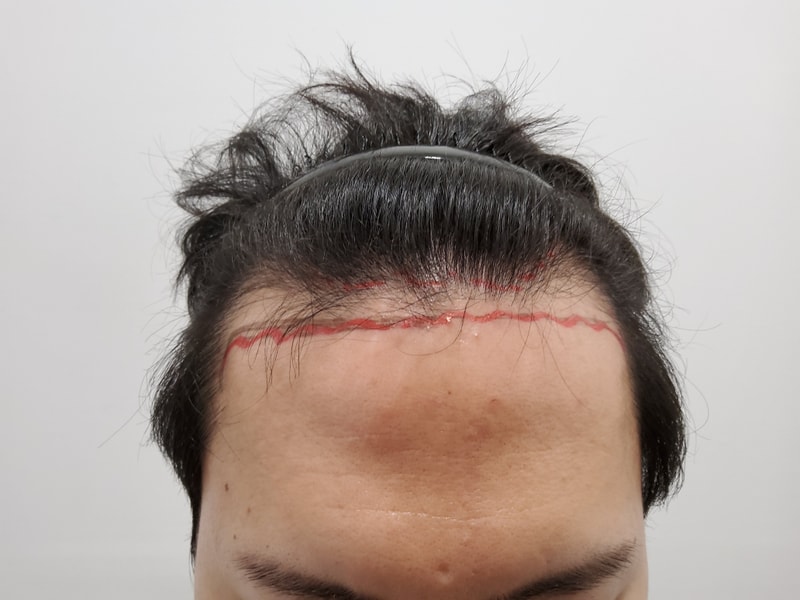
 모든모의원
모든모의원 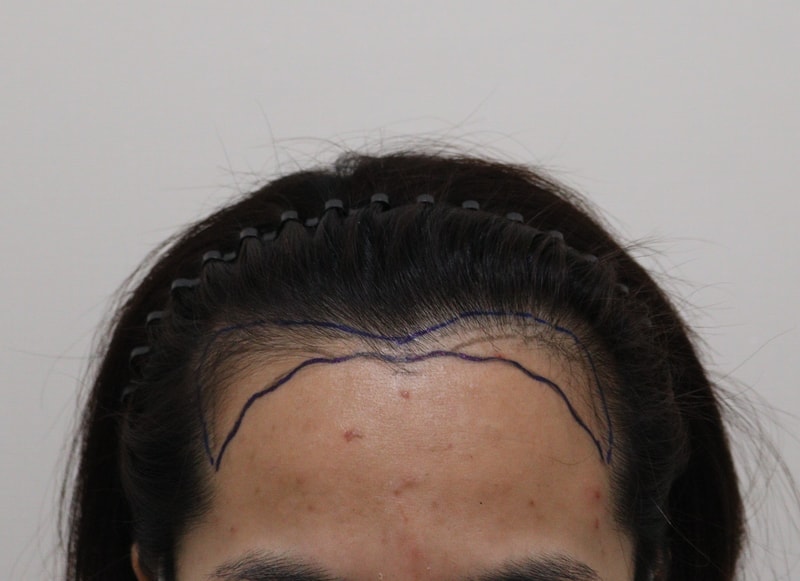
 모앤블레스모발이식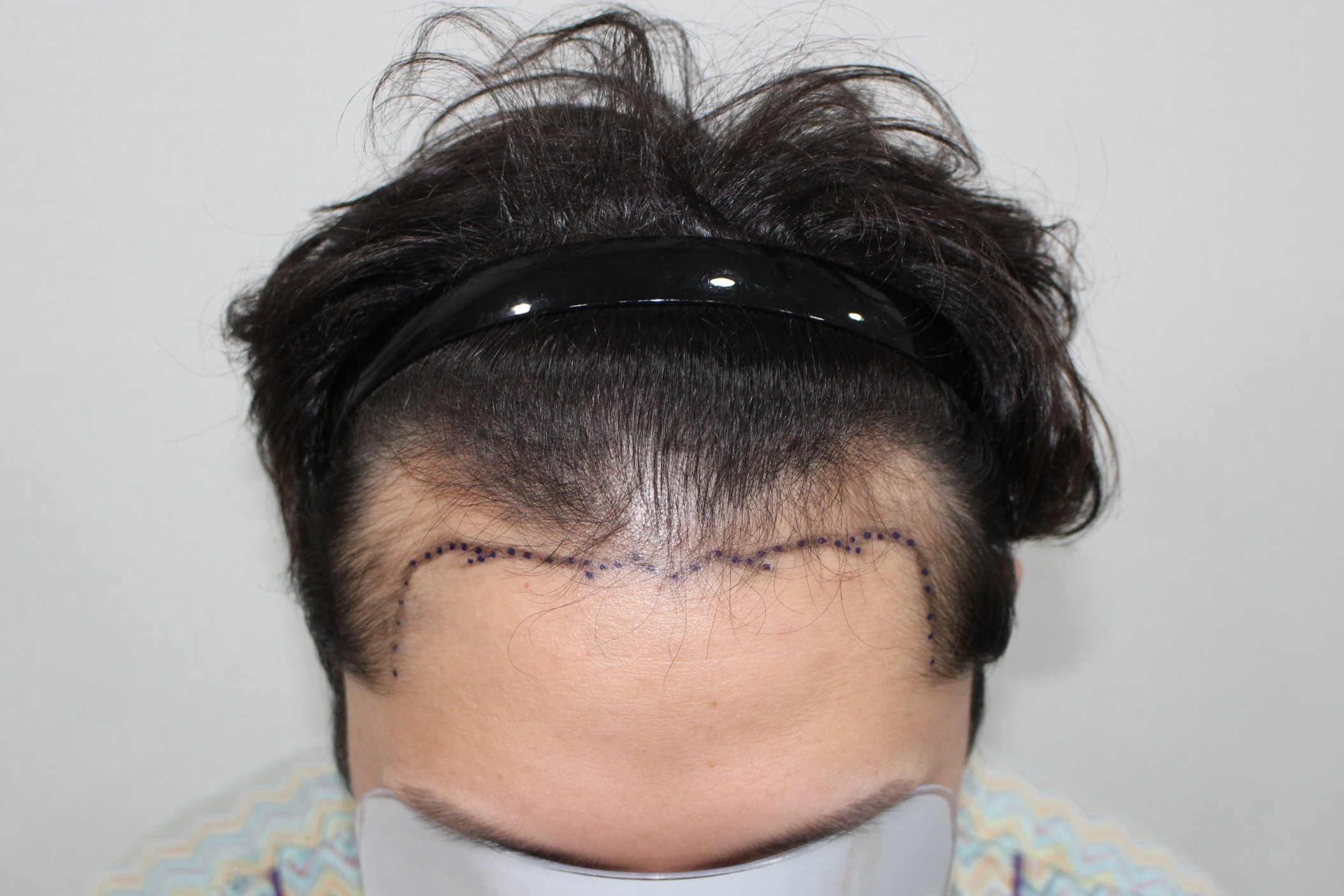
 모더함의원 모발이식센터
 뉴헤어모발성형외과의원
 광주 압구정모비앙의원
 연세모벨르의원 인천점
 한나이브모발이식센터
 모모성형외과의원
 인천 마이모 모발이식의원
 부산 리즈모
 참닥터모발이식의원
 헤어로의원 대구점
 노블라인의원
 헤어로의원 동탄점
 헤어로의원 부산점
 모아트의원
모아트의원 
 모모의원 수원점
 연세모벨르의원 종로본점
 모다올의원
모다올의원 
 알파모의원
알파모의원 
 헤어로의원 청주점
 모나라피부과의원
 모재성모발이식센터
 모모의원 부산점
 압구정 맘모스헤어라인의원
 모프로의원
모프로의원 
 모바른의원
모바른의원 
 모엠의원
모엠의원 
 JP성형외과
 모우림의원
모우림의원 
 모모의원 대구점
 모제림성형외과의원
 모디헤어플란트의원
 자라다의원
자라다의원 
 모우다의원
모우다의원 
 바람부는날에도 성형외과의원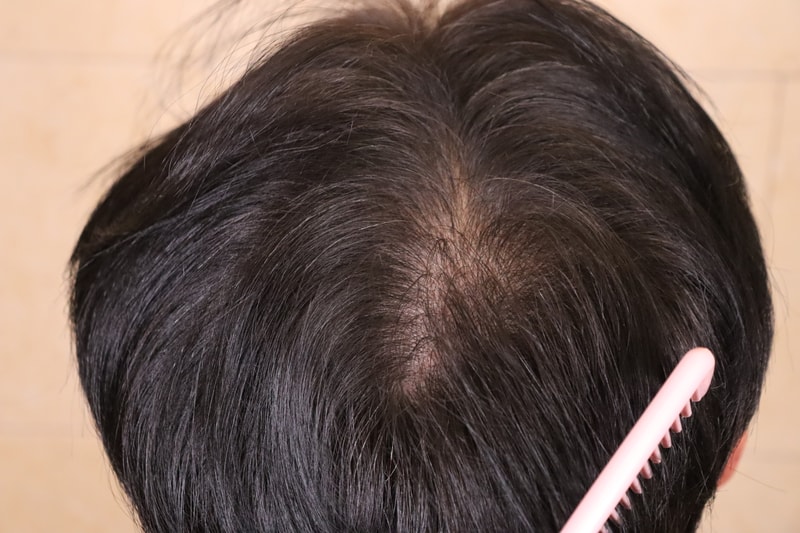
 움찬의원
움찬의원 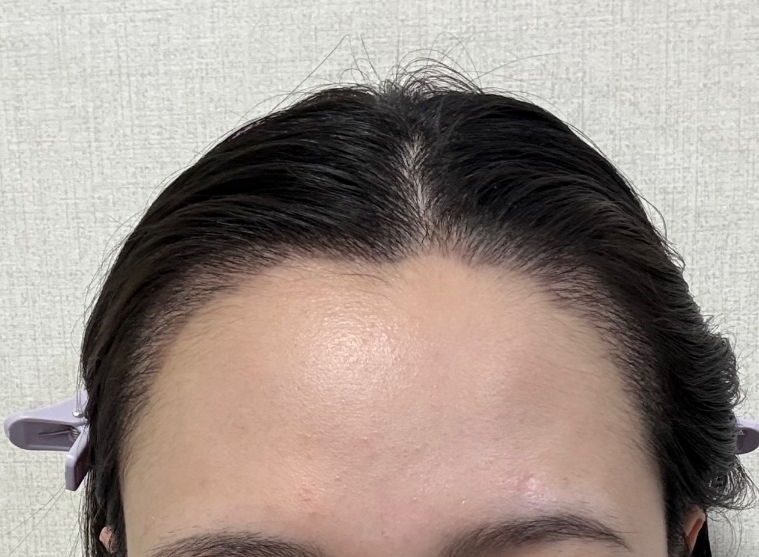
 모먼트의원
모먼트의원 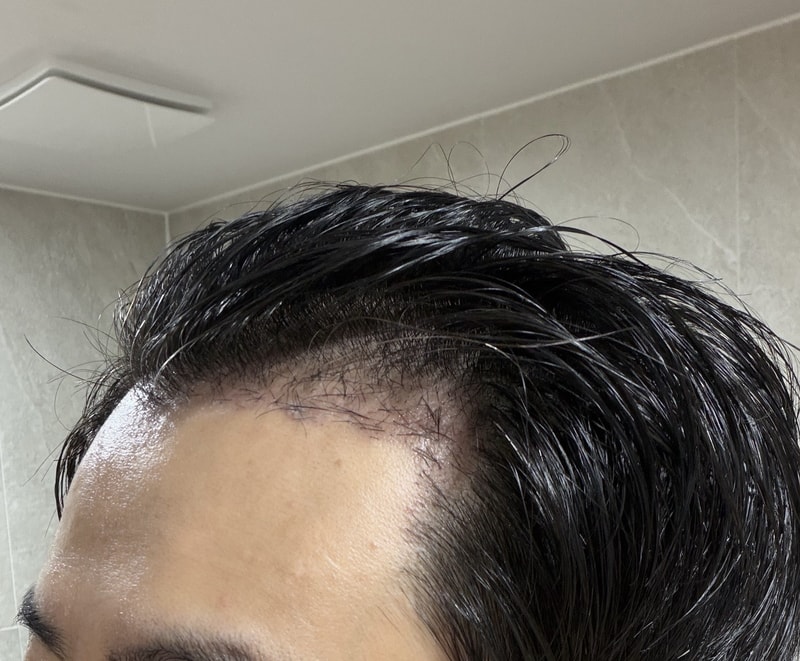
 다나성형외과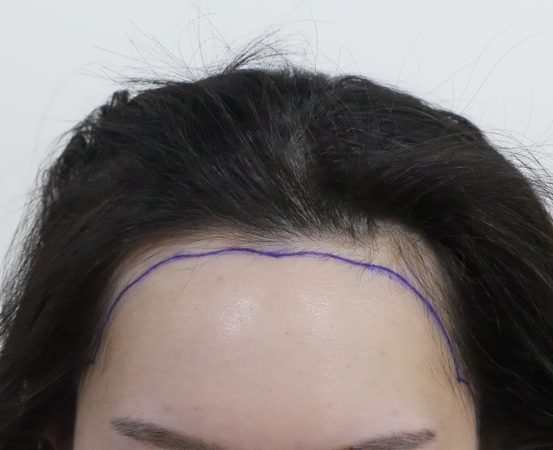
 글로웰의원
글로웰의원 
 모션모발이식의원
 모아만의원
모아만의원 



☞ 본 게시판에서 모발이식 수술 후기는 신고 바랍니다. (삭제 및 탈퇴)
댓글 6