14년 1월 29자 해외뉴스입니다.
하기 주소를 클릭하시면 인간의 상피세포를 이용하여 모근 줄기 세포를 만들어 냈다고 합니다.
이러한 줄기세포를 다시 쥐에 투입하여 인간 모낭세포와 유사한 세포를 재생에 성공 하였다 합니다.
가능성이 보입니다.ㅋ
http://www.medicalnewstoday.com/articles/271898.php
크롬까시고 번역하면 어느정도는 이해가능합니다.
Cure for baldness? Hair-follicle-generating stem cells bring hope
Wednesday 29 January 2014 - 8am PST
DermatologyStem Cell ResearchBiology / Biochemistryadd your opinionemailMNT FeaturedAcademic Journal
Add your rating
Current ratings for:
Cure for baldness? Hair-follicle-generating stem cells bring hope
Public / Patient:1 2 3 4 55 ratings
Health Professionals:1 2 3 4 510 ratings
According to the American Hair Loss Association, two-thirds of men will experience hair loss by the age of 35. But women are also affected, making up 40% of all hair loss sufferers. Affecting self-image and emotional well-being, the condition has been a difficult one to treat. But a new study brings hope - in the form of human hair-follicle-generating stem cells.
Researchers from the Perelman School of Medicine at the University of Pennsylvania have published results of their study in Nature, where they describe the method by which they were able to convert adult cells into epithelial stem cells (EpSCs).
Although using stem cells to regrow hair follicles has been a potential technique for combatting baldness, until now, nobody has been able to produce enough of these cells.
The team says they are the first to achieve this result in either humans or mice.
Led by Dr. Xiaowei "George" Xu, associate professor of pathology and laboratory medicine and dermatology at the University of Pennsylvania, the scientists started their research by using human skin cells called dermal fibroblasts.
How did the team produce the cells?
The researchers converted the human skin cells into induced pluripotent stem cells (iPSCs) by adding three genes. These iPSCs are able to change into any cell types in the body, so the researchers converted them into epithelial stem cells, which are normally found in a part of hair follicles.
Hair shafts
The arrows show hair shafts, which were formed by iPSC-derived epithelial stem cells.
Image credit: Ruifeng Yang, Perelman School of Medicine, University of Pennsylvania
Using techniques from other research teams to convert iPSCs into keratinocytes - a main cell type in the top layer of the skin - Dr. Xu and colleagues showed they could "force" the iPSCs to make large quantities of EpSCs by controlling the timing of growth factors the cells received.
When they implanted these EpSCs into mice, the cells regenerated cell types of human skin and hair follicles, and also created recognizable hair shafts, which the team says shows promise for eventually regrowing hair in humans.
In 18 days, 25% of the iPSCs converted into EpSCs, which were then purified using the proteins expressed on their surfaces, the team notes.
Technique 'not yet ready for humans'
After mixing the human-derived EpSCs with dermal cells from mice, the team grafted them onto the skin of the mice and produced a functional human epidermis - the outermost layers of the skin.
The hair follicles that were produced from this, notes the team, were structurally similar to human hair follicles.
Dr. Xu says that this "is the first time anyone has made scalable amounts of epithelial stem cells that are capable of generating the epithelial component of hair follicles," adding that the cells could aid in wound healing, cosmetics and hair regeneration.
However, these cells are not yet ready for use in humans because the team has only solved one part of the equation. A hair follicle contains both epithelial cells and a certain kind of adult stem cell called dermal papillae.
Dr. Xu explains:
"When a person loses hair, they lose both types of cells. We have solved one major problem, the epithelial component of the hair follicle. We need to figure out a way to also make new dermal papillae cells, and no one has figured that part out yet."
However, he adds that stem-cell researchers are beginning to use new strategies using only chemical agents, which could result in more solutions.
In late 2013, Medical News Today reported on a study that showed how scientists successfully grew human hairs from dermal papilla cells taken from the inside of donor hair follicles, suggesting we are a step closer to a cure for baldness.
Written by Marie Ellis







 탈모는극복하는것
 가루밀
가루밀
 cherixoq
 K5082019223
 하얼빈찐빵닌자
 K5078730032
 K4850826266
 알파모의원
알파모의원 
 모프로의원
모프로의원 
 모나라피부과의원
 인천 맘모스헤어라인의원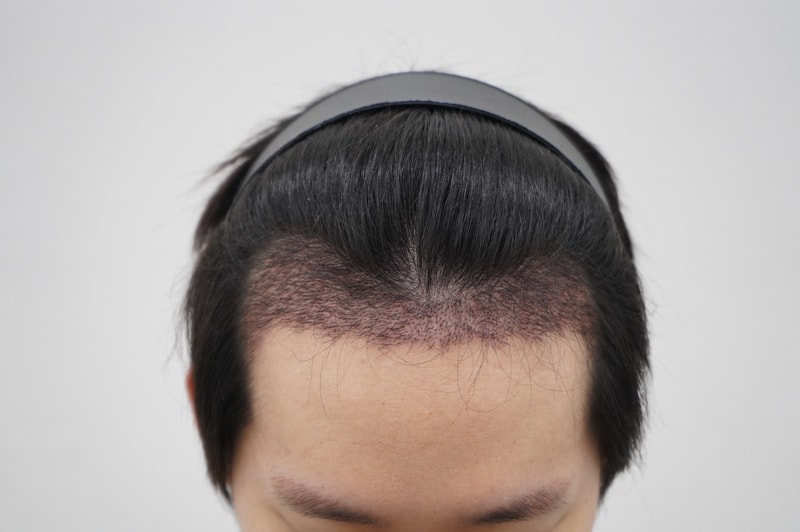
 모아트의원
모아트의원 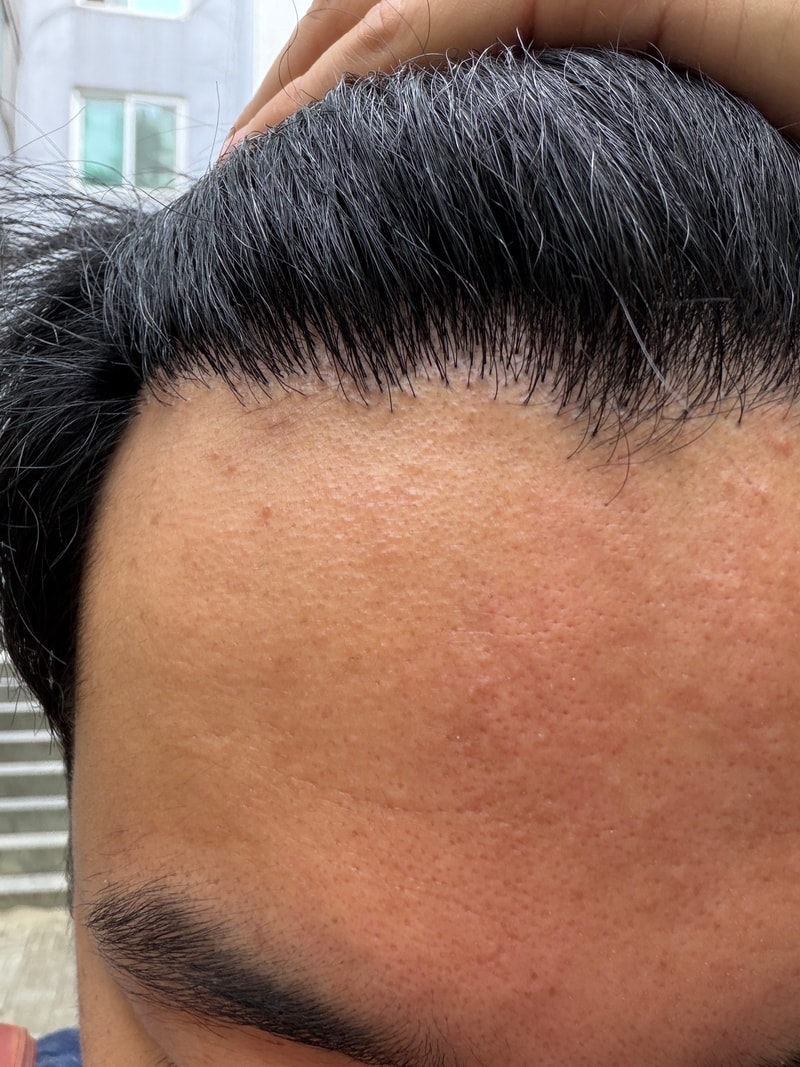
 뉴헤어모발성형외과의원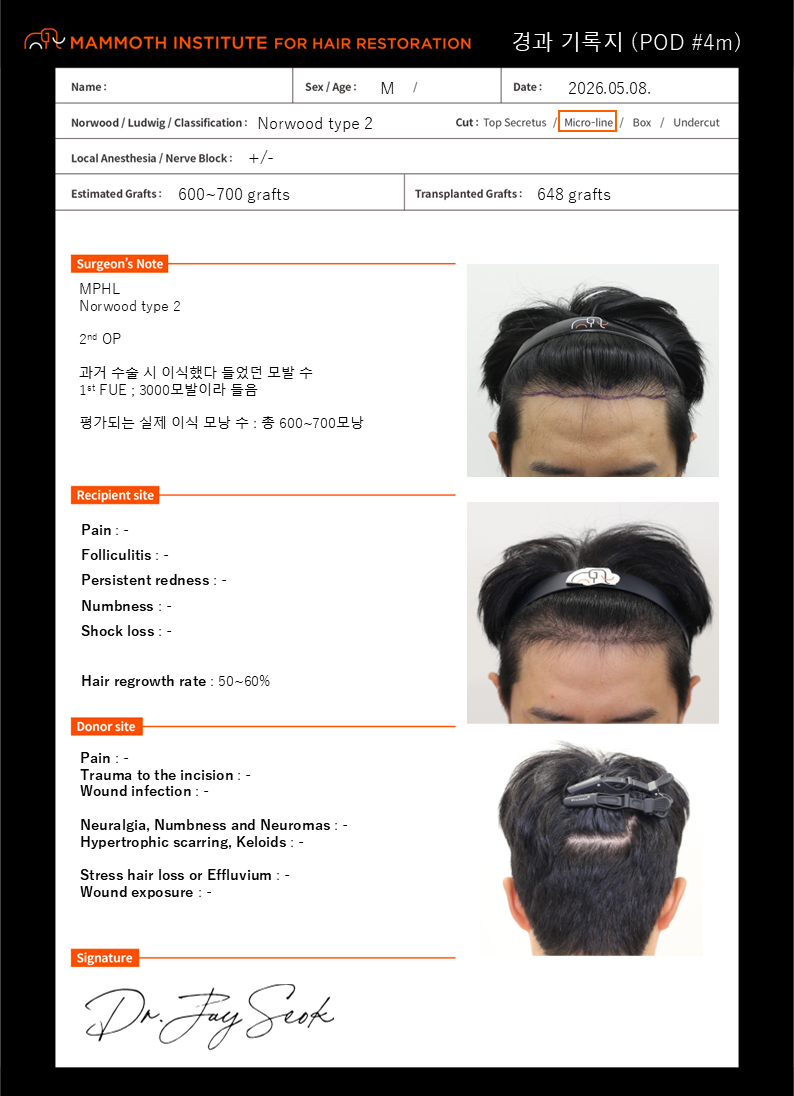
 압구정 맘모스헤어라인의원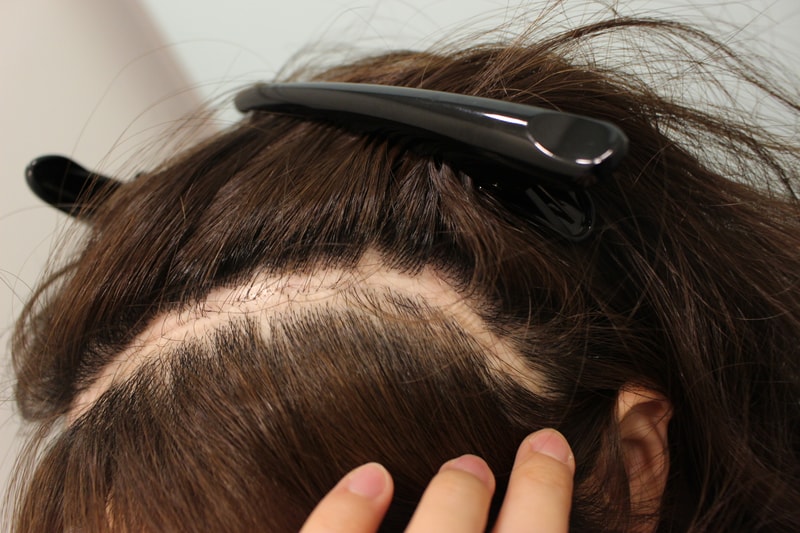
 참닥터모발이식의원
 부산 맘모스헤어라인의원
 부산 리즈모
 모우림의원
모우림의원 
 모원성형외과의원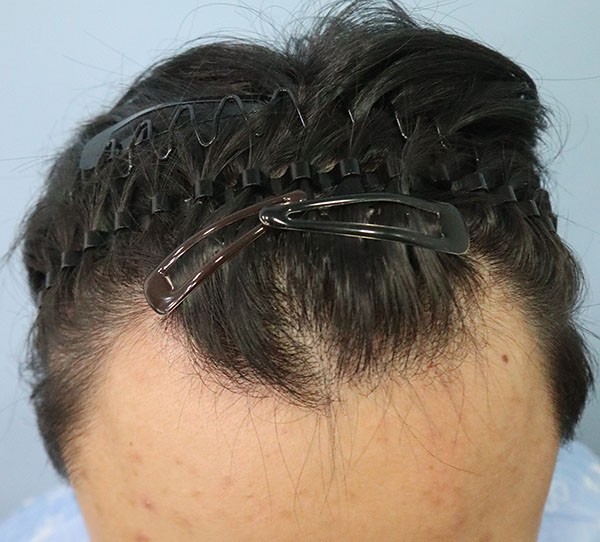
 한나이브모발이식센터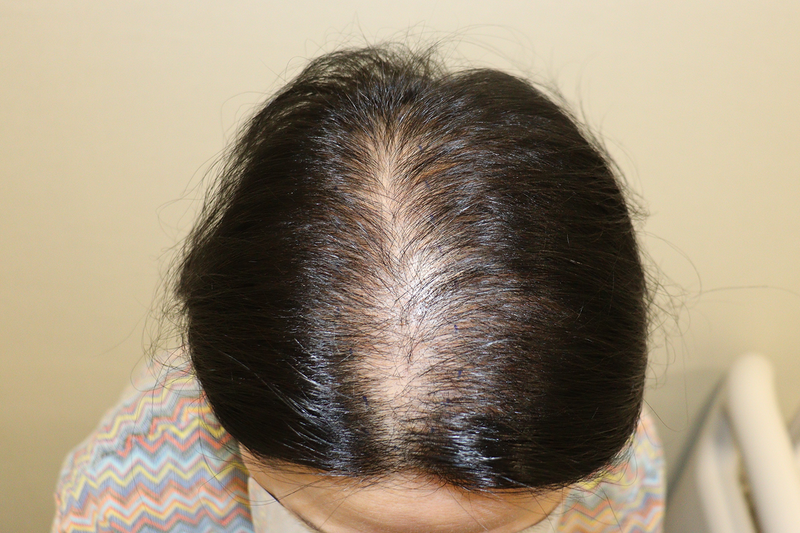
 헤어로의원 대구점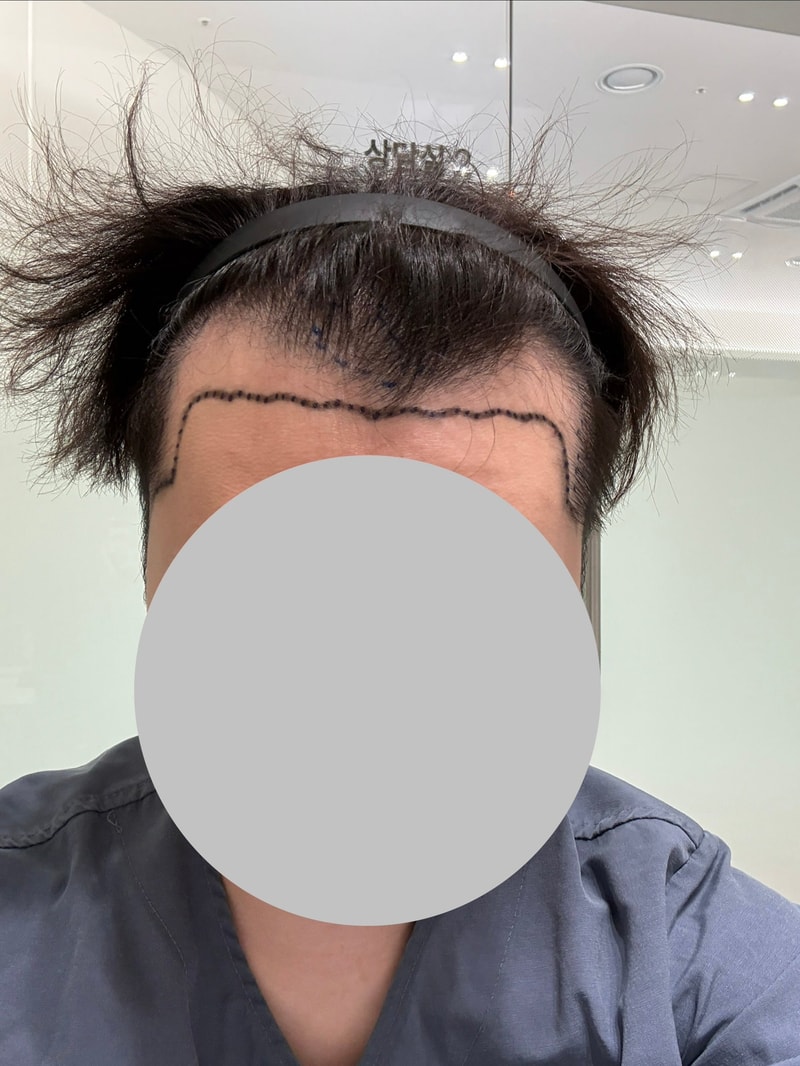
 용닥터의원
용닥터의원 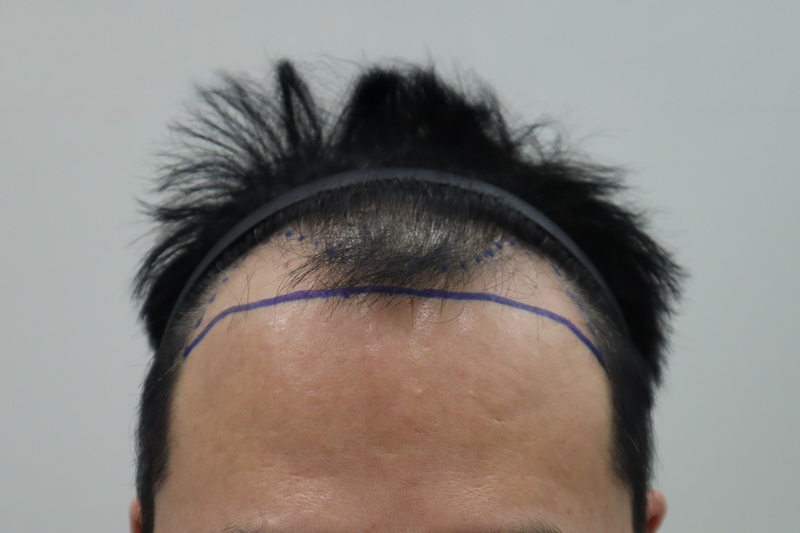
 헤어로의원 전주점
 헤어로의원 동탄점
 모든모의원
모든모의원 
 모모의원 부산점
 모더함의원 모발이식센터
 움찬의원
움찬의원 
 모앤블레스모발이식
 광주 압구정모비앙의원
 JP성형외과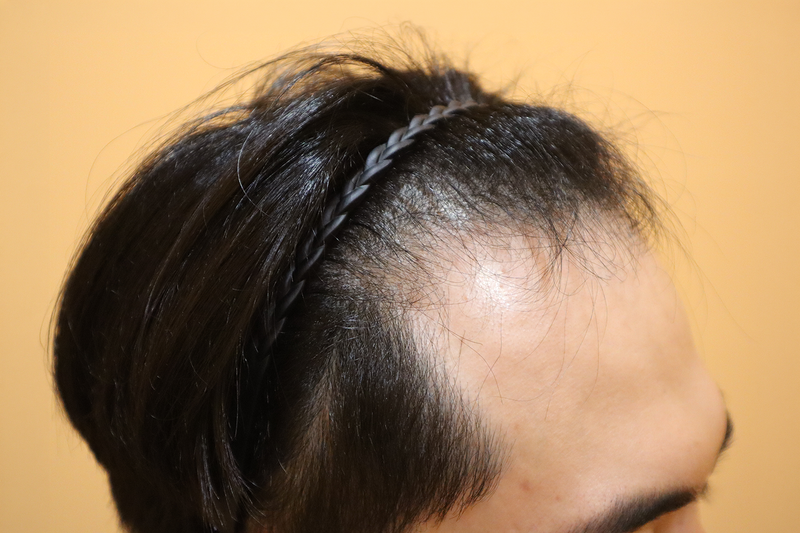
 헤어로의원 부산점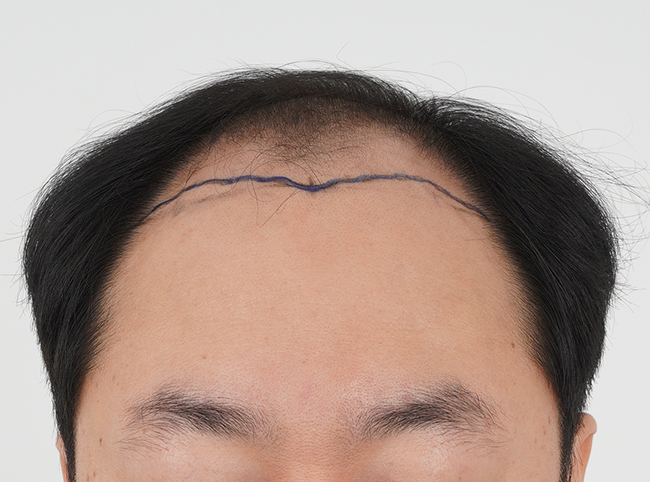
 모모의원 수원점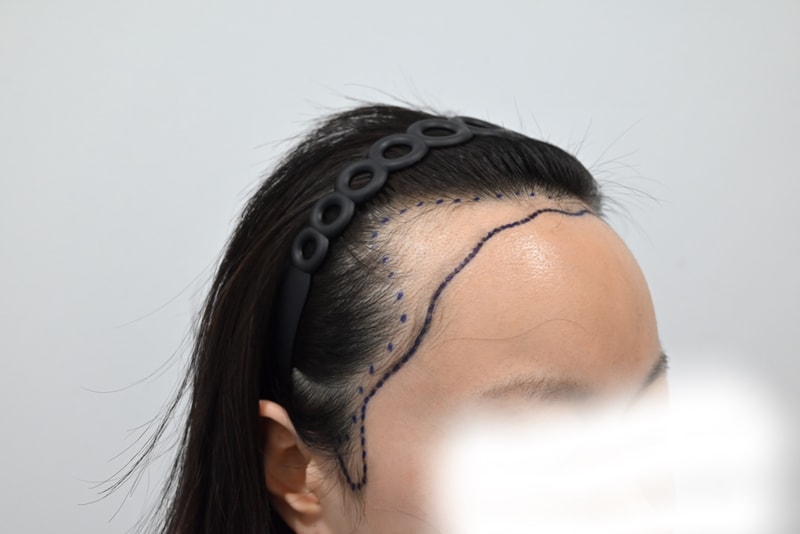
 모엠의원
모엠의원 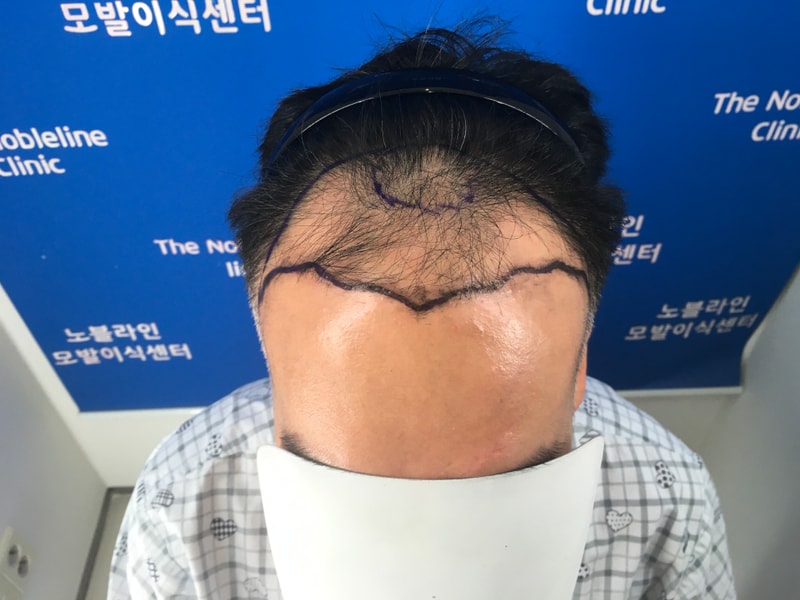
 노블라인의원
 모모의원 대구점
 연세모벨르의원 종로본점
 연세모벨르의원 인천점
 모모성형외과의원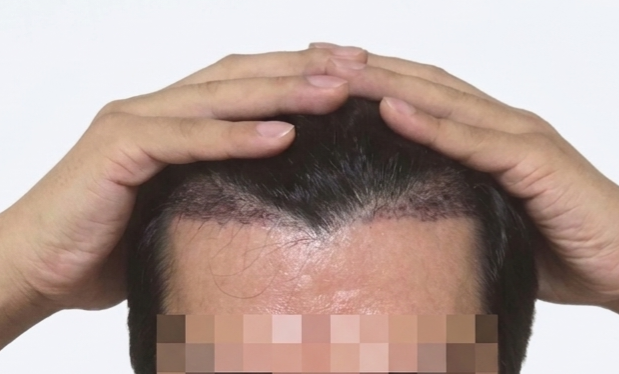
 인천 마이모 모발이식의원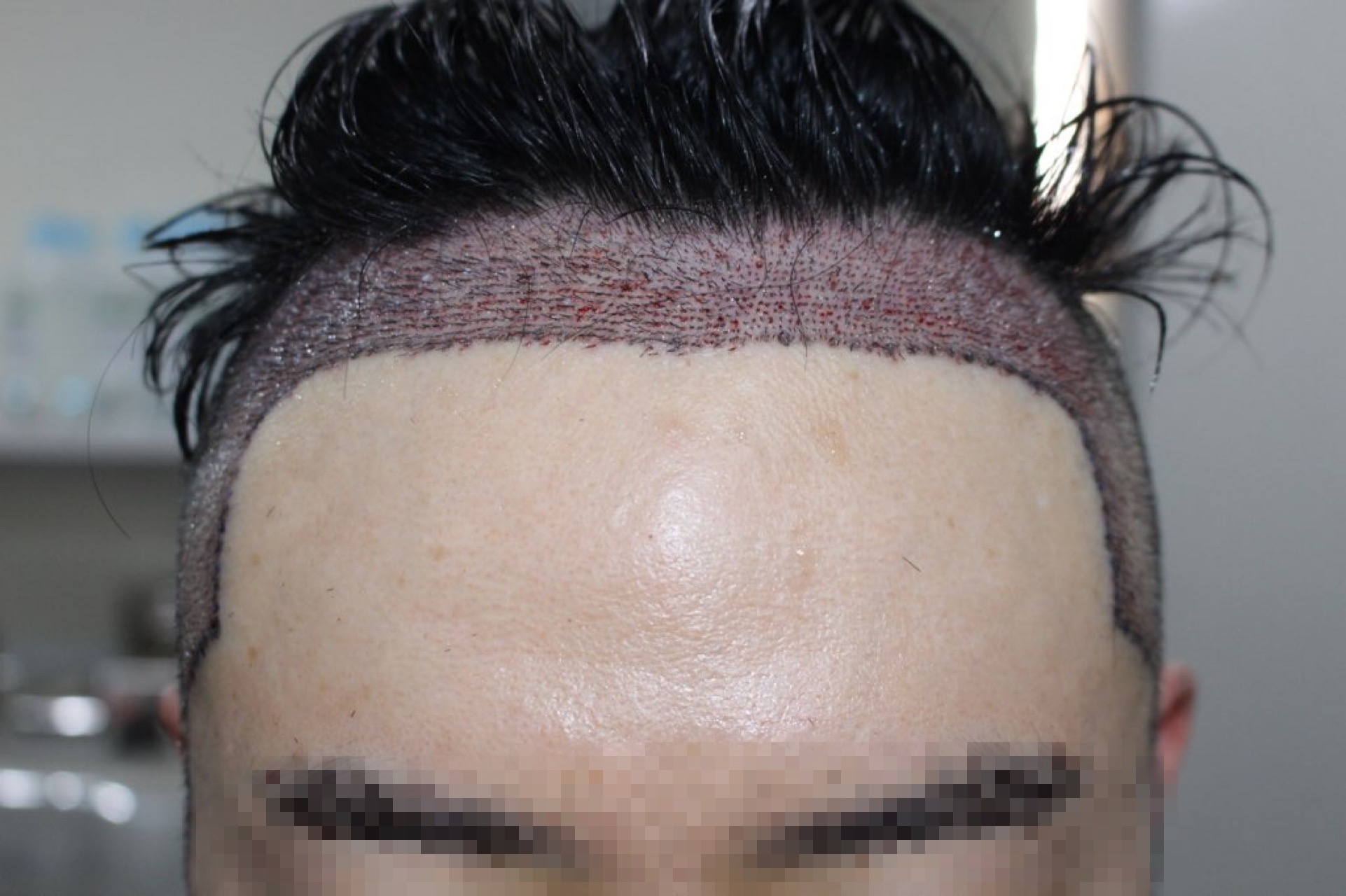
 모다올의원
모다올의원 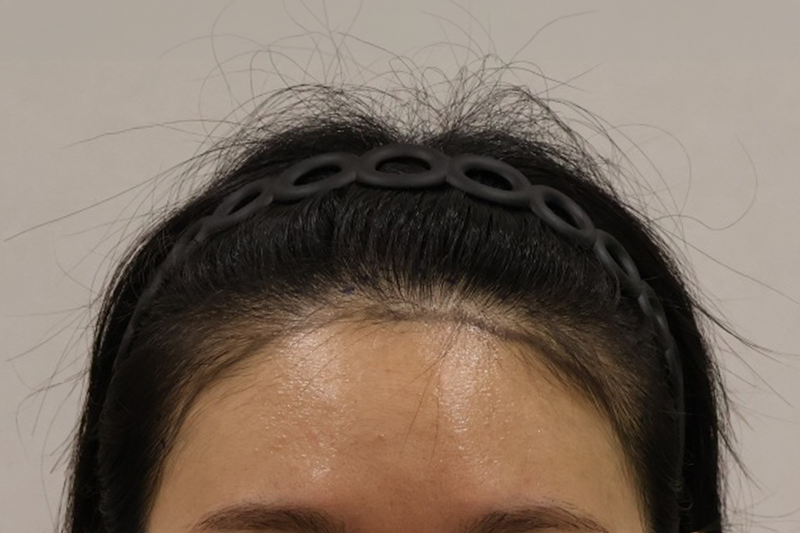
 헤어로의원 청주점
 모재성모발이식센터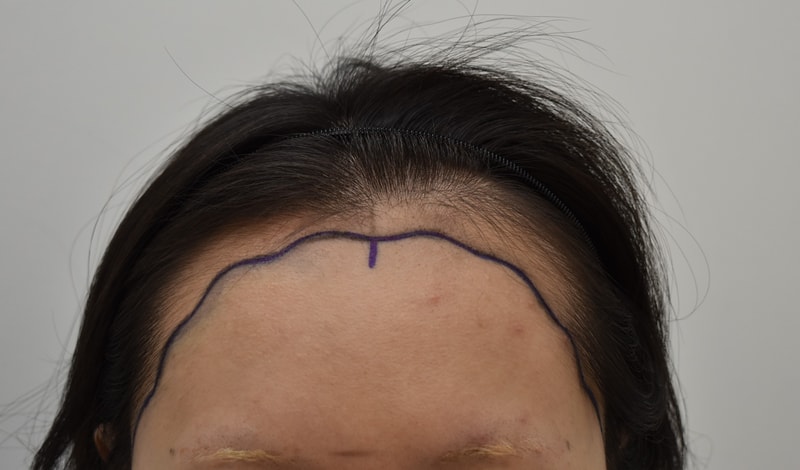
 모바른의원
모바른의원 
 모제림성형외과의원
 모디헤어플란트의원
 자라다의원
자라다의원 
 모우다의원
모우다의원 
 바람부는날에도 성형외과의원
 모먼트의원
모먼트의원 
 다나성형외과
 글로웰의원
글로웰의원 
 모션모발이식의원
 모아만의원
모아만의원 



☞ 본 게시판에서 모발이식 수술 후기는 신고 바랍니다. (삭제 및 탈퇴)
댓글 5