>
>
> 원래는 제가 첫번째 쓴글 악플 답변안하려고 했는데..
>
> 귀찮다고 마는건 사람됨됨이가 아닌거 같아 새로 글씁니다.
>
> 해외 모발이식 반대사이트에도 들어가보고..
> 미국의학논문을 검색해보았습니다.
> (세계적으로 인정받은 모든 의학논문을 디지털화한겁니다. 보통 지식이 없으신분들은 접속과 검색이 거의 불가능하다 할수 있죠)
>
> 억측으로 반박하지 마십시오..
> 반박하려면 생각이아니라 과학적지식으로 논리적으로 반박하시기바랍니다..
>
> 1. hair graft에 관한 학문적으로 인정된 2000년대의 대부분의 논문이 아시아쪽에서 나오고 있습니다.
>
> 2. 국내의 시술방법은 모발이식의 최신가이드라인을 정확하게 지키고 있습니다.
>
> 3. 알바생?들은 우리나라에만 있는게 아닙니다.
>
> 첫번째, 90년대까지 논문들은 대부분 비아시아계에서 나온것이나. 요즘은 아시아계열이 많네요.. (여전히 임상논문아닌 유전자 실험, 복제 등은 서구쪽 논문이 월등함)
> 이는 실제 시술과도 연관이 있습니다.
> 우리나라의 성형외과 수술이 해외에서 얼마나 놀라움을 금치못하게 하는지.
> 어떻게 이렇게 해외에서 거의 하지도 라식수술을 이렇게 많이 할수 있게됐는지. 생각해 보십시오.
> 더군다나 이탈리아계열은 나이먹으면 대부분 머리가 빠지기 때문에 대머리에 대해 그렇게 민감하게 받아들이지 않는 경향이 있다 합니다. 서구인들도 마찬가지로 여겨집니다. 동양인은 상대적으로 빠지는 사람이 적다고 하니..
> 제가 하려는 말 아시겠죠?
>
>
> fue 시술법- 이렇게 모발이식카테고리에서 검색해 보십시오.
> 논문에서 검색이 안되어, 대다모에서 찾아보니 시술법이 나와있던데...
> 지금하는 뒷머리 절개법이 개발되기 전 펀칭해서 이식편을 떼어내는 방법과 유사하다는 말만하겠습니다. 자세한 내용은 글을 참조하십시요.
>
> 그리고 저 fue논문은 논문검색에 등제되어 있지 않은 논문이며, feller라는 이름으로 인정받은 hair 에 관한 논문은 하나도 없음을 알려드립니다.
>
>
> 두번째 . 현재 우리나라에서 시술하는 방식은 뒤떨어지거나, 혹은 너무 실험정신을 가지고 하는 방법이 아닌 표준이라고 할수 있습니다. 여러 논문에서 말한 주의사항, 절차 등을 지키고 있습니다.
> 짧은 지식을 가지고 micrograft에서 식모기를 사용하거나 사용하지 않은 차이점을 찾을 수는 없었으나. 여러단점을 가지고 있는 절개법이 최신시술법임은 맞습니다.
>
> 다음은 3개의 논문초록입니다. 읽어보시면 도움이 됩니다.
>
> Survival rate according to grafted density of Korean one-hair follicular units with a hair transplant implanter: Experience with four patients.Lee W, Lee S, Na G, Kim D, Kim M, Kim J.
> Department of Dermatology and Immunology, Kyungpook National University School of Medicine, Daegu, Korea.
>
> BACKGROUND: The survival rate of grafted hairs in hair transplantation has been frequently discussed by many hair-transplant surgeons. Several factors, including skill of doctors and assistants and the amount of perifollicular connective tissue, are suggested to have predictive values in foretelling the eventual quantity of hair growth. OBJECTIVE: The purpose of this study is to determine survival rate according to density of Korean one-hair follicular units grafted with a KNU implanter. METHODS: We designed four templates of 1 cm2 made by tattooing two templates on each side of empty frontoparietal recesses in four Korean patients with male pattern alopecia (beyond Norwood-Hamilton-Type IIIa). One-hair follicular units were prepared from occiput and we grafted 20, 30, 40, and 50 one-hair follicular units using a KNU implanter on each template, respectively, and counted the number of surviving hairs after 10 months. RESULTS: The survival rate of 20 and 30 grafts per template was higher than that of 40 and 50 grafts. CONCLUSION: We think that 30 one-hair follicular units grafted with a KNU implanter is the proper density for better survival in Korean hair transplantation, and repeated sessions will be necessary for a better final result. However, we need further evaluation with a larger number of participants to overcome the small sample size and limitation of one-hair follicular unit grafts. The authors have indicated no significant interest with commercial supporters
>
> -----------------------------------------------------------------------------------------
>
> The distribution of follicular units in the Chinese scalp: implications for reconstruction of natural-appearing hairlines in Orientals.Tsai RY, Lee SH, Chan HL.
> Department of Dermatology and Skin Laser Center, Taipei Municipal Wan Fang Hospital, Taipei Medical University, Taiwan.
>
> BACKGROUND: Follicular transplantation using hair in its naturally occurring groups, called follicular units (FUs), has become the most popular technique in hair restoration surgery. Recently follicular transplantation was performed with a qualitative and quantitative concept to achieve the best clinical result. The characteristics and distribution of FUs are well studied in Caucasians and widely applied in hair transplantation surgery. OBJECTIVE: In order to understand the normal distribution of FUs in the Chinese scalp, we counted the number of hairs and FUs in normal Chinese scalp to provide general information for surgical planning and design in bald Chinese patients. METHODS: A total of 50 normal and 50 bald Chinese adults were enrolled to count the hairs on their scalp. One hundred bald patients receiving hairline reconstruction were also prospectively quantitatively evaluated. RESULTS: In normal Chinese scalp, an average 71.78 FUs/cm(2) and 137.08 hairs/cm(2) were calculated with a follicular density of 1.91 hairs/FU. Two-hair FUs are the predominate group (50.29%). In bald patients, an average of 68.07 FUs/cm(2) was found, which was less than that of the occipital scalp in normal nonbald patients. In reconstruction of the frontal hairline, a total of 700-1000 FUs were implanted with an average density of 30 FUs/cm(2). CONCLUSION: We found the average number of FUs (0.72 FU/mm(2)) was less than that in Caucasian patients (1 FU/mm(2)). The average density of 30 FUs/cm(2) implanted was suitable to reconstruct a natural frontal hairline in bald Chinese patients, which can achieve about 40% of normal hair density. Our results could provide the hair surgeon with general information about hair distribution on the Chinese scalp for surgical planning and design in their patients
> ------------------------------------------------------------------
>
>
> Evaluation of survival rate after follicular unit transplantation using the KNU implanter.Lee SJ, Lee HJ, Hwang SJ, Kim DW, Jun JB, Chung SL, Kim JC.
> Departments of Dermatology and Immunology, Kyungpook National University School of Medicine, Taegu, Korea.
>
> BACKGROUND: Many hair transplant surgeons have advocated the use of micrograft megasessions for the purpose of a more natural looking end result, especially in the Oriental with higher skin/hair color contrast and darker, coarse, straight hairs. But it also has some fundamental limitations. Most important are a low graft yield and a low density after transplantation. There are several reports about the survival rate of micrografts in Caucasians, though the results are variable, but few reports about the survival rate and fate of micrografts in Orientals. OBJECTIVE: To compare the survival rate of one-hair follicular units with that of two-hair follicular units using the KNU implanter, to ascertain the average survival rate of micrografts (one- and two-hair follicular units), and to evaluate the fate of grafted hair according to time. METHODS: Two templates of 1.5 cm2 were made by tattooing on both sides of the frontoparietal recess areas in 11 patients with male pattern baldness (beyond Norwood type IIIa). The authors planted one-hair unit micrografts in the left template and two-hair unit micrografts in the right template, which were prepared by the concept of follicular unit, and counted the surviving number of follicular units at 1 and 3 months and total hairs at 6 and 12 months after transplantation. RESULTS: The mean survival rate by the number of follicular units was 47.3 and 57.4% at 1 and 3 months after transplantation, respectively. The mean survival rate by the total number of hairs was 92.0 and 90.4% at 6 and 12 months after transplantation, respectively. CONCLUSION: About 50% of the transplanted hairs fell out in 1 month, but at 6 months the survival rate of follicular unit transplantation using the KNU implanter showed a good result (92%), and there were no significant differences in the mean survival rate of follicular unit and total hairs between one-hair and two-hair units at 1, 3, 6, and 12 months after transplantation.
>
> 음.. 멋진 내용입니다. ^^;
>
> 식모기를 써도 생착률은 90% 입니다.
> 식모기를 썻을때 1cm2 당 30모가 가장 적합하고 2차를 하는게 옳습니다.
> 동양인과 코카시언(서양인)인과는 다른점이 많으니 주의해야 한다는 말입니다.
>
> 관건은 어떻게 어떤 머리를 건강하고 후유증 적게 채취하느냐 입니다.
>
> 세번째, 누군가는 열심히 말하고, 또다른 누구는 회방 놓고,
> 해외사이트에서도 말하는 바는 이곳과 다를바 없습니다.
>
> 저질의사와 딜러
>
> 해외사이트에서는 딜러에 더 큰 무게를 두던데..
> 대다모도 예전에는 ip가 떳던걸로 기억하는데...
> 딜러도 밥벌이로 하는 것이니.... 휴..
> 일주일만 있으면 제글도 뒤로 밀려 언제그랬냐는 듯이 활게치겠죠?
> 이글을 읽은 몇몇 사람들이라도
> 맘편했으면 하네요..
>
> 제가 글내용에 자세한 코멘트를 안하고
> 사실만을 나열하려고 한이유는
> 원래 알바들 악플달때, 할말없으면.. 짜잘한거 잡아서 물고 넘어가잖아요..
> 있는 사실만을 나열했으니..
> 글이 이해하기 힘들더라도 차분히 읽어주세요
>
>
> ps 요건 검색어
> 해외 국내 가격 보자르 탑 라할 알마니 사진 결과 수술
>
> 질문답변
> 머리카락 먹은건 고등학교 때랍니다.
> 제가 간병원은 쪽지 답변 안드려요... 그냥 전문병원가세요.. 착한샘찾아서
>
흥분 가라 앉히세요 해석요약해 드립니다
맨먼저 ------------------------- <ㅡㅡㅡㅡㅡㅡ 나누뉘어지는 부분입니다
한국 대구 경북대학교에서 4 명에 환자 를 수술해서 생착률을 보는 겁니다
식모기를 사용해서 수술해서 경과를 지켜본 결과 40 50 대 보다 20 .30 대가 더 생착률이 좋다네요 그리고 이 퓨스로 1cm2 당 30 모가 평균이라네요
ㅡㅡㅡㅡㅡㅡㅡㅡㅡㅡㅡㅡㅡㅡㅡㅡㅡㅡㅡㅡㅡㅡㅡㅡㅡㅡㅡㅡㅡㅡㅡㅡㅡㅡㅡㅡㅡㅡㅡㅡ
대만 완팡 병원 에서 짱개가 수술을 받았는대 헤어라인이 자연스럽게 나왔다네요
짱개 대머리들 100명을 마루타 처럼 시험을 해봤는대여
역시 퓨스 1cm2 당 30 으로 했을대 적당하고 헤어라인도 자연스럽게 나왔다네요
더러븐 짱개들 ㅋㅋ
ㅡㅡㅡㅡㅡㅡㅡㅡㅡㅡㅡㅡㅡㅡㅡㅡㅡㅡㅡㅡㅡㅡㅡㅡㅡㅡㅡㅡㅡㅡㅡㅡㅡㅡㅡㅡㅡㅡㅡ
다시 경북대 로 돌아와서..
식모기를 사용해서 모발이식한 한국사람들을 1월 부터 12 월달까지 어떻해 진행돼나 지켜봤대요 그래서 1달정도 됐을대 이식한 머리들이 다 빠진대요 그러나 6개월정도 됐을대 이식한머리털이 92퍼센트까지 살아난대용 ...
아고 귀찮아서 대충했답니다
결론 의대생님아 모 님이 말한 멋진내용은 없는것으로 사료돼오이다
다 우리가 알고있는내용
근대정말 이논문이 사실이라면 모.,. 괜찮네여
근대 1cm2 30 모는 좀 정말 너무하다는생각이 크으...
내가 해석했으니 모라할수도 없거 에잉~~





 K4993236009
 로또맘911
 K4983758792
 모앤블레스모발이식
 인천 맘모스헤어라인의원
 모다올의원
모다올의원 
 모우림의원
모우림의원 
 포헤어 비절개모발이식센터
 광주 압구정모비앙의원
 모프로의원
모프로의원 
 모든모의원
모든모의원 
 뉴헤어모발성형외과의원
 부산 맘모스헤어라인의원
 압구정 맘모스헤어라인의원
 모바른의원
모바른의원 
 모재성모발이식센터
 모나라피부과의원
 모모성형외과의원
 헤어로의원 대구점
 모더함의원 모발이식센터
 연세모벨르의원 인천점
 용닥터의원
용닥터의원 
 노블라인의원
 헤어로의원 부산점
 한나이브모발이식센터
 모원성형외과의원
 부산 그로우의원
 모모의원 대구점
 모모의원 수원점
 연세모벨르의원 종로본점
 모모의원 부산점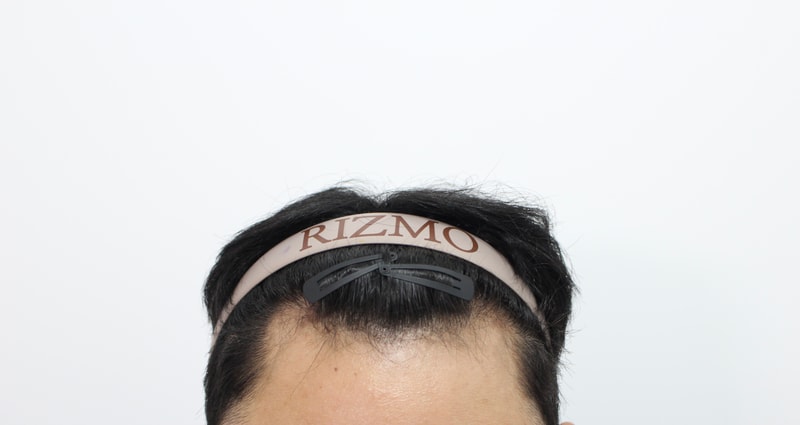
 부산 리즈모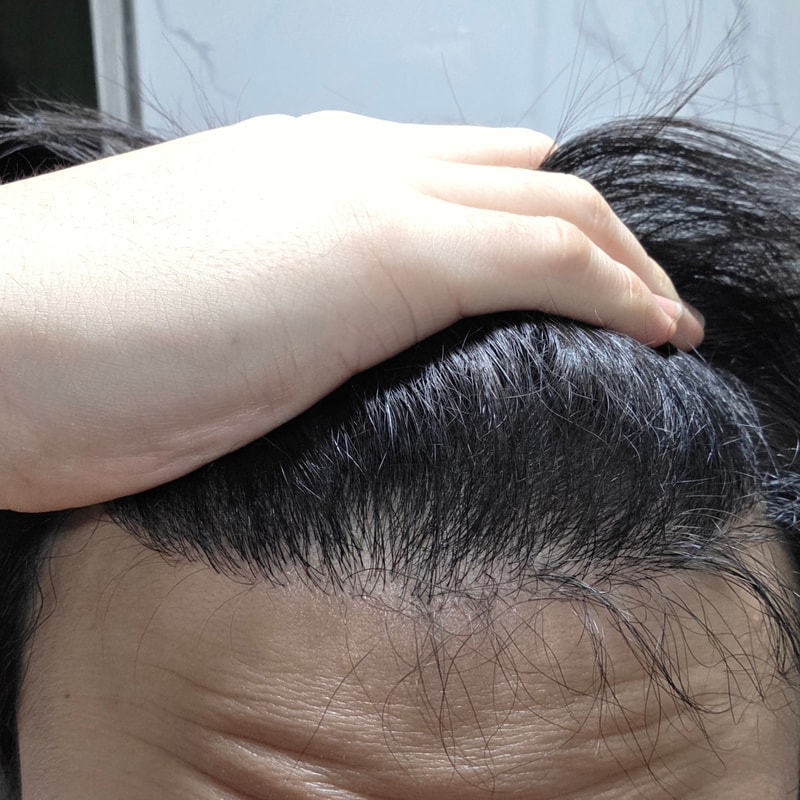
 인천 마이모 모발이식의원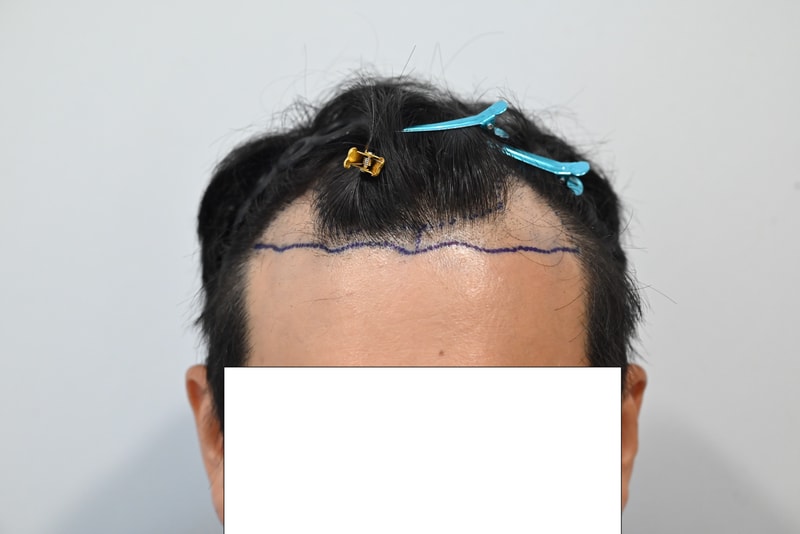
 모엠의원
모엠의원 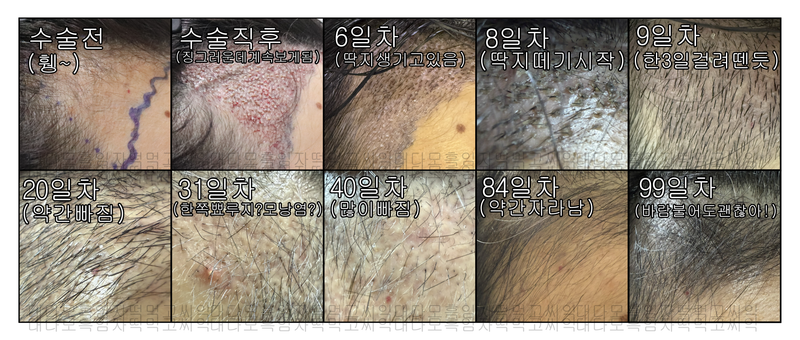
 다나성형외과
 모우다의원
모우다의원 
 모디헤어플란트의원
 움찬의원
움찬의원 
 모아트의원
모아트의원 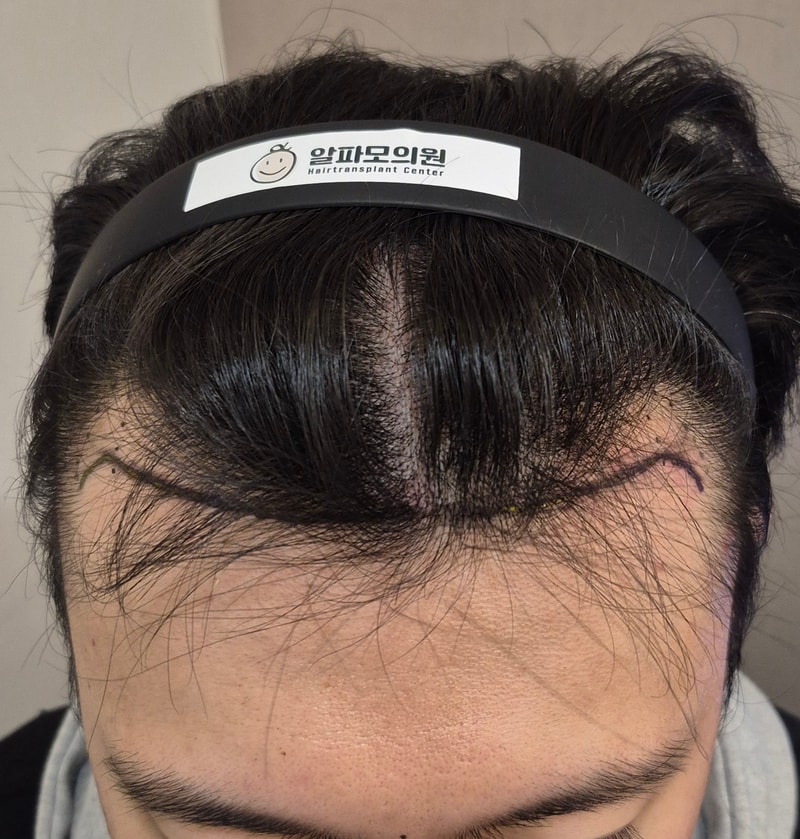
 알파모의원
알파모의원 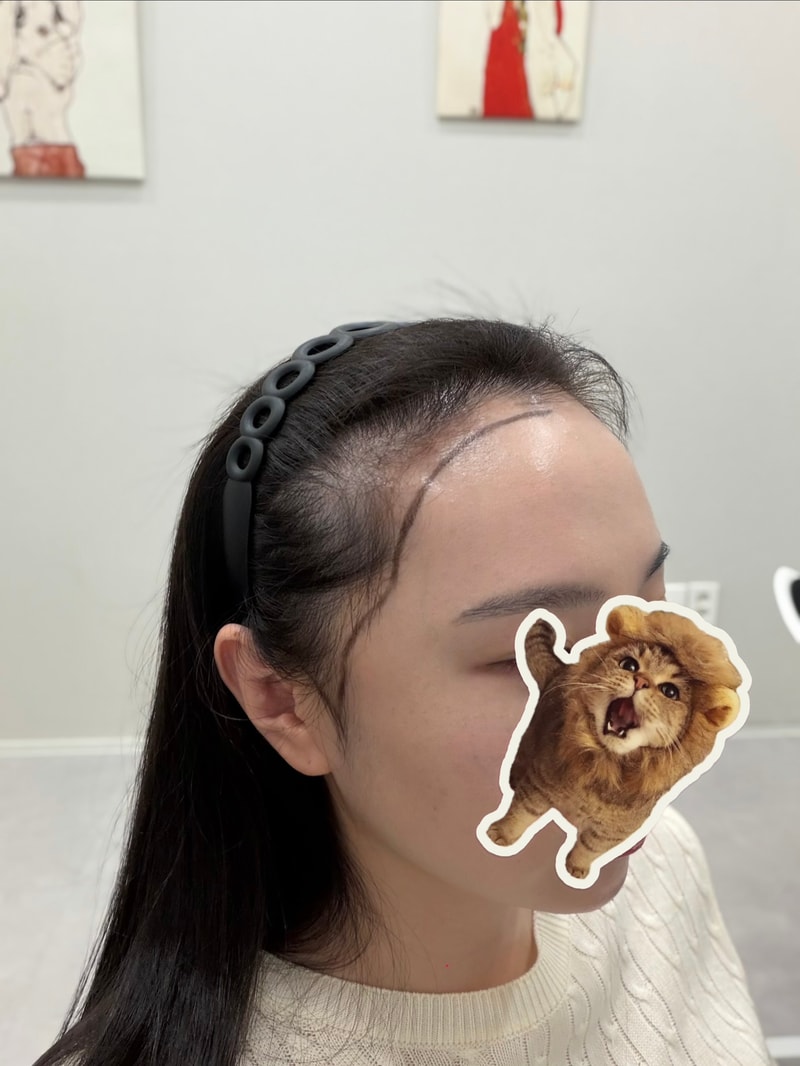
 헤어로의원 동탄점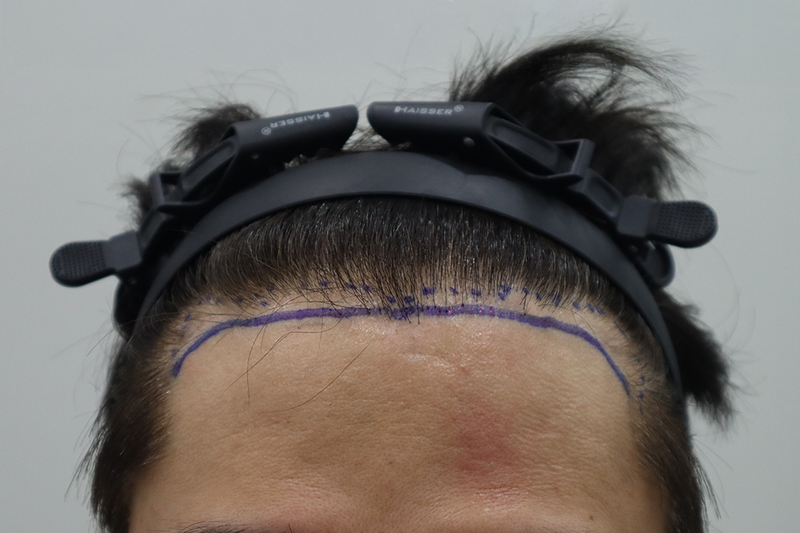
 헤어로의원 전주점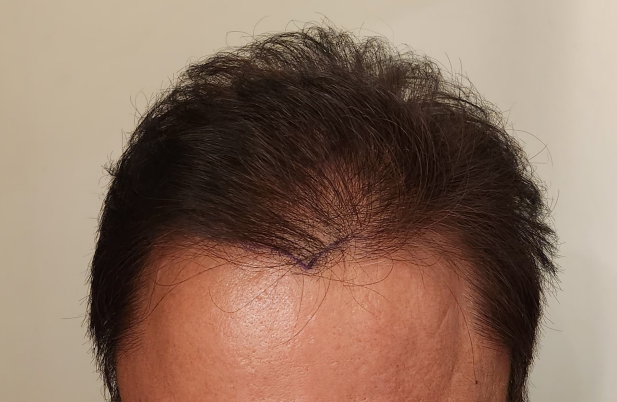
 연세모벨르의원 대구점
 JP성형외과
 바람부는날에도 성형외과의원
 글로웰의원
글로웰의원 
 모제림성형외과의원
 모먼트의원
모먼트의원 
 모션모발이식의원
 모아만의원
모아만의원 



- A vs B 병원을 비교 평가, 추천 문의나 복수 병원을 비교평가한 답변은 내용과 상관없이 광고로 간주하여 무통보 삭제됩니다.
- 게시자가 의도하지 않았으나 병원에 간접적인 홍보이익이 발생하는 게시글은 무통보 삭제 처리됩니다.
댓글 2