프페복용 중 일부의 사람은 이에 대한 거부감이 있긴 할 겁니다... 허나 님이 제시한 부작용에 대한 근거는 무엇인지가 궁금하군요...약간의 피로(70%),성욕감퇴,조루,발기부전(10%),엄청난 쉐딩(30%)는 어디서 발표한건지 모르겠습니다... 이의 자료를 알려주었으면 고맙겠습니다...
제가 알아본 자료는 부작용문제는 별 유의할 만한 내용은 없었습니다.오히려 과연 계속적으로 프페가 우리의 목적인 탈모방지와 발모의 기대를 충족시켜 줄 것인가입니다...
다음은 2001년 3월 15일에 미국피부학회모임에서 과학자들이 '5년간 프로페시아를 사용한 사람들에 대한 조사결과'로 발표한 내용입니다. (내용 중 그래프는 제외하였습니다. 그리고 이에 대한 해석을 달면 너무 방대해지기에 생략함을 양지하여 주시기 바랍니다.)
이의 내용은
http://www.hairlosshelp.com/html/Propecia5yrstudy.cfm 를 보시면 됩니다.
Propecia 5 year study results released
March 15, 2001 - Scientists released the long awaited results of the Propecia 5-year user studies at the 59th Annual American Academy of Dermatology meeting in Washington DC last week.
The results showed that while Propecia did continue to prevent hair loss, there was a progressive decrease in the amount of hair grown over the 5-year period. According to one of the presenters Dr Elise Olson, the overall hair counts and percentage of responders continued to decline in the 4th and 5th years of treatment just as they did in the 2nd and 3rd years. The decrease in responders and hair counts were relatively small with the most significant decrease happening in the 2nd year where the amount of hairs grown decreased from 90 to 80 above baseline. After the 5th year the amount of hair counts above baseline was 40.
However the news is not all bad. The responders were still ahead of the game with respect to the people who were getting the placebo. If you were a good responder to Propecia, after 5 years of taking it you would still have 40 hairs more than you had when you started out. In contrast a person who was not on Propecia lost a considerable amount of hair, on average 220 less than they had started out with. So that would mean that you would have 260 more hairs than you would have had if you didn't use Propecia, i.e. 220 that did not fall out, and an additional 40 new hairs.
According to the study in the first year hair counts in responders increased by an average of over 90 hairs per square inch. By the 2nd year, the count dropped back to about 80 above baseline, then around 60 above baseline by year 3, 50 above baseline by year 4, and just over 40 hairs per square inch above baseline by year 5, showing that average hair counts rose dramatically in the first year but dropped by 50% at the end of the 5th year. (See graph below)
In contrast though, the placebo users fared a lot worse. They lost about 30 hairs per square inch during the first year, then close to 80 by the 2nd year, over 100 by the 3rd year, and over 160 by the 4th year. By the time they reach the 5th year, the placebo users have lost an average of over 220 hairs per square inch below their baseline amounts, ie what they had started out with.
According to Dr Richard Lee, operator of the Regrowth hair clinic in Los Angeles who has been prescribing Finasteride (Propecia) to thousands of patients of over many years:
"The conclusions from the 5-Year Follow-Up Study on Propecia were not unexpected. The major points are (1) patients who were positive responders continued to decline after the first year of use and (2) the overall hair counts of patients continuing on Propecia also continued to decline after the first year of use. However, comparison to a control group, on placebo for the same 5 years, proved that taking Propecia definitely helped to improve or maintain the hair on the scalp.
Although we have gained a lot of knowledge about alopecia androgenetica (more commonly referred to as male pattern baldness [MPB]) in the past two decades, there are still volumes of which we are ignorant. Undoubtedly, decreasing the DHT levels in the scalp is beneficial in treating MPB, but decreasing DHT alone is obviously not going to be the solution to MPB. Whereas, we are all eagerly anticipating the availability of dutasteride as a medication that has a dual inhibiting effect on the 5-alpha reductase enzymes, there are still reservations in regards to its effectiveness and/or safety. I theorize that these reservations would be true of any drug that would totally prevent the synthesis of DHT in the body. "
On a more positive note it seems that the better the responder you are, the better your long-term results will be. According to photographic assessments, the drop in hair counts are largely due to the people who received the least benefit from Propecia in the first place. Some of the people who did not see a change but maintained their hair through the first few years or who showed slight improvement started showing some decrease in growth. Those who showed moderate or great improvement maintained their results.
No Propecia user had their hair counts decrease greatly compared to about 19% of placebo users. Only a small percentage (3%) of Propecia users showed a moderate decrease in hair compared to 31% of placebo users, and 7% of patients showed a slight decrease in hair compared to 25% of placebo users. Forty-two percent of Propecia users showed no change in their hair compared to 19% of placebo users, 22% showed a slight increase in hair compared to 6% of placebo users, 21% had a moderate increase in hair compared to no placebo users, and strangely enough, 5% who were the best responders showed a great increase in hair which was as much as the previous years.
In terms of sexual side effects in year 1, 3.8% of patients experienced drug related sexual side effects compared to 2.1% of placebo users. 1.8% of Propecia users had a decrease in libido, 1.3% showed erectile dysfunction, and 1.2% had ejaculation disorder. This compares to 1.3% of placebo users having a libido decrease, 0.7% with erectile dysfunction, and 0.7% of placebo users with ejaculation disorder. This decreased in successive years until in year 5 only 0.6% of Propecia users had sexual side effects including 0.3% with libido decrease, 0.3% with erectile dysfunction, and none with ejaculation disorder. No placebo users showed sexual side effects after 5 years, however only a small percent (23 of the original 934) of theplacebo group were still on placebo and in the studies after 5 years.
However according to Dr Lee the data may not tell the whole story:
"I have never agreed with Merck's report of the incidence of side effects due to initial Propecia use. My experience with finasteride is that the percentage of patients with side effects of decreased libido, erectile dysfunction and/or ejaculatory disorder is approximately 5 or 6 times higher than the 3.8% that Merck reports. Initially, Merck claimed that the incidence of side effects was less than 2%. Since assessing 'decreased libido' is of such a subjective nature, I have repeatedly asked for a copy of Merck's original clinical trials. On each occasion, I've been denied a copy of that study. It is not surprising that the incidence of side effects declined dramatically in the fifth year of use. Patients who did have sexual side effects simply wouldn't tolerate those side effects for five years. With this in mind, the report of 0.6% of Propecia users having sexual side effects after five years of use sounds incorrect and misleading.
So the conclusion is clear from the 5-year results. For those people using Propecia who do respond positively, Propecia will at best grow some more hairs, and at worse maintain your existing hair with minimal hair growth. This makes more of a case for using a multi-agent treatment program to maximize the possible results. There is no doubt that the results would have been a lot better had the participants been using Rogaine in addition to Propecia.
The final words come from Dr Lee, "I will continue to recommend and prescribe Propecia, because I think that Propecia is a safe and effective treatment for MPB. It is gratifying to have the results of the 5-year Propecia study because it gives us additional information in regards to its effectiveness as well to some of its limitations. "
약 1년차에 이 약의 효과가 극대화되고 해가 갈수록 이의 효과가 약해지는 결론이네요. 앞으로 나오는 추가적 조사결과에 주목합니다....
이 조사결과는 안타깝지만 우리가 생각한 만큼의 기대결과는 아니었습니다. 하지만 이의 비사용자와 비교하면 분명히 더 나은 결과(평방인치당 260개의 머리카락 유지효과)이긴합니다.그리고 프페단독치료에 대한 결과이기 때문에 미녹, 자연요법 등의 병행치료방법을 쓴 사람에게는 달리 나타날 확률이 큽니다...또한 부작용 문제는 아직까지는 크게 유의할만한 내용은 없습니다...만일 큰 부작용이 있다면 대머리가 될 지언정 이 약을 복용하면 안되겠지요...머리카락 좀 얻으려다가 더 많은걸 잃을 수는 없는것 아니겠어요?^^
이의 결과를 보면 역시나 프로페시아는 탈모의 근원적 치료제가 아닌 것만은 확실합니다..하지만 지금에 있어서 우리가 구할 수 있는 약 중에 이보다 더 믿을만하고 안전한 약은 찾기 어렵다는 겁니다.
보다 나은 치료제가 나올 것을 기대하며......... ~~~ 화이팅 ~~~
>나자신도 프페를 복용하다가 끊었다...
>프페의 복용은 언발에 오줌누기..아랫돌빼서 위돌막기식이다..
>지금당장 탈모를 지연시킬지는 몰라도 언젠가는 우수수 빠져 버린다..
>복용하기 전보다 더 악화된다고 한다.
>또 복용하면서도 약간의 피로와(70%) 성욕감퇴.조루.발기부전(10%),그리고
>엄청남 쉐딩(30%)을 겪게 된다.. 이게 정녕 의학적으로 탈모에 획기적인
>약이냐? 정말 아니다....
>여러분 우리모두 프페사용을 중단합시다..
>어떤 의사선생님이 말하셨습니다... 프페의 효능 정말 10년 이상은 버틸수 없다고
>그렇게 좋은약은 아니라구요.. 물론 나자신도 탈모지만...
>차라리 자연요법을 하는게 낳을꺼 같아요..
>페페.프카 결코 좋은약은아닙니다..







 탈모용사
탈모용사
 탈모는극복하는것
 앙흥
앙흥
 K4817292865
 K42611233062505142351
 두랩
두랩
 용닥터의원
용닥터의원 
 참닥터모발이식의원
 한나이브모발이식센터
 모모성형외과의원
 헤어로의원 청주점
 모원성형외과의원
 모나라피부과의원
 부산 리즈모
 모재성모발이식센터
 모든모의원
모든모의원 
 모앤블레스모발이식
 모모의원 부산점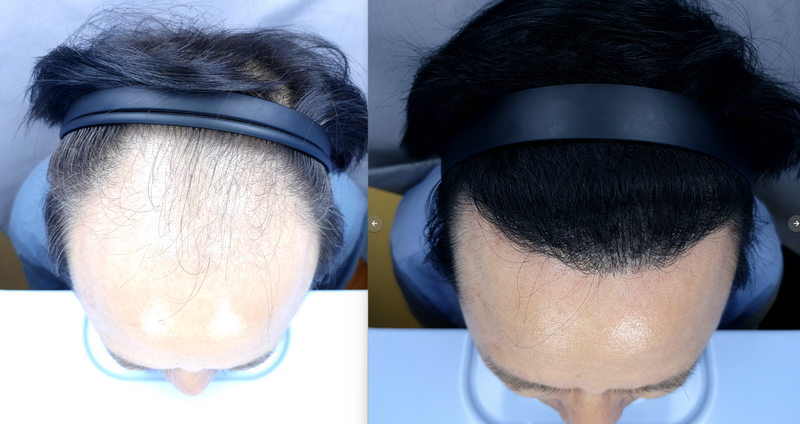
 연세모벨르의원 종로본점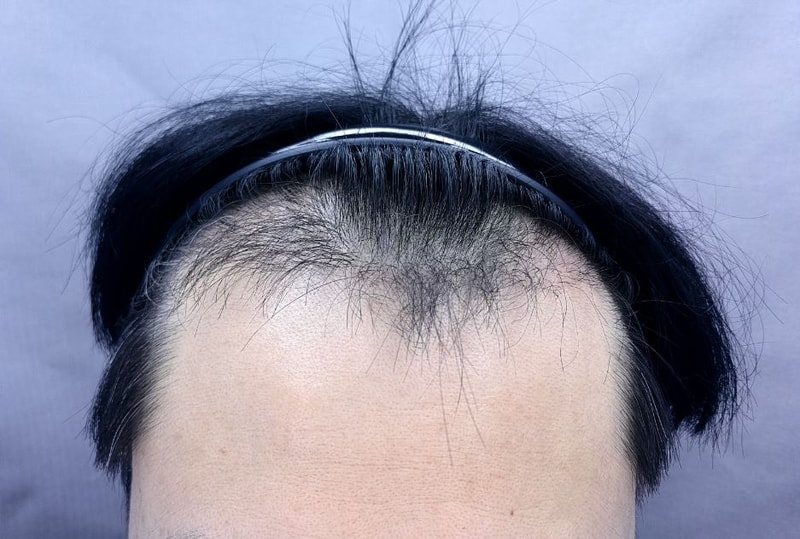
 연세모벨르의원 인천점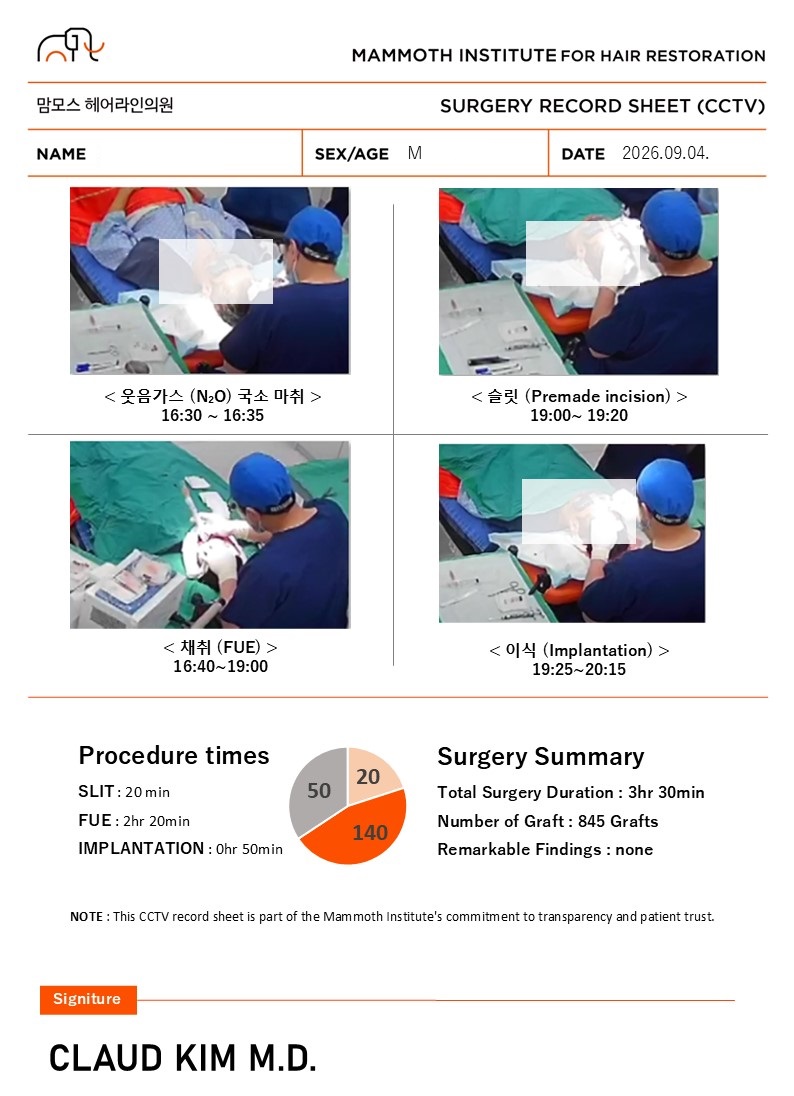
 부산 맘모스헤어라인의원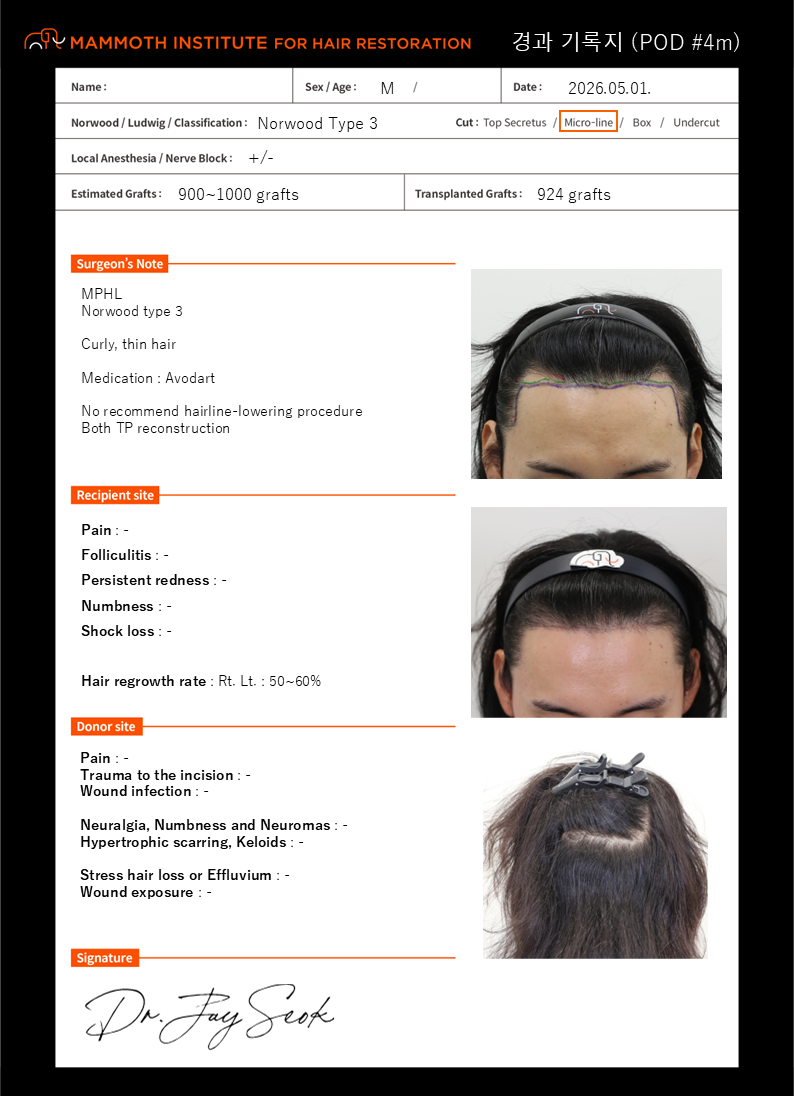
 압구정 맘모스헤어라인의원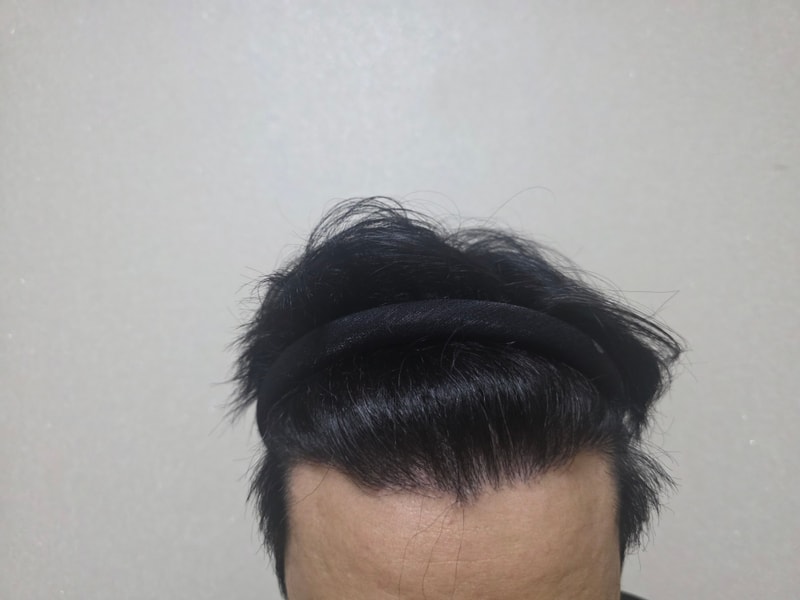
 뉴헤어모발성형외과의원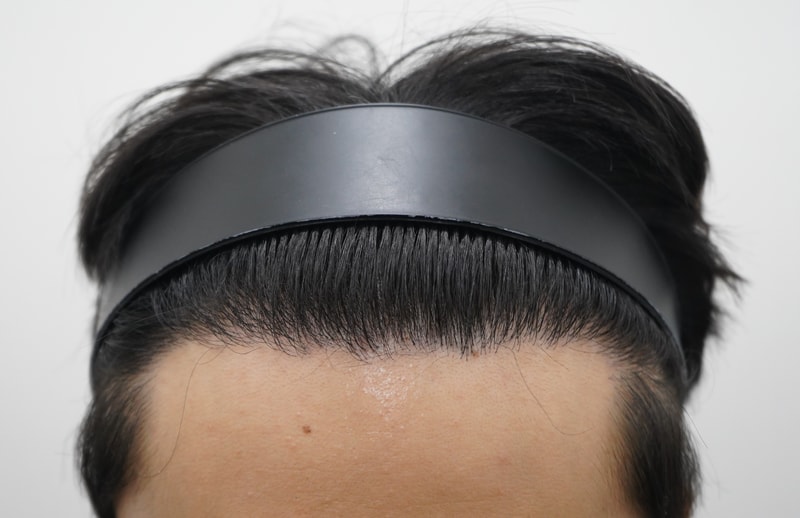
 모아트의원
모아트의원 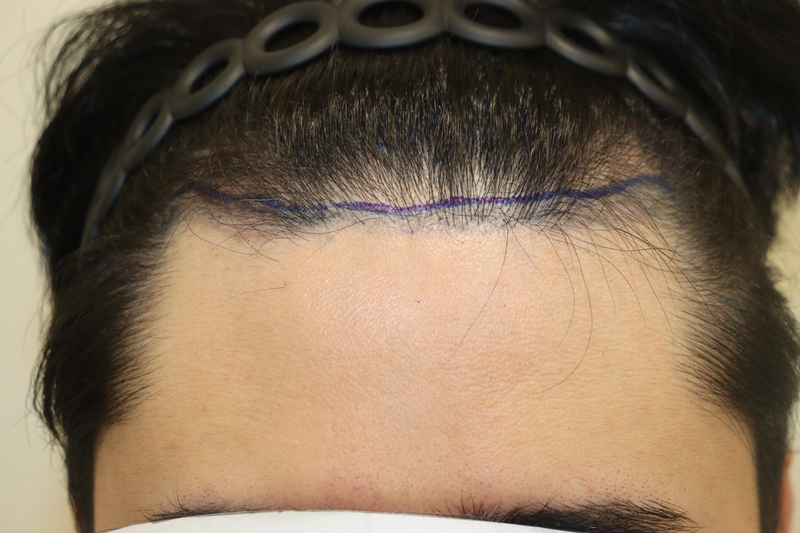
 헤어로의원 대구점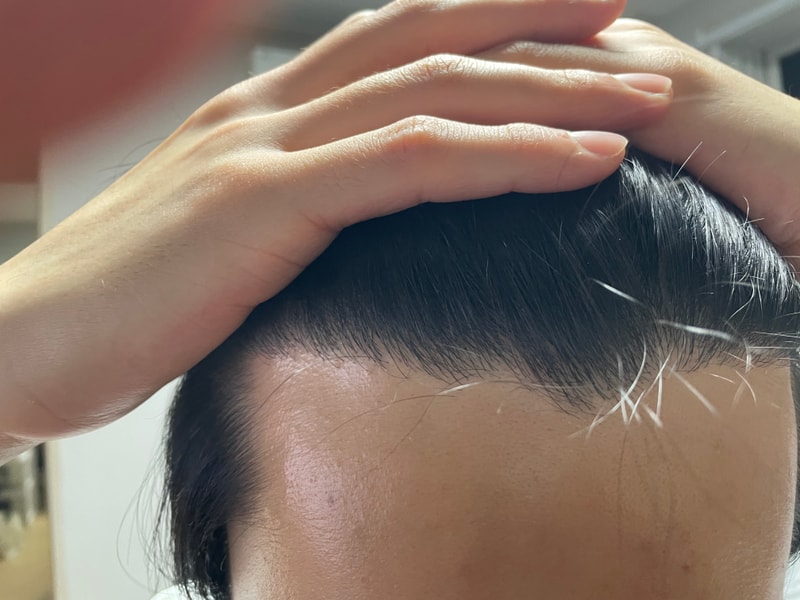
 알파모의원
알파모의원 
 인천 마이모 모발이식의원
 모프로의원
모프로의원 
 인천 맘모스헤어라인의원
 모바른의원
모바른의원 
 모엠의원
모엠의원 
 광주 압구정모비앙의원
 모더함의원 모발이식센터
 모다올의원
모다올의원 
 JP성형외과
 모우림의원
모우림의원 
 노블라인의원
 헤어로의원 동탄점
 모모의원 대구점
 모제림성형외과의원
 헤어로의원 부산점
 헤어로의원 전주점
 모디헤어플란트의원
 자라다의원
자라다의원 
 모우다의원
모우다의원 
 바람부는날에도 성형외과의원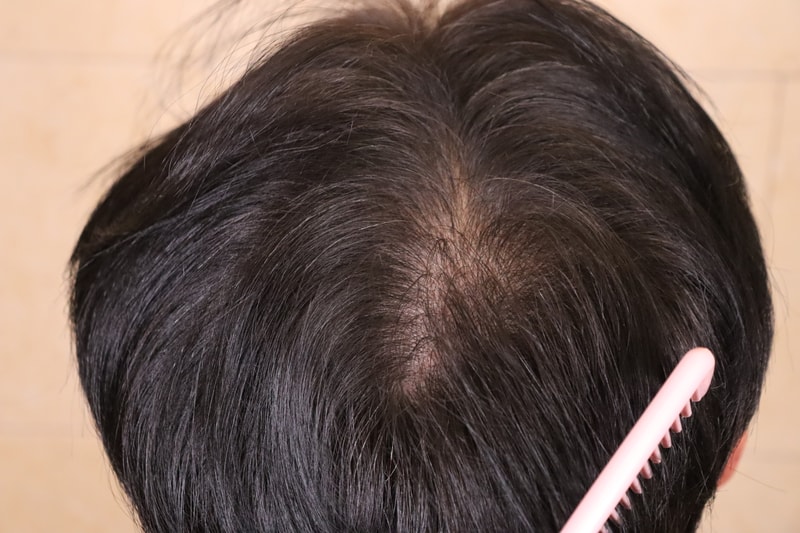
 움찬의원
움찬의원 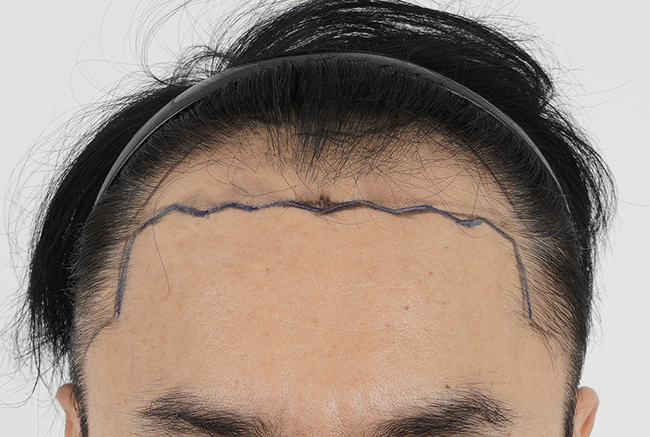
 모모의원 수원점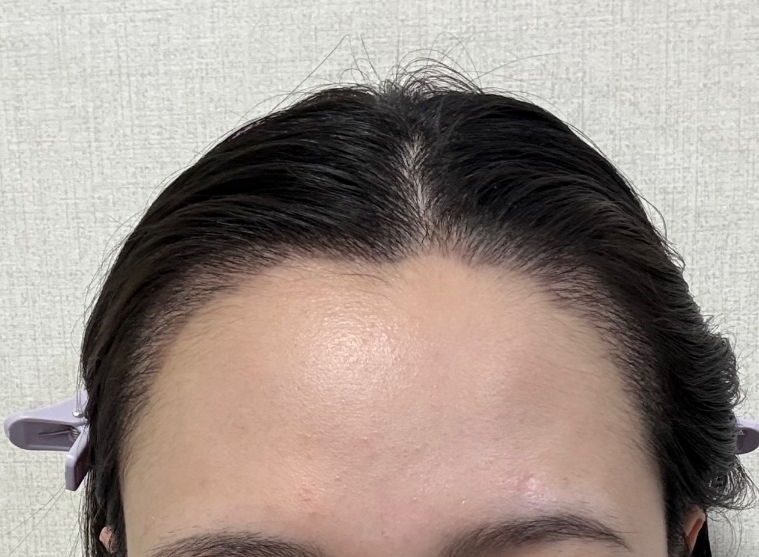
 모먼트의원
모먼트의원 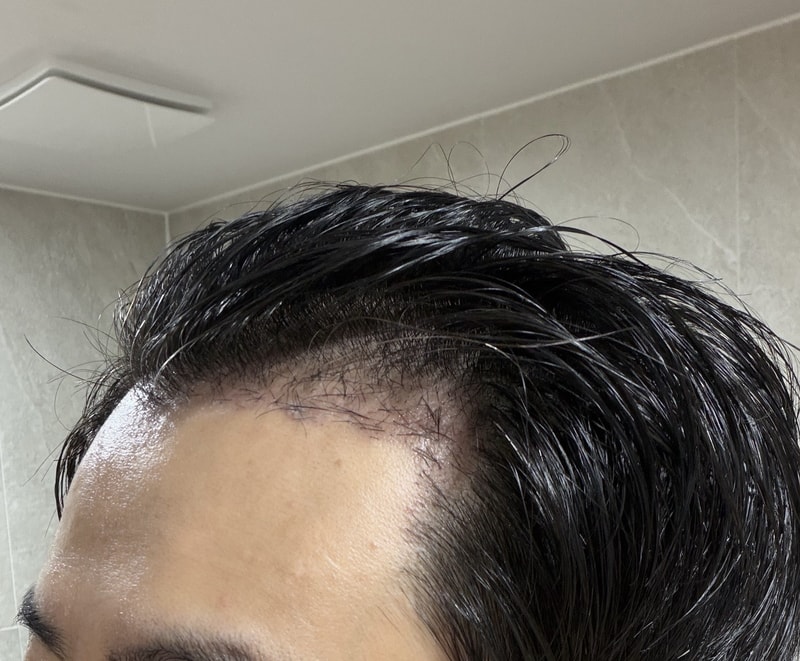
 다나성형외과
 연세모벨르의원 대구점
 글로웰의원
글로웰의원 
 모션모발이식의원
 모아만의원
모아만의원 



댓글