New data evaluating four years of treatment with Avodart?(dutasteride) support long-term efficacy and tolerability in men with BPH
Open-label extension data presented today at the American Urological Association Annual Meeting support long-term use of Avodart in men with symptomatic BPH and enlarged prostates
Chicago, April 29, 2003 - The latest results from clinical studies on Avodart™ (dutasteride) – presented today at the American Urological Association (AUA) Annual Meeting – showed that out to four years of therapy, men taking the drug for symptomatic benign prostatic hyperplasia (BPH, also known as enlarged prostate) had a sustained improvement in urinary symptoms, urinary flow rates and prostate volume reduction. Additionally, long-term treatment resulted in a low incidence of drug-related side effects. The incidence of most drug-related side effects decreased with duration of treatment.
"Physicians now have additional evidence supporting long-term use of Avodart in men with BPH," said Claus Roehrborn, MD, the principal trial investigator, professor and chairman of the Department of Urology at the University of Texas Southwestern Medical Center, Dallas. "Previous data showed the efficacy and tolerability of Avodart at two years. Now, we have additional data confirming that patients treated with Avodart for four years experience enduring symptom improvement and are able to tolerate the drug long term."
The new data presented today at AUA were from two-year open-label extensions of the Phase III clinical trials for Avodart. In its Phase III trials, Avodart 0.5 mg/day (n=2,167) or placebo (n=2,158) was evaluated in male subjects with BPH in three two-year multicenter, placebo-controlled, double-blind studies, each with two-year open-label extensions. Patients in either arm (placebo or Avodart) of the Phase III trials were eligible to receive open-label Avodart after completing the two-year double-blind phase.
Two of these trials were conducted entirely in the U.S. and have been completed. The third trial is ongoing. Of the 2,802 patients originally enrolled in the two U.S. trials, 1,908 patients completed the double-blind, placebo-controlled phase. One thousand five hundred seventy of these patients entered the open label phase.
Seven hundred ninety-two patients from these two trials were treated with Avodart during both the double-blind and open-label phases. Seven hundred seventy-eight patients from these two trials were on placebo during the double-blind phase, then switched to Avodart for the open-label phase.
Selection criteria for the double-blind phase of the Avodart Phase III trials included men aged 50 and above with a serum PSA level between 1.5 and 10 ng/mL, BPH diagnosed by medical history and physician examination, including enlarged prostate (³ 30 cc) by transrectal ultrasound, and BPH symptoms that were moderate to severe according to the American Urological Association Symptom Index (AUA-SI) score.
Patients on Avodart (dutasteride years 0-2 and dutasteride years 2-4) experienced the following improvements at four years compared to baseline:
6.1 point AUA-SI score improvement
26.2 percent prostate volume reduction
2.8mL/sec improvement in maximum urinary flow
Additionally, long-term treatment resulted in a low incidence of drug-related side effects. This incidence decreased with duration of treatment. The incidence of the most frequently observed drug-related side effects during the open-label phase (years 3-4) were: gynecomastia (1.9 percent for year 3; 1 percent for year 4); impotence (1.6 percent for year 3; 0.4 percent for year 4); decreased libido (0.5 percent for year 3; 0 percent for year 4); and ejaculation disorders (0.3 percent for year 3; 0.1 percent for year 4).
"Patients who received Avodart for four years had sustained improvements in symptoms, urinary flow and prostate volume reduction, with a declining incidence of drug-related side effects," said Dr. Roehrborn. "This supports the long-term efficacy and tolerability of Avodart for men with symptomatic BPH and enlarged prostates."
Background: Two-year Double-Blind Phase III Trials
Avodart is the first and only medicine that inhibits both the type 1 and type 2 enzymes responsible for the conversion of testosterone into dihydrotestosterone (DHT) in the prostate and other tissues. In the two-year double-blind phase of its Phase III trials, Avodart decreased levels of DHT by 90 percent after two weeks and by 93 percent at two years. By reducing DHT levels, Avodart reduces the size of an enlarged prostate. In clinical studies, this reduction in prostate volume began as early as one month and continued through the treatment period.
In the two-year double-blind phase of the trials, Avodart was shown to improve urinary symptoms and reduce the risk of acute urinary retention (AUR, the sudden, complete inability to urinate) and the need for BPH-related surgery.
Clinical trials of Avodart showed the medication was generally well-tolerated. Incidence of most drug-related sexual side effects decreased over the course of the study. Incidence of drug-related breast tenderness and breast enlargement remained constant over the treatment period, but was reported in only a small percentage of men. Ejaculate volume may be decreased in some patients with continued treatment. This decrease did not appear to interfere with normal sexual function in healthy volunteers.
Avodart should not be used in women and children. Women who are pregnant or may become pregnant should not handle Avodart directly because of the possibility of absorption of Avodart and the subsequent potential risk to a male fetus.
Lower urinary tract symptoms of BPH can be indicative of other urological diseases, including prostate cancer. Patients should be assessed to rule out other urological diseases prior to treatment with Avodart. Patients with a large residual urinary volume and/or severely diminished urinary flow may not be good candidates for 5 alpha-reductase inhibitor therapy and should be carefully monitored for obstructive uropathy.
Men treated with Avodart should not donate blood until at least six months after their final dose to prevent giving Avodart to a pregnant woman through a blood transfusion. Men with an allergic reaction to Avodart or its ingredients should not take the medication. Men with liver disease should talk to their doctor before taking Avodart.
Avodart will reduce the amount of PSA measured in the blood, but it does this in a predictable manner. A physician should be aware of this effect and can continue to use the PSA test to screen patients for prostate cancer.
While some men have fewer problems and symptoms after three months of treatment, a treatment period of at least six months is usually necessary to see if Avodart will improve symptoms.
Avodart received approval by the U.S. Food and Drug Administration (FDA) for the two-year double-blind, placebo-controlled data in October 2002, as well as European Marketing Authorization from the European Agency for the Evaluation of Medicinal Products (EMEA) in December 2002. Avodart became available by prescription in the U.S. in December 2002.
GlaxoSmithKline, with U.S. operations in Philadelphia and Research Triangle Park, N.C., is one of the world’s leading research-based pharmaceutical and health care companies. GlaxoSmithKline is committed to improving the quality of human life by enabling people to do more, feel better and live longer.
Enquiries
GlaxoSmithKline Veronica Grosshandler (919) 483-2839
Updated April 29, 2003 ?2001-2003 GlaxoSmithKline - All Rights Reserved
Legal Notices - Privacy Statement
http://www.gsk.com/press_archive/press2003/press_04292003.htm 





 탈모용사
탈모용사
 탈모는극복하는것
 K4817292865
 앙흥
앙흥
 K42611233062505142351
 두랩
두랩
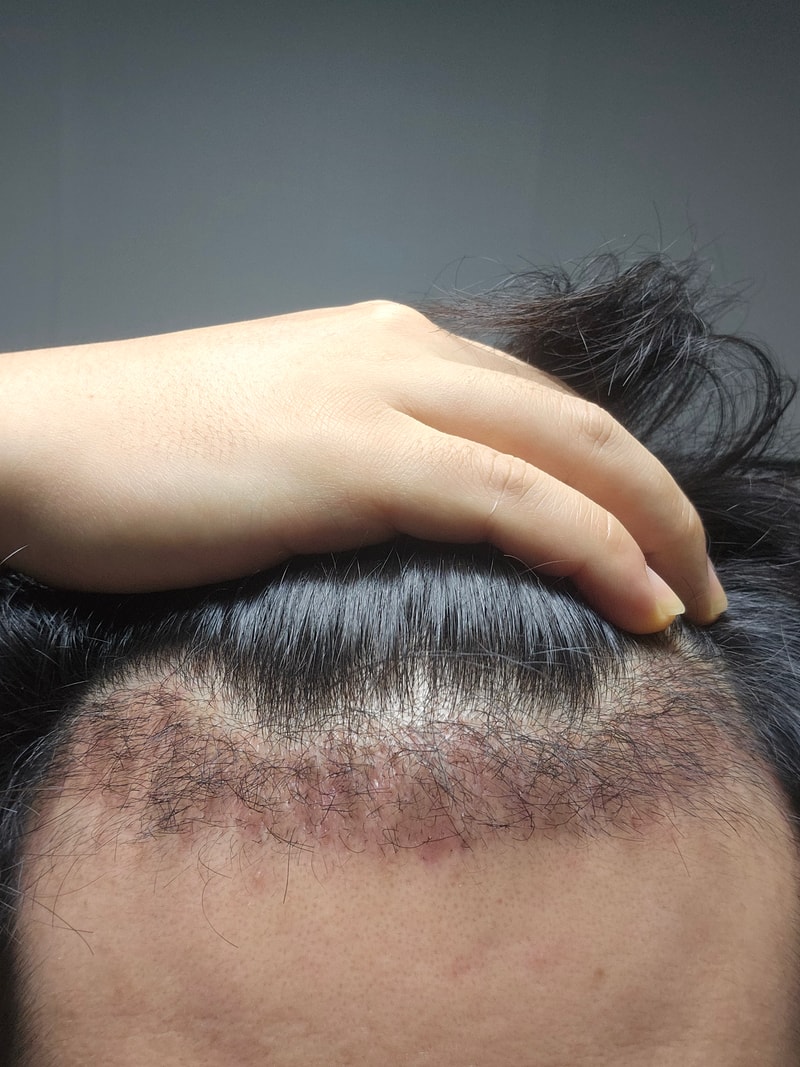
 인천 마이모 모발이식의원
 모프로의원
모프로의원 
 부산 리즈모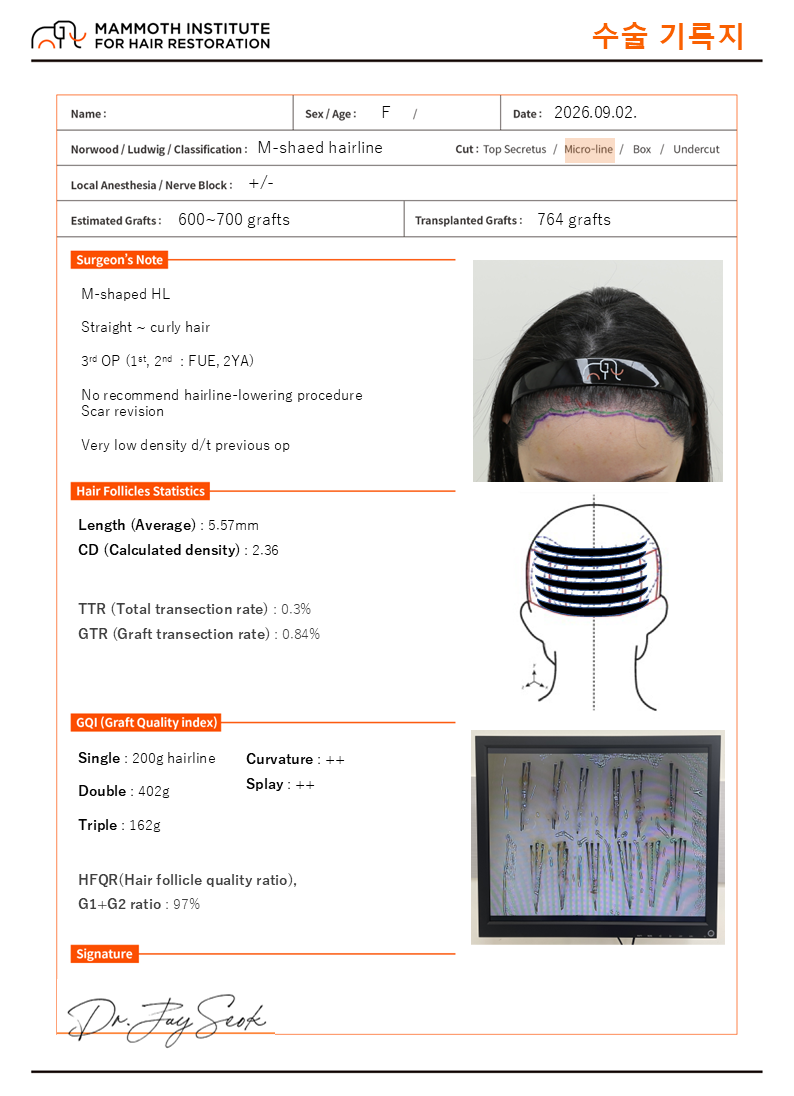
 압구정 맘모스헤어라인의원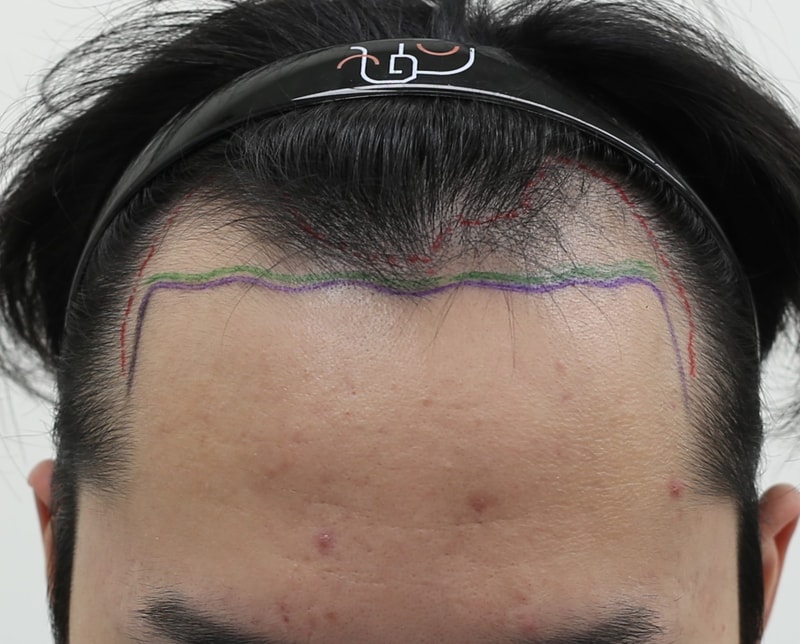
 인천 맘모스헤어라인의원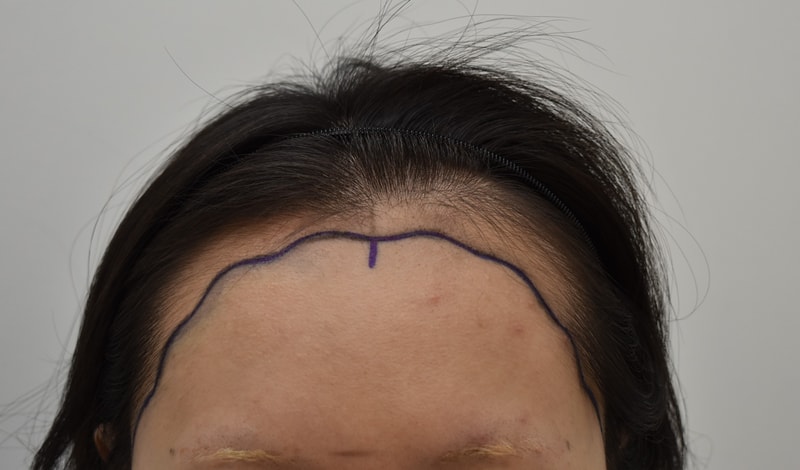
 모바른의원
모바른의원 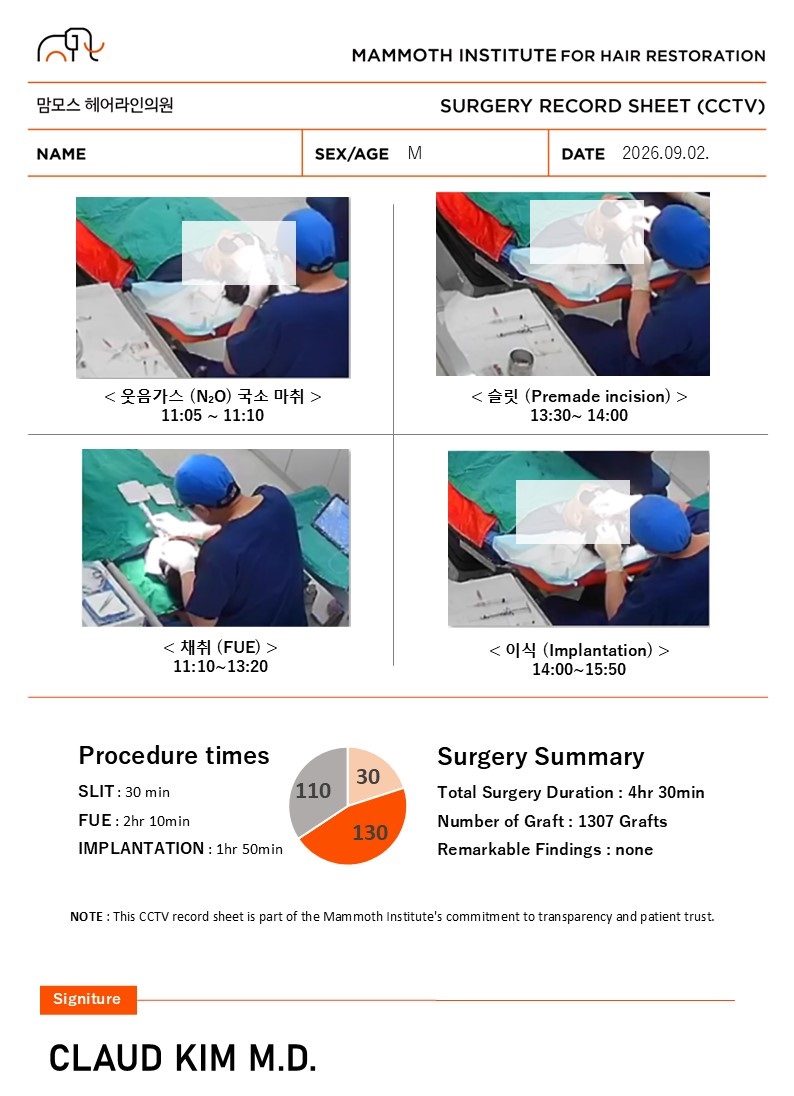
 부산 맘모스헤어라인의원
 뉴헤어모발성형외과의원
 알파모의원
알파모의원 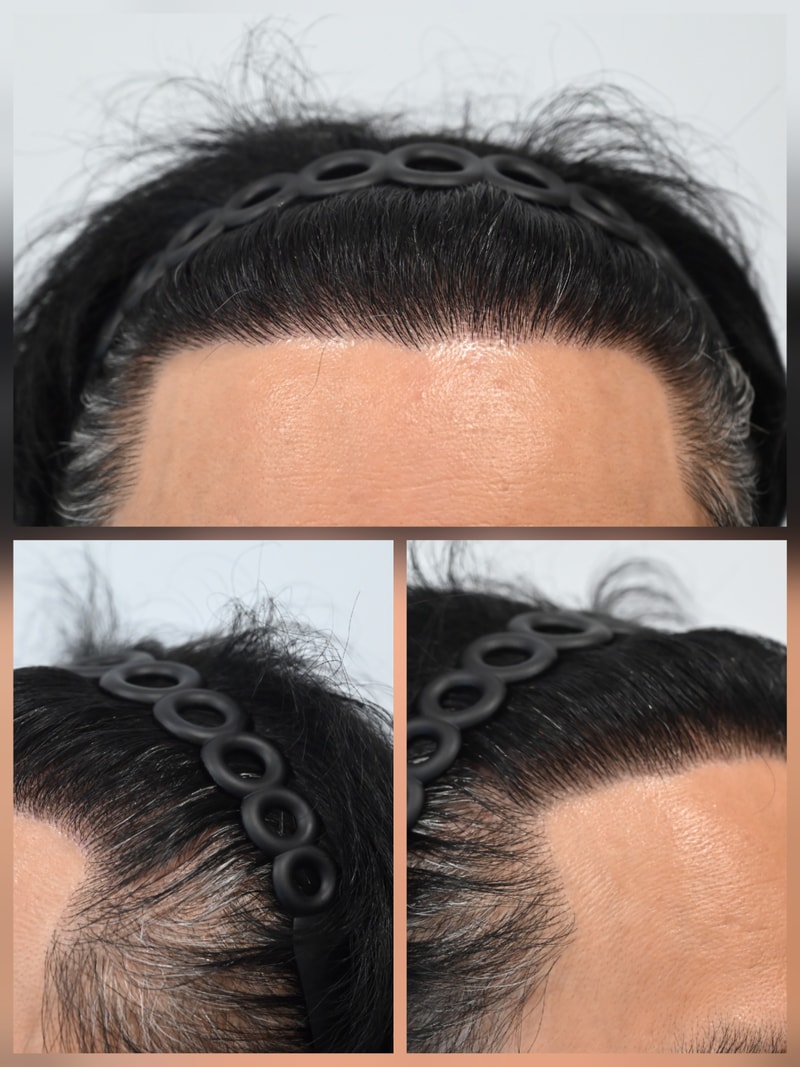
 모엠의원
모엠의원 
 광주 압구정모비앙의원
 용닥터의원
용닥터의원 
 모재성모발이식센터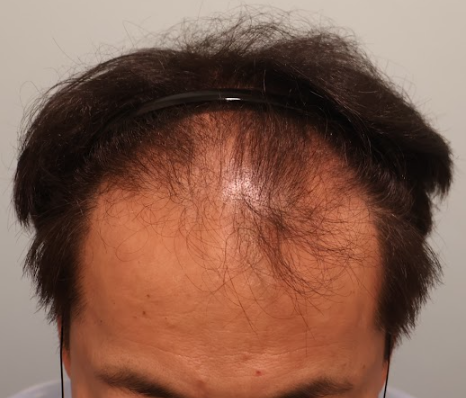
 참닥터모발이식의원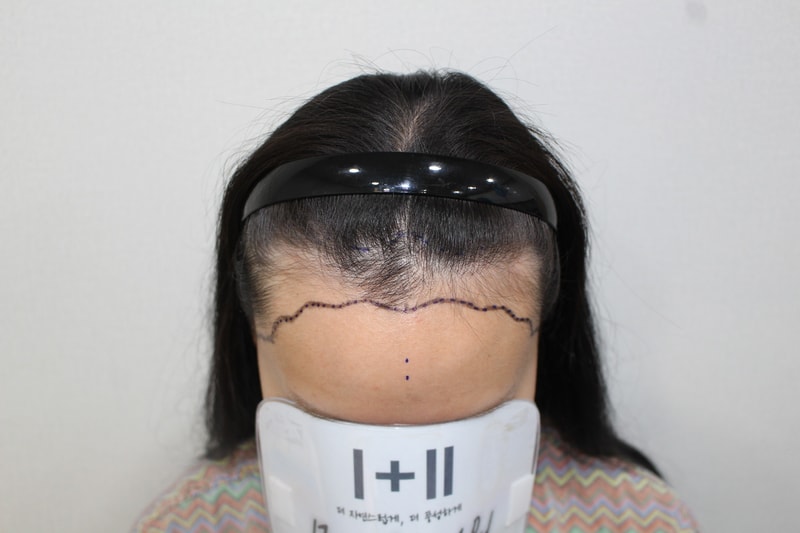
 모더함의원 모발이식센터
 모나라피부과의원
 모다올의원
모다올의원 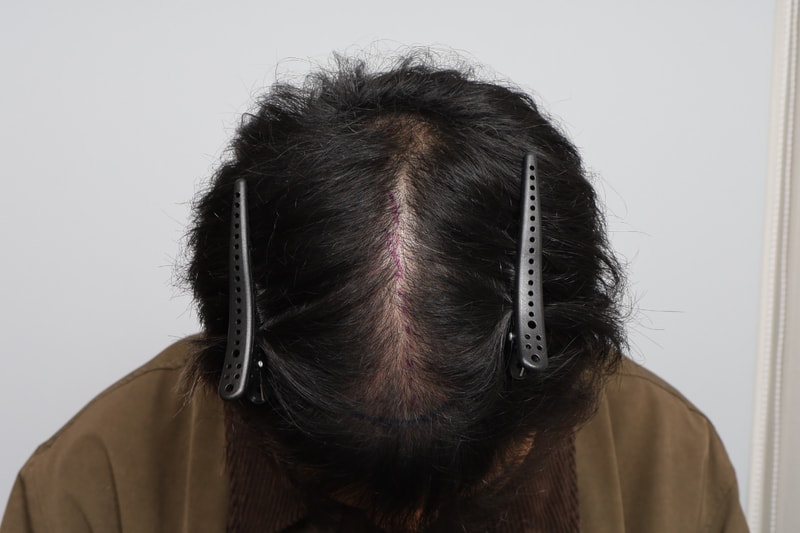
 모원성형외과의원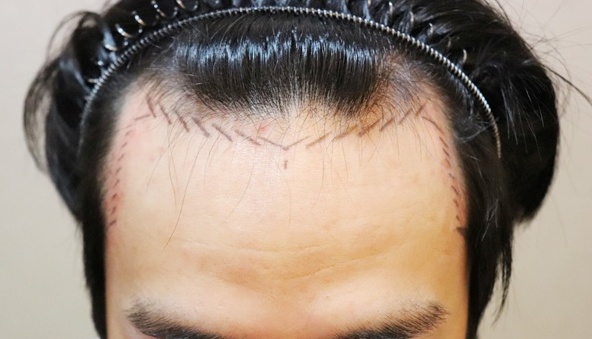
 JP성형외과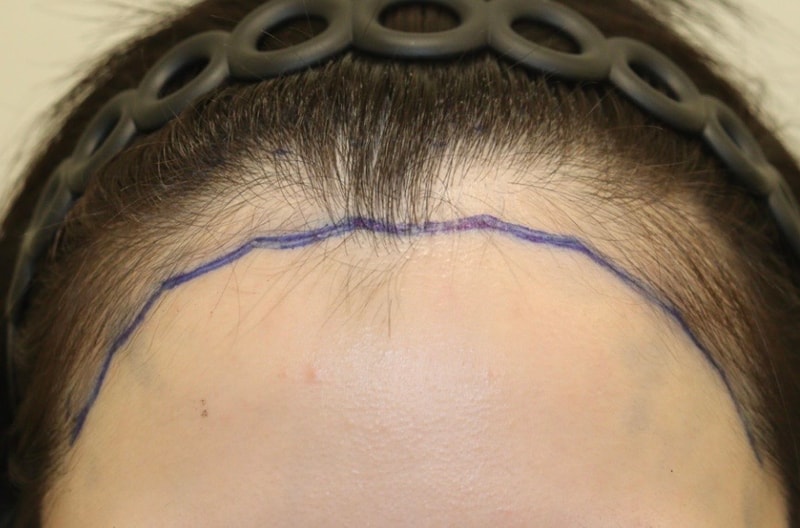
 헤어로의원 대구점
 연세모벨르의원 인천점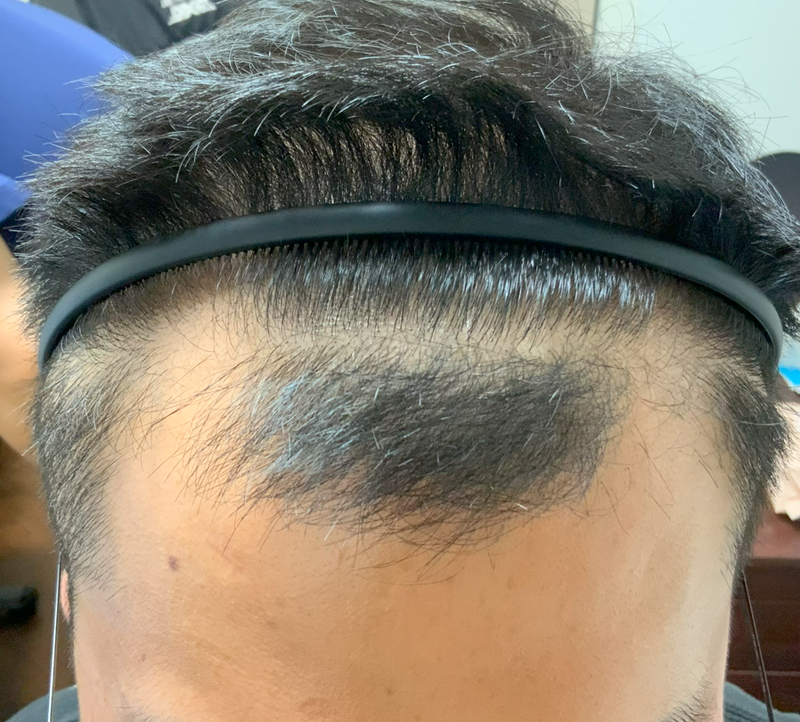
 연세모벨르의원 종로본점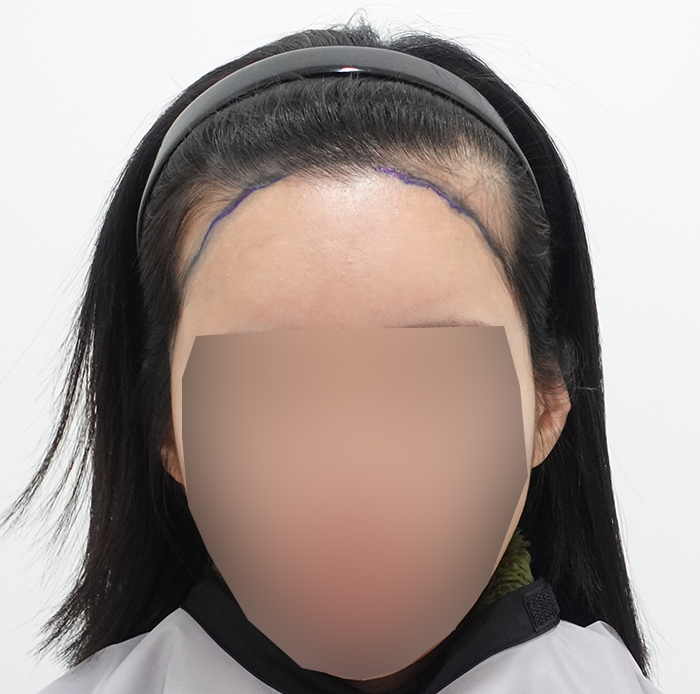
 모모성형외과의원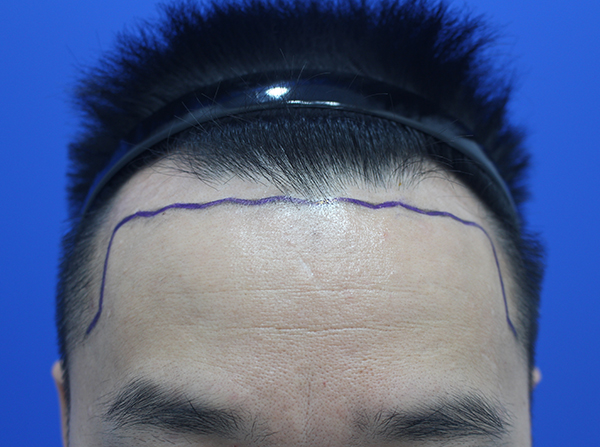
 한나이브모발이식센터
 모우림의원
모우림의원 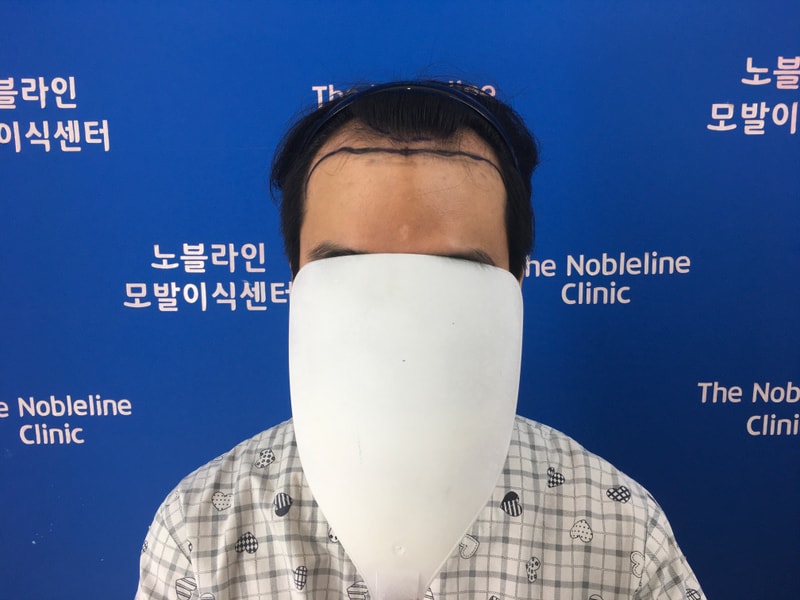
 노블라인의원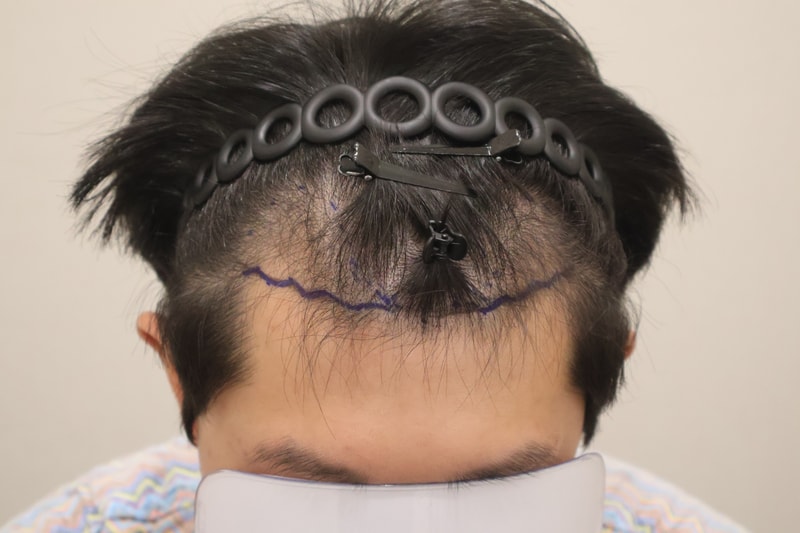
 헤어로의원 동탄점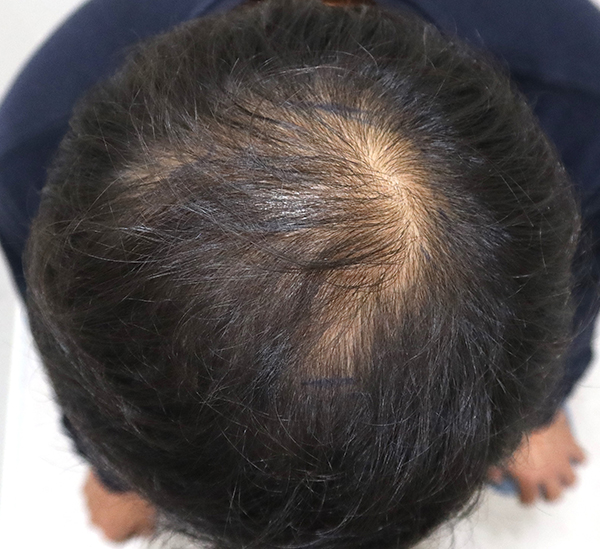
 모모의원 대구점
 모제림성형외과의원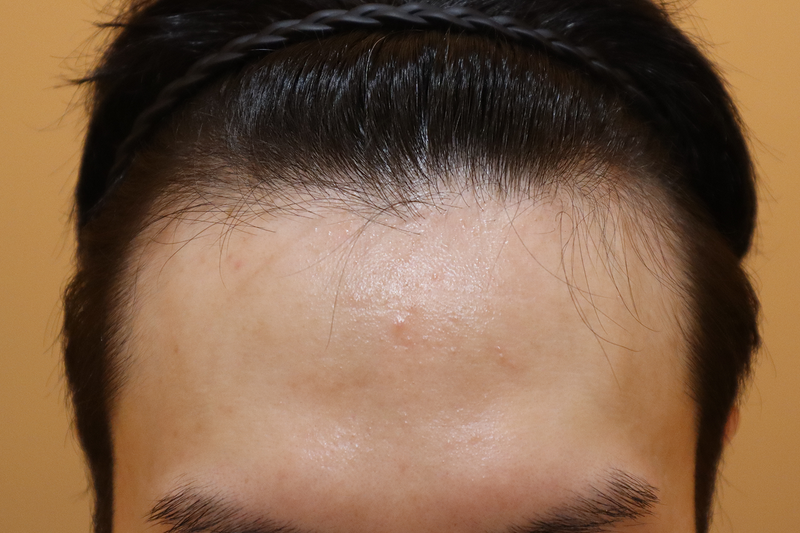
 헤어로의원 부산점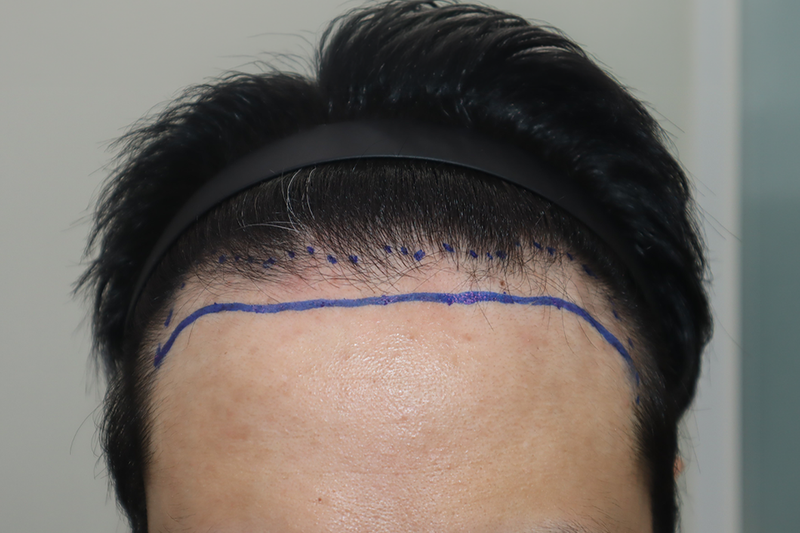
 헤어로의원 전주점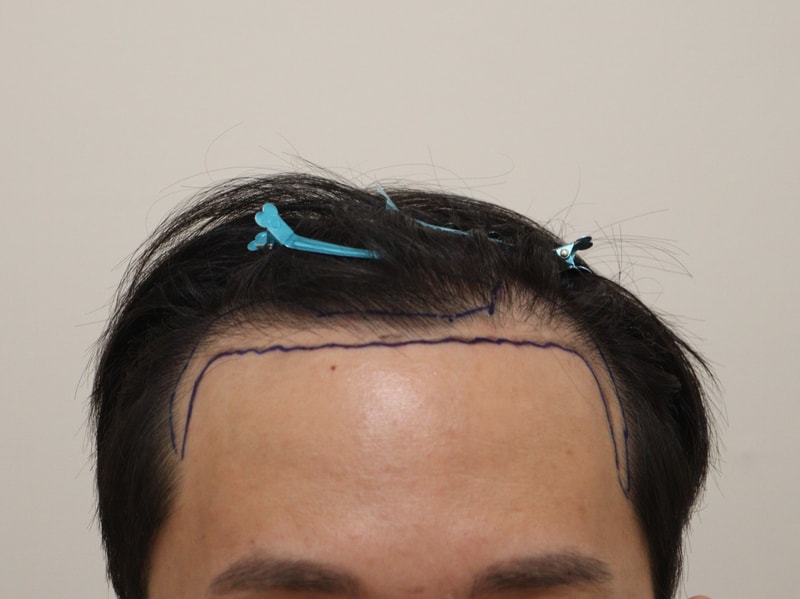
 모앤블레스모발이식
 모디헤어플란트의원
 자라다의원
자라다의원 
 모우다의원
모우다의원 
 모든모의원
모든모의원 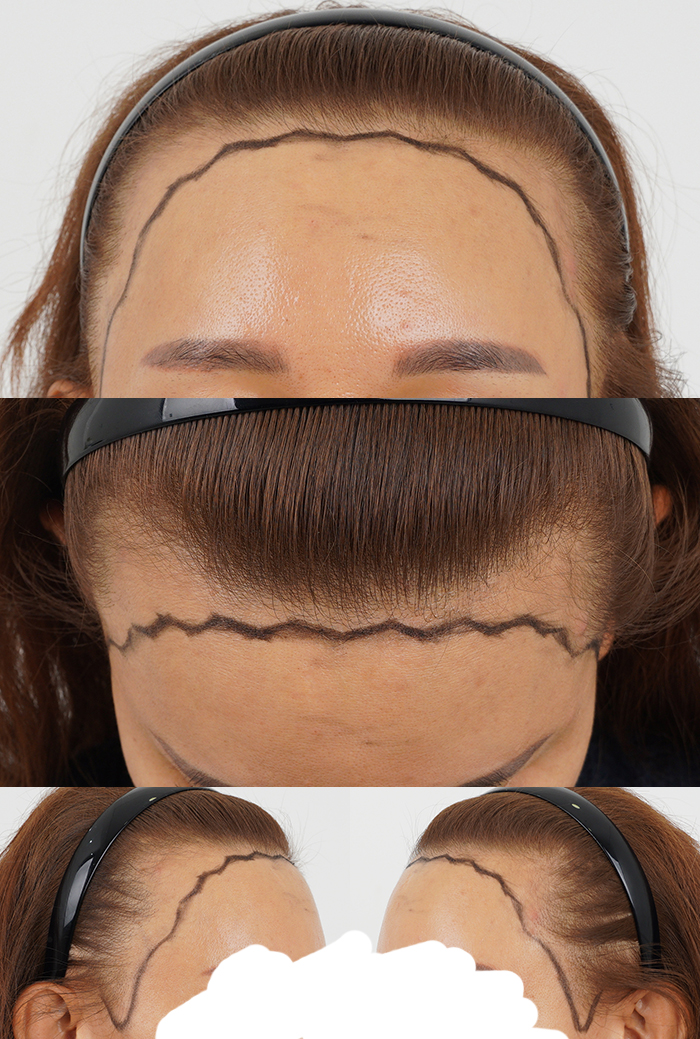
 모모의원 부산점
 바람부는날에도 성형외과의원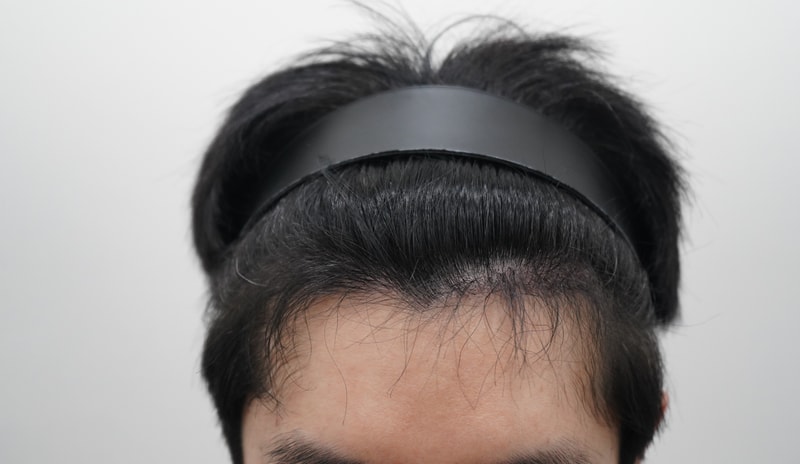
 모아트의원
모아트의원 
 헤어로의원 청주점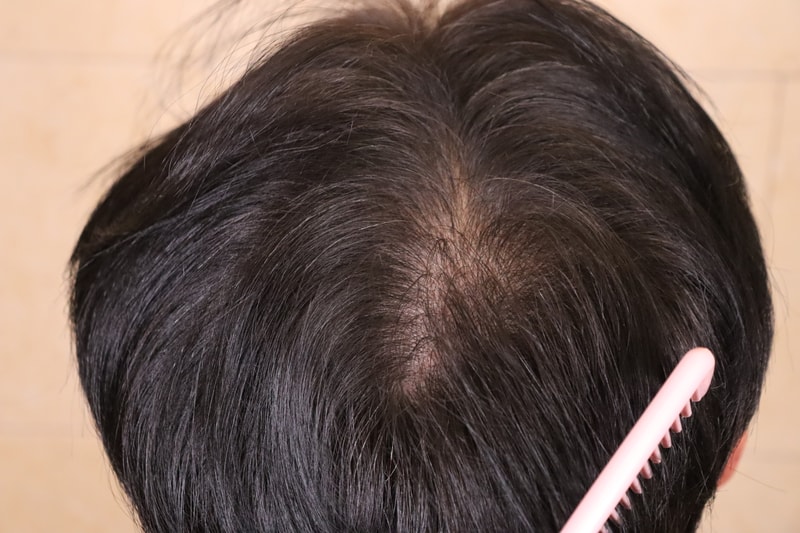
 움찬의원
움찬의원 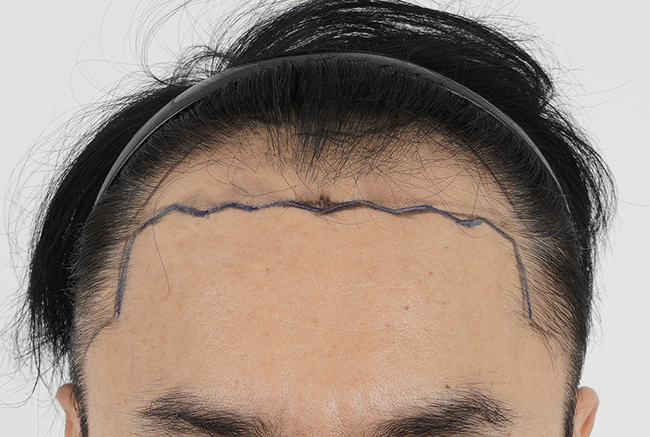
 모모의원 수원점
 모먼트의원
모먼트의원 
 다나성형외과
 연세모벨르의원 대구점
 글로웰의원
글로웰의원 
 모션모발이식의원
 모아만의원
모아만의원 



댓글